 Author
-
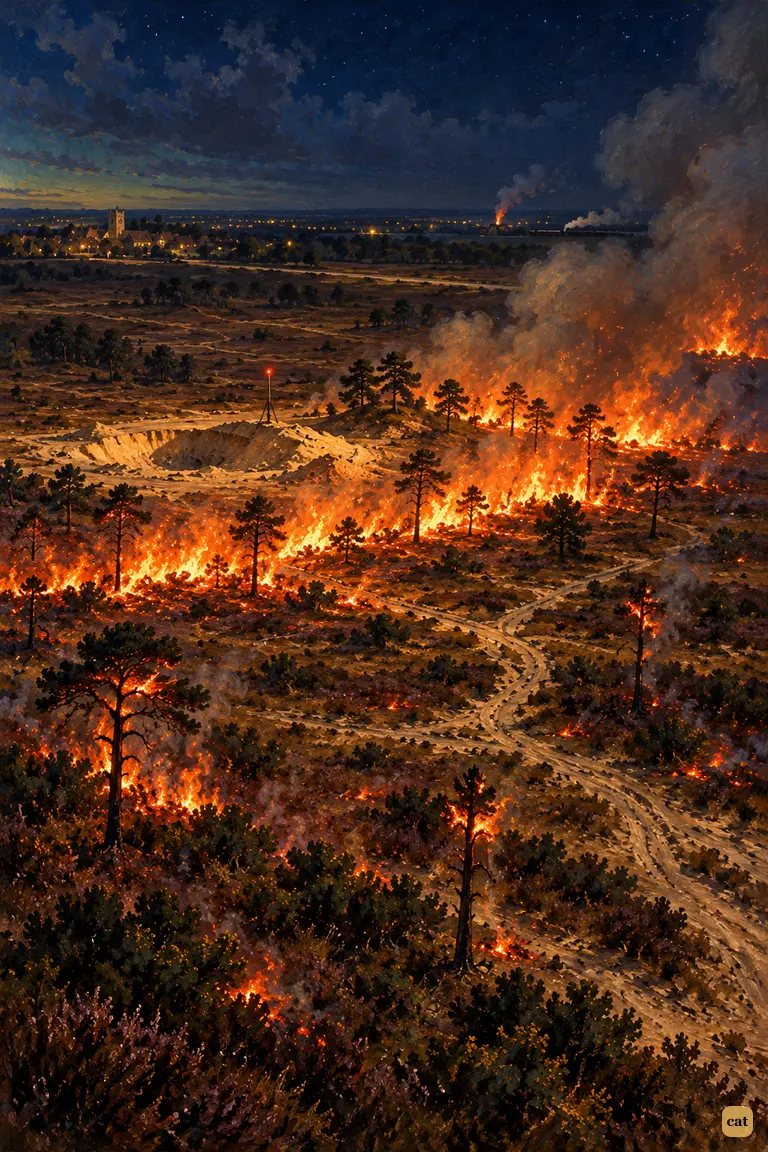
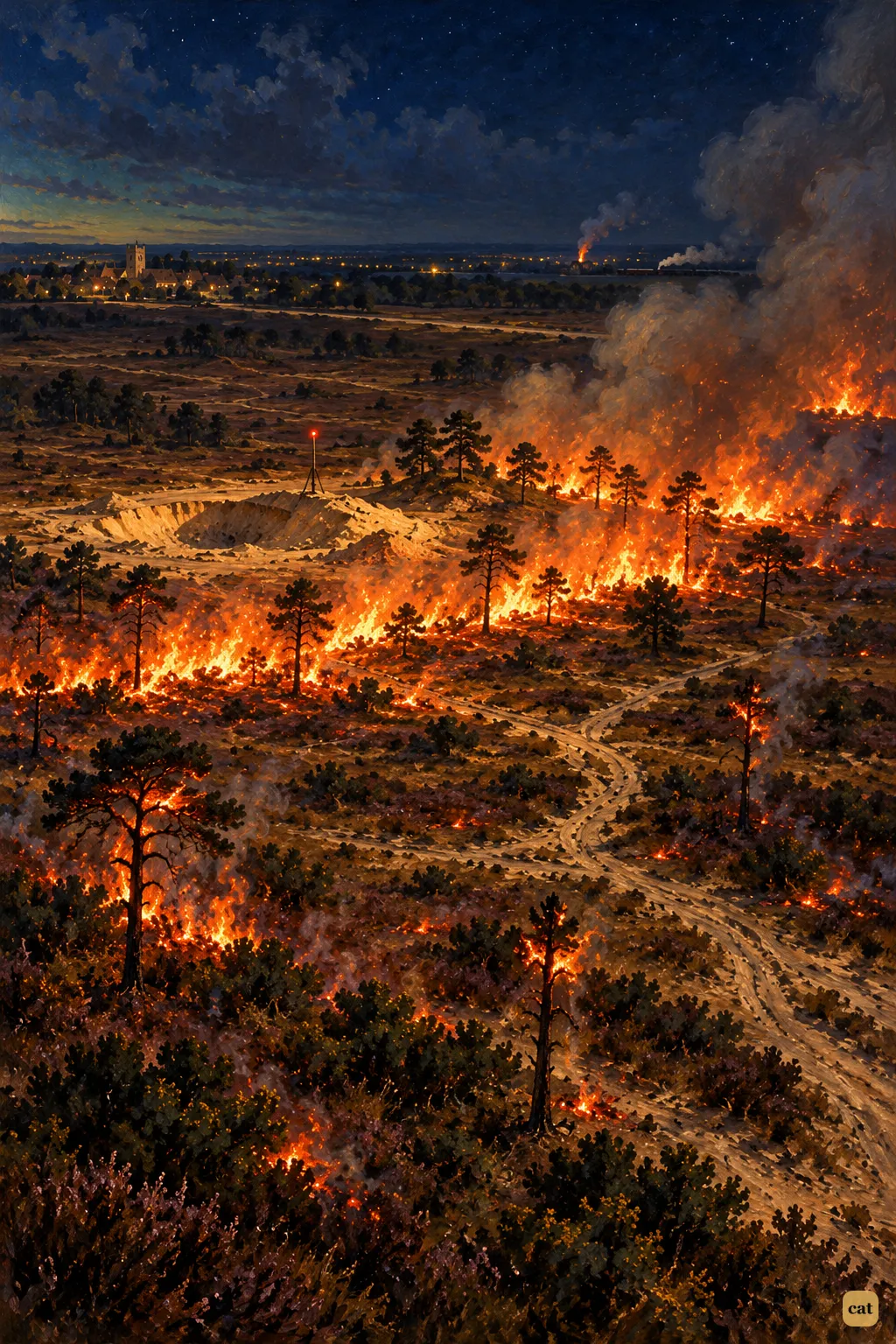
The common burns at night
For my own part, I remember nothing of my flight except the stress of blundering against trees and stumbling through the heather. All about me gathered the invisible terrors of the Martians; that pitiless sword of heat seemed whirling to and fro, flourishing overhead before it descended and smote me out of life. I came into the road between the crossroads and Horsell, and ran along this to the crossroads.
Read from here → -
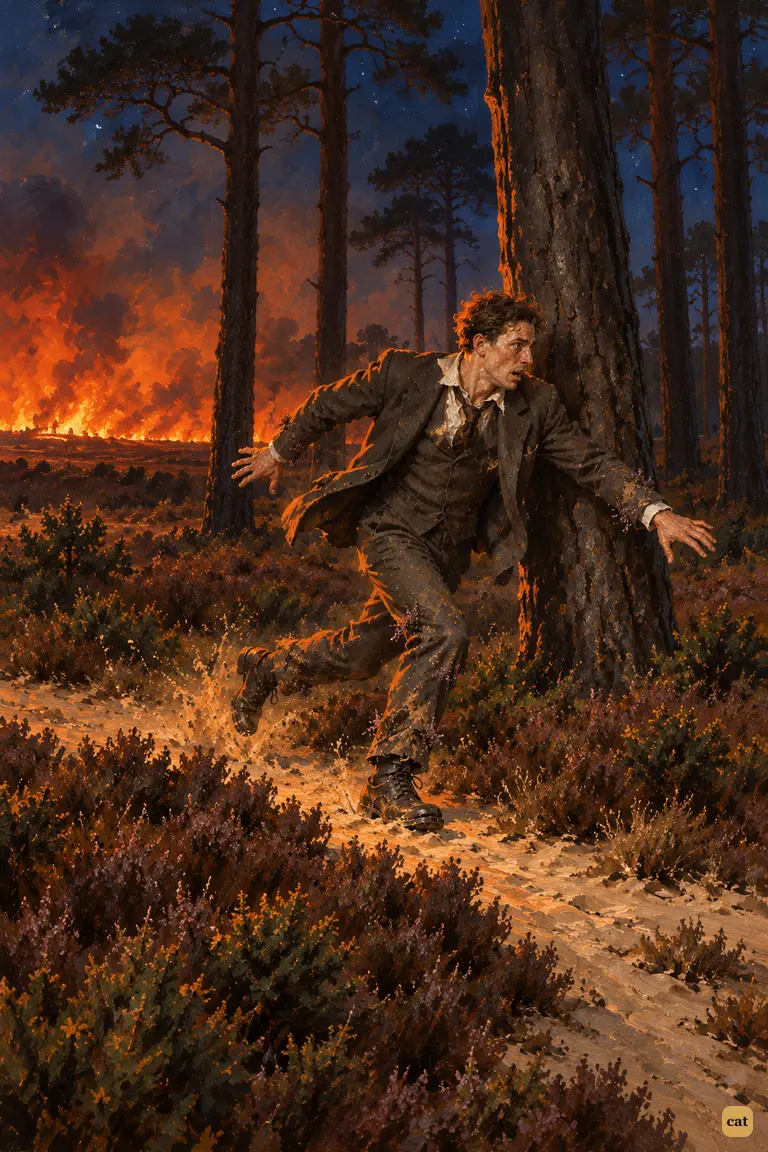
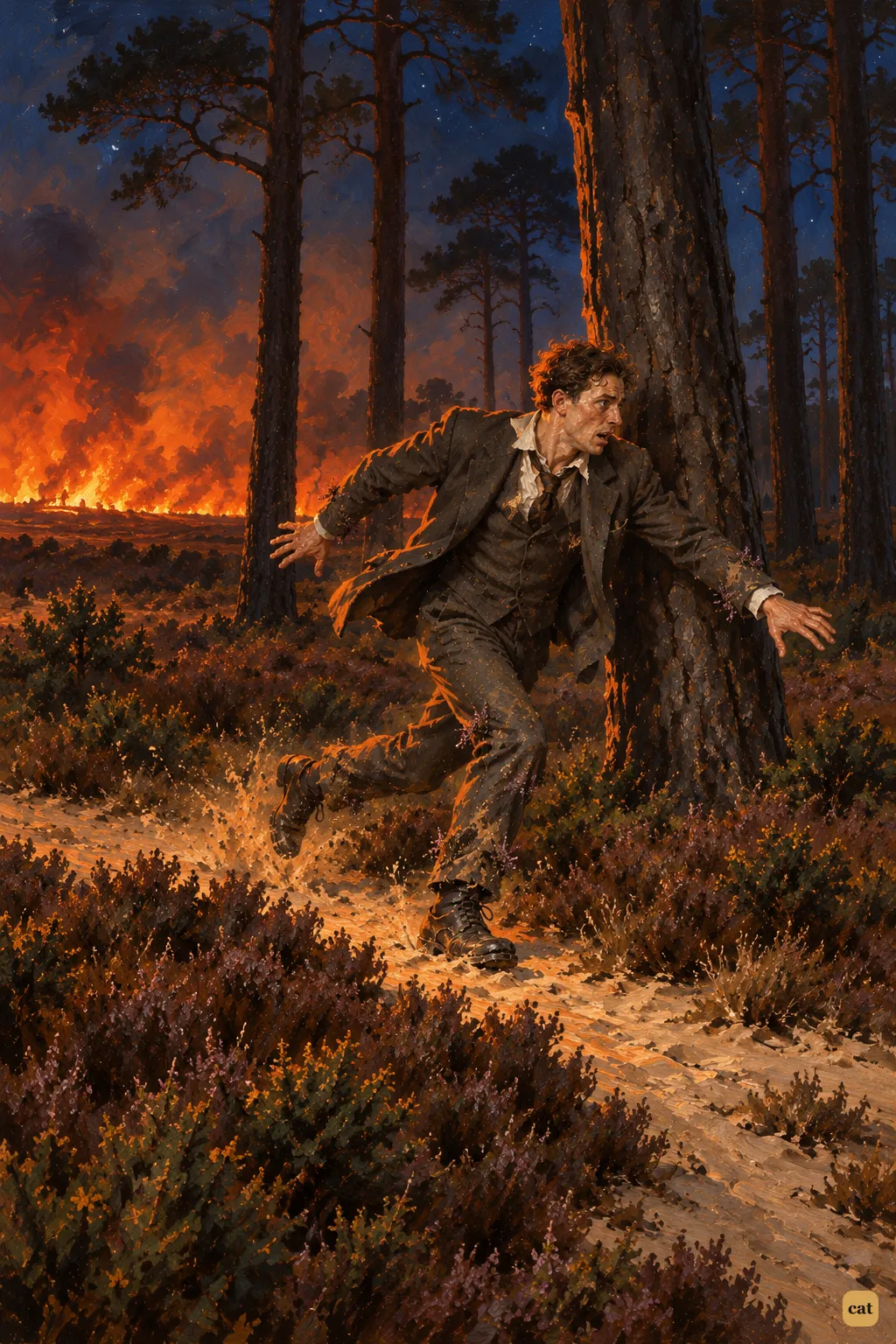
Blundering through the pines
For my own part, I remember nothing of my flight except the stress of blundering against trees and stumbling through the heather. All about me gathered the invisible terrors of the Martians; that pitiless sword of heat seemed whirling to and fro, flourishing overhead before it descended and smote me out of life. I came into the road between the crossroads and Horsell, and ran along this to the crossroads.
Read from here → -
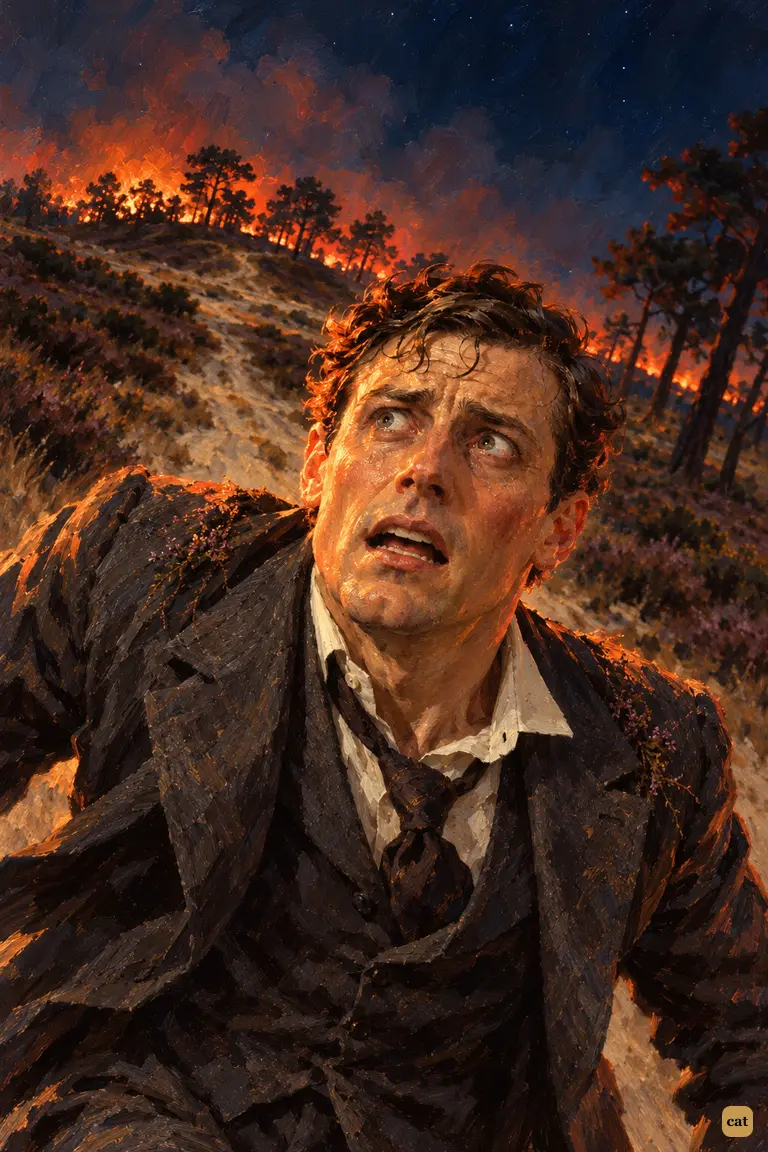
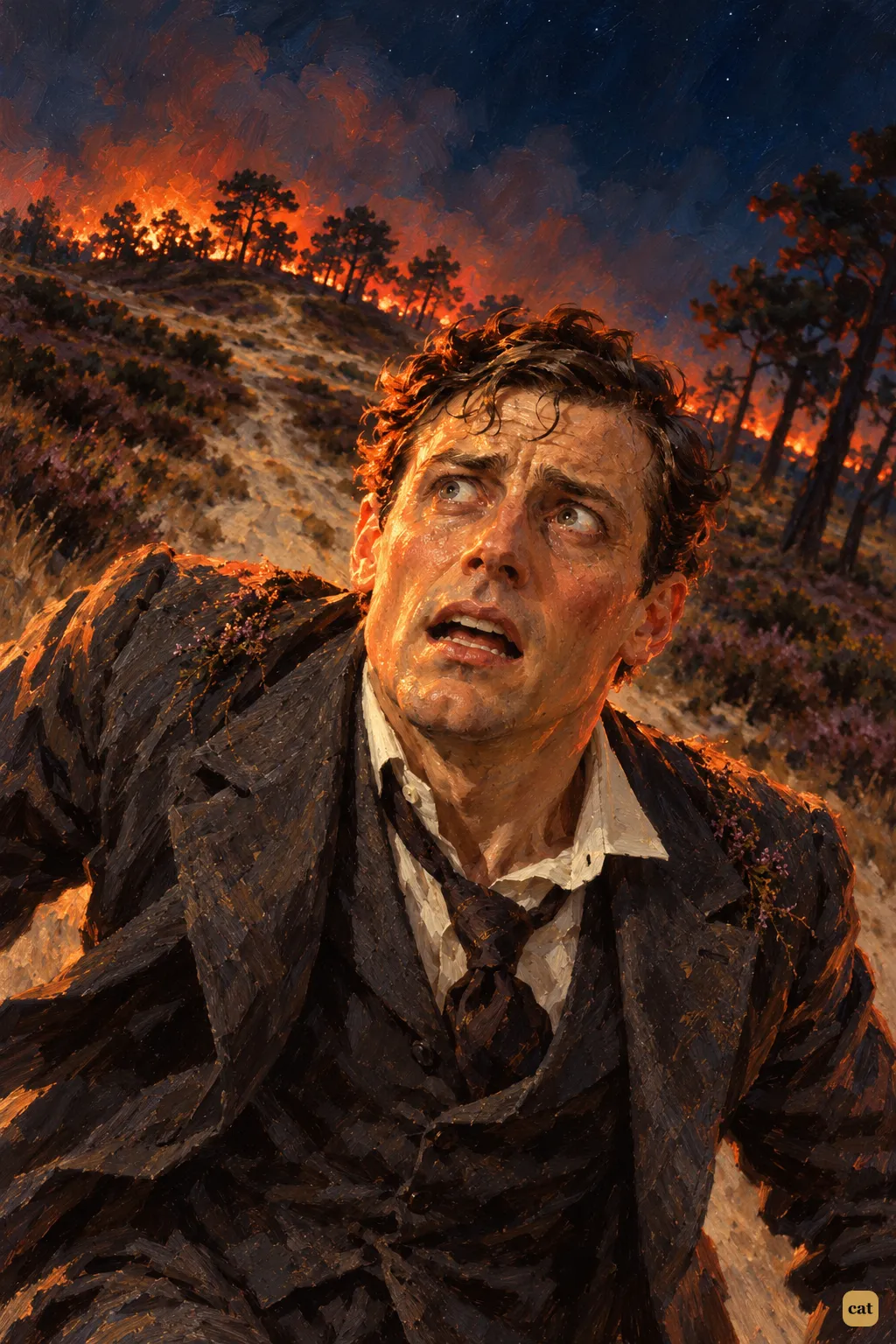
The sword of heat overhead
For my own part, I remember nothing of my flight except the stress of blundering against trees and stumbling through the heather. All about me gathered the invisible terrors of the Martians; that pitiless sword of heat seemed whirling to and fro, flourishing overhead before it descended and smote me out of life. I came into the road between the crossroads and Horsell, and ran along this to the crossroads.
Read from here → -
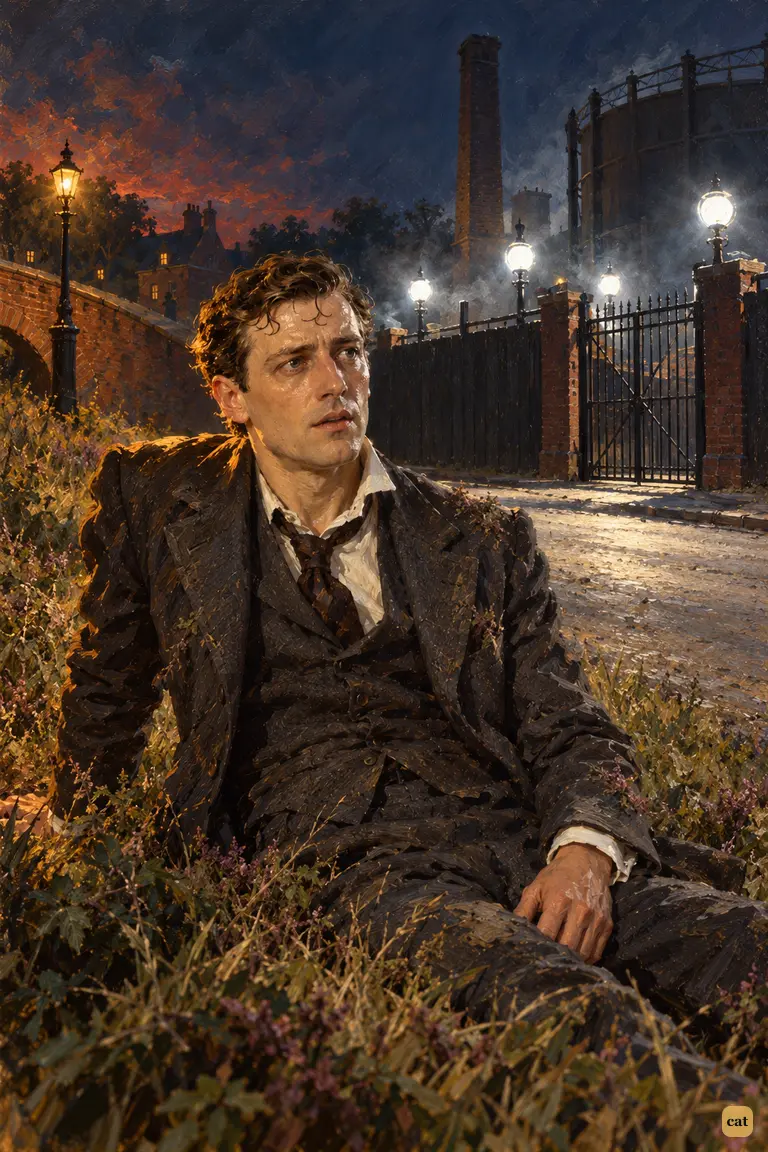
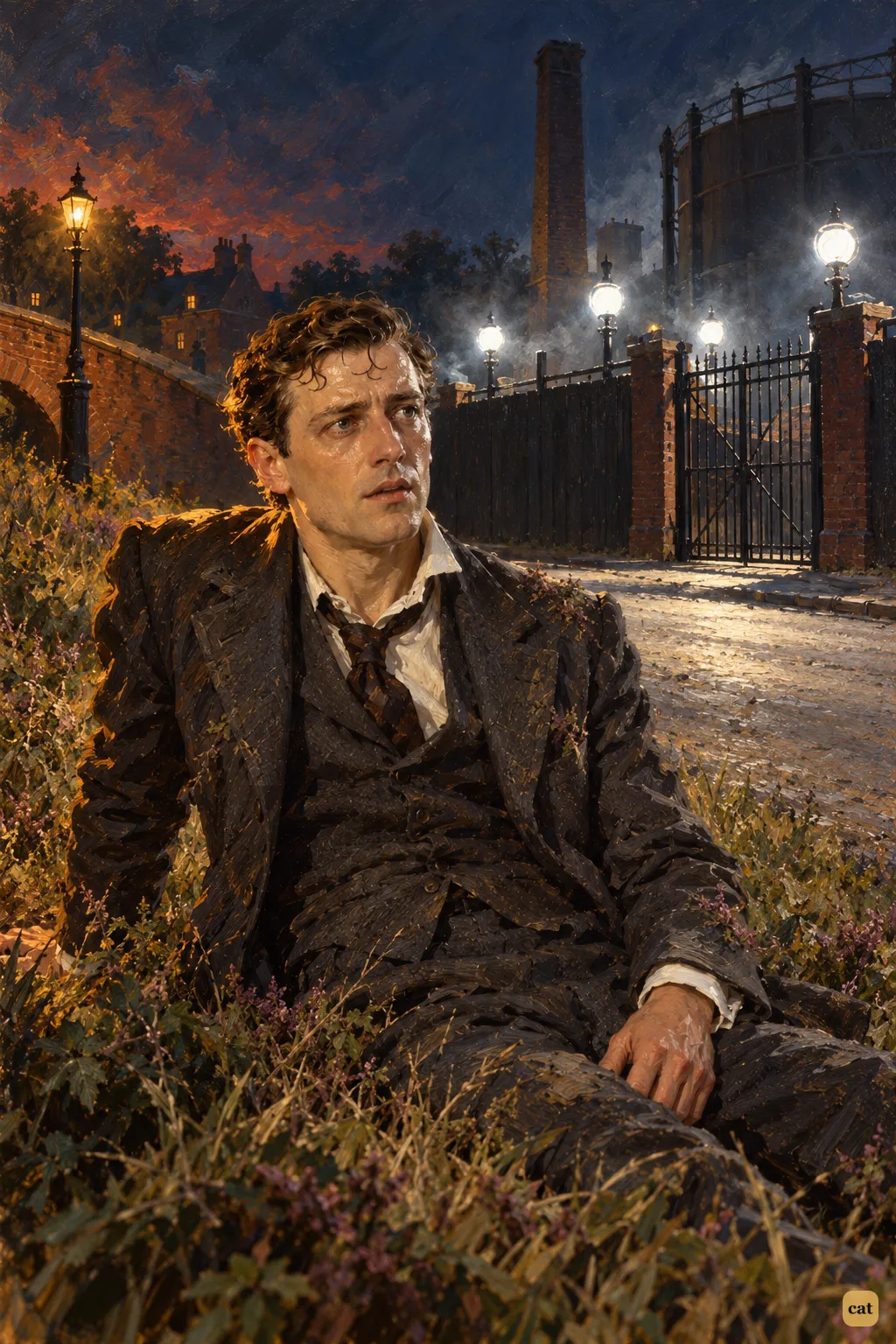
Terror falls away
I sat up, strangely perplexed. For a moment, perhaps, I could not clearly understand how I came there. My terror had fallen from me like a garment. My hat had gone, and my collar had burst away from its fastener. A few minutes before, there had only been three real things before me—the immensity of the night and space and nature, my own feebleness and anguish, and the near approach of death. Now it was as if something turned over, and the point of view altered abruptly. There was no sensible transition from one state of mind to the other. I was immediately the self of every day again—a decent, ordinary citizen. The silent common, the impulse of my flight, the starting flames, were as if they had been in a dream. I asked myself had these latter things indeed happened? I could not credit it.
Read from here → -
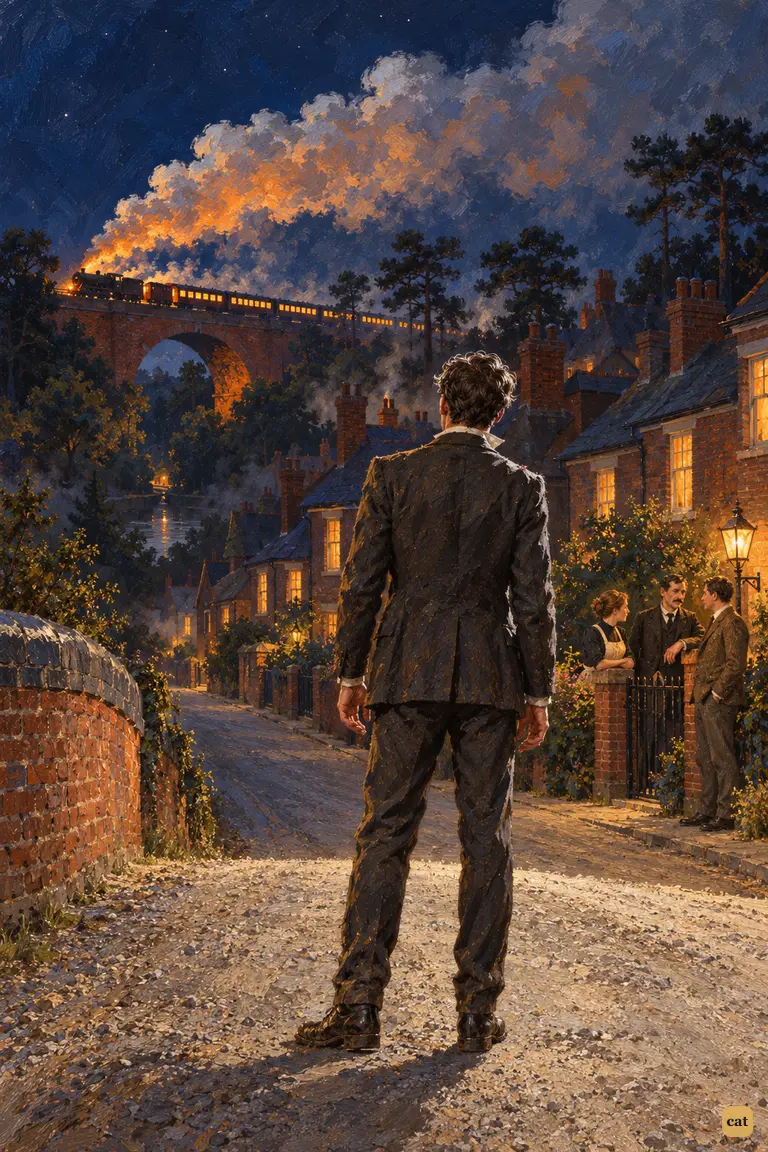
Train over Maybury arch
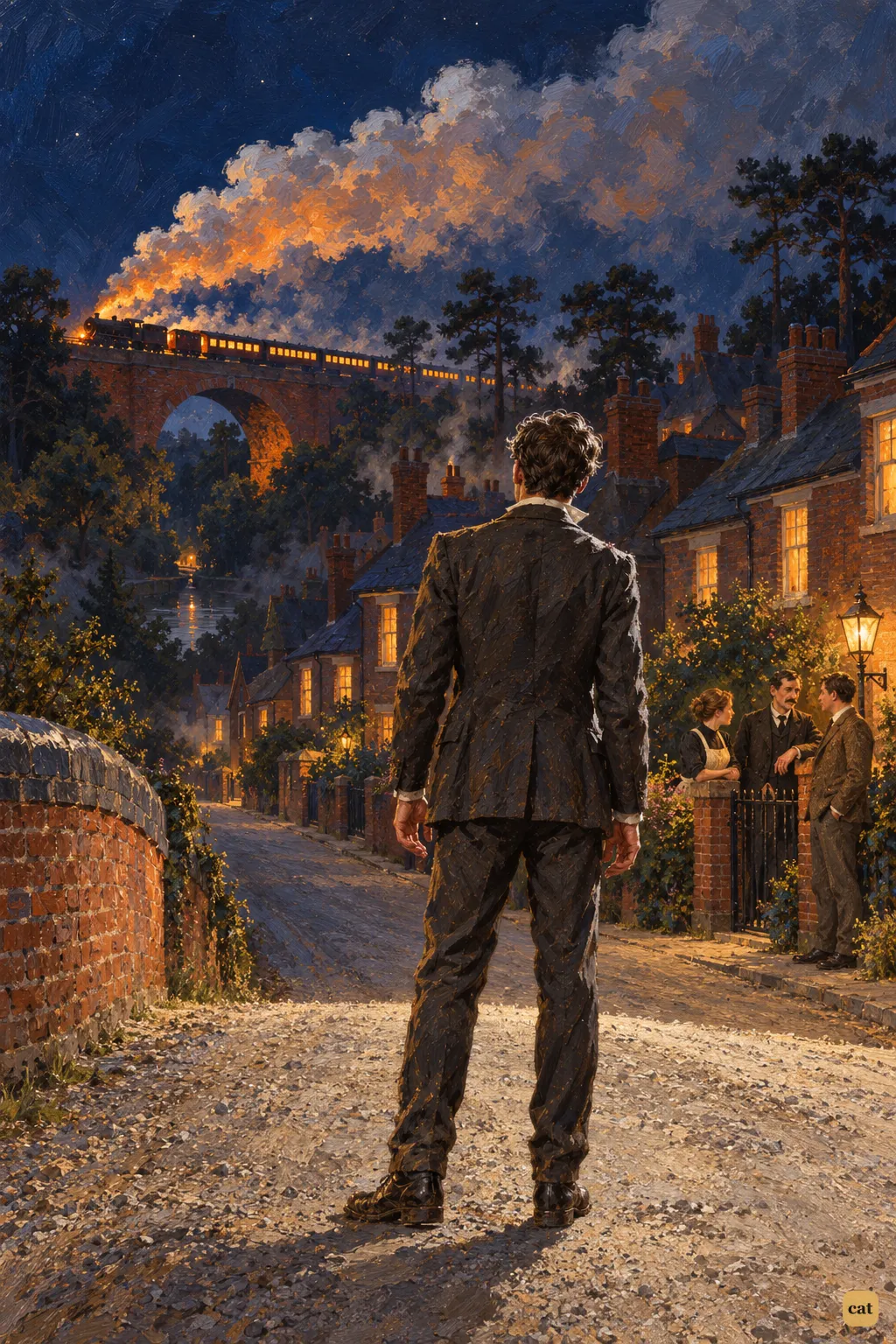
Over the Maybury arch a train, a billowing tumult of white, firelit smoke, and a long caterpillar of lighted windows, went flying south—clatter, clatter, clap, rap, and it had gone. A dim group of people talked in the gate of one of the houses in the pretty little row of gables that was called Oriental Terrace. It was all so real and so familiar. And that behind me! It was frantic, fantastic! Such things, I told myself, could not be.
Read from here → -
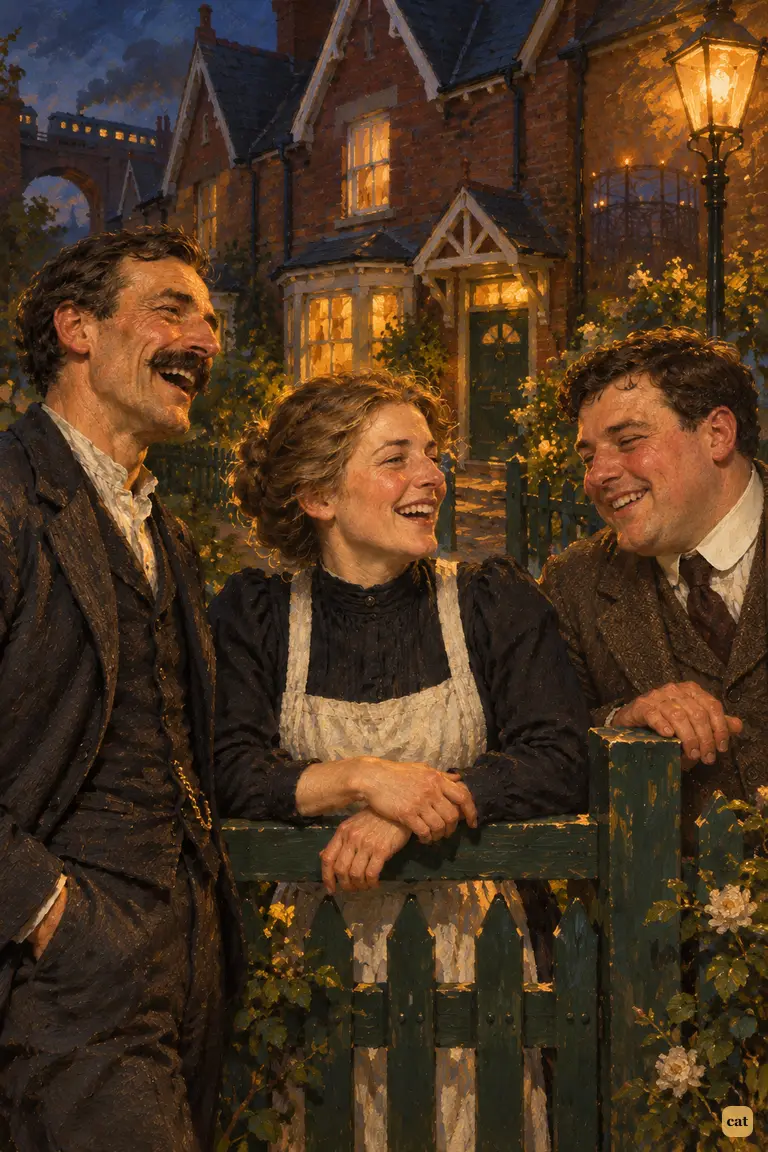
All three laugh
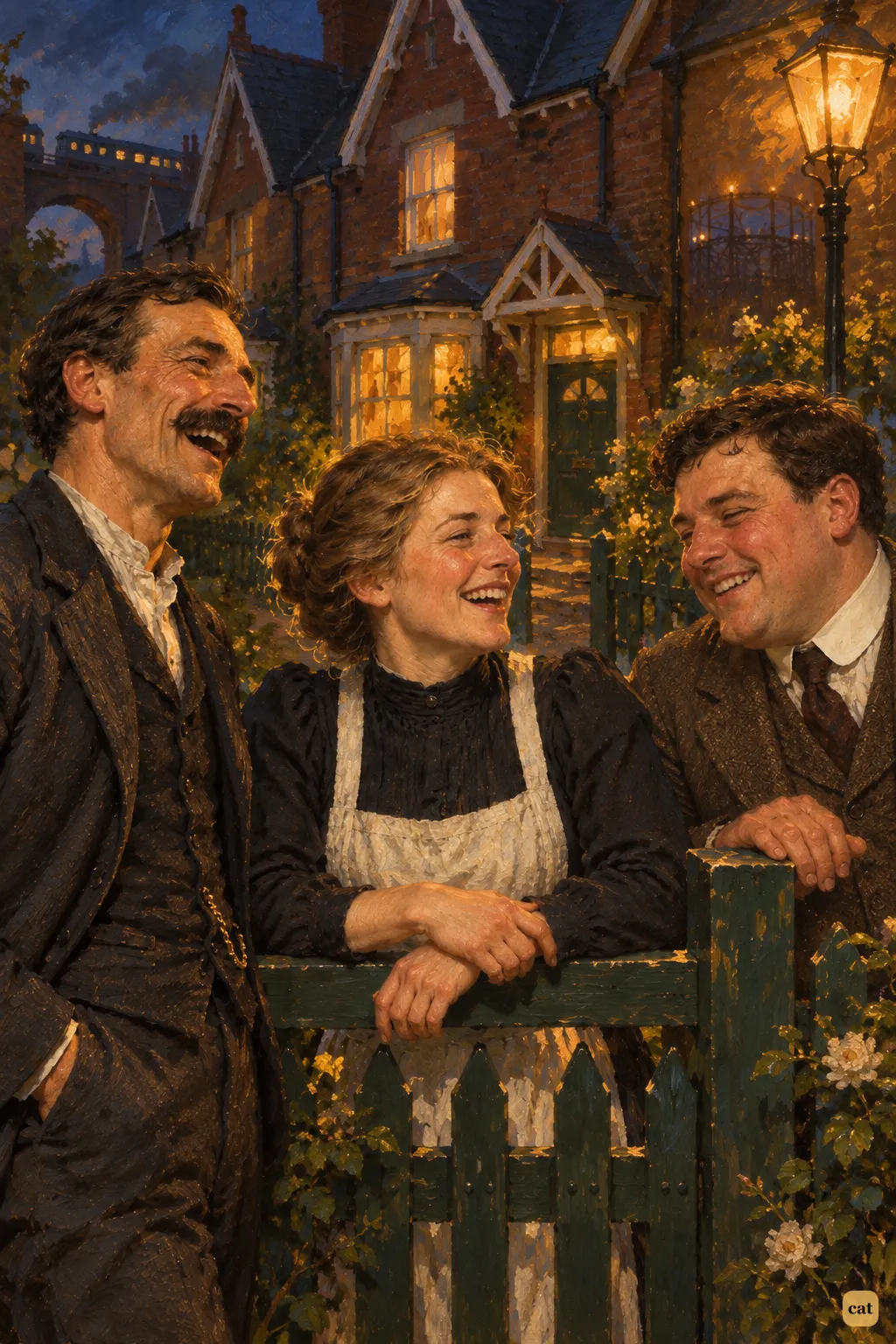
“Quite enough,” said the woman over the gate. “Thenks;” and all three of them laughed.
Read from here → -
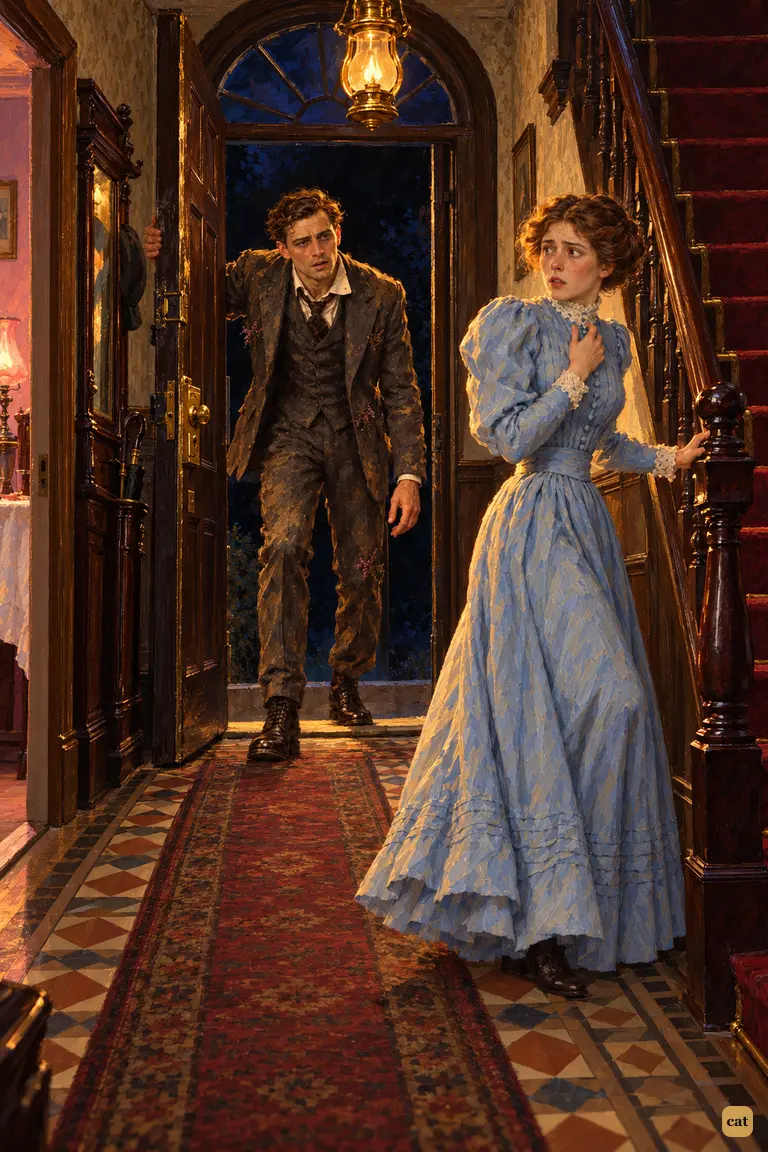
Startled at the doorway
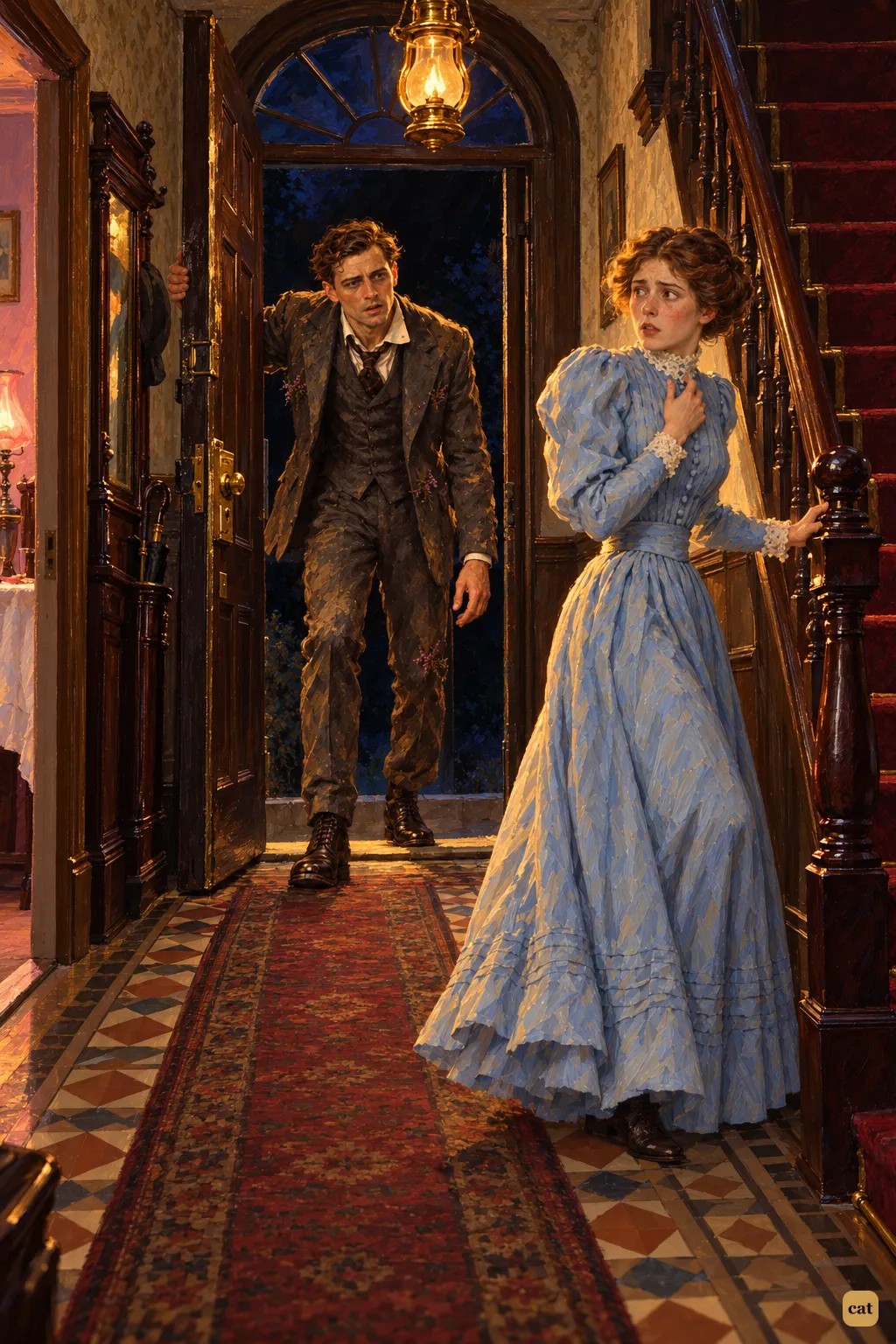
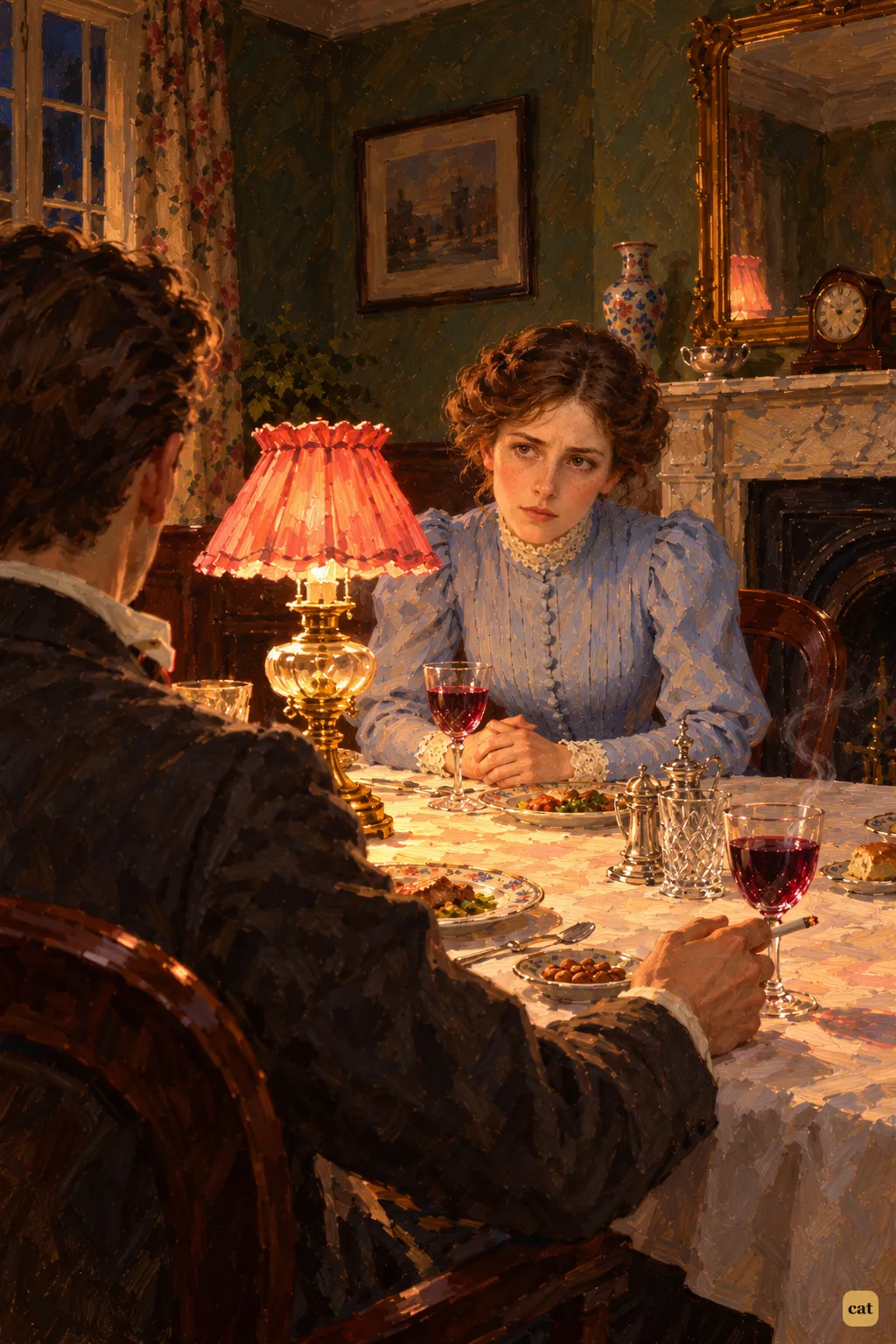
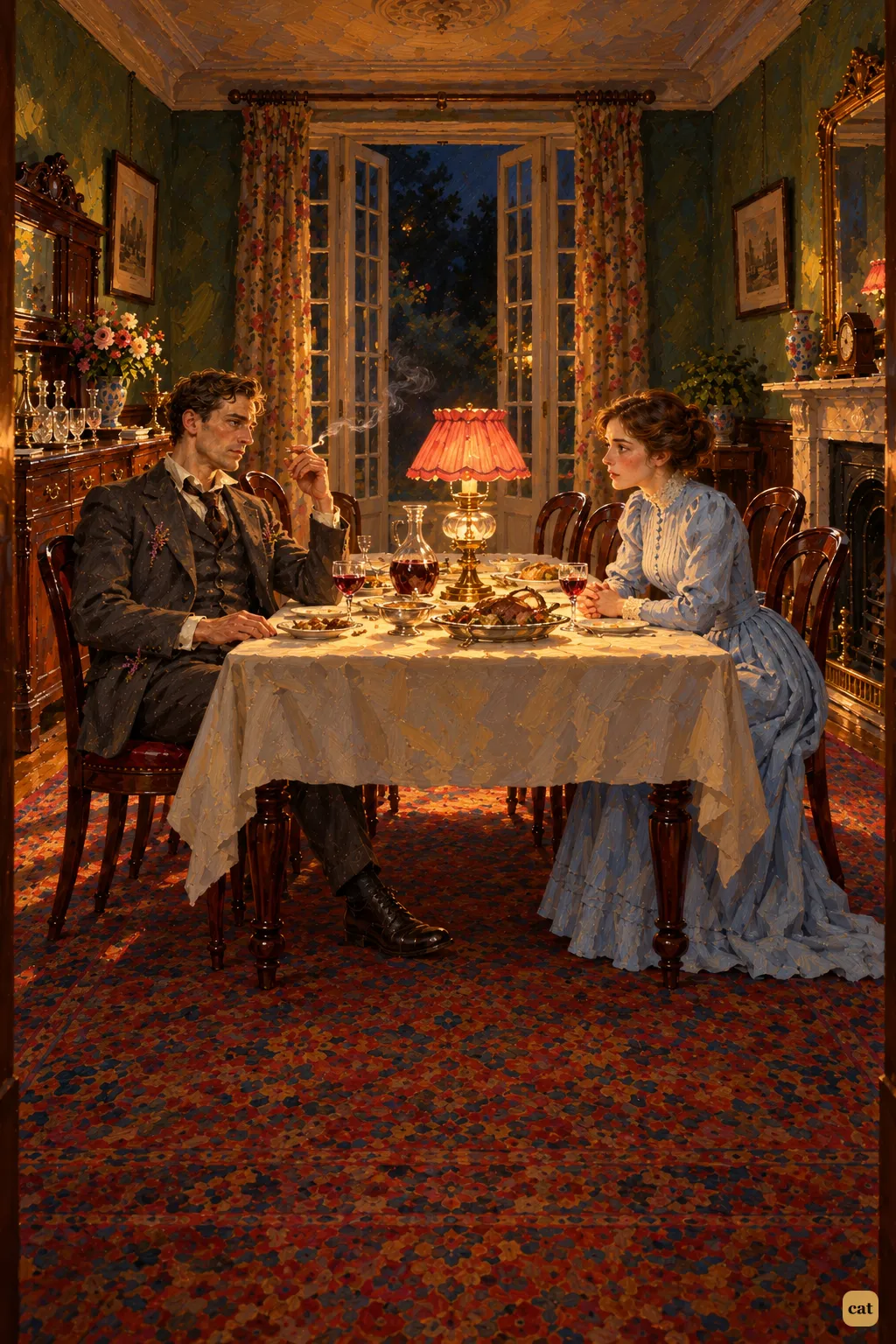
I startled my wife at the doorway, so haggard was I. I went into the dining room, sat down, drank some wine, and so soon as I could collect myself sufficiently I told her the things I had seen. The dinner, which was a cold one, had already been served, and remained neglected on the table while I told my story.
Read from here → -
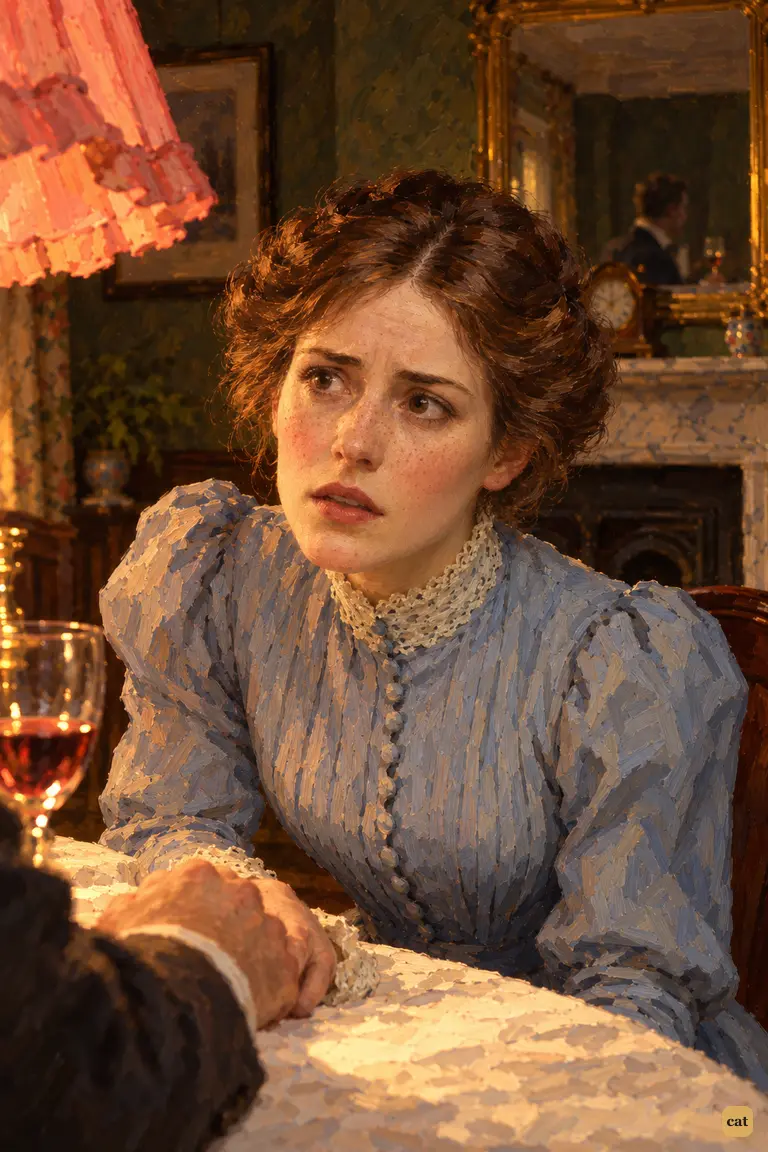
Deadly white
My wife at least did not find my experience incredible. When I saw how deadly white her face was, I ceased abruptly.
Read from here → -
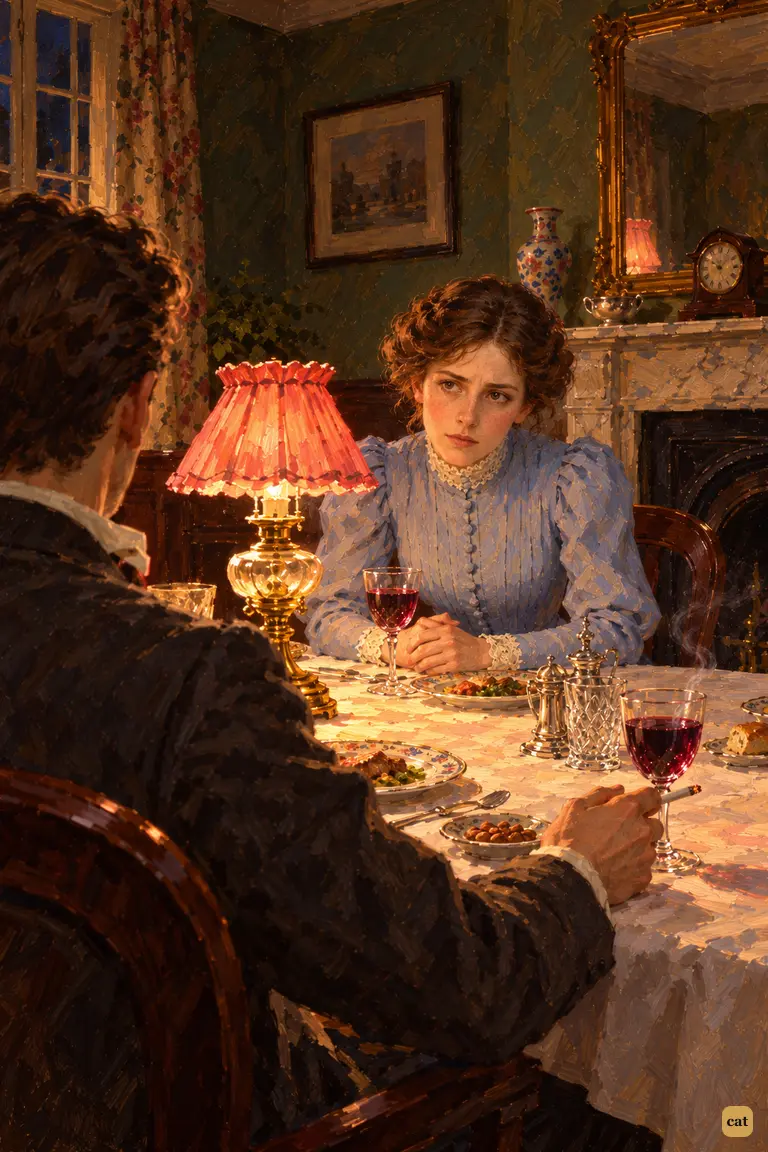
Her face under the shade
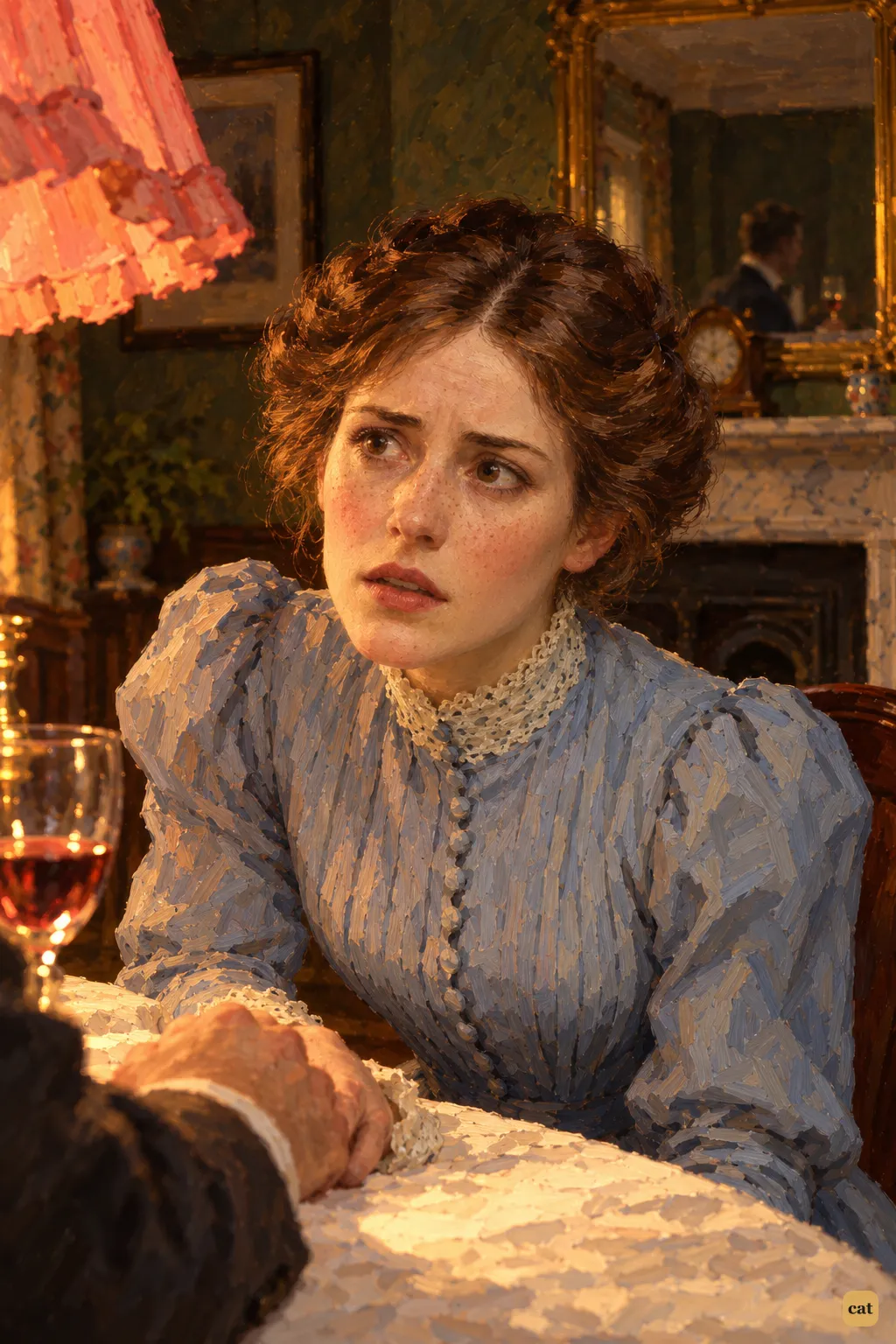
The intense excitement of the events had no doubt left my perceptive powers in a state of erethism. I remember that dinner table with extraordinary vividness even now. My dear wife’s sweet anxious face peering at me from under the pink lamp shade, the white cloth with its silver and glass table furniture—for in those days even philosophical writers had many little luxuries—the crimson-purple wine in my glass, are photographically distinct. At the end of it I sat, tempering nuts with a cigarette, regretting Ogilvy’s rashness, and denouncing the short-sighted timidity of the Martians.
Read from here → -
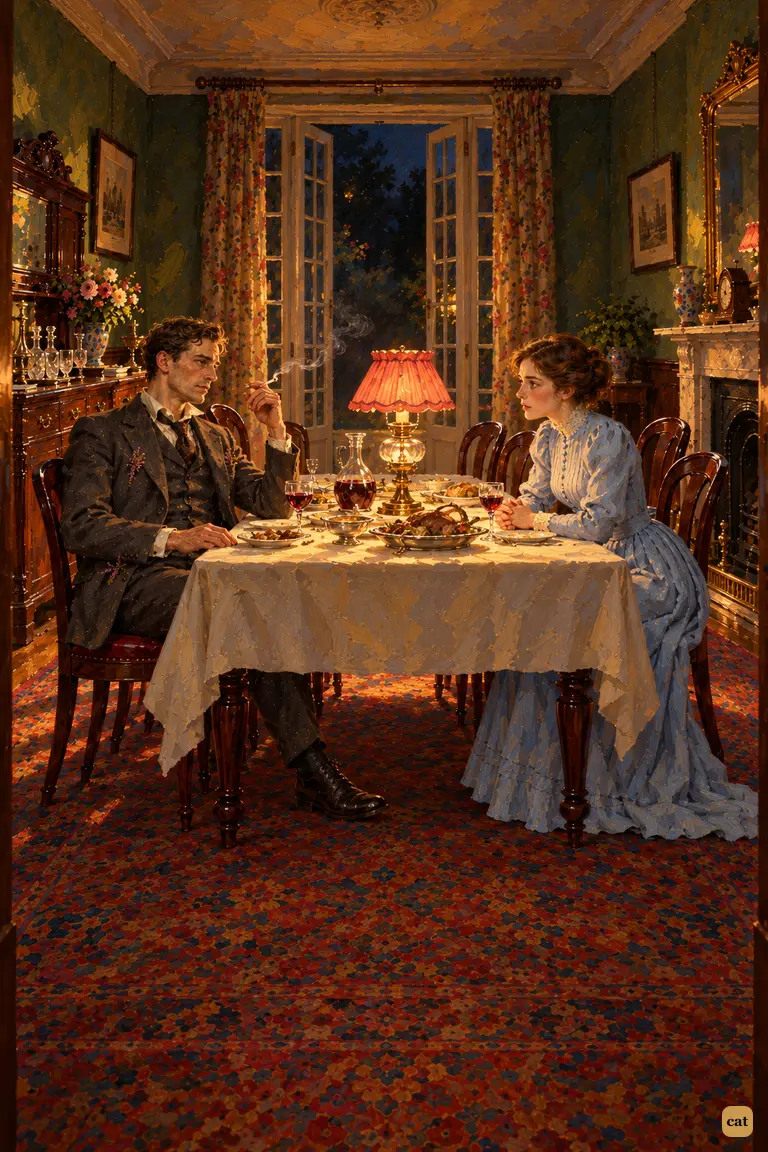
The last civilised dinner
I did not know it, but that was the last civilised dinner I was to eat for very many strange and terrible days.
Read from here → -
Chapter 7
Flight home and a false calm
Next chapter: Friday night: the world goes on Read this chapter