-
If I had only been there
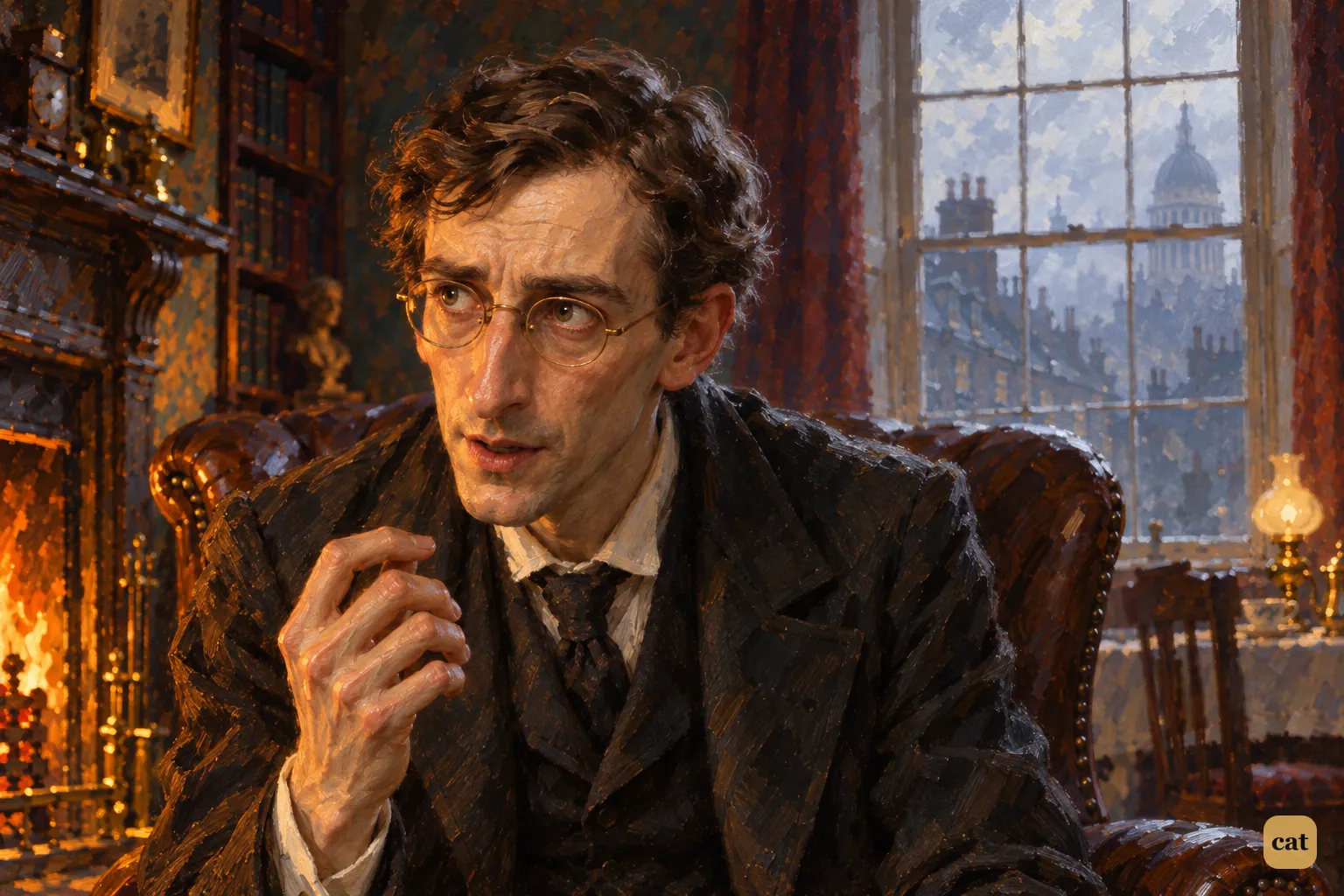
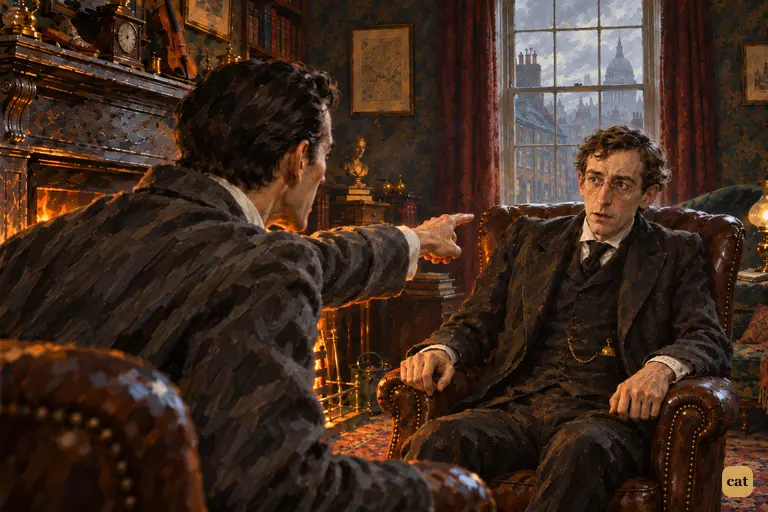
“If I had only been there!” he cried. “It is evidently a case of extraordinary interest, and one which presented immense opportunities to the scientific expert. That gravel page upon which I might have read so much has been long ere this smudged by the rain and defaced by the clogs of curious peasants. Oh, Dr. Mortimer, Dr. Mortimer, to think that you should not have called me in! You have indeed much to answer for.”
Read from here → -
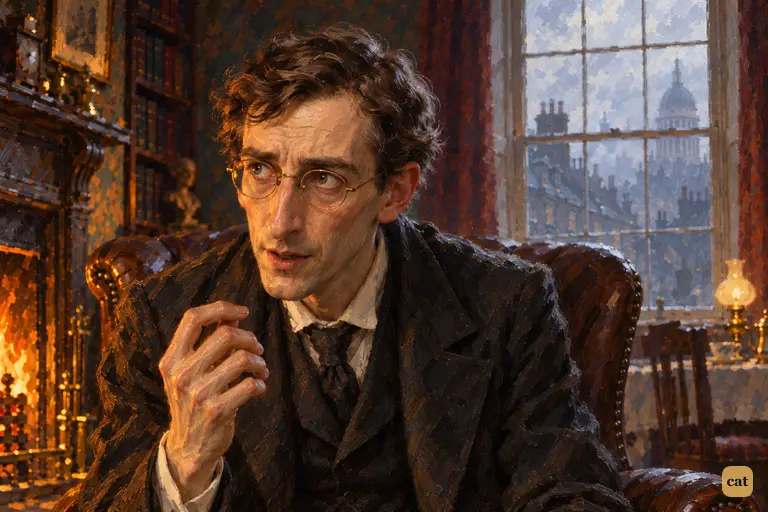
A realm beyond reason
“There is a realm in which the most acute and most experienced of detectives is helpless.”
Read from here → -
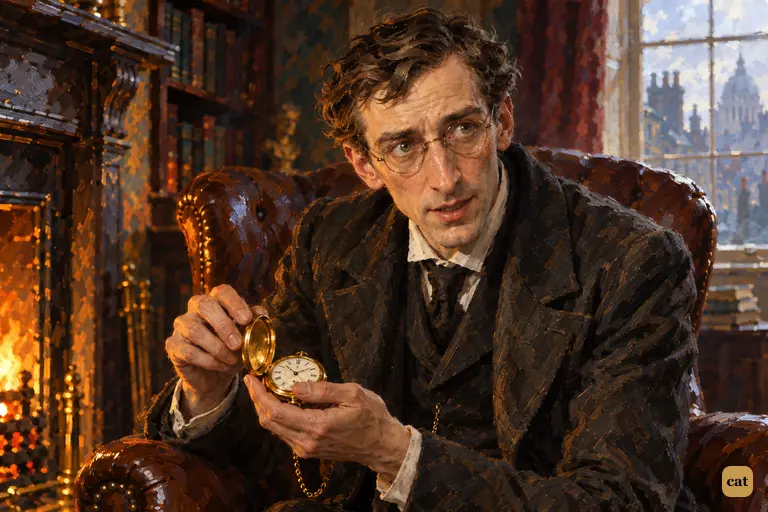
One hour and a quarter
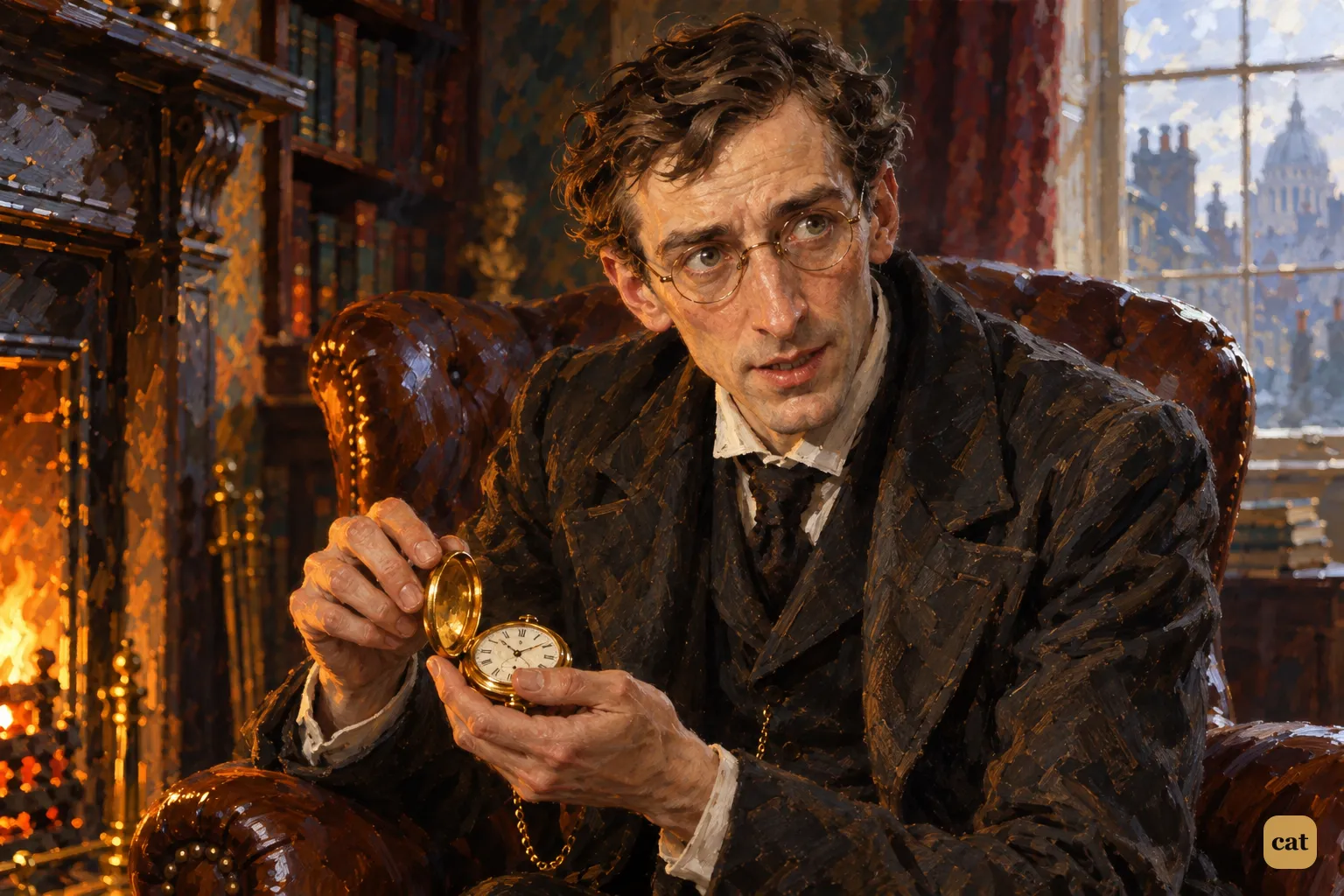
“By advising me as to what I should do with Sir Henry Baskerville, who arrives at Waterloo Station”—Dr. Mortimer looked at his watch—“in exactly one hour and a quarter.”
Read from here → -

Twenty-four hours
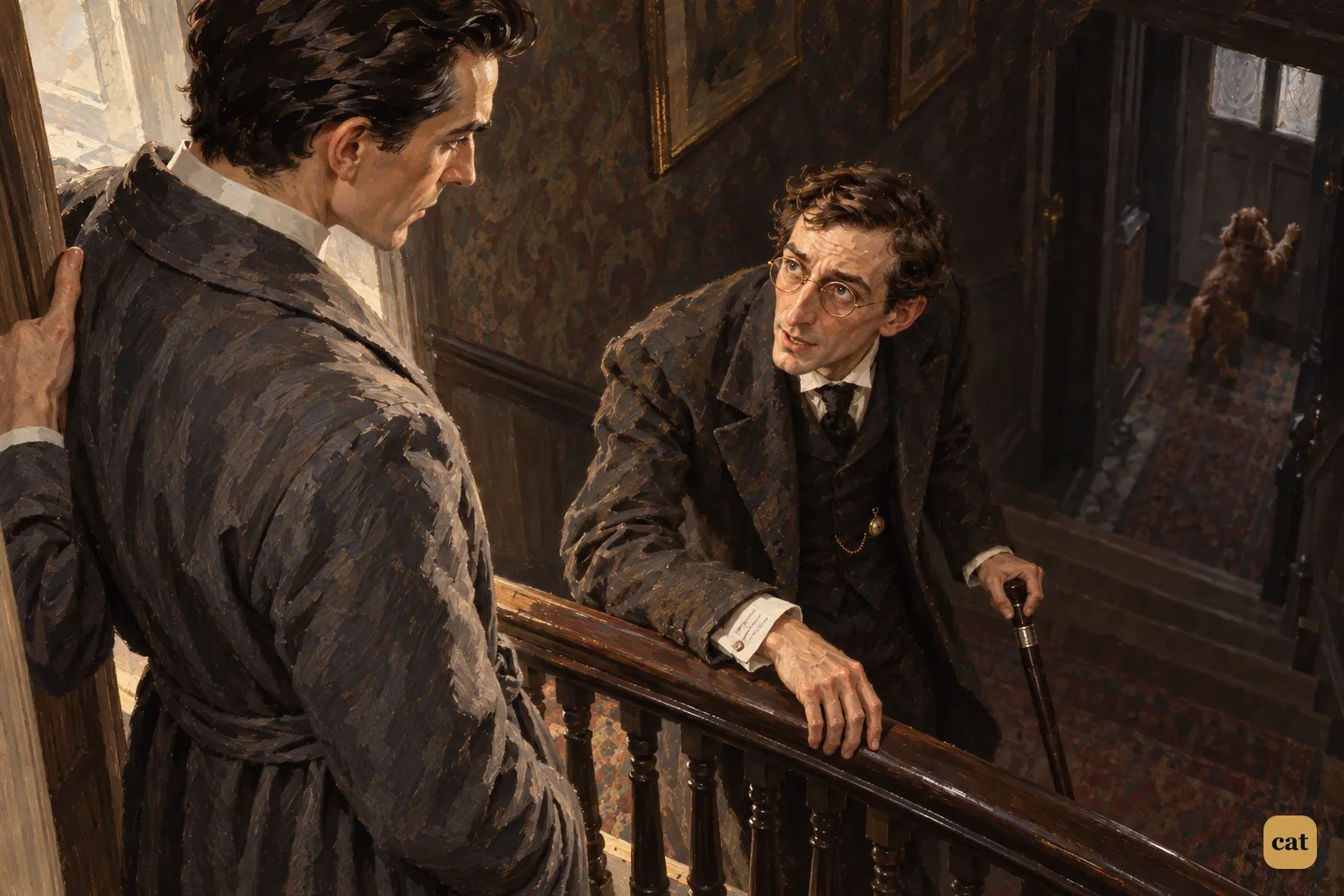
“Twenty-four hours. At ten o’clock tomorrow, Dr. Mortimer, I will be much obliged to you if you will call upon me here, and it will be of help to me in my plans for the future if you will bring Sir Henry Baskerville with you.”
Read from here → -
-
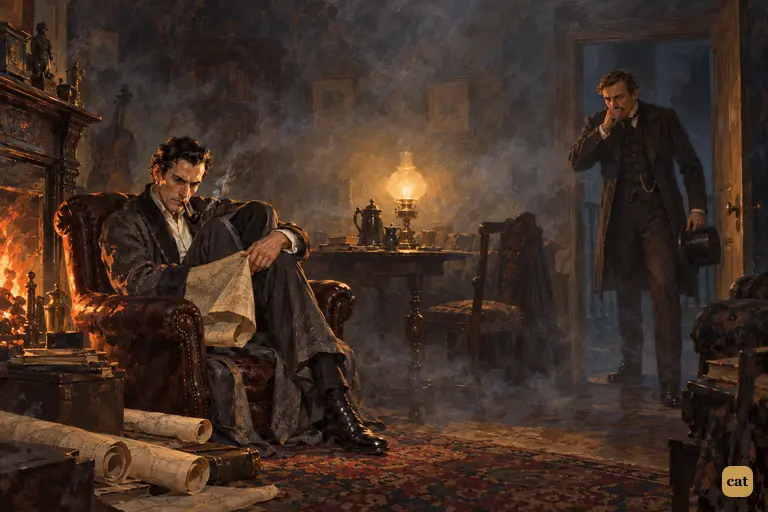
The room in fog
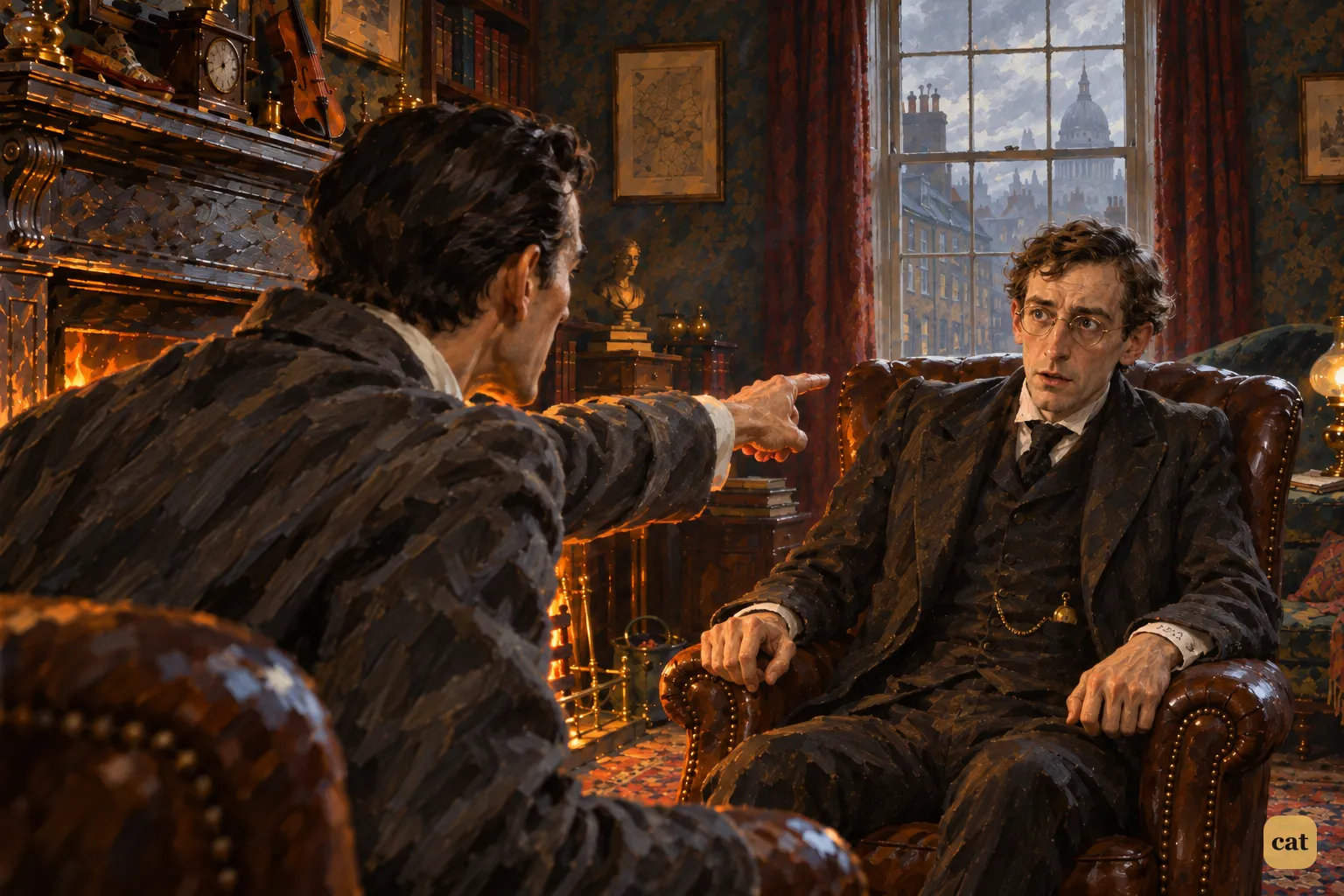
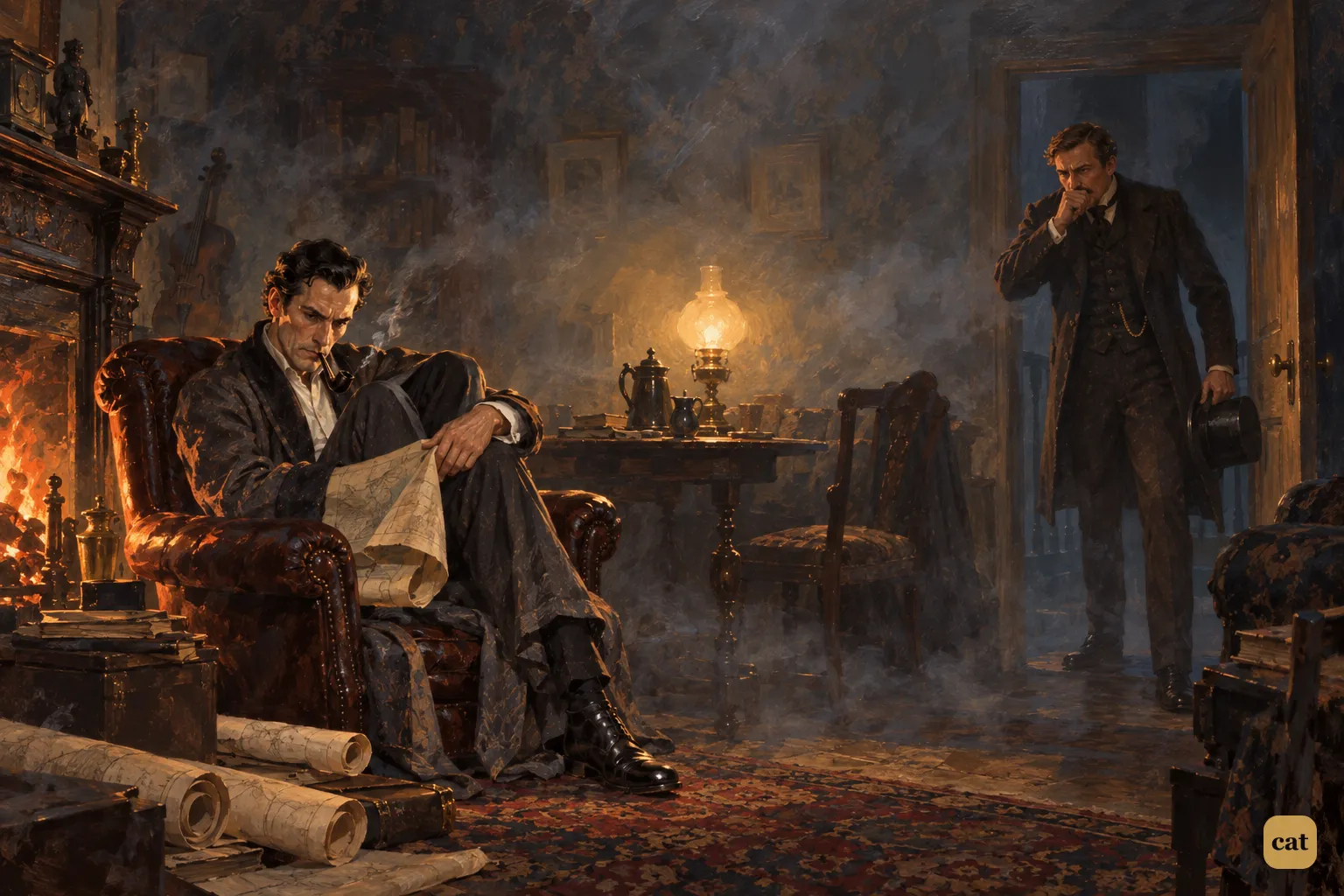
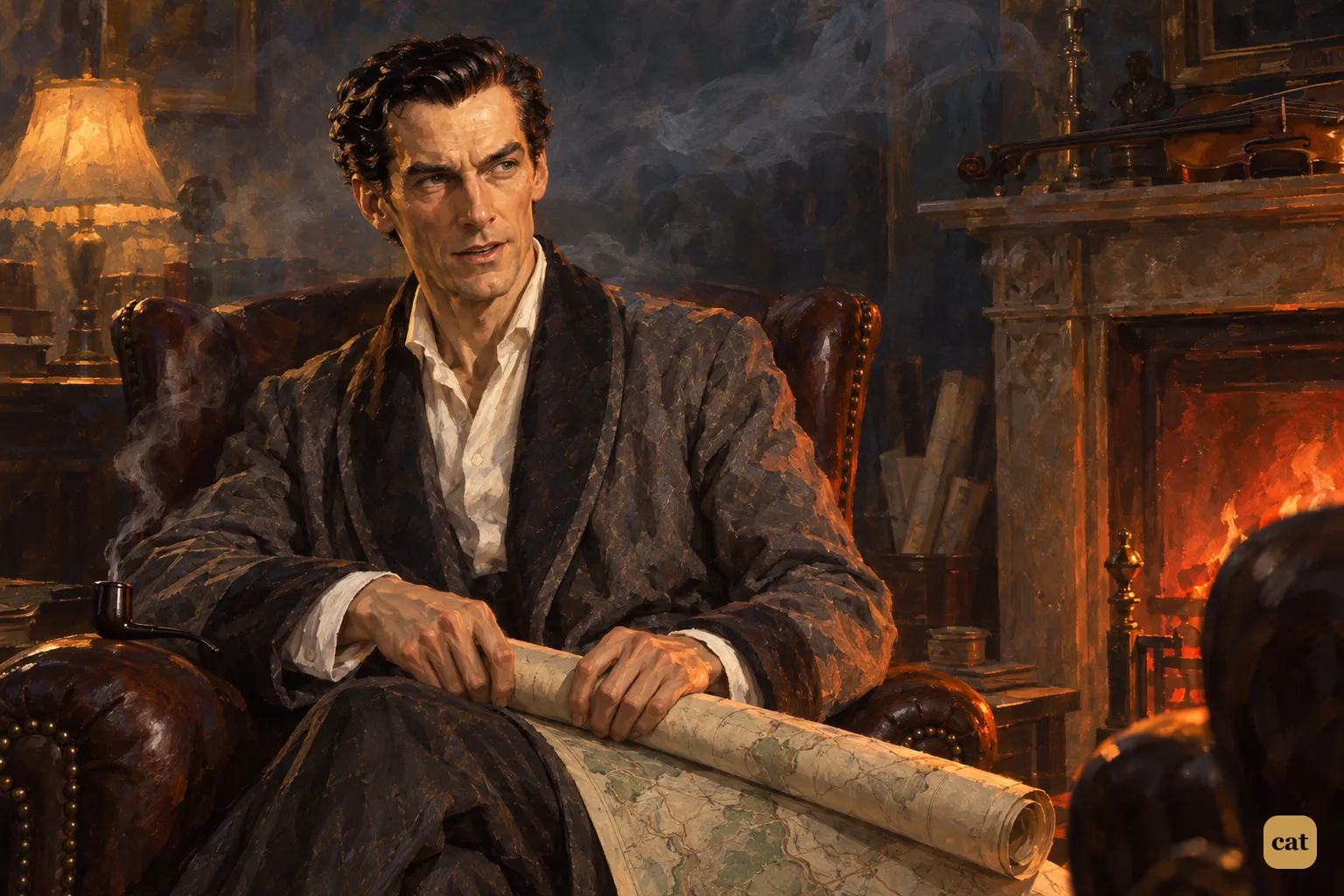
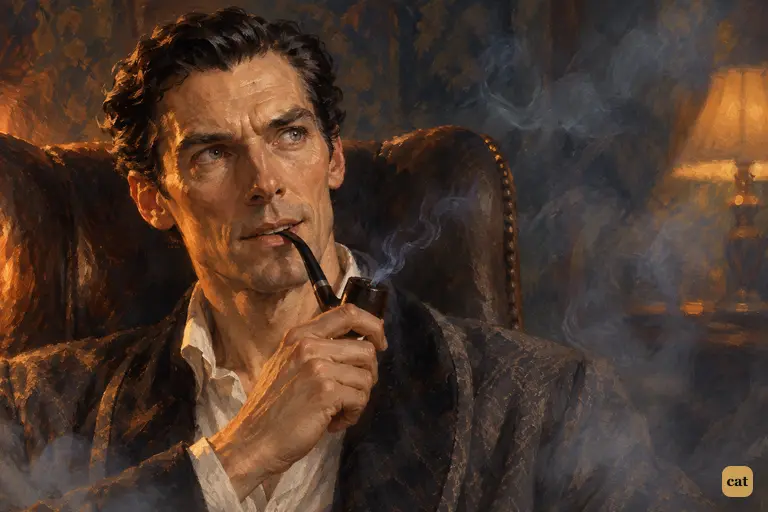
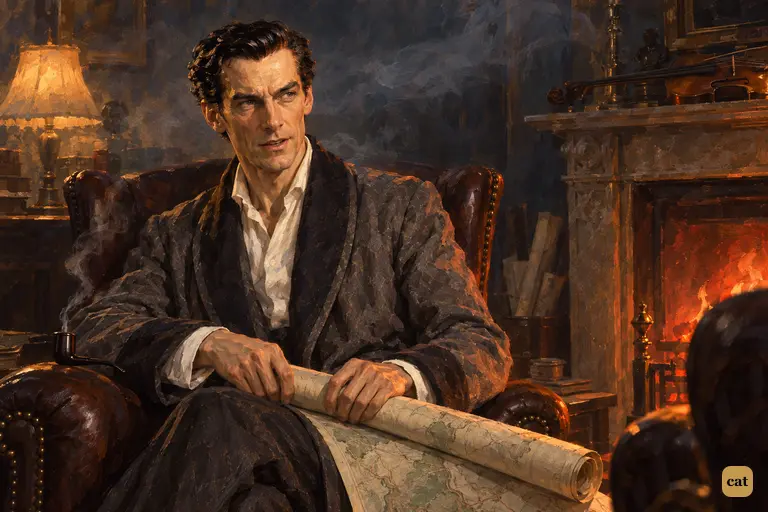
My first impression as I opened the door was that a fire had broken out, for the room was so filled with smoke that the light of the lamp upon the table was blurred by it. As I entered, however, my fears were set at rest, for it was the acrid fumes of strong coarse tobacco which took me by the throat and set me coughing. Through the haze I had a vague vision of Holmes in his dressing-gown coiled up in an armchair with his black clay pipe between his lips. Several rolls of paper lay around him.
Read from here → -
-
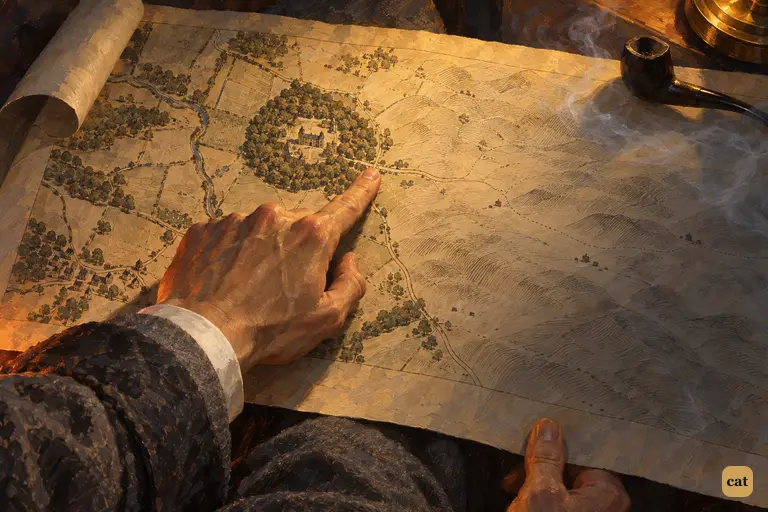
Finger on the Hall
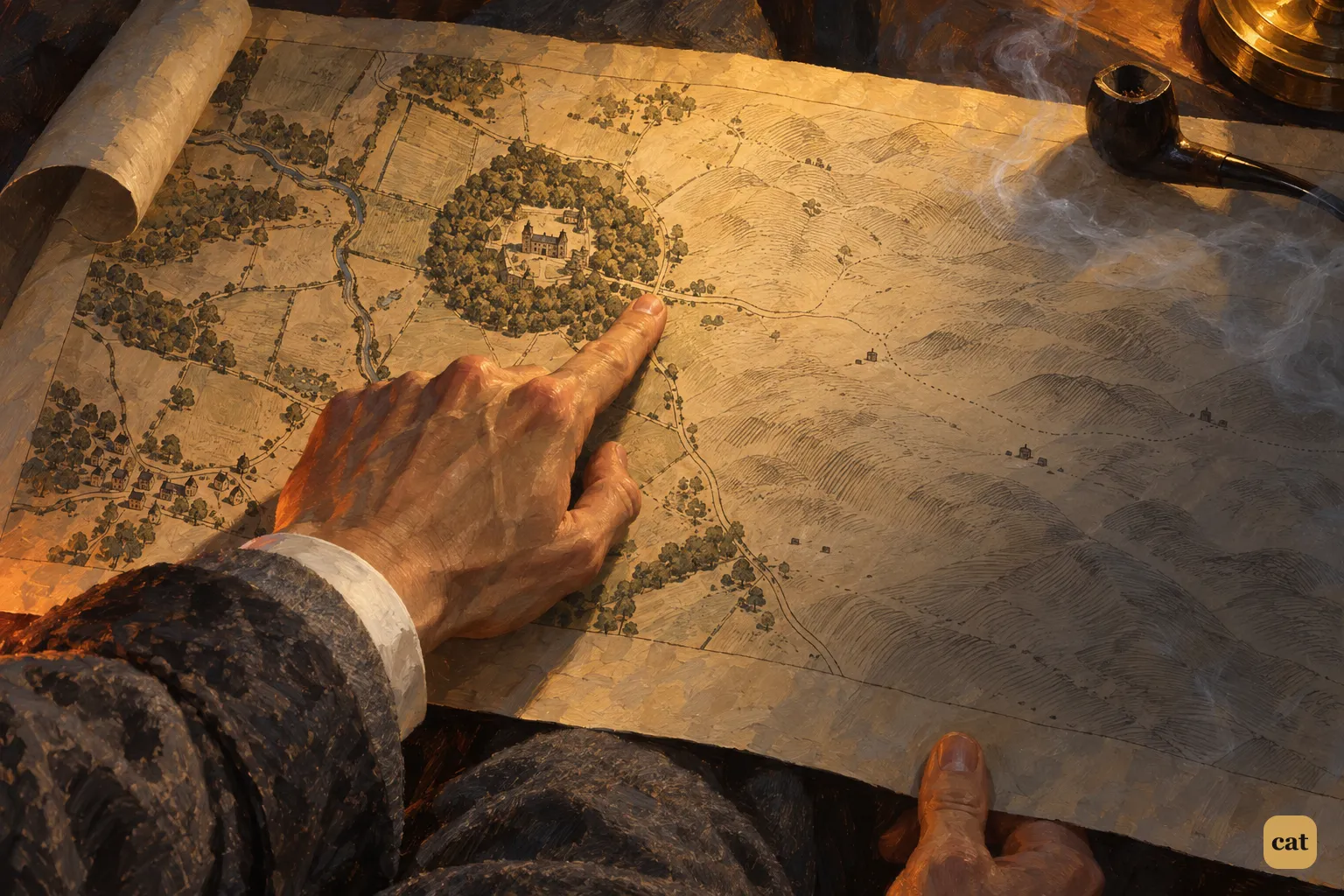
“Exactly. I fancy the yew alley, though not marked under that name, must stretch along this line, with the moor, as you perceive, upon the right of it. This small clump of buildings here is the hamlet of Grimpen, where our friend Dr. Mortimer has his headquarters. Within a radius of five miles there are, as you see, only a very few scattered dwellings. Here is Lafter Hall, which was mentioned in the narrative. There is a house indicated here which may be the residence of the naturalist—Stapleton, if I remember right, was his name. Here are two moorland farmhouses, High Tor and Foulmire. Then fourteen miles away the great convict prison of Princetown. Between and around these scattered points extends the desolate, lifeless moor. This, then, is the stage upon which tragedy has been played, and upon which we may help to play it again.”
Read from here → -
Agents of flesh and blood
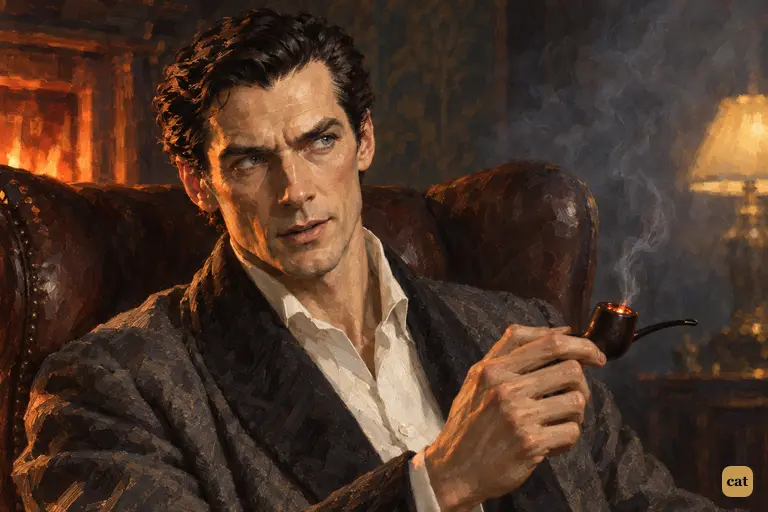
“The devil’s agents may be of flesh and blood, may they not? There are two questions waiting for us at the outset. The one is whether any crime has been committed at all; the second is, what is the crime and how was it committed? Of course, if Dr. Mortimer’s surmise should be correct, and we are dealing with forces outside the ordinary laws of Nature, there is an end of our investigation. But we are bound to exhaust all other hypotheses before falling back upon this one. I think we’ll shut that window again, if you don’t mind. It is a singular thing, but I find that a concentrated atmosphere helps a concentration of thought. I have not pushed it to the length of getting into a box to think, but that is the logical outcome of my convictions. Have you turned the case over in your mind?”
Read from here → -

He was running
“He was running, Watson—running desperately, running for his life, running until he burst his heart—and fell dead upon his face.”
Read from here → -
The thing takes shape
“I think it unlikely that he waited at the moor-gate every evening. On the contrary, the evidence is that he avoided the moor. That night he waited there. It was the night before he made his departure for London. The thing takes shape, Watson. It becomes coherent. Might I ask you to hand me my violin, and we will postpone all further thought upon this business until we have had the advantage of meeting Dr. Mortimer and Sir Henry Baskerville in the morning.”
Read from here → -
Chapter 3
Holmes Takes the Case of the Spectral Hound
Next chapter: The warning letter and the man in the cab Read this chapter