-
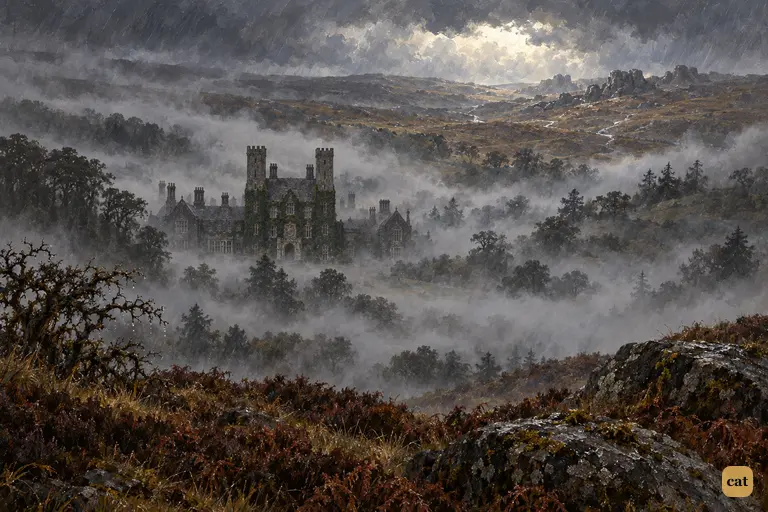
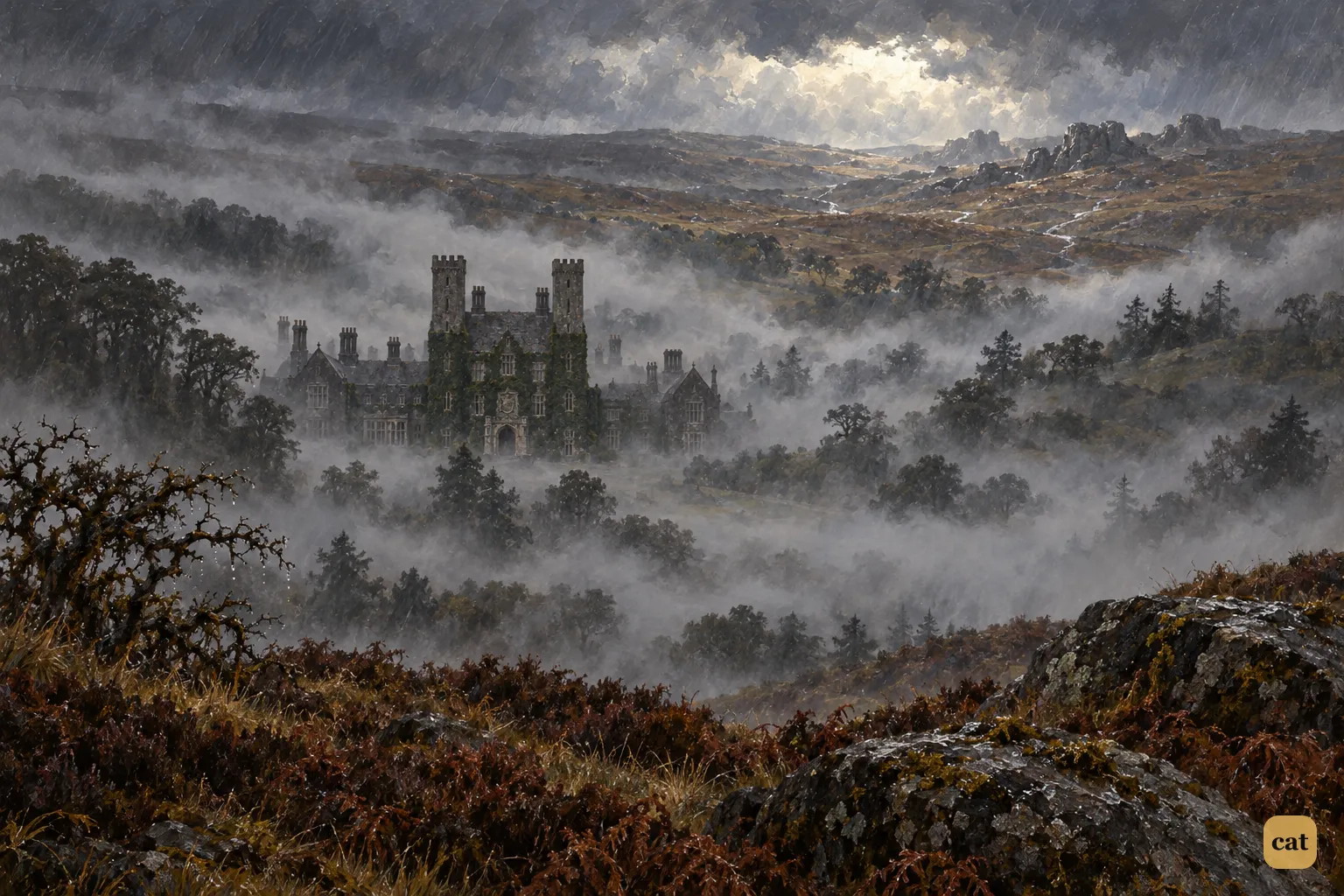
Hall drowned in fog
So far I have been able to quote from the reports which I have forwarded during these early days to Sherlock Holmes. Now, however, I have arrived at a point in my narrative where I am compelled to abandon this method and to trust once more to my recollections, aided by the diary which I kept at the time. A few extracts from the latter will carry me on to those scenes which are indelibly fixed in every detail upon my memory. I proceed, then, from the morning which followed our abortive chase of the convict and our other strange experiences upon the moor.
Read from here → -
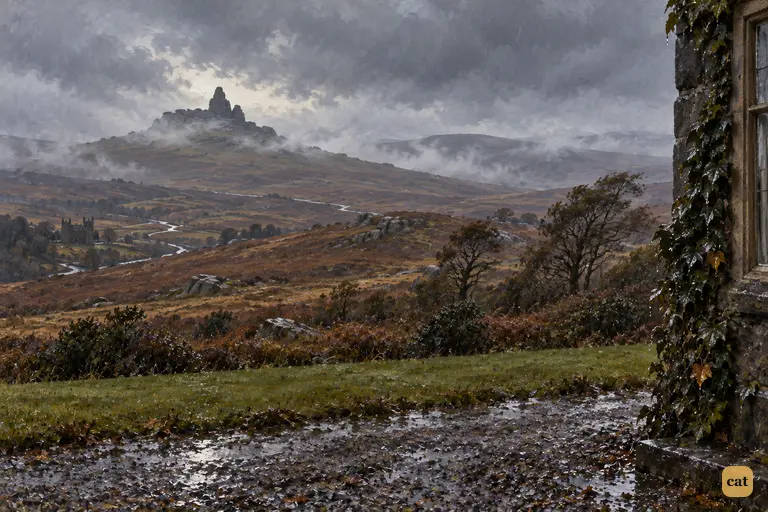
The empty tor
It is true that I have had only the one glance at him, and yet there are some things to which I am ready to swear. He is no one whom I have seen down here, and I have now met all the neighbours. The figure was far taller than that of Stapleton, far thinner than that of Frankland. Barrymore it might possibly have been, but we had left him behind us, and I am certain that he could not have followed us. A stranger then is still dogging us, just as a stranger dogged us in London. We have never shaken him off. If I could lay my hands upon that man, then at last we might find ourselves at the end of all our difficulties. To this one purpose I must now devote all my energies.
Read from here → -
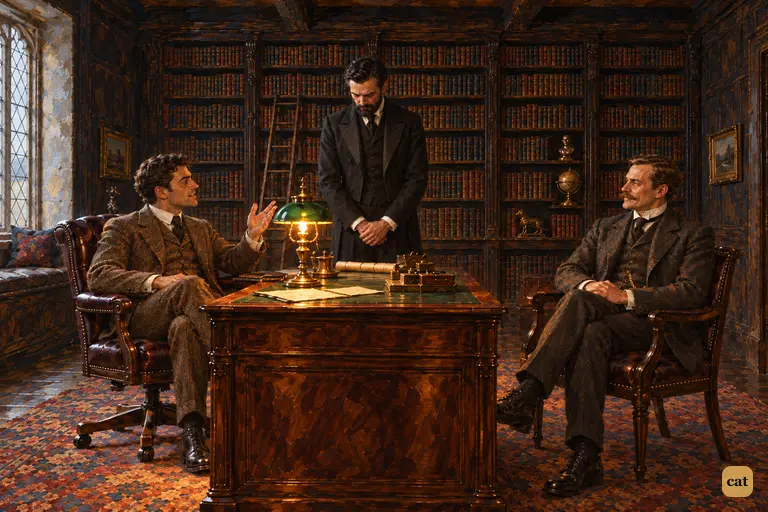
Sir Henry relents
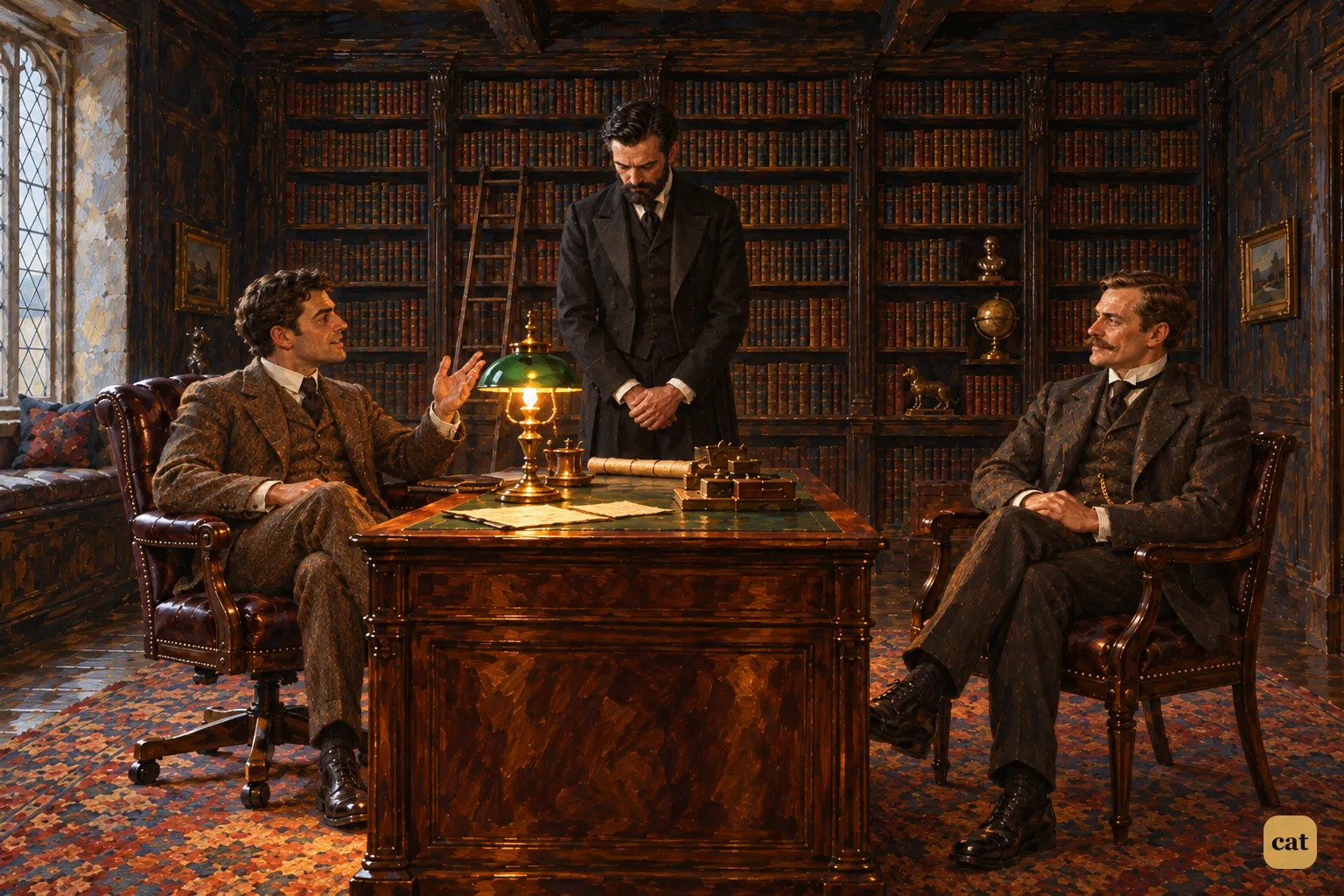
“I guess we are aiding and abetting a felony, Watson? But, after what we have heard I don’t feel as if I could give the man up, so there is an end of it. All right, Barrymore, you can go.”
Read from here → -
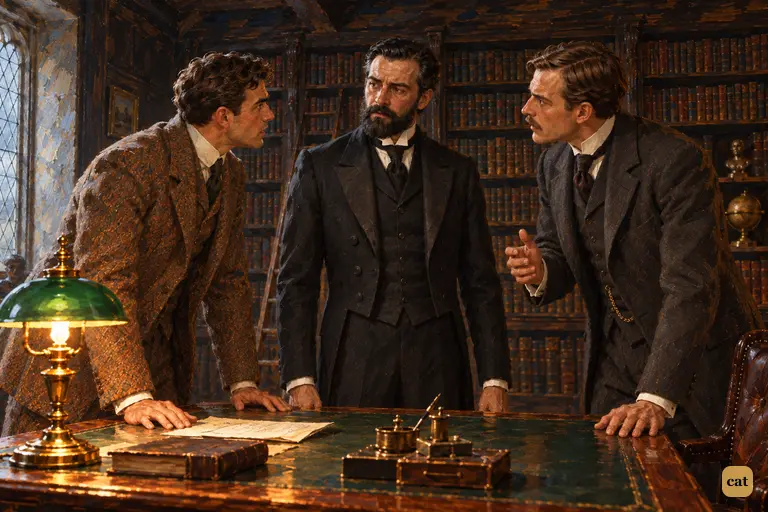
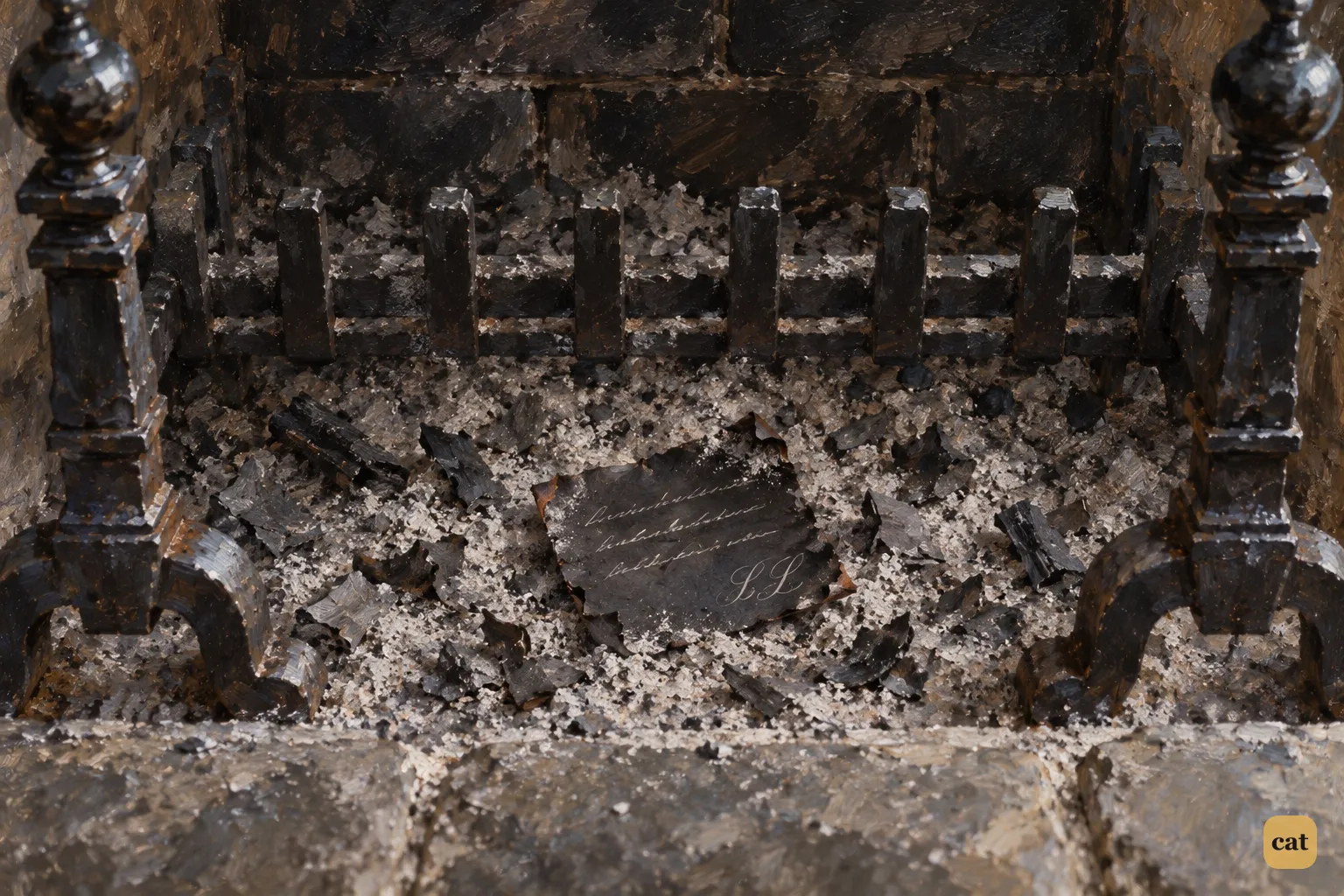
The initials L. L.
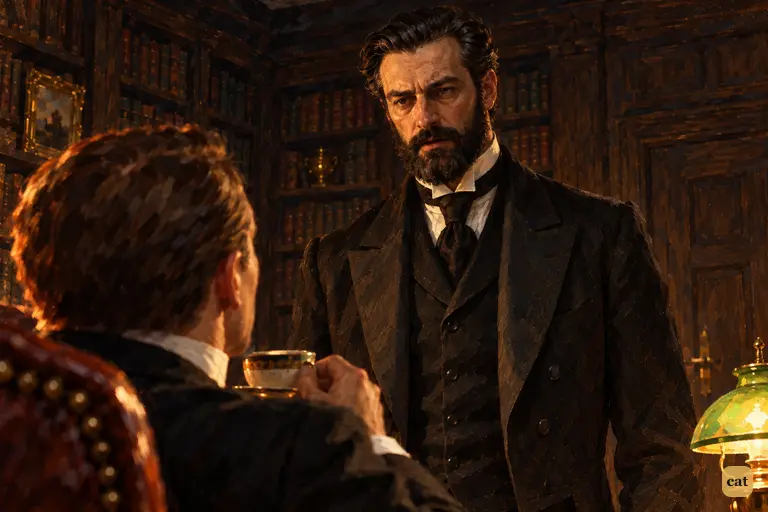
“I can’t give you the name, sir, but I can give you the initials. Her initials were L. L.”
Read from here → -
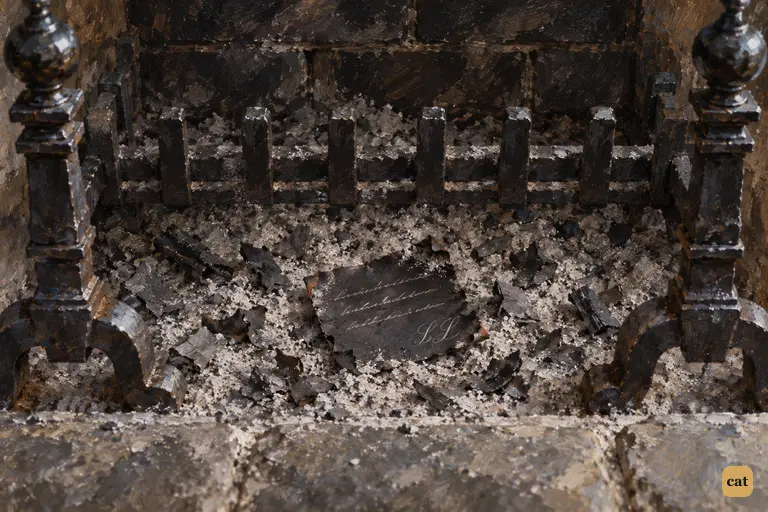
The charred postscript
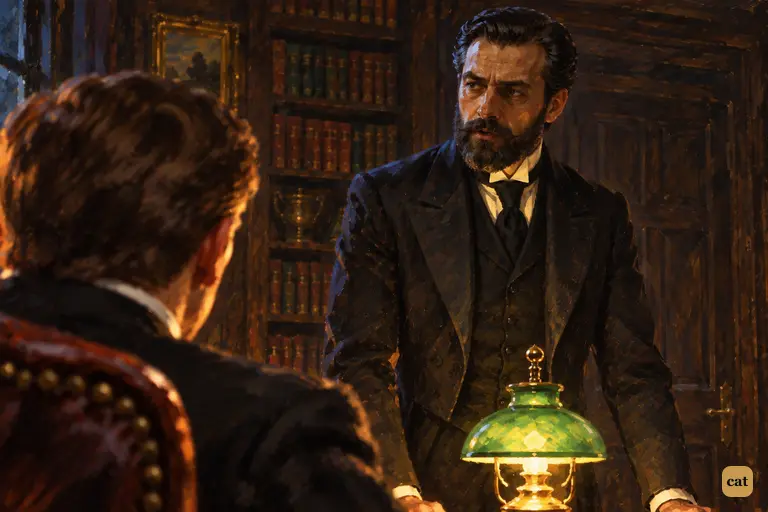
“Well, sir, I thought no more of the matter, and never would have done had it not been for my wife. Only a few weeks ago she was cleaning out Sir Charles’s study—it had never been touched since his death—and she found the ashes of a burned letter in the back of the grate. The greater part of it was charred to pieces, but one little slip, the end of a page, hung together, and the writing could still be read, though it was grey on a black ground. It seemed to us to be a postscript at the end of the letter and it said: ‘Please, please, as you are a gentleman, burn this letter, and be at the gate by ten o clock. Beneath it were signed the initials L. L.”
Read from here → -
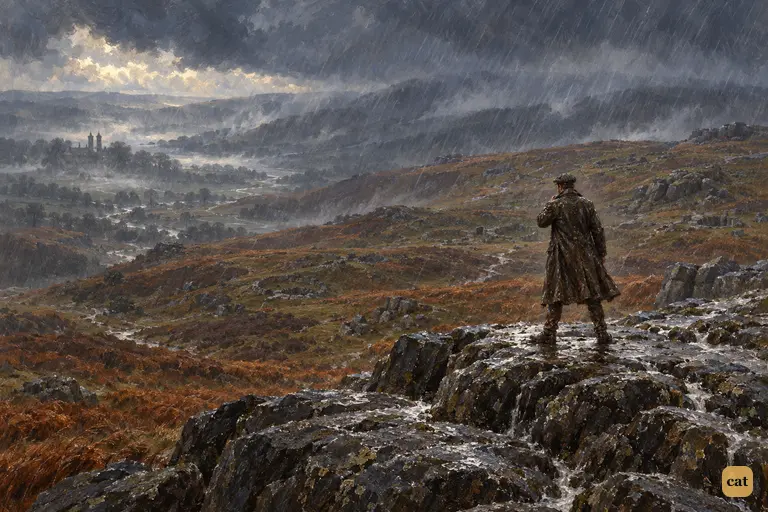
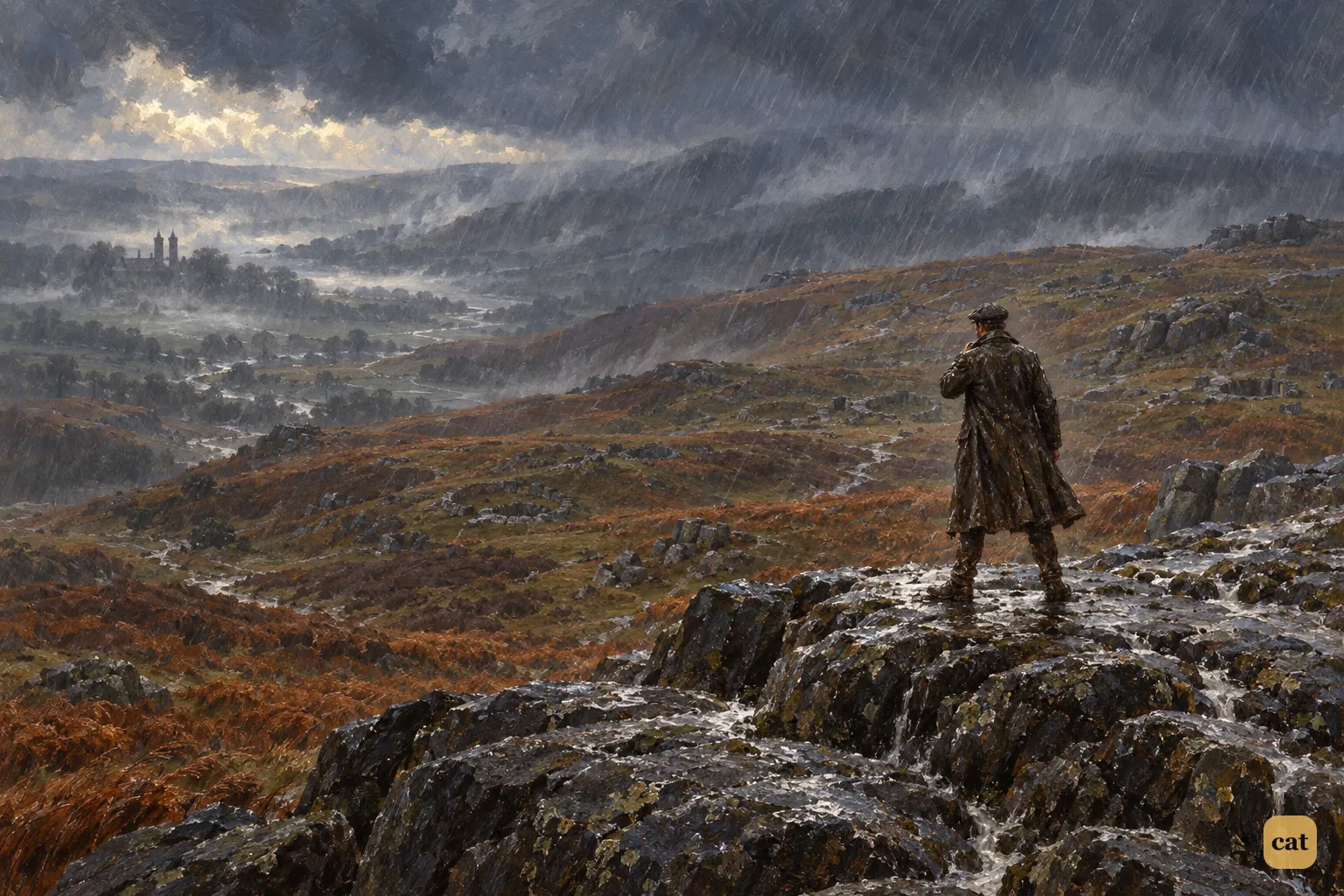
Towers and huts in the rain
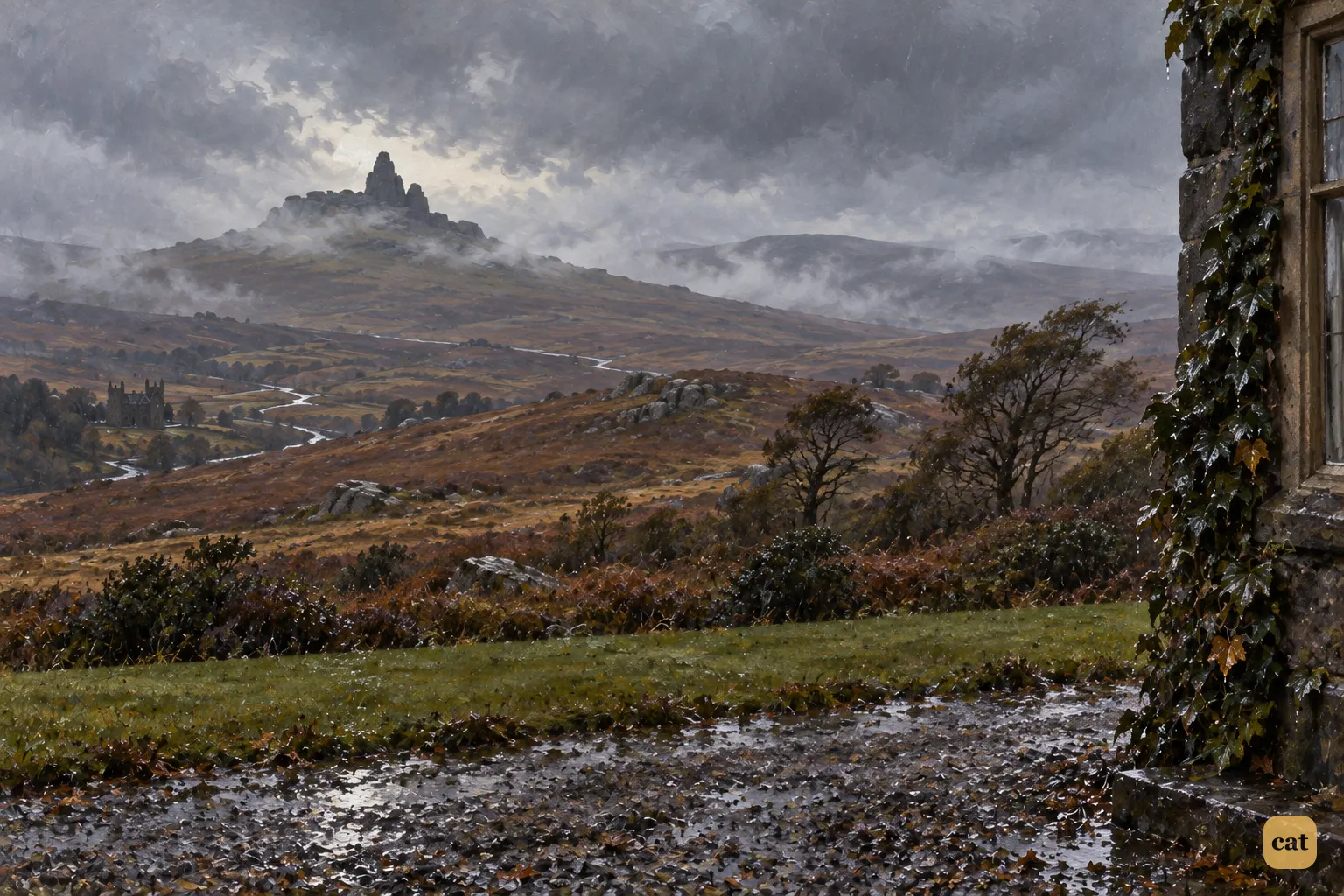
October 17_th_.—All day today the rain poured down, rustling on the ivy and dripping from the eaves. I thought of the convict out upon the bleak, cold, shelterless moor. Poor devil! Whatever his crimes, he has suffered something to atone for them. And then I thought of that other one—the face in the cab, the figure against the moon. Was he also out in that deluge—the unseen watcher, the man of darkness? In the evening I put on my waterproof and I walked far upon the sodden moor, full of dark imaginings, the rain beating upon my face and the wind whistling about my ears. God help those who wander into the great mire now, for even the firm uplands are becoming a morass. I found the black tor upon which I had seen the solitary watcher, and from its craggy summit I looked out myself across the melancholy downs. Rain squalls drifted across their russet face, and the heavy, slate-coloured clouds hung low over the landscape, trailing in grey wreaths down the sides of the fantastic hills. In the distant hollow on the left, half hidden by the mist, the two thin towers of Baskerville Hall rose above the trees. They were the only signs of human life which I could see, save only those prehistoric huts which lay thickly upon the slopes of the hills. Nowhere was there any trace of that lonely man whom I had seen on the same spot two nights before.
Read from here → -
Laura Lyons
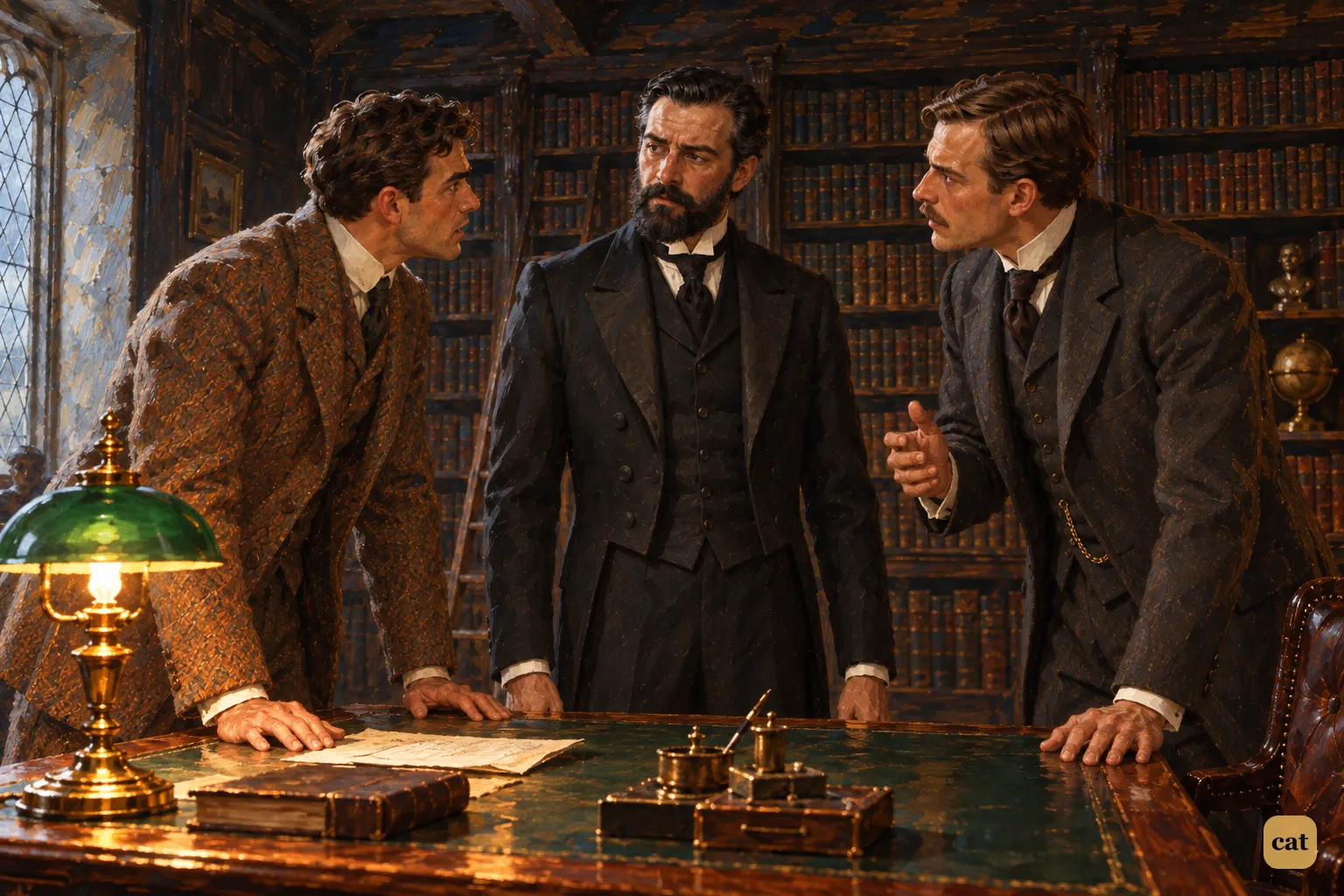
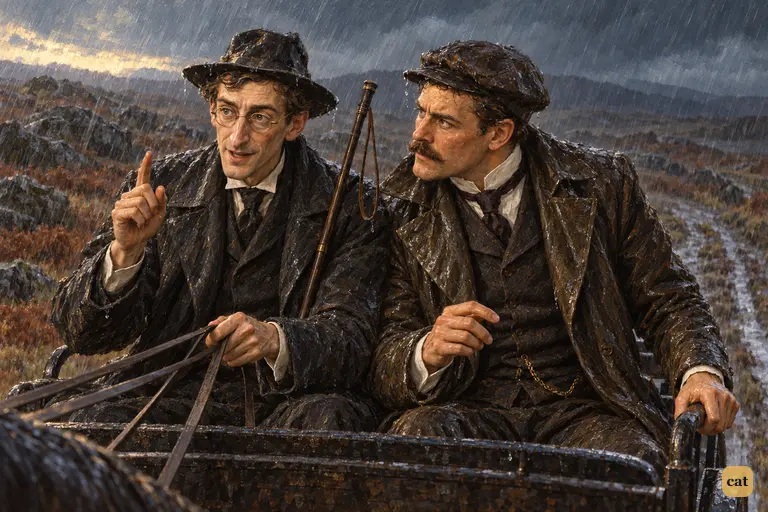
“No,” said he. “There are a few gipsies and labouring folk for whom I can’t answer, but among the farmers or gentry there is no one whose initials are those. Wait a bit though,” he added after a pause. “There is Laura Lyons—her initials are L. L.—but she lives in Coombe Tracey.”
Read from here → -
-
The stone huts
“Among the old houses on the hillside—the stone huts where the old folk used to live.”
Read from here → -
The sworn resolve
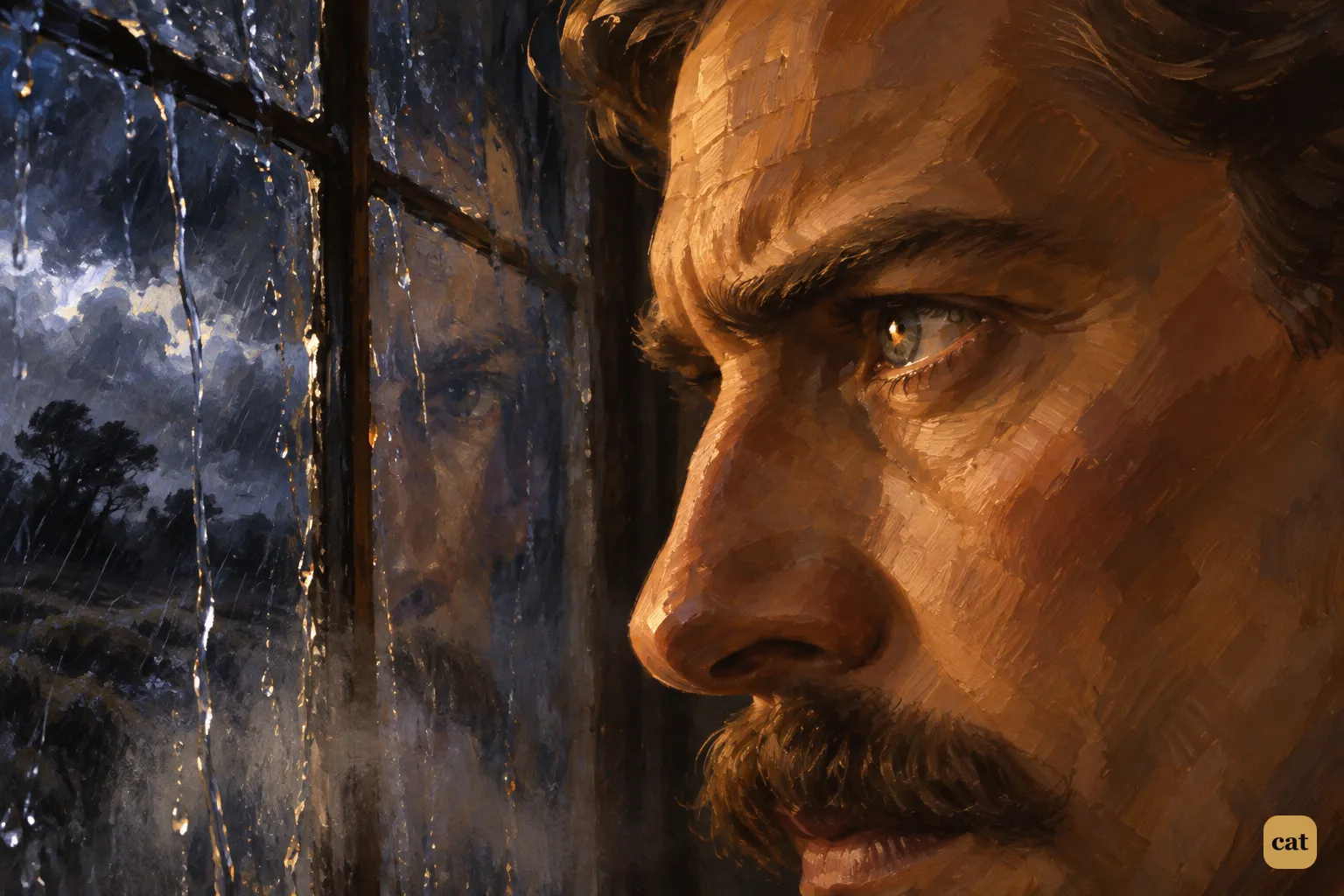
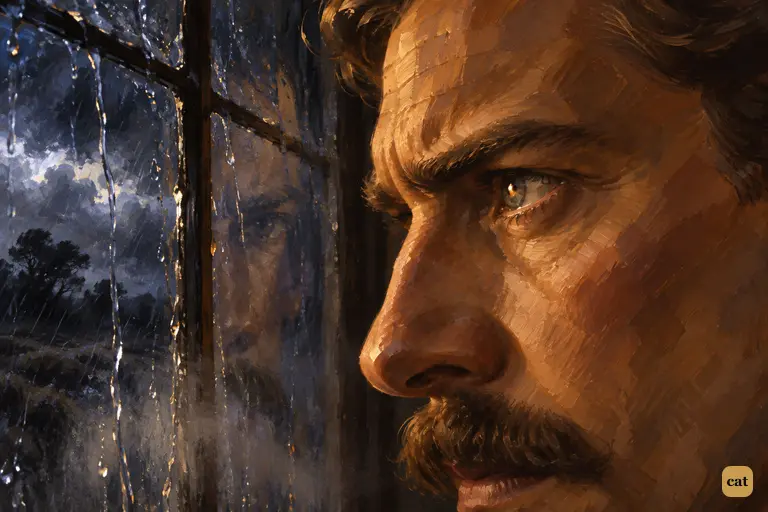
“Very good, Barrymore. We may talk further of this some other time.” When the butler had gone I walked over to the black window, and I looked through a blurred pane at the driving clouds and at the tossing outline of the wind-swept trees. It is a wild night indoors, and what must it be in a stone hut upon the moor. What passion of hatred can it be which leads a man to lurk in such a place at such a time! And what deep and earnest purpose can he have which calls for such a trial! There, in that hut upon the moor, seems to lie the very centre of that problem which has vexed me so sorely. I swear that another day shall not have passed before I have done all that man can do to reach the heart of the mystery.
Read from here → -
Chapter 13
The Initials L. L. and the Man in the Huts
Next chapter: The Hut on the Moor and the Familiar Voice Read this chapter