 Author
-
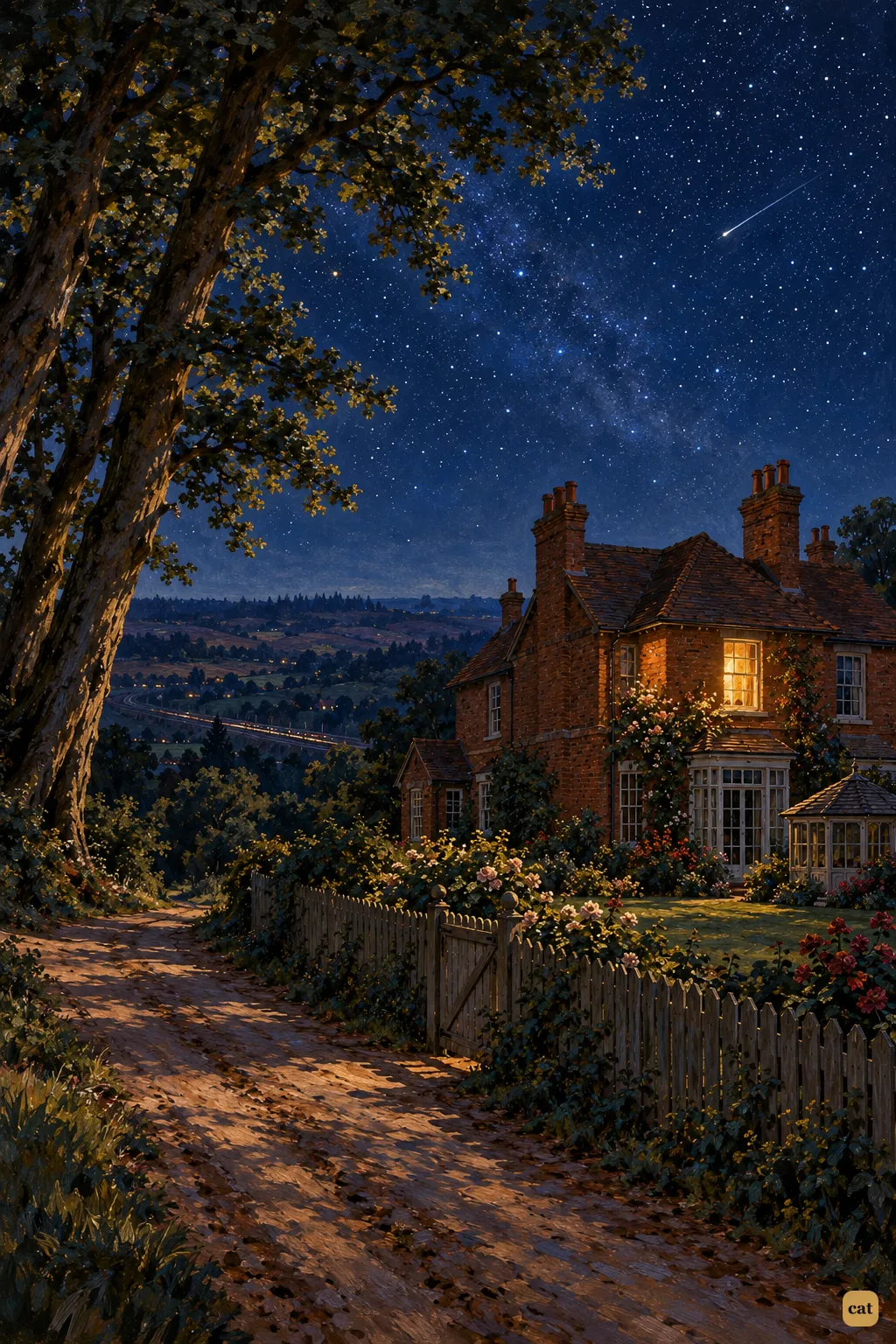
Villa on Maybury Hill
I cannot but regret, now that I am concluding my story, how little I am able to contribute to the discussion of the many debatable questions which are still unsettled. In one respect I shall certainly provoke criticism. My particular province is speculative philosophy. My knowledge of comparative physiology is confined to a book or two, but it seems to me that Carver’s suggestions as to the reason of the rapid death of the Martians is so probable as to be regarded almost as a proven conclusion. I have assumed that in the body of my narrative.
Read from here → -
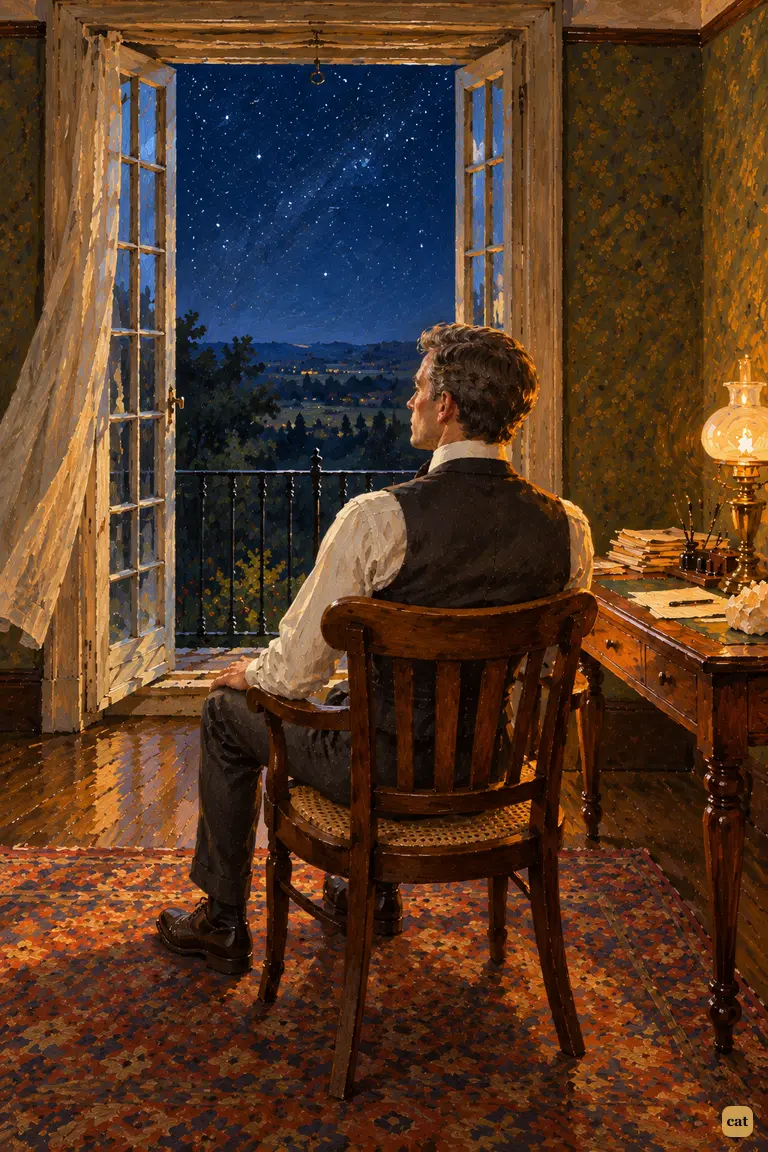
Turning to the sky
A question of graver and universal interest is the possibility of another attack from the Martians. I do not think that nearly enough attention is being given to this aspect of the matter. At present the planet Mars is in conjunction, but with every return to opposition I, for one, anticipate a renewal of their adventure. In any case, we should be prepared. It seems to me that it should be possible to define the position of the gun from which the shots are discharged, to keep a sustained watch upon this part of the planet, and to anticipate the arrival of the next attack.
Read from here → -
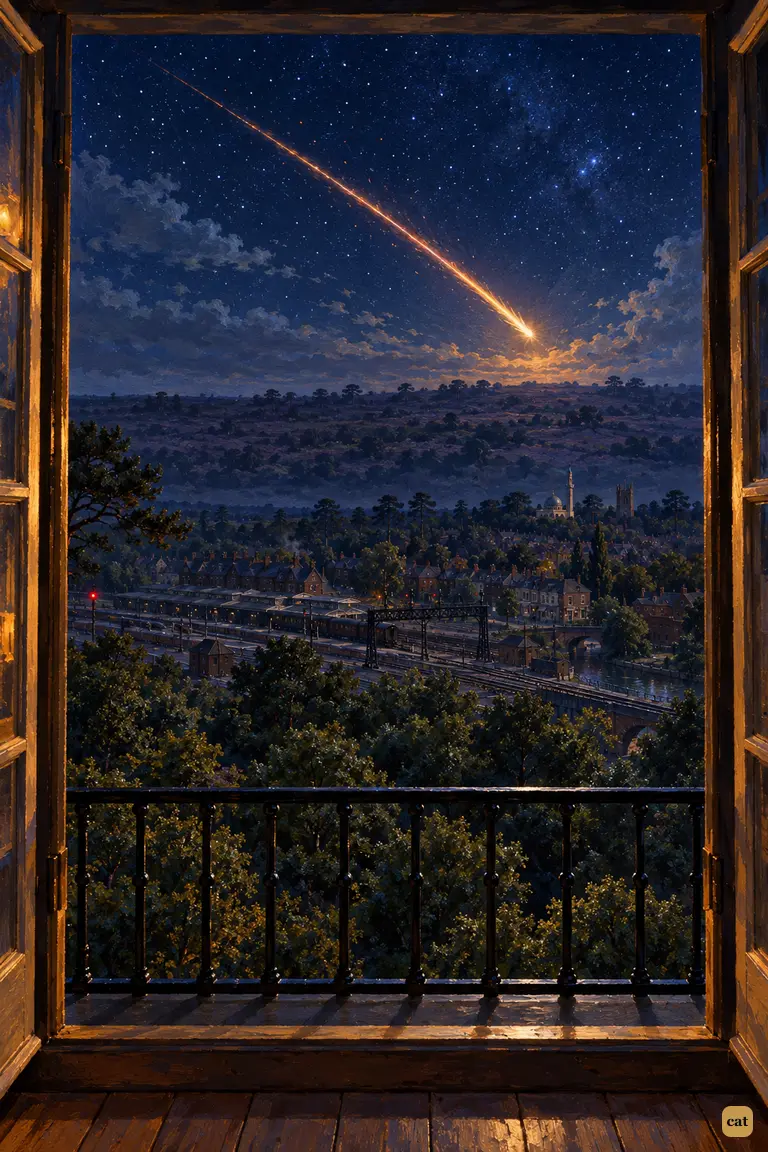
Fiery darts of the sky
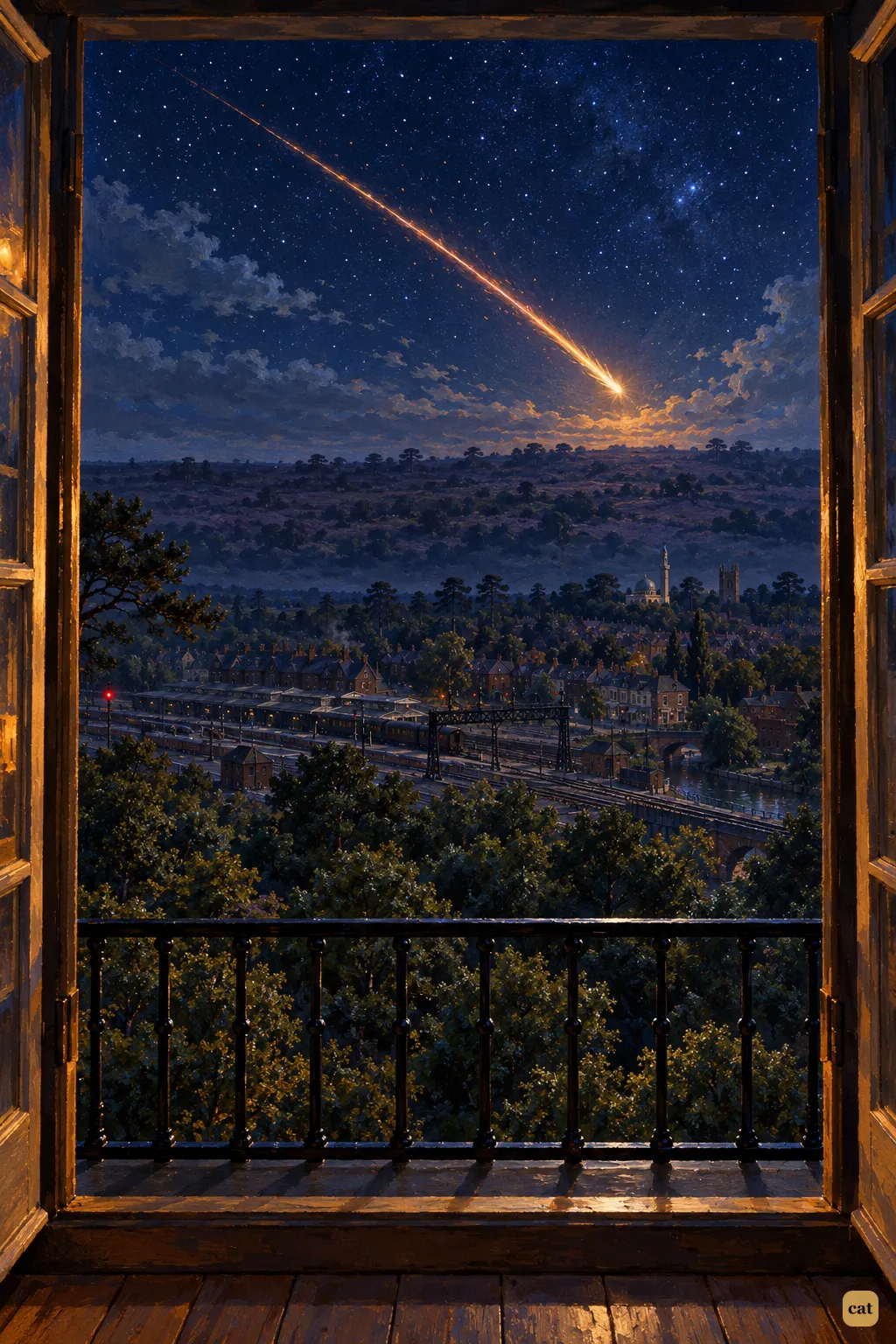
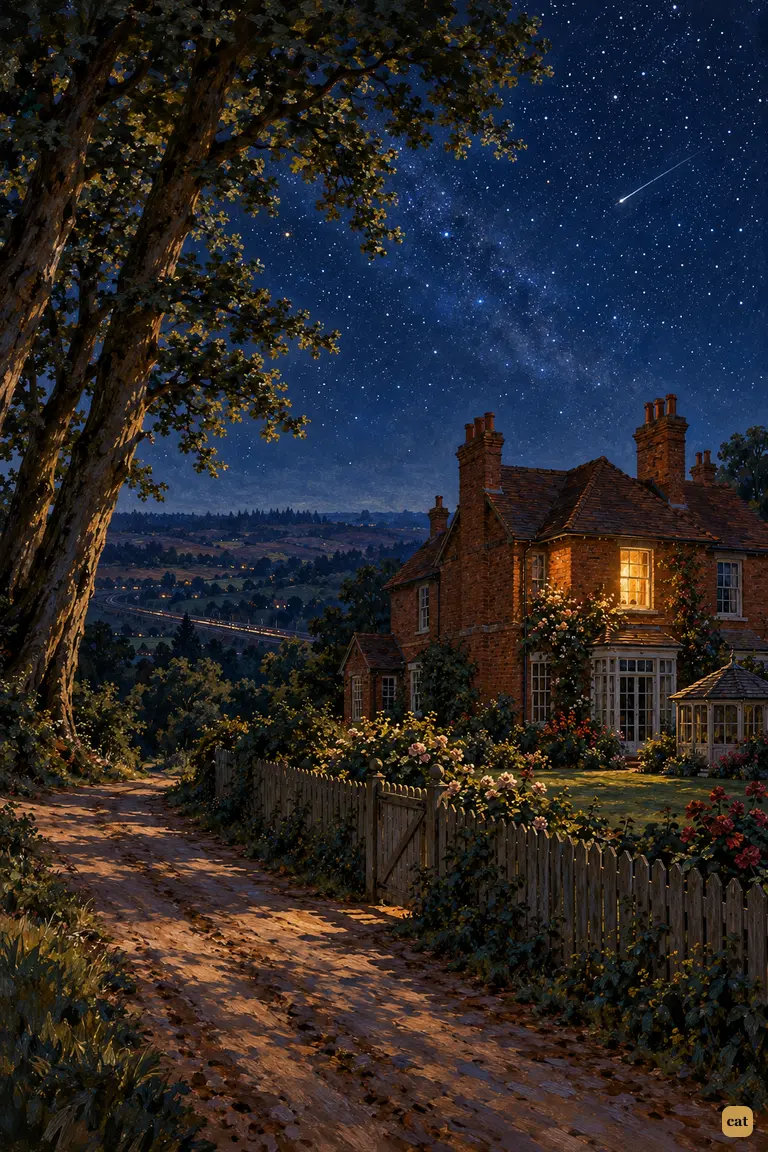
At any rate, whether we expect another invasion or not, our views of the human future must be greatly modified by these events. We have learned now that we cannot regard this planet as being fenced in and a secure abiding place for Man; we can never anticipate the unseen good or evil that may come upon us suddenly out of space. It may be that in the larger design of the universe this invasion from Mars is not without its ultimate benefit for men; it has robbed us of that serene confidence in the future which is the most fruitful source of decadence, the gifts to human science it has brought are enormous, and it has done much to promote the conception of the commonweal of mankind. It may be that across the immensity of space the Martians have watched the fate of these pioneers of theirs and learned their lesson, and that on the planet Venus they have found a securer settlement. Be that as it may, for many years yet there will certainly be no relaxation of the eager scrutiny of the Martian disk, and those fiery darts of the sky, the shooting stars, will bring with them as they fall an unavoidable apprehension to all the sons of men.
Read from here → -
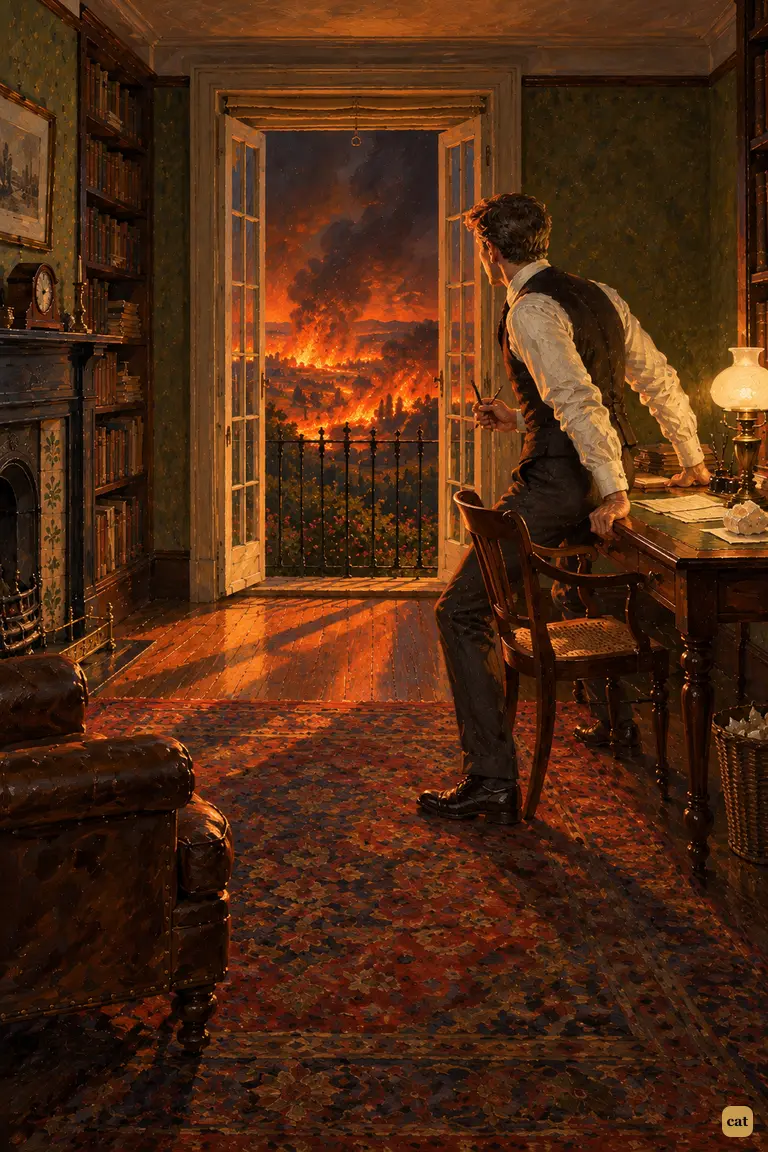
Flames in the valley
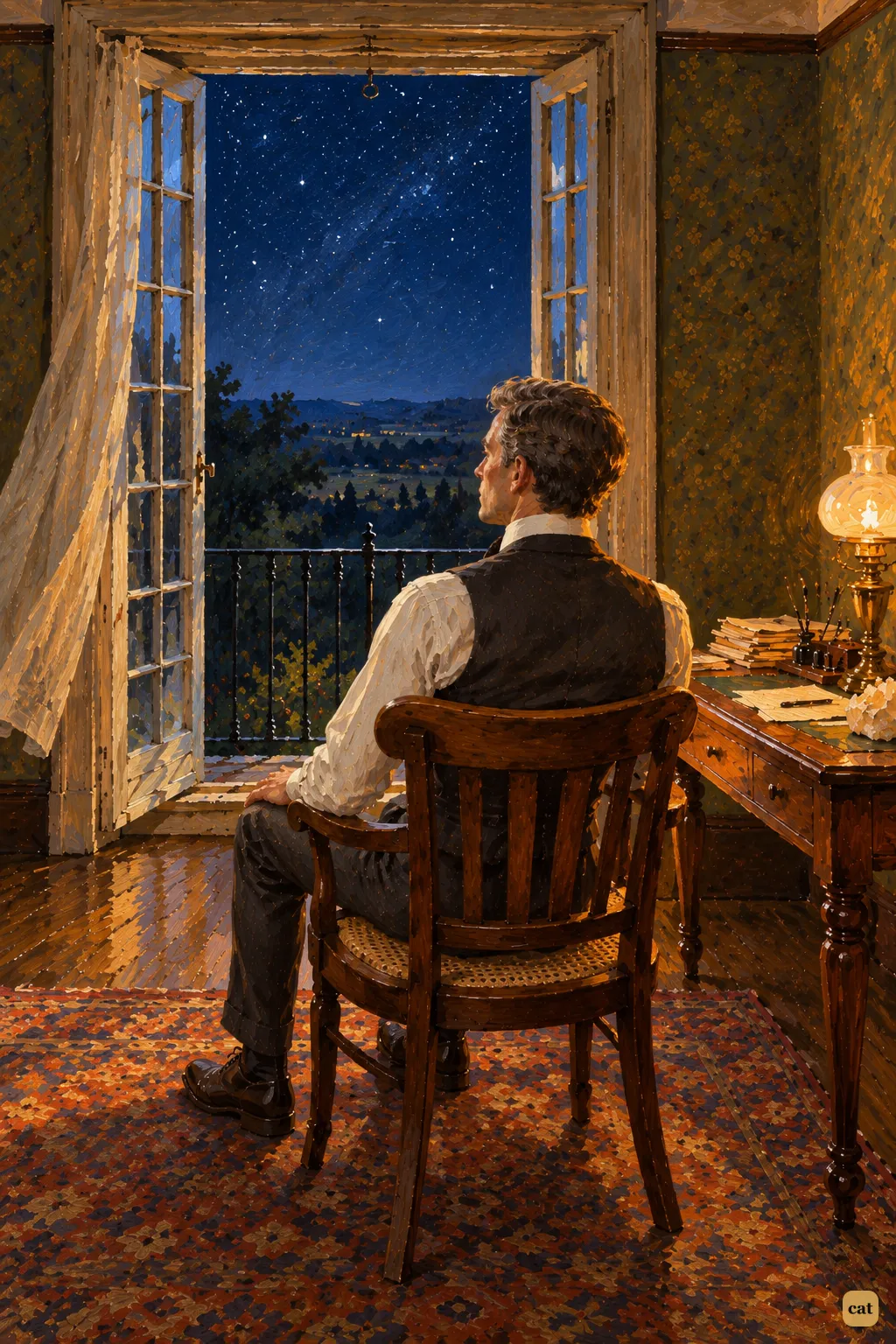
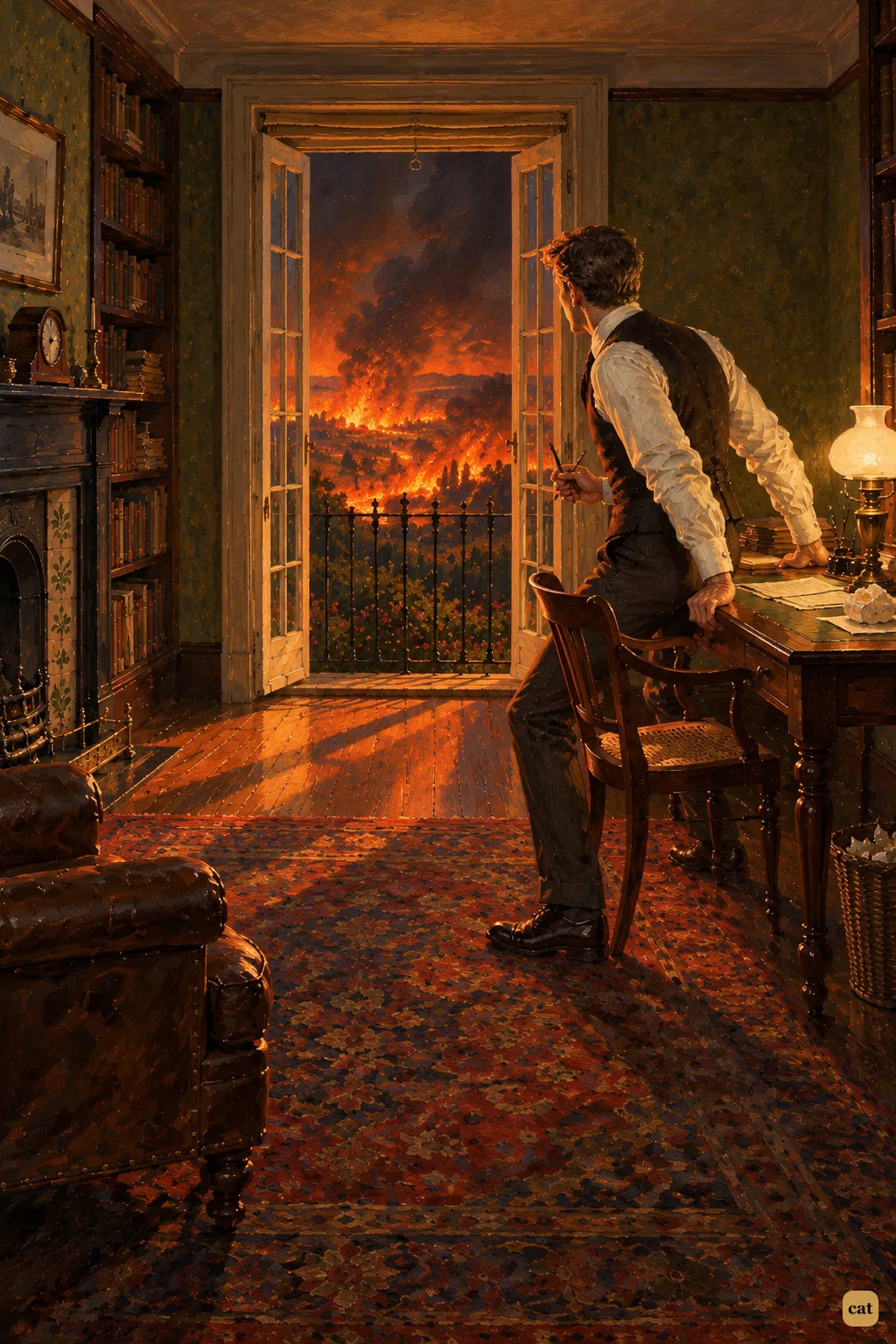
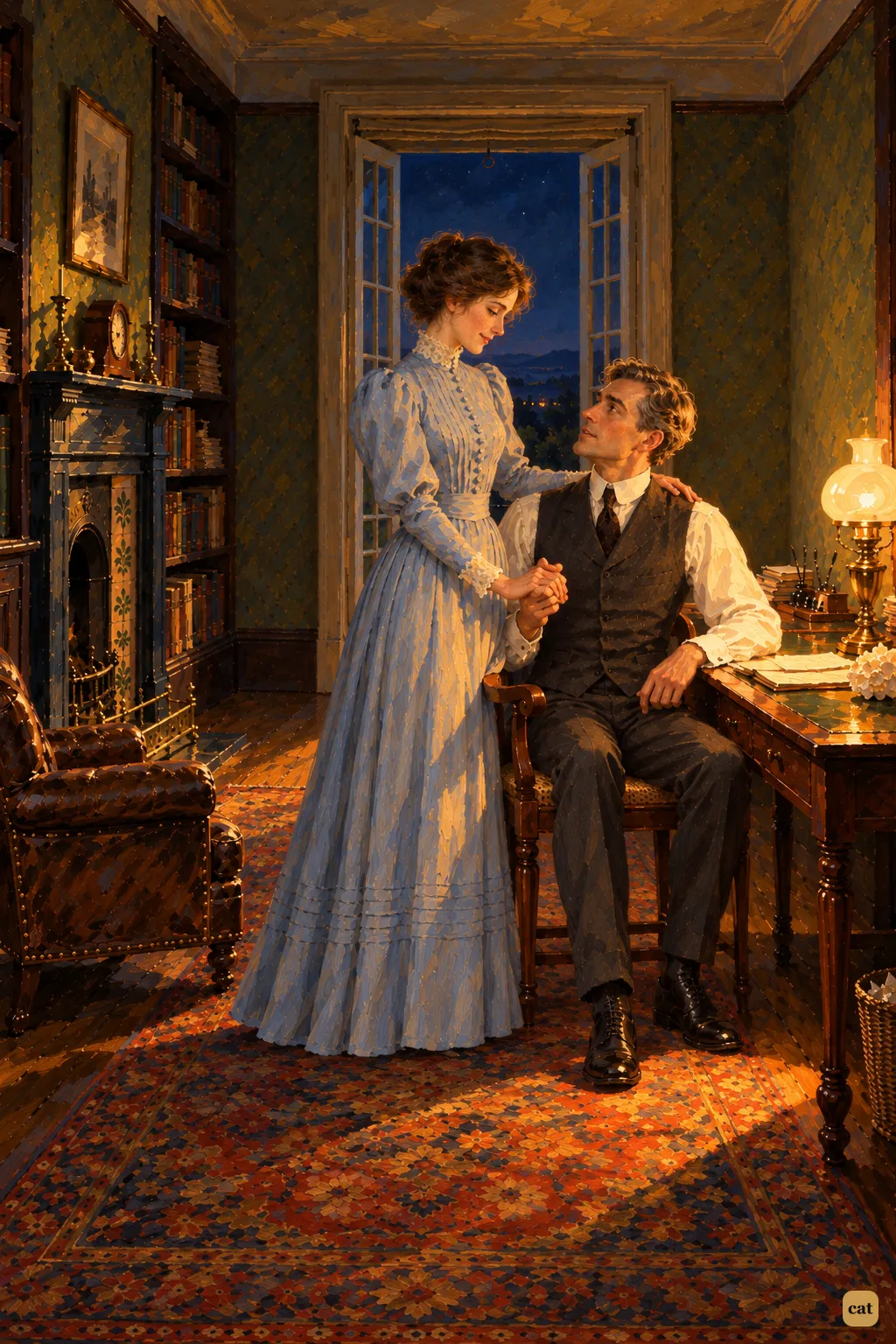
I must confess the stress and danger of the time have left an abiding sense of doubt and insecurity in my mind. I sit in my study writing by lamplight, and suddenly I see again the healing valley below set with writhing flames, and feel the house behind and about me empty and desolate. I go out into the Byfleet Road, and vehicles pass me, a butcher boy in a cart, a cabful of visitors, a workman on a bicycle, children going to school, and suddenly they become vague and unreal, and I hurry again with the artilleryman through the hot, brooding silence. Of a night I see the black powder darkening the silent streets, and the contorted bodies shrouded in that layer; they rise upon me tattered and dog-bitten. They gibber and grow fiercer, paler, uglier, mad distortions of humanity at last, and I wake, cold and wretched, in the darkness of the night.
Read from here → -
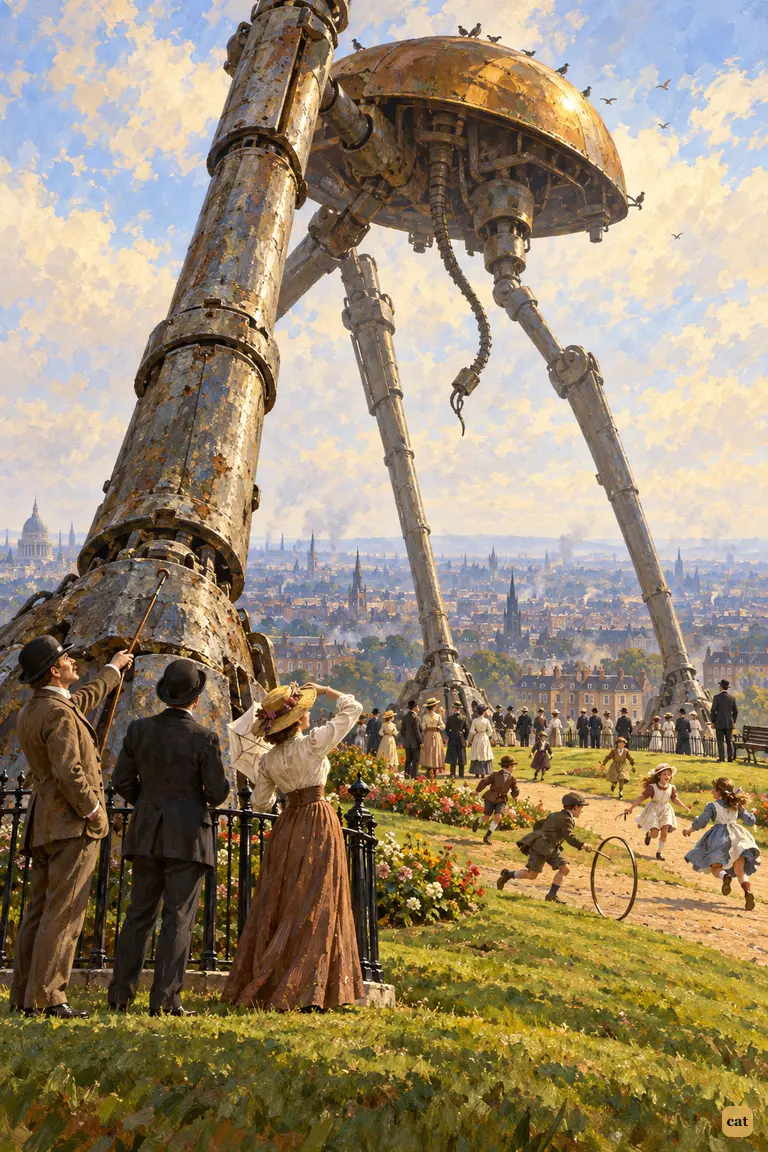
The machine still stands
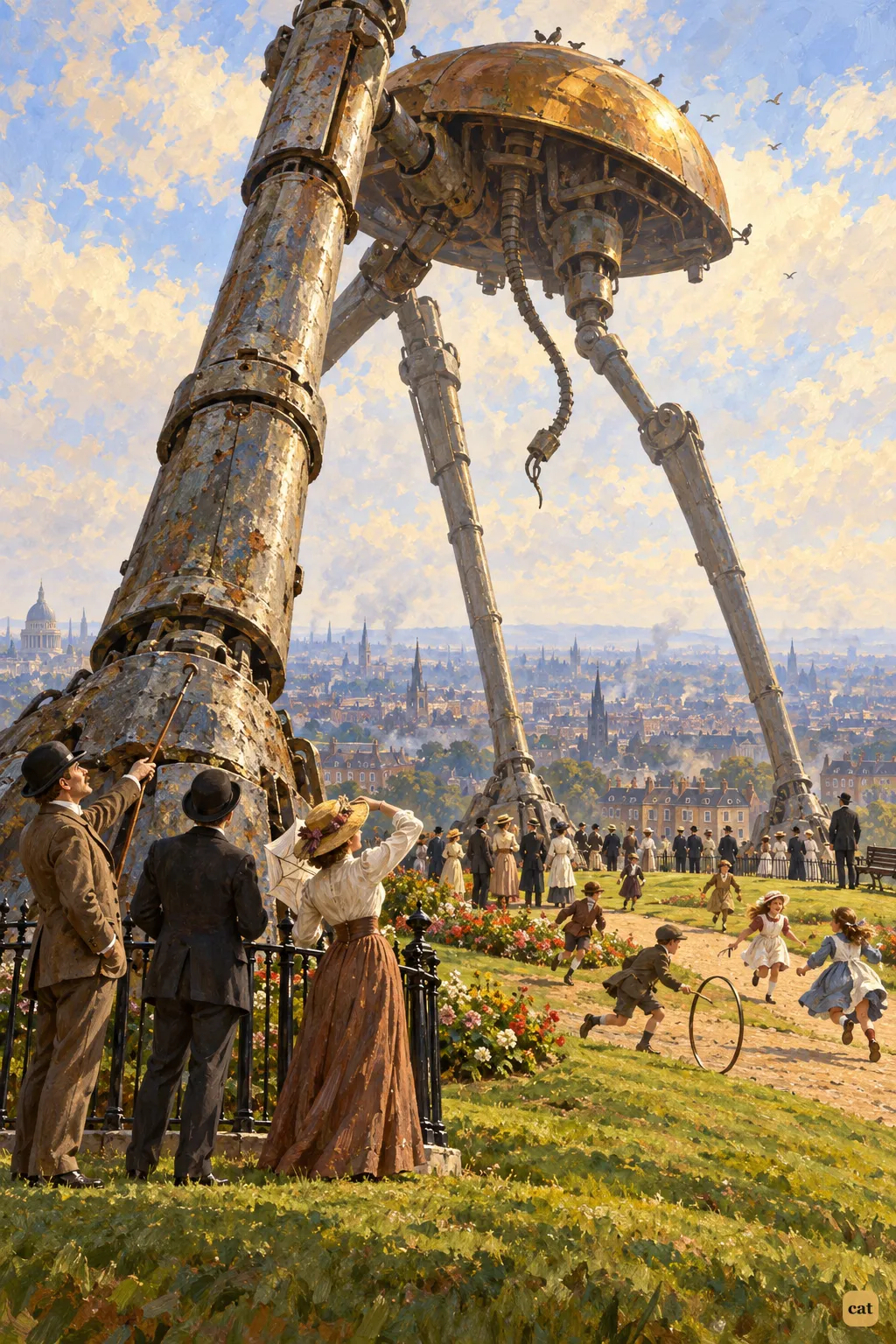
I go to London and see the busy multitudes in Fleet Street and the Strand, and it comes across my mind that they are but the ghosts of the past, haunting the streets that I have seen silent and wretched, going to and fro, phantasms in a dead city, the mockery of life in a galvanised body. And strange, too, it is to stand on Primrose Hill, as I did but a day before writing this last chapter, to see the great province of houses, dim and blue through the haze of the smoke and mist, vanishing at last into the vague lower sky, to see the people walking to and fro among the flower beds on the hill, to see the sight-seers about the Martian machine that stands there still, to hear the tumult of playing children, and to recall the time when I saw it all bright and clear-cut, hard and silent, under the dawn of that last great day. . . .
Read from here → -
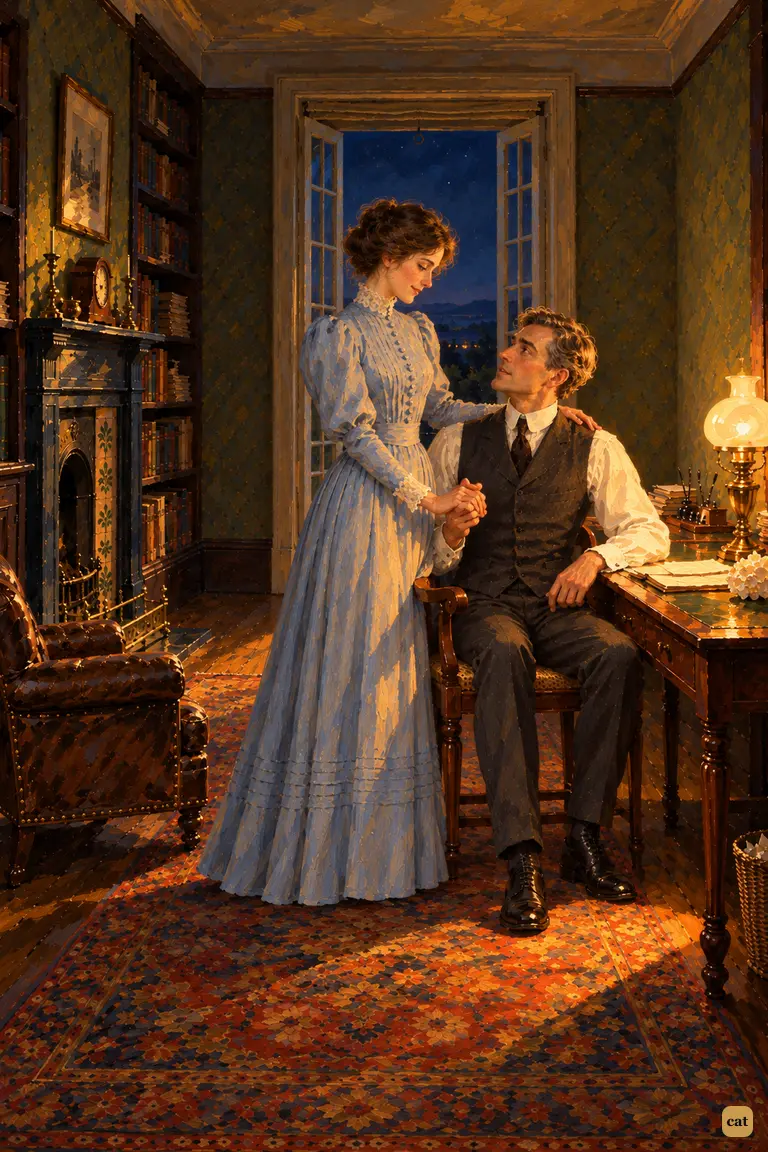
Home in the lamplight
And strangest of all is it to hold my wife’s hand again, and to think that I have counted her, and that she has counted me, among the dead.
Read from here → -
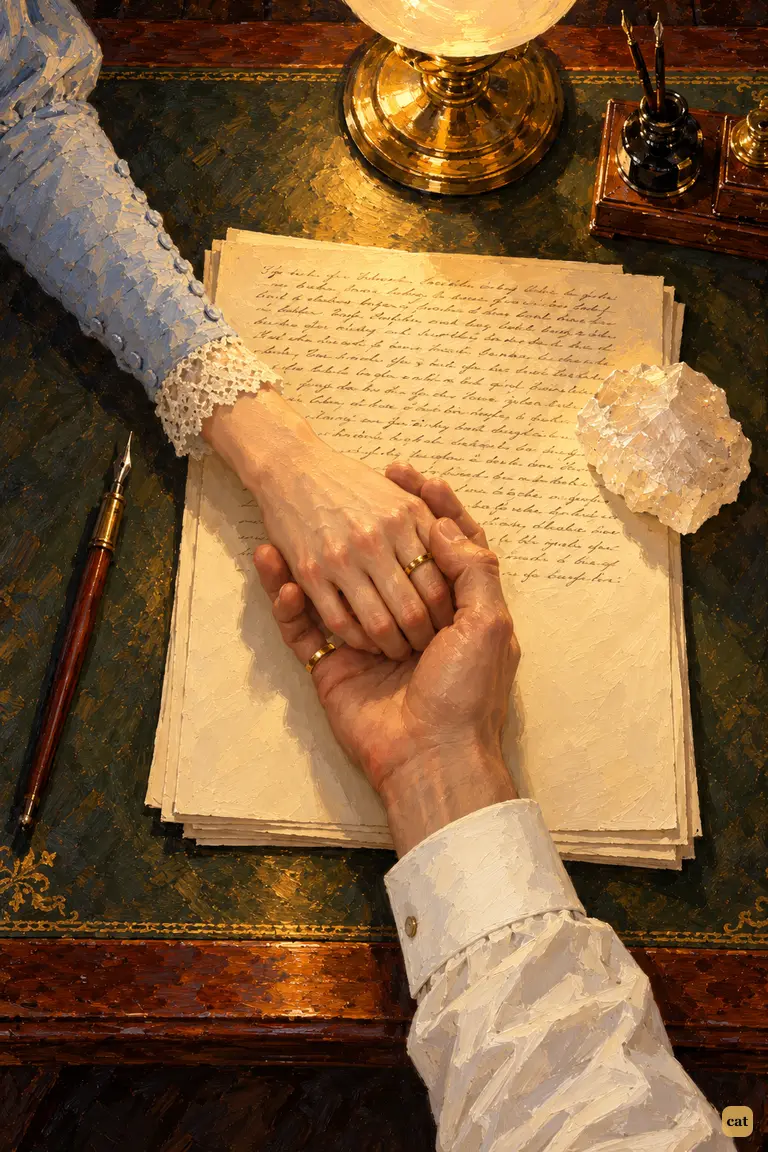
Hands on the manuscript
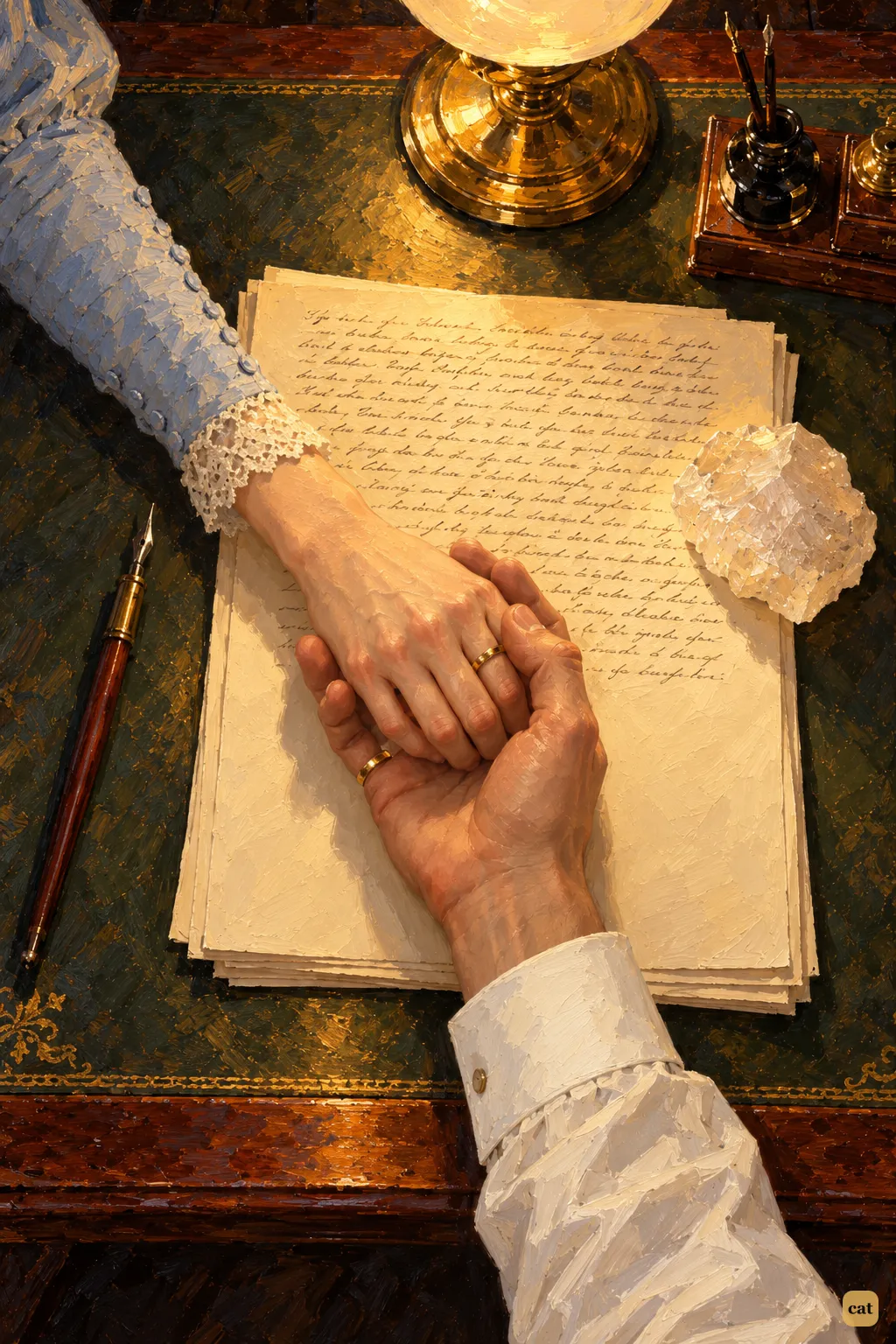
And strangest of all is it to hold my wife’s hand again, and to think that I have counted her, and that she has counted me, among the dead.
Read from here →