 Author
-

The common at mid-morning
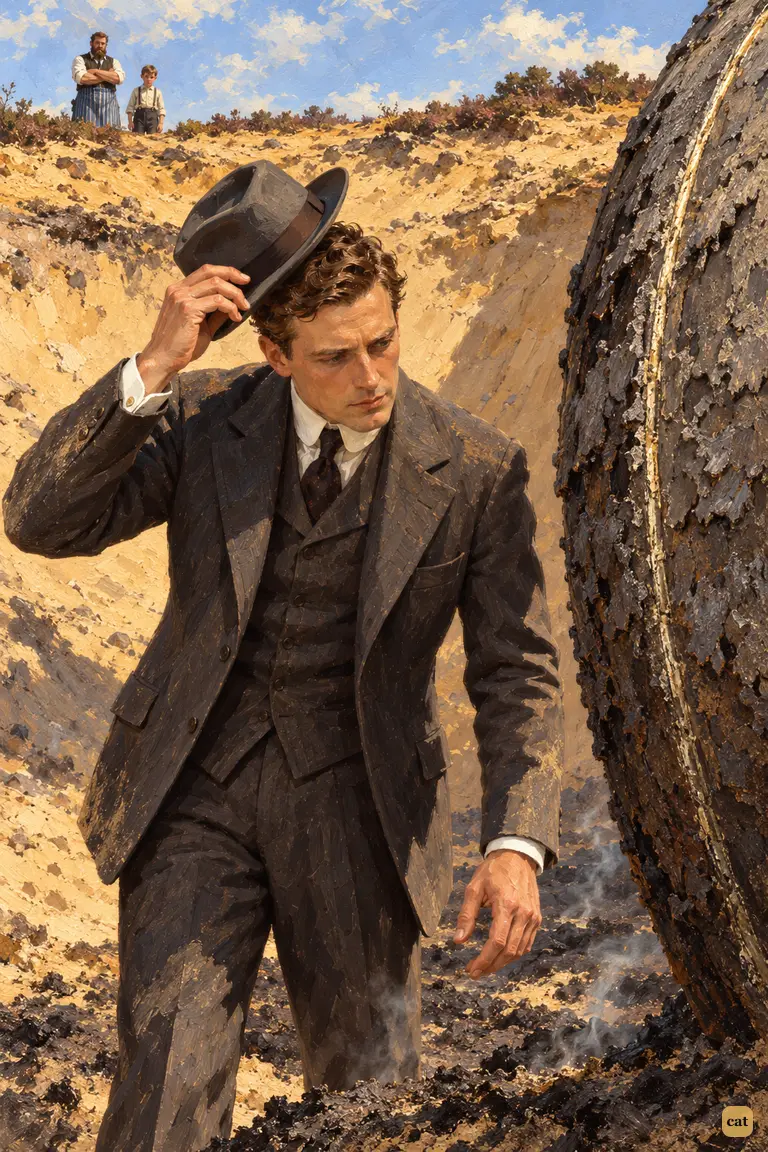
I found a little crowd of perhaps twenty people surrounding the huge hole in which the cylinder lay. I have already described the appearance of that colossal bulk, embedded in the ground. The turf and gravel about it seemed charred as if by a sudden explosion. No doubt its impact had caused a flash of fire. Henderson and Ogilvy were not there. I think they perceived that nothing was to be done for the present, and had gone away to breakfast at Henderson’s house.
Read from here → -
Listening at the bulk
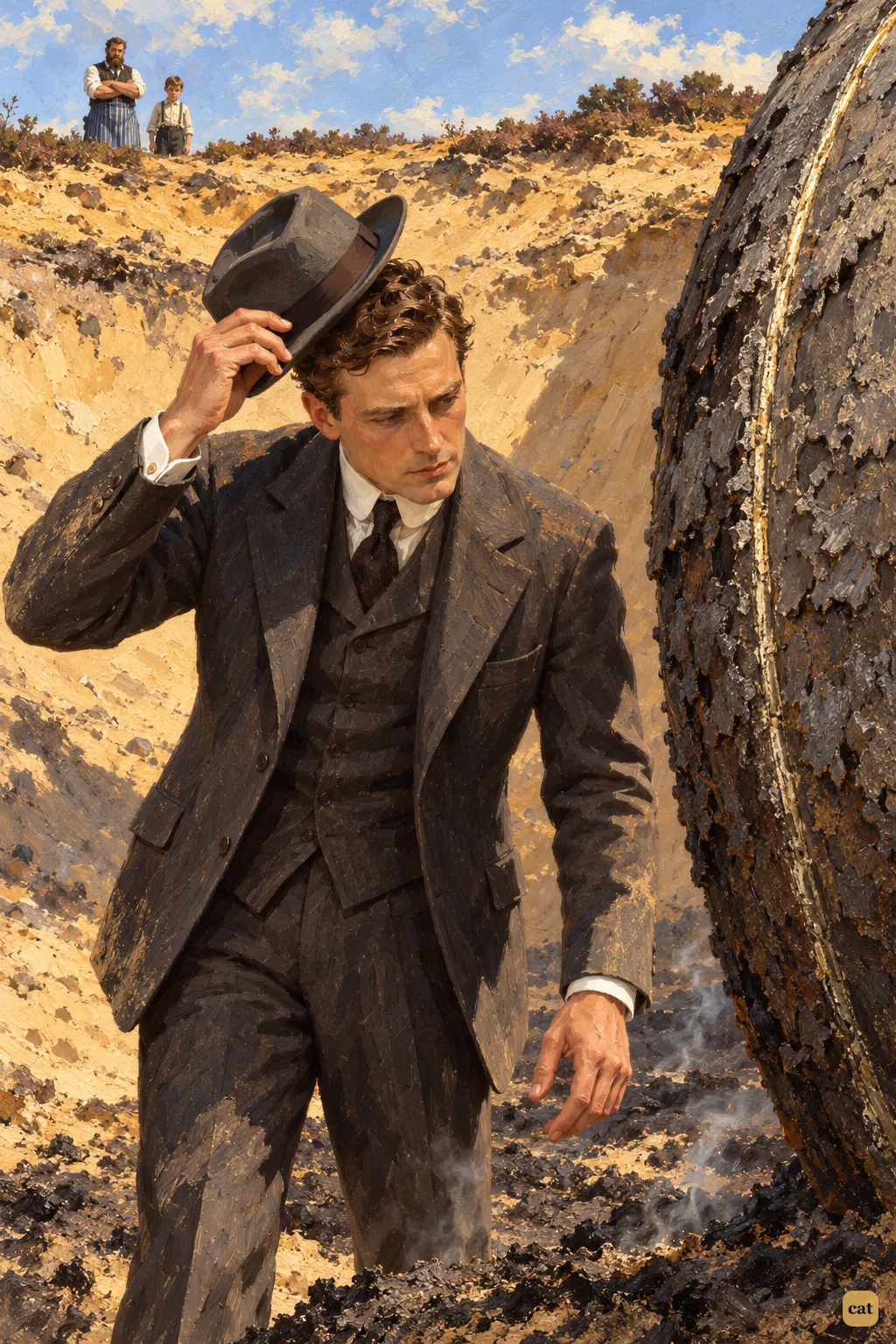
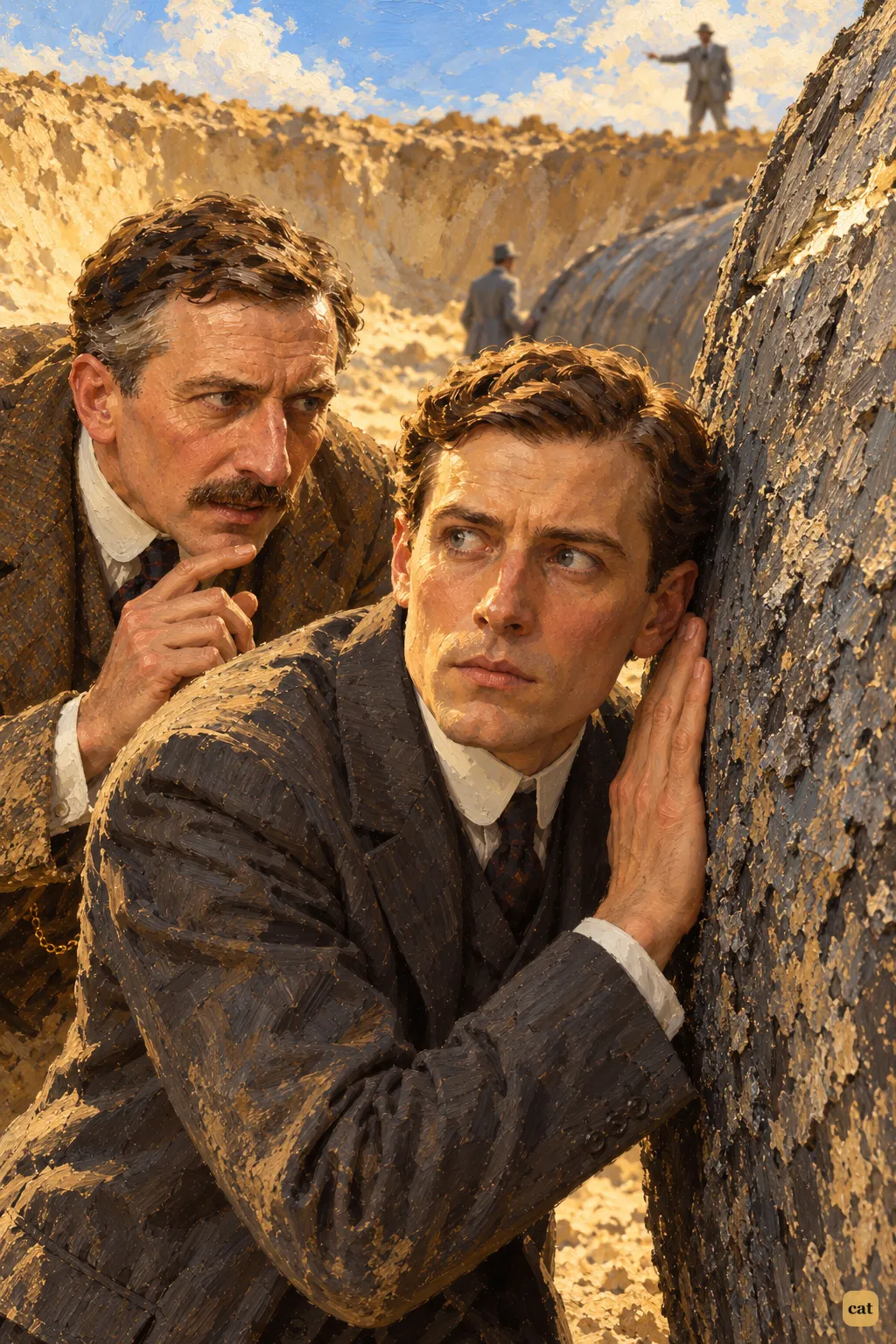
Among these were a couple of cyclists, a jobbing gardener I employed sometimes, a girl carrying a baby, Gregg the butcher and his little boy, and two or three loafers and golf caddies who were accustomed to hang about the railway station. There was very little talking. Few of the common people in England had anything but the vaguest astronomical ideas in those days. Most of them were staring quietly at the big table like end of the cylinder, which was still as Ogilvy and Henderson had left it. I fancy the popular expectation of a heap of charred corpses was disappointed at this inanimate bulk. Some went away while I was there, and other people came. I clambered into the pit and fancied I heard a faint movement under my feet. The top had certainly ceased to rotate.
Read from here → -
The unfamiliar metal
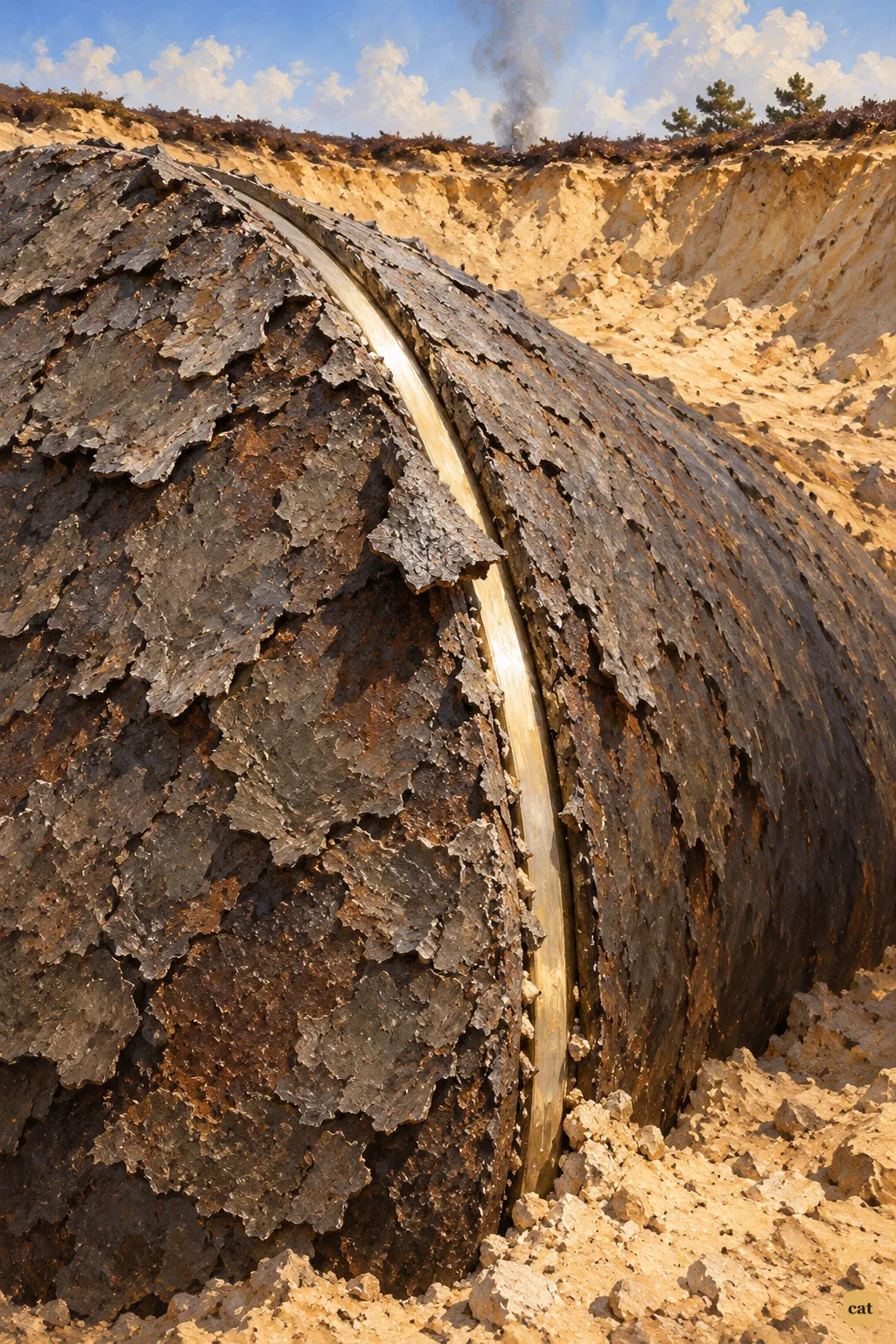
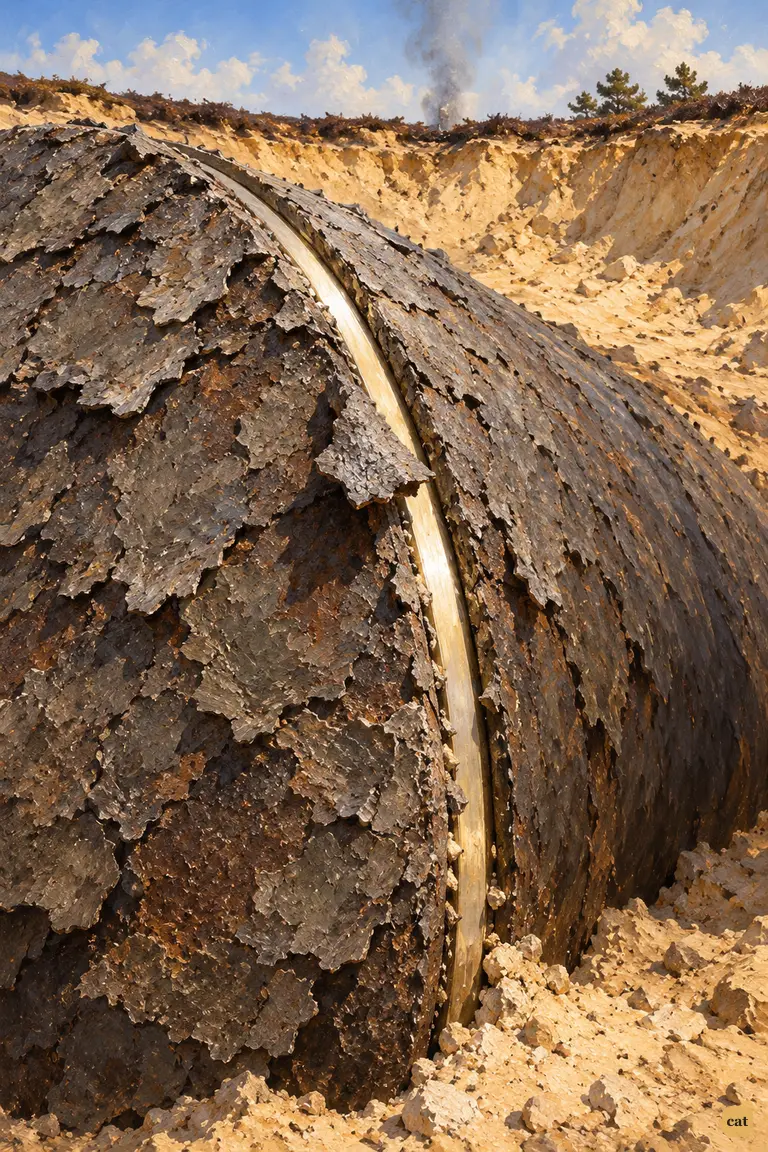
It was only when I got thus close to it that the strangeness of this object was at all evident to me. At the first glance it was really no more exciting than an overturned carriage or a tree blown across the road. Not so much so, indeed. It looked like a rusty gas float. It required a certain amount of scientific education to perceive that the grey scale of the Thing was no common oxide, that the yellowish-white metal that gleamed in the crack between the lid and the cylinder had an unfamiliar hue. “Extra-terrestrial” had no meaning for most of the onlookers.
Read from here → -
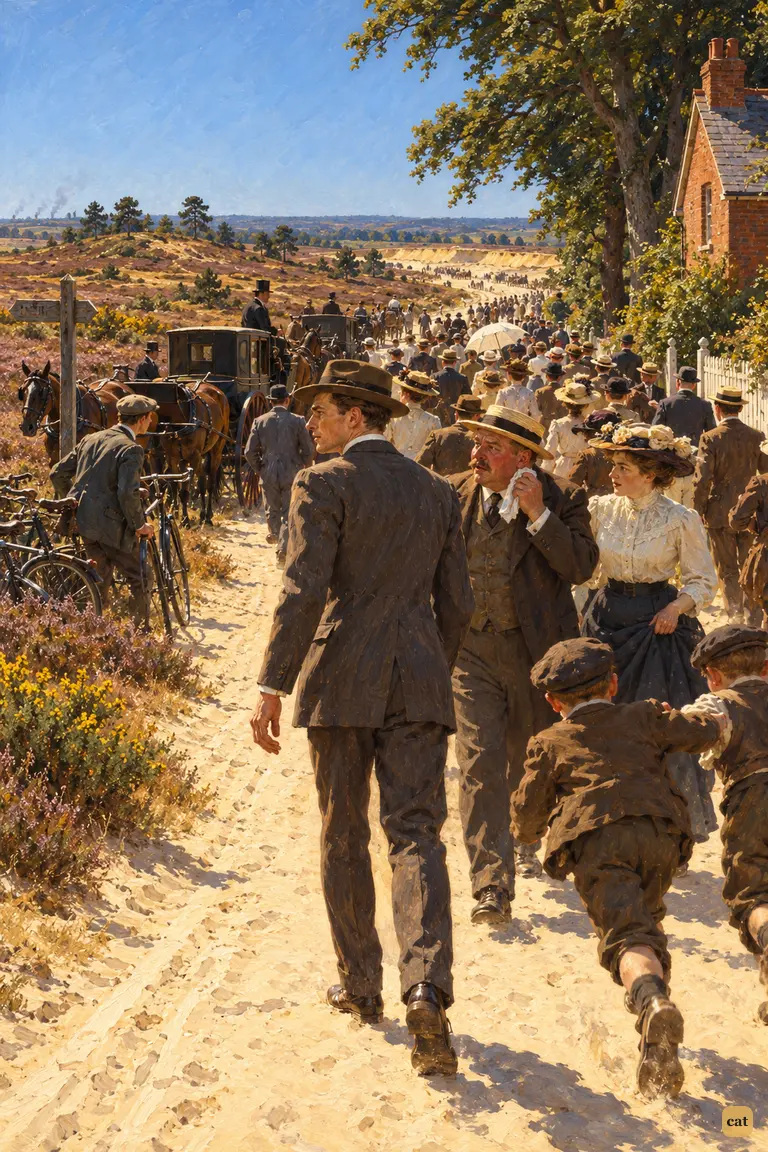
The common transformed
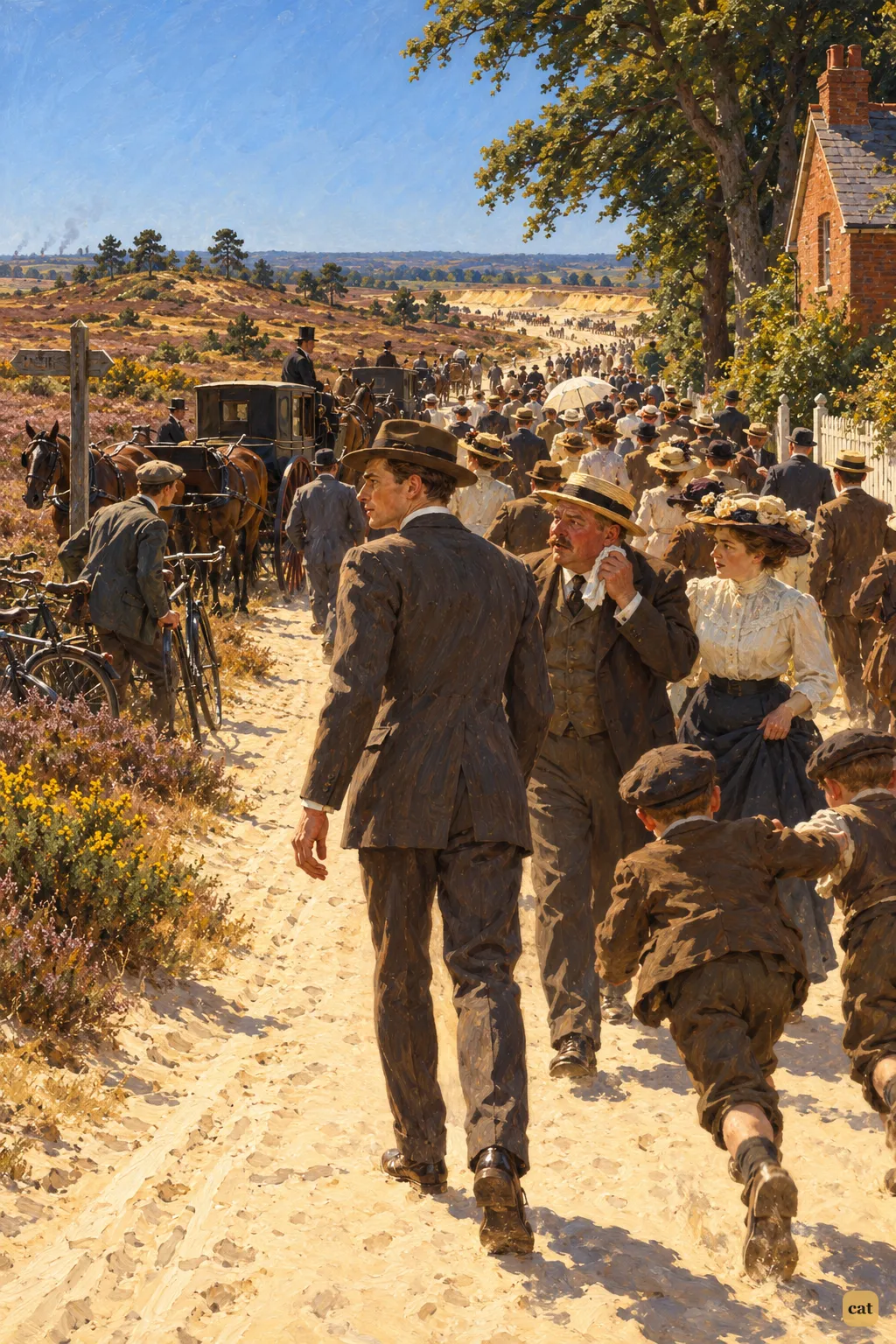
In the afternoon the appearance of the common had altered very much. The early editions of the evening papers had startled London with enormous headlines:
Read from here → -

-
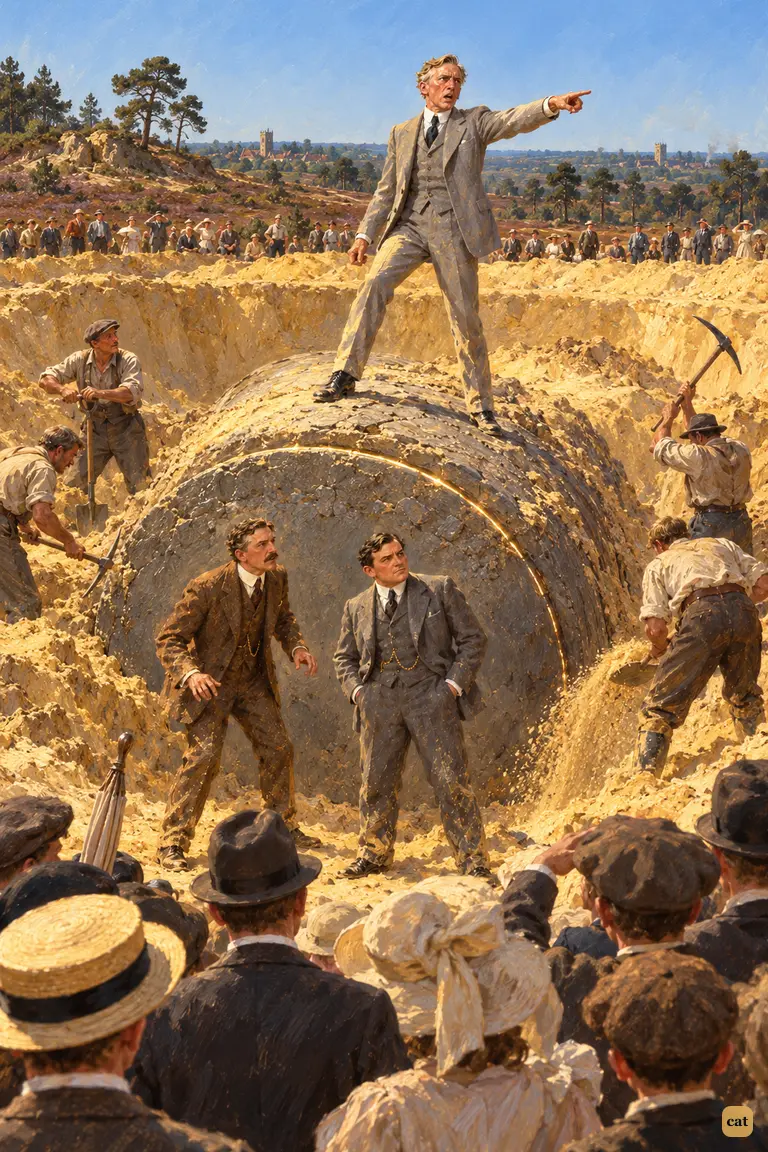
The dig in the Pit
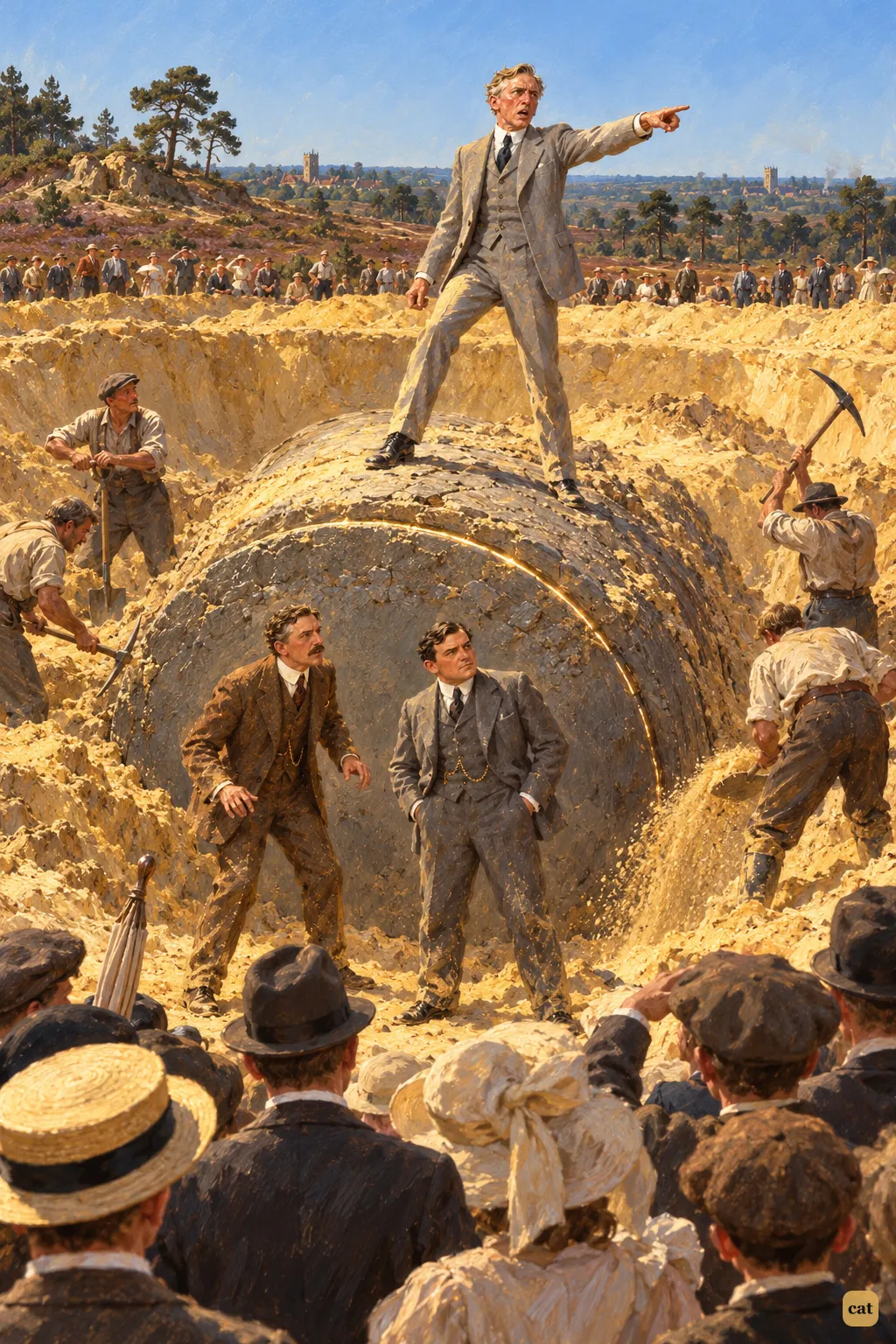
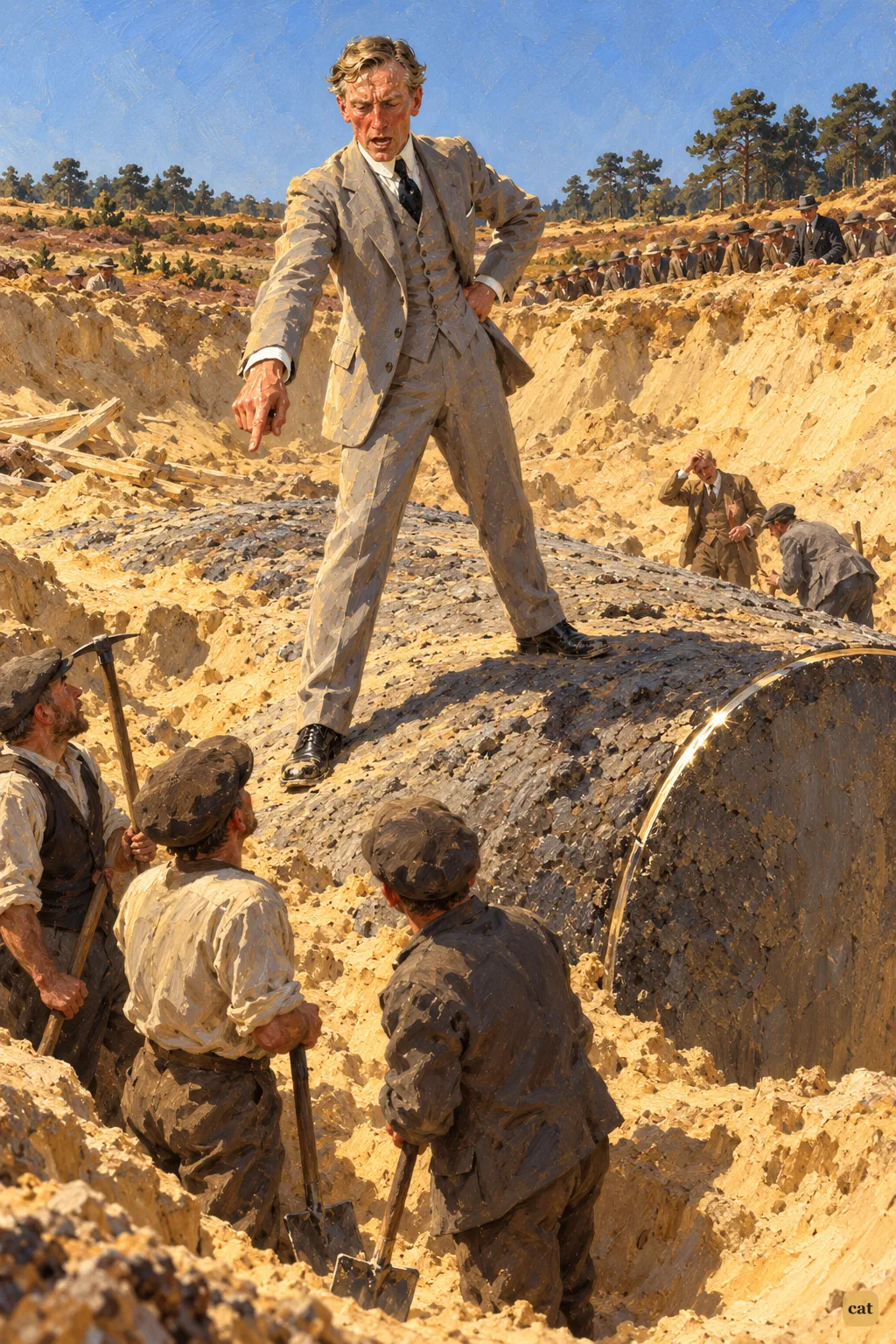
Going to the edge of the pit, I found it occupied by a group of about half a dozen men—Henderson, Ogilvy, and a tall, fair-haired man that I afterwards learned was Stent, the Astronomer Royal, with several workmen wielding spades and pickaxes. Stent was giving directions in a clear, high-pitched voice. He was standing on the cylinder, which was now evidently much cooler; his face was crimson and streaming with perspiration, and something seemed to have irritated him.
Read from here → -
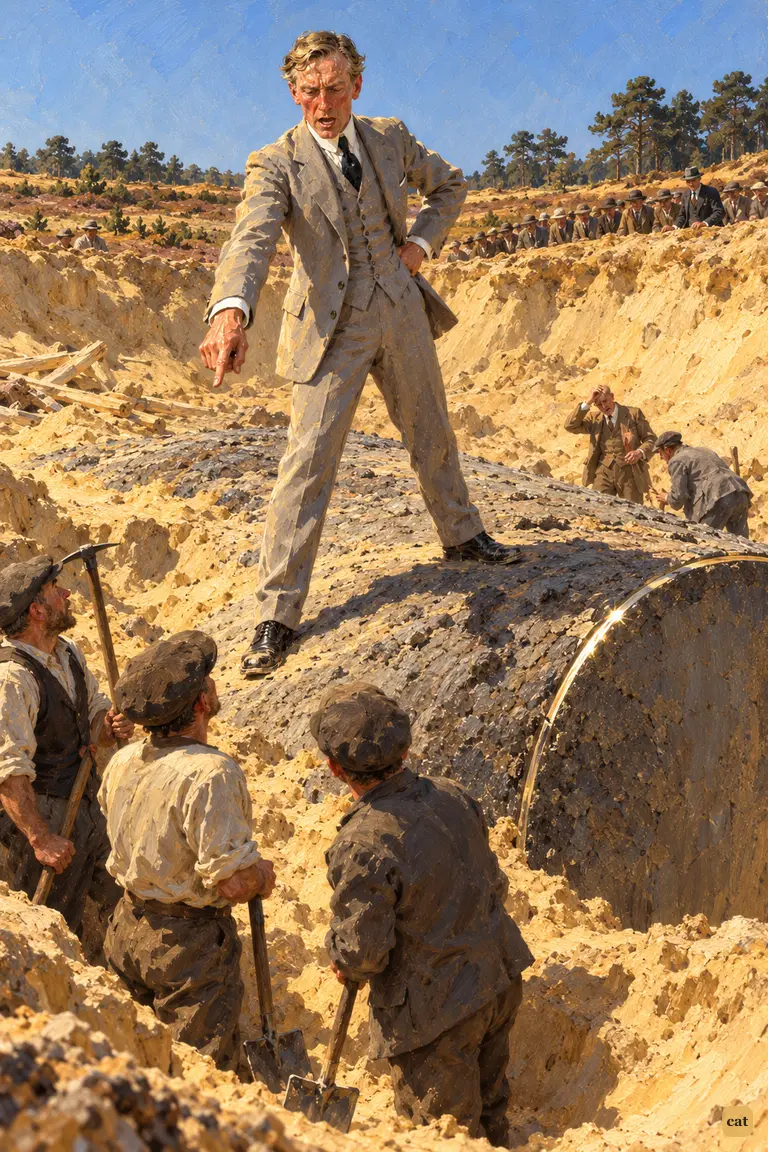
Stent directing from the cylinder
Going to the edge of the pit, I found it occupied by a group of about half a dozen men—Henderson, Ogilvy, and a tall, fair-haired man that I afterwards learned was Stent, the Astronomer Royal, with several workmen wielding spades and pickaxes. Stent was giving directions in a clear, high-pitched voice. He was standing on the cylinder, which was now evidently much cooler; his face was crimson and streaming with perspiration, and something seemed to have irritated him.
Read from here → -
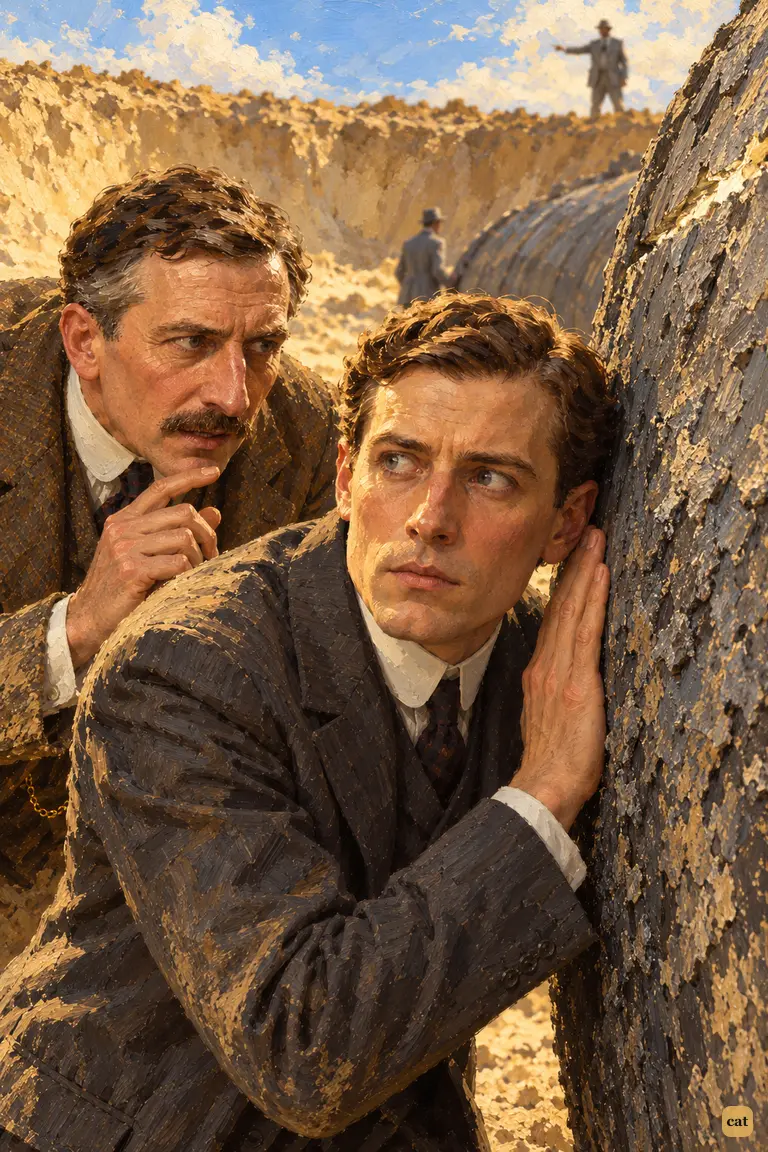
A tumult inside
The growing crowd, he said, was becoming a serious impediment to their excavations, especially the boys. They wanted a light railing put up, and help to keep the people back. He told me that a faint stirring was occasionally still audible within the case, but that the workmen had failed to unscrew the top, as it afforded no grip to them. The case appeared to be enormously thick, and it was possible that the faint sounds we heard represented a noisy tumult in the interior.
Read from here → -
Chapter 3
The crowd at the Pit
Next chapter: The cylinder opens and the Martians appear Read this chapter