-

Baker Street Morning
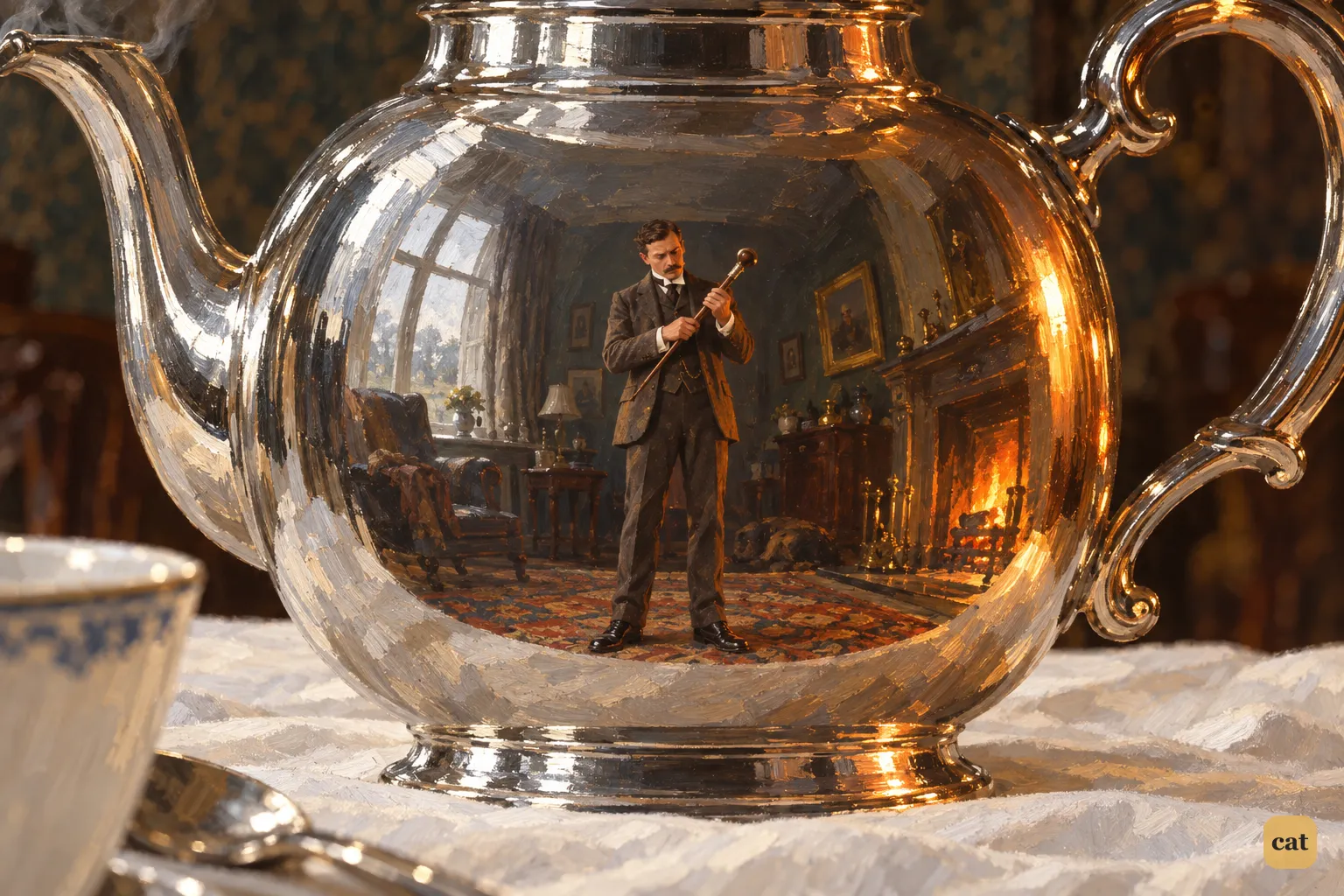
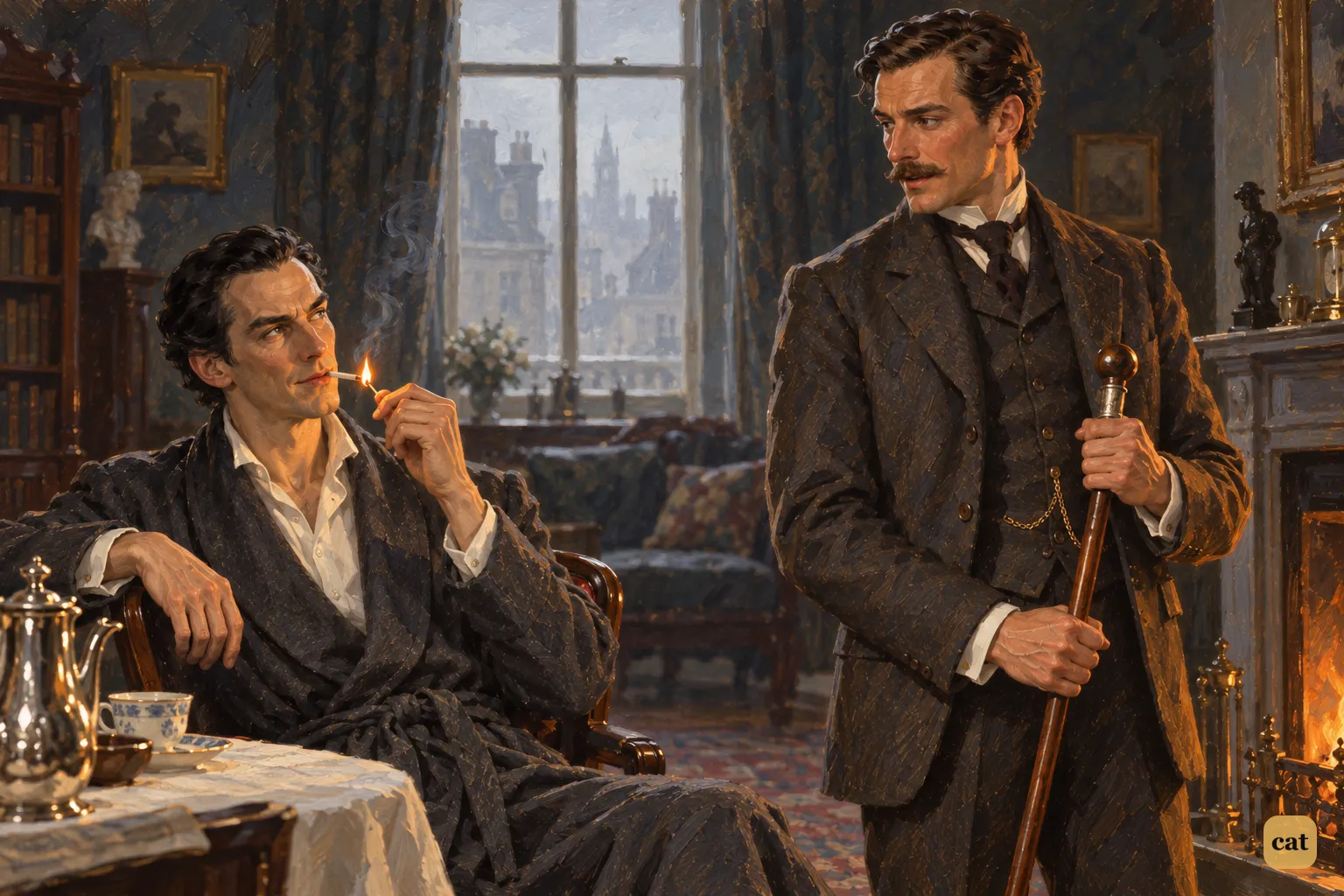
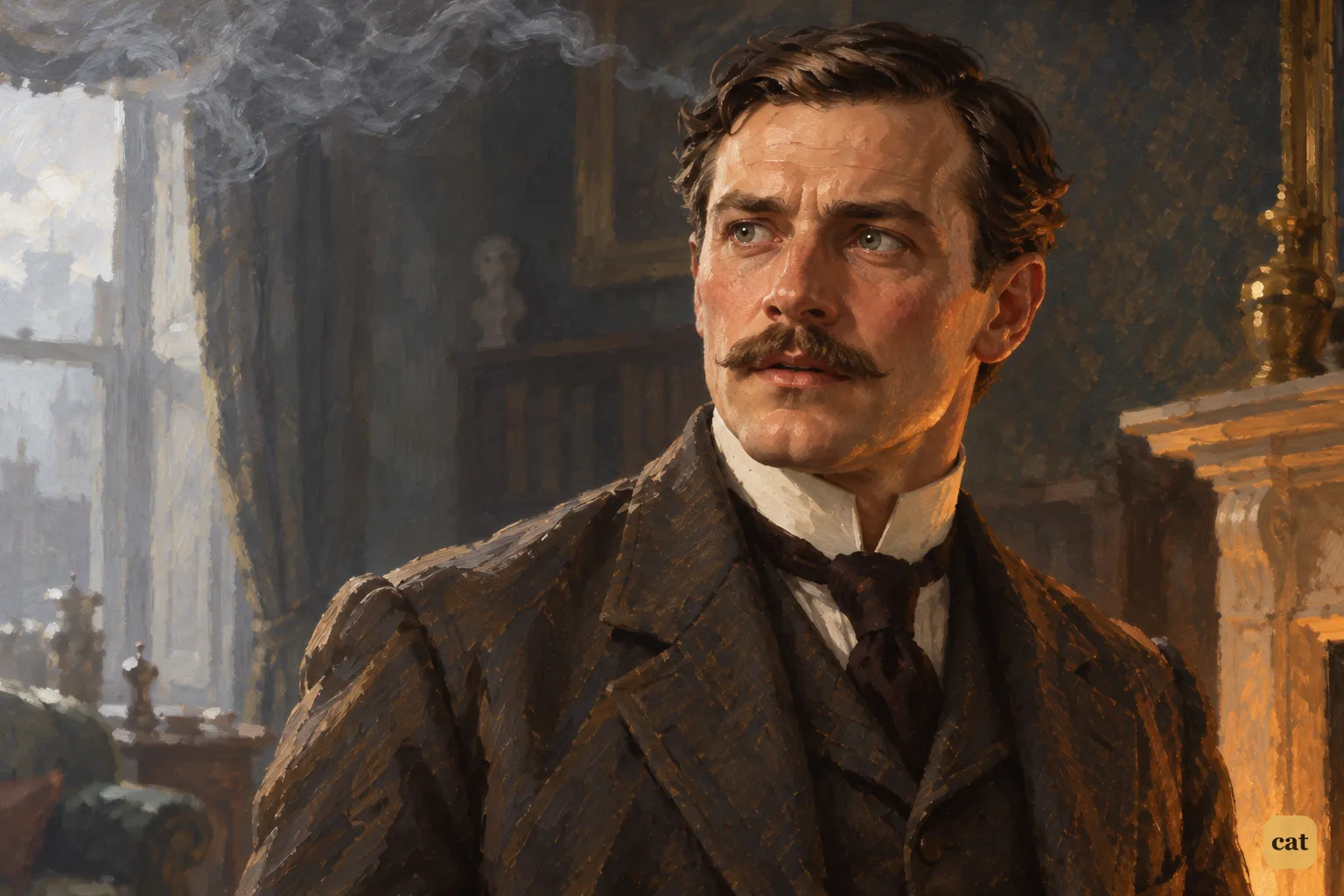
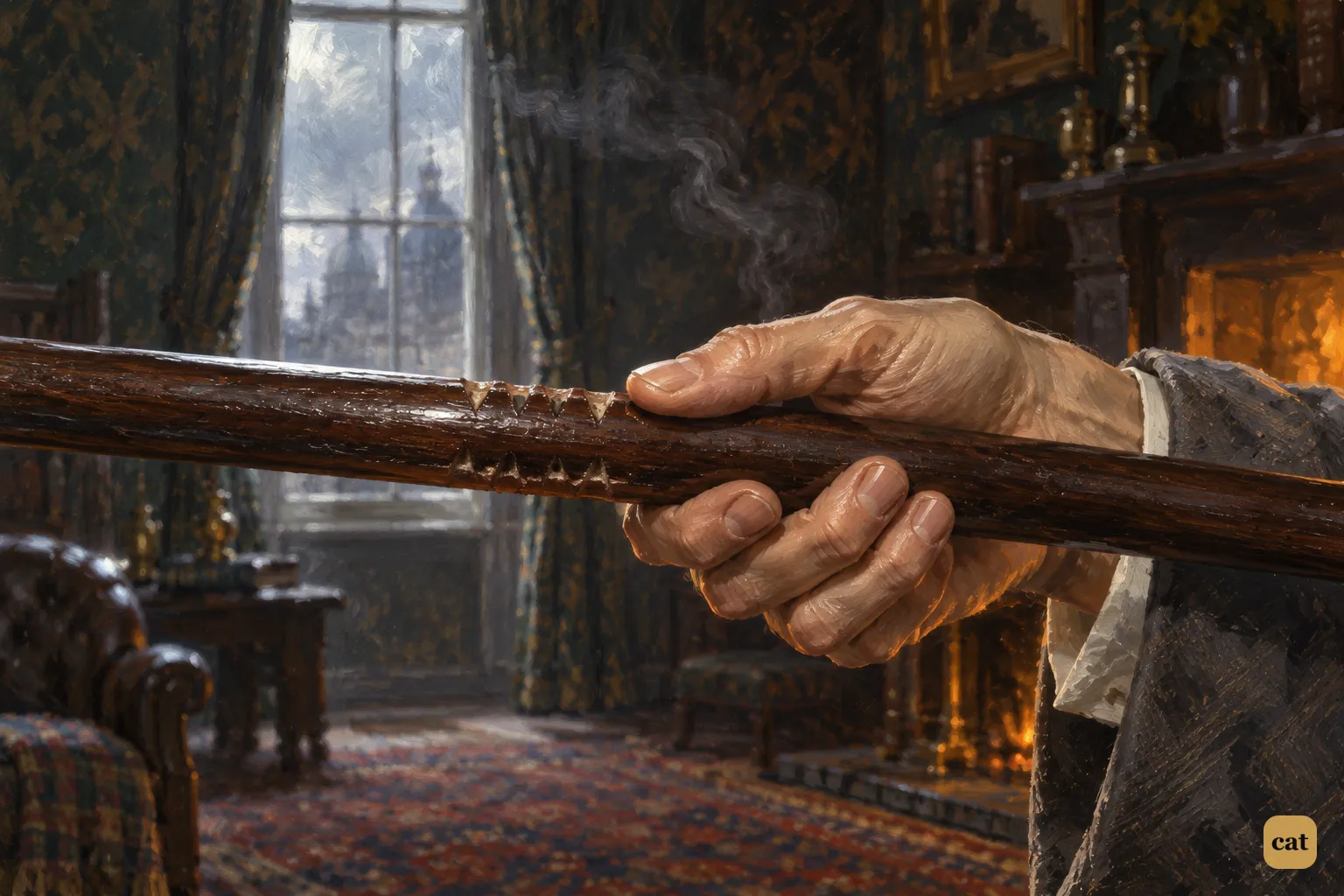
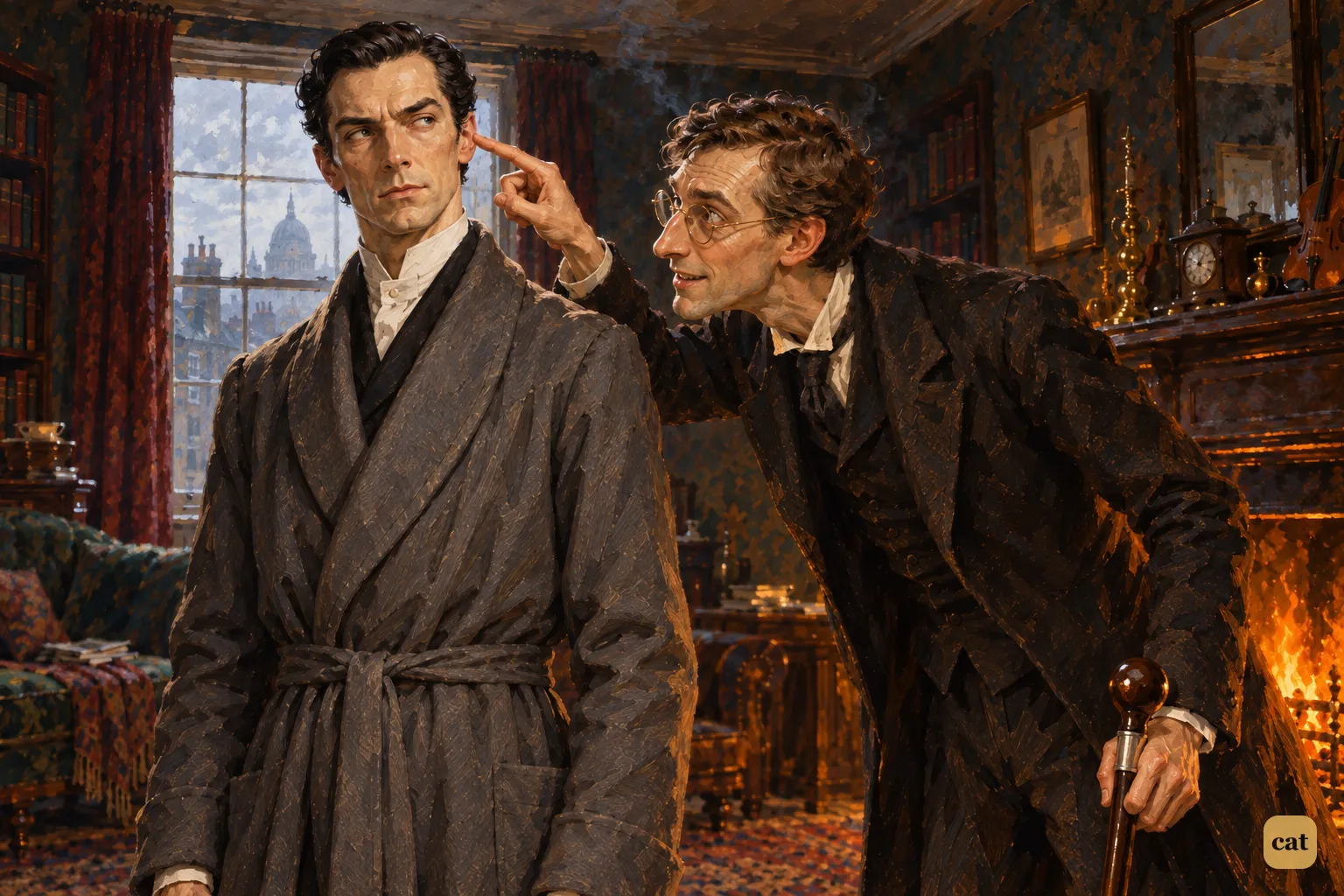
Mr. Sherlock Holmes, who was usually very late in the mornings, save upon those not infrequent occasions when he was up all night, was seated at the breakfast table. I stood upon the hearth-rug and picked up the stick which our visitor had left behind him the night before. It was a fine, thick piece of wood, bulbous-headed, of the sort which is known as a “Penang lawyer.” Just under the head was a broad silver band nearly an inch across. “To James Mortimer, M.R.C.S., from his friends of the C.C.H.,” was engraved upon it, with the date “1884.” It was just such a stick as the old-fashioned family practitioner used to carry—dignified, solid, and reassuring.
Read from here → -
Eyes in the Coffee-Pot
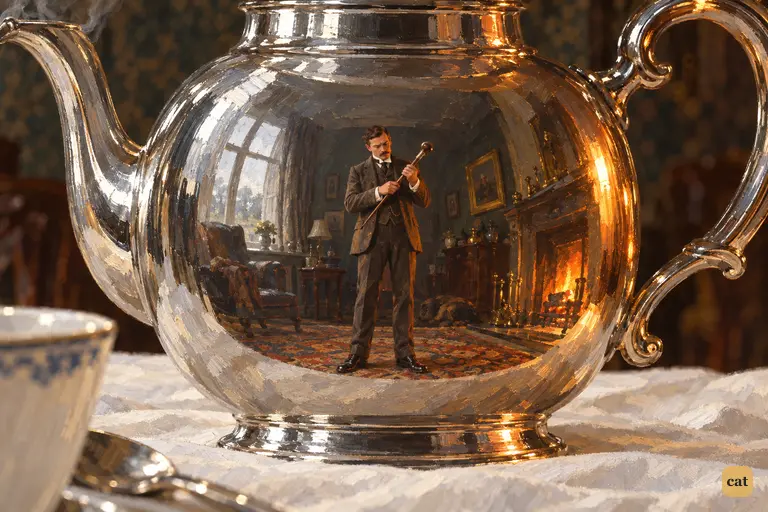
“I have, at least, a well-polished, silver-plated coffee-pot in front of me,” said he. “But, tell me, Watson, what do you make of our visitor’s stick? Since we have been so unfortunate as to miss him and have no notion of his errand, this accidental souvenir becomes of importance. Let me hear you reconstruct the man by an examination of it.”
Read from here → -
A Conductor of Light
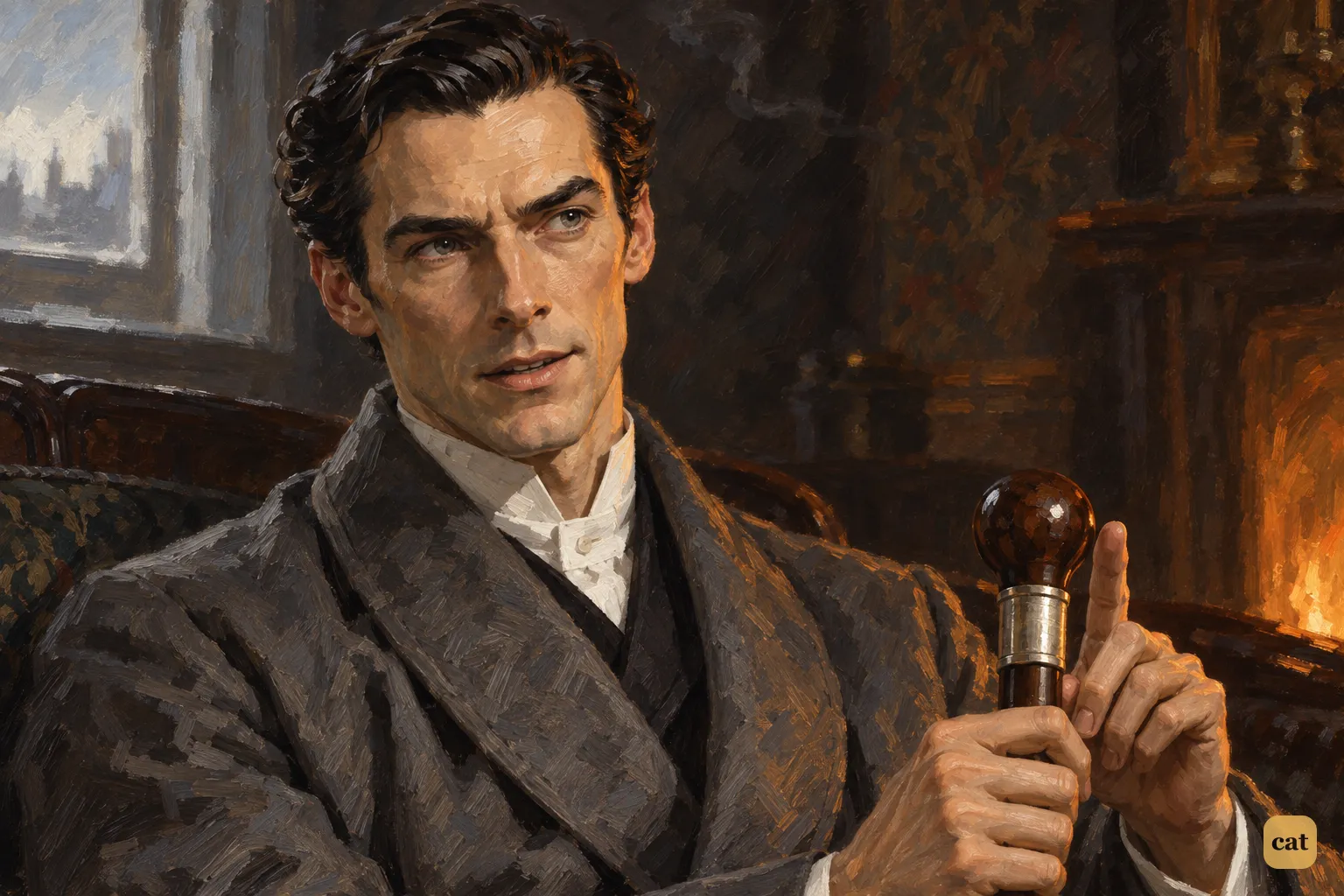
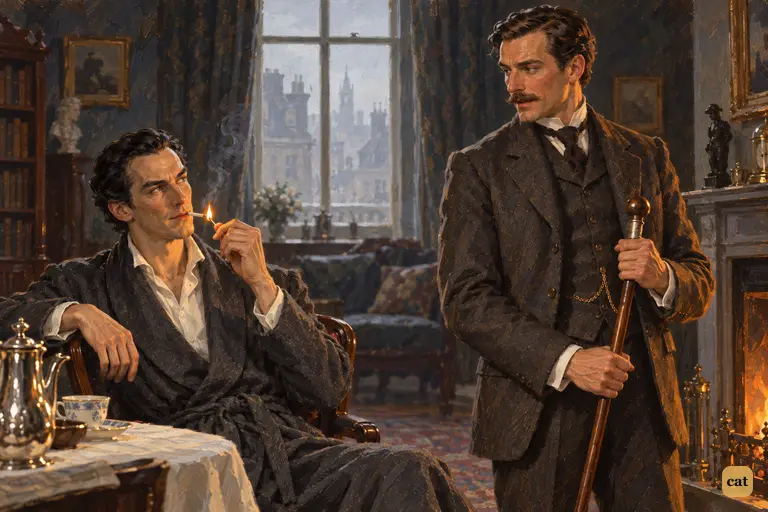
“Really, Watson, you excel yourself,” said Holmes, pushing back his chair and lighting a cigarette. “I am bound to say that in all the accounts which you have been so good as to give of my own small achievements you have habitually underrated your own abilities. It may be that you are not yourself luminous, but you are a conductor of light. Some people without possessing genius have a remarkable power of stimulating it. I confess, my dear fellow, that I am very much in your debt.”
Read from here → -
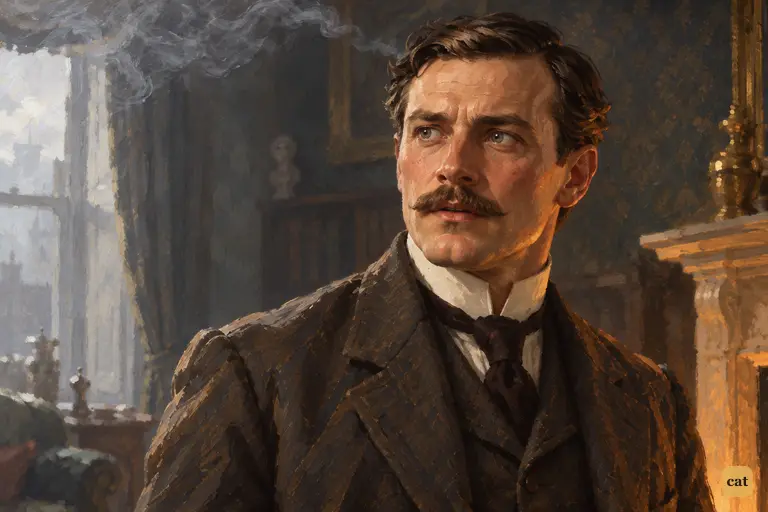
Most Conclusions Erroneous
“I am afraid, my dear Watson, that most of your conclusions were erroneous. When I said that you stimulated me I meant, to be frank, that in noting your fallacies I was occasionally guided towards the truth. Not that you are entirely wrong in this instance. The man is certainly a country practitioner. And he walks a good deal.”
Read from here → -

A Young Fellow Emerges
“Now, you will observe that he could not have been on the staff of the hospital, since only a man well-established in a London practice could hold such a position, and such a one would not drift into the country. What was he, then? If he was in the hospital and yet not on the staff he could only have been a house-surgeon or a house-physician—little more than a senior student. And he left five years ago—the date is on the stick. So your grave, middle-aged family practitioner vanishes into thin air, my dear Watson, and there emerges a young fellow under thirty, amiable, unambitious, absent-minded, and the possessor of a favourite dog, which I should describe roughly as being larger than a terrier and smaller than a mastiff.”
Read from here → -
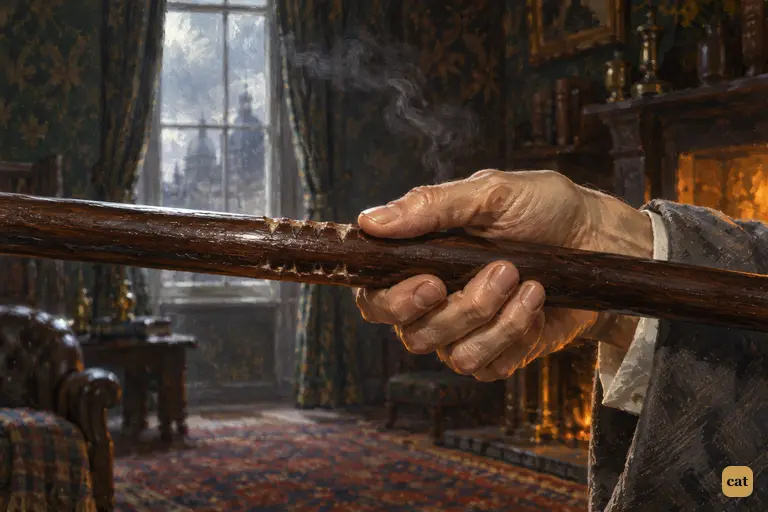
Marks of Teeth
“Has been in the habit of carrying this stick behind his master. Being a heavy stick the dog has held it tightly by the middle, and the marks of his teeth are very plainly visible. The dog’s jaw, as shown in the space between these marks, is too broad in my opinion for a terrier and not broad enough for a mastiff. It may have been—yes, by Jove, it is a curly-haired spaniel.”
Read from here → -
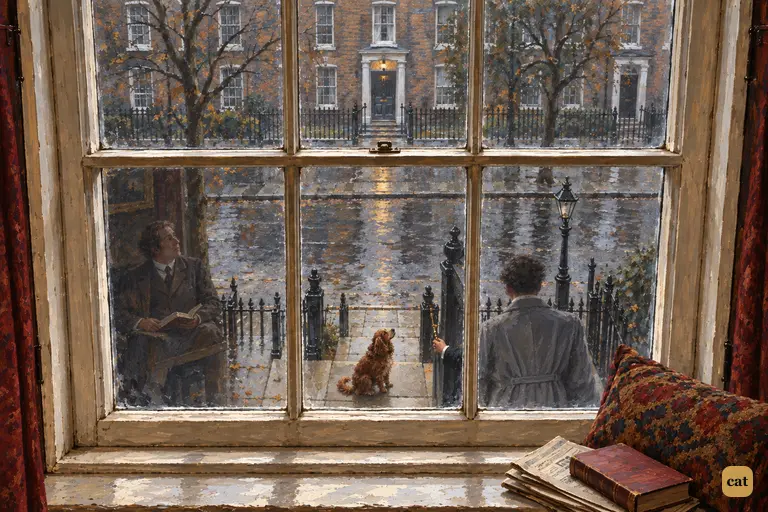
The Spaniel Below
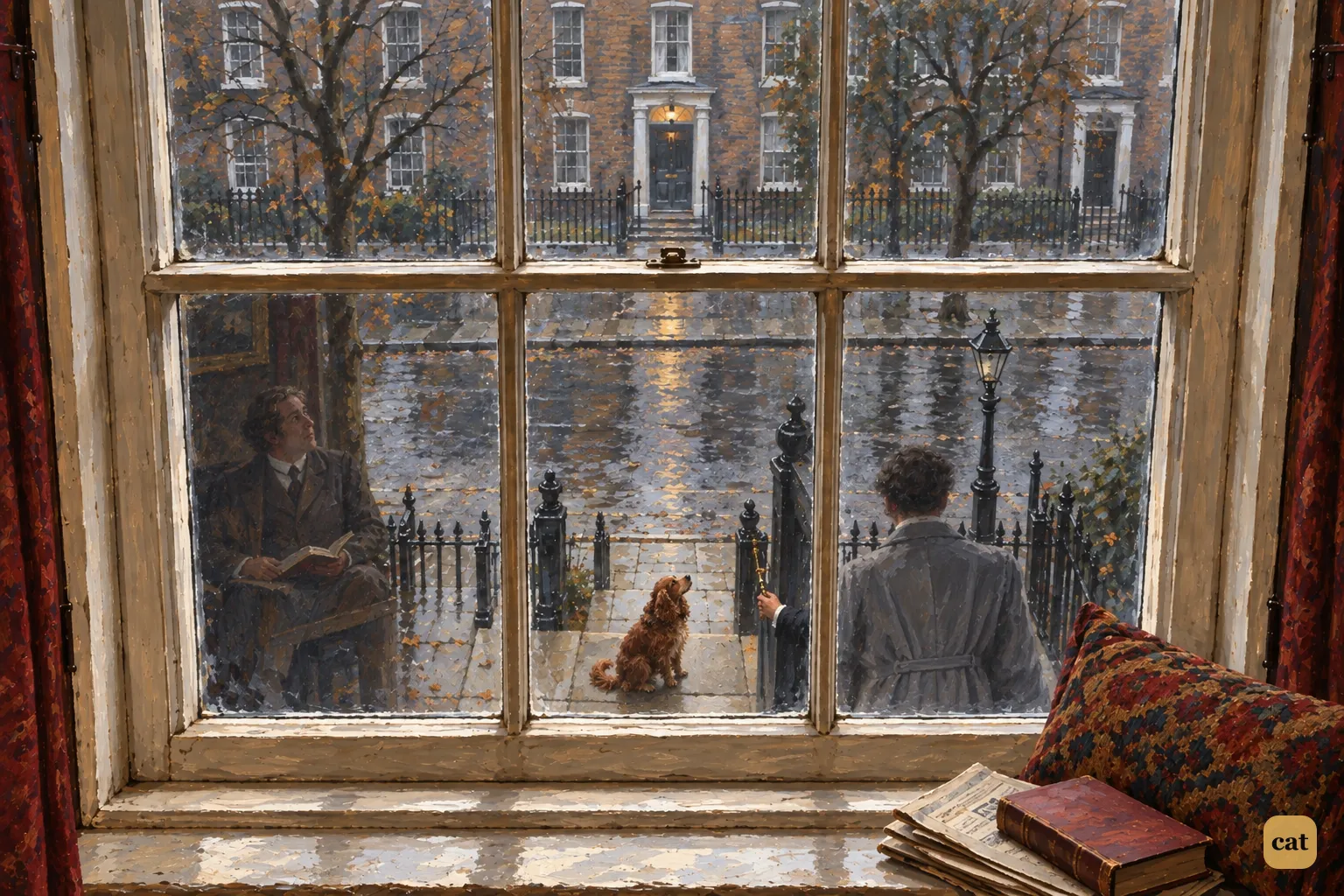
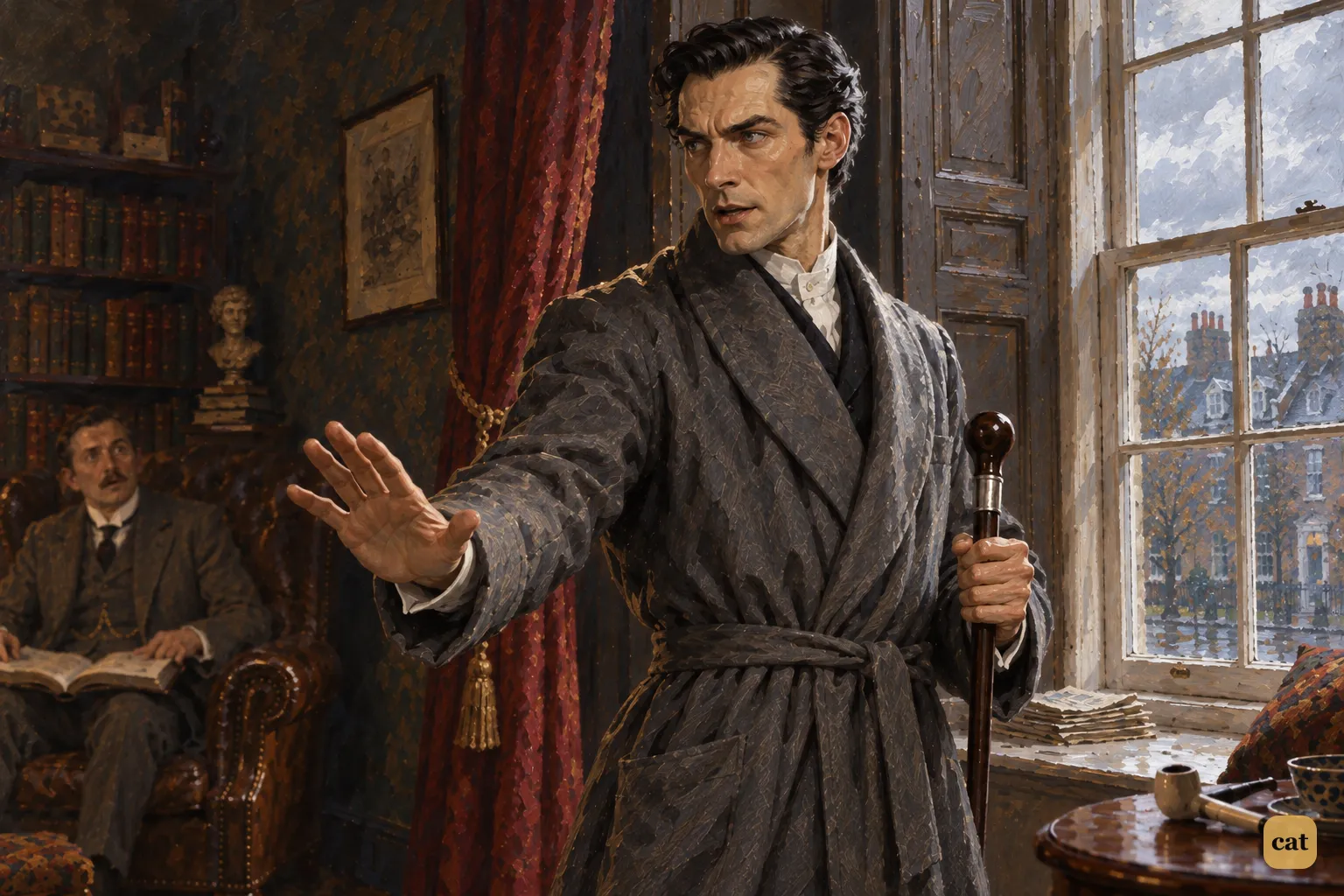
“For the very simple reason that I see the dog himself on our very door-step, and there is the ring of its owner. Don’t move, I beg you, Watson. He is a professional brother of yours, and your presence may be of assistance to me. Now is the dramatic moment of fate, Watson, when you hear a step upon the stair which is walking into your life, and you know not whether for good or ill. What does Dr. James Mortimer, the man of science, ask of Sherlock Holmes, the specialist in crime? Come in!”
Read from here → -
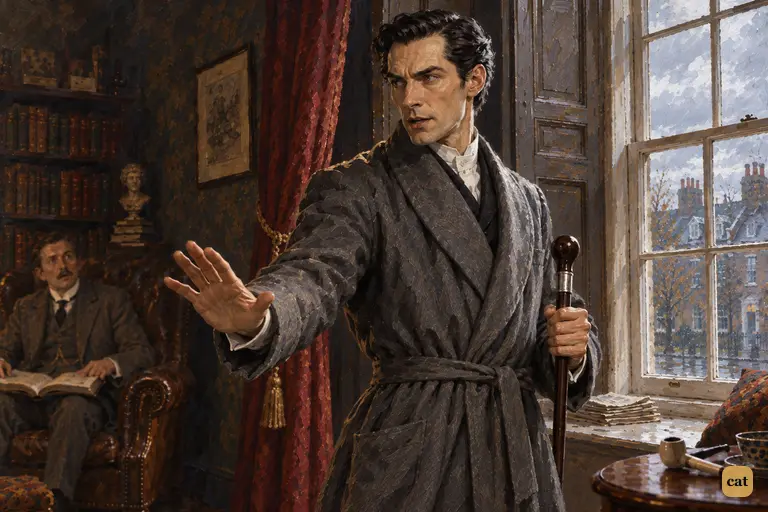
The Step on the Stair
“For the very simple reason that I see the dog himself on our very door-step, and there is the ring of its owner. Don’t move, I beg you, Watson. He is a professional brother of yours, and your presence may be of assistance to me. Now is the dramatic moment of fate, Watson, when you hear a step upon the stair which is walking into your life, and you know not whether for good or ill. What does Dr. James Mortimer, the man of science, ask of Sherlock Holmes, the specialist in crime? Come in!”
Read from here → -
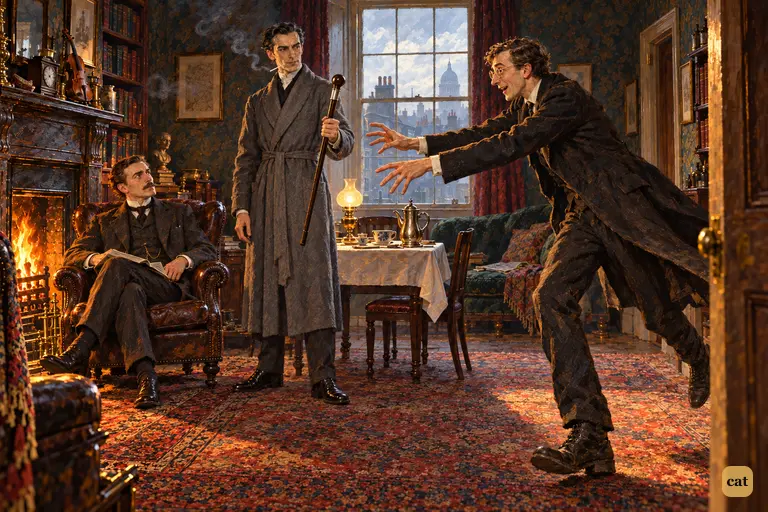
The Visitor Enters
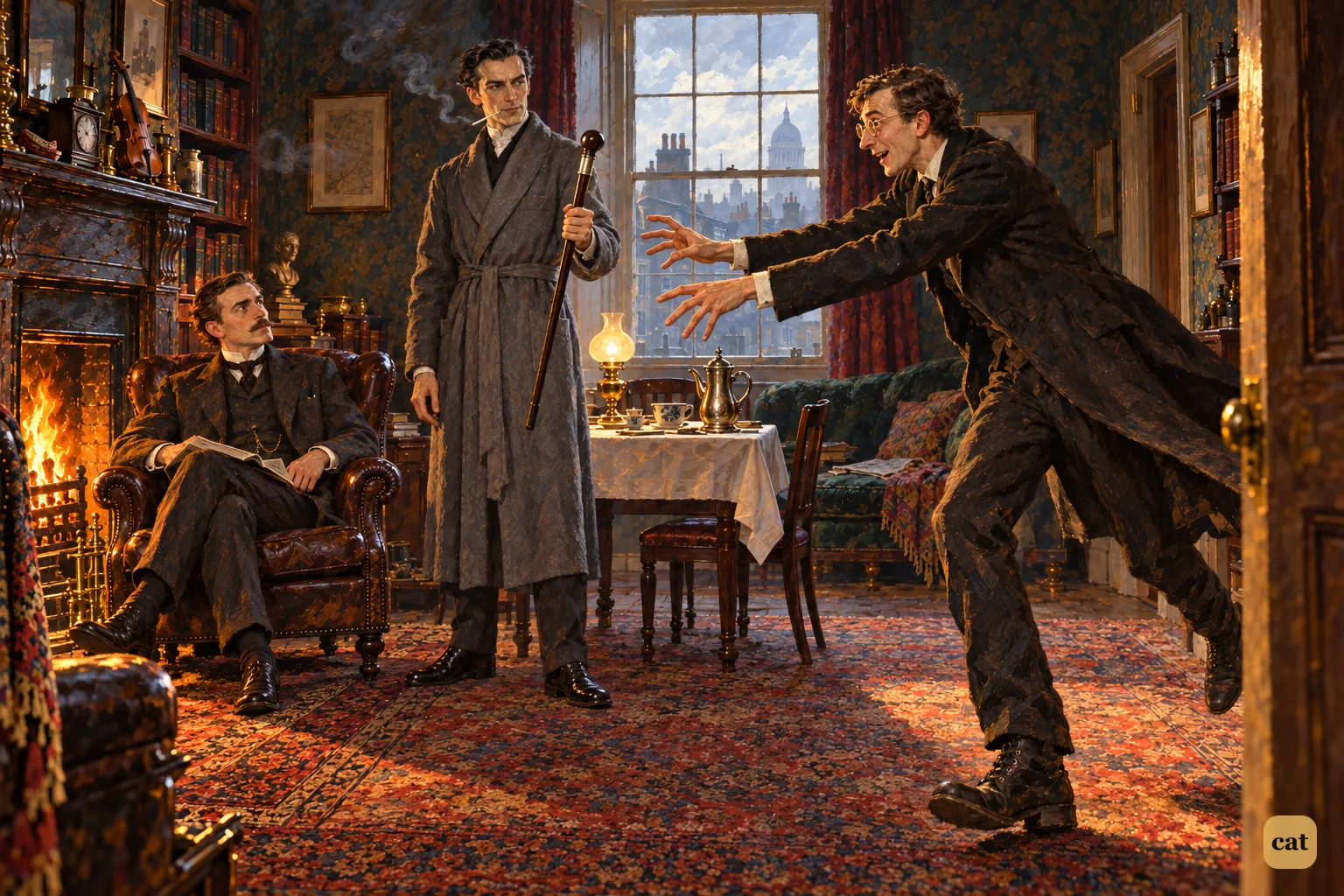
The appearance of our visitor was a surprise to me, since I had expected a typical country practitioner. He was a very tall, thin man, with a long nose like a beak, which jutted out between two keen, grey eyes, set closely together and sparkling brightly from behind a pair of gold-rimmed glasses. He was clad in a professional but rather slovenly fashion, for his frock-coat was dingy and his trousers frayed. Though young, his long back was already bowed, and he walked with a forward thrust of his head and a general air of peering benevolence. As he entered his eyes fell upon the stick in Holmes’s hand, and he ran towards it with an exclamation of joy. “I am so very glad,” said he. “I was not sure whether I had left it here or in the Shipping Office. I would not lose that stick for the world.”
Read from here → -
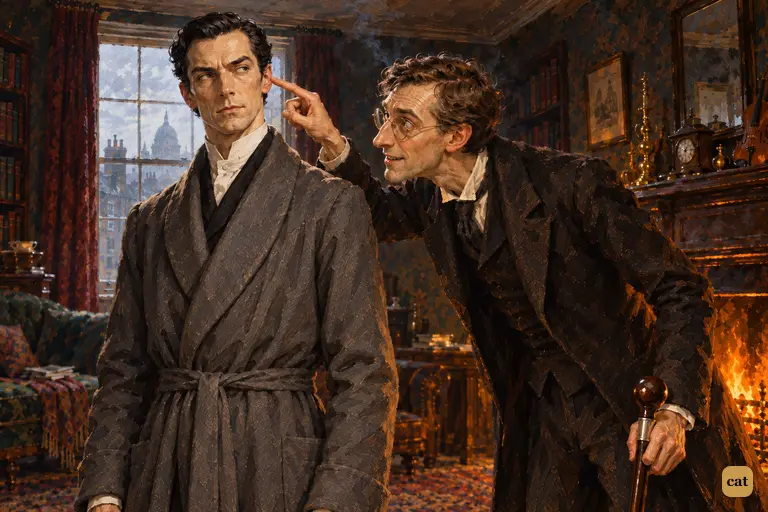
I Covet Your Skull
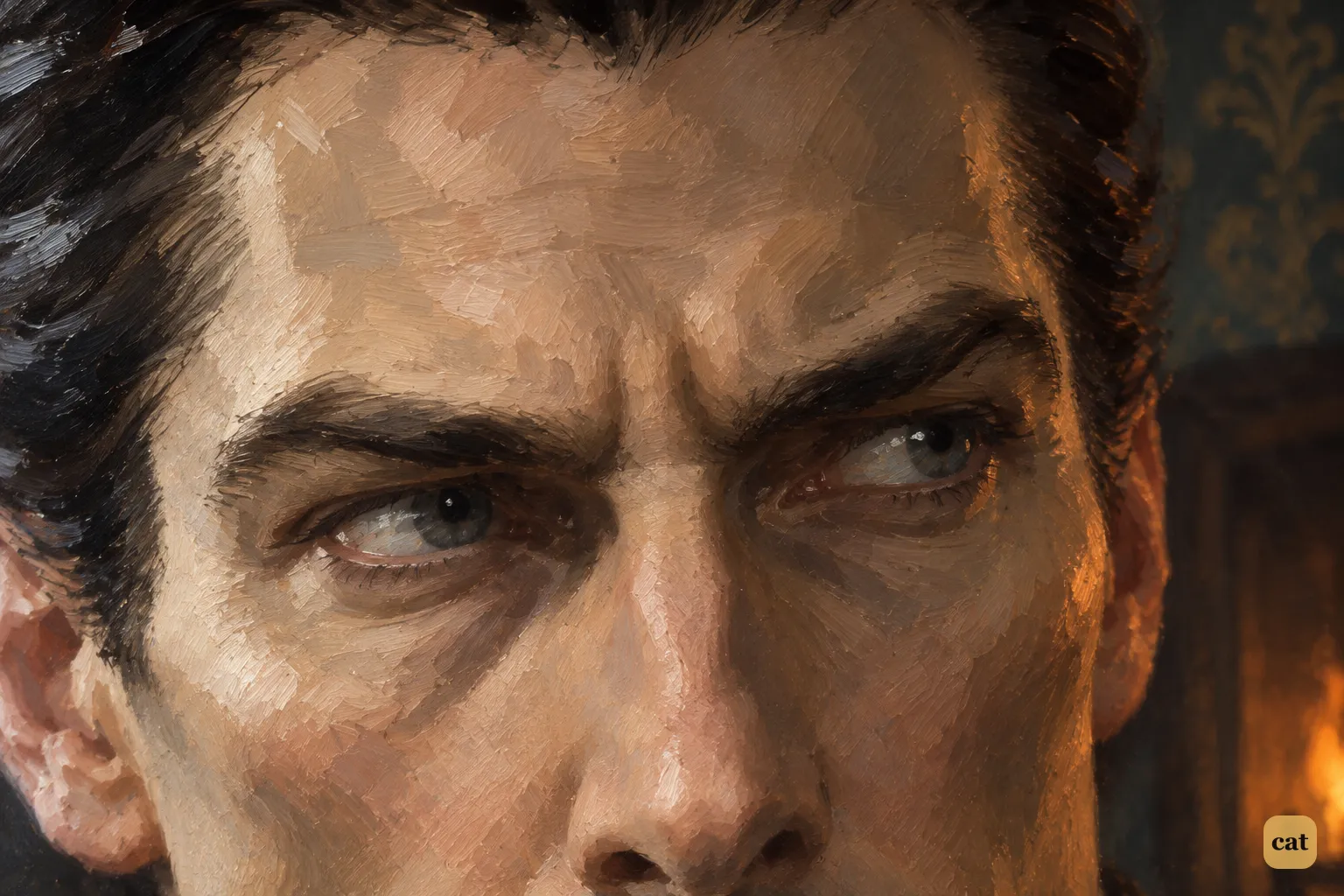
“Glad to meet you, sir. I have heard your name mentioned in connection with that of your friend. You interest me very much, Mr. Holmes. I had hardly expected so dolichocephalic a skull or such well-marked supra-orbital development. Would you have any objection to my running my finger along your parietal fissure? A cast of your skull, sir, until the original is available, would be an ornament to any anthropological museum. It is not my intention to be fulsome, but I confess that I covet your skull.”
Read from here → -
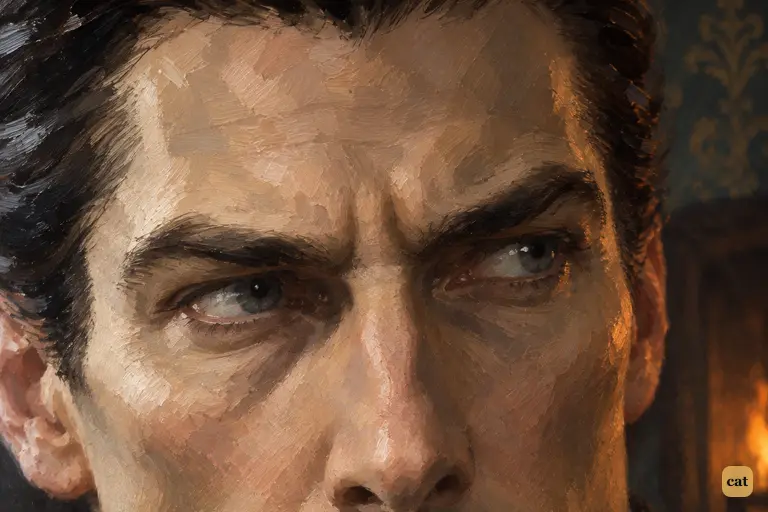
Second Highest?
“Indeed, sir! May I inquire who has the honour to be the first?” asked Holmes with some asperity.
Read from here → -
Chapter 1
The Visitor's Stick
Next chapter: The Legend, the Inquest and the Hound's Footprints Read this chapter