 Author
-
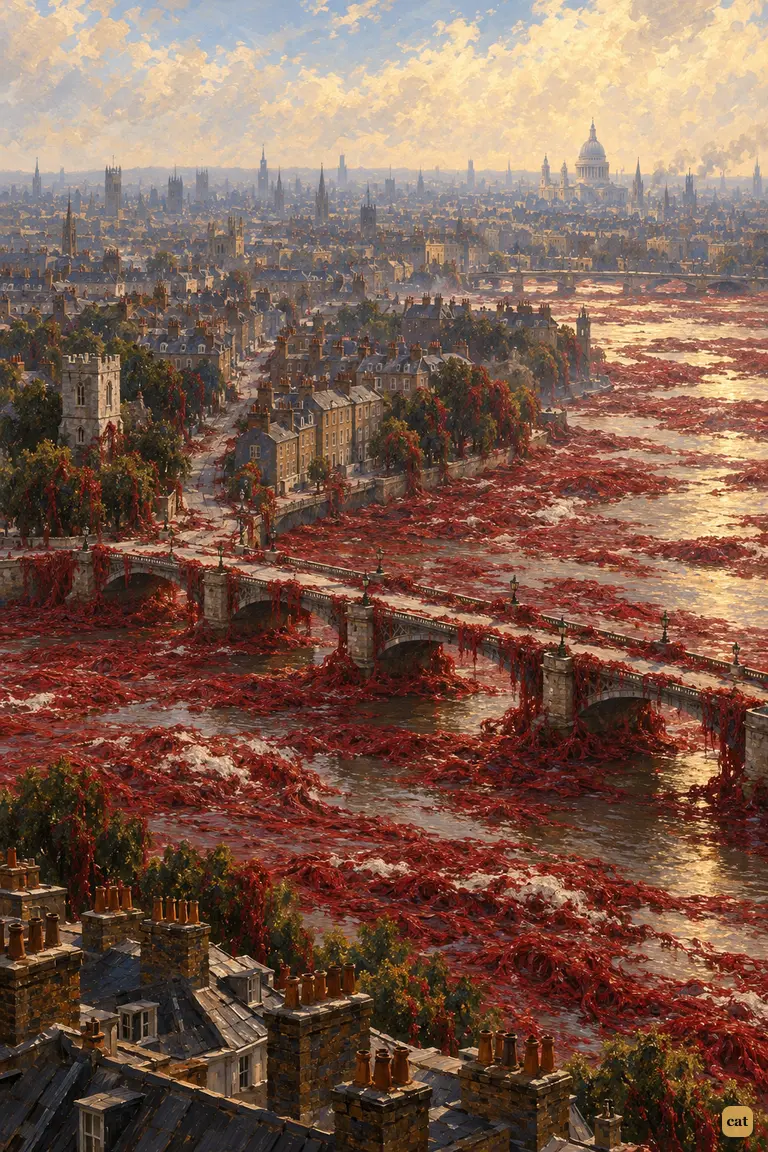
Weed over the Thames
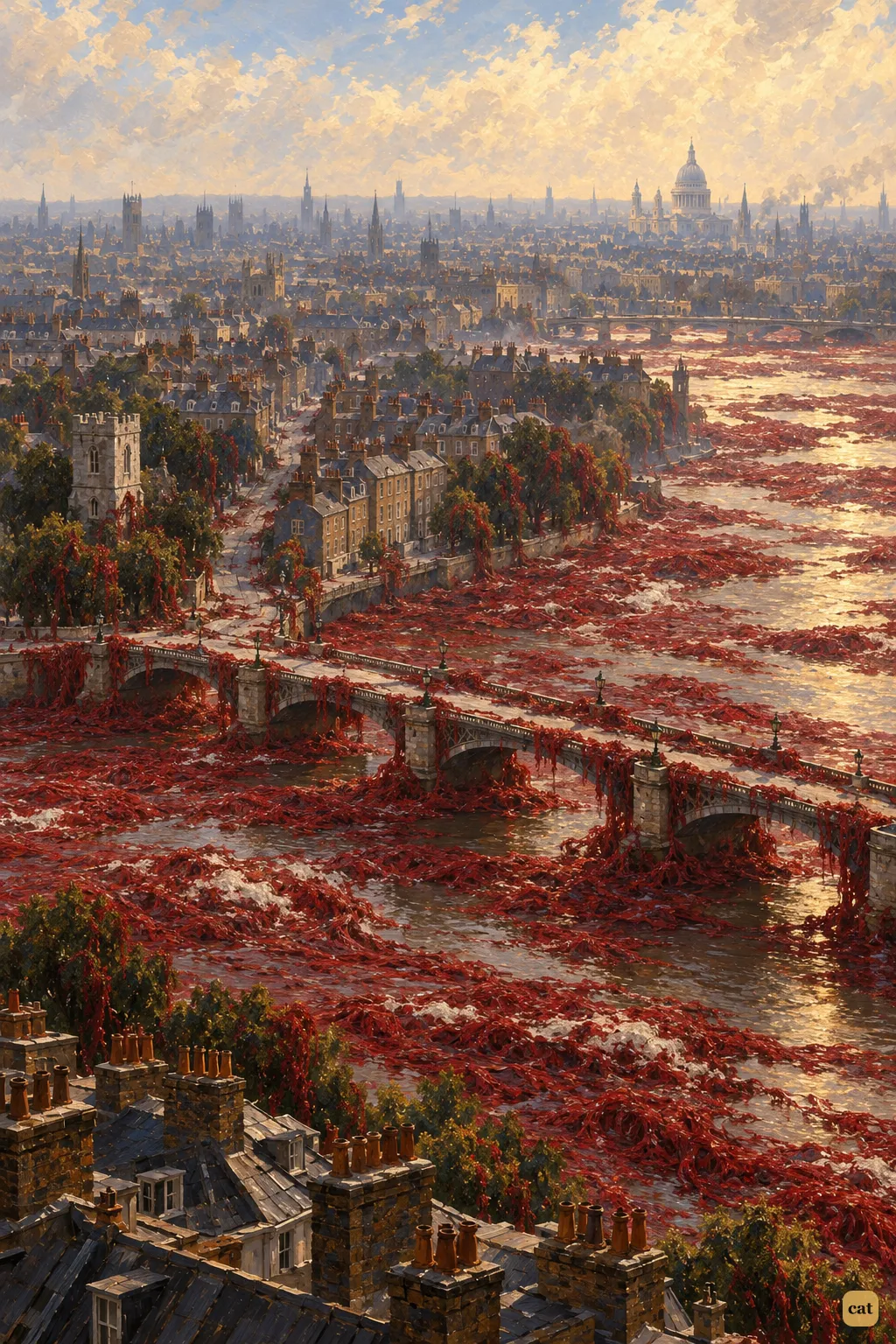
After I had parted from the artilleryman, I went down the hill, and by the High Street across the bridge to Fulham. The red weed was tumultuous at that time, and nearly choked the bridge roadway; but its fronds were already whitened in patches by the spreading disease that presently removed it so swiftly.
Read from here → -
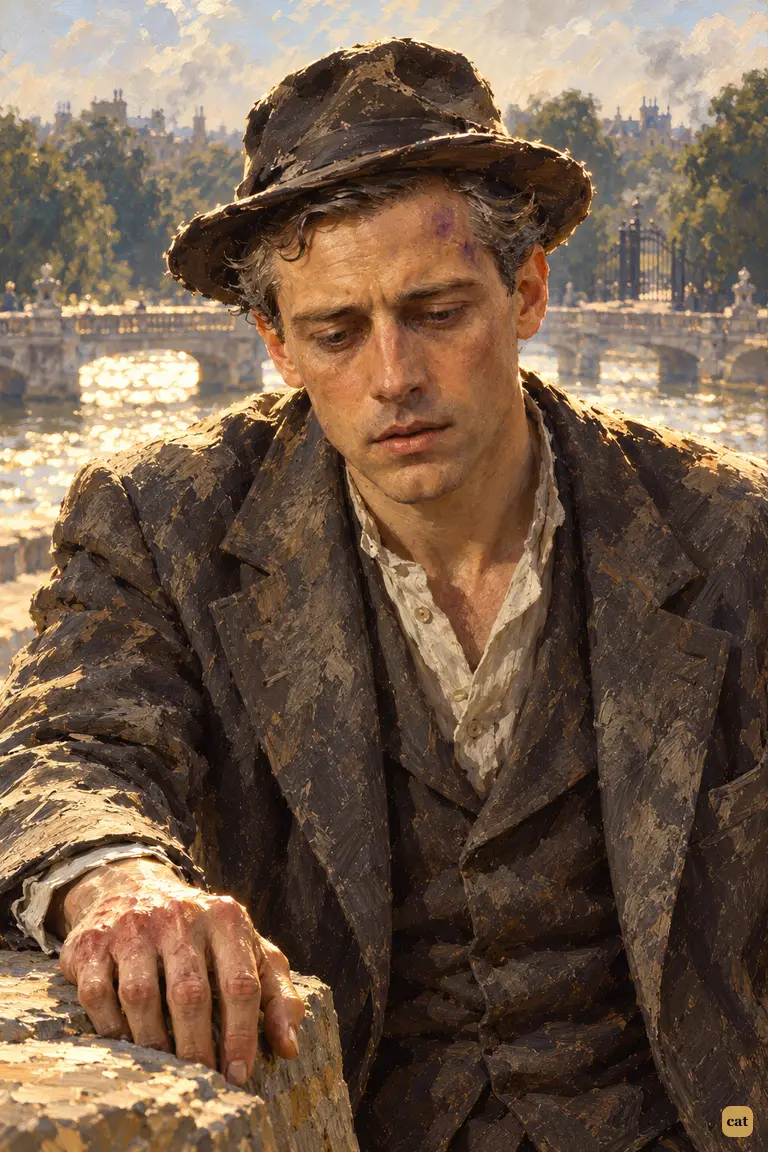
The wailing takes hold
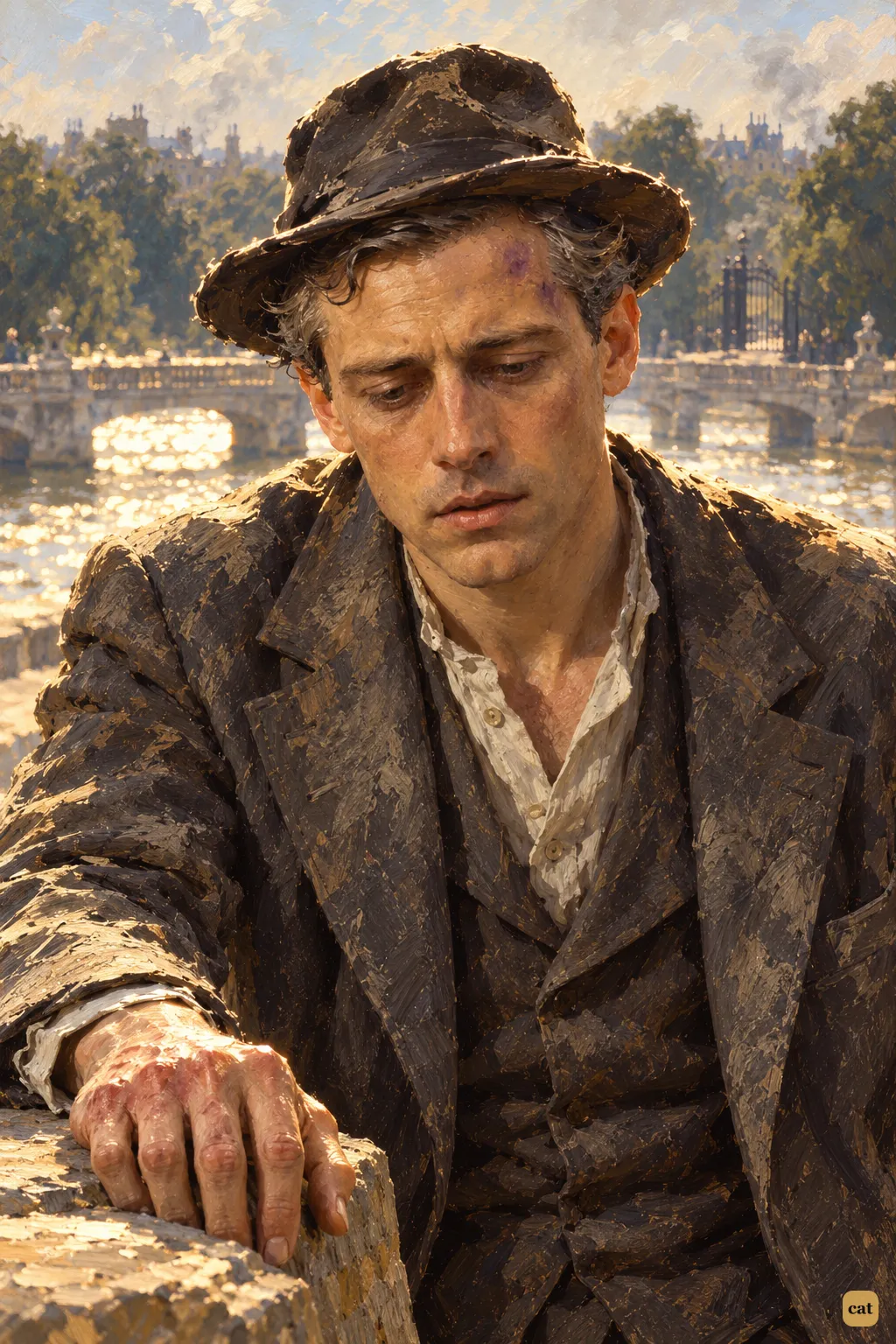
“Ulla, ulla, ulla, ulla,” cried the voice, coming, as it seemed to me, from the district about Regent’s Park. The desolating cry worked upon my mind. The mood that had sustained me passed. The wailing took possession of me. I found I was intensely weary, footsore, and now again hungry and thirsty.
Read from here → -
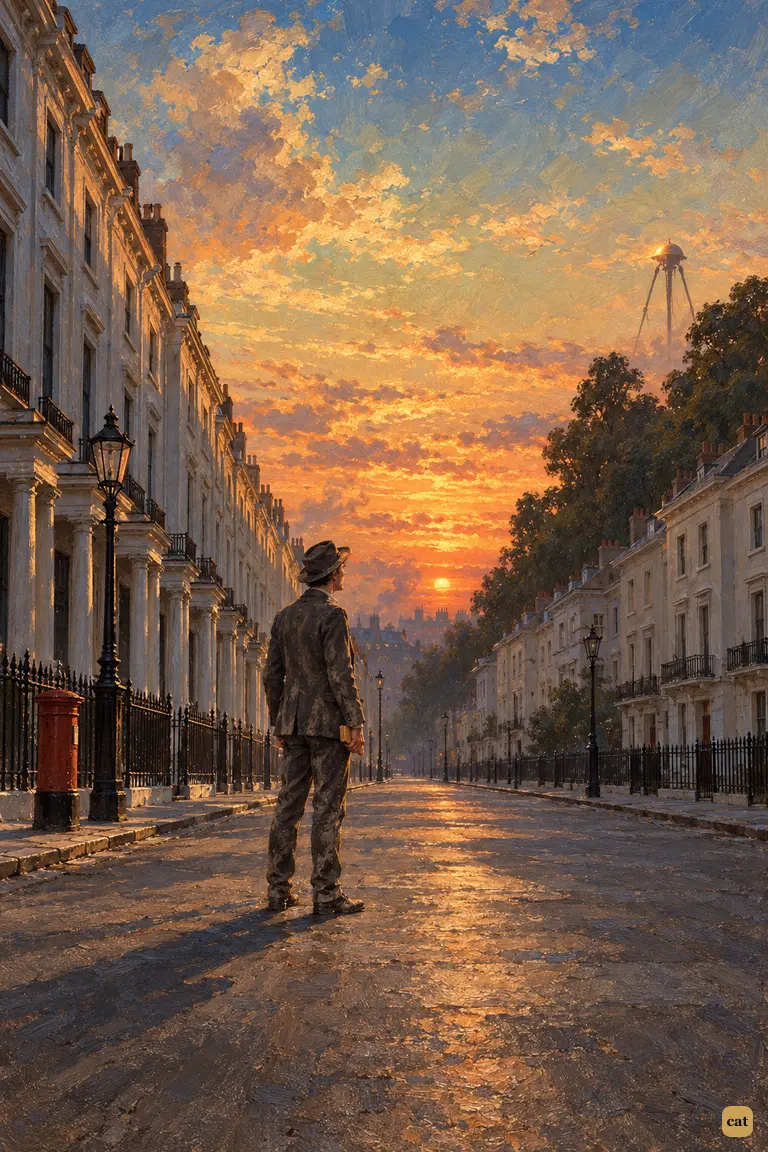
The hood over the trees
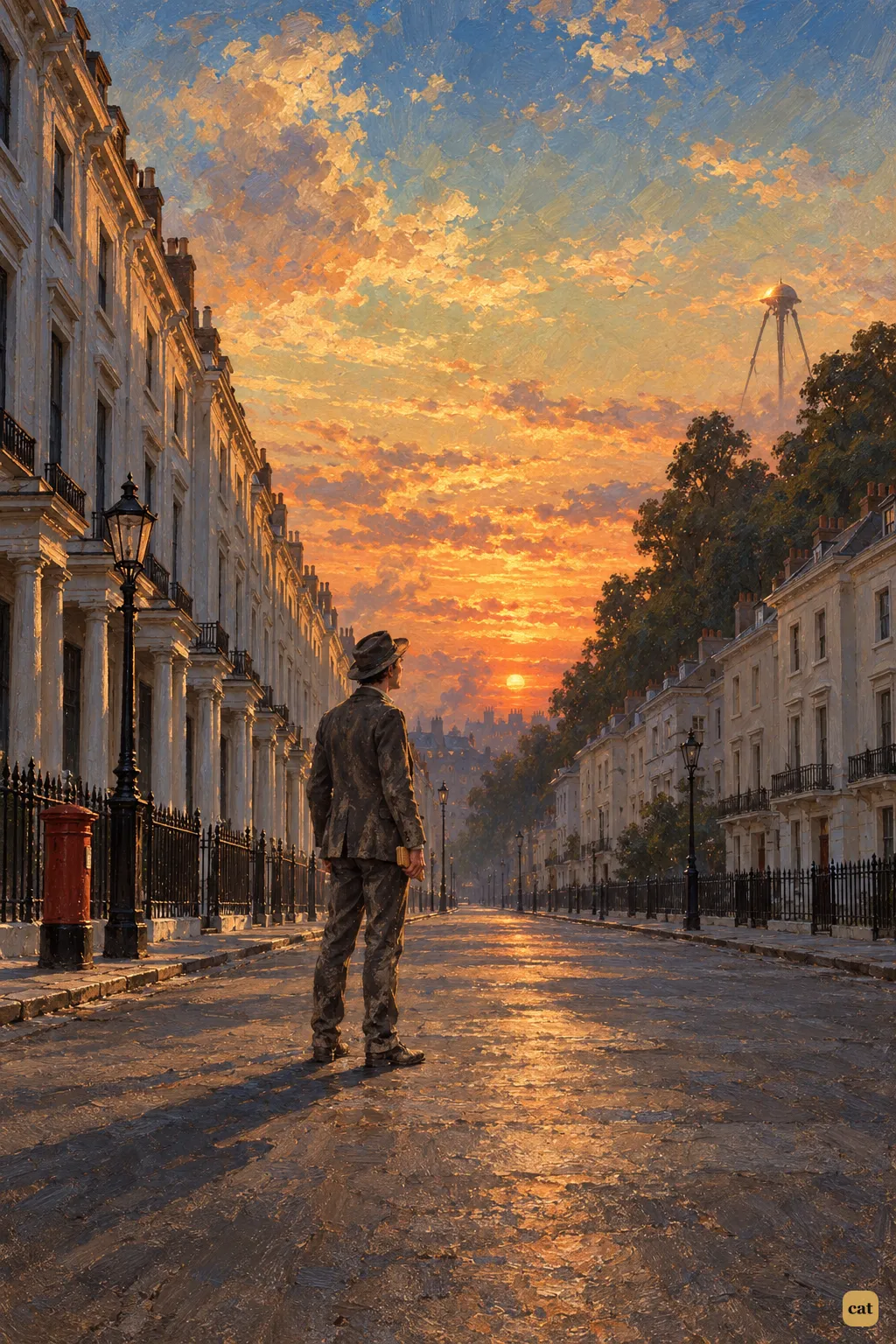
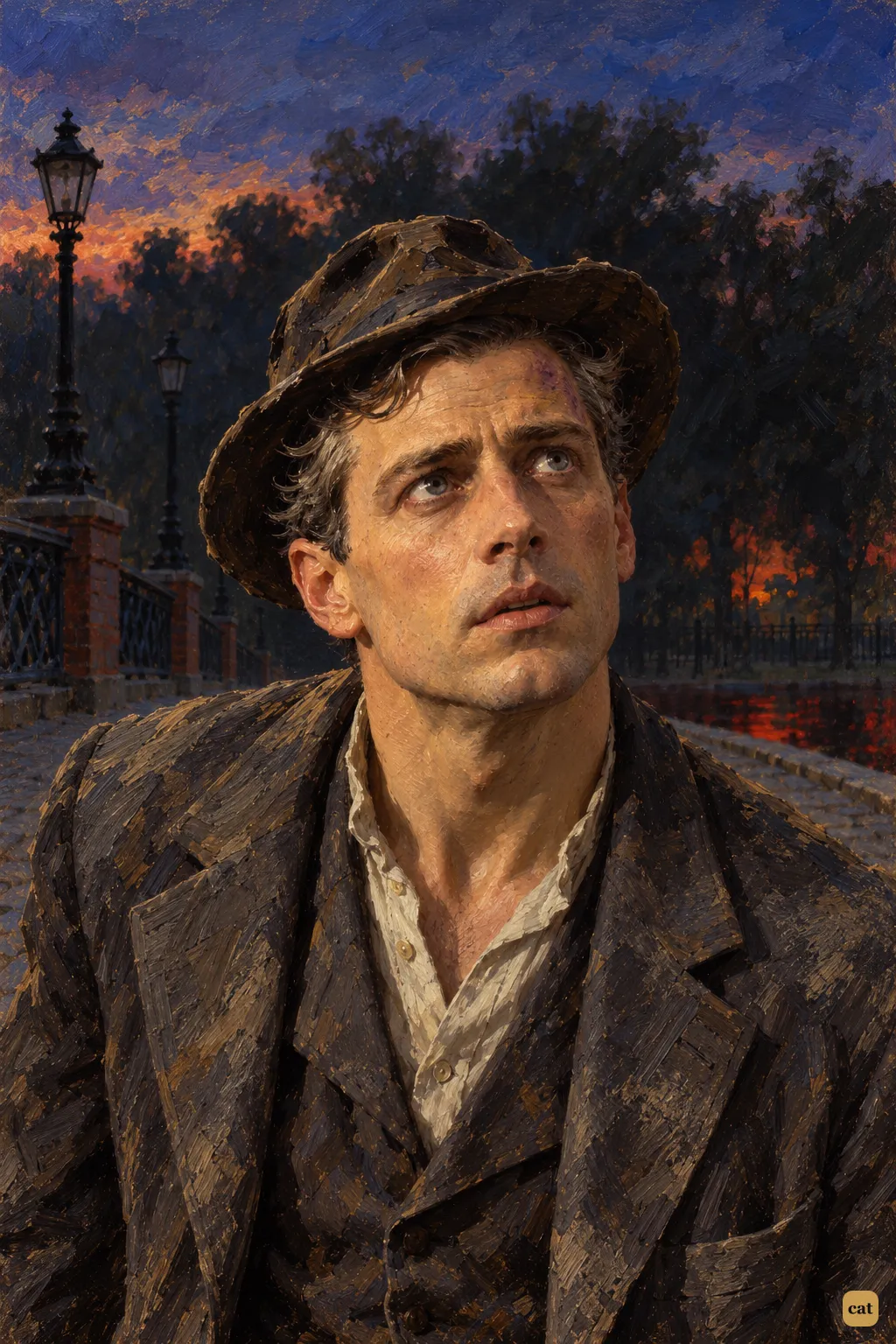
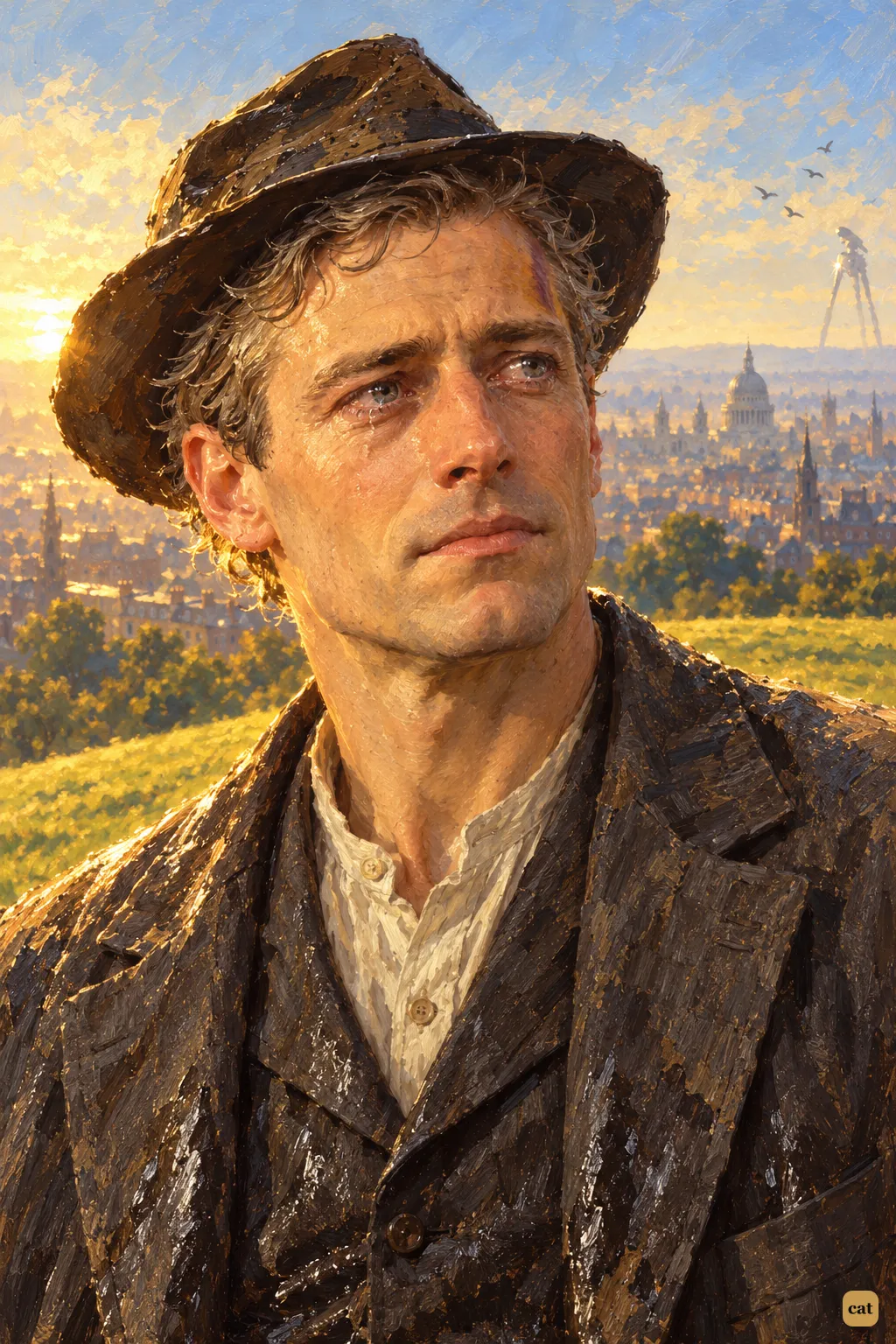
I awoke to find that dismal howling still in my ears, “Ulla, ulla, ulla, ulla.” It was now dusk, and after I had routed out some biscuits and a cheese in the bar—there was a meat safe, but it contained nothing but maggots—I wandered on through the silent residential squares to Baker Street—Portman Square is the only one I can name—and so came out at last upon Regent’s Park. And as I emerged from the top of Baker Street, I saw far away over the trees in the clearness of the sunset the hood of the Martian giant from which this howling proceeded. I was not terrified. I came upon him as if it were a matter of course. I watched him for some time, but he did not move. He appeared to be standing and yelling, for no reason that I could discover.
Read from here → -
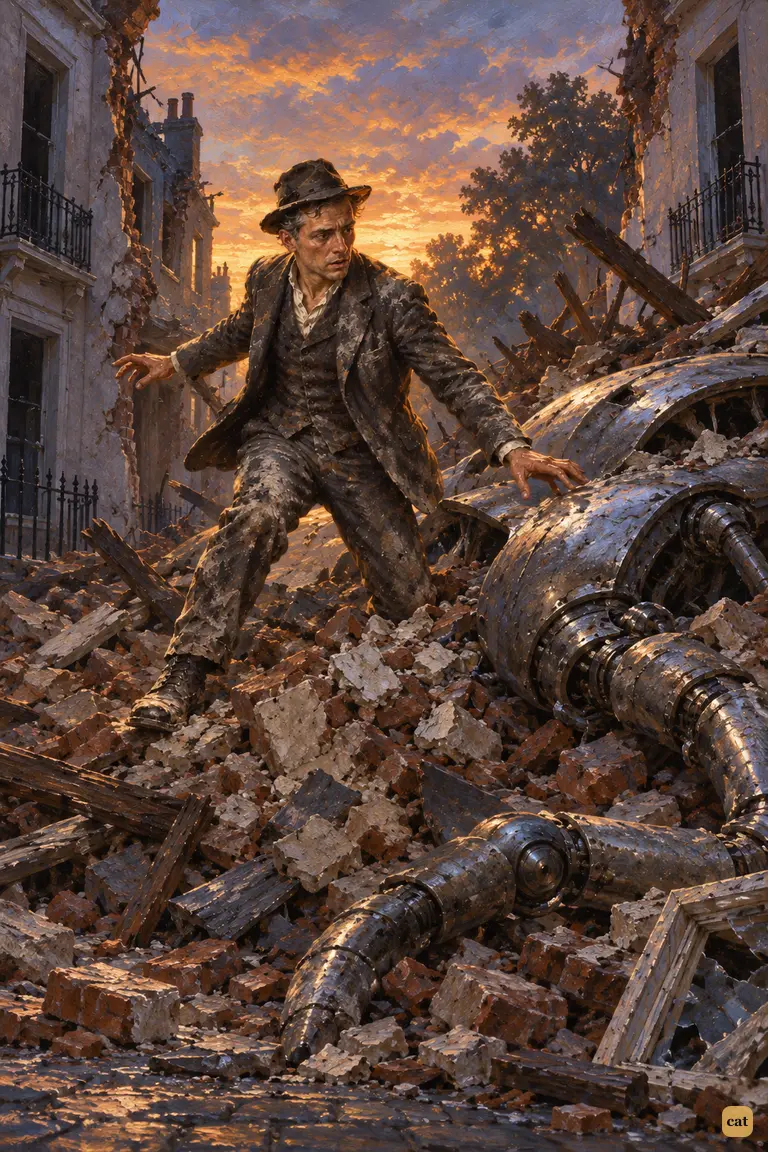
The mechanical Samson
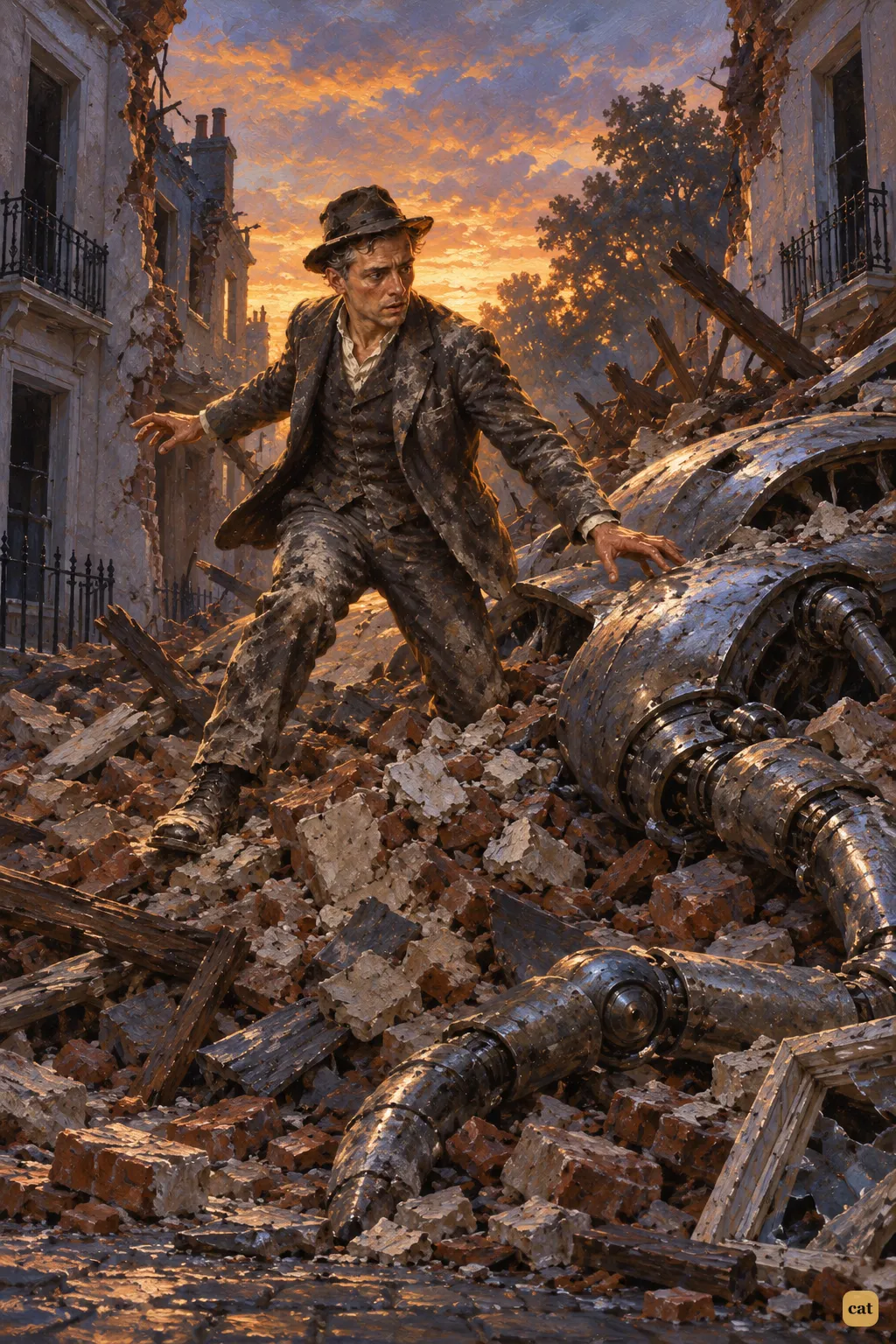
I came upon the wrecked handling-machine halfway to St. John’s Wood station. At first I thought a house had fallen across the road. It was only as I clambered among the ruins that I saw, with a start, this mechanical Samson lying, with its tentacles bent and smashed and twisted, among the ruins it had made. The forepart was shattered. It seemed as if it had driven blindly straight at the house, and had been overwhelmed in its overthrow. It seemed to me then that this might have happened by a handling-machine escaping from the guidance of its Martian. I could not clamber among the ruins to see it, and the twilight was now so far advanced that the blood with which its seat was smeared, and the gnawed gristle of the Martian that the dogs had left, were invisible to me.
Read from here → -
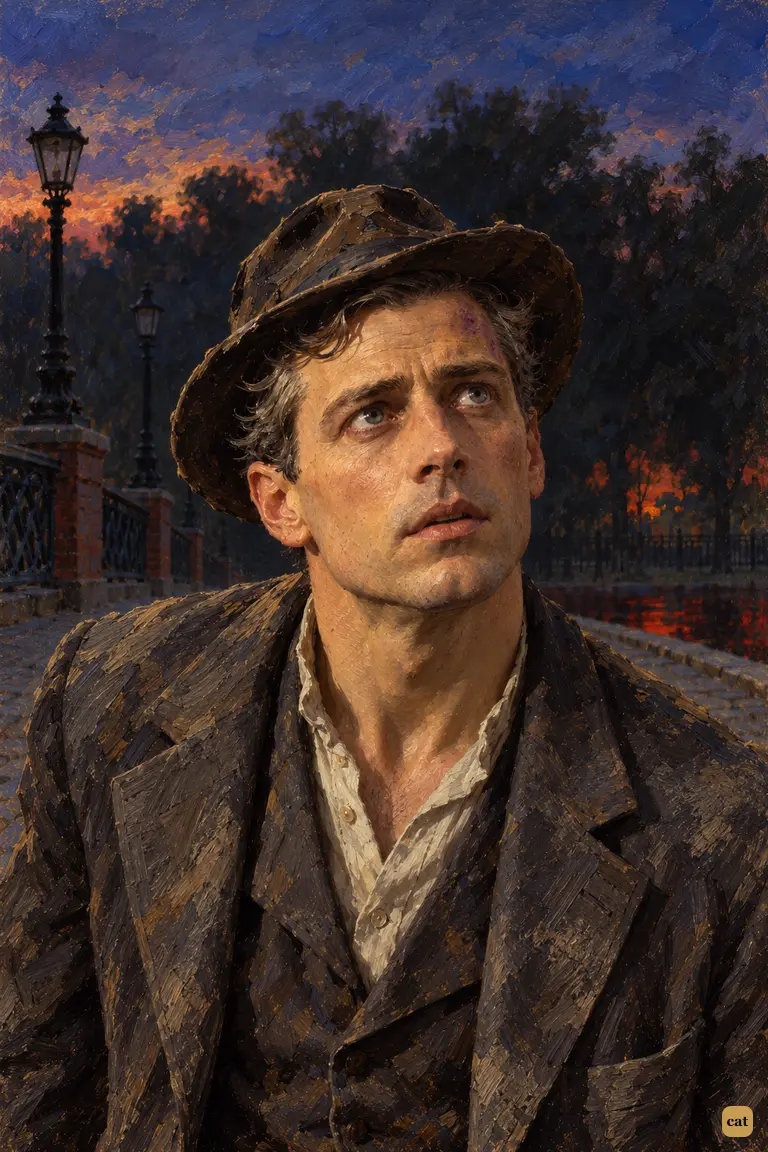
The howl cut off
As I crossed the bridge, the sound of “Ulla, ulla, ulla, ulla,” ceased. It was, as it were, cut off. The silence came like a thunderclap.
Read from here → -
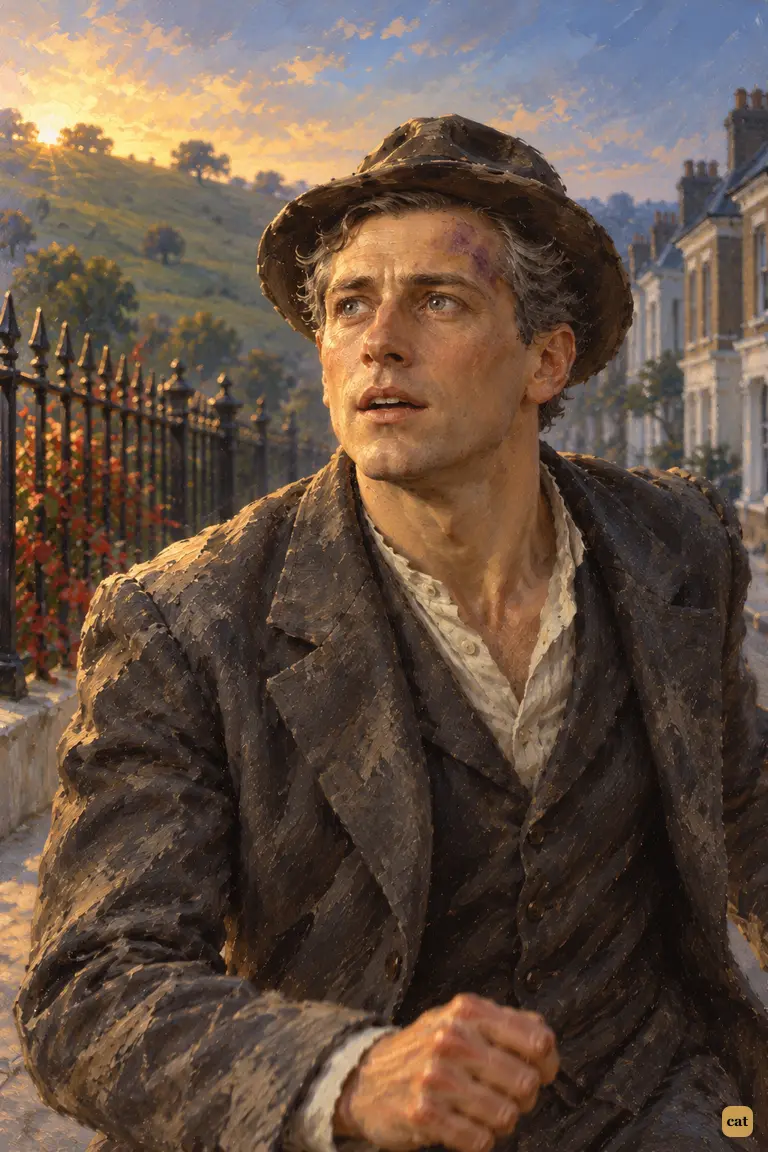
His heart gives a bound
An insane resolve possessed me. I would die and end it. And I would save myself even the trouble of killing myself. I marched on recklessly towards this Titan, and then, as I drew nearer and the light grew, I saw that a multitude of black birds was circling and clustering about the hood. At that my heart gave a bound, and I began running along the road.
Read from here → -
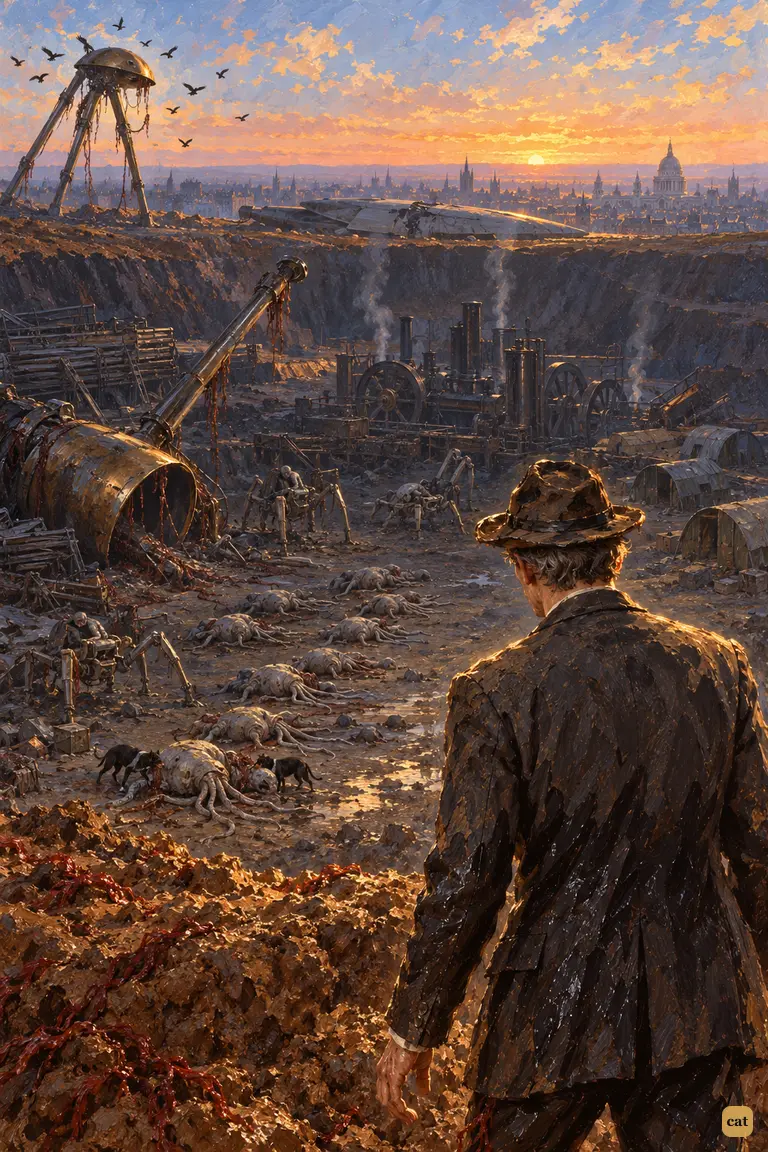
The Martians—dead
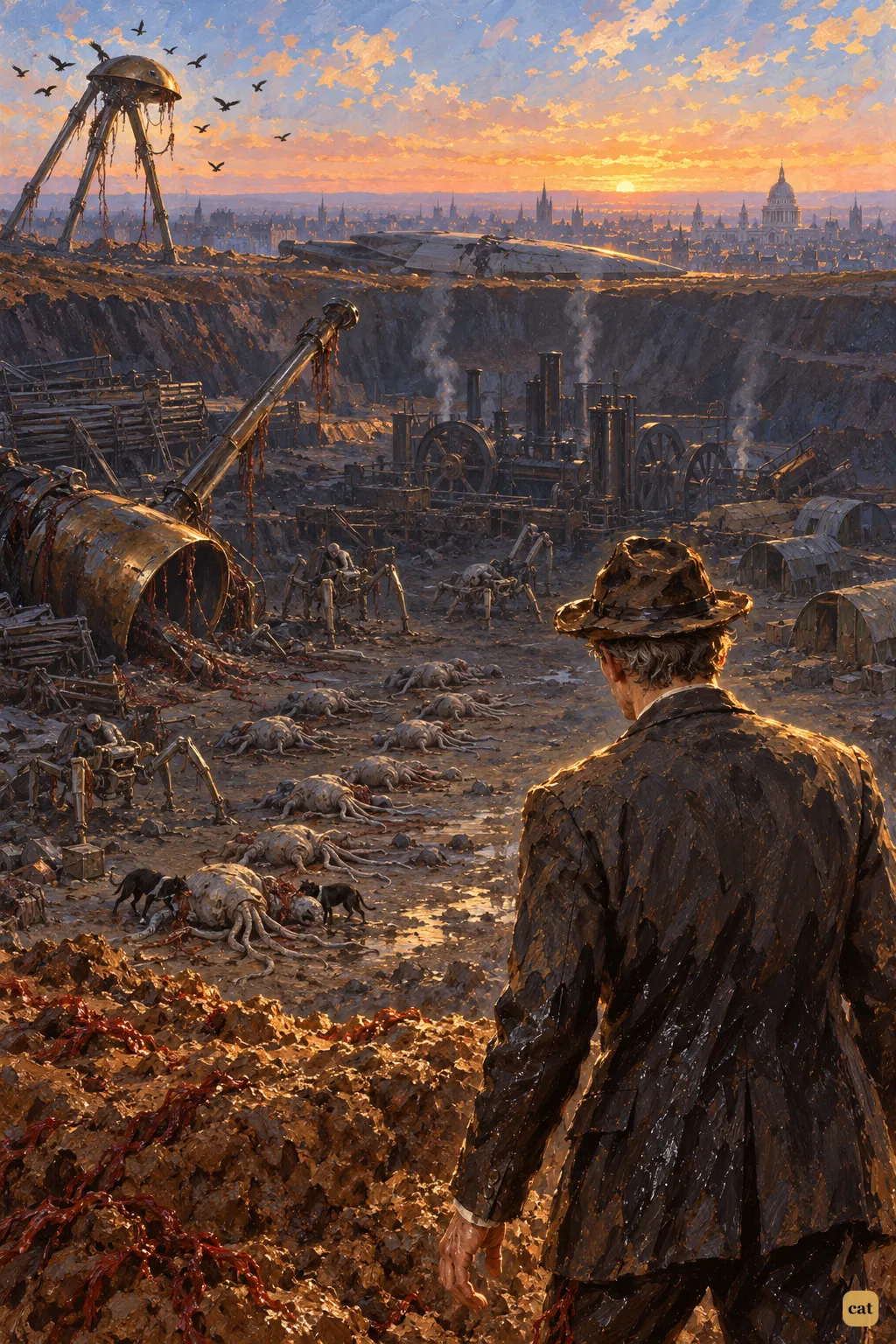
In another moment I had scrambled up the earthen rampart and stood upon its crest, and the interior of the redoubt was below me. A mighty space it was, with gigantic machines here and there within it, huge mounds of material and strange shelter places. And scattered about it, some in their overturned war-machines, some in the now rigid handling-machines, and a dozen of them stark and silent and laid in a row, were the Martians—dead!—slain by the putrefactive and disease bacteria against which their systems were unprepared; slain as the red weed was being slain; slain, after all man’s devices had failed, by the humblest things that God, in his wisdom, has put upon this earth.
Read from here → -
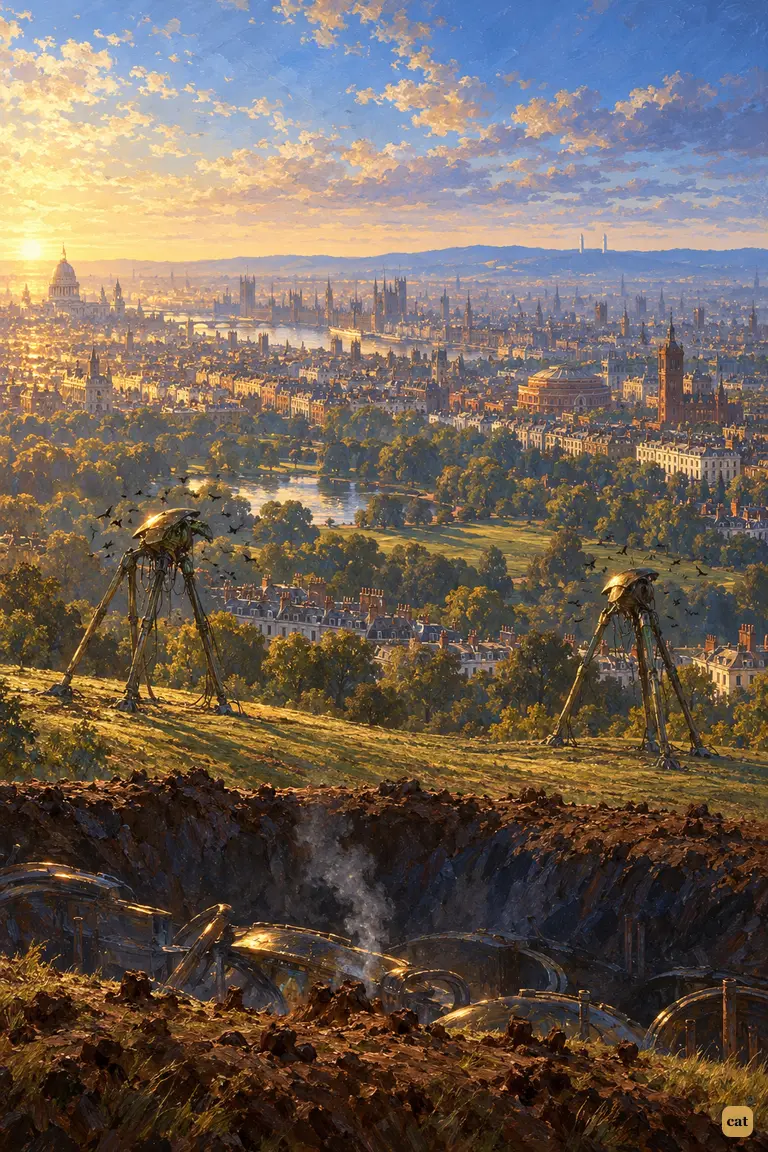
The Mother of Cities
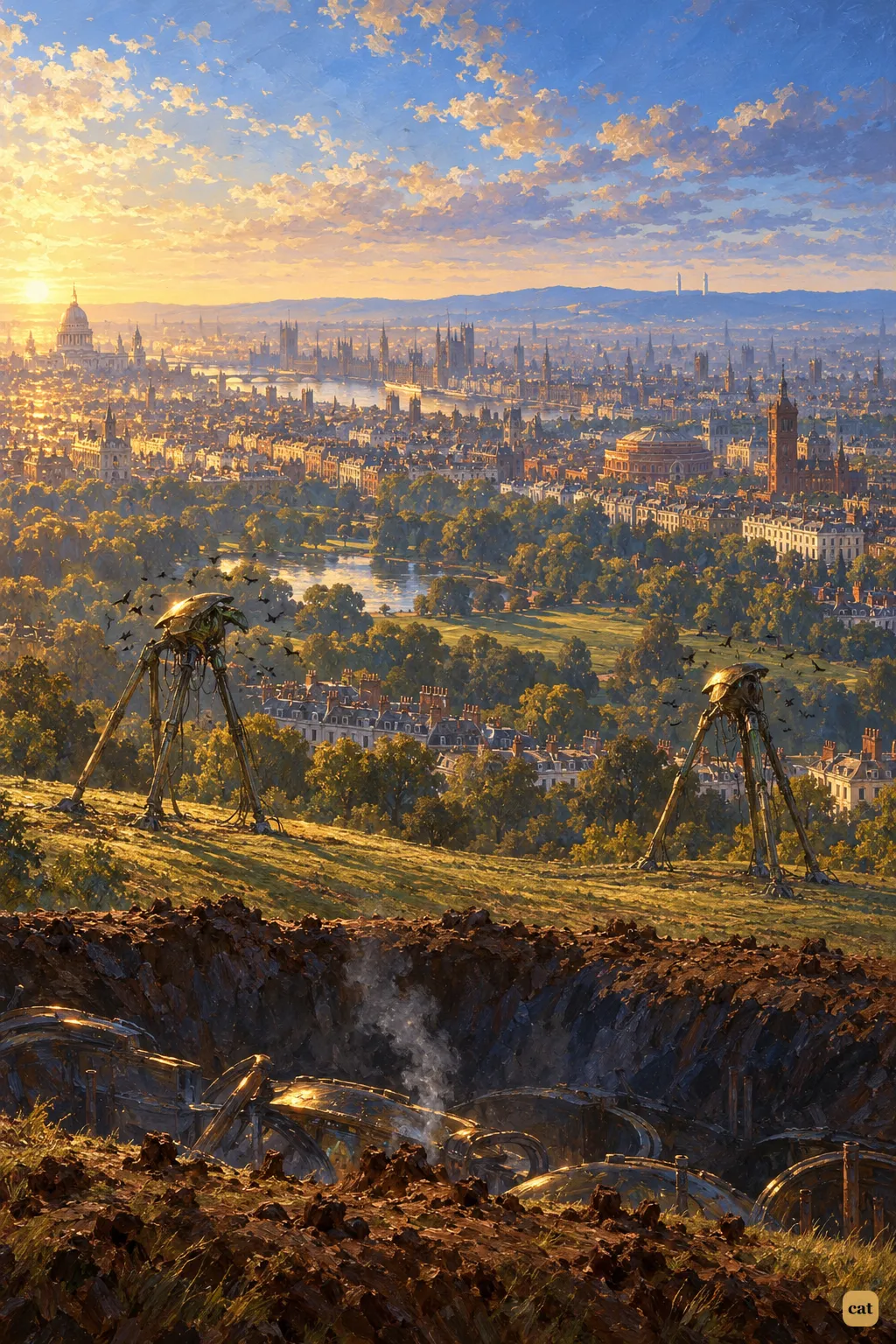
All about the pit, and saved as by a miracle from everlasting destruction, stretched the great Mother of Cities. Those who have only seen London veiled in her sombre robes of smoke can scarcely imagine the naked clearness and beauty of the silent wilderness of houses.
Read from here → -
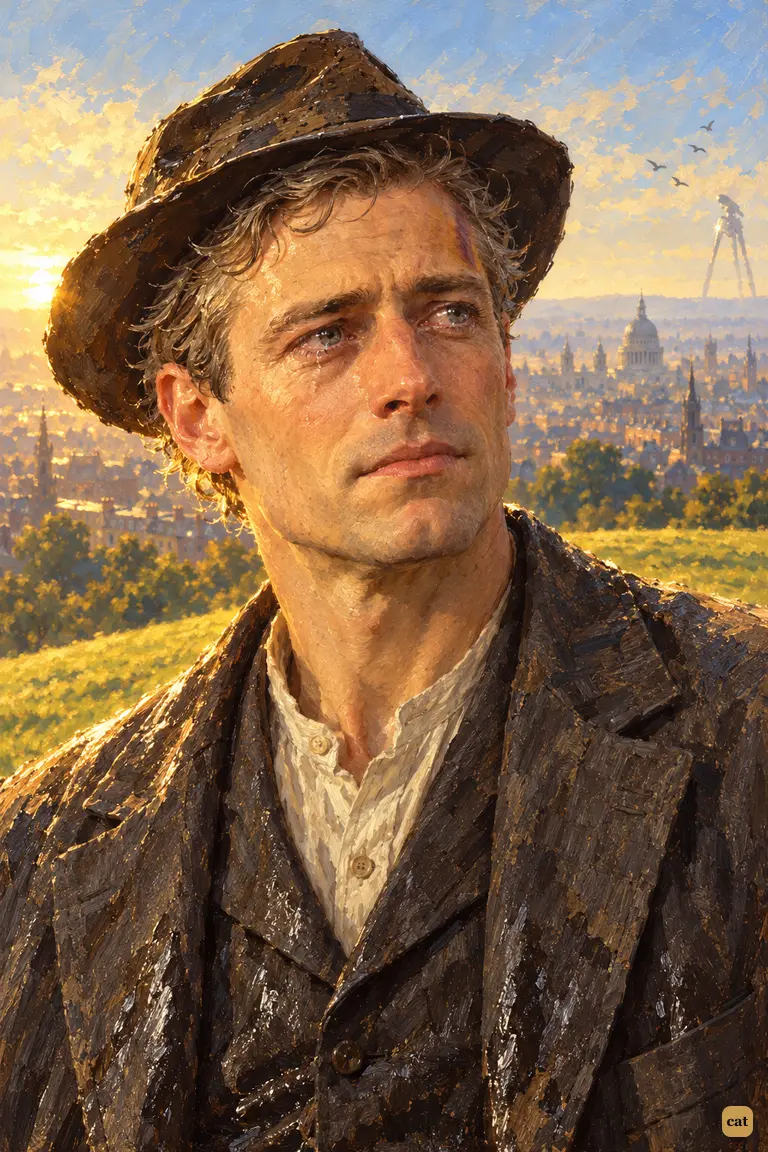
Near akin to tears
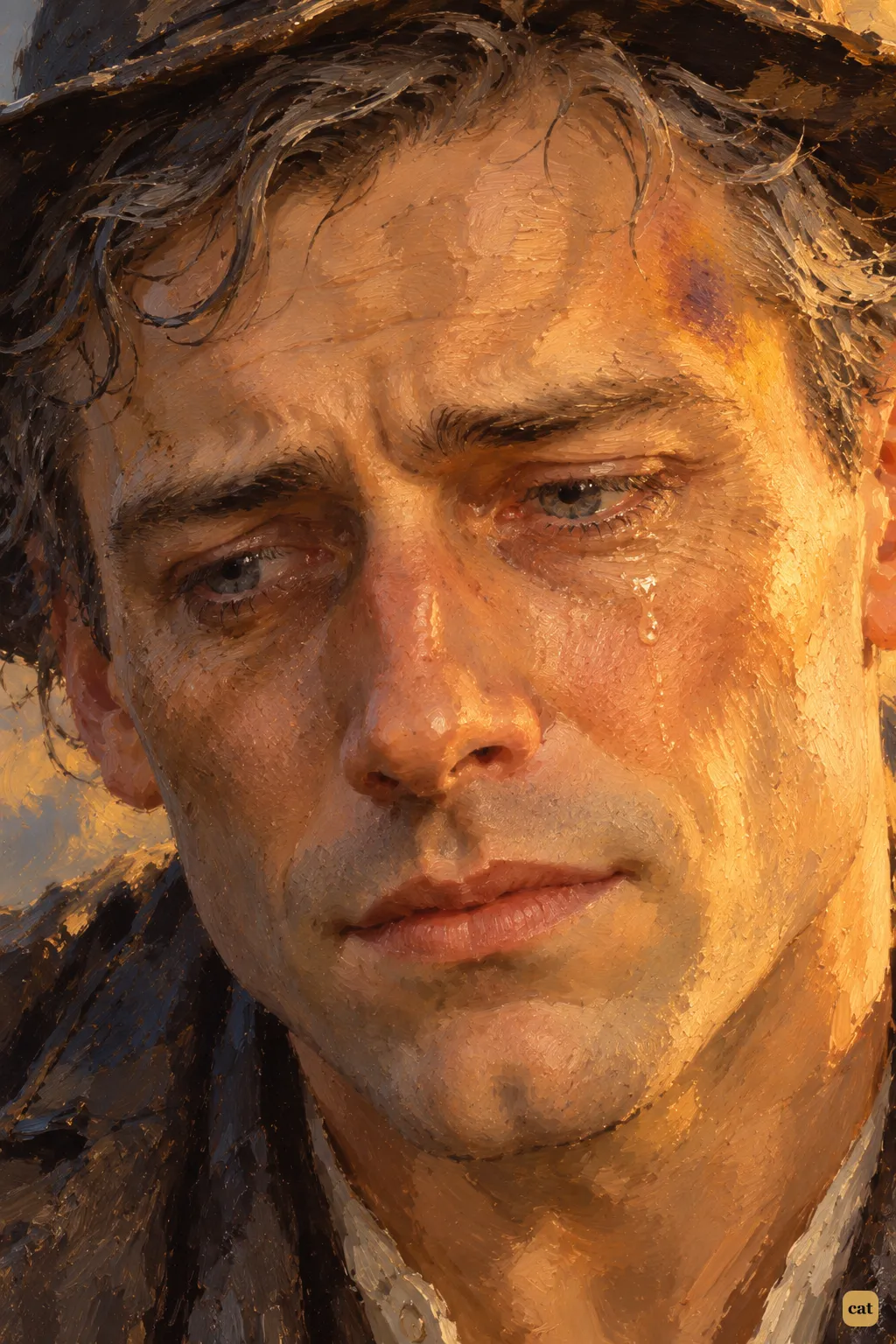
And as I looked at this wide expanse of houses and factories and churches, silent and abandoned; as I thought of the multitudinous hopes and efforts, the innumerable hosts of lives that had gone to build this human reef, and of the swift and ruthless destruction that had hung over it all; when I realised that the shadow had been rolled back, and that men might still live in the streets, and this dear vast dead city of mine be once more alive and powerful, I felt a wave of emotion that was near akin to tears.
Read from here → -
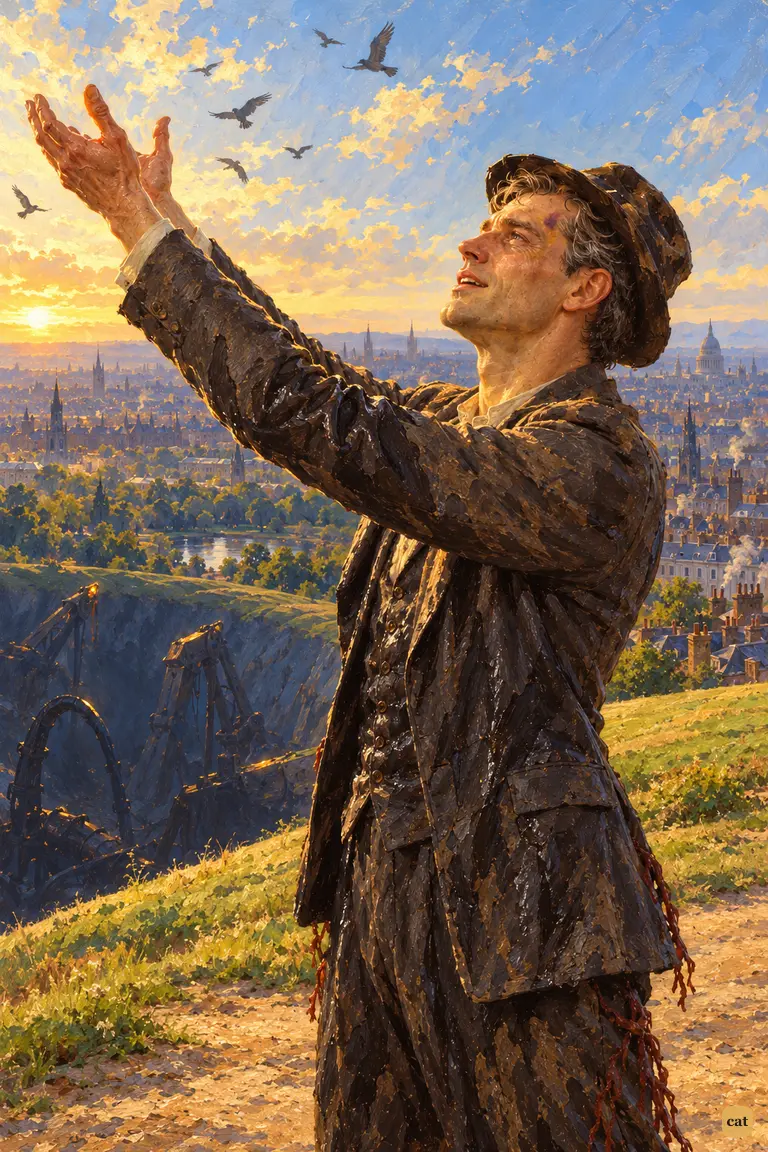
Hands raised in thanks
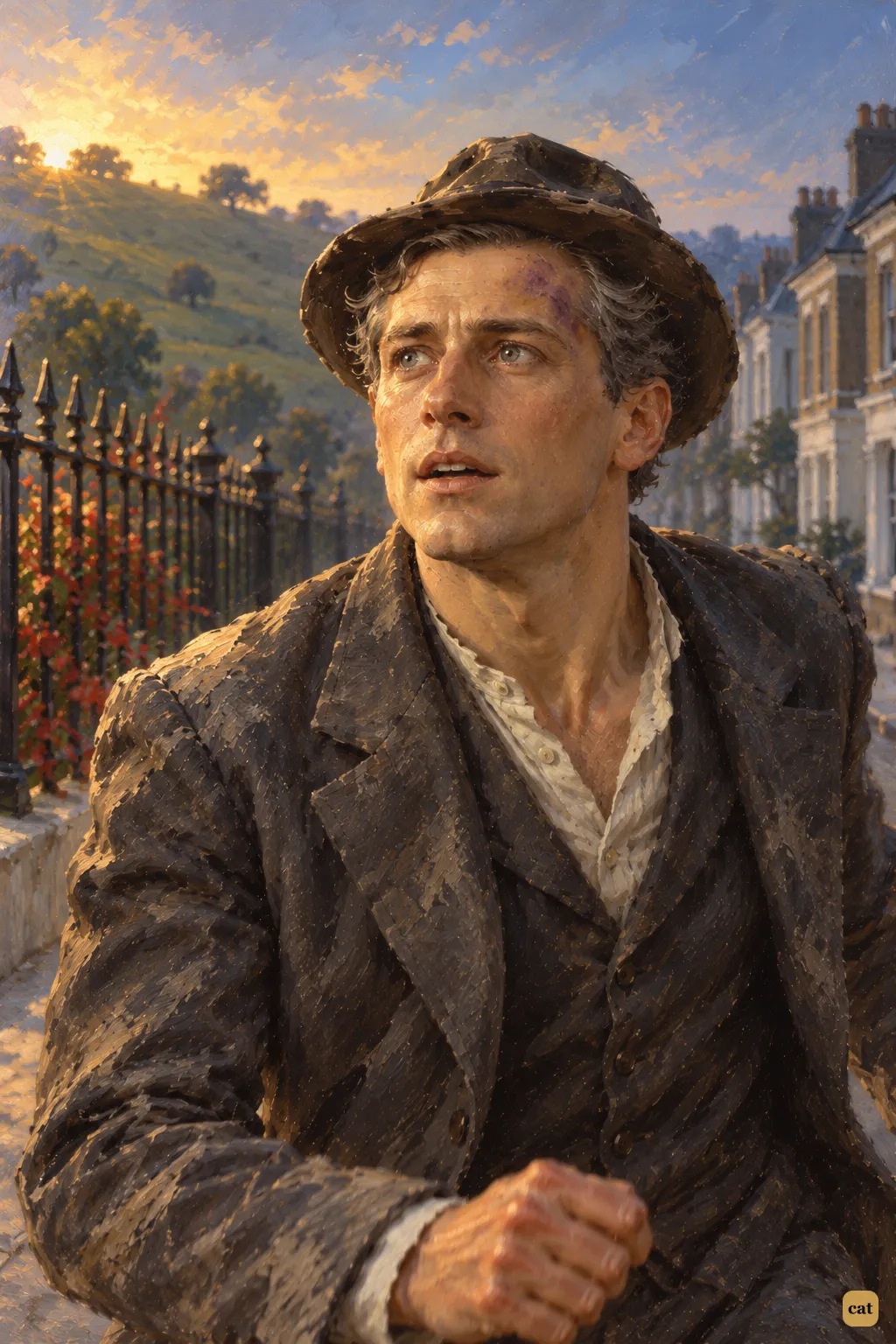
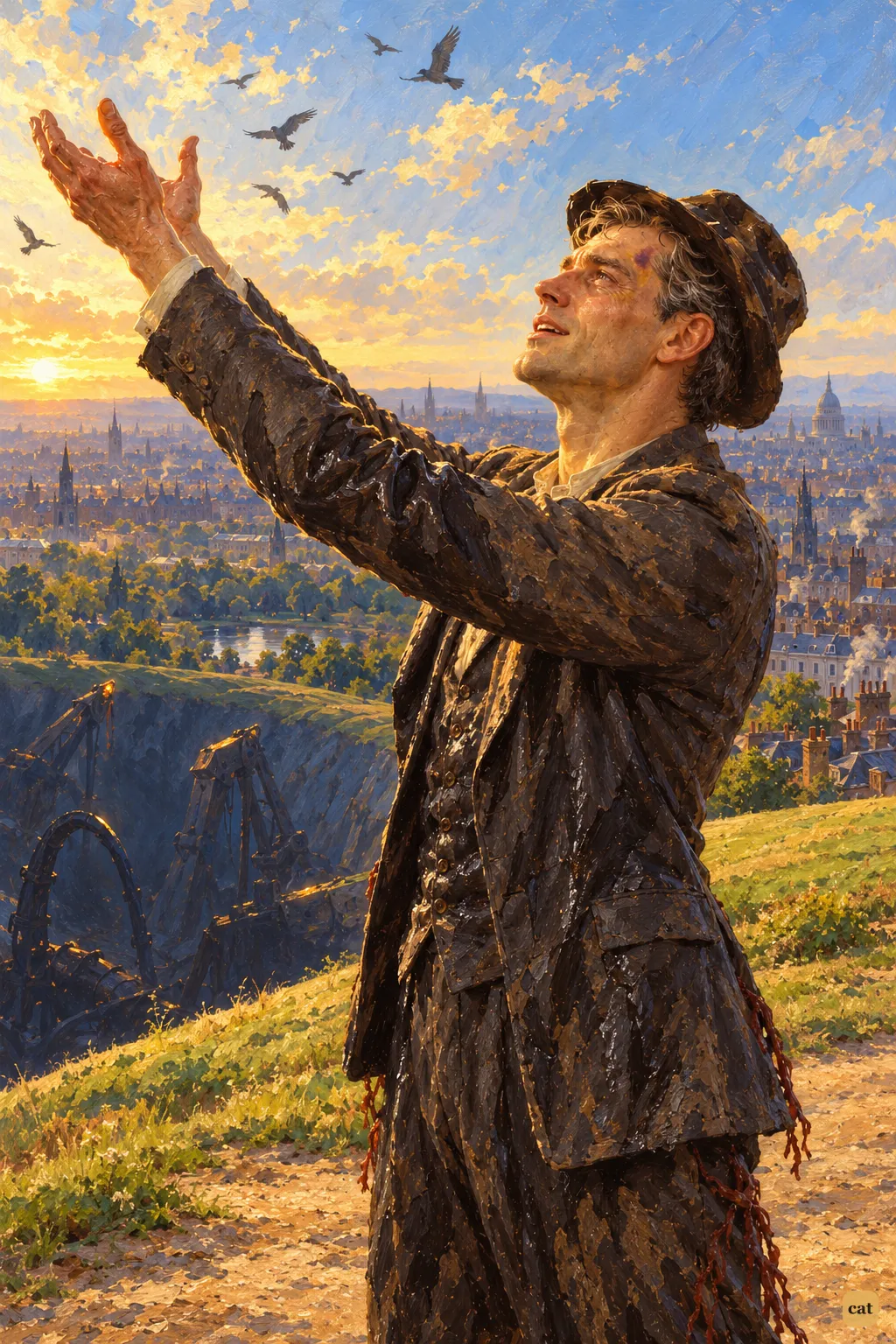
The torment was over. Even that day the healing would begin. The survivors of the people scattered over the country—leaderless, lawless, foodless, like sheep without a shepherd—the thousands who had fled by sea, would begin to return; the pulse of life, growing stronger and stronger, would beat again in the empty streets and pour across the vacant squares. Whatever destruction was done, the hand of the destroyer was stayed. All the gaunt wrecks, the blackened skeletons of houses that stared so dismally at the sunlit grass of the hill, would presently be echoing with the hammers of the restorers and ringing with the tapping of their trowels. At the thought I extended my hands towards the sky and began thanking God. In a year, thought I—in a year. . . .
Read from here → -
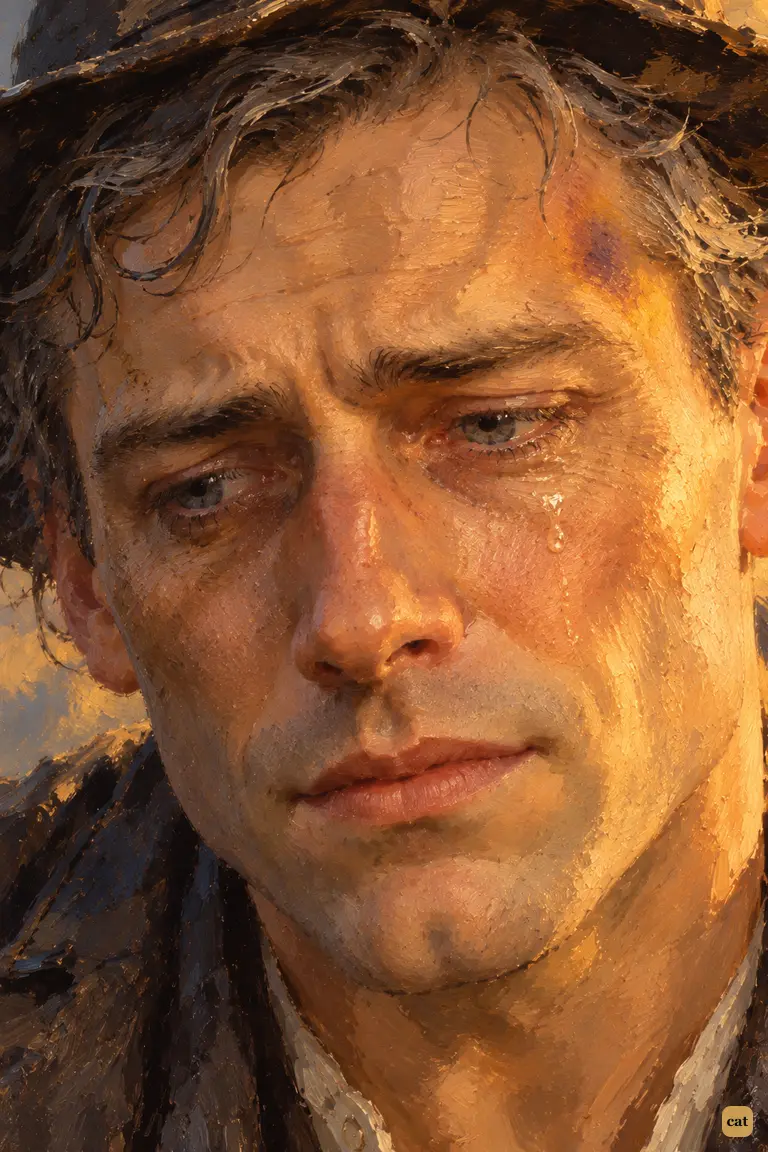
The thought of his wife
With overwhelming force came the thought of myself, of my wife, and the old life of hope and tender helpfulness that had ceased for ever.
Read from here → -
Chapter 25
Dead London: the Martians found dead
Next chapter: Wreckage and Homecoming Read this chapter