 Author
-

Night over Maybury Hill
Then came the night of the first falling star. It was seen early in the morning, rushing over Winchester eastward, a line of flame high in the atmosphere. Hundreds must have seen it, and taken it for an ordinary falling star. Albin described it as leaving a greenish streak behind it that glowed for some seconds. Denning, our greatest authority on meteorites, stated that the height of its first appearance was about ninety or one hundred miles. It seemed to him that it fell to earth about one hundred miles east of him.
Read from here → -

The streak behind his back
Then came the night of the first falling star. It was seen early in the morning, rushing over Winchester eastward, a line of flame high in the atmosphere. Hundreds must have seen it, and taken it for an ordinary falling star. Albin described it as leaving a greenish streak behind it that glowed for some seconds. Denning, our greatest authority on meteorites, stated that the height of its first appearance was about ninety or one hundred miles. It seemed to him that it fell to earth about one hundred miles east of him.
Read from here → -

Dawn smoke over the crater
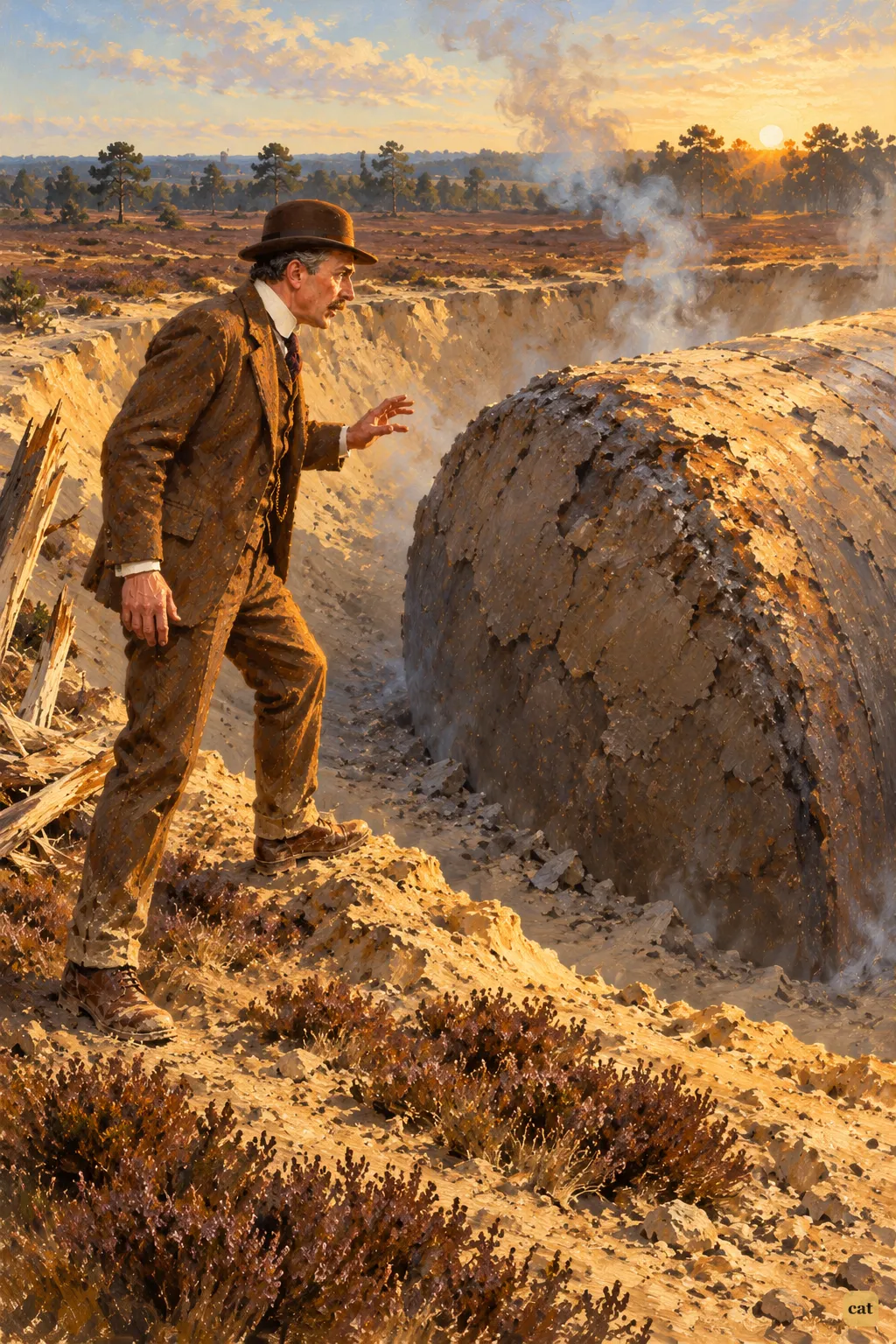
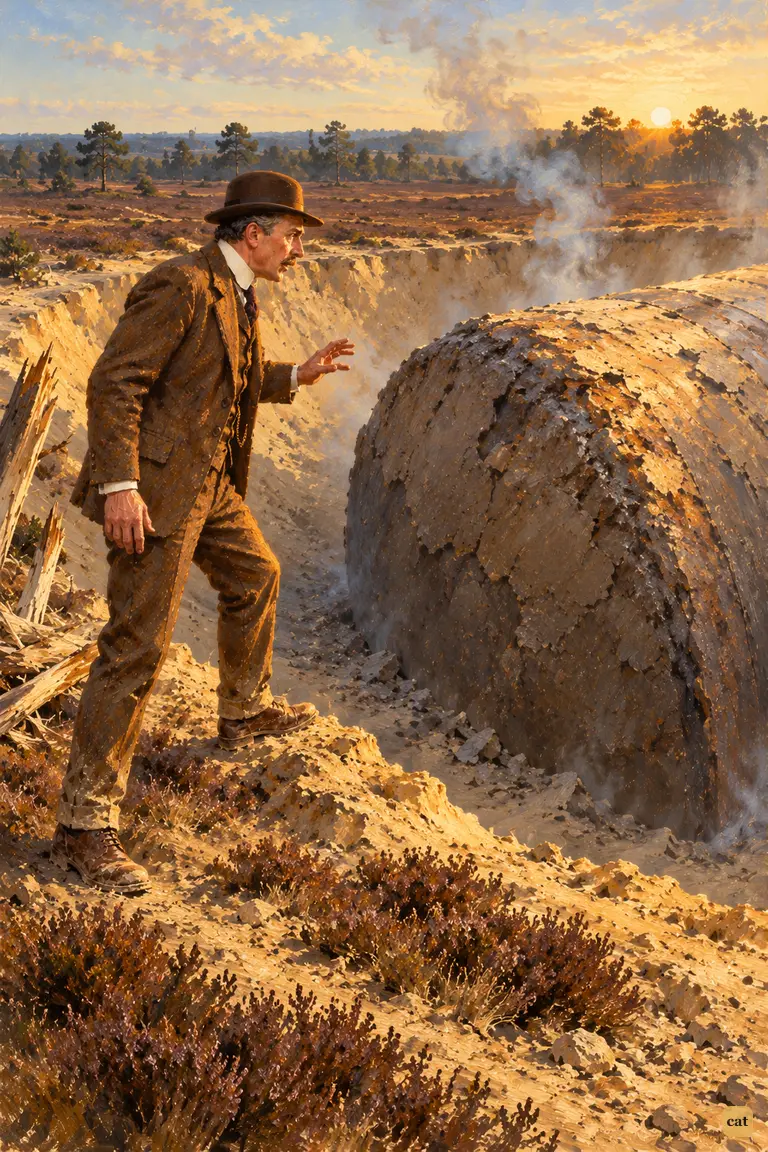
But very early in the morning poor Ogilvy, who had seen the shooting star and who was persuaded that a meteorite lay somewhere on the common between Horsell, Ottershaw, and Woking, rose early with the idea of finding it. Find it he did, soon after dawn, and not far from the sand-pits. An enormous hole had been made by the impact of the projectile, and the sand and gravel had been flung violently in every direction over the heath, forming heaps visible a mile and a half away. The heather was on fire eastward, and a thin blue smoke rose against the dawn.
Read from here → -
The Thing in the sand
The Thing itself lay almost entirely buried in sand, amidst the scattered splinters of a fir tree it had shivered to fragments in its descent. The uncovered part had the appearance of a huge cylinder, caked over and its outline softened by a thick scaly dun-coloured incrustation. It had a diameter of about thirty yards. He approached the mass, surprised at the size and more so at the shape, since most meteorites are rounded more or less completely. It was, however, still so hot from its flight through the air as to forbid his near approach. A stirring noise within its cylinder he ascribed to the unequal cooling of its surface; for at that time it had not occurred to him that it might be hollow.
Read from here → -
The black mark jerks
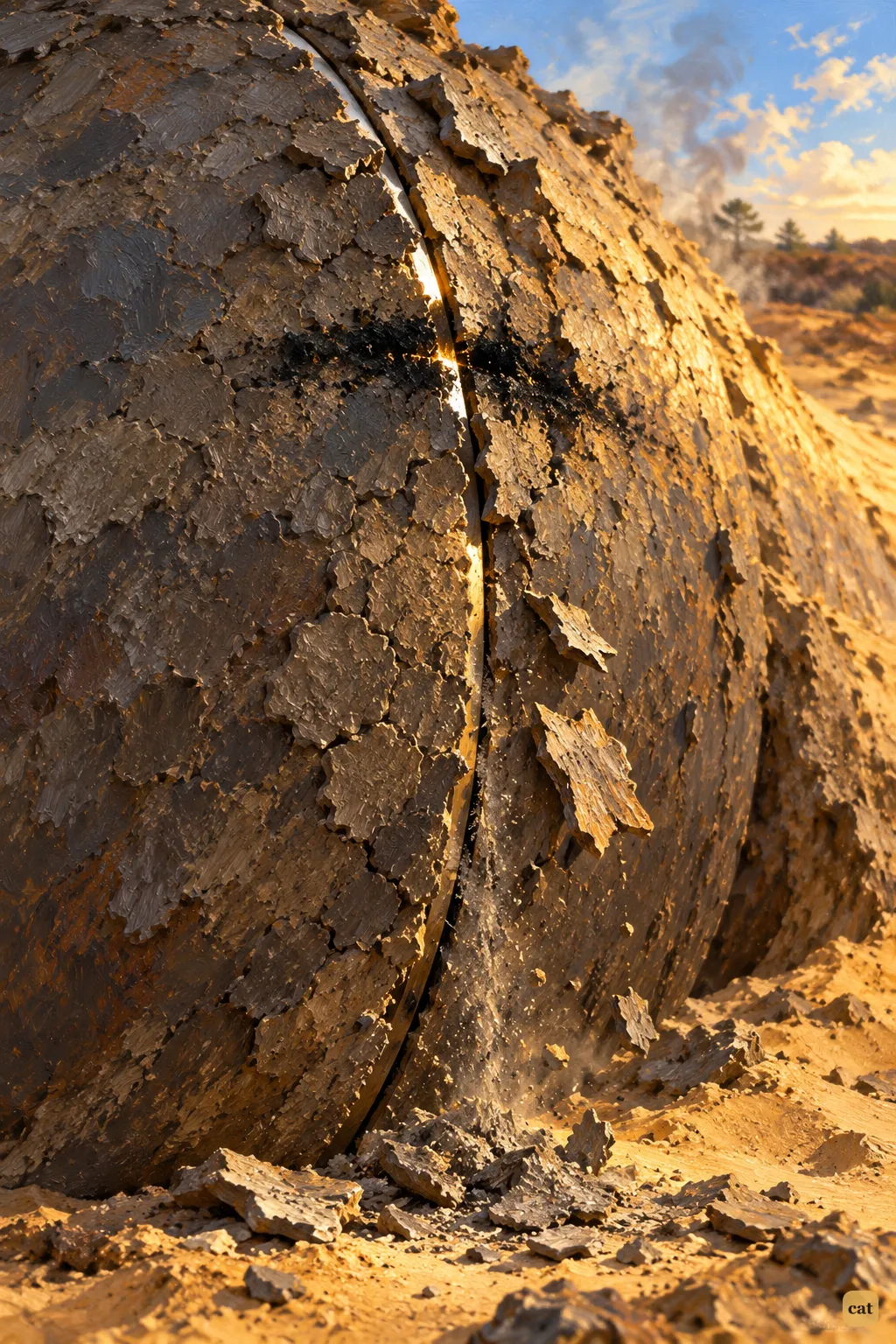
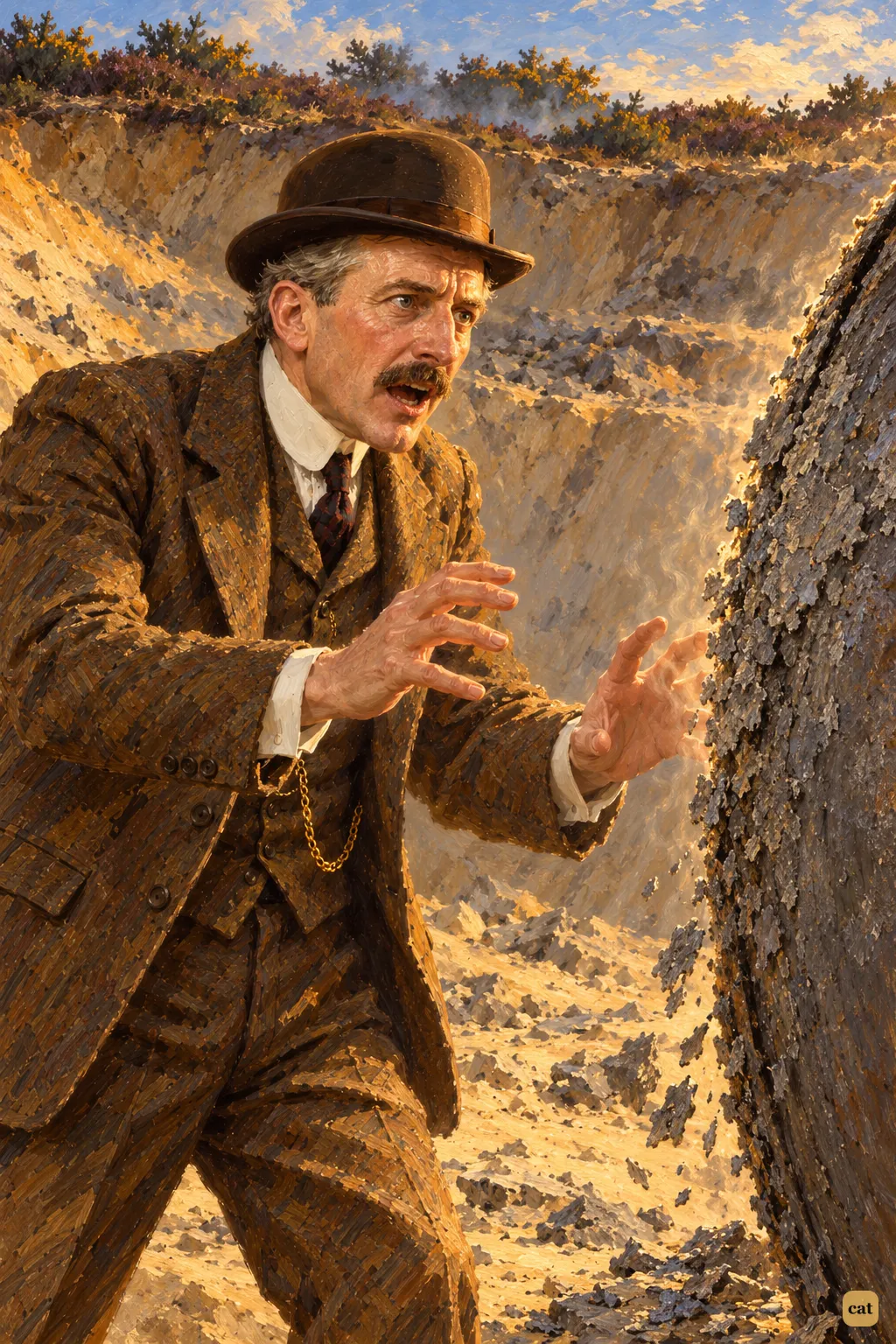
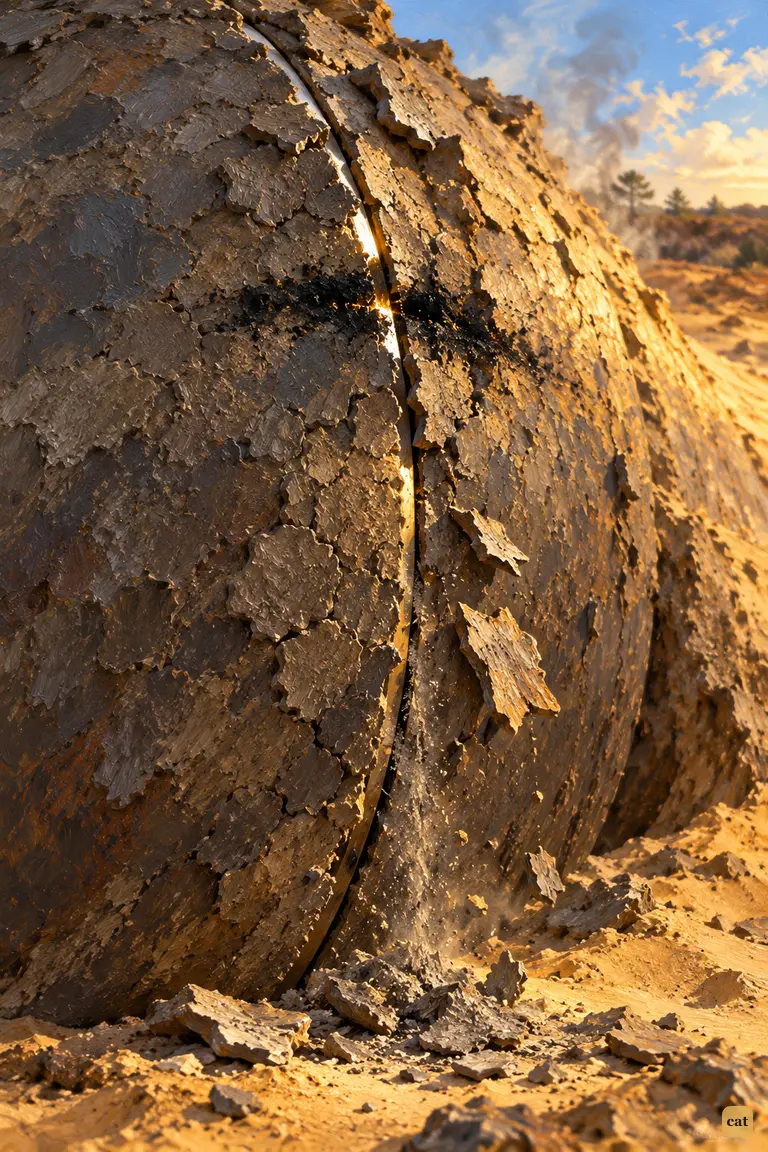
And then he perceived that, very slowly, the circular top of the cylinder was rotating on its body. It was such a gradual movement that he discovered it only through noticing that a black mark that had been near him five minutes ago was now at the other side of the circumference. Even then he scarcely understood what this indicated, until he heard a muffled grating sound and saw the black mark jerk forward an inch or so. Then the thing came upon him in a flash. The cylinder was artificial—hollow—with an end that screwed out! Something within the cylinder was unscrewing the top!
Read from here → -

Something inside unscrews it
And then he perceived that, very slowly, the circular top of the cylinder was rotating on its body. It was such a gradual movement that he discovered it only through noticing that a black mark that had been near him five minutes ago was now at the other side of the circumference. Even then he scarcely understood what this indicated, until he heard a muffled grating sound and saw the black mark jerk forward an inch or so. Then the thing came upon him in a flash. The cylinder was artificial—hollow—with an end that screwed out! Something within the cylinder was unscrewing the top!
Read from here → -
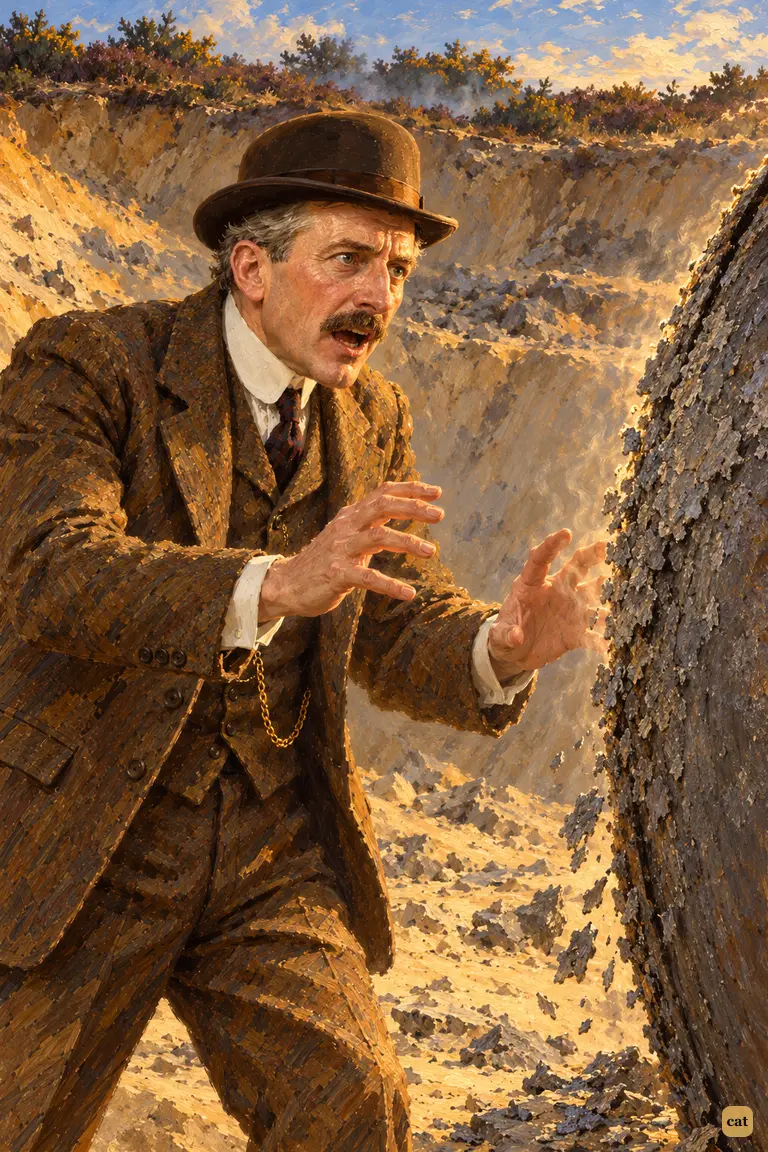
Men in it
“Good heavens!” said Ogilvy. “There’s a man in it—men in it! Half roasted to death! Trying to escape!”
Read from here → -
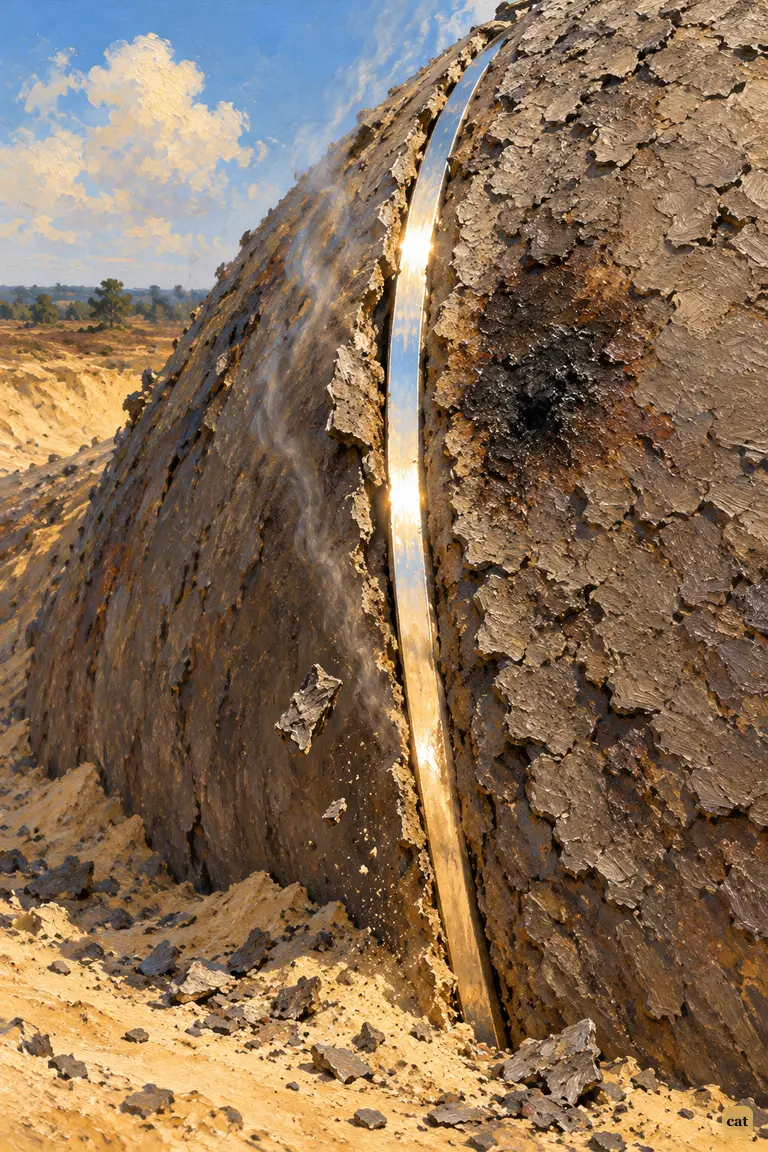
A circle of bright metal
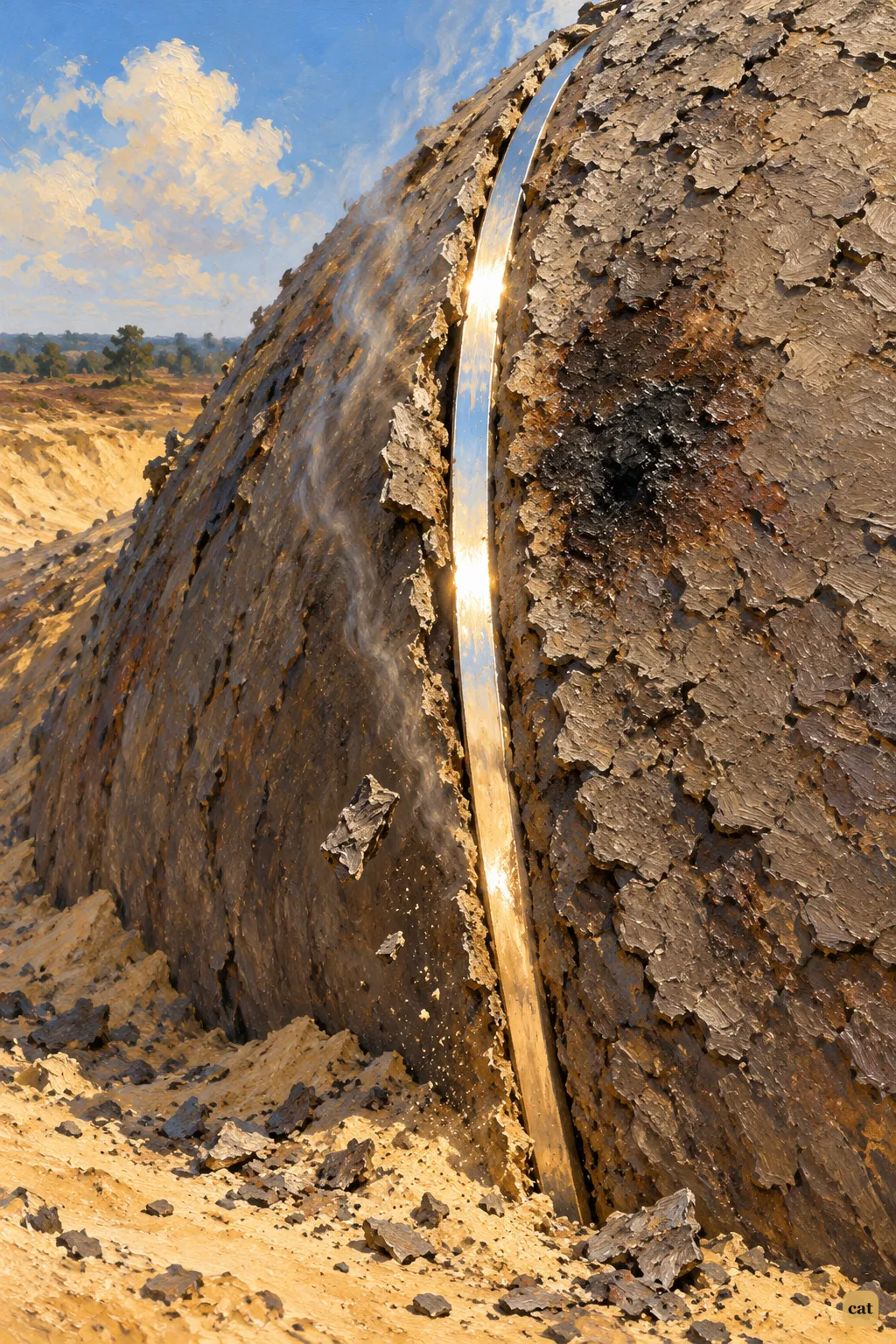
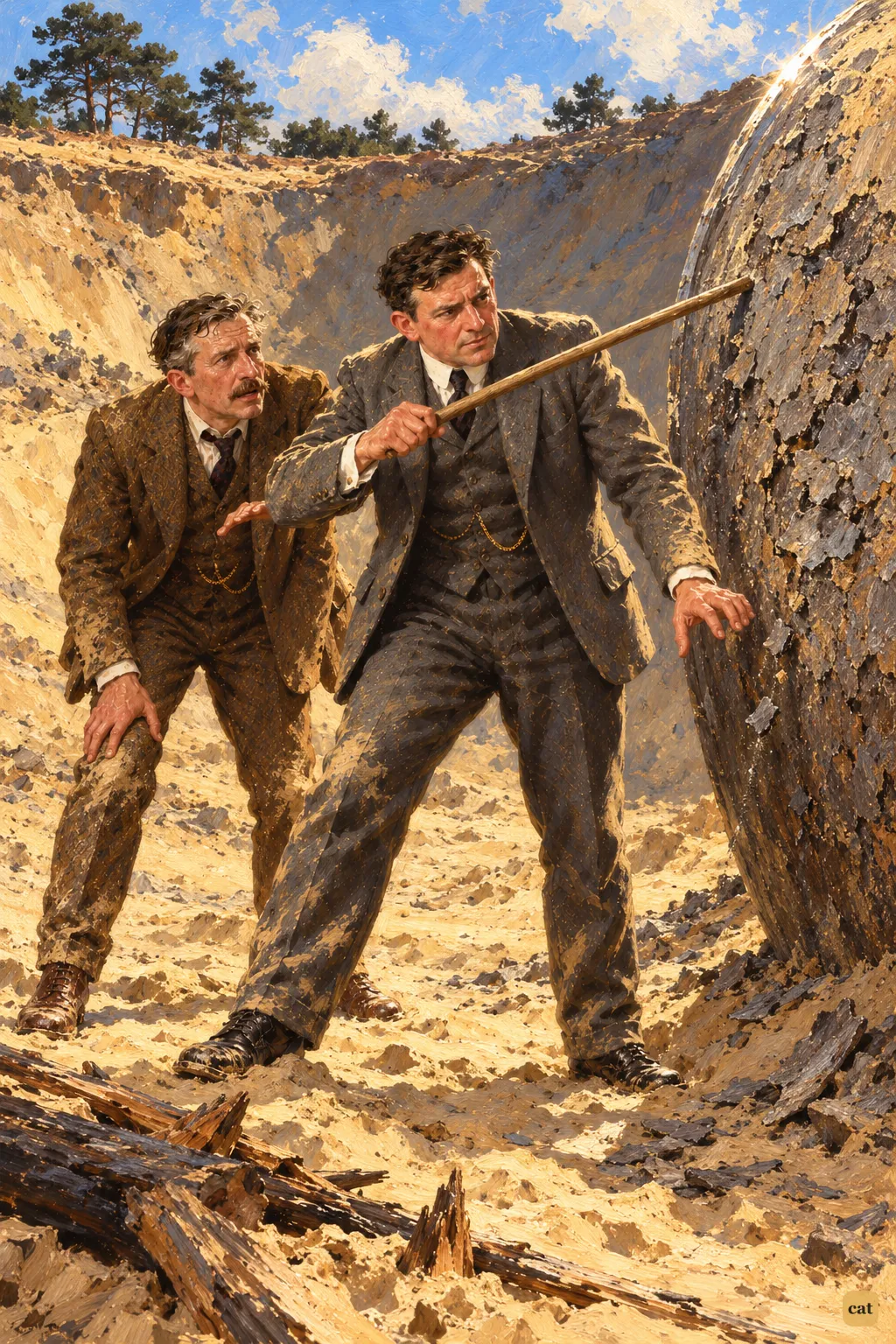
Ogilvy told him all that he had seen. Henderson was a minute or so taking it in. Then he dropped his spade, snatched up his jacket, and came out into the road. The two men hurried back at once to the common, and found the cylinder still lying in the same position. But now the sounds inside had ceased, and a thin circle of bright metal showed between the top and the body of the cylinder. Air was either entering or escaping at the rim with a thin, sizzling sound.
Read from here → -
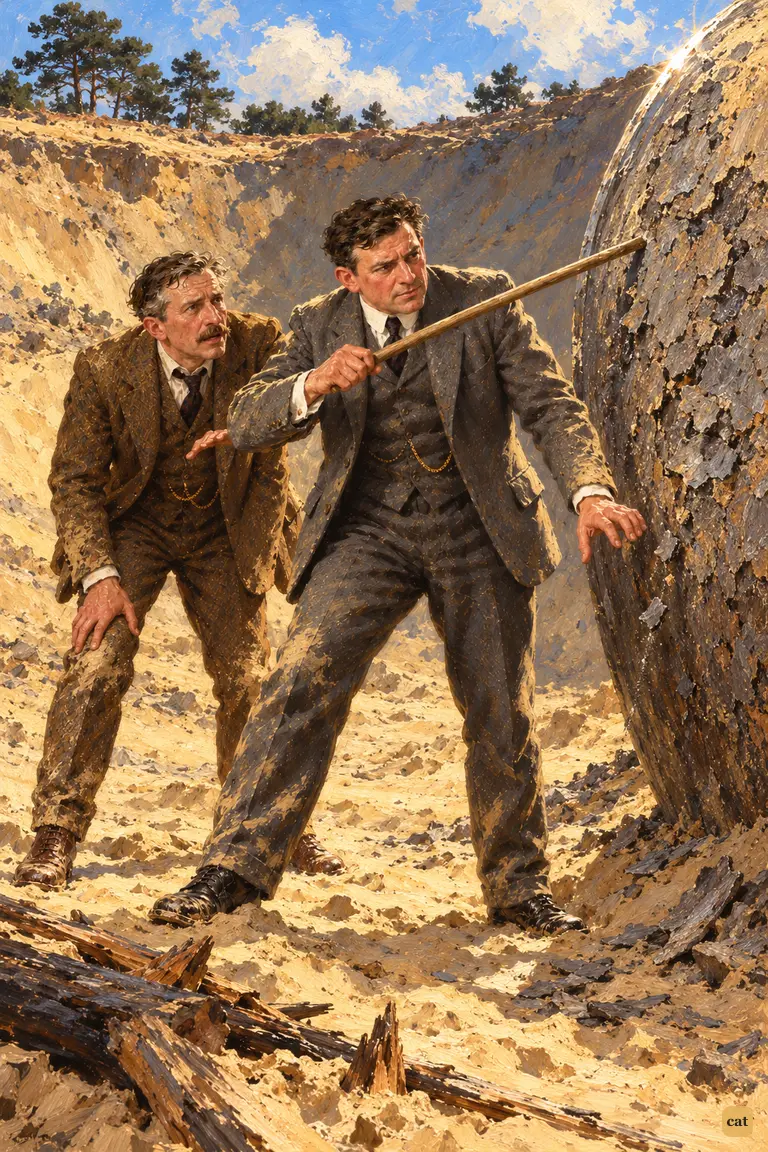
Rapping with a stick
They listened, rapped on the scaly burnt metal with a stick, and, meeting with no response, they both concluded the man or men inside must be insensible or dead.
Read from here → -
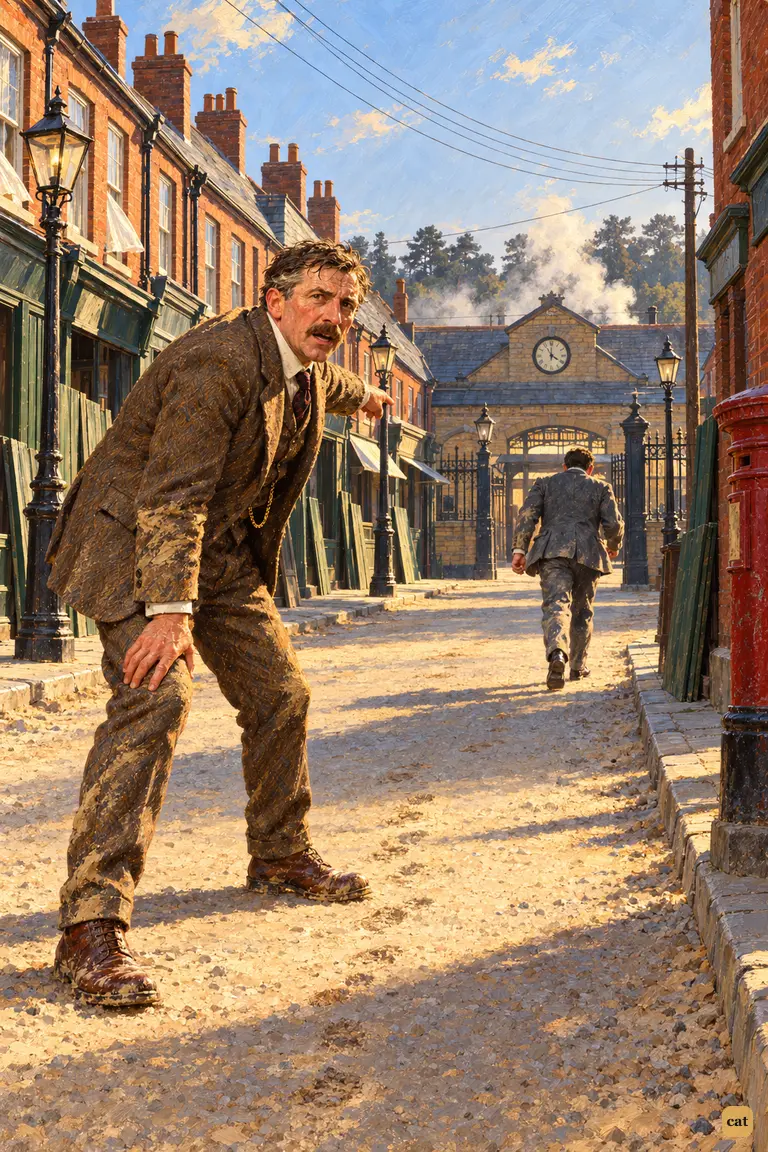
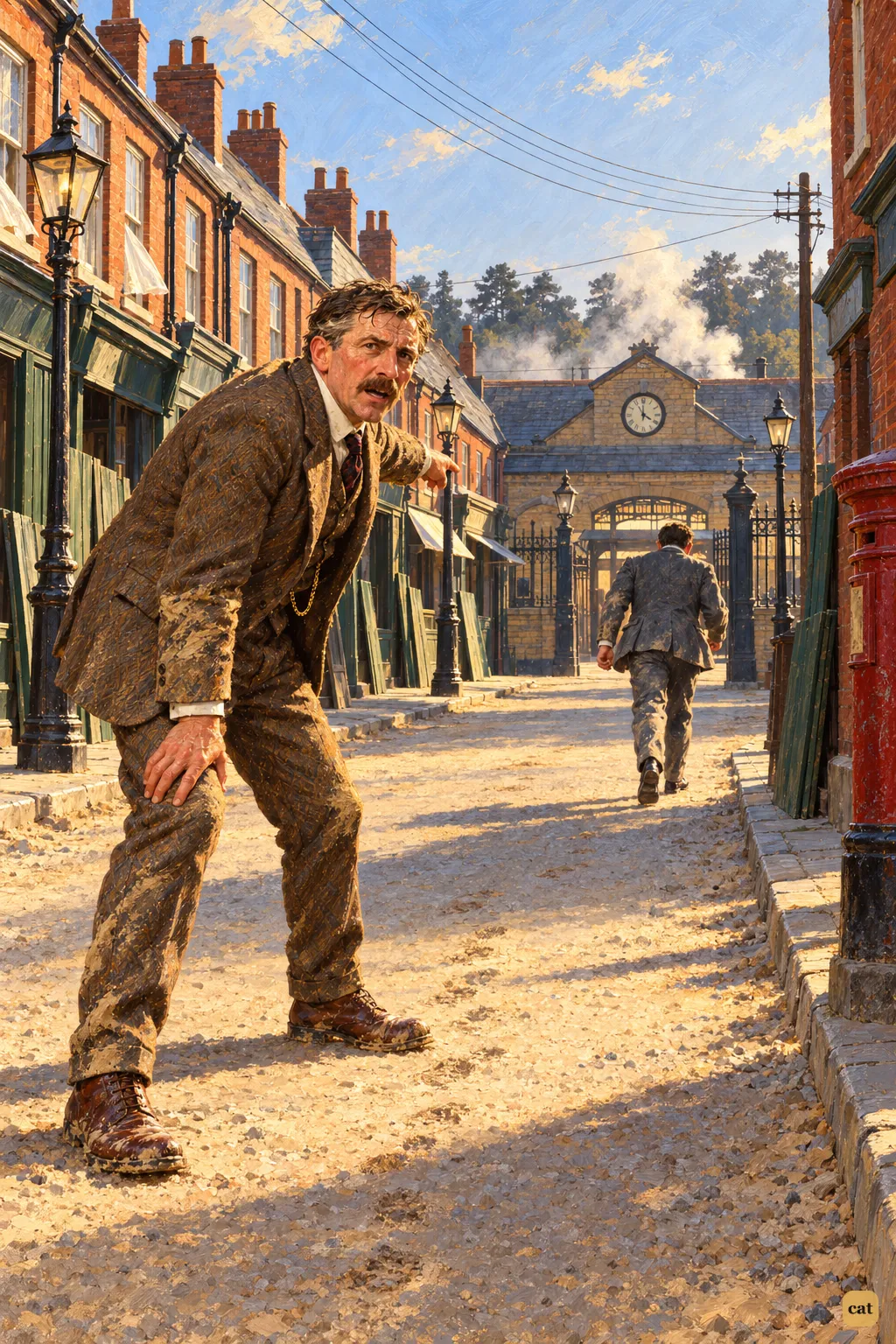
Telegraph to London
Of course the two were quite unable to do anything. They shouted consolation and promises, and went off back to the town again to get help. One can imagine them, covered with sand, excited and disordered, running up the little street in the bright sunlight just as the shop folks were taking down their shutters and people were opening their bedroom windows. Henderson went into the railway station at once, in order to telegraph the news to London. The newspaper articles had prepared men’s minds for the reception of the idea.
Read from here → -

Off to the sand-pits
By eight o’clock a number of boys and unemployed men had already started for the common to see the “dead men from Mars.” That was the form the story took. I heard of it first from my newspaper boy about a quarter to nine when I went out to get my Daily Chronicle. I was naturally startled, and lost no time in going out and across the Ottershaw bridge to the sand-pits.
Read from here →