 Author
-
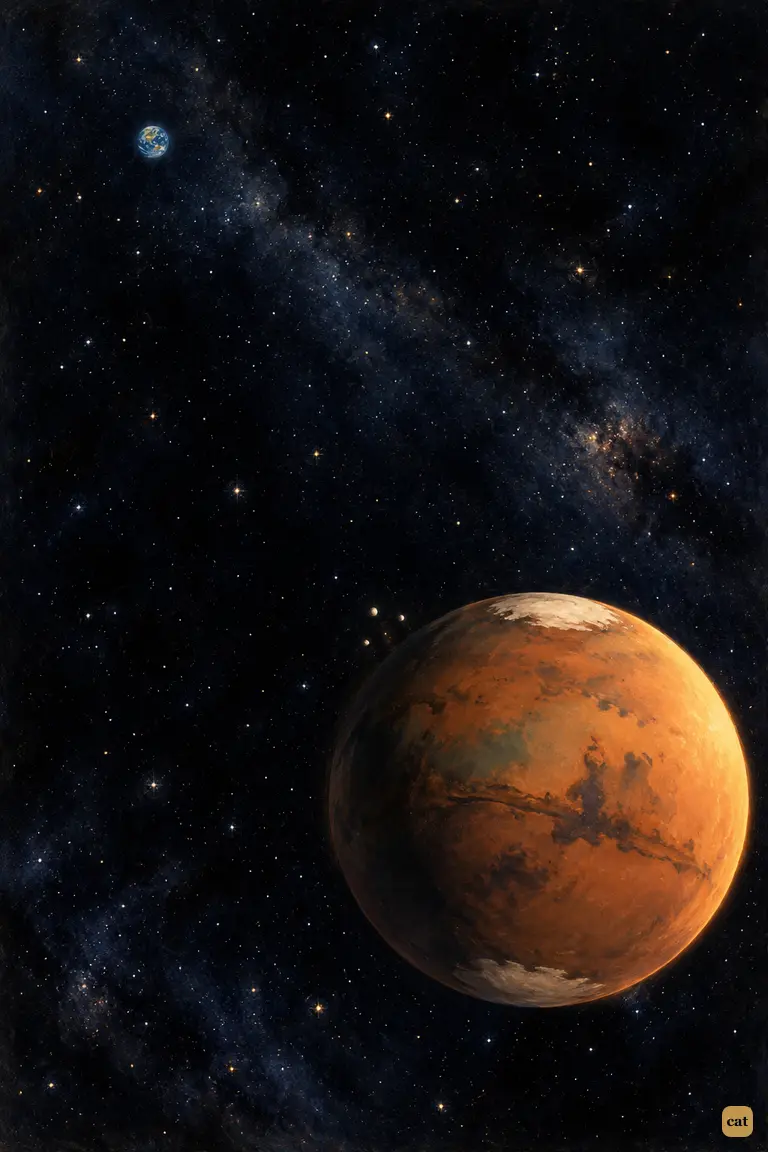
Red planet across the gulf
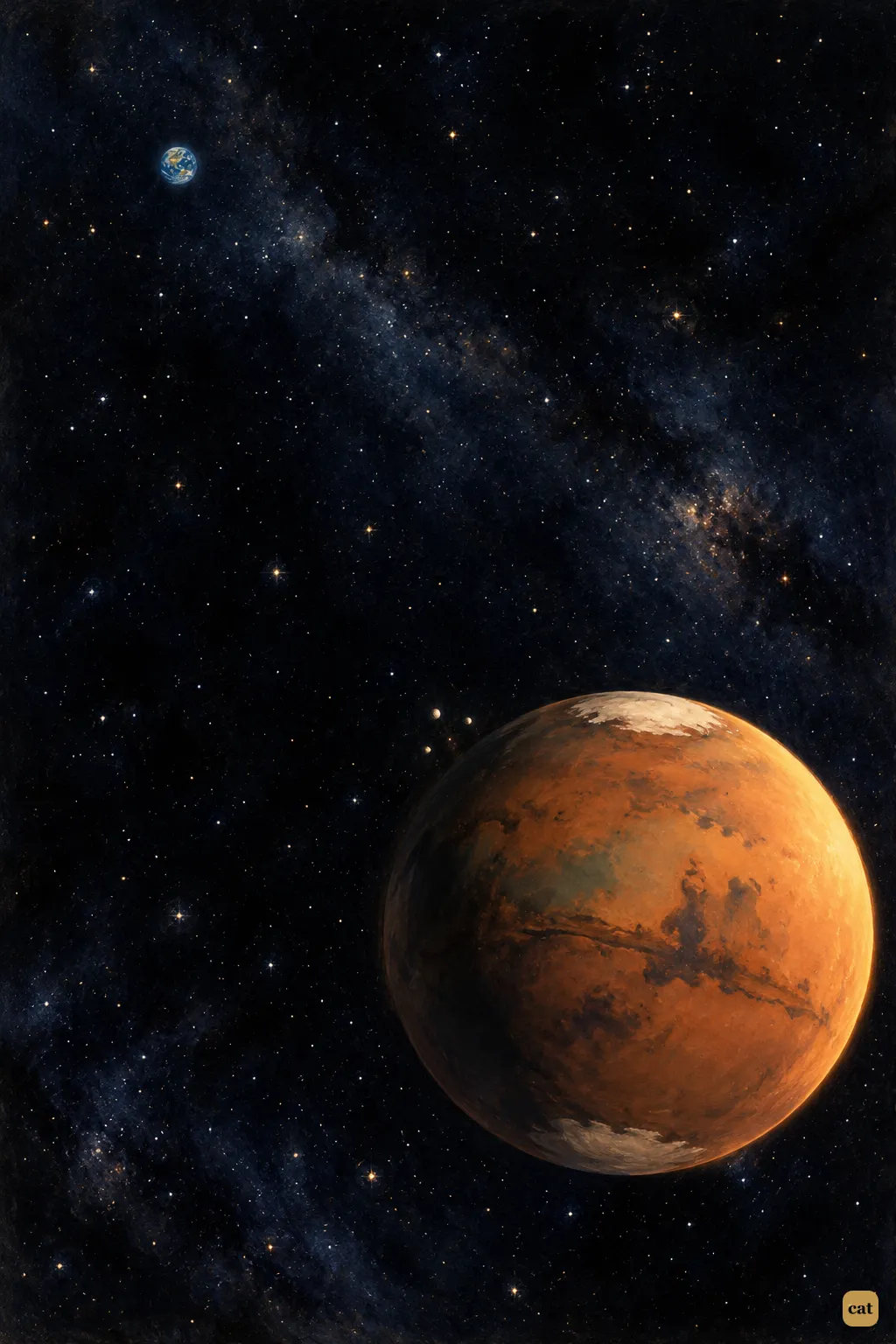
No one would have believed in the last years of the nineteenth century that this world was being watched keenly and closely by intelligences greater than man’s and yet as mortal as his own; that as men busied themselves about their various concerns they were scrutinised and studied, perhaps almost as narrowly as a man with a microscope might scrutinise the transient creatures that swarm and multiply in a drop of water. With infinite complacency men went to and fro over this globe about their little affairs, serene in their assurance of their empire over matter. It is possible that the infusoria under the microscope do the same. No one gave a thought to the older worlds of space as sources of human danger, or thought of them only to dismiss the idea of life upon them as impossible or improbable. It is curious to recall some of the mental habits of those departed days. At most terrestrial men fancied there might be other men upon Mars, perhaps inferior to themselves and ready to welcome a missionary enterprise. Yet across the gulf of space, minds that are to our minds as ours are to those of the beasts that perish, intellects vast and cool and unsympathetic, regarded this earth with envious eyes, and slowly and surely drew their plans against us. And early in the twentieth century came the great disillusionment.
Read from here → -
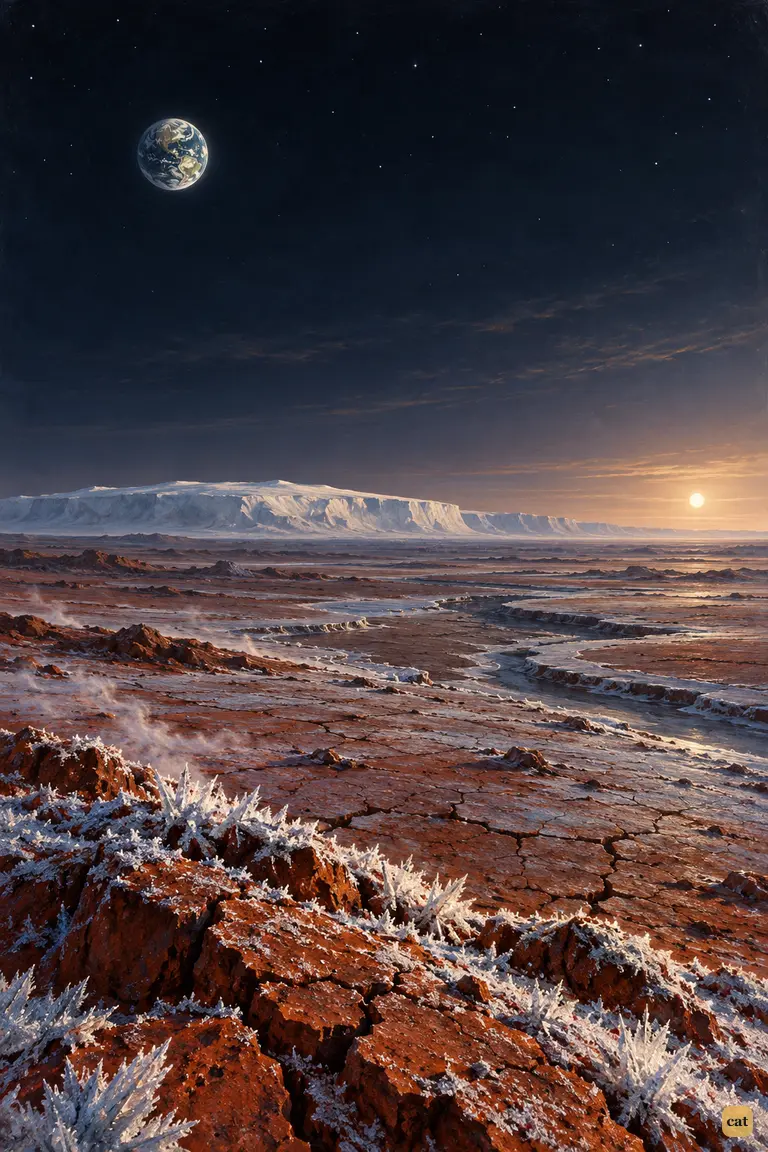
Morning star of hope
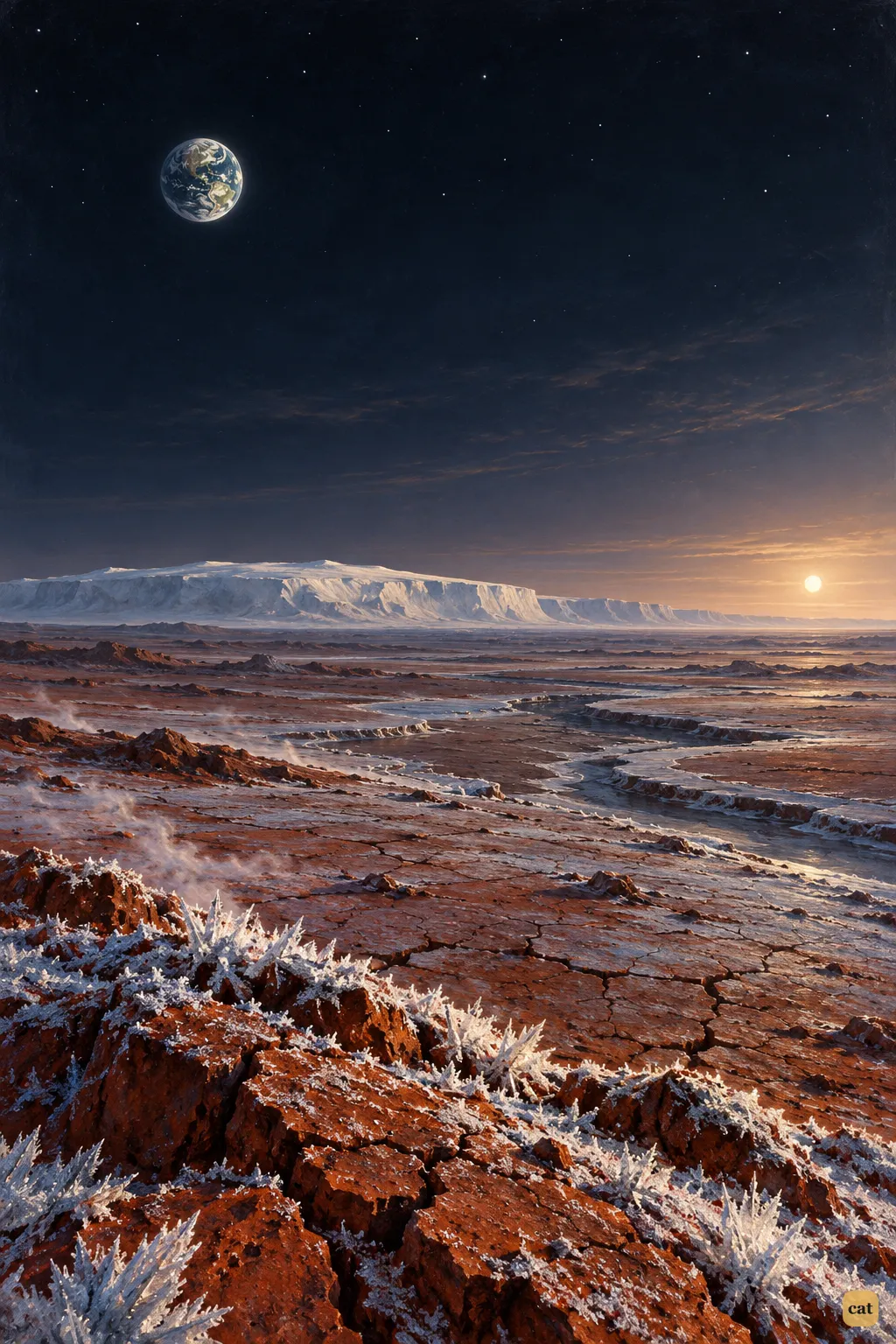
The secular cooling that must someday overtake our planet has already gone far indeed with our neighbour. Its physical condition is still largely a mystery, but we know now that even in its equatorial region the midday temperature barely approaches that of our coldest winter. Its air is much more attenuated than ours, its oceans have shrunk until they cover but a third of its surface, and as its slow seasons change huge snowcaps gather and melt about either pole and periodically inundate its temperate zones. That last stage of exhaustion, which to us is still incredibly remote, has become a present-day problem for the inhabitants of Mars. The immediate pressure of necessity has brightened their intellects, enlarged their powers, and hardened their hearts. And looking across space with instruments, and intelligences such as we have scarcely dreamed of, they see, at its nearest distance only 35,000,000 of miles sunward of them, a morning star of hope, our own warmer planet, green with vegetation and grey with water, with a cloudy atmosphere eloquent of fertility, with glimpses through its drifting cloud wisps of broad stretches of populous country and narrow, navy-crowded seas.
Read from here → -
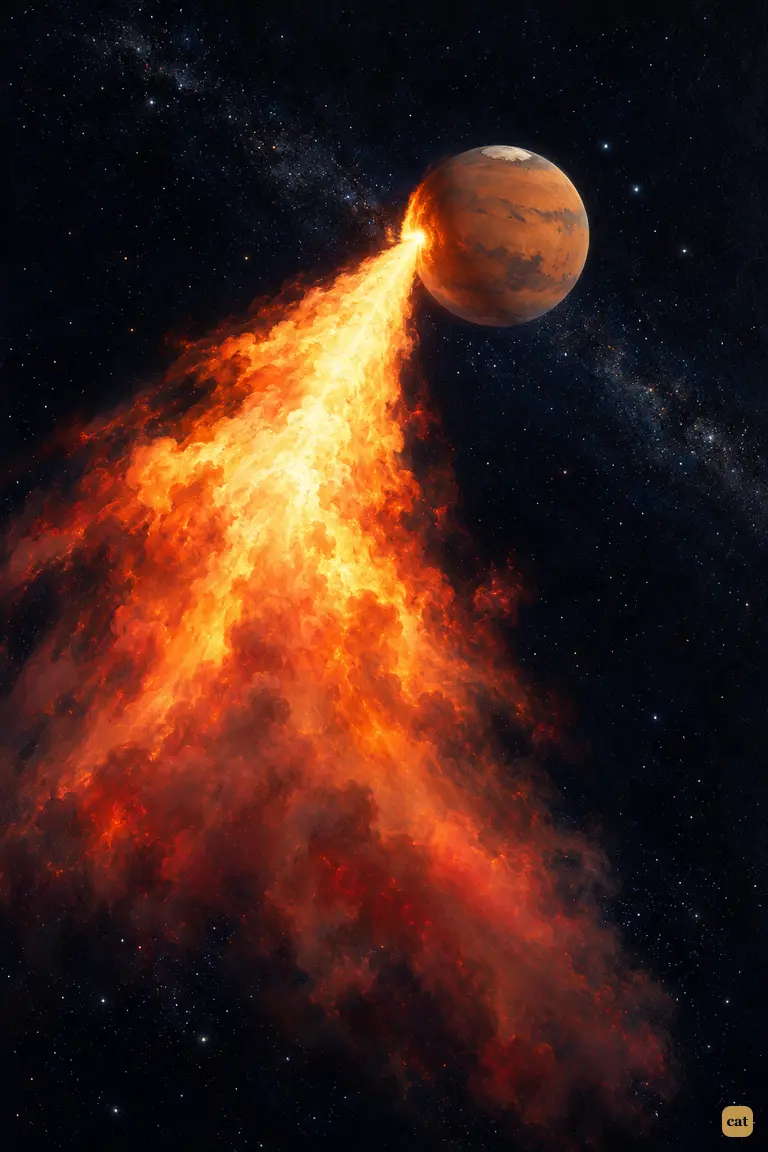
Puff from a gun
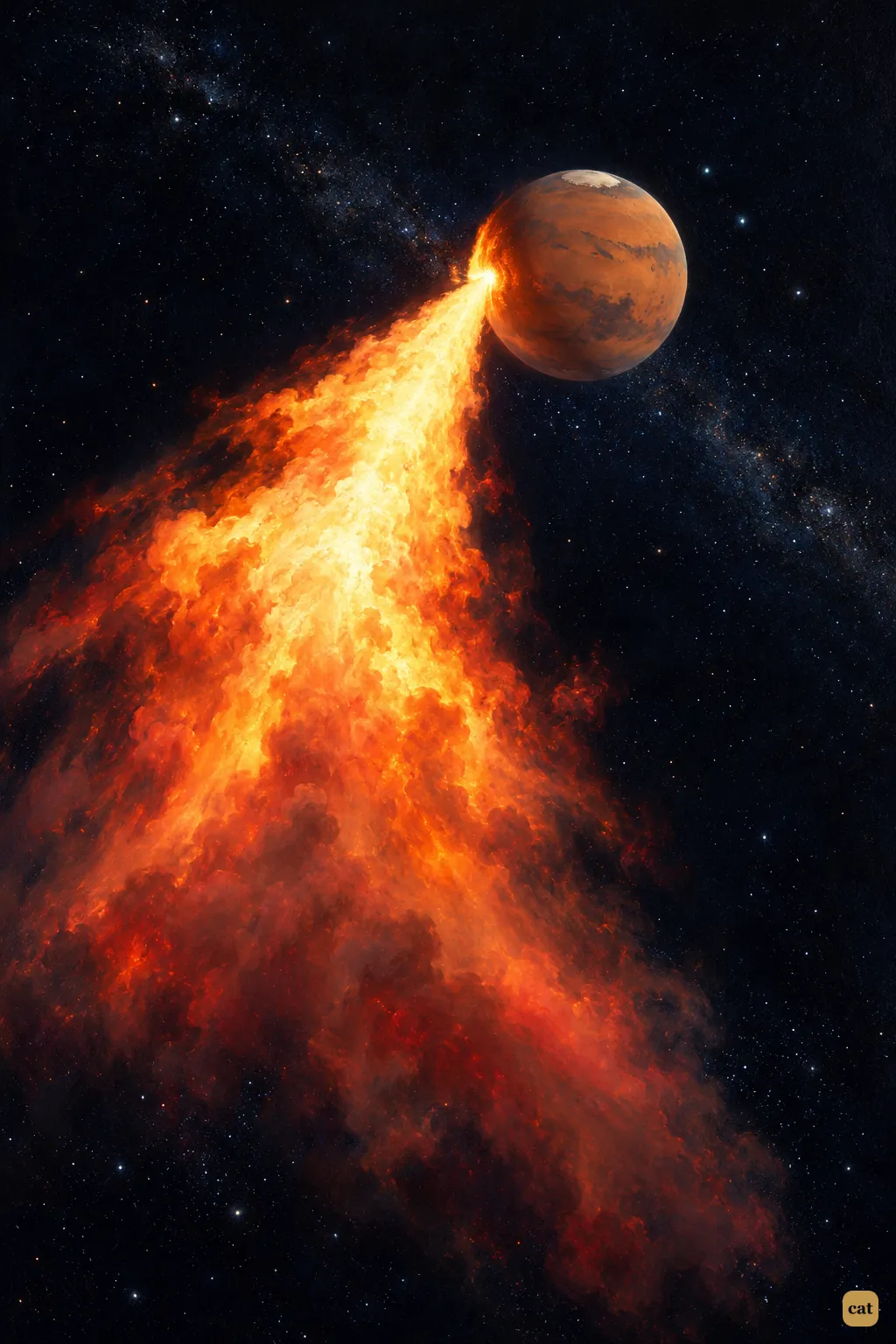
The storm burst upon us six years ago now. As Mars approached opposition, Lavelle of Java set the wires of the astronomical exchange palpitating with the amazing intelligence of a huge outbreak of incandescent gas upon the planet. It had occurred towards midnight of the twelfth; and the spectroscope, to which he had at once resorted, indicated a mass of flaming gas, chiefly hydrogen, moving with an enormous velocity towards this earth. This jet of fire had become invisible about a quarter past twelve. He compared it to a colossal puff of flame suddenly and violently squirted out of the planet, “as flaming gases rushed out of a gun.”
Read from here → -
The black silent observatory
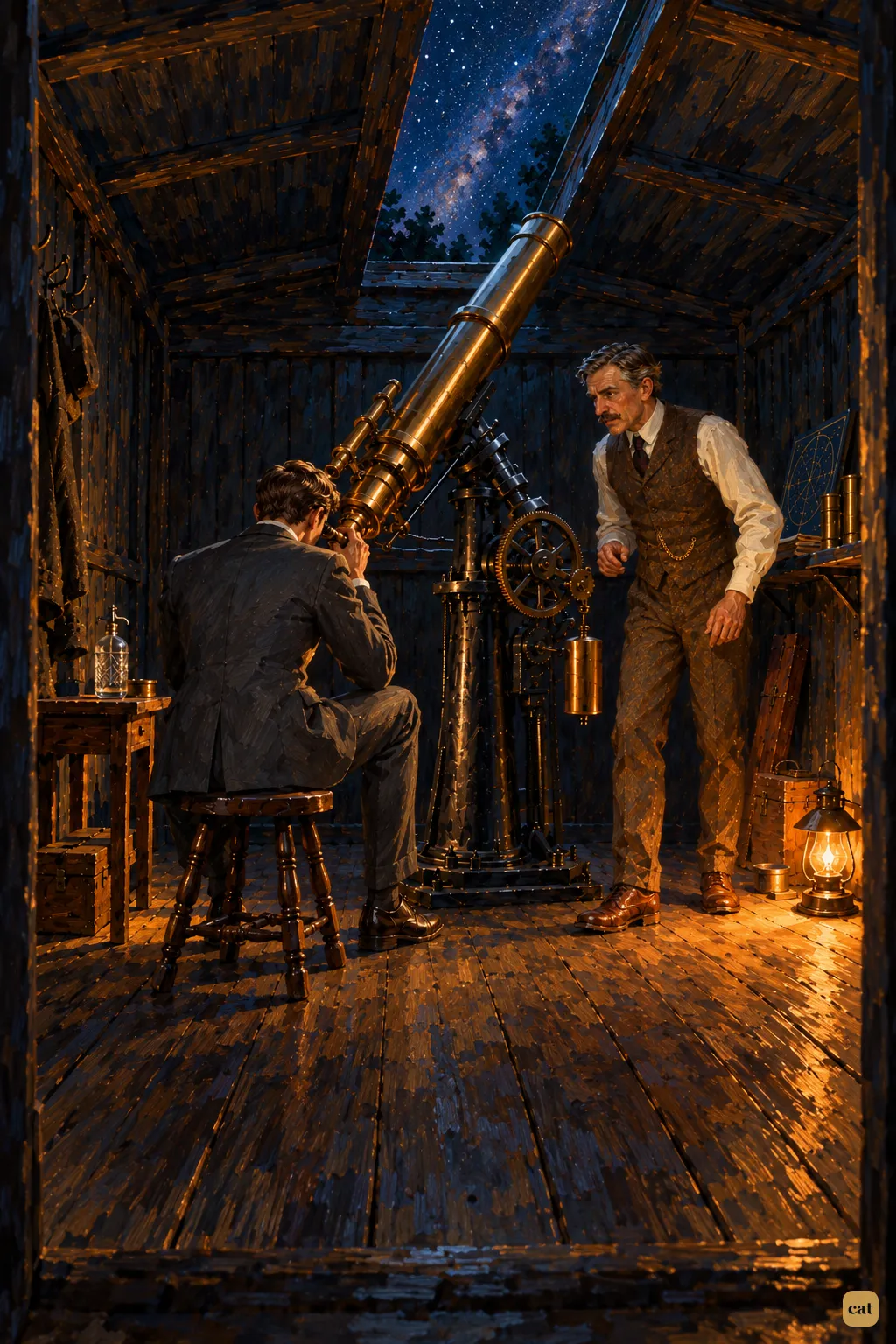
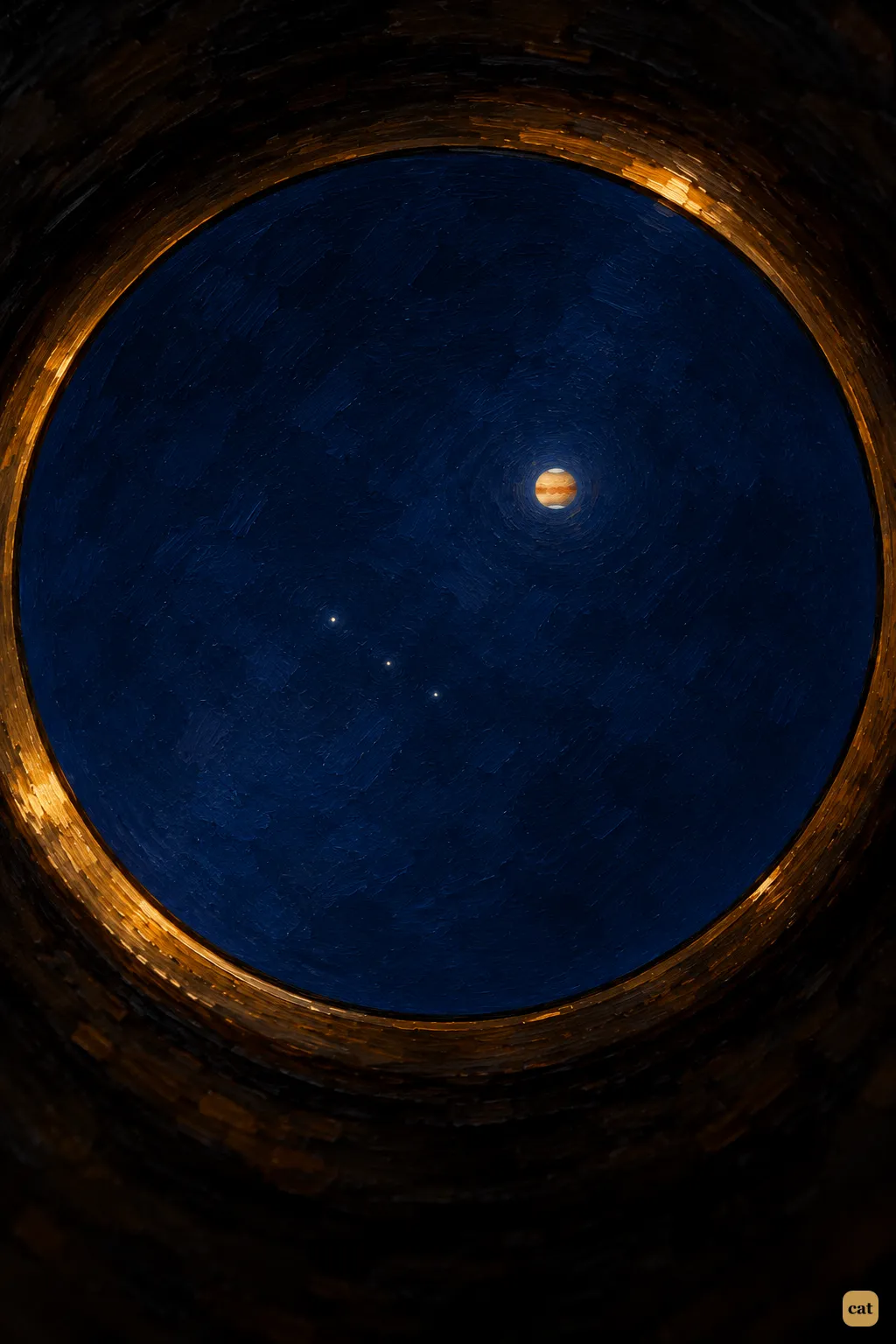
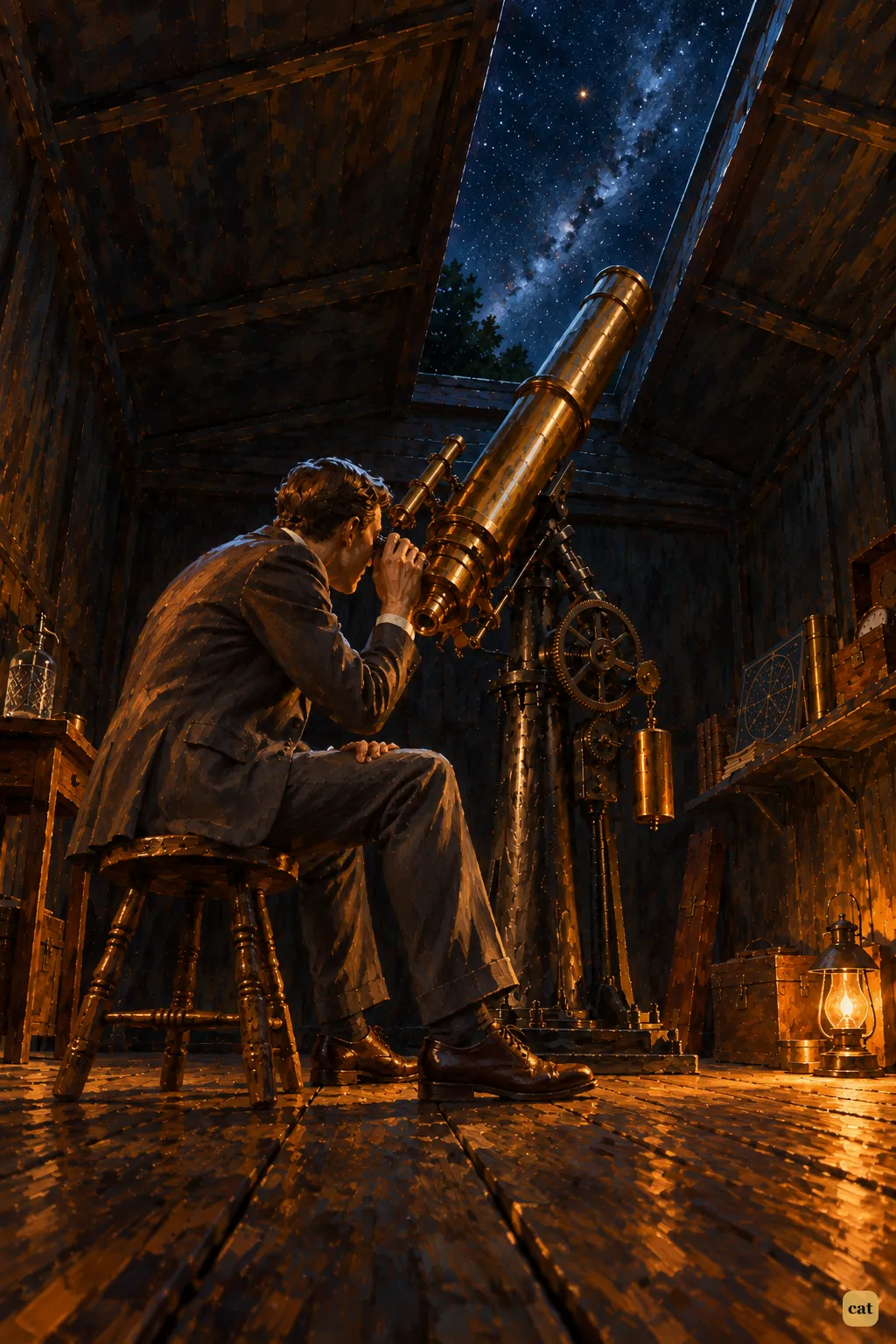
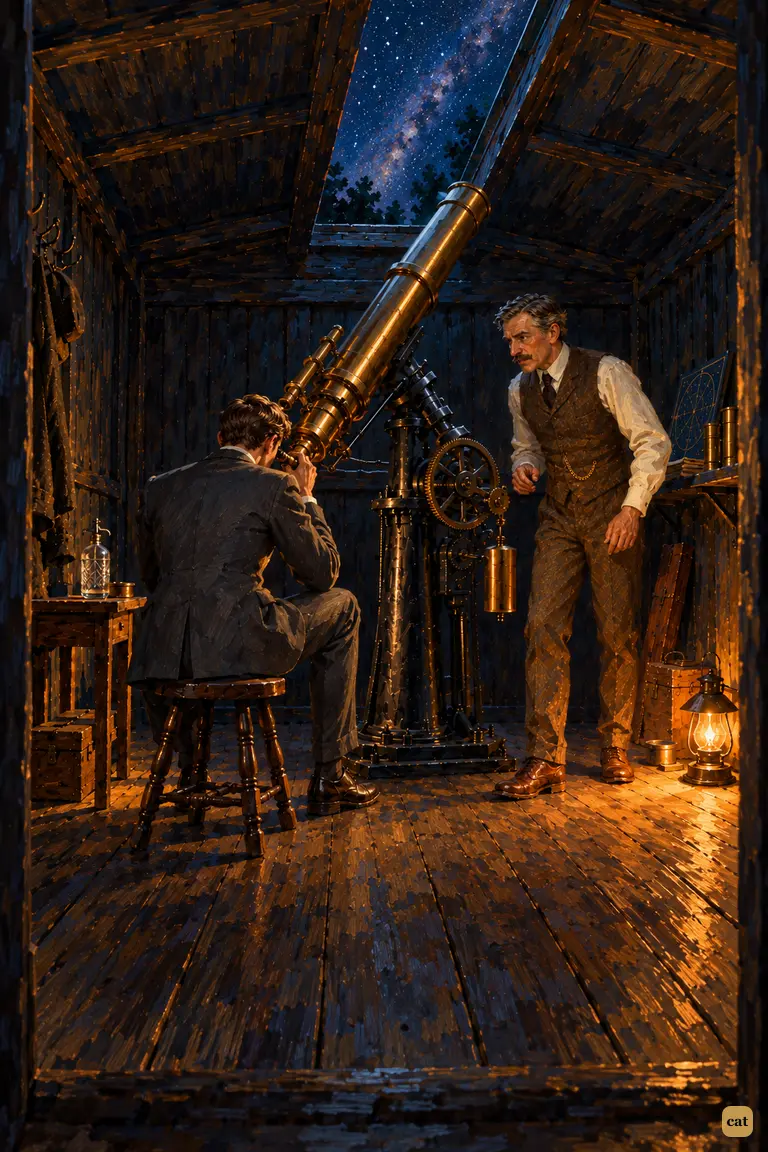
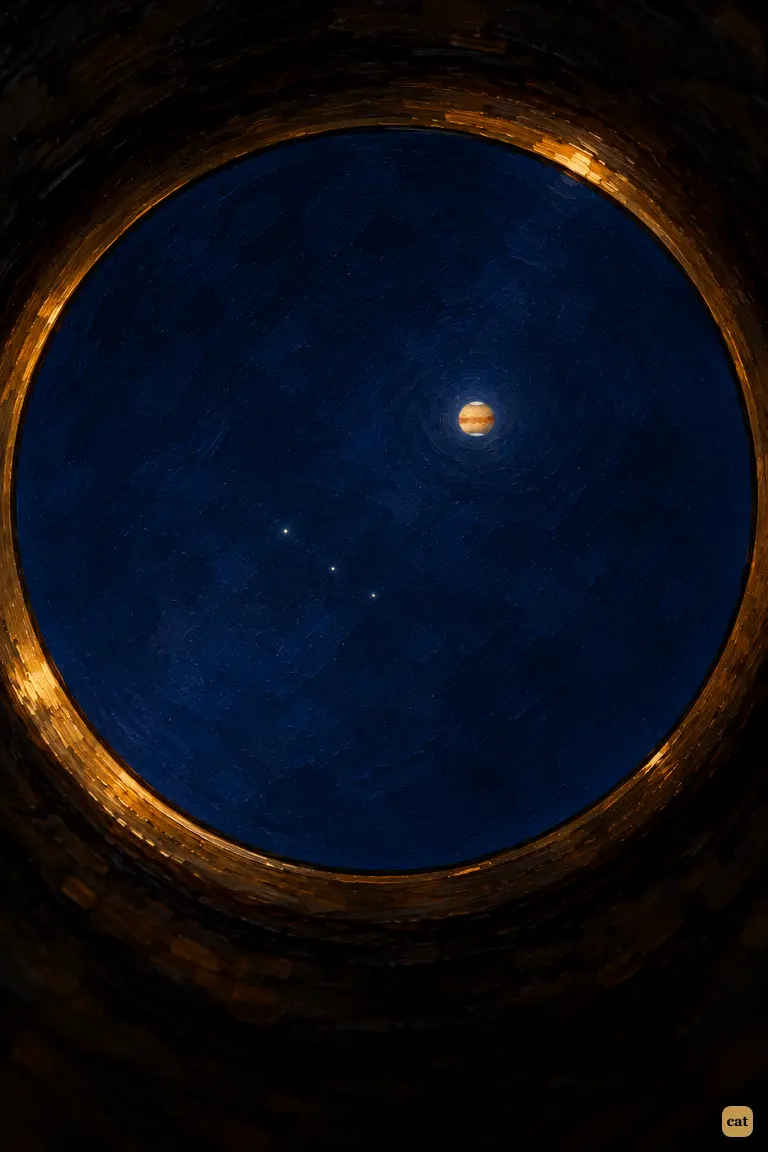
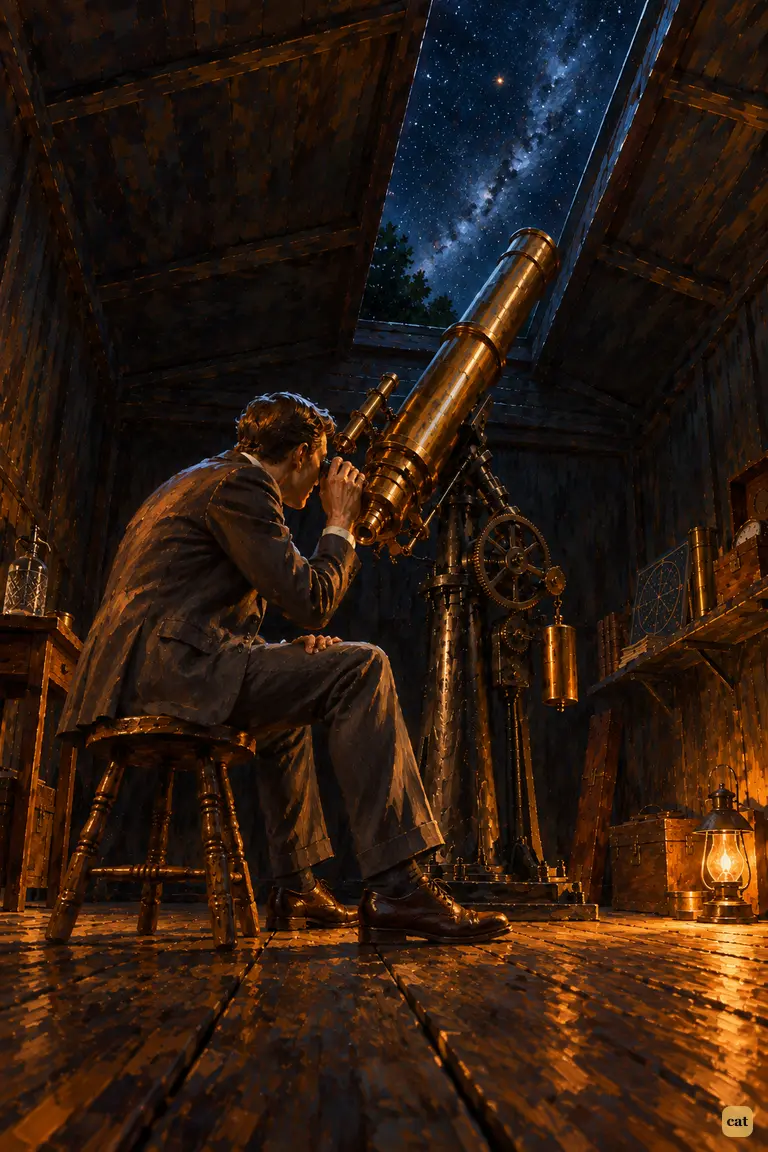
In spite of all that has happened since, I still remember that vigil very distinctly: the black and silent observatory, the shadowed lantern throwing a feeble glow upon the floor in the corner, the steady ticking of the clockwork of the telescope, the little slit in the roof—an oblong profundity with the stardust streaked across it. Ogilvy moved about, invisible but audible. Looking through the telescope, one saw a circle of deep blue and the little round planet swimming in the field. It seemed such a little thing, so bright and small and still, faintly marked with transverse stripes, and slightly flattened from the perfect round. But so little it was, so silvery warm—a pin’s head of light! It was as if it quivered, but really this was the telescope vibrating with the activity of the clockwork that kept the planet in view.
Read from here → -
A pin's head of light
In spite of all that has happened since, I still remember that vigil very distinctly: the black and silent observatory, the shadowed lantern throwing a feeble glow upon the floor in the corner, the steady ticking of the clockwork of the telescope, the little slit in the roof—an oblong profundity with the stardust streaked across it. Ogilvy moved about, invisible but audible. Looking through the telescope, one saw a circle of deep blue and the little round planet swimming in the field. It seemed such a little thing, so bright and small and still, faintly marked with transverse stripes, and slightly flattened from the perfect round. But so little it was, so silvery warm—a pin’s head of light! It was as if it quivered, but really this was the telescope vibrating with the activity of the clockwork that kept the planet in view.
Read from here → -
Into unfathomable darkness
Near it in the field, I remember, were three faint points of light, three telescopic stars infinitely remote, and all around it was the unfathomable darkness of empty space. You know how that blackness looks on a frosty starlight night. In a telescope it seems far profounder. And invisible to me because it was so remote and small, flying swiftly and steadily towards me across that incredible distance, drawing nearer every minute by so many thousands of miles, came the Thing they were sending us, the Thing that was to bring so much struggle and calamity and death to the earth. I never dreamed of it then as I watched; no one on earth dreamed of that unerring missile.
Read from here → -
Reddish flash at the edge
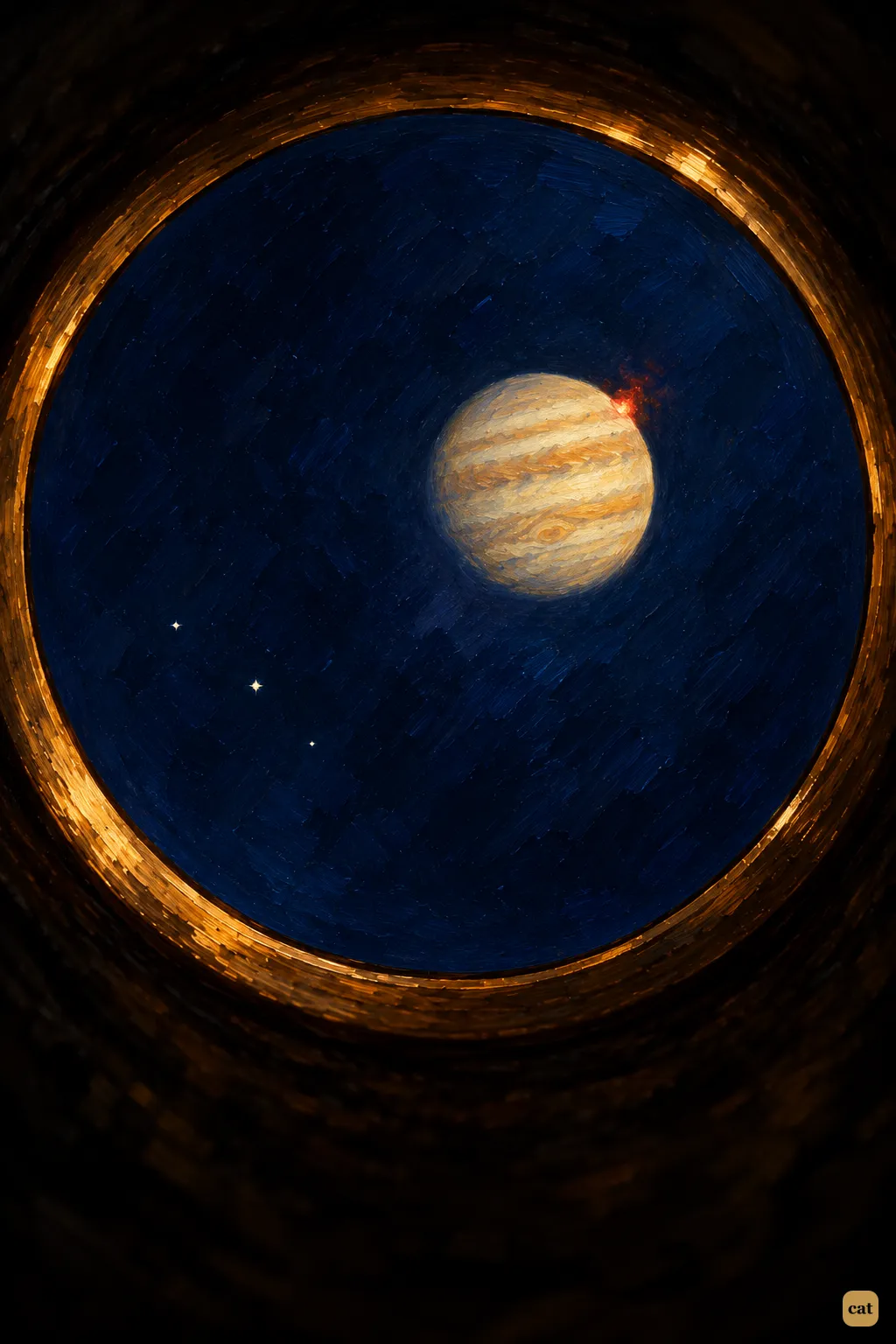
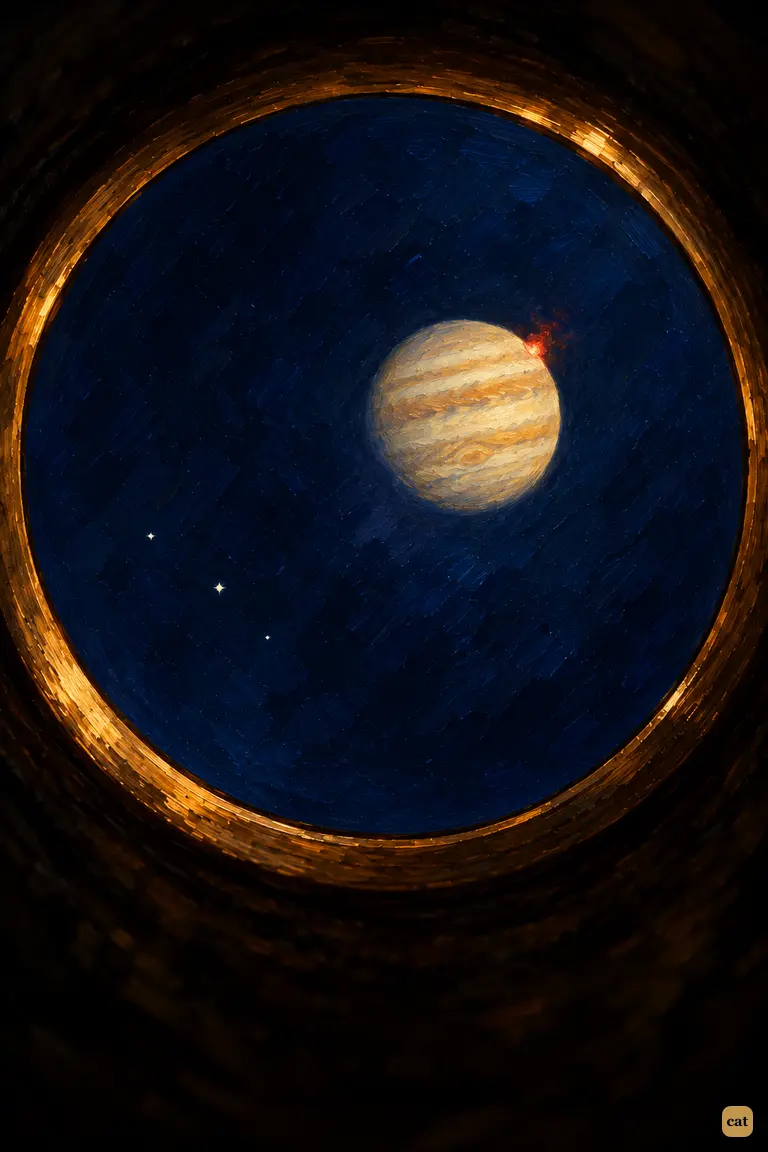
That night, too, there was another jetting out of gas from the distant planet. I saw it. A reddish flash at the edge, the slightest projection of the outline just as the chronometer struck midnight; and at that I told Ogilvy and he took my place. The night was warm and I was thirsty, and I went stretching my legs clumsily and feeling my way in the darkness, to the little table where the siphon stood, while Ogilvy exclaimed at the streamer of gas that came out towards us.
Read from here → -
A million to one
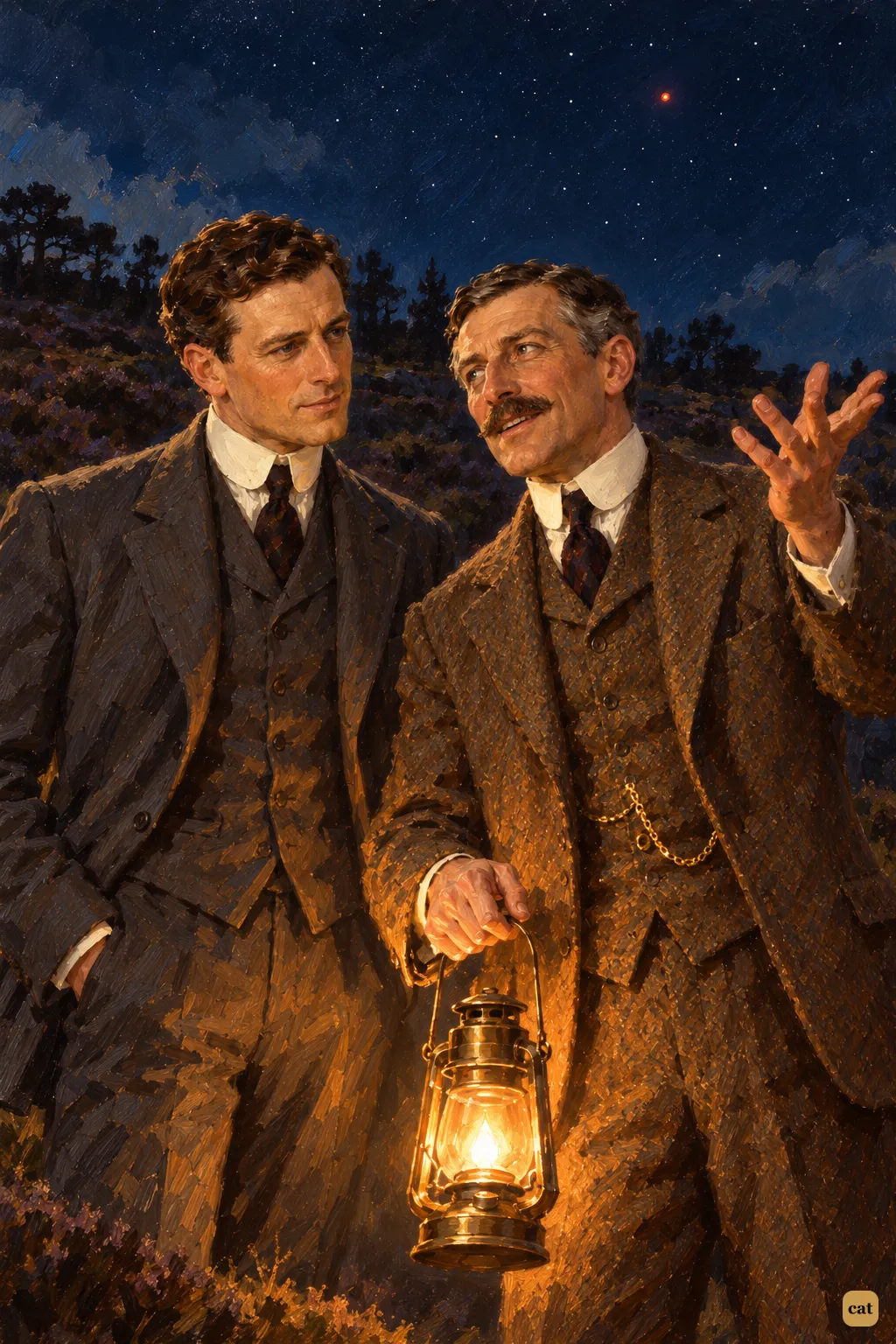
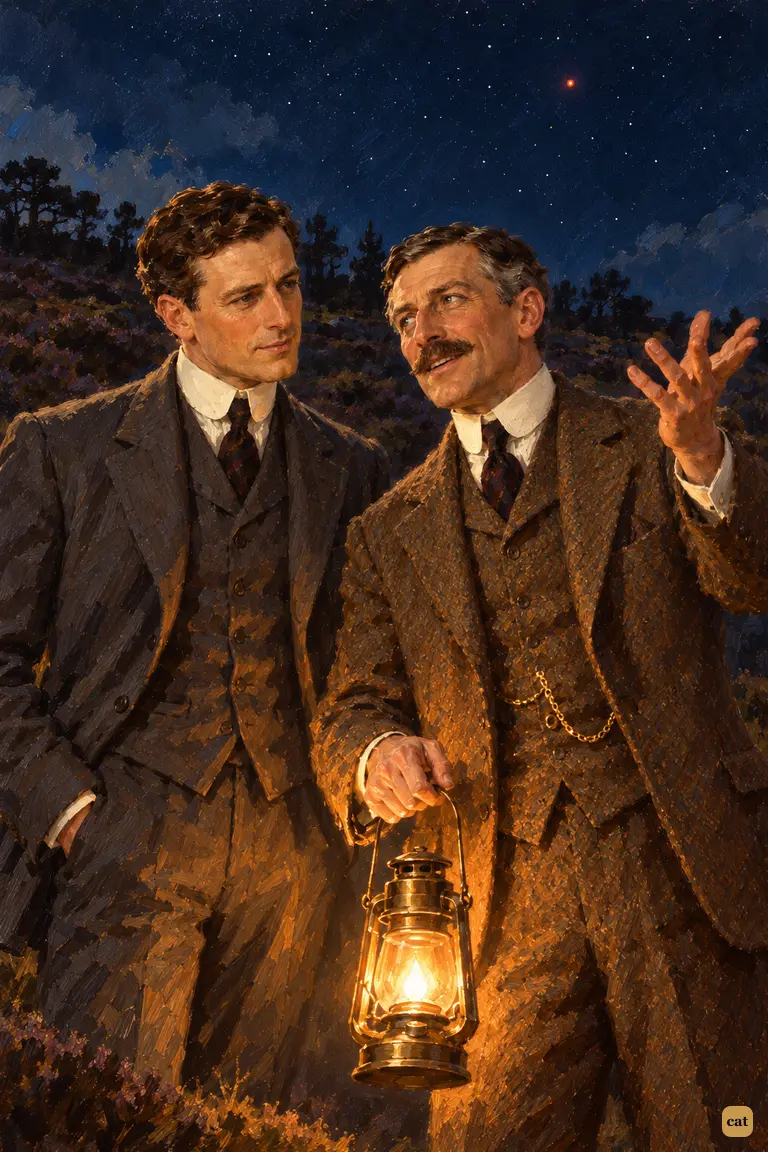
“The chances against anything manlike on Mars are a million to one,” he said.
Read from here → -
Chapter 1
Watched from Mars, unaware
Next chapter: The cylinder found on the common Read this chapter