-
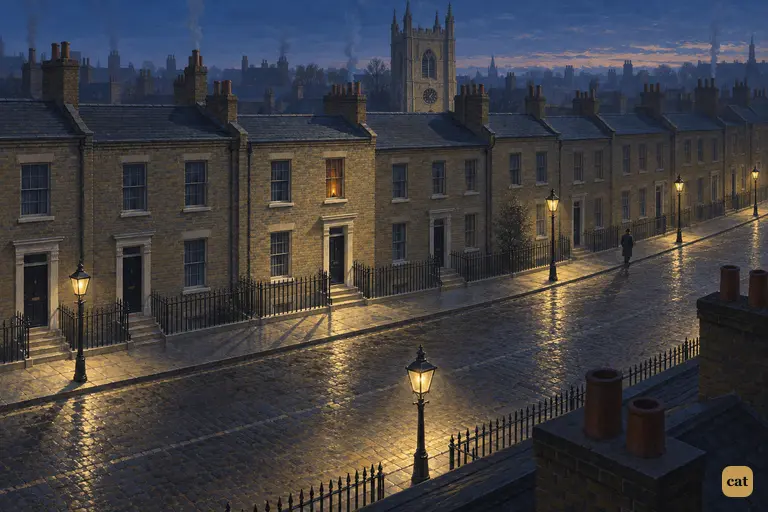
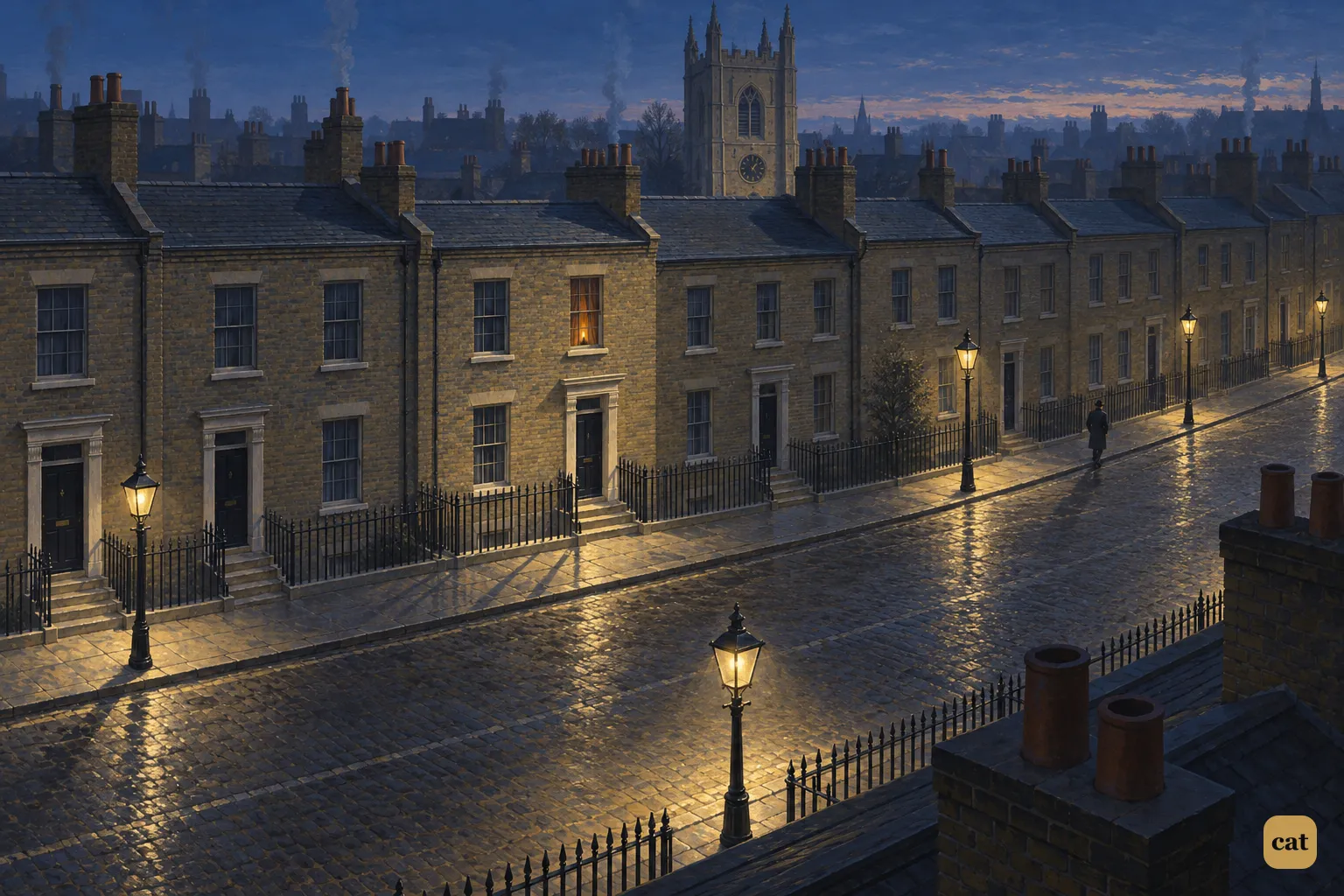
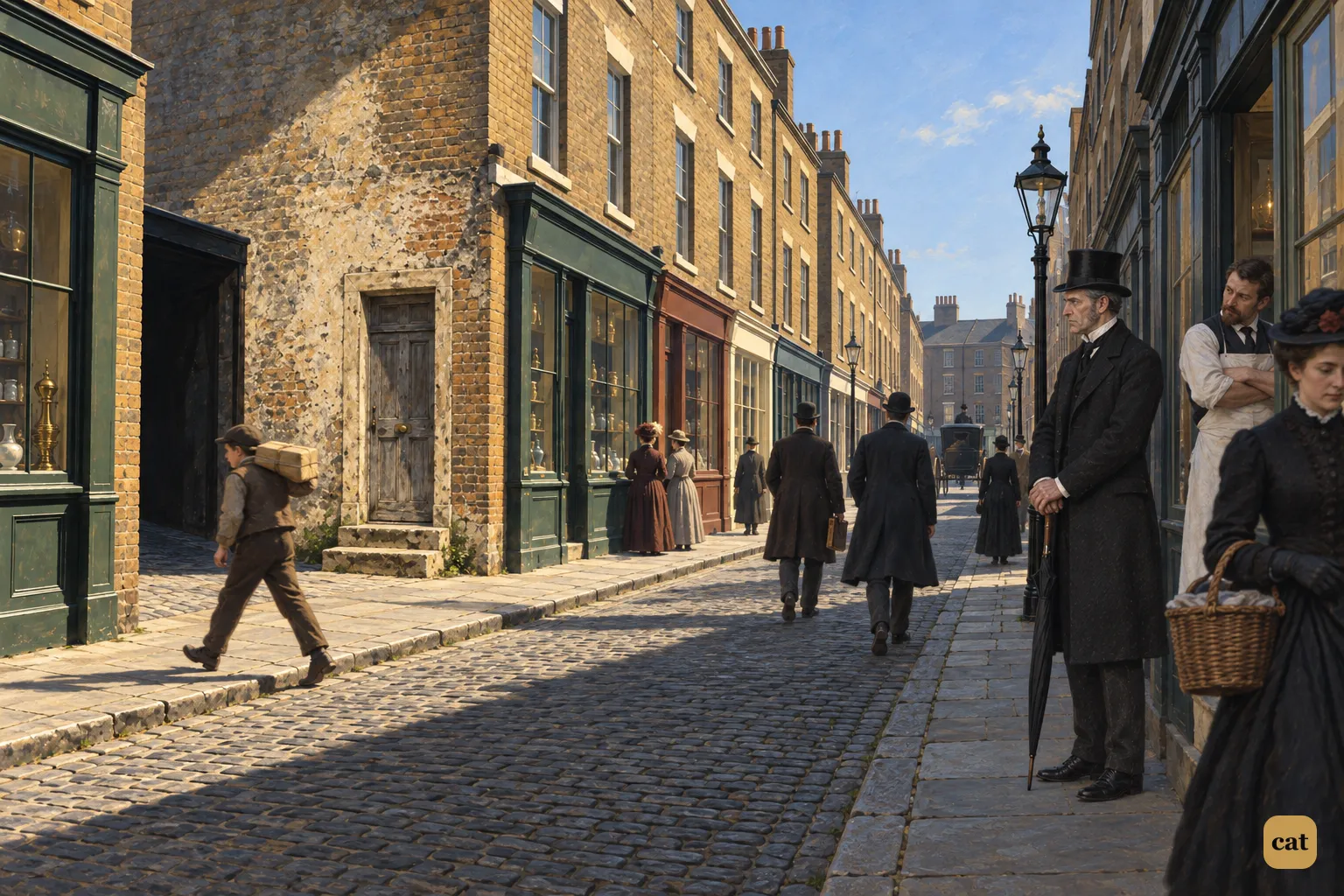
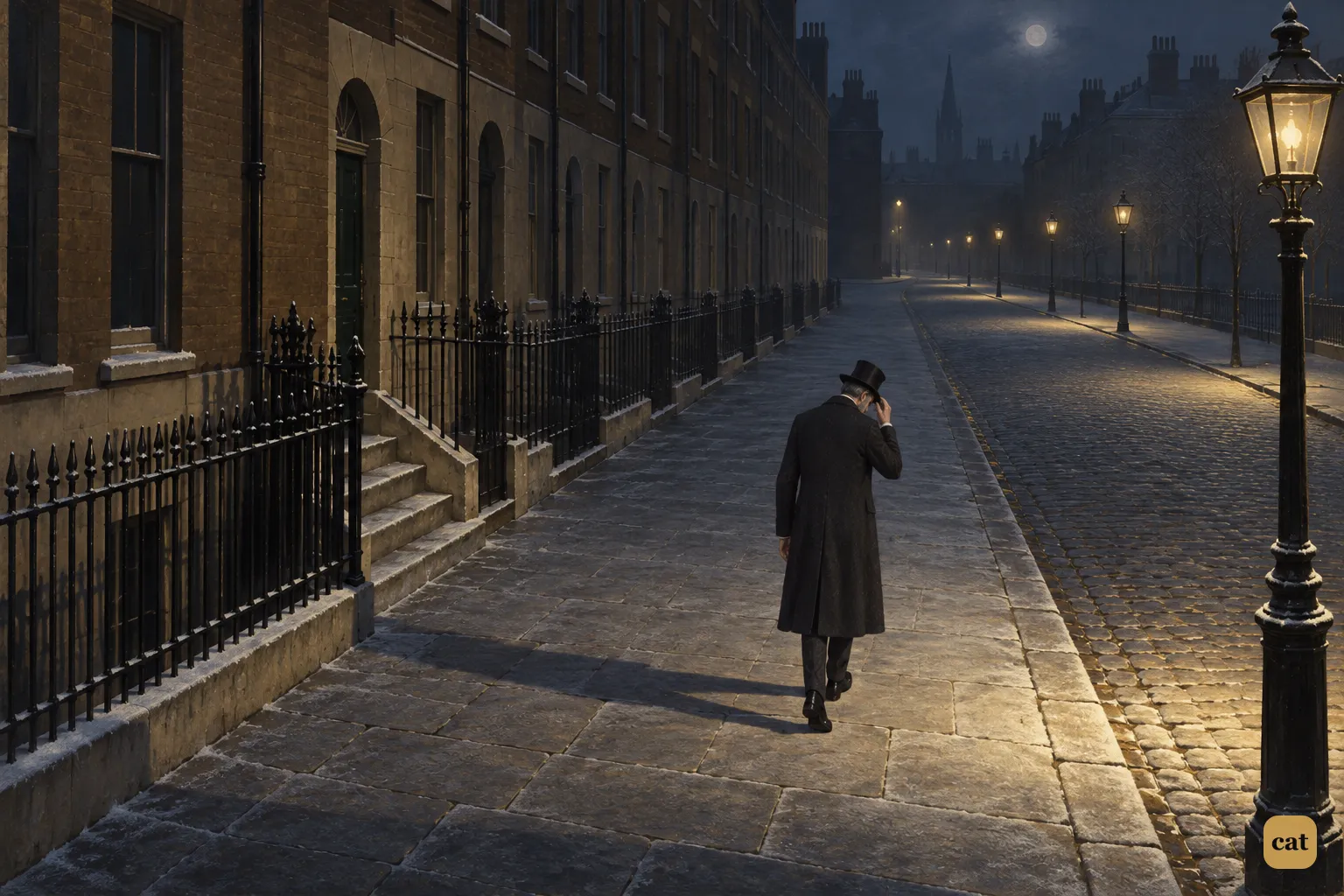
Gaunt Street at nightfall
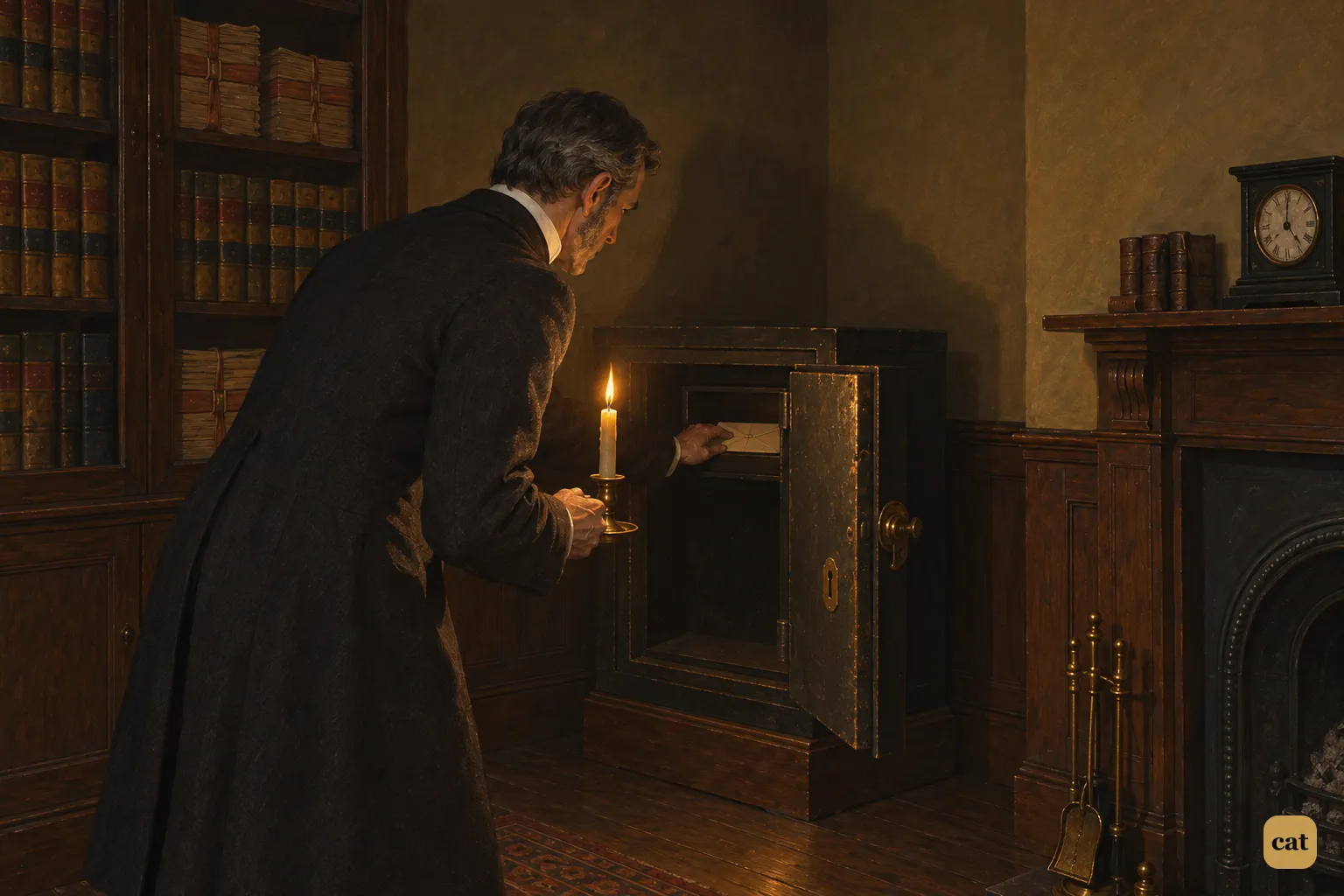
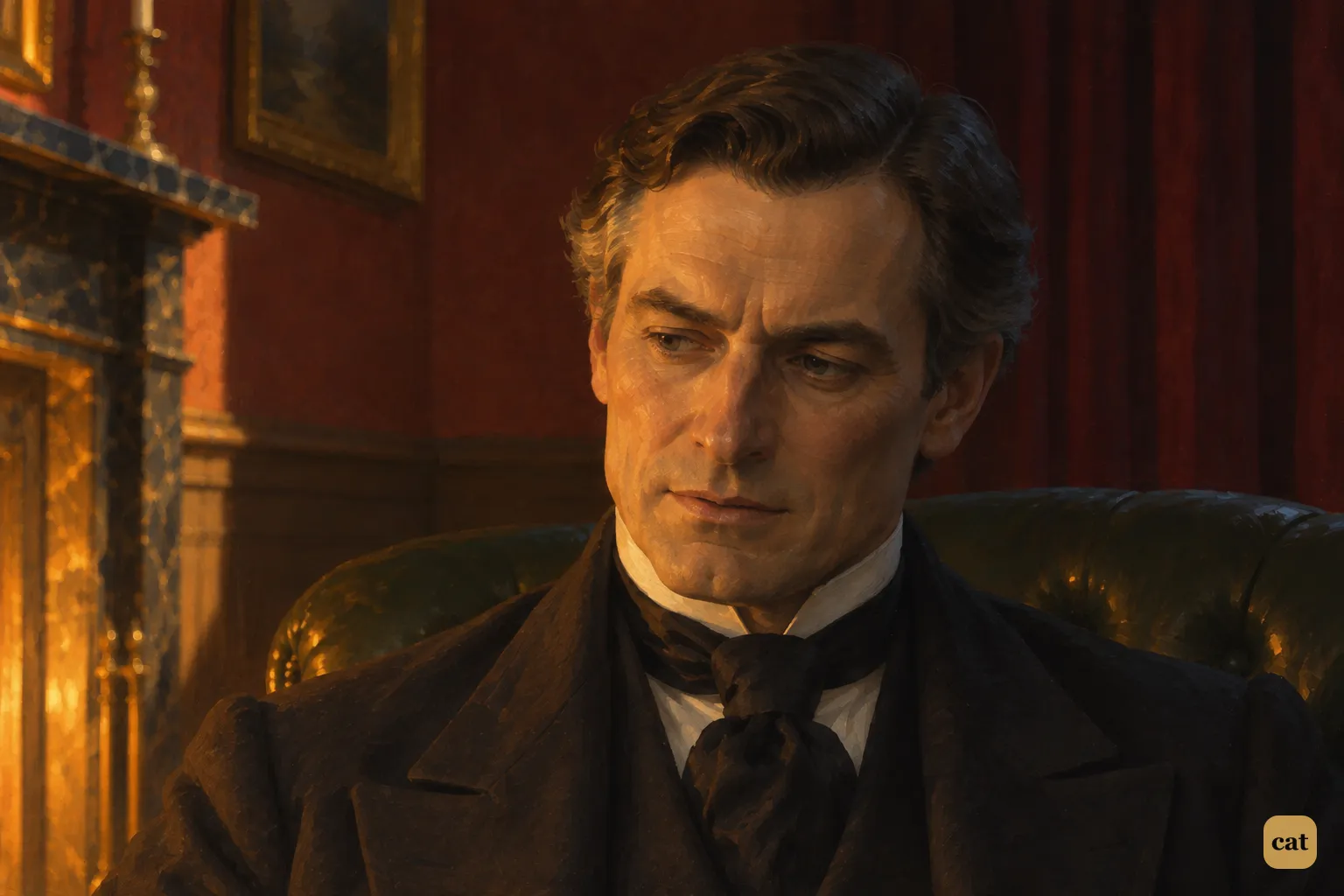
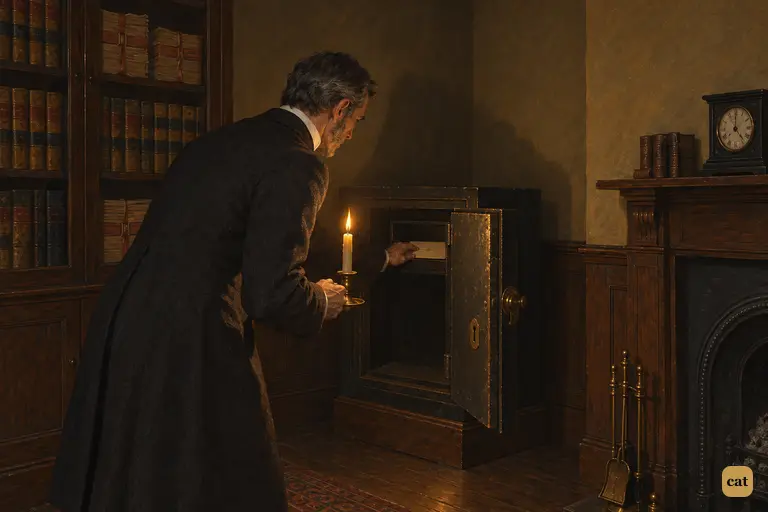
That evening Mr. Utterson came home to his bachelor house in sombre spirits and sat down to dinner without relish. It was his custom of a Sunday, when this meal was over, to sit close by the fire, a volume of some dry divinity on his reading desk, until the clock of the neighbouring church rang out the hour of twelve, when he would go soberly and gratefully to bed. On this night however, as soon as the cloth was taken away, he took up a candle and went into his business room. There he opened his safe, took from the most private part of it a document endorsed on the envelope as Dr. Jekyll’s Will and sat down with a clouded brow to study its contents. The will was holograph, for Mr. Utterson though he took charge of it now that it was made, had refused to lend the least assistance in the making of it; it provided not only that, in case of the decease of Henry Jekyll, M.D., D.C.L., L.L.D., F.R.S., etc., all his possessions were to pass into the hands of his “friend and benefactor Edward Hyde,” but that in case of Dr. Jekyll’s “disappearance or unexplained absence for any period exceeding three calendar months,” the said Edward Hyde should step into the said Henry Jekyll’s shoes without further delay and free from any burthen or obligation beyond the payment of a few small sums to the members of the doctor’s household. This document had long been the lawyer’s eyesore. It offended him both as a lawyer and as a lover of the sane and customary sides of life, to whom the fanciful was the immodest. And hitherto it was his ignorance of Mr. Hyde that had swelled his indignation; now, by a sudden turn, it was his knowledge. It was already bad enough when the name was but a name of which he could learn no more. It was worse when it began to be clothed upon with detestable attributes; and out of the shifting, insubstantial mists that had so long baffled his eye, there leaped up the sudden, definite presentment of a fiend.
Read from here → -
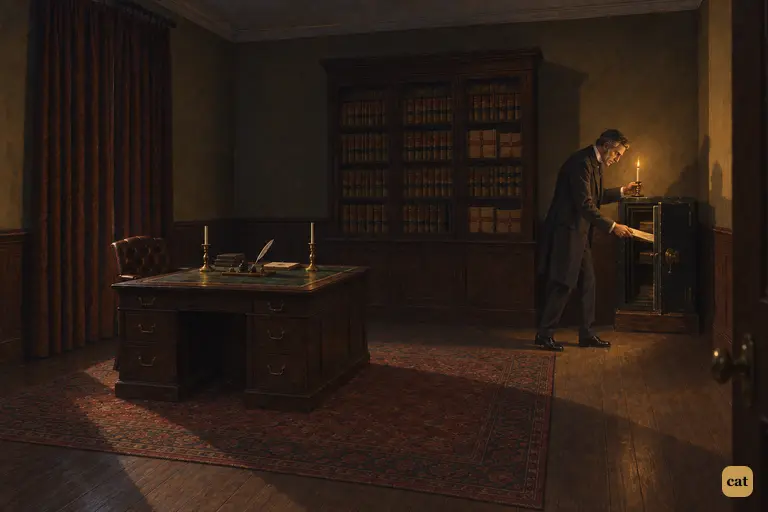
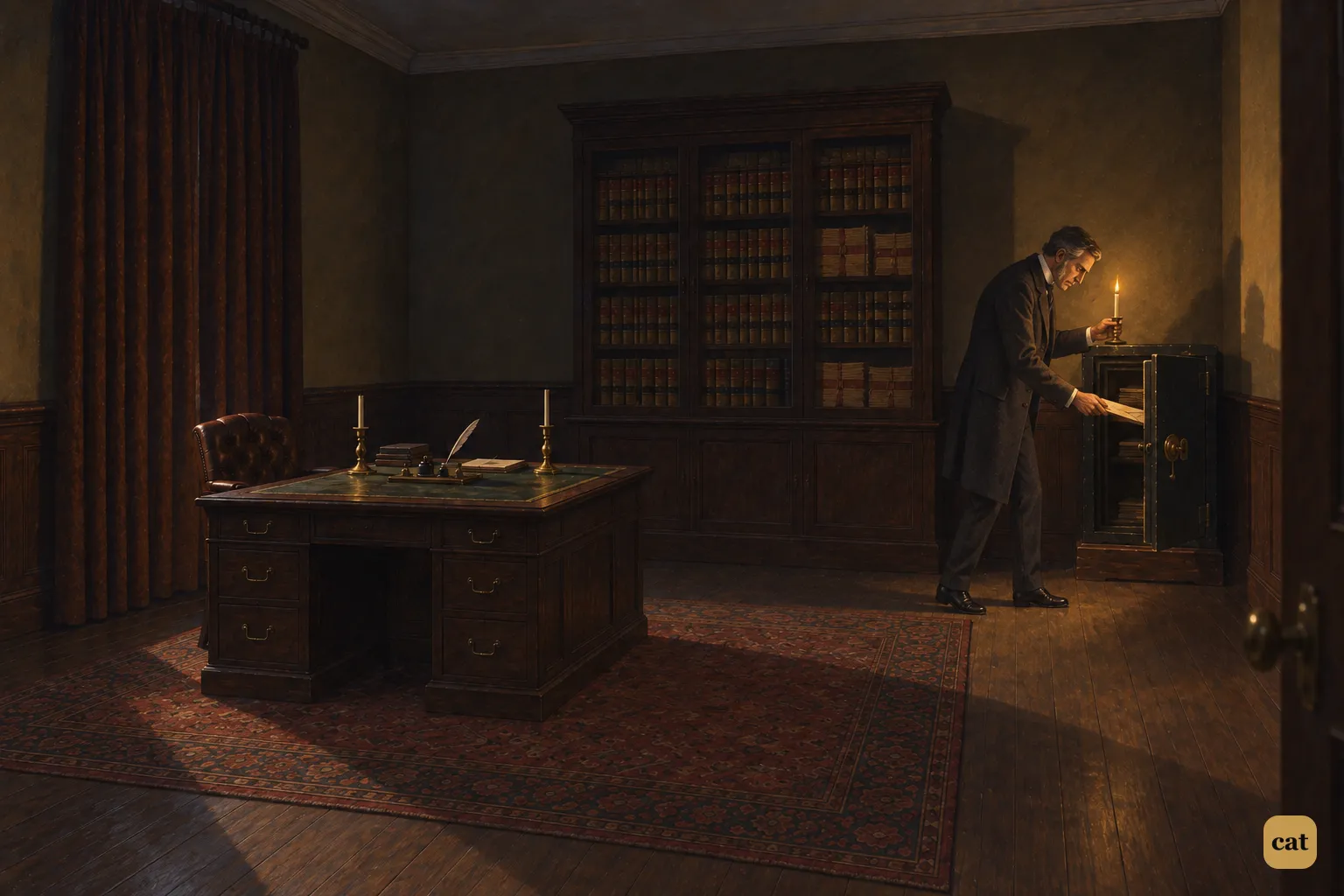
Candle at the safe
That evening Mr. Utterson came home to his bachelor house in sombre spirits and sat down to dinner without relish. It was his custom of a Sunday, when this meal was over, to sit close by the fire, a volume of some dry divinity on his reading desk, until the clock of the neighbouring church rang out the hour of twelve, when he would go soberly and gratefully to bed. On this night however, as soon as the cloth was taken away, he took up a candle and went into his business room. There he opened his safe, took from the most private part of it a document endorsed on the envelope as Dr. Jekyll’s Will and sat down with a clouded brow to study its contents. The will was holograph, for Mr. Utterson though he took charge of it now that it was made, had refused to lend the least assistance in the making of it; it provided not only that, in case of the decease of Henry Jekyll, M.D., D.C.L., L.L.D., F.R.S., etc., all his possessions were to pass into the hands of his “friend and benefactor Edward Hyde,” but that in case of Dr. Jekyll’s “disappearance or unexplained absence for any period exceeding three calendar months,” the said Edward Hyde should step into the said Henry Jekyll’s shoes without further delay and free from any burthen or obligation beyond the payment of a few small sums to the members of the doctor’s household. This document had long been the lawyer’s eyesore. It offended him both as a lawyer and as a lover of the sane and customary sides of life, to whom the fanciful was the immodest. And hitherto it was his ignorance of Mr. Hyde that had swelled his indignation; now, by a sudden turn, it was his knowledge. It was already bad enough when the name was but a name of which he could learn no more. It was worse when it began to be clothed upon with detestable attributes; and out of the shifting, insubstantial mists that had so long baffled his eye, there leaped up the sudden, definite presentment of a fiend.
Read from here → -
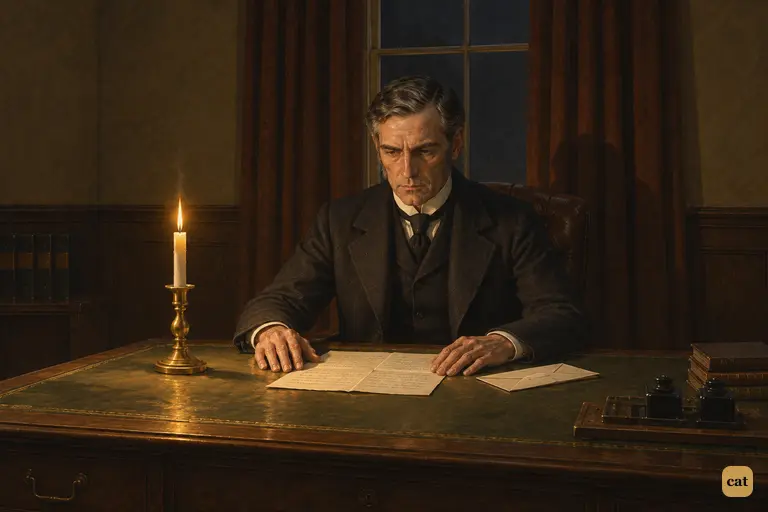
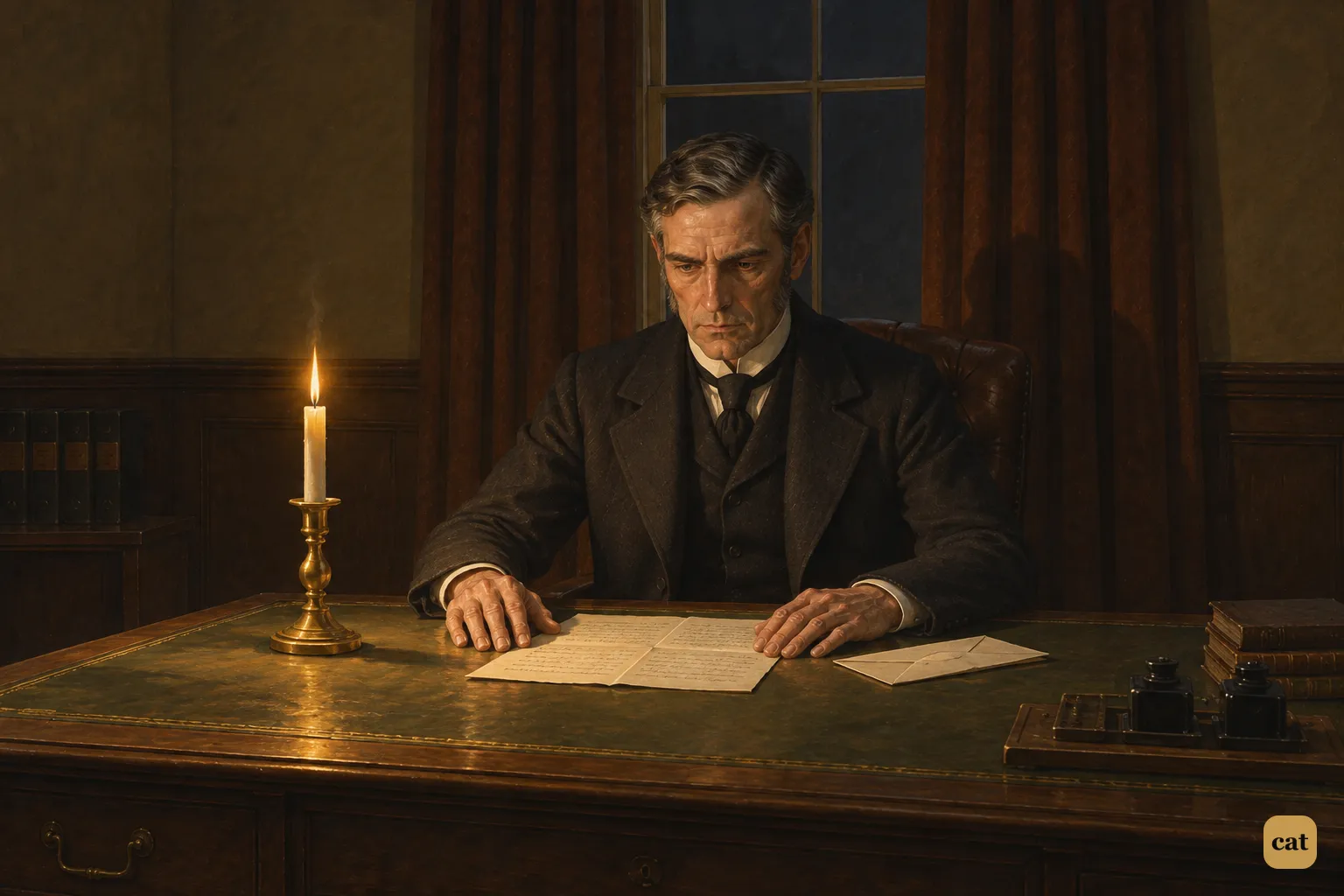
Studying the will
That evening Mr. Utterson came home to his bachelor house in sombre spirits and sat down to dinner without relish. It was his custom of a Sunday, when this meal was over, to sit close by the fire, a volume of some dry divinity on his reading desk, until the clock of the neighbouring church rang out the hour of twelve, when he would go soberly and gratefully to bed. On this night however, as soon as the cloth was taken away, he took up a candle and went into his business room. There he opened his safe, took from the most private part of it a document endorsed on the envelope as Dr. Jekyll’s Will and sat down with a clouded brow to study its contents. The will was holograph, for Mr. Utterson though he took charge of it now that it was made, had refused to lend the least assistance in the making of it; it provided not only that, in case of the decease of Henry Jekyll, M.D., D.C.L., L.L.D., F.R.S., etc., all his possessions were to pass into the hands of his “friend and benefactor Edward Hyde,” but that in case of Dr. Jekyll’s “disappearance or unexplained absence for any period exceeding three calendar months,” the said Edward Hyde should step into the said Henry Jekyll’s shoes without further delay and free from any burthen or obligation beyond the payment of a few small sums to the members of the doctor’s household. This document had long been the lawyer’s eyesore. It offended him both as a lawyer and as a lover of the sane and customary sides of life, to whom the fanciful was the immodest. And hitherto it was his ignorance of Mr. Hyde that had swelled his indignation; now, by a sudden turn, it was his knowledge. It was already bad enough when the name was but a name of which he could learn no more. It was worse when it began to be clothed upon with detestable attributes; and out of the shifting, insubstantial mists that had so long baffled his eye, there leaped up the sudden, definite presentment of a fiend.
Read from here → -
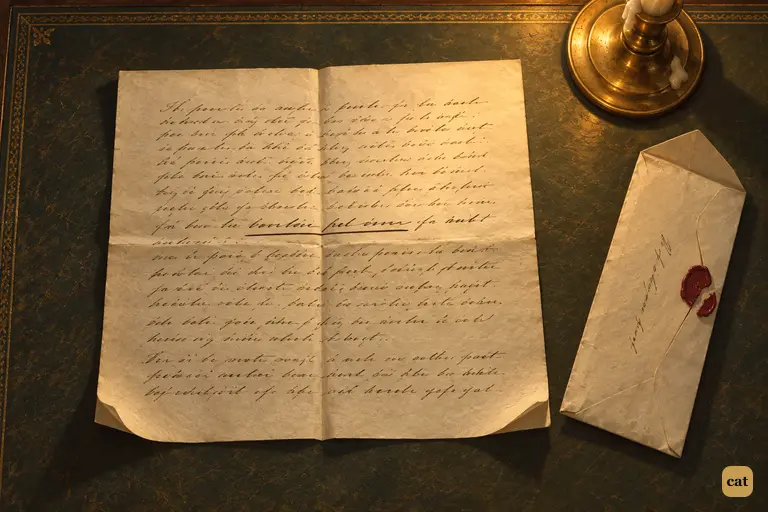
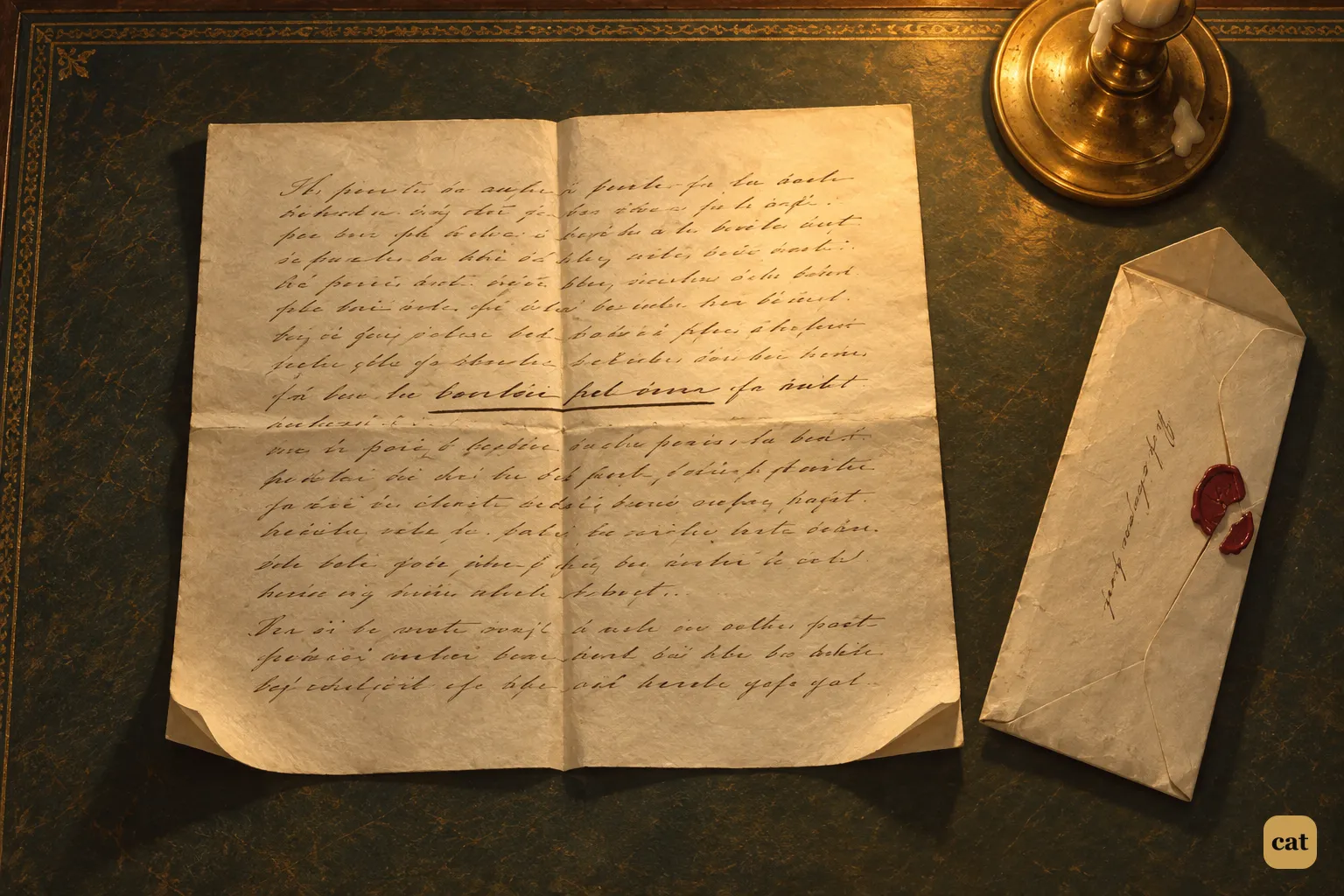
Friend and benefactor
That evening Mr. Utterson came home to his bachelor house in sombre spirits and sat down to dinner without relish. It was his custom of a Sunday, when this meal was over, to sit close by the fire, a volume of some dry divinity on his reading desk, until the clock of the neighbouring church rang out the hour of twelve, when he would go soberly and gratefully to bed. On this night however, as soon as the cloth was taken away, he took up a candle and went into his business room. There he opened his safe, took from the most private part of it a document endorsed on the envelope as Dr. Jekyll’s Will and sat down with a clouded brow to study its contents. The will was holograph, for Mr. Utterson though he took charge of it now that it was made, had refused to lend the least assistance in the making of it; it provided not only that, in case of the decease of Henry Jekyll, M.D., D.C.L., L.L.D., F.R.S., etc., all his possessions were to pass into the hands of his “friend and benefactor Edward Hyde,” but that in case of Dr. Jekyll’s “disappearance or unexplained absence for any period exceeding three calendar months,” the said Edward Hyde should step into the said Henry Jekyll’s shoes without further delay and free from any burthen or obligation beyond the payment of a few small sums to the members of the doctor’s household. This document had long been the lawyer’s eyesore. It offended him both as a lawyer and as a lover of the sane and customary sides of life, to whom the fanciful was the immodest. And hitherto it was his ignorance of Mr. Hyde that had swelled his indignation; now, by a sudden turn, it was his knowledge. It was already bad enough when the name was but a name of which he could learn no more. It was worse when it began to be clothed upon with detestable attributes; and out of the shifting, insubstantial mists that had so long baffled his eye, there leaped up the sudden, definite presentment of a fiend.
Read from here → -
Madness or disgrace
“I thought it was madness,” he said, as he replaced the obnoxious paper in the safe, “and now I begin to fear it is disgrace.”
Read from here → -
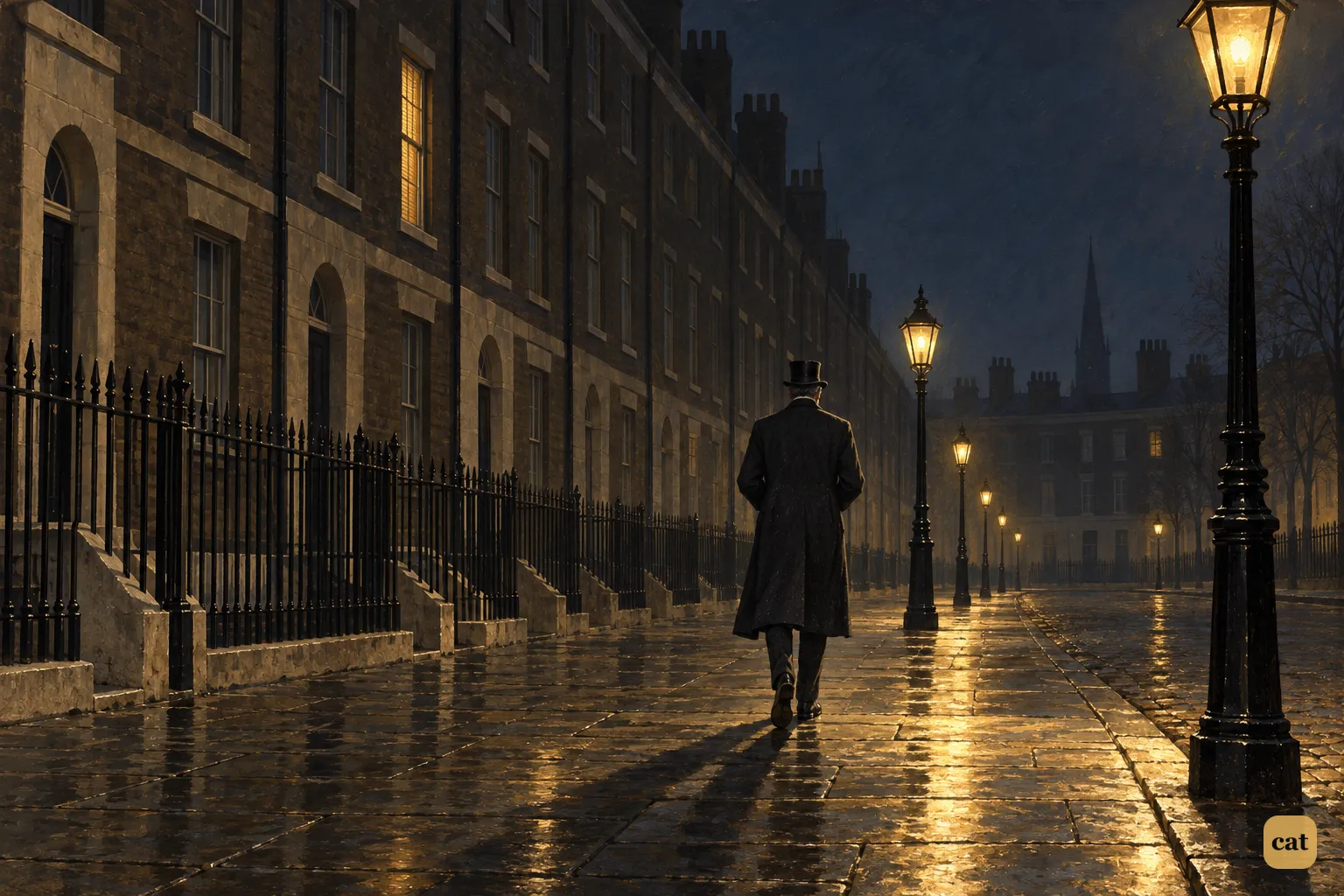
Toward Cavendish Square
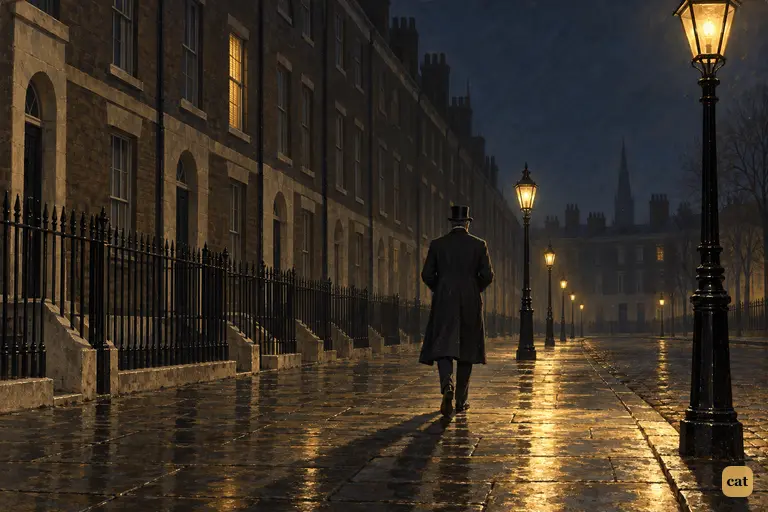
With that he blew out his candle, put on a greatcoat, and set forth in the direction of Cavendish Square, that citadel of medicine, where his friend, the great Dr. Lanyon, had his house and received his crowding patients. “If anyone knows, it will be Lanyon,” he had thought.
Read from here → -
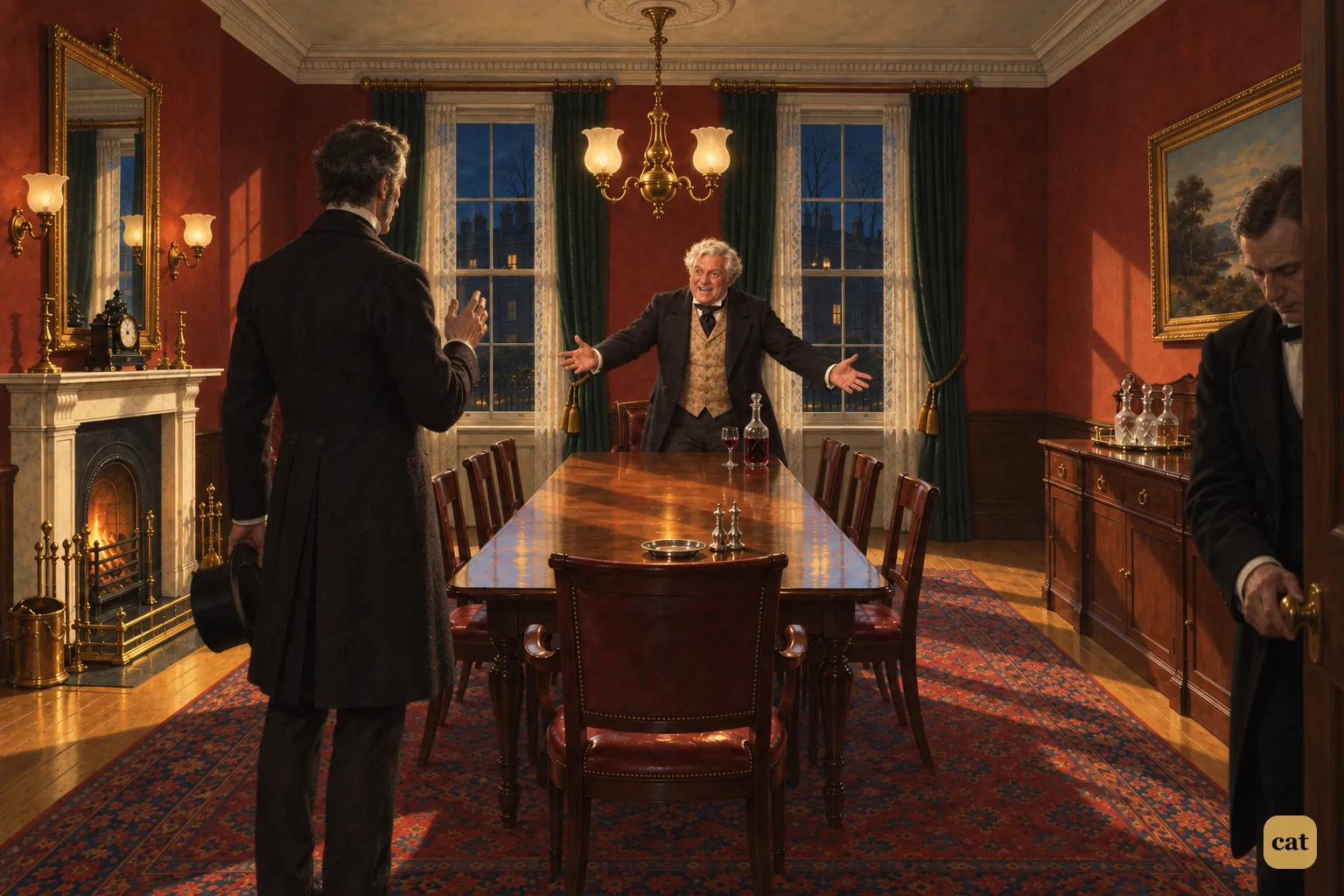
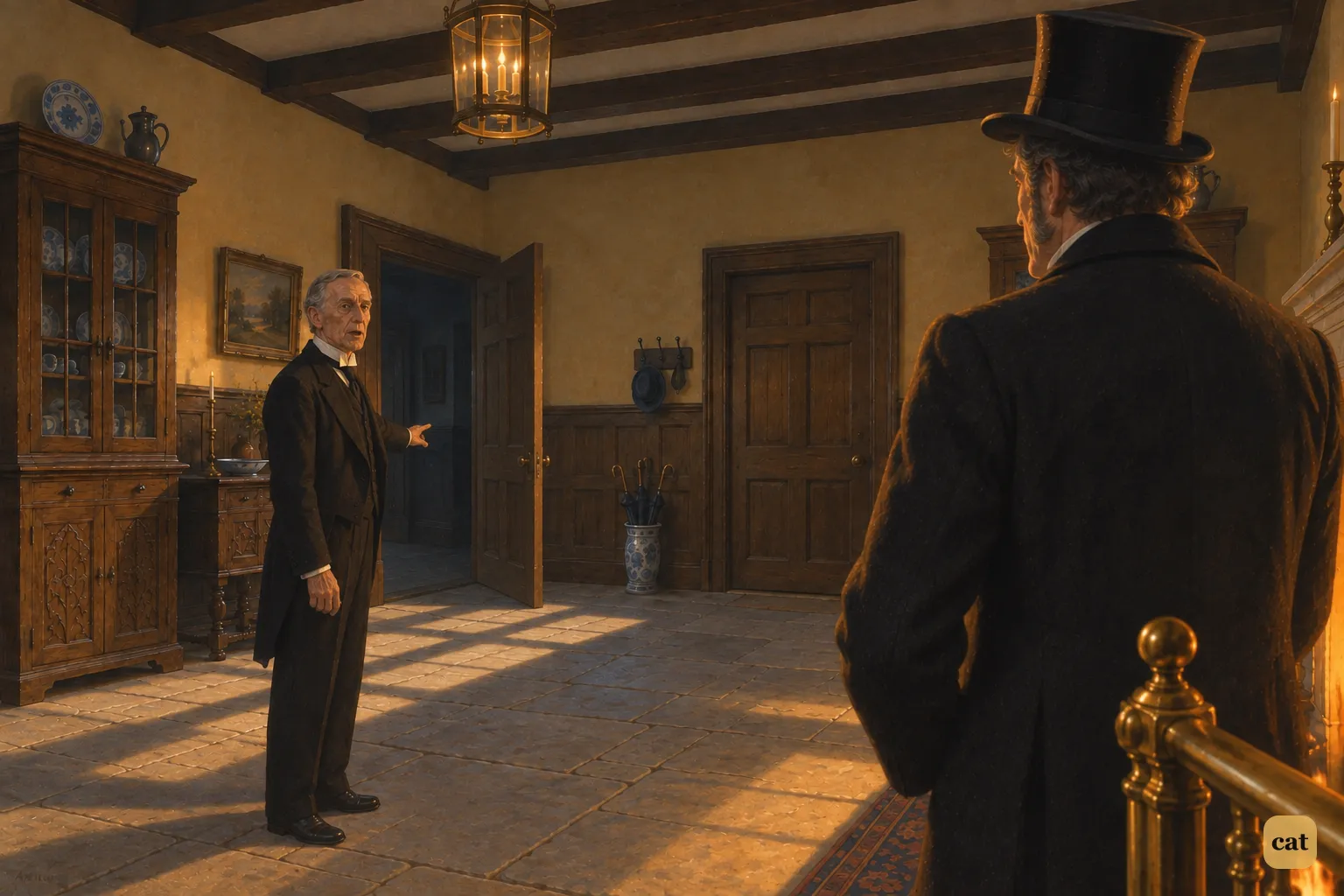
Welcome with both hands
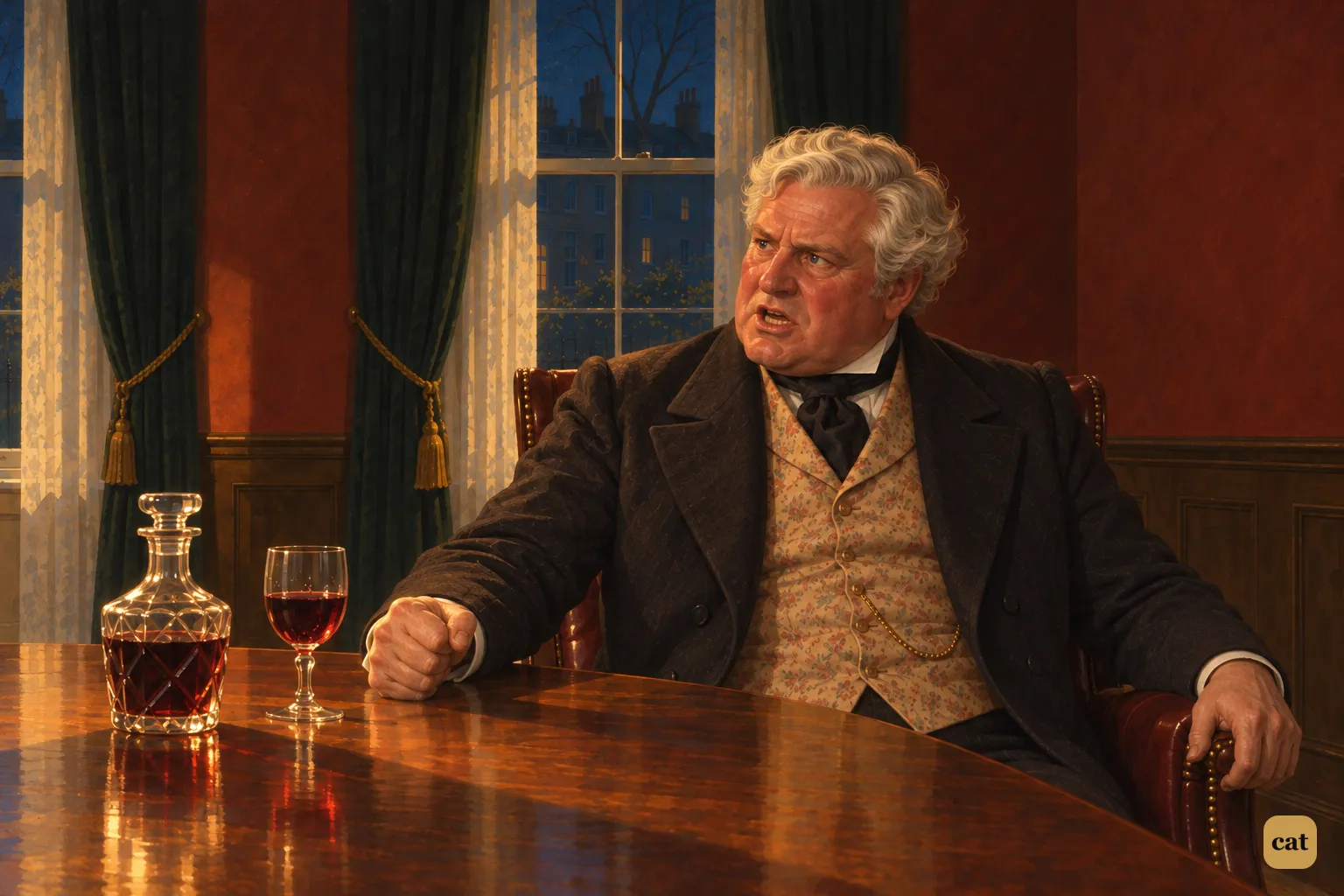
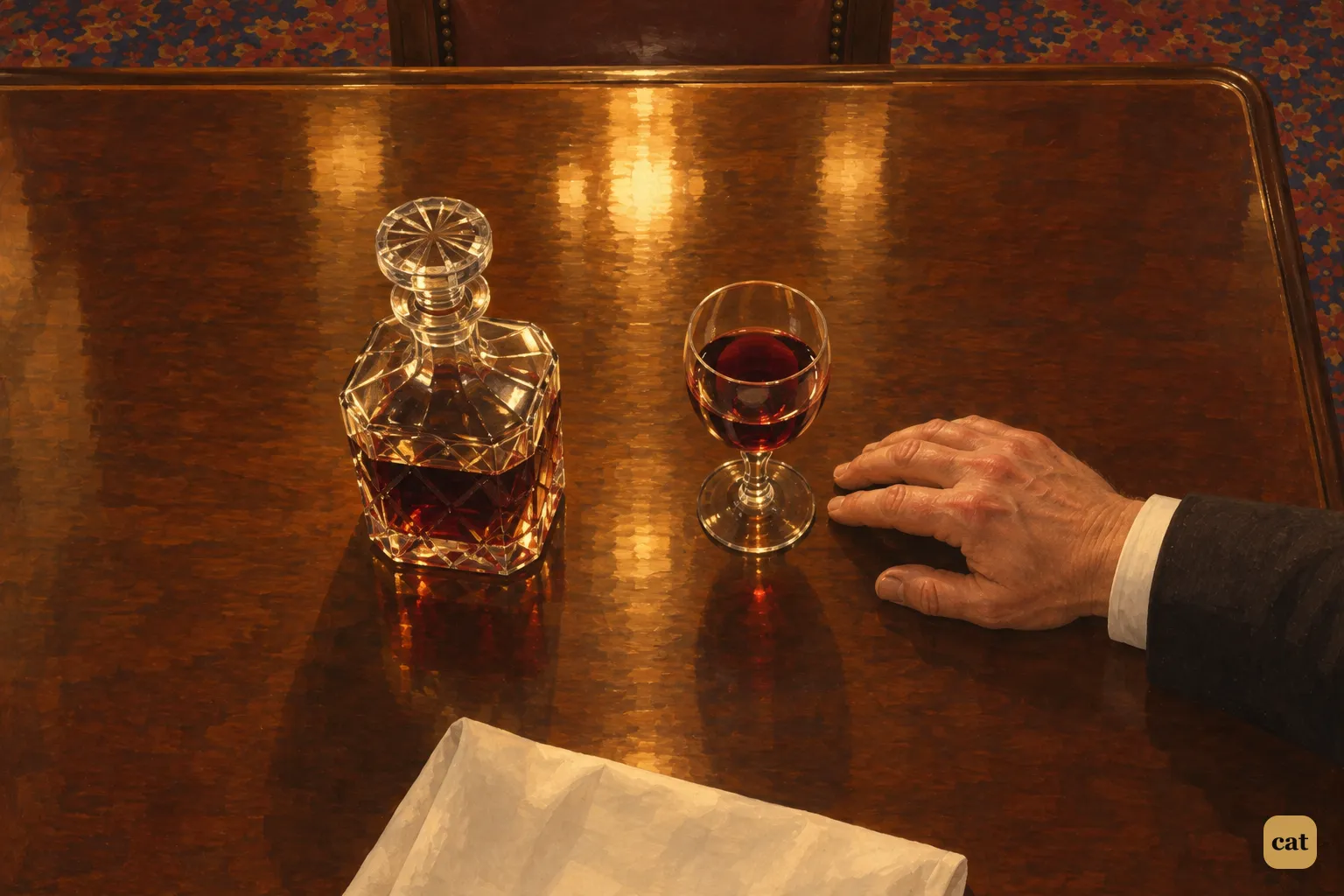
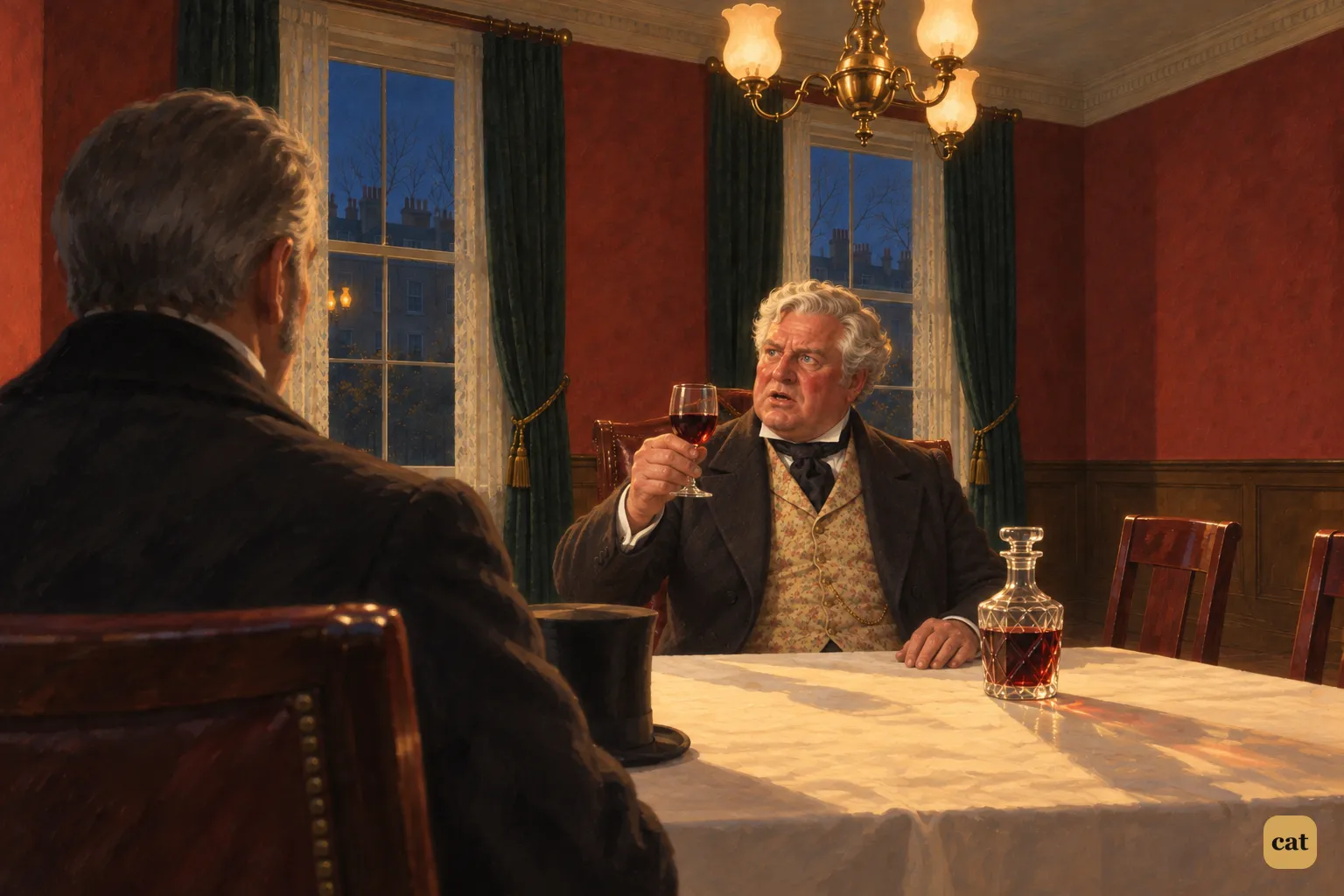
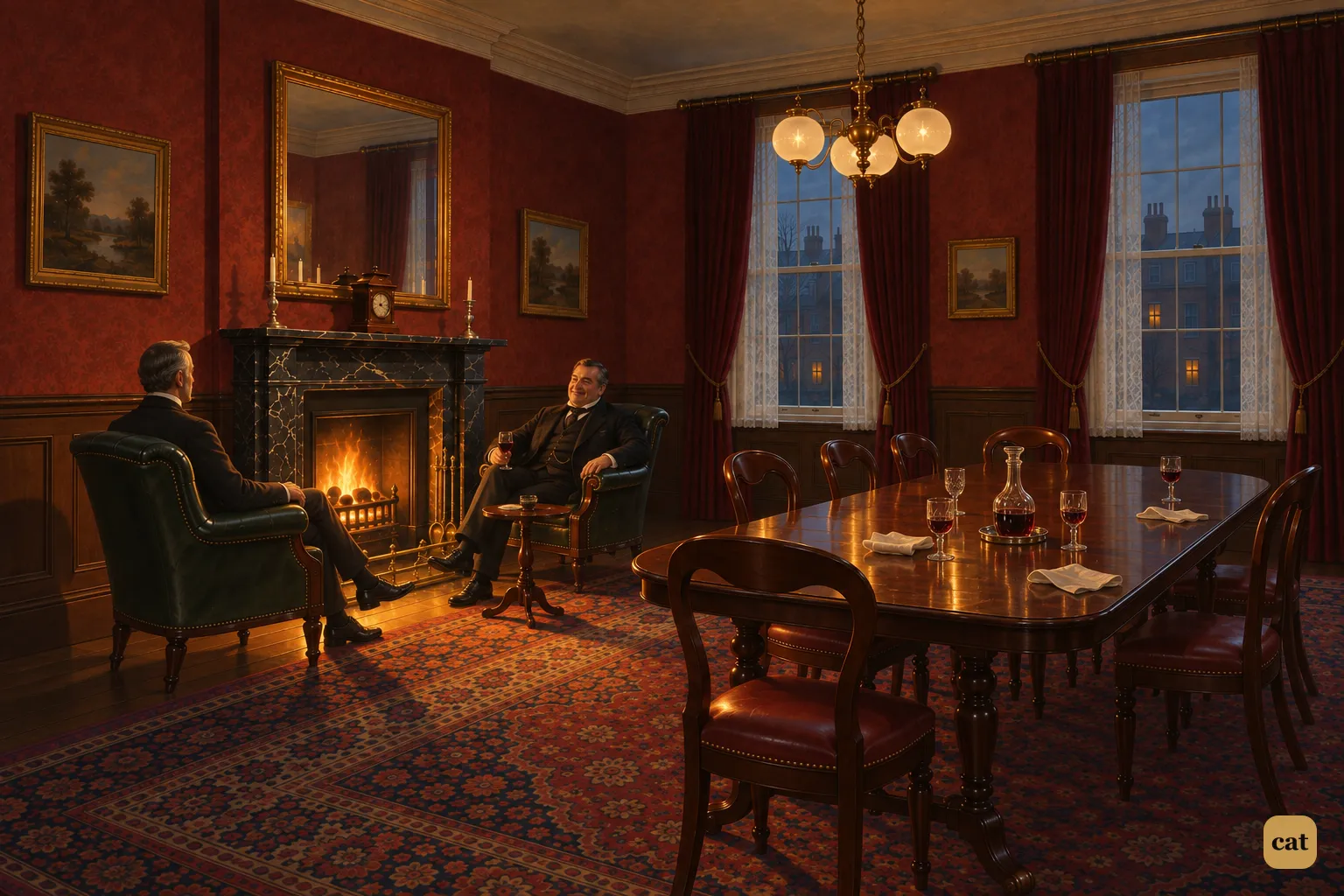
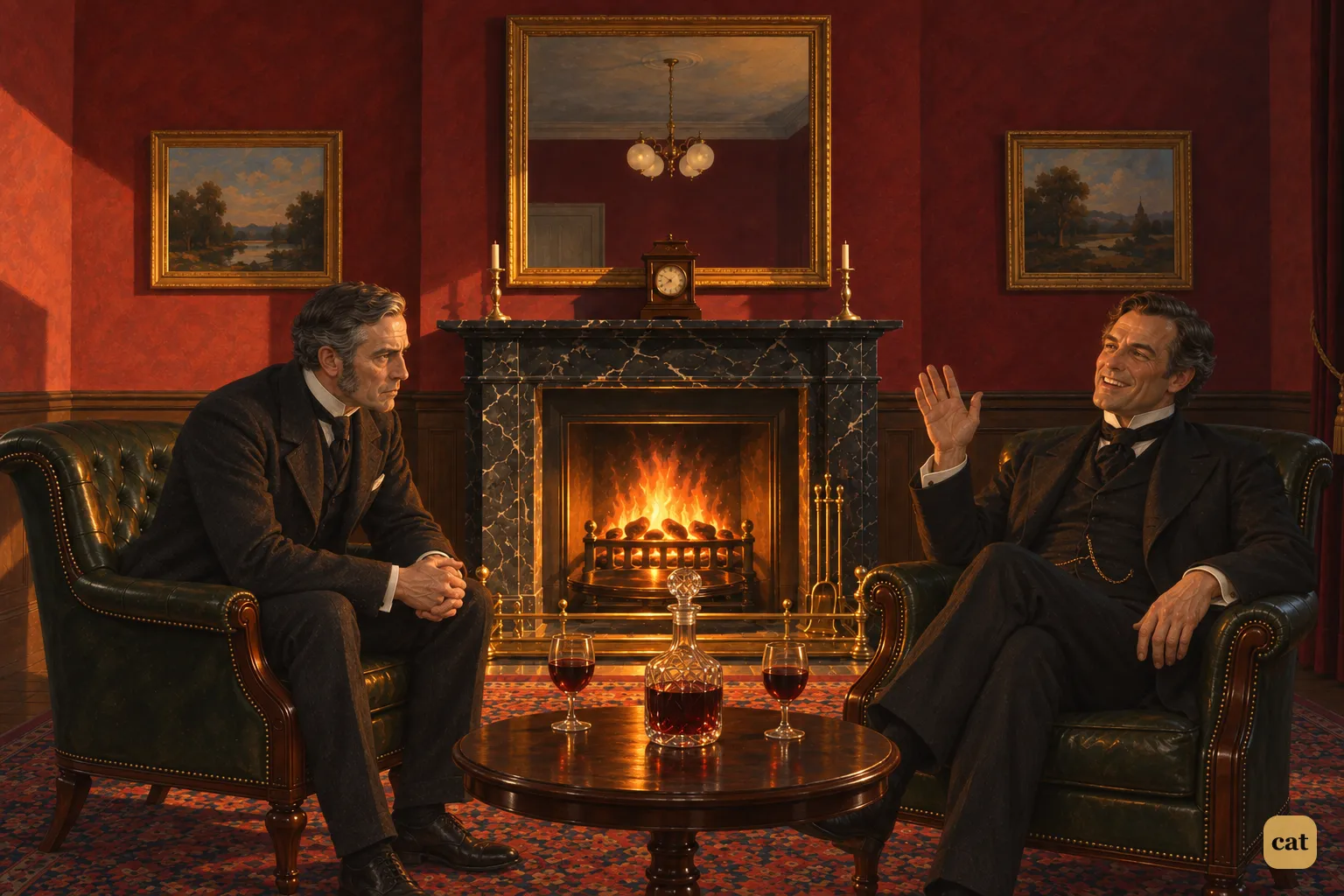
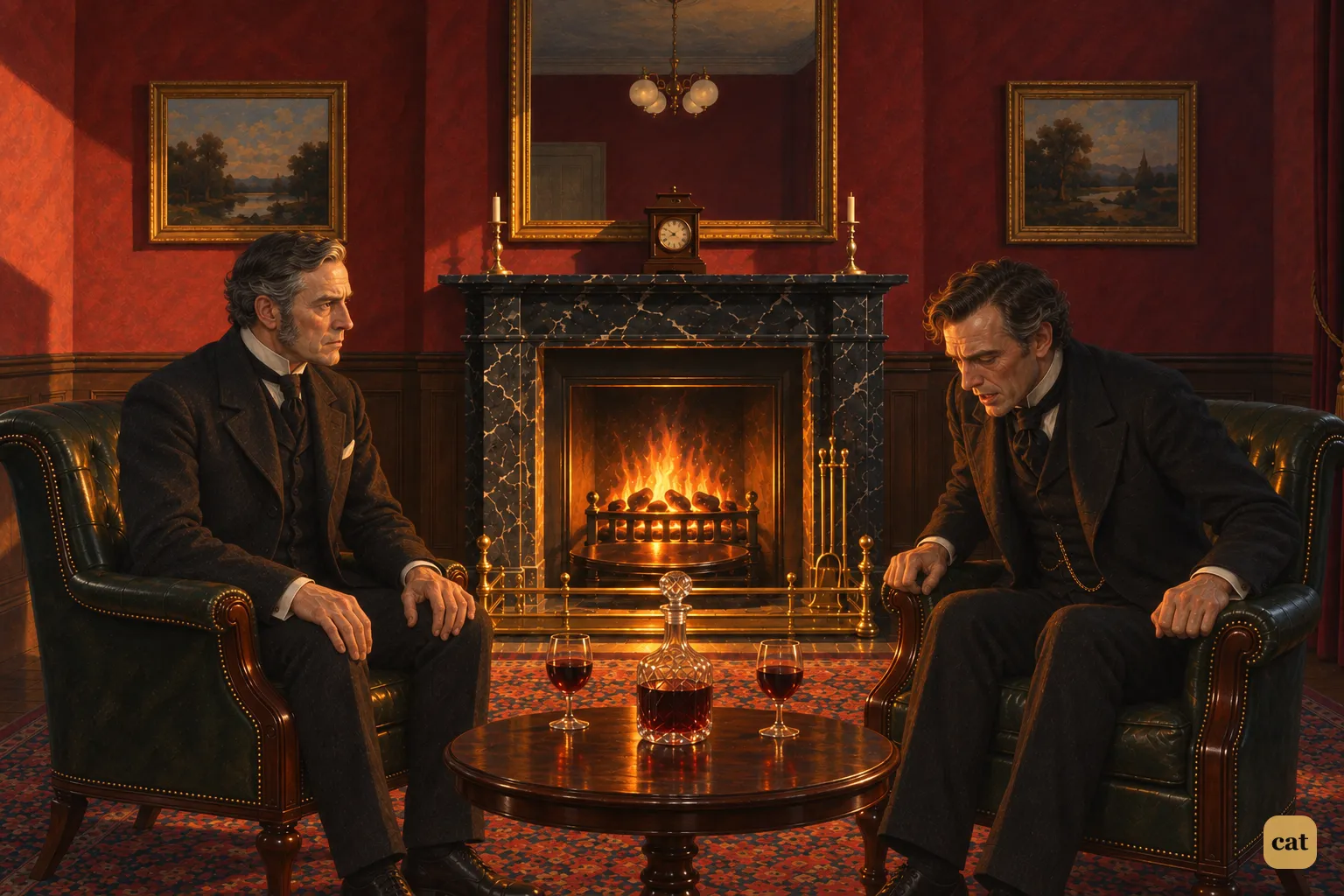
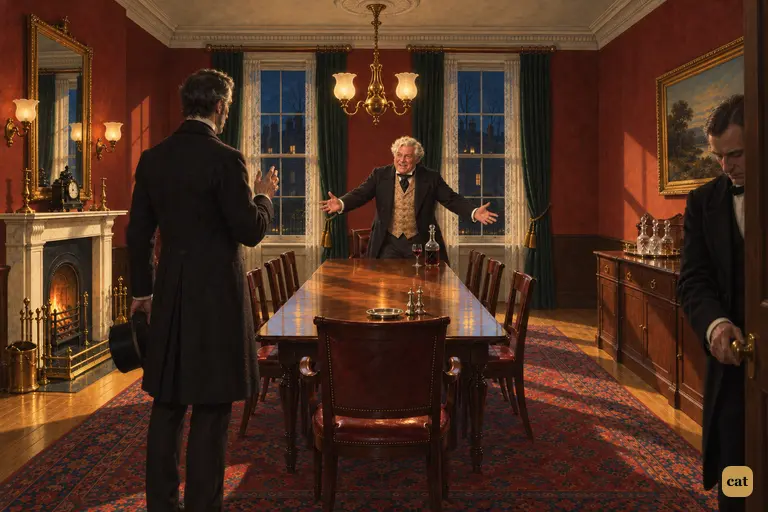
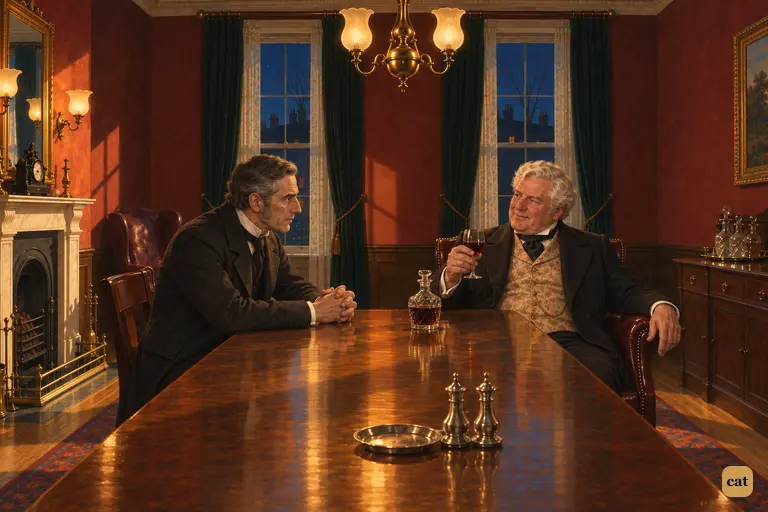
The solemn butler knew and welcomed him; he was subjected to no stage of delay, but ushered direct from the door to the dining-room where Dr. Lanyon sat alone over his wine. This was a hearty, healthy, dapper, red-faced gentleman, with a shock of hair prematurely white, and a boisterous and decided manner. At sight of Mr. Utterson, he sprang up from his chair and welcomed him with both hands. The geniality, as was the way of the man, was somewhat theatrical to the eye; but it reposed on genuine feeling. For these two were old friends, old mates both at school and college, both thorough respecters of themselves and of each other, and what does not always follow, men who thoroughly enjoyed each other’s company.
Read from here → -
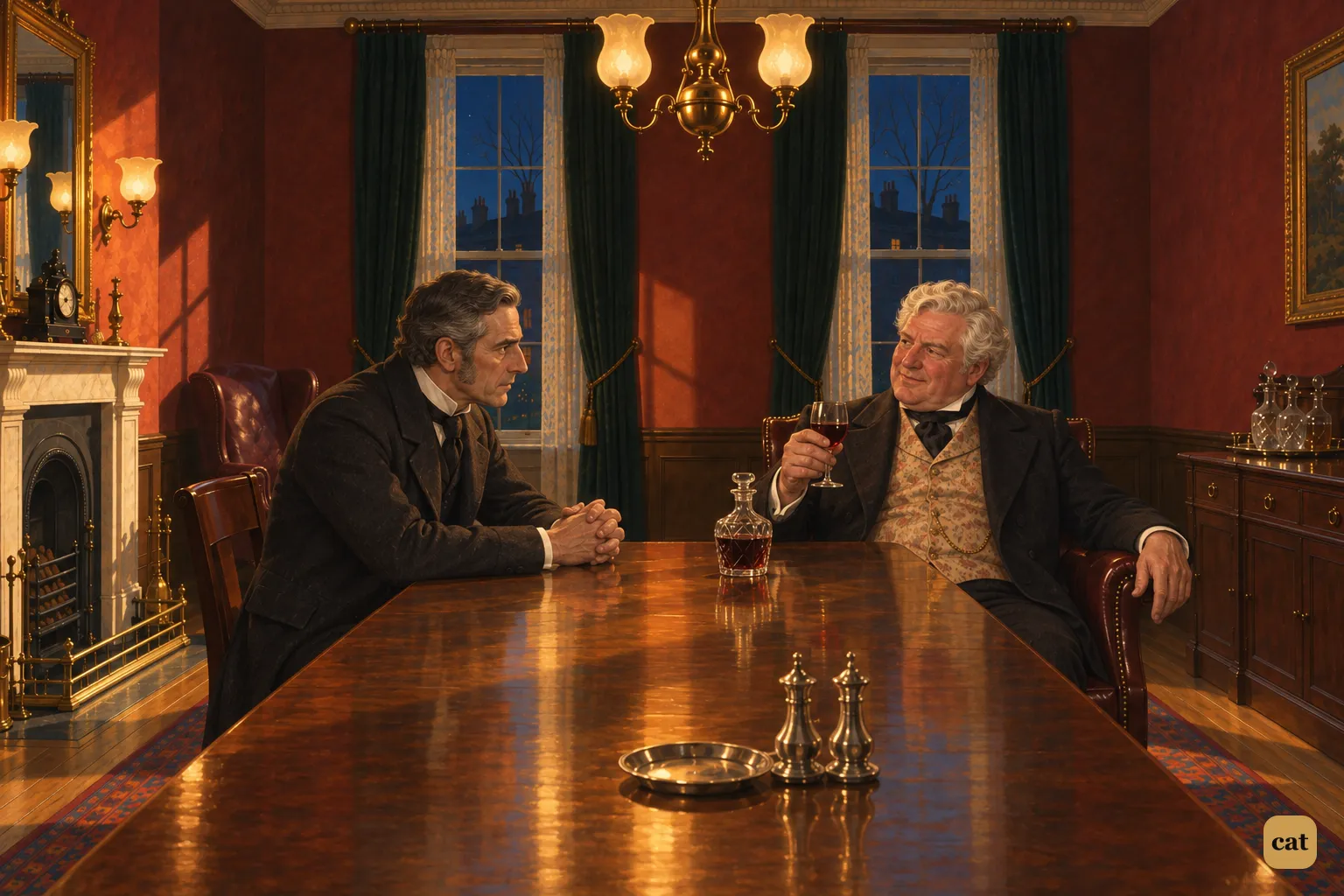
The two oldest friends
After a little rambling talk, the lawyer led up to the subject which so disagreeably preoccupied his mind.
Read from here → -
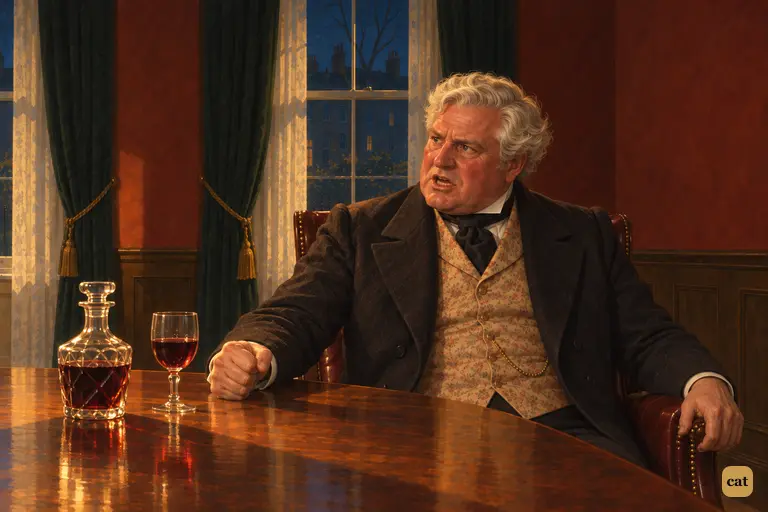
Unscientific balderdash
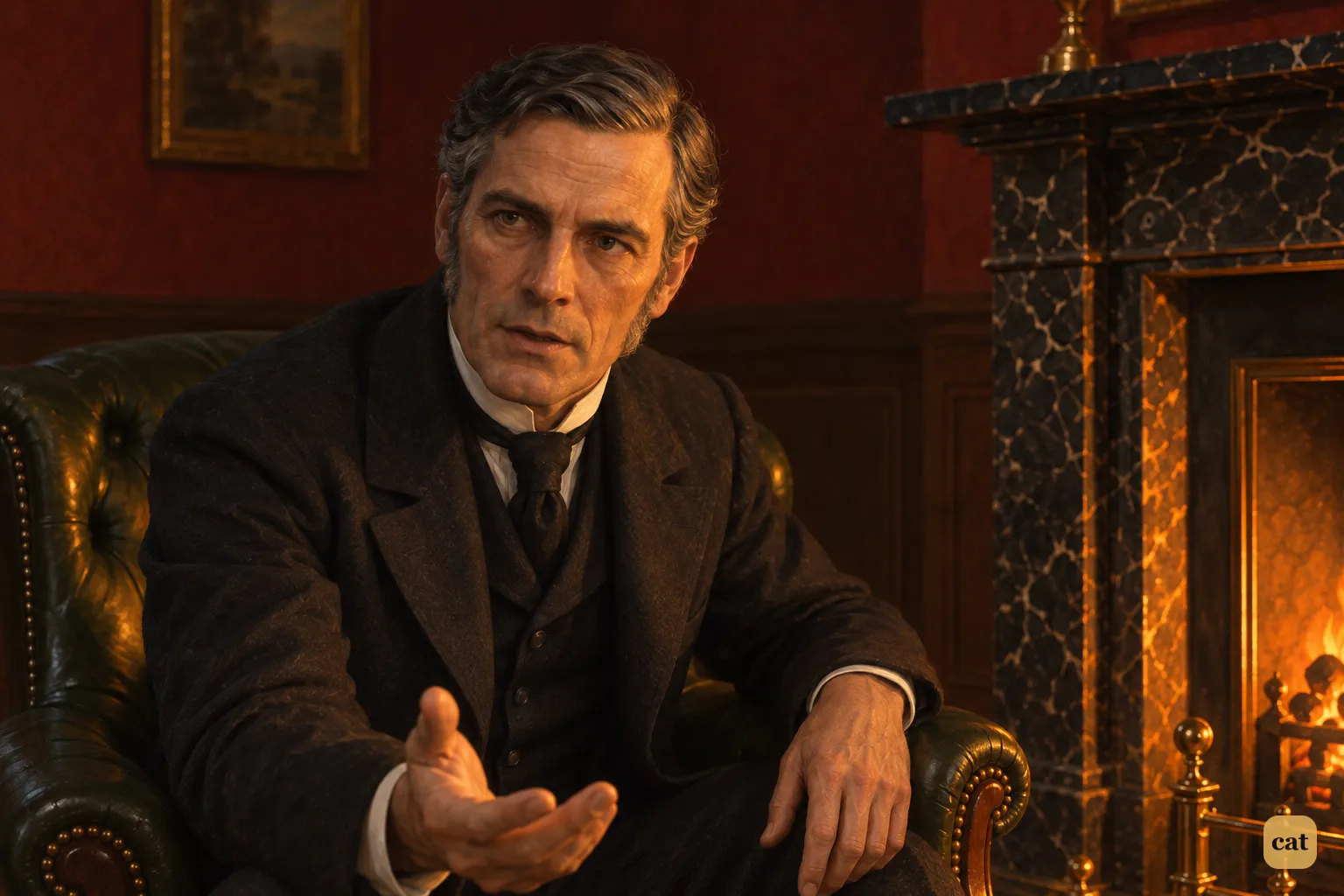
“We had,” was the reply. “But it is more than ten years since Henry Jekyll became too fanciful for me. He began to go wrong, wrong in mind; and though of course I continue to take an interest in him for old sake’s sake, as they say, I see and I have seen devilish little of the man. Such unscientific balderdash,” added the doctor, flushing suddenly purple, “would have estranged Damon and Pythias.”
Read from here → -
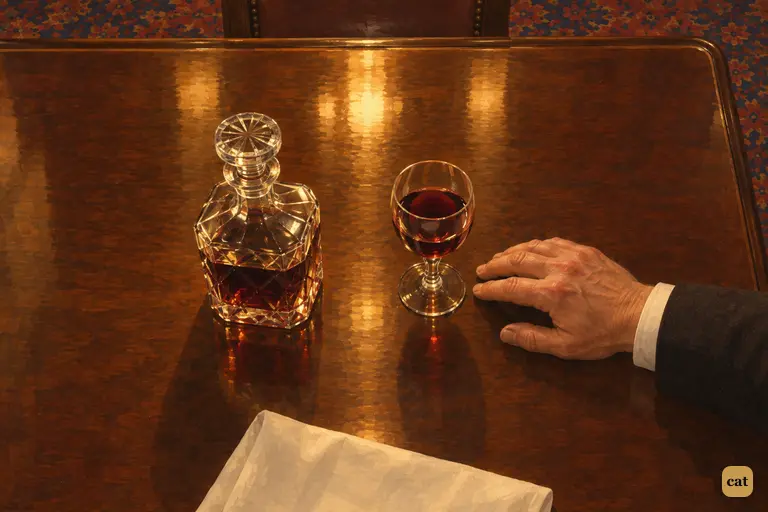
A pause over the wine
This little spirit of temper was somewhat of a relief to Mr. Utterson. “They have only differed on some point of science,” he thought; and being a man of no scientific passions (except in the matter of conveyancing), he even added: “It is nothing worse than that!” He gave his friend a few seconds to recover his composure, and then approached the question he had come to put. “Did you ever come across a protégé of his—one Hyde?” he asked.
Read from here → -
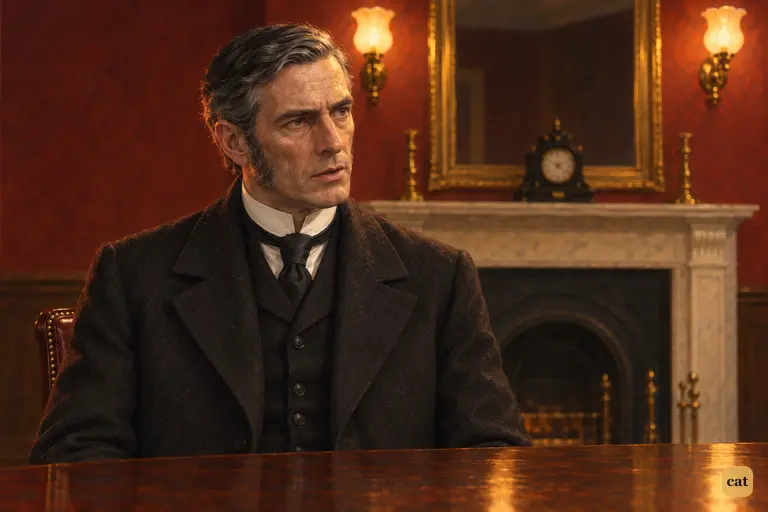
One Hyde?
This little spirit of temper was somewhat of a relief to Mr. Utterson. “They have only differed on some point of science,” he thought; and being a man of no scientific passions (except in the matter of conveyancing), he even added: “It is nothing worse than that!” He gave his friend a few seconds to recover his composure, and then approached the question he had come to put. “Did you ever come across a protégé of his—one Hyde?” he asked.
Read from here → -
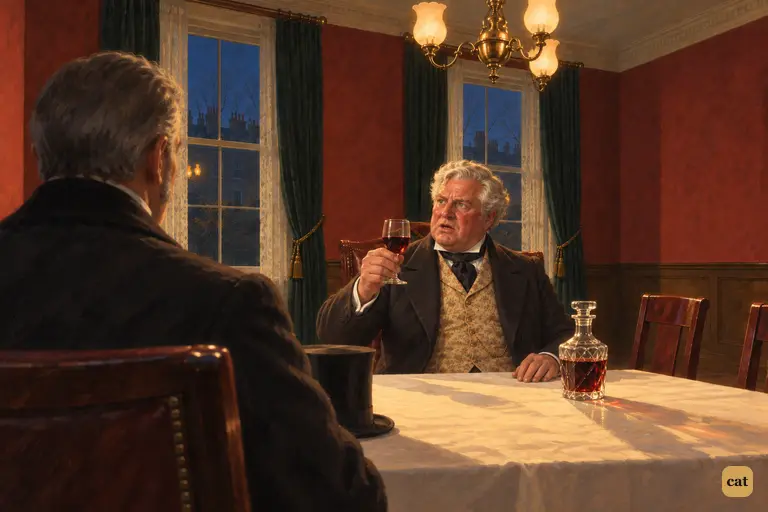
Never heard of him
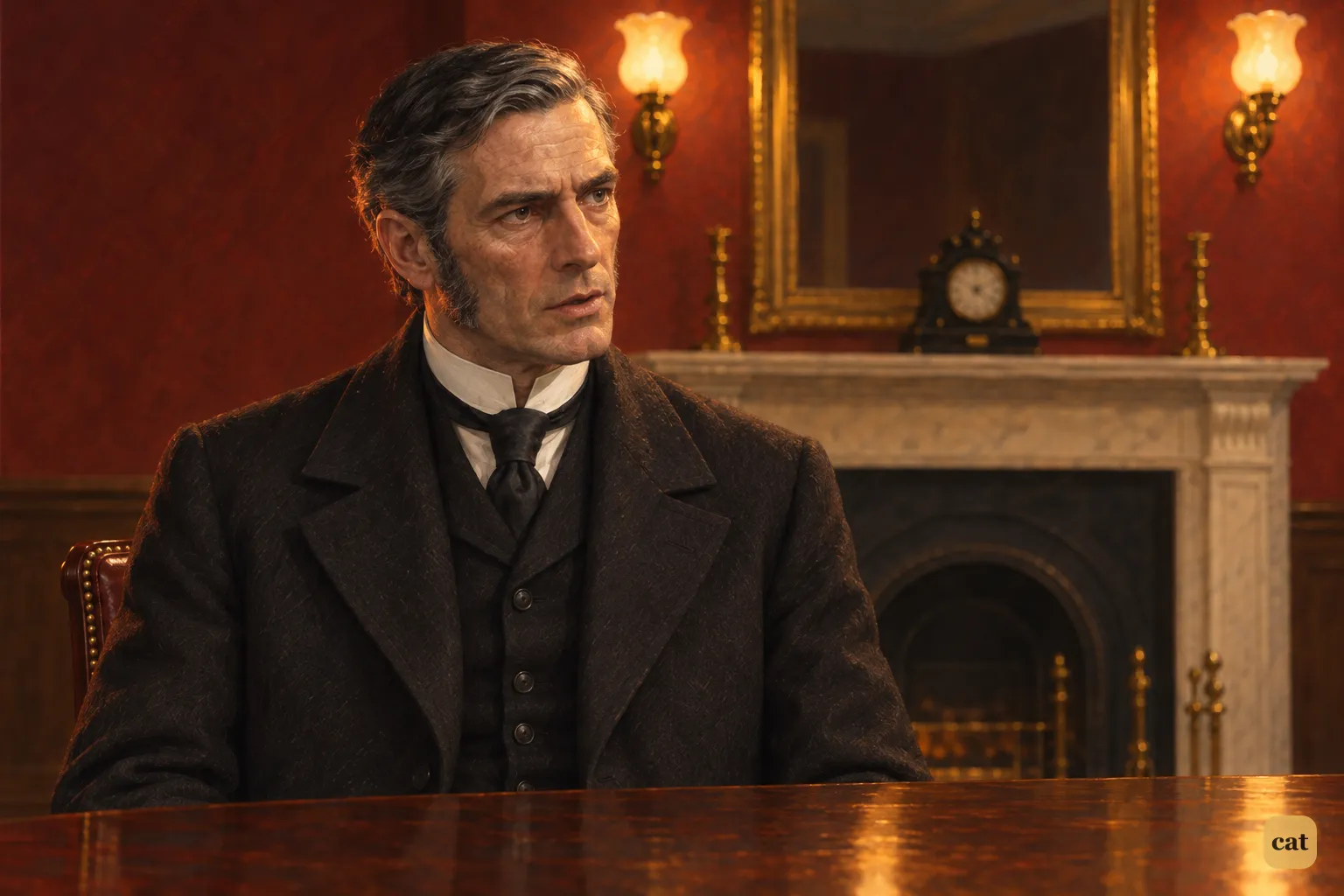
“Hyde?” repeated Lanyon. “No. Never heard of him. Since my time.”
Read from here → -
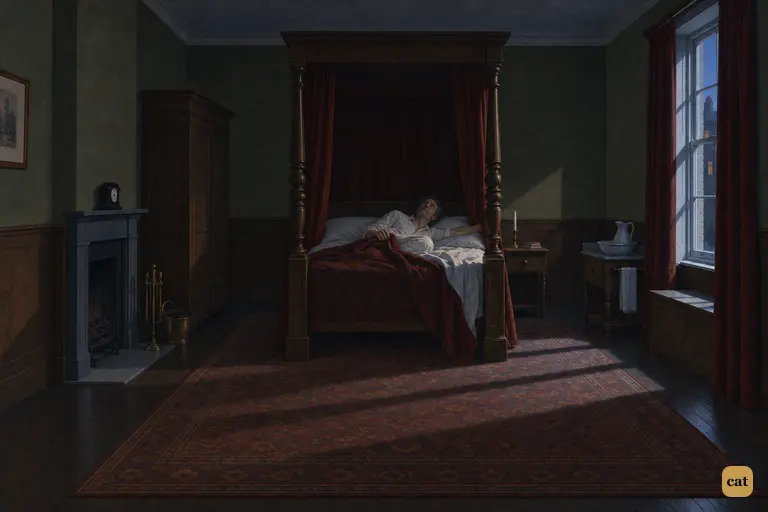
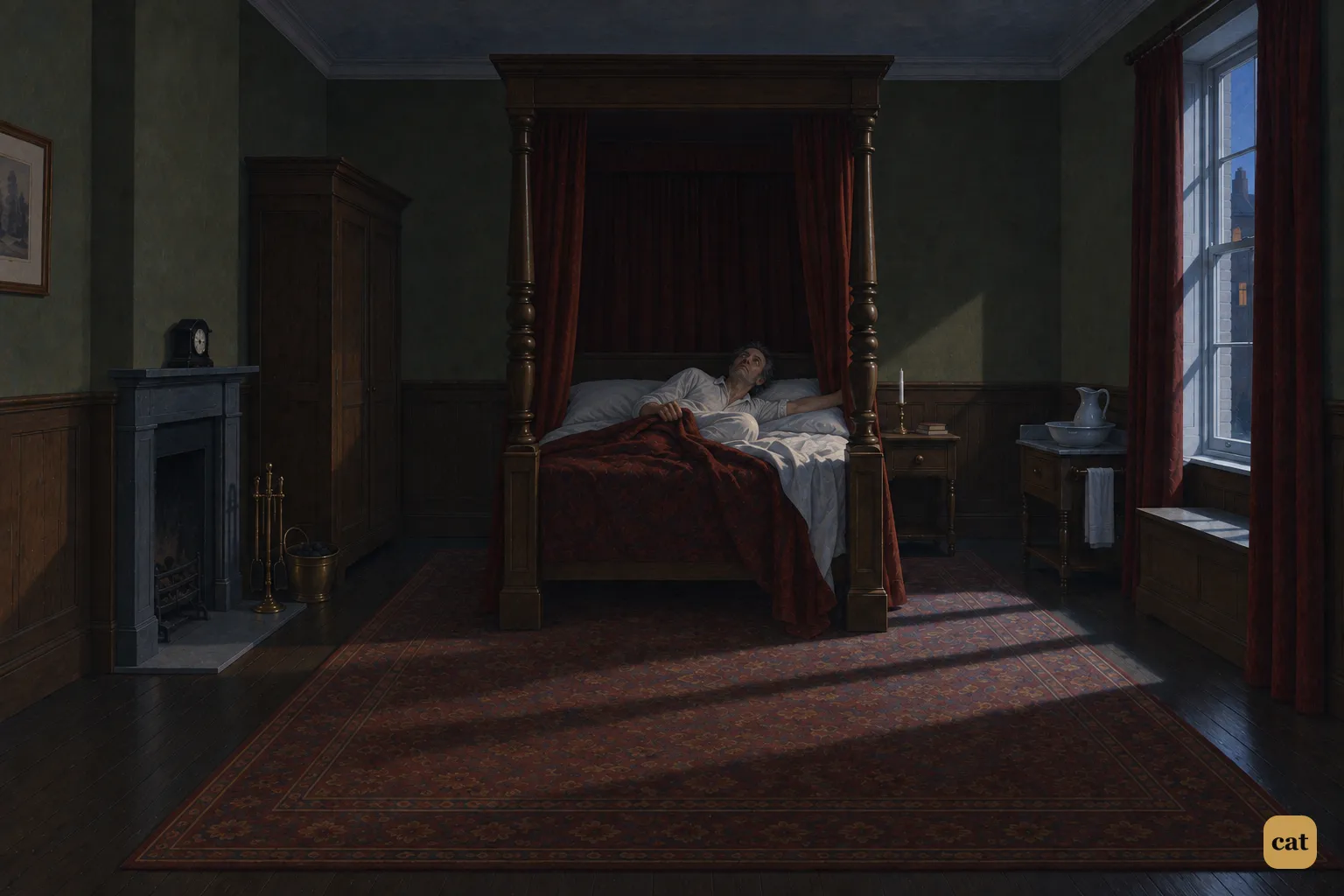
The great dark bed
That was the amount of information that the lawyer carried back with him to the great, dark bed on which he tossed to and fro, until the small hours of the morning began to grow large. It was a night of little ease to his toiling mind, toiling in mere darkness and besieged by questions.
Read from here → -
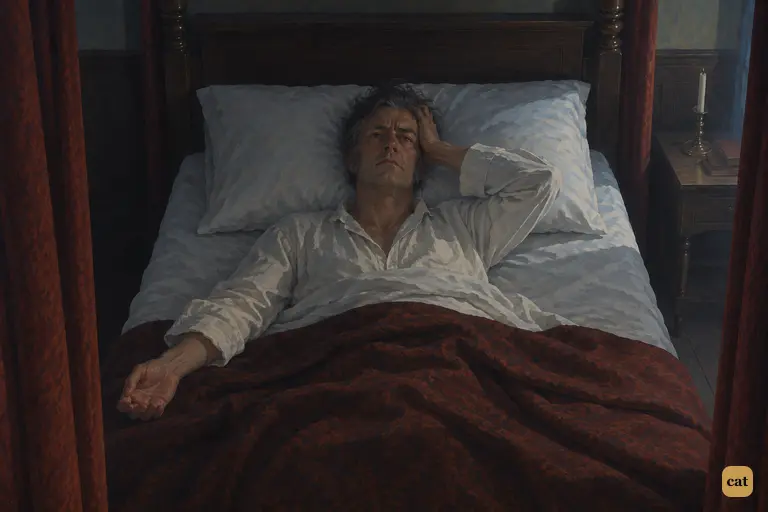
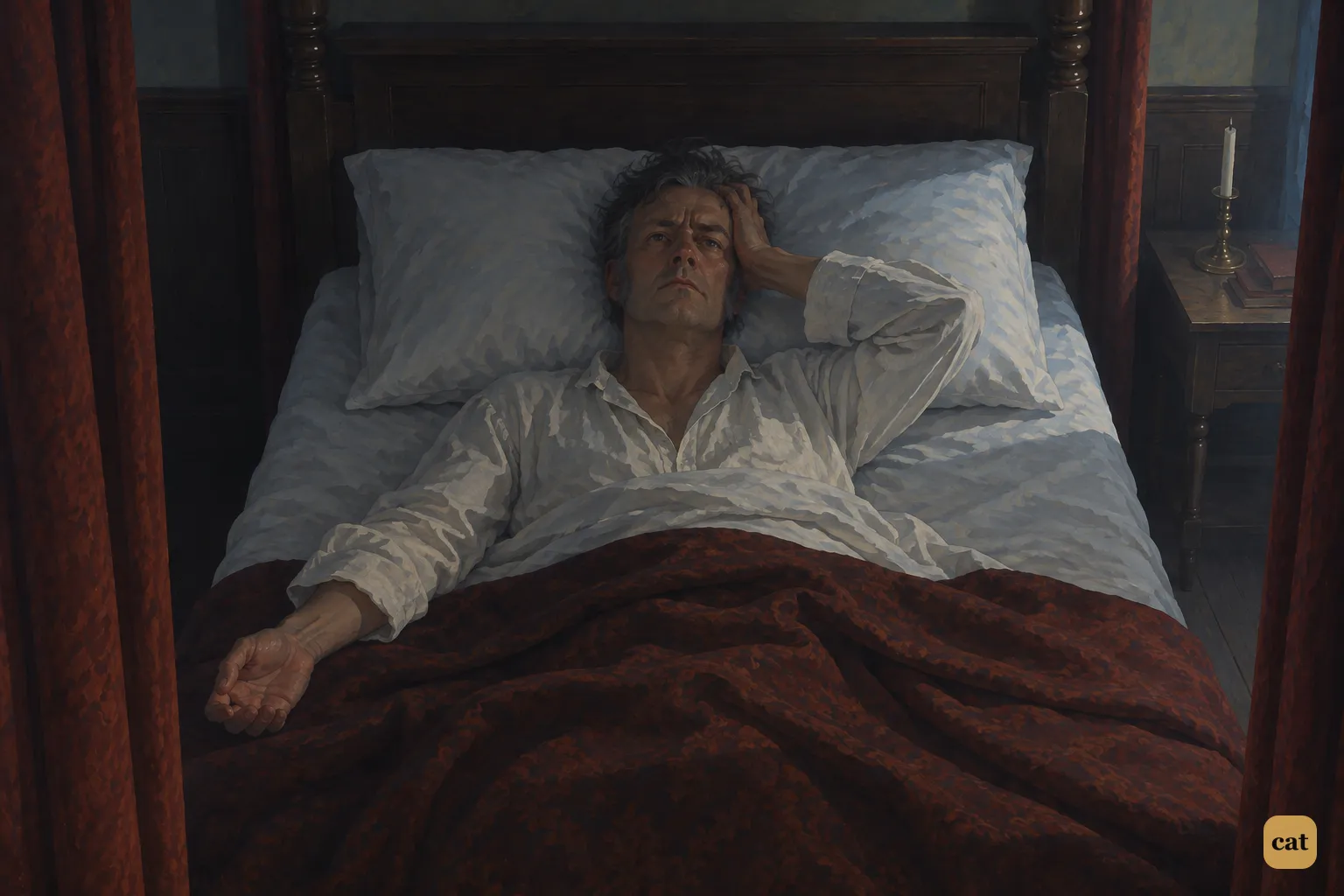
Besieged by questions
That was the amount of information that the lawyer carried back with him to the great, dark bed on which he tossed to and fro, until the small hours of the morning began to grow large. It was a night of little ease to his toiling mind, toiling in mere darkness and besieged by questions.
Read from here → -
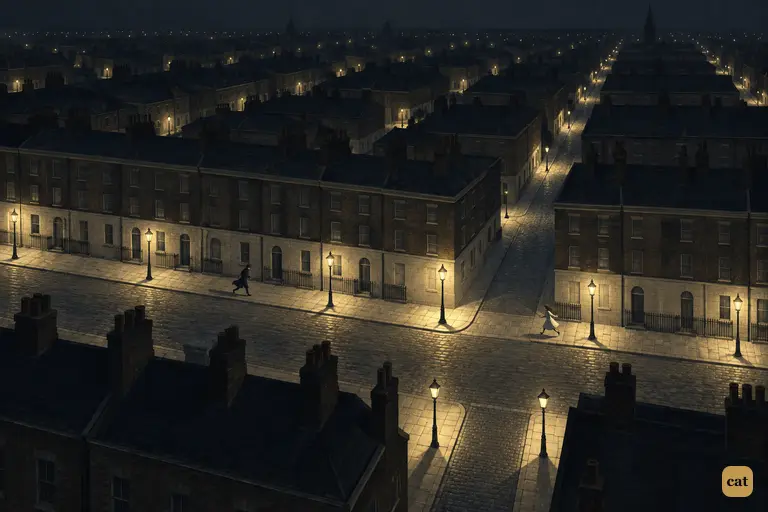
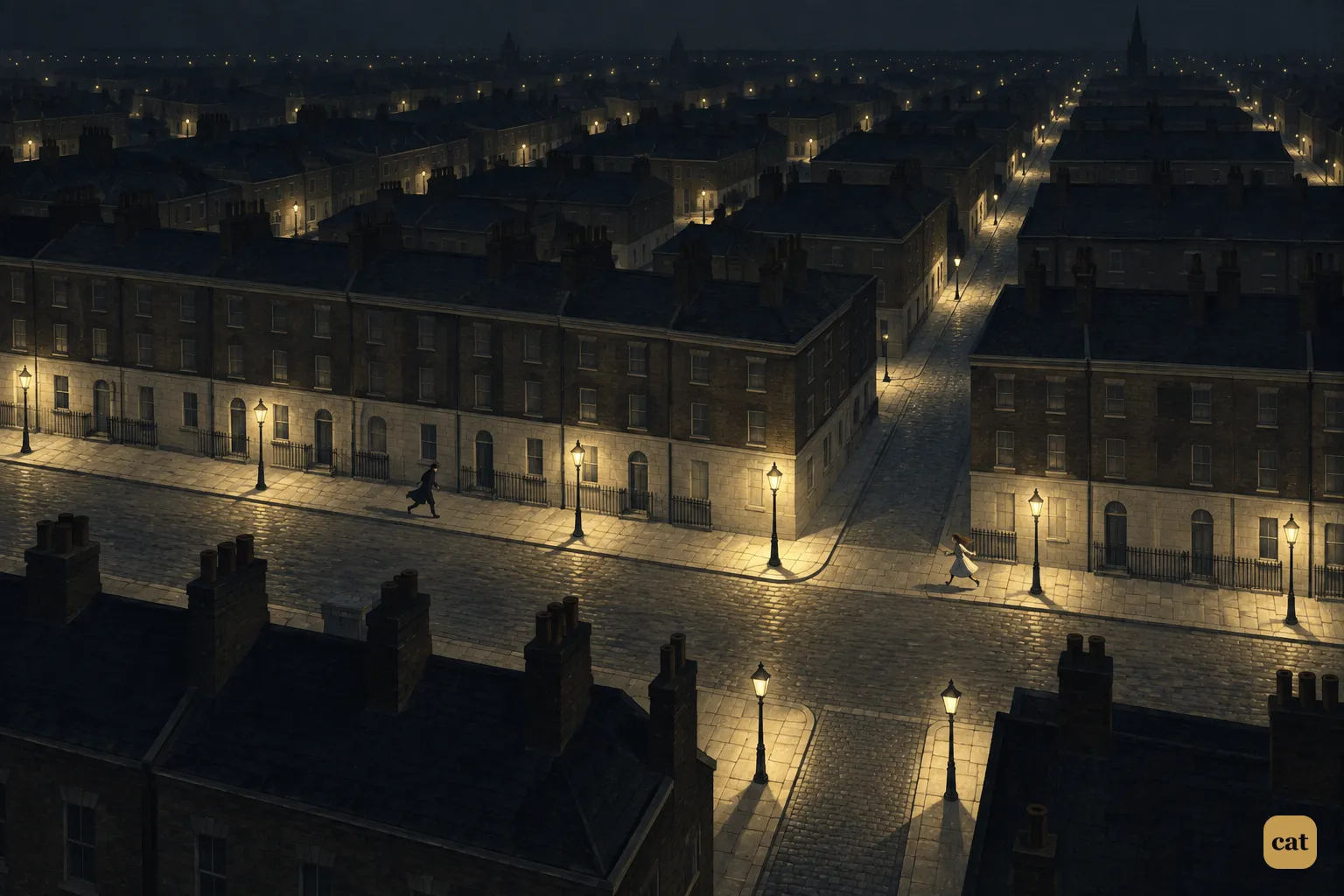
The field of lamps
Six o’clock struck on the bells of the church that was so conveniently near to Mr. Utterson’s dwelling, and still he was digging at the problem. Hitherto it had touched him on the intellectual side alone; but now his imagination also was engaged, or rather enslaved; and as he lay and tossed in the gross darkness of the night and the curtained room, Mr. Enfield’s tale went by before his mind in a scroll of lighted pictures. He would be aware of the great field of lamps of a nocturnal city; then of the figure of a man walking swiftly; then of a child running from the doctor’s; and then these met, and that human Juggernaut trod the child down and passed on regardless of her screams. Or else he would see a room in a rich house, where his friend lay asleep, dreaming and smiling at his dreams; and then the door of that room would be opened, the curtains of the bed plucked apart, the sleeper recalled, and lo! there would stand by his side a figure to whom power was given, and even at that dead hour, he must rise and do its bidding. The figure in these two phases haunted the lawyer all night; and if at any time he dozed over, it was but to see it glide more stealthily through sleeping houses, or move the more swiftly and still the more swiftly, even to dizziness, through wider labyrinths of lamplighted city, and at every street corner crush a child and leave her screaming. And still the figure had no face by which he might know it; even in his dreams, it had no face, or one that baffled him and melted before his eyes; and thus it was that there sprang up and grew apace in the lawyer’s mind a singularly strong, almost an inordinate, curiosity to behold the features of the real Mr. Hyde. If he could but once set eyes on him, he thought the mystery would lighten and perhaps roll altogether away, as was the habit of mysterious things when well examined. He might see a reason for his friend’s strange preference or bondage (call it which you please) and even for the startling clauses of the will. At least it would be a face worth seeing: the face of a man who was without bowels of mercy: a face which had but to show itself to raise up, in the mind of the unimpressionable Enfield, a spirit of enduring hatred.
Read from here → -
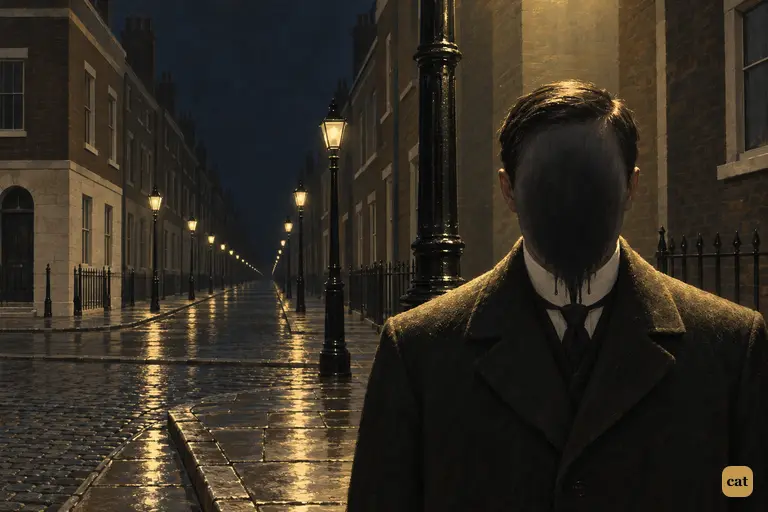
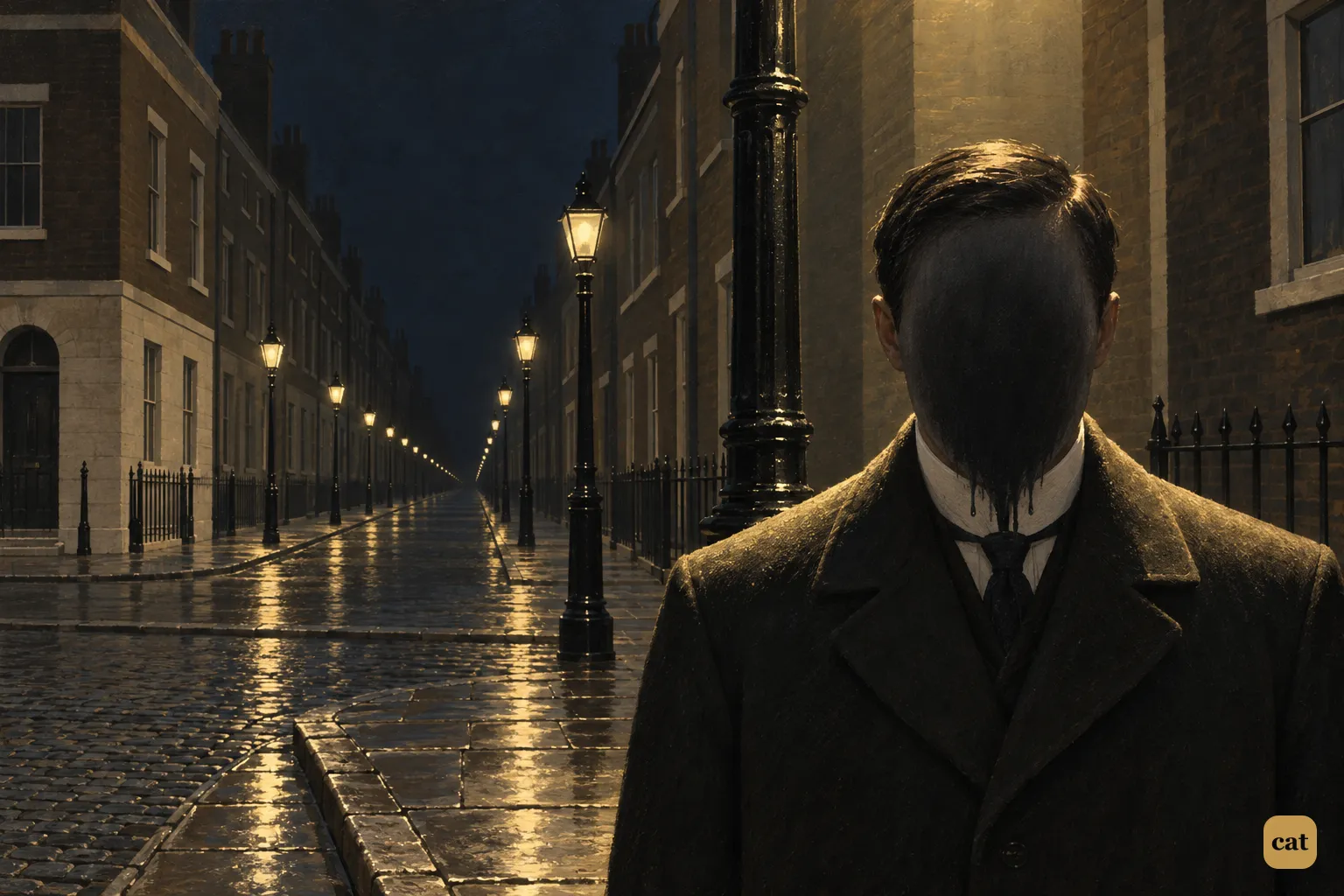
The figure without a face
Six o’clock struck on the bells of the church that was so conveniently near to Mr. Utterson’s dwelling, and still he was digging at the problem. Hitherto it had touched him on the intellectual side alone; but now his imagination also was engaged, or rather enslaved; and as he lay and tossed in the gross darkness of the night and the curtained room, Mr. Enfield’s tale went by before his mind in a scroll of lighted pictures. He would be aware of the great field of lamps of a nocturnal city; then of the figure of a man walking swiftly; then of a child running from the doctor’s; and then these met, and that human Juggernaut trod the child down and passed on regardless of her screams. Or else he would see a room in a rich house, where his friend lay asleep, dreaming and smiling at his dreams; and then the door of that room would be opened, the curtains of the bed plucked apart, the sleeper recalled, and lo! there would stand by his side a figure to whom power was given, and even at that dead hour, he must rise and do its bidding. The figure in these two phases haunted the lawyer all night; and if at any time he dozed over, it was but to see it glide more stealthily through sleeping houses, or move the more swiftly and still the more swiftly, even to dizziness, through wider labyrinths of lamplighted city, and at every street corner crush a child and leave her screaming. And still the figure had no face by which he might know it; even in his dreams, it had no face, or one that baffled him and melted before his eyes; and thus it was that there sprang up and grew apace in the lawyer’s mind a singularly strong, almost an inordinate, curiosity to behold the features of the real Mr. Hyde. If he could but once set eyes on him, he thought the mystery would lighten and perhaps roll altogether away, as was the habit of mysterious things when well examined. He might see a reason for his friend’s strange preference or bondage (call it which you please) and even for the startling clauses of the will. At least it would be a face worth seeing: the face of a man who was without bowels of mercy: a face which had but to show itself to raise up, in the mind of the unimpressionable Enfield, a spirit of enduring hatred.
Read from here → -
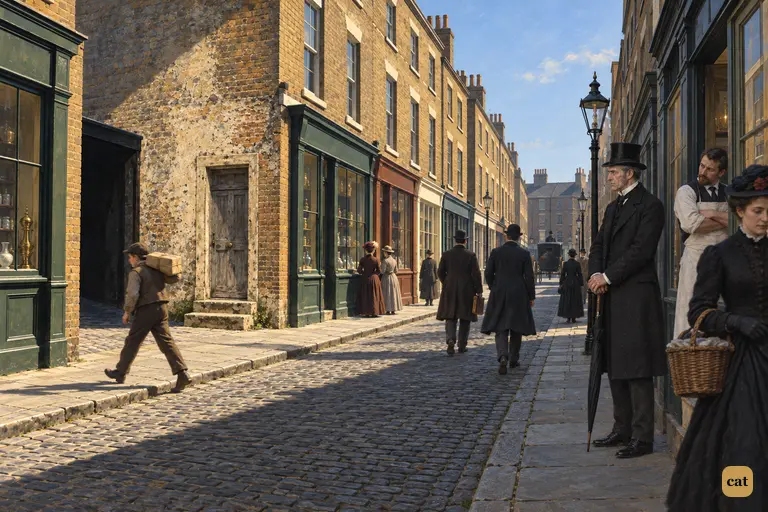
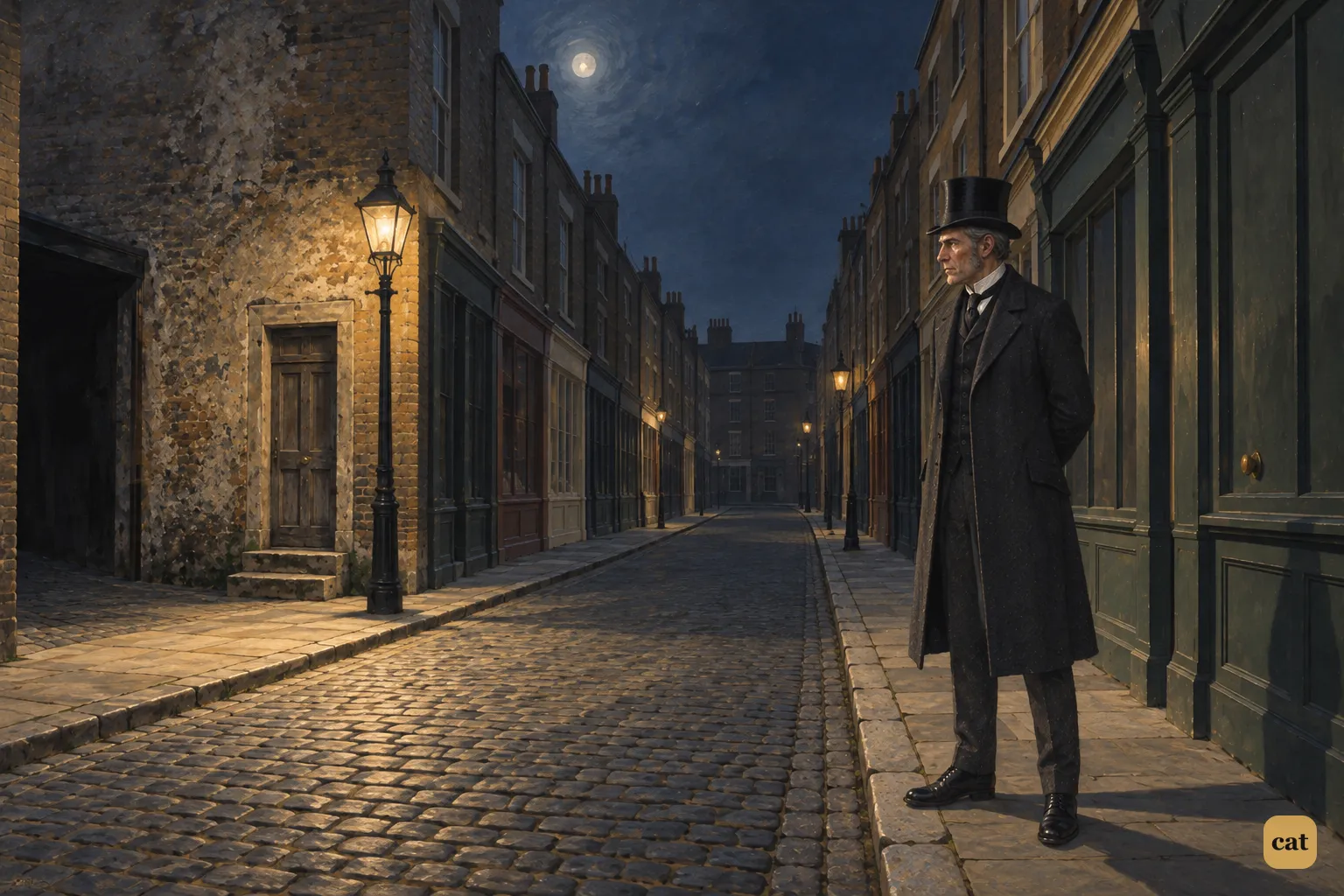
At his chosen post
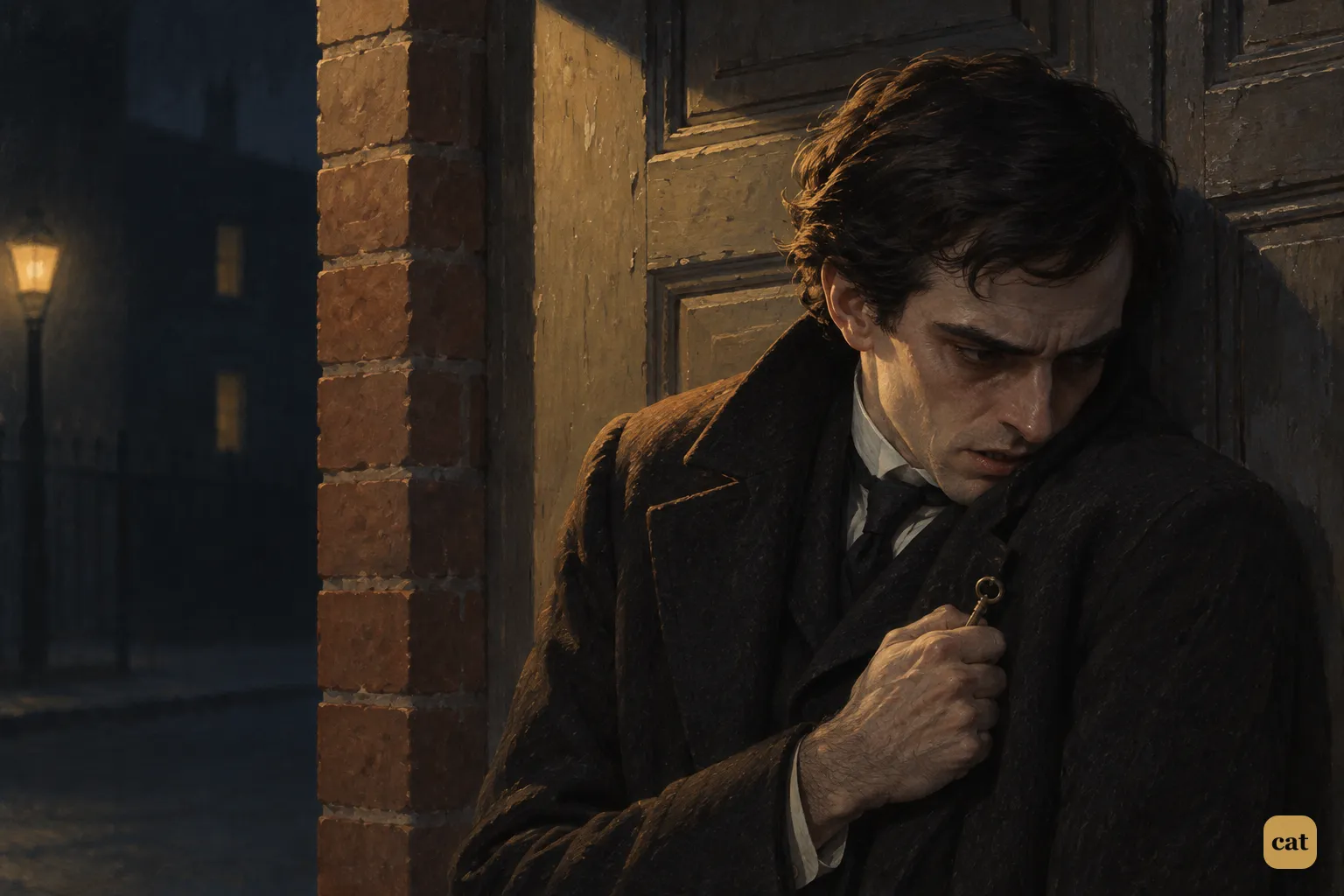
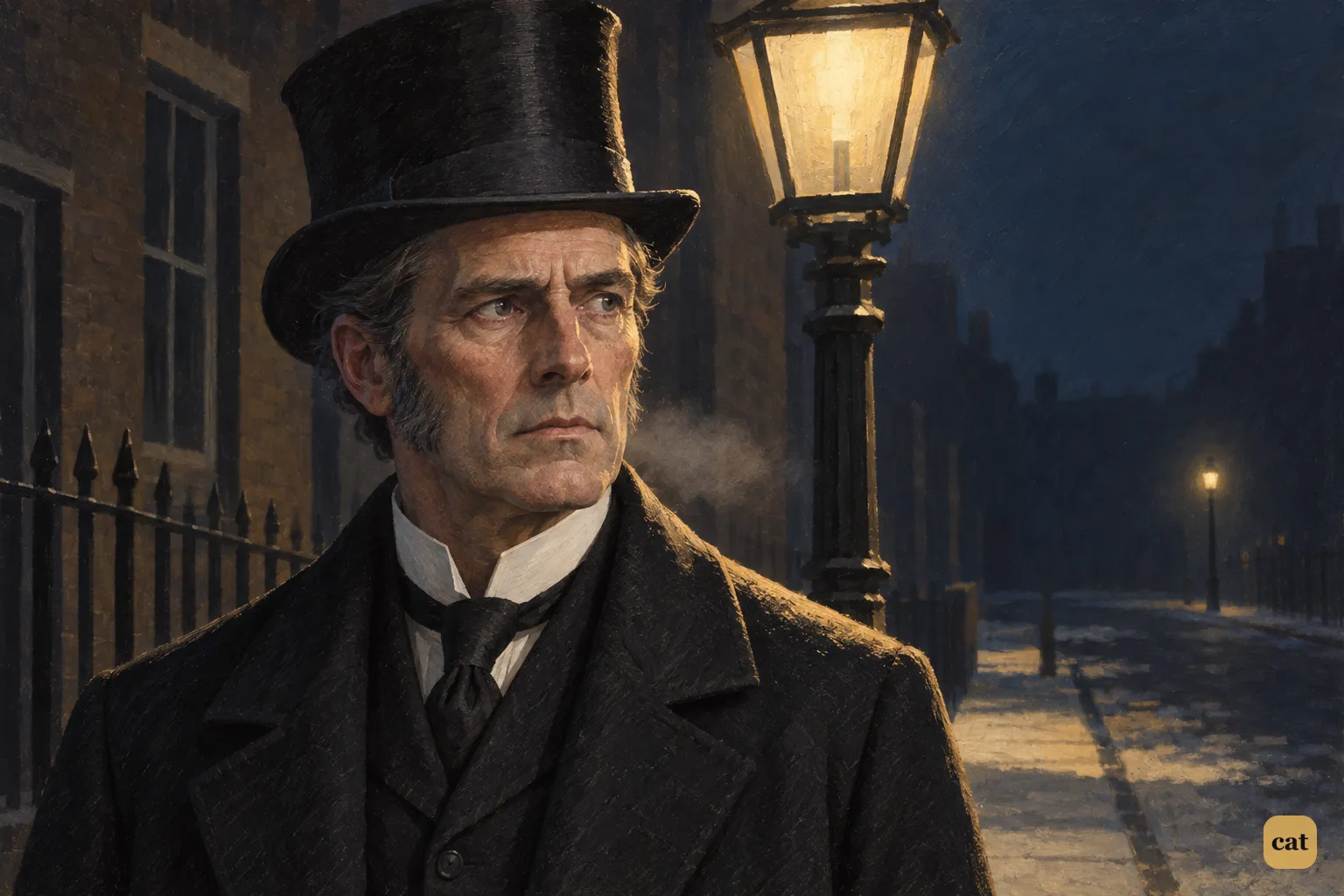
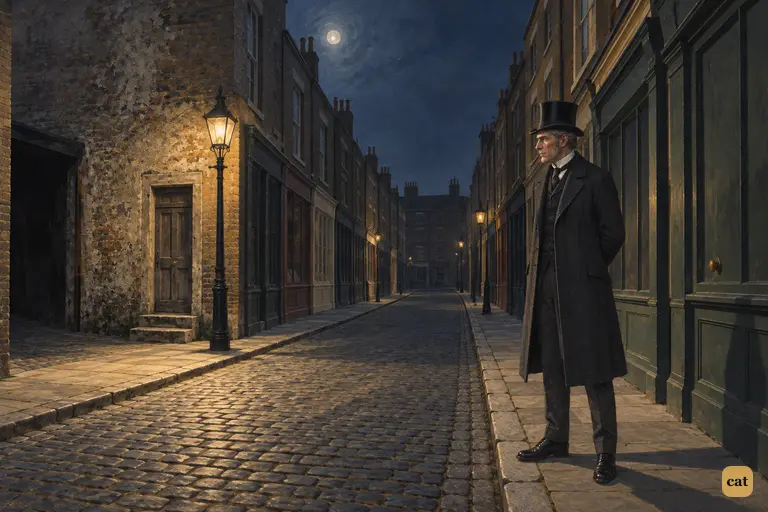
From that time forward, Mr. Utterson began to haunt the door in the by-street of shops. In the morning before office hours, at noon when business was plenty and time scarce, at night under the face of the fogged city moon, by all lights and at all hours of solitude or concourse, the lawyer was to be found on his chosen post.
Read from here → -
-
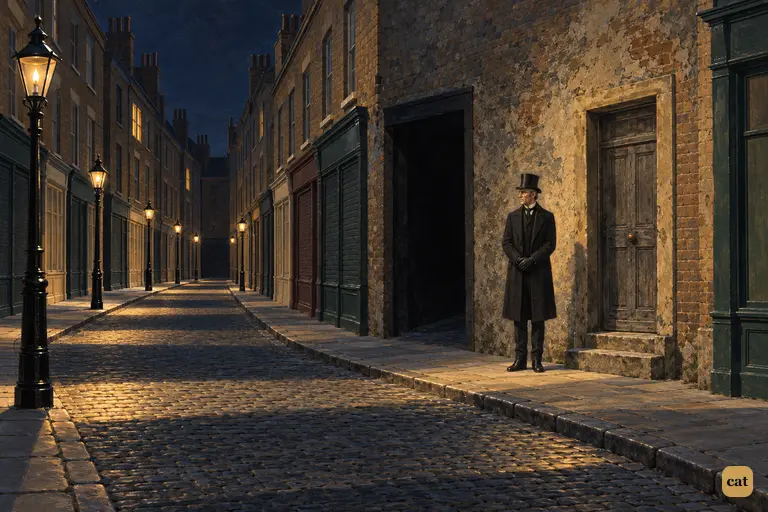
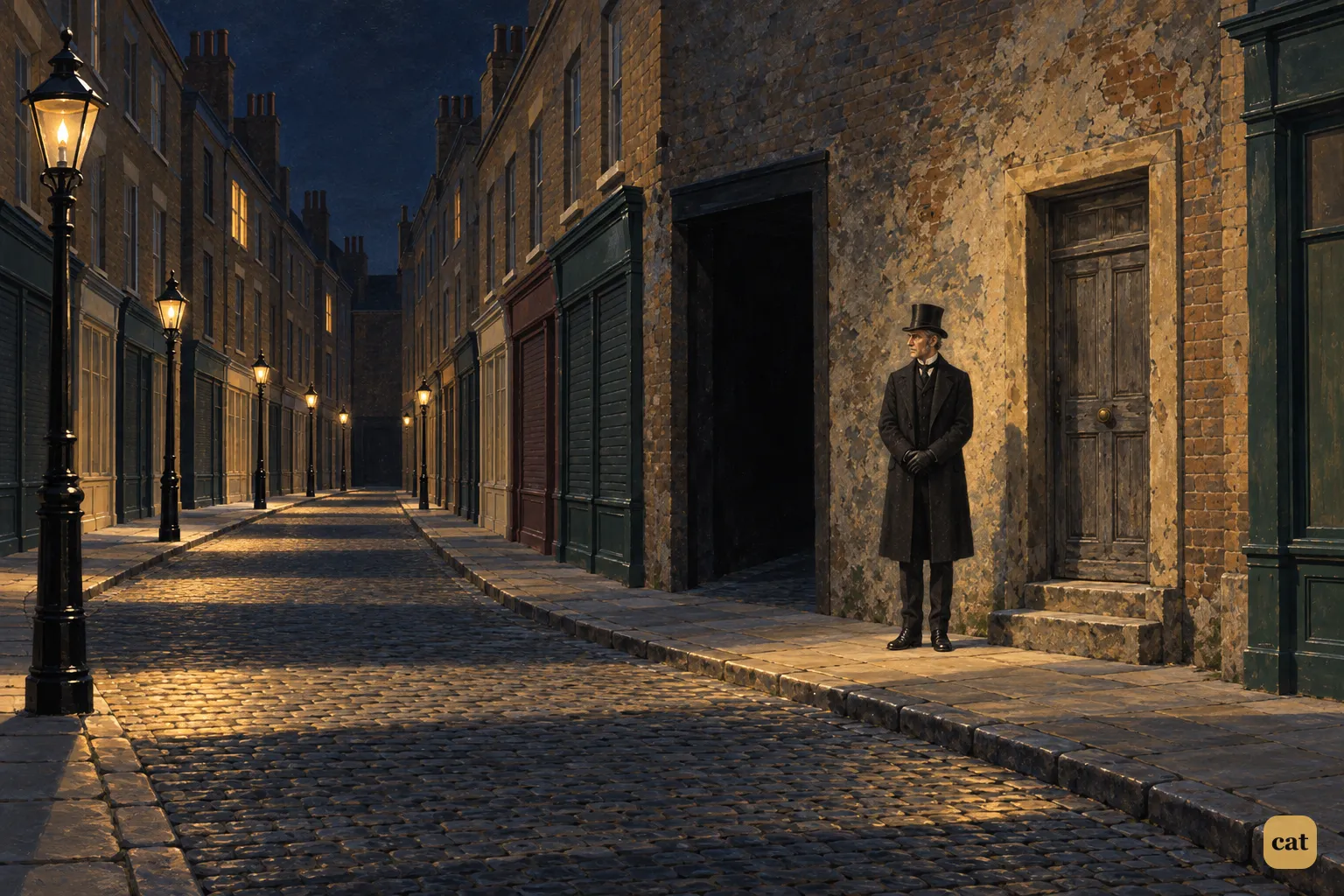
The ballroom-clean street
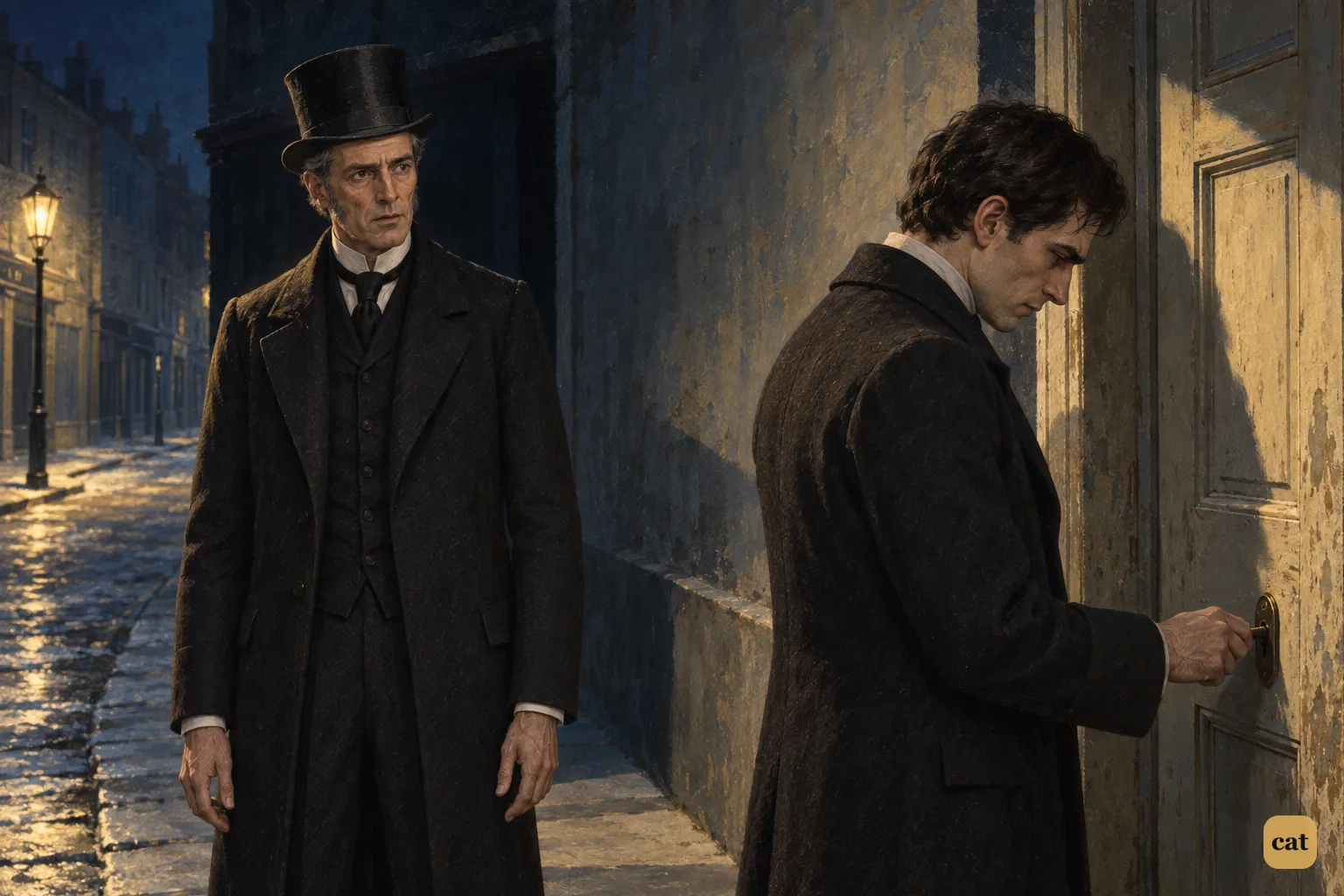
And at last his patience was rewarded. It was a fine dry night; frost in the air; the streets as clean as a ballroom floor; the lamps, unshaken by any wind, drawing a regular pattern of light and shadow. By ten o’clock, when the shops were closed, the by-street was very solitary and, in spite of the low growl of London from all round, very silent. Small sounds carried far; domestic sounds out of the houses were clearly audible on either side of the roadway; and the rumour of the approach of any passenger preceded him by a long time. Mr. Utterson had been some minutes at his post, when he was aware of an odd light footstep drawing near. In the course of his nightly patrols, he had long grown accustomed to the quaint effect with which the footfalls of a single person, while he is still a great way off, suddenly spring out distinct from the vast hum and clatter of the city. Yet his attention had never before been so sharply and decisively arrested; and it was with a strong, superstitious prevision of success that he withdrew into the entry of the court.
Read from here → -
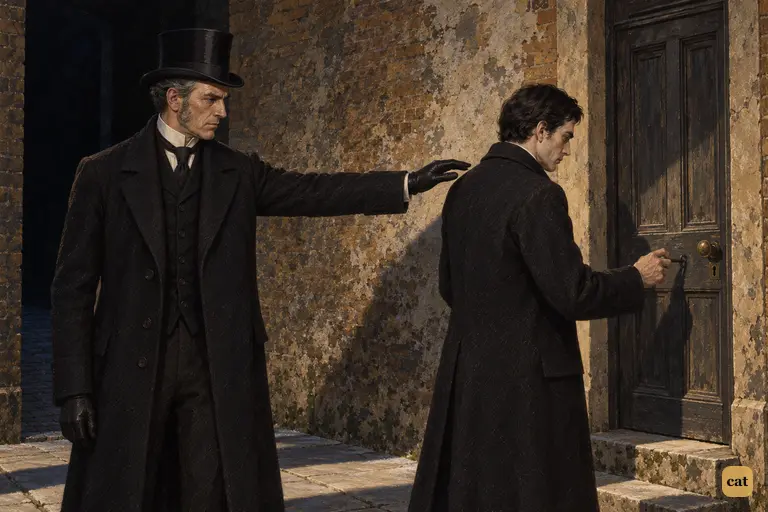
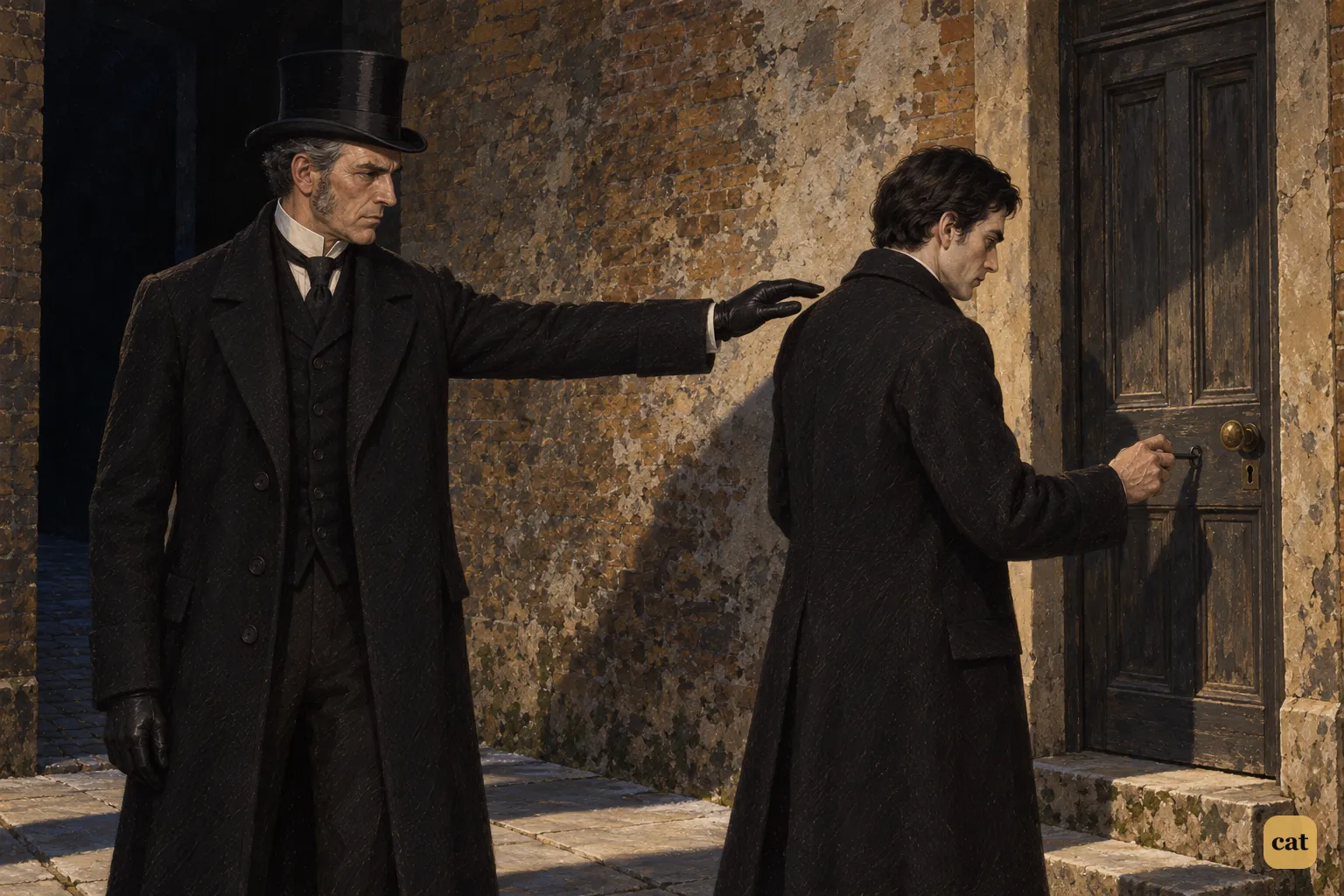
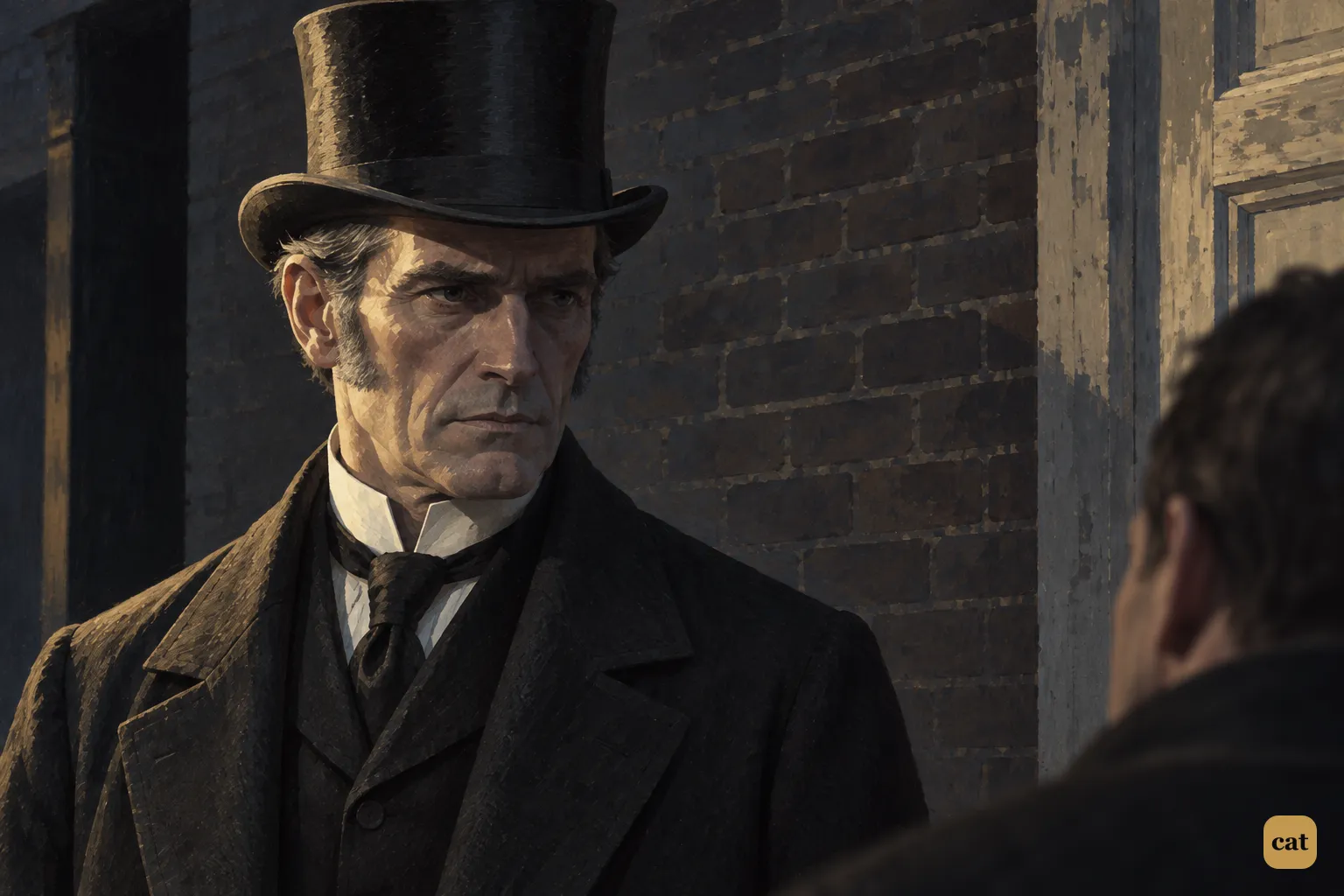
A touch on the shoulder
Mr. Utterson stepped out and touched him on the shoulder as he passed. “Mr. Hyde, I think?”
Read from here → -
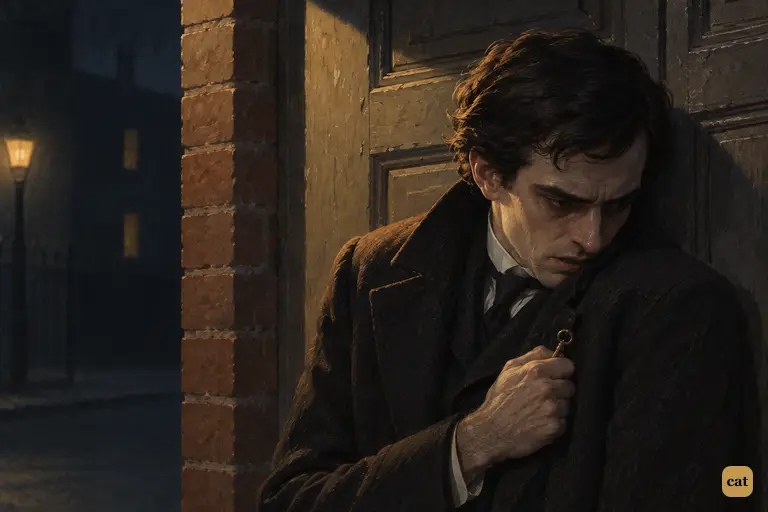
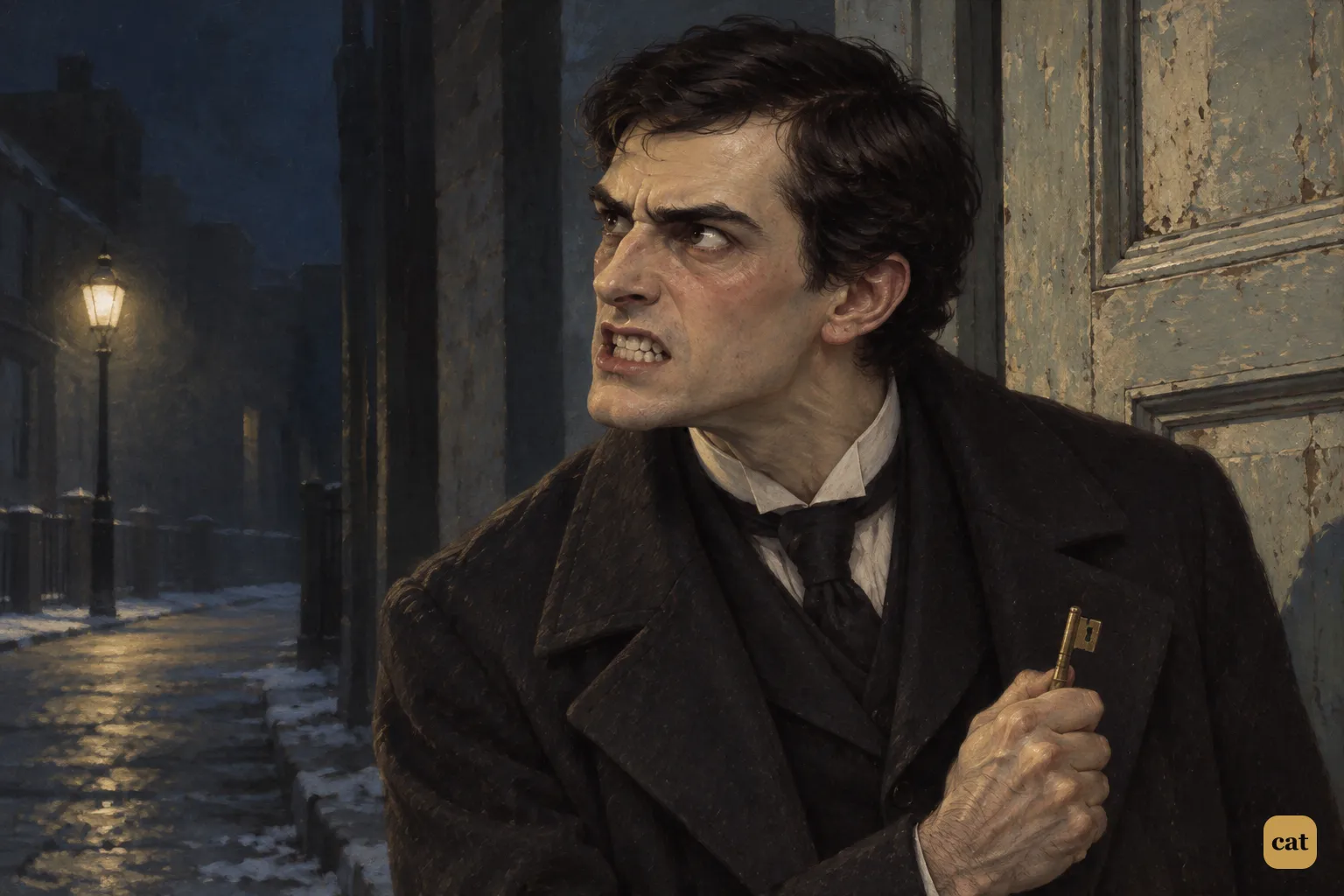
The hissing breath
Mr. Hyde shrank back with a hissing intake of the breath. But his fear was only momentary; and though he did not look the lawyer in the face, he answered coolly enough: “That is my name. What do you want?”
Read from here → -
-
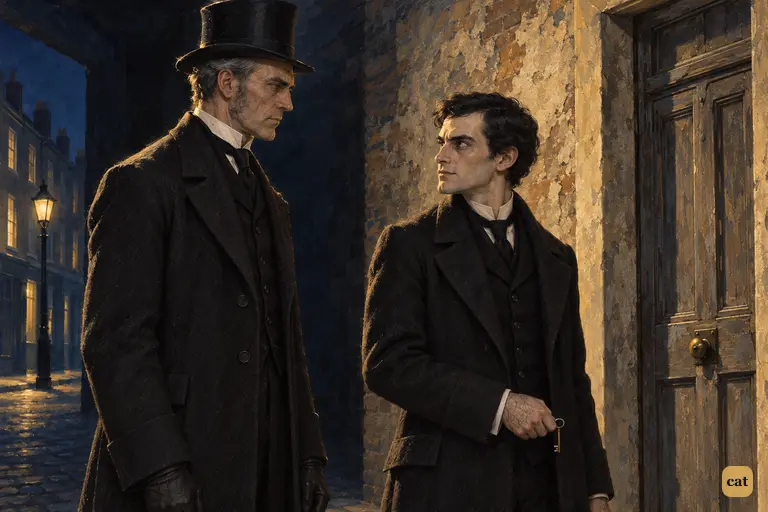
Face to face
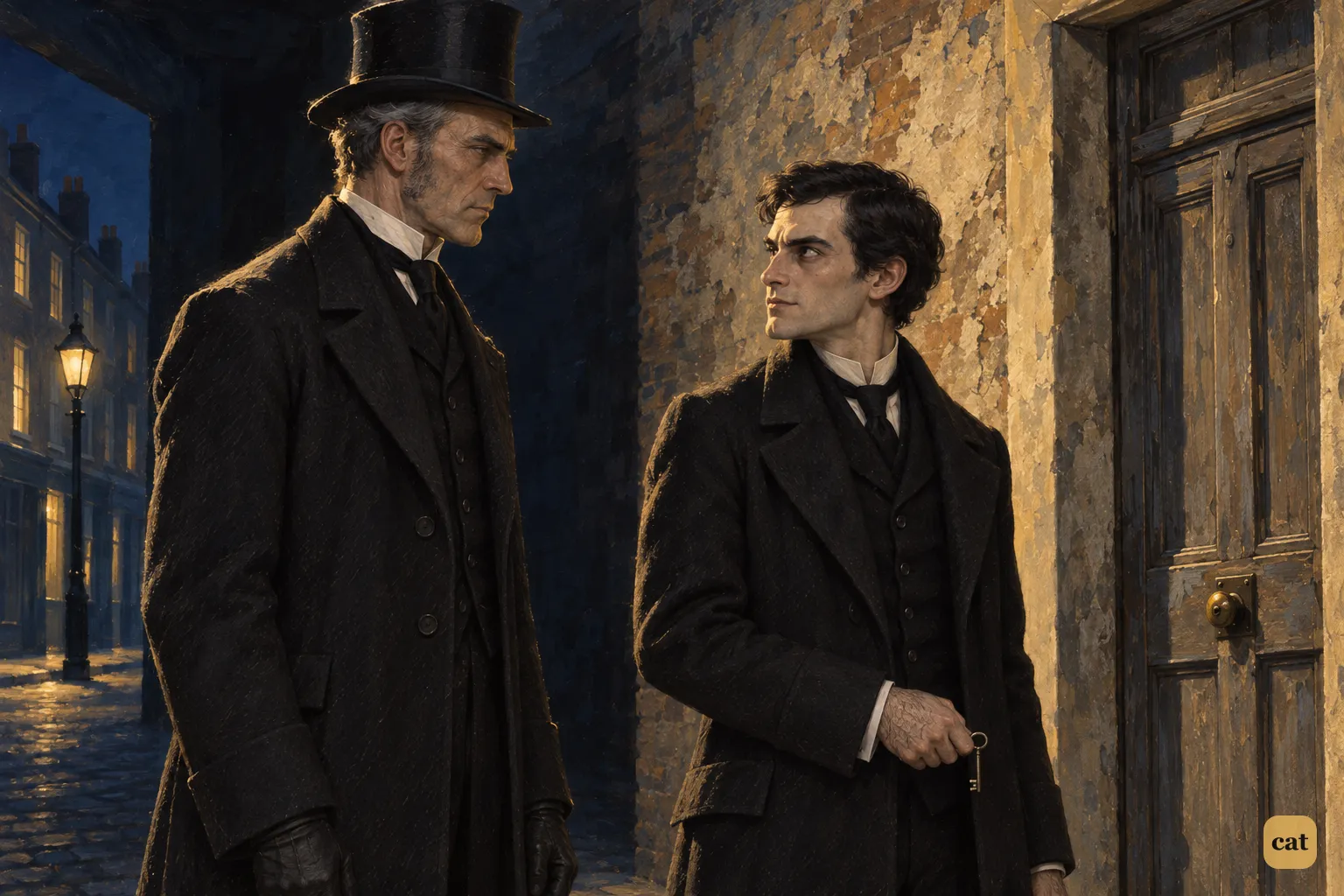
Mr. Hyde appeared to hesitate, and then, as if upon some sudden reflection, fronted about with an air of defiance; and the pair stared at each other pretty fixedly for a few seconds. “Now I shall know you again,” said Mr. Utterson. “It may be useful.”
Read from here → -
An address in Soho
“Yes,” returned Mr. Hyde, “it is as well we have met; and à propos, you should have my address.” And he gave a number of a street in Soho.
Read from here → -
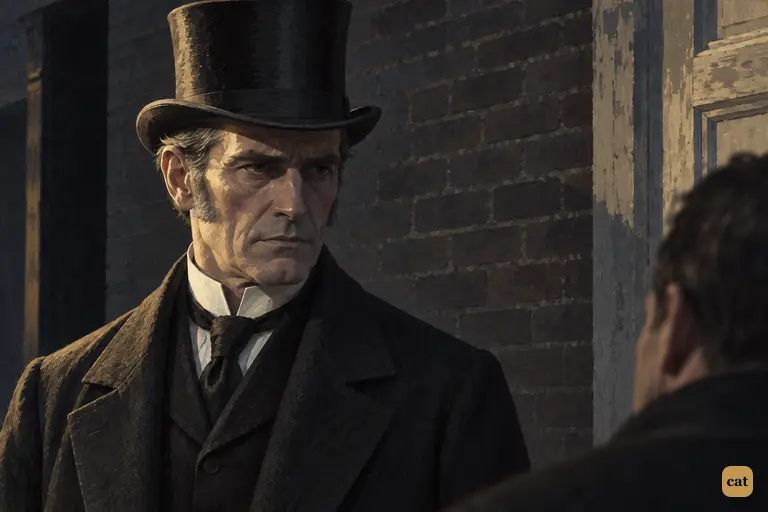
Thinking of the will
“Good God!” thought Mr. Utterson, “can he, too, have been thinking of the will?” But he kept his feelings to himself and only grunted in acknowledgment of the address.
Read from here → -
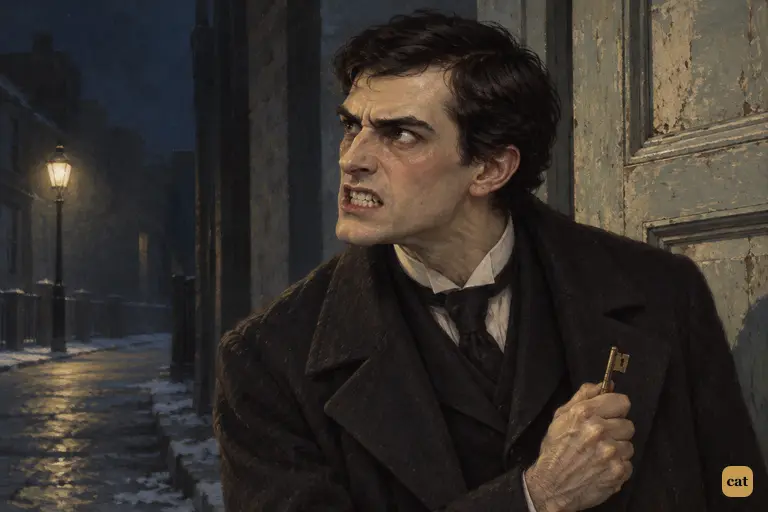
He never told you
“He never told you,” cried Mr. Hyde, with a flush of anger. “I did not think you would have lied.”
Read from here → -
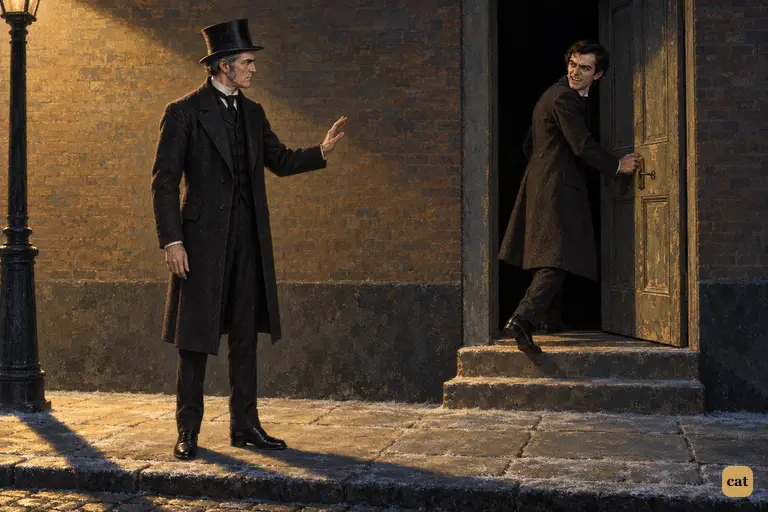
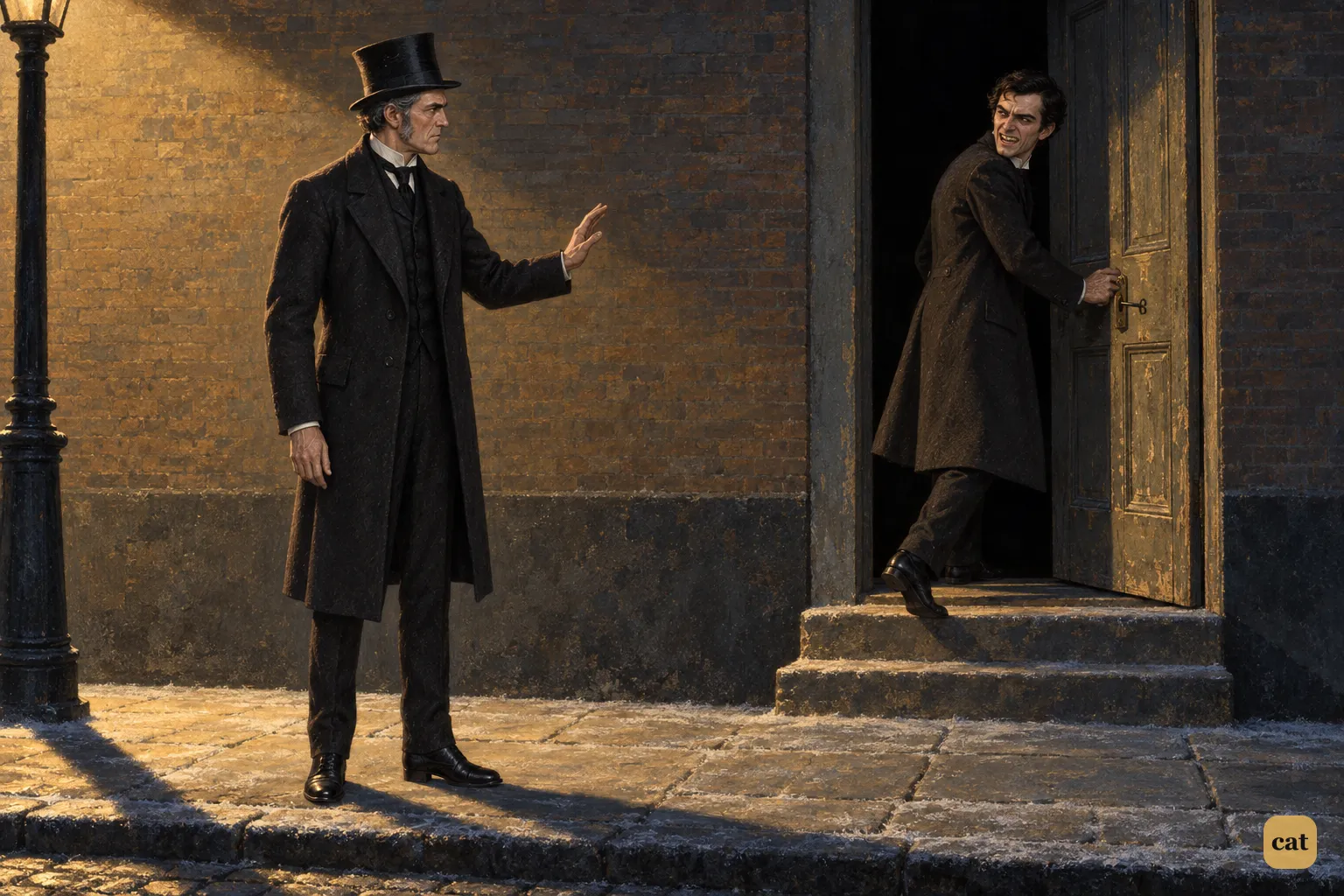
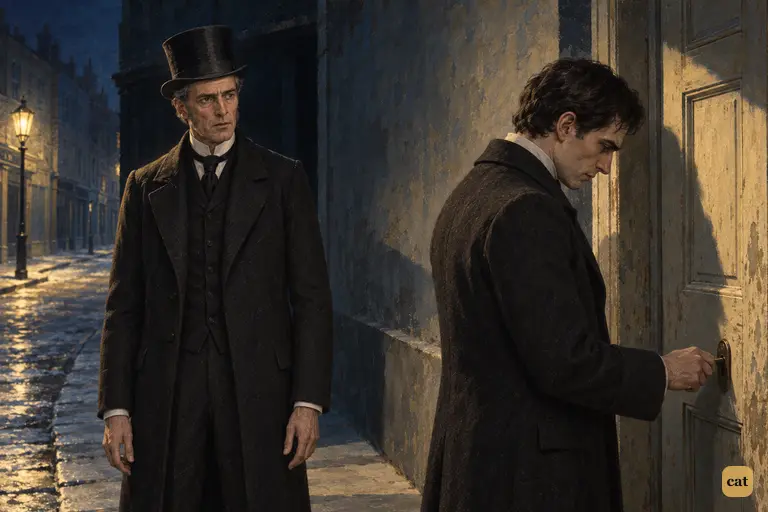
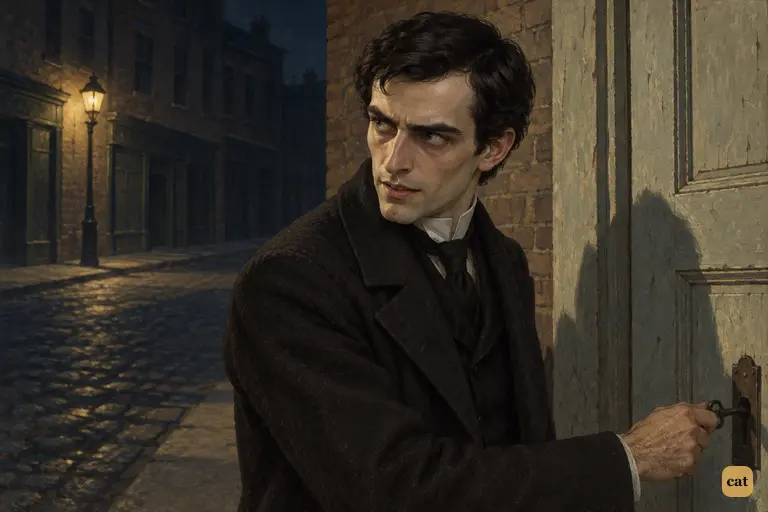
Gone with a laugh
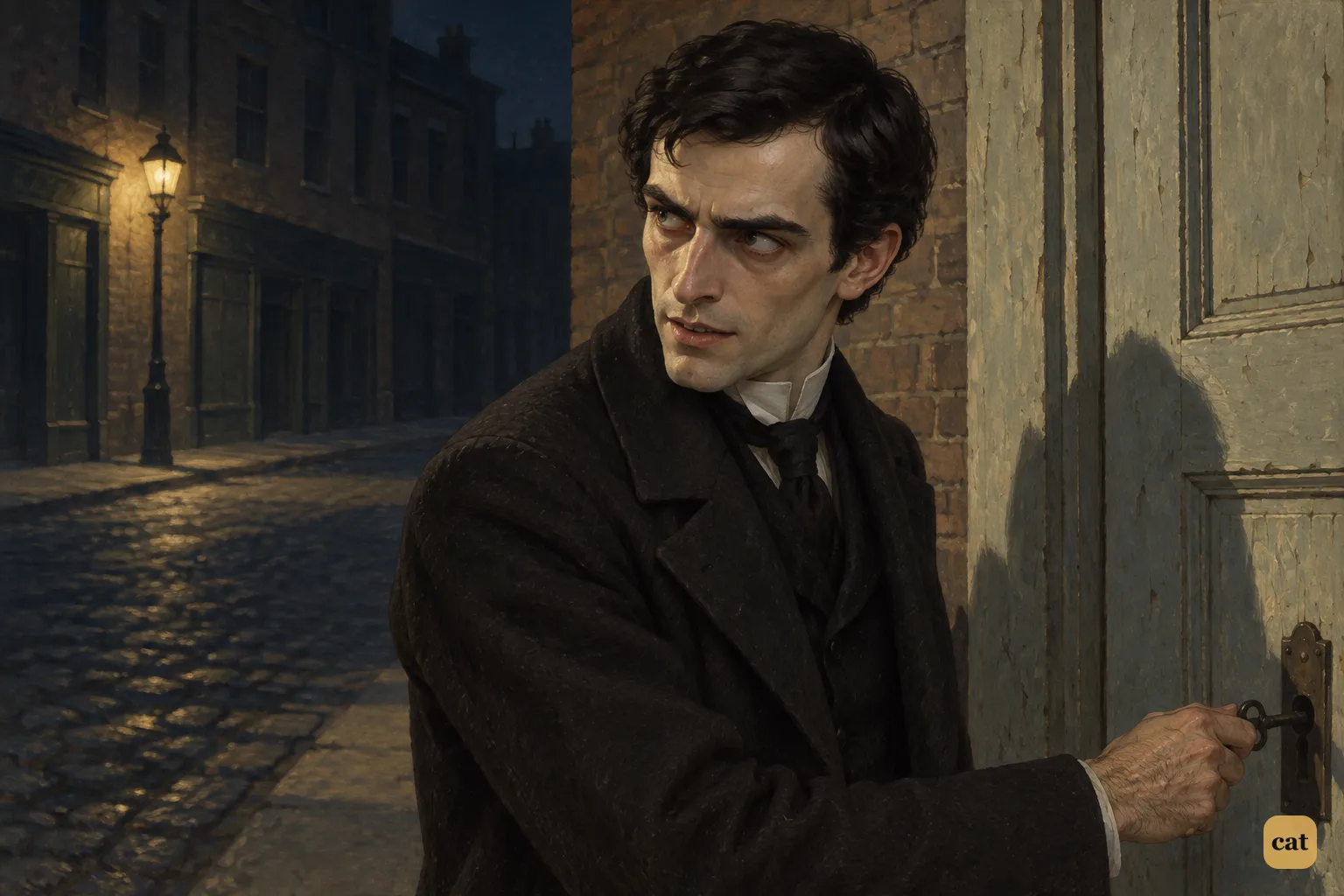
The other snarled aloud into a savage laugh; and the next moment, with extraordinary quickness, he had unlocked the door and disappeared into the house.
Read from here → -
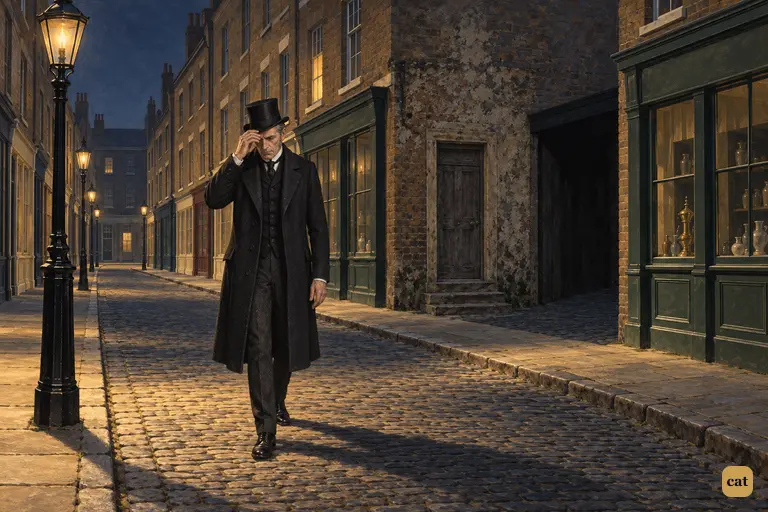
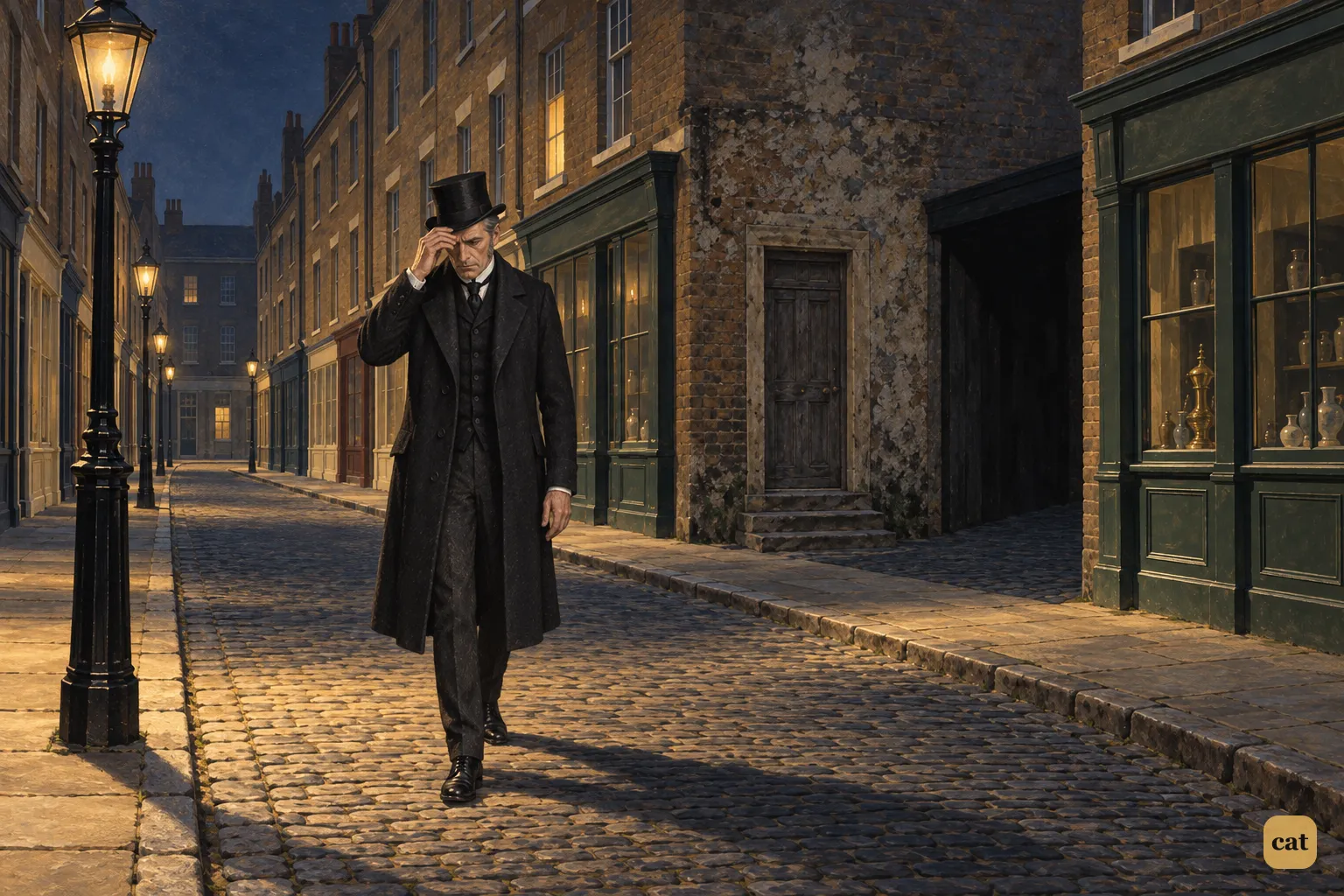
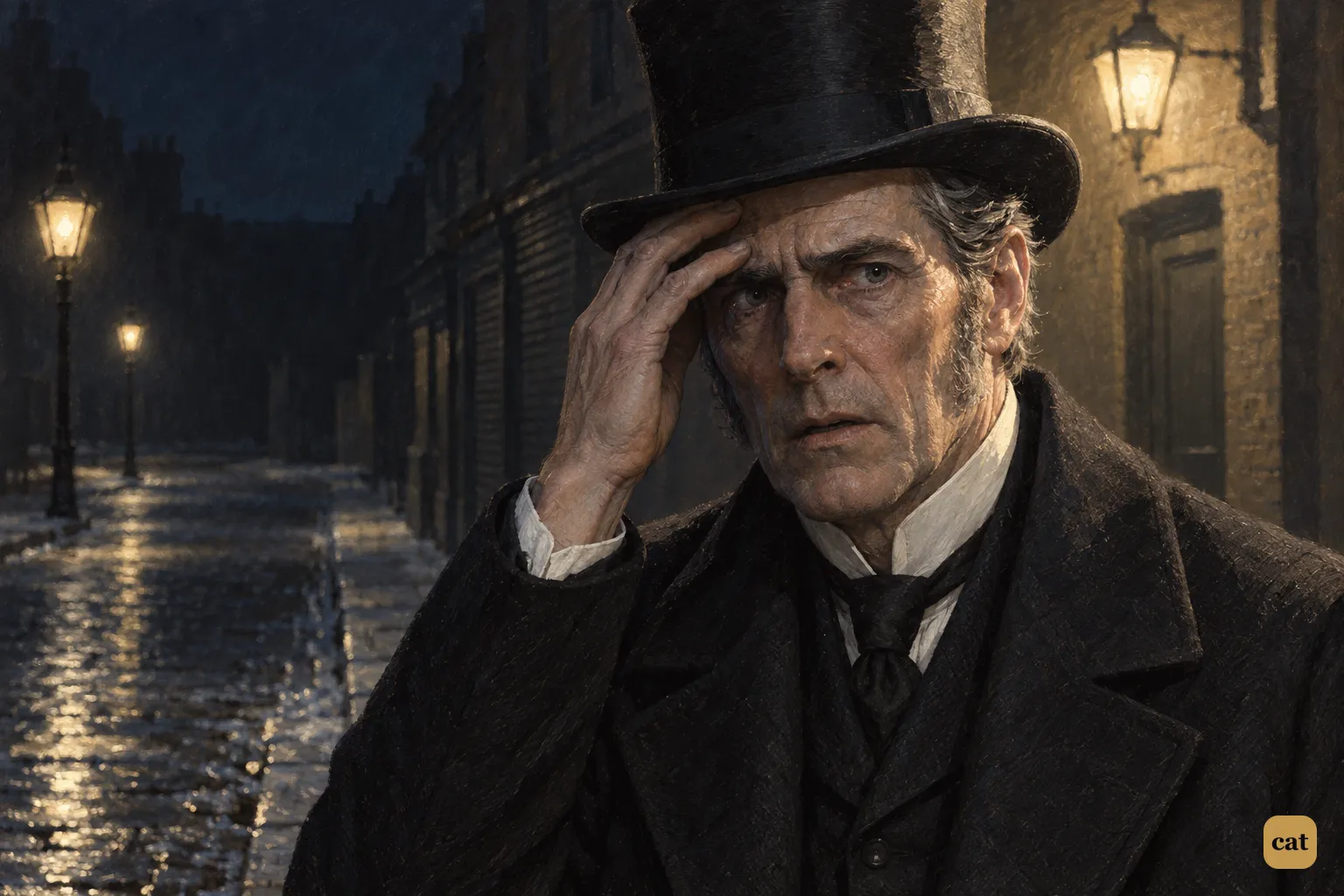
Mounting the street
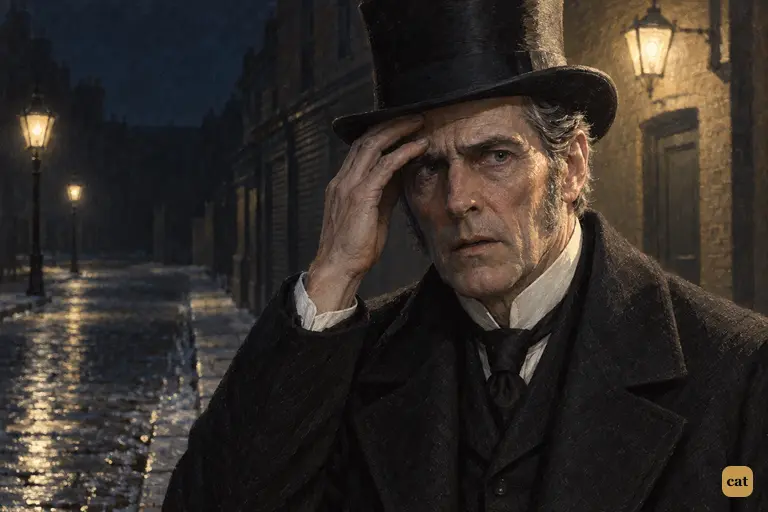
The lawyer stood awhile when Mr. Hyde had left him, the picture of disquietude. Then he began slowly to mount the street, pausing every step or two and putting his hand to his brow like a man in mental perplexity. The problem he was thus debating as he walked, was one of a class that is rarely solved. Mr. Hyde was pale and dwarfish, he gave an impression of deformity without any nameable malformation, he had a displeasing smile, he had borne himself to the lawyer with a sort of murderous mixture of timidity and boldness, and he spoke with a husky, whispering and somewhat broken voice; all these were points against him, but not all of these together could explain the hitherto unknown disgust, loathing and fear with which Mr. Utterson regarded him. “There must be something else,” said the perplexed gentleman. “There is something more, if I could find a name for it. God bless me, the man seems hardly human! Something troglodytic, shall we say? or can it be the old story of Dr. Fell? or is it the mere radiance of a foul soul that thus transpires through, and transfigures, its clay continent? The last, I think; for, O my poor old Harry Jekyll, if ever I read Satan’s signature upon a face, it is on that of your new friend.”
Read from here → -
Satan's signature
The lawyer stood awhile when Mr. Hyde had left him, the picture of disquietude. Then he began slowly to mount the street, pausing every step or two and putting his hand to his brow like a man in mental perplexity. The problem he was thus debating as he walked, was one of a class that is rarely solved. Mr. Hyde was pale and dwarfish, he gave an impression of deformity without any nameable malformation, he had a displeasing smile, he had borne himself to the lawyer with a sort of murderous mixture of timidity and boldness, and he spoke with a husky, whispering and somewhat broken voice; all these were points against him, but not all of these together could explain the hitherto unknown disgust, loathing and fear with which Mr. Utterson regarded him. “There must be something else,” said the perplexed gentleman. “There is something more, if I could find a name for it. God bless me, the man seems hardly human! Something troglodytic, shall we say? or can it be the old story of Dr. Fell? or is it the mere radiance of a foul soul that thus transpires through, and transfigures, its clay continent? The last, I think; for, O my poor old Harry Jekyll, if ever I read Satan’s signature upon a face, it is on that of your new friend.”
Read from here → -
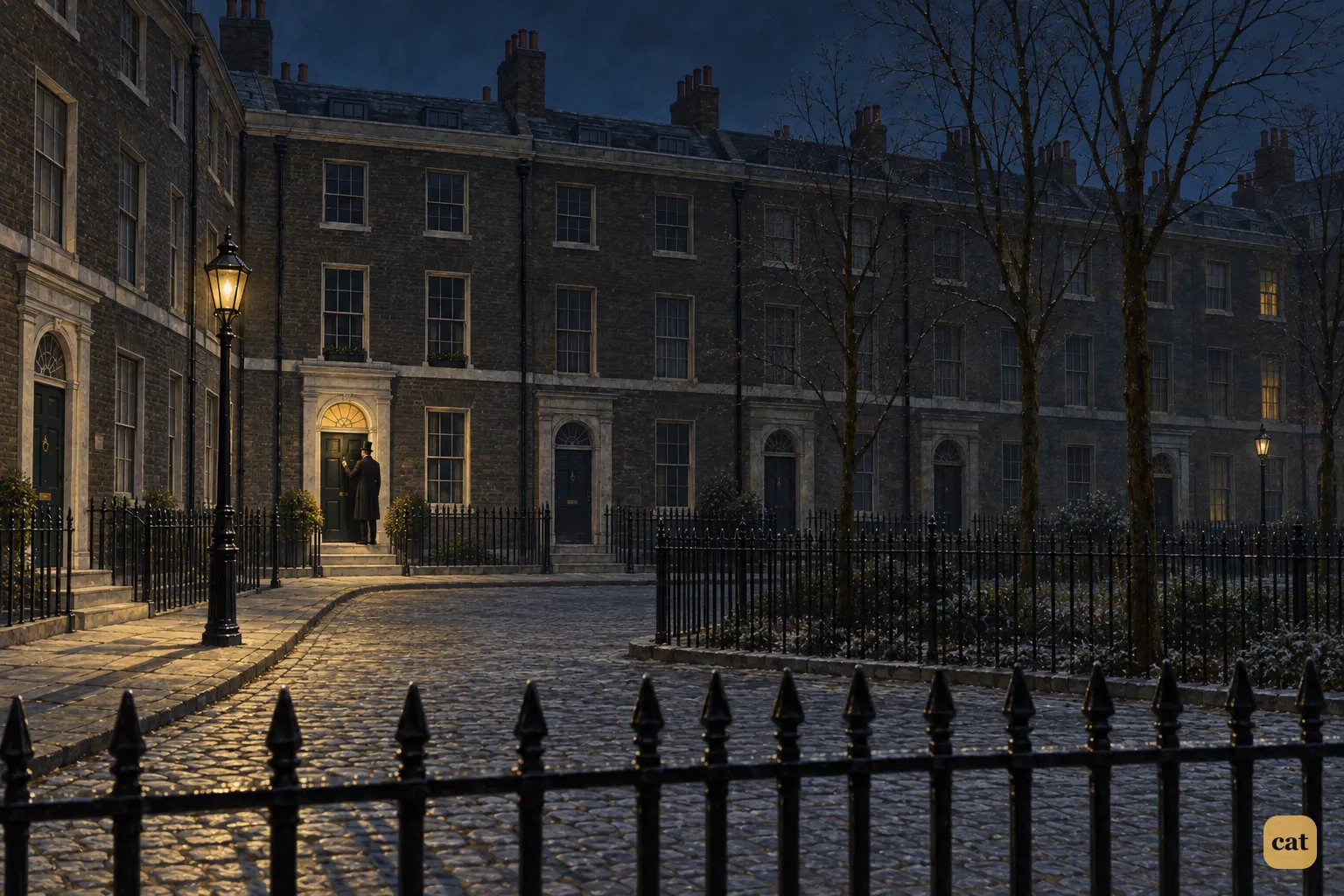
The dark house, the fanlight
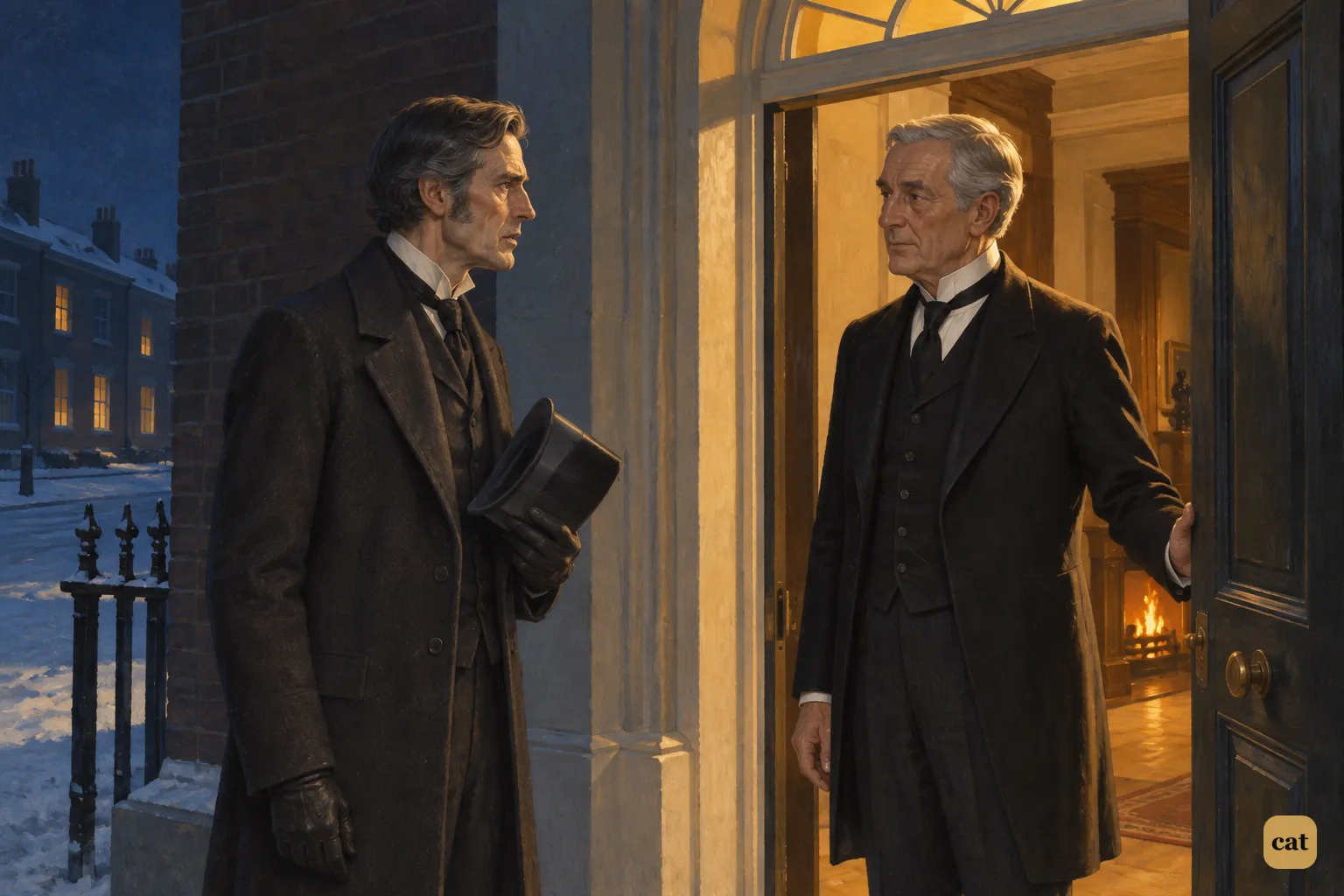
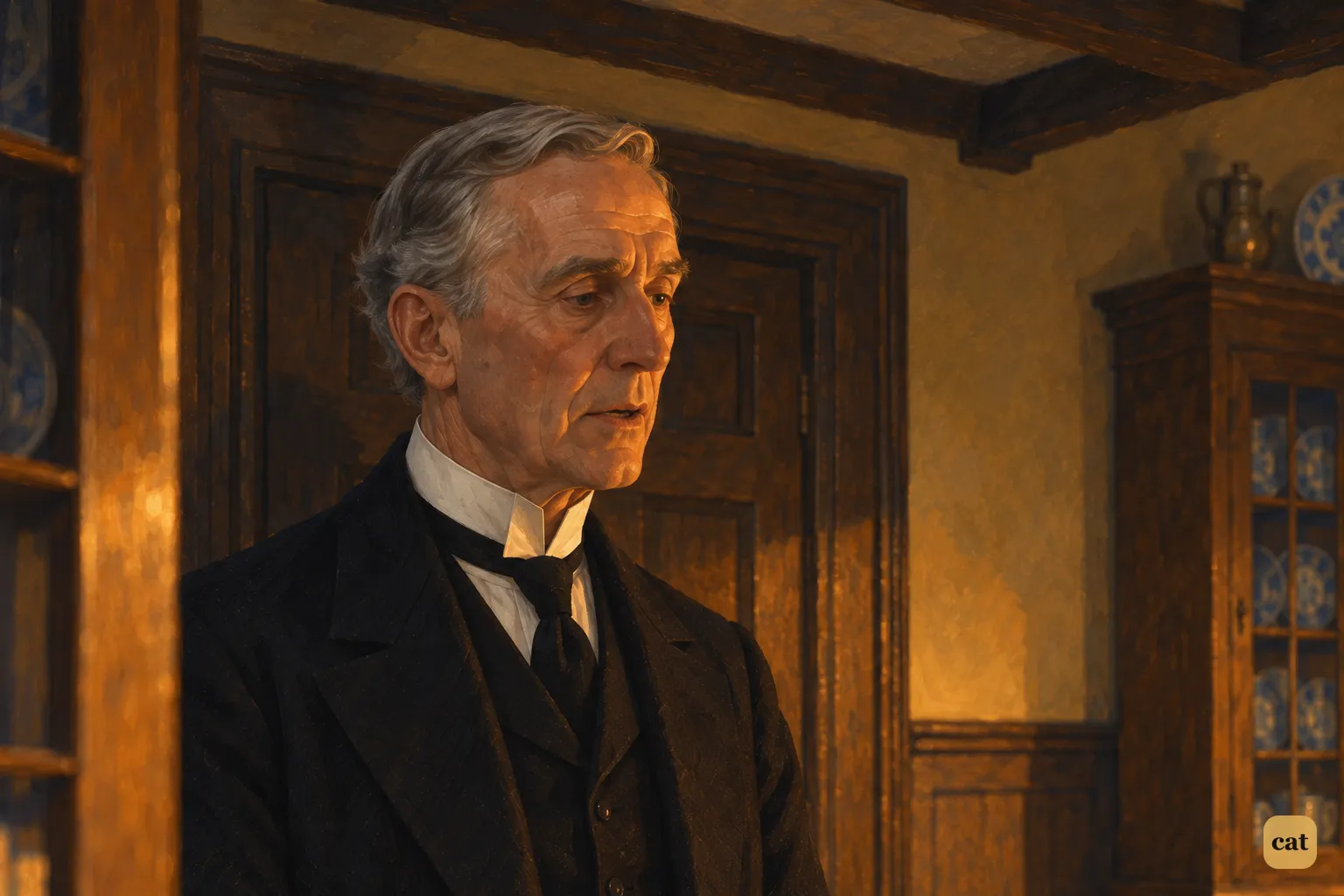
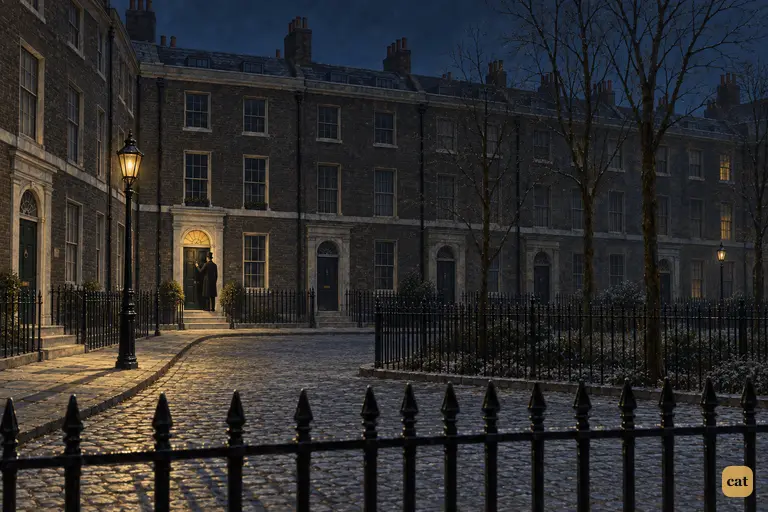
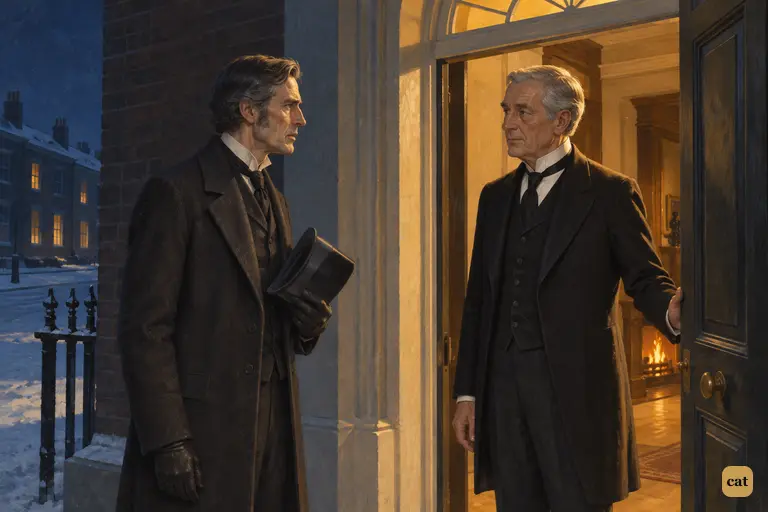
Round the corner from the by-street, there was a square of ancient, handsome houses, now for the most part decayed from their high estate and let in flats and chambers to all sorts and conditions of men; map-engravers, architects, shady lawyers and the agents of obscure enterprises. One house, however, second from the corner, was still occupied entire; and at the door of this, which wore a great air of wealth and comfort, though it was now plunged in darkness except for the fanlight, Mr. Utterson stopped and knocked. A well-dressed, elderly servant opened the door.
Read from here → -
-
Into the flagged hall
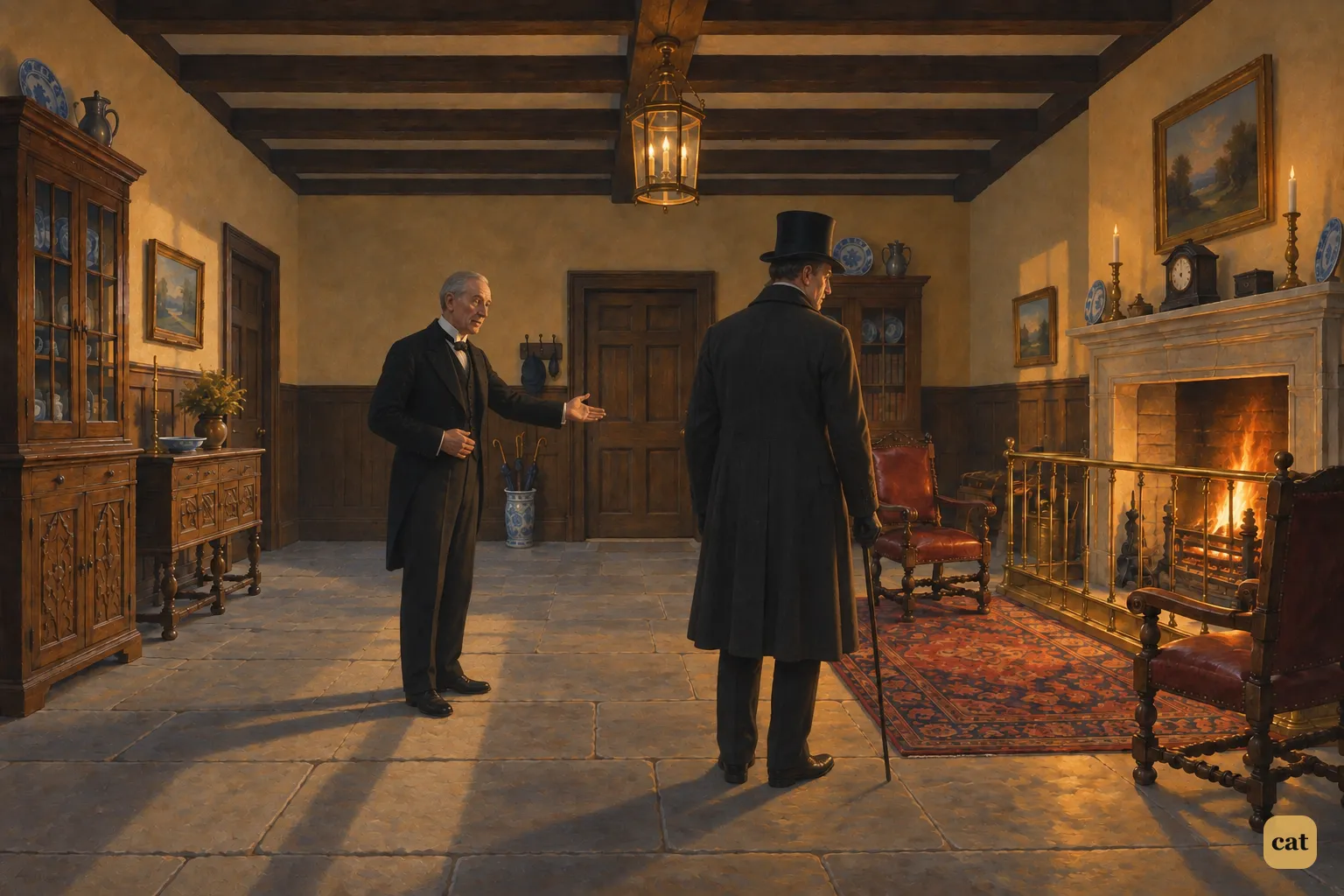
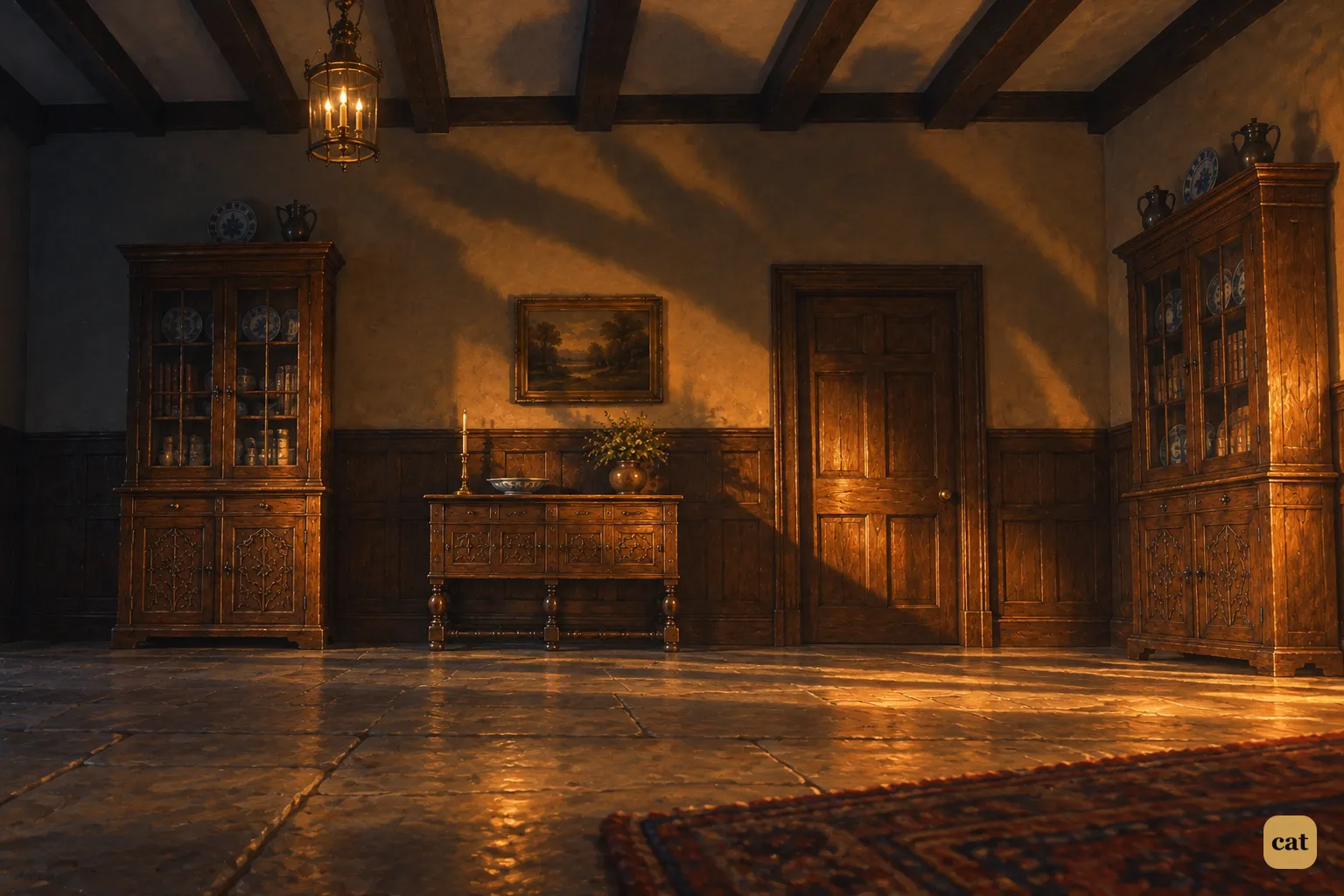
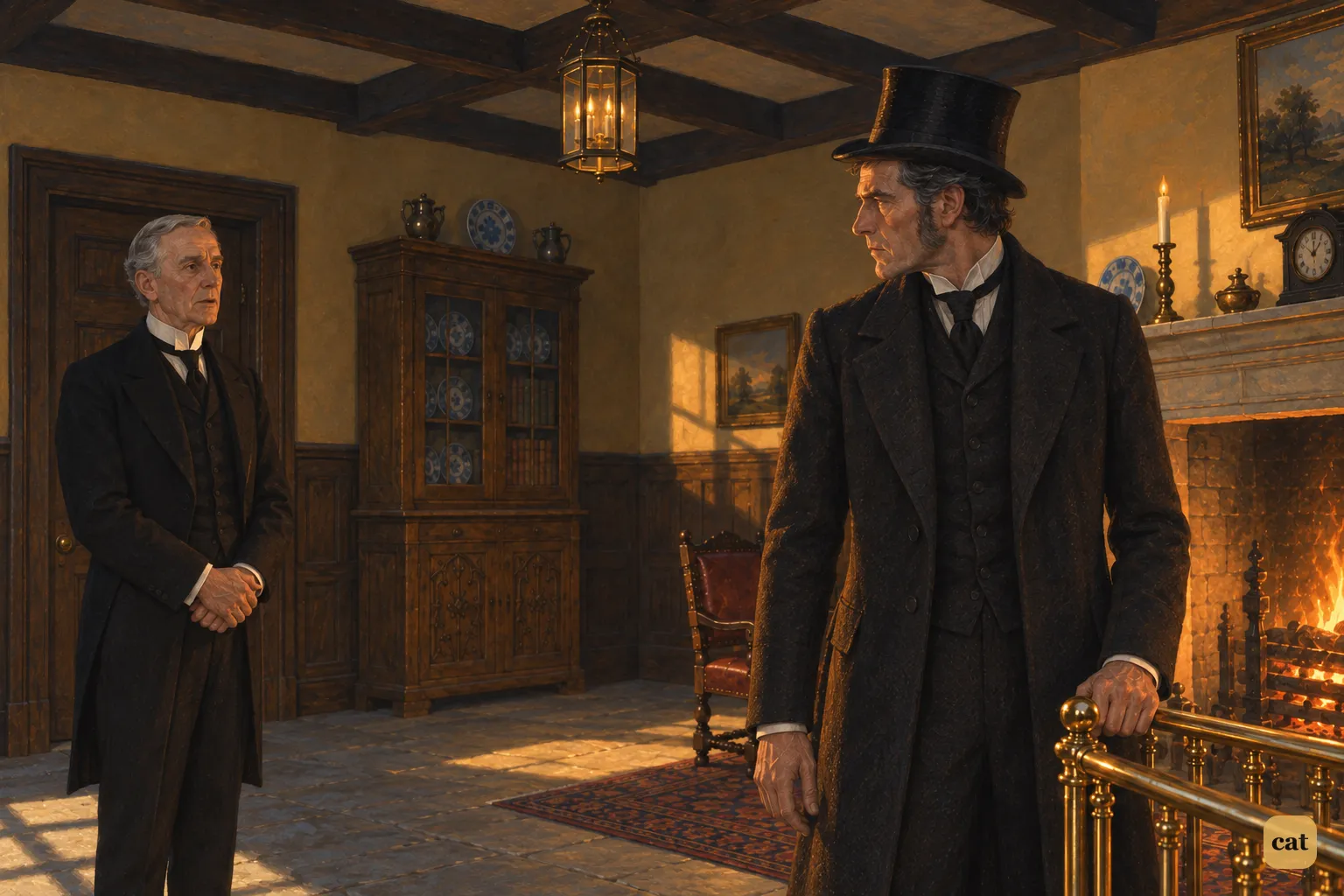
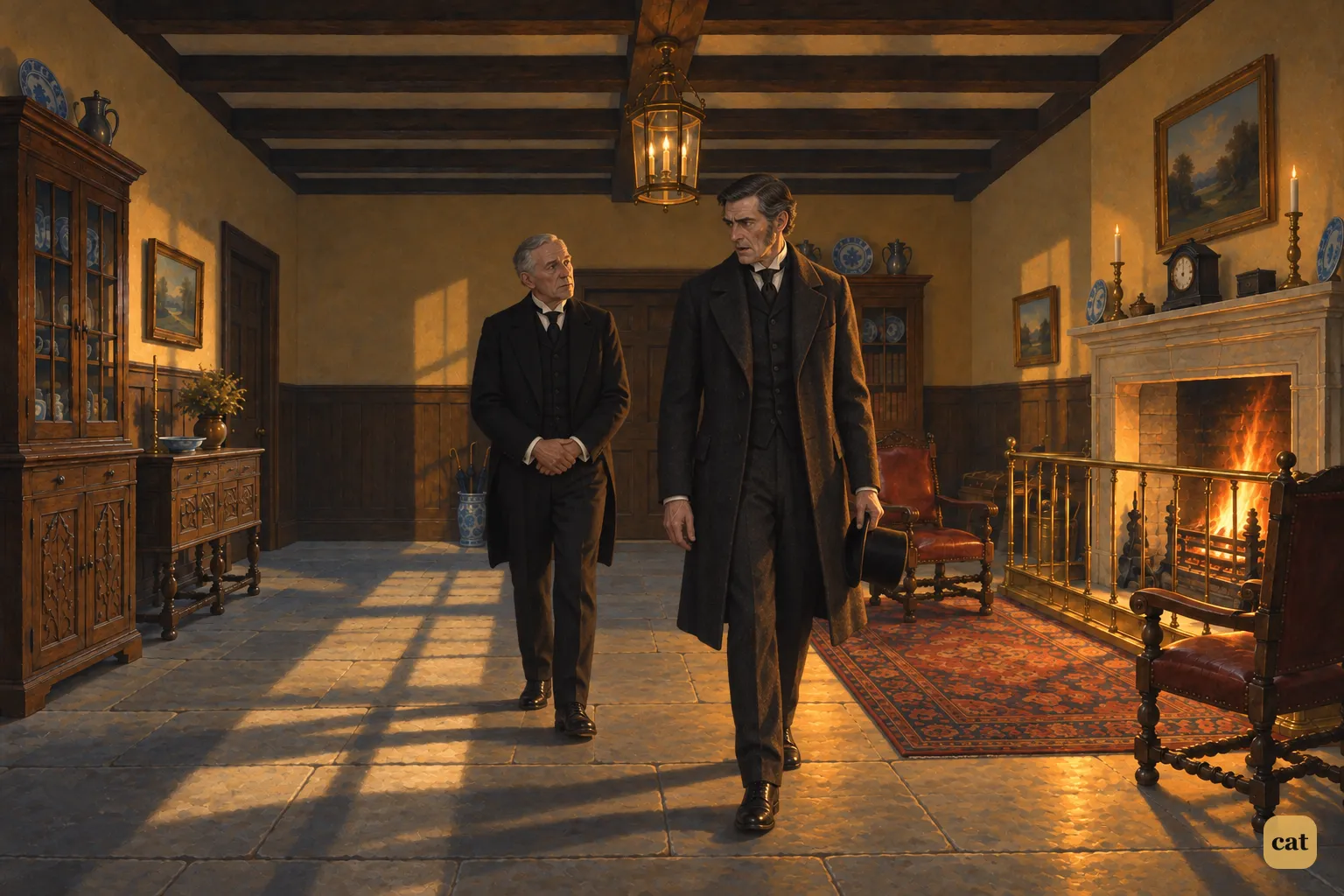
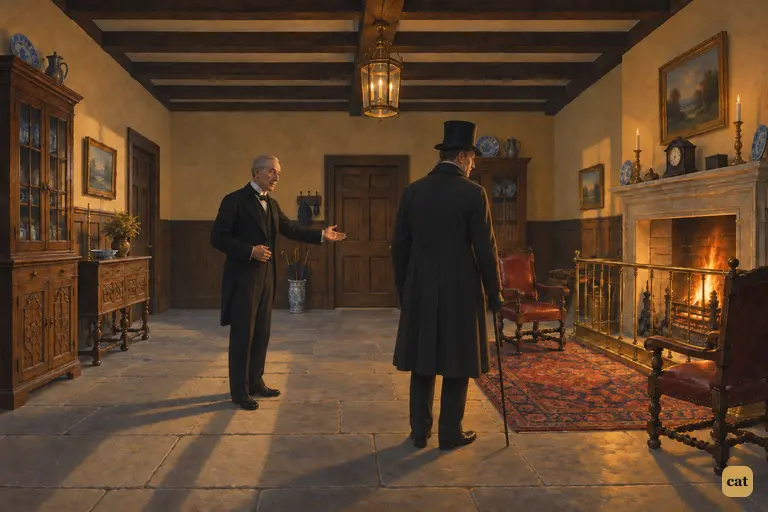
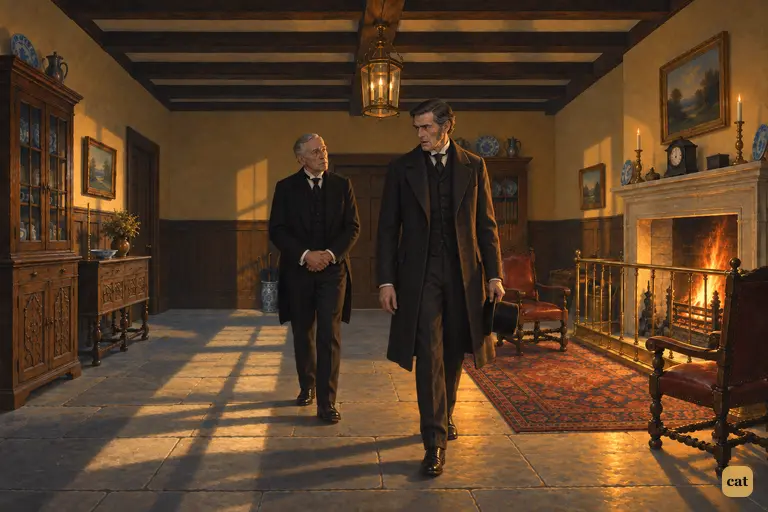
“I will see, Mr. Utterson,” said Poole, admitting the visitor, as he spoke, into a large, low-roofed, comfortable hall paved with flags, warmed (after the fashion of a country house) by a bright, open fire, and furnished with costly cabinets of oak. “Will you wait here by the fire, sir? or shall I give you a light in the dining-room?”
Read from here → -
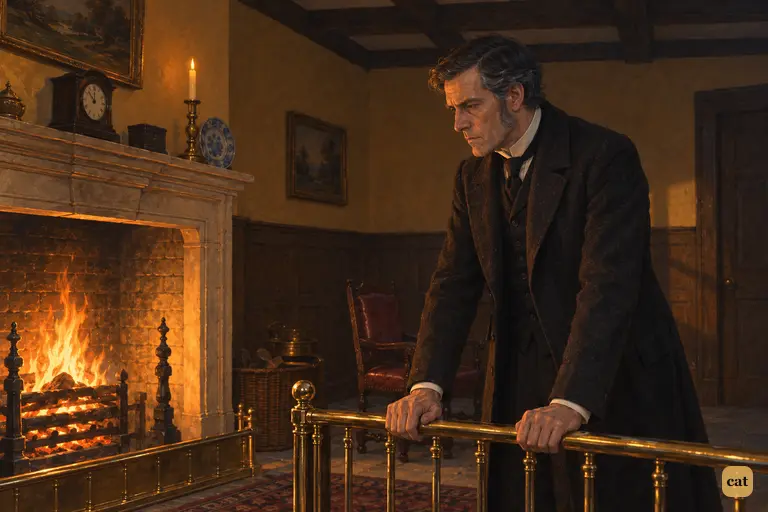
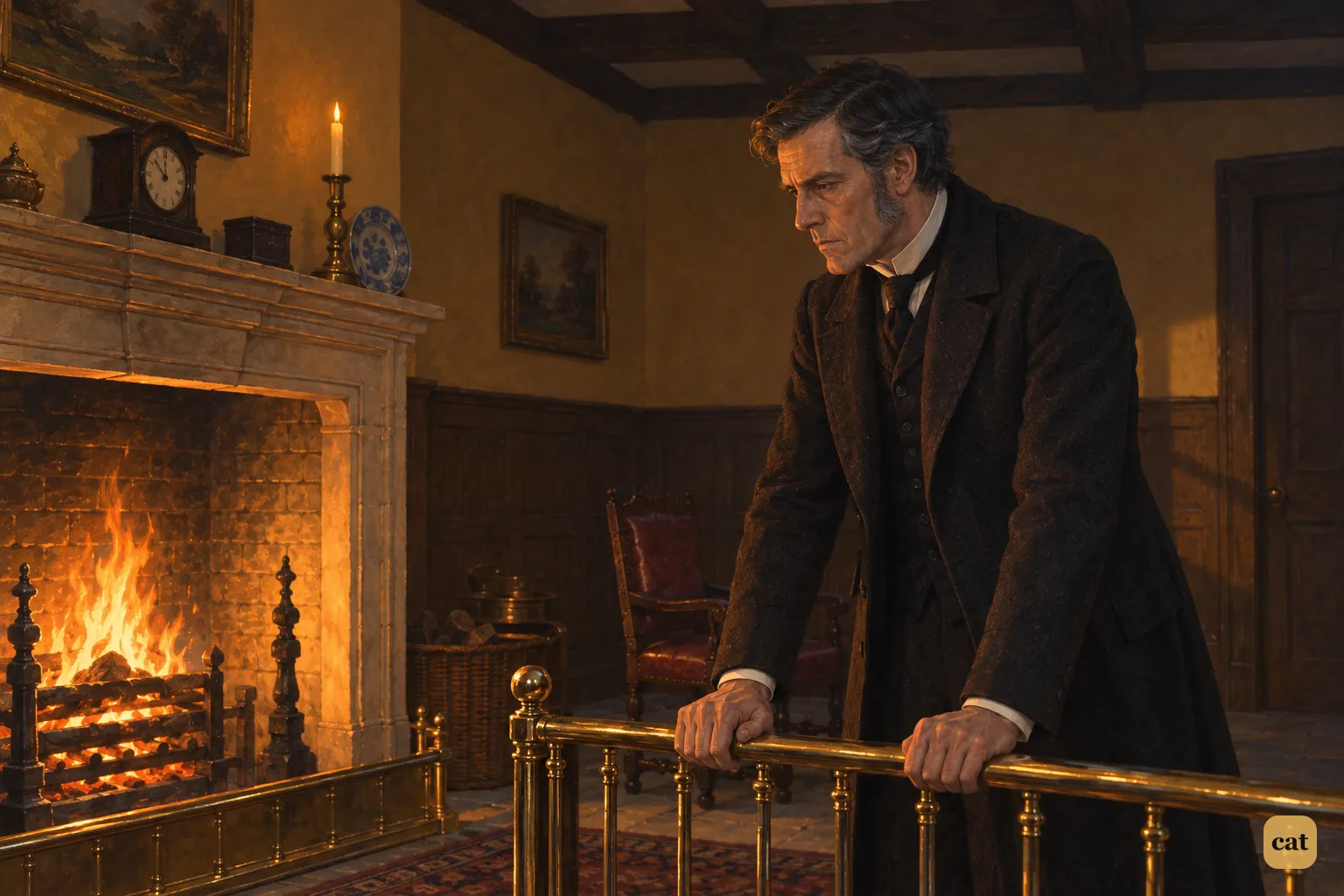
Leaning on the fender
“Here, thank you,” said the lawyer, and he drew near and leaned on the tall fender. This hall, in which he was now left alone, was a pet fancy of his friend the doctor’s; and Utterson himself was wont to speak of it as the pleasantest room in London. But tonight there was a shudder in his blood; the face of Hyde sat heavy on his memory; he felt (what was rare with him) a nausea and distaste of life; and in the gloom of his spirits, he seemed to read a menace in the flickering of the firelight on the polished cabinets and the uneasy starting of the shadow on the roof. He was ashamed of his relief, when Poole presently returned to announce that Dr. Jekyll was gone out.
Read from here → -
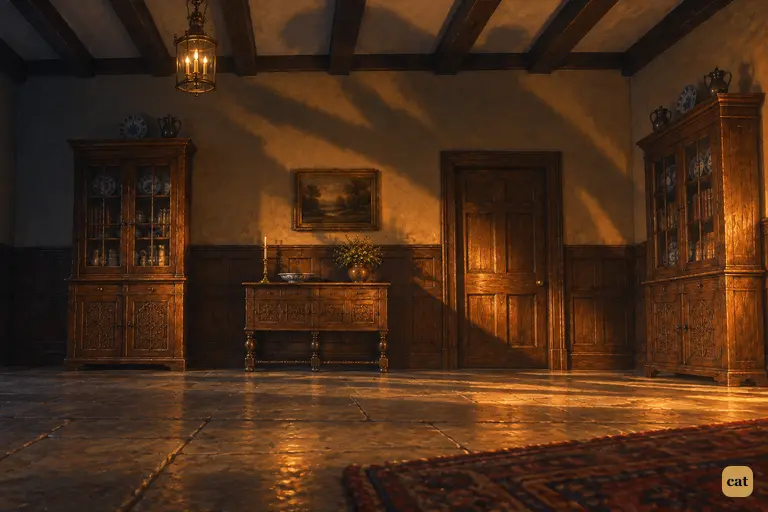
Menace in the firelight
“Here, thank you,” said the lawyer, and he drew near and leaned on the tall fender. This hall, in which he was now left alone, was a pet fancy of his friend the doctor’s; and Utterson himself was wont to speak of it as the pleasantest room in London. But tonight there was a shudder in his blood; the face of Hyde sat heavy on his memory; he felt (what was rare with him) a nausea and distaste of life; and in the gloom of his spirits, he seemed to read a menace in the flickering of the firelight on the polished cabinets and the uneasy starting of the shadow on the roof. He was ashamed of his relief, when Poole presently returned to announce that Dr. Jekyll was gone out.
Read from here → -
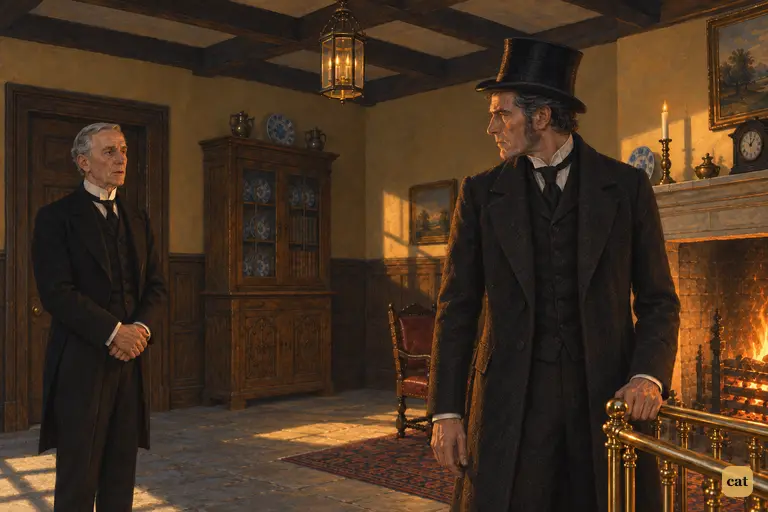
Mr. Hyde has a key
“Quite right, Mr. Utterson, sir,” replied the servant. “Mr. Hyde has a key.”
Read from here → -
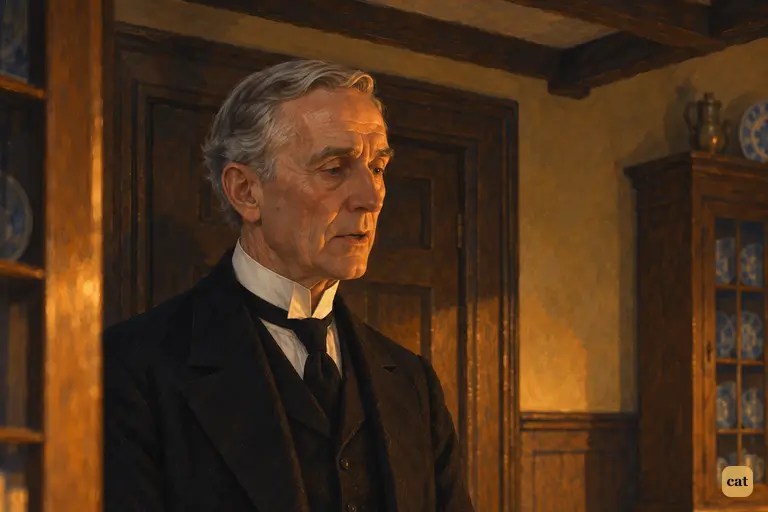
All orders to obey
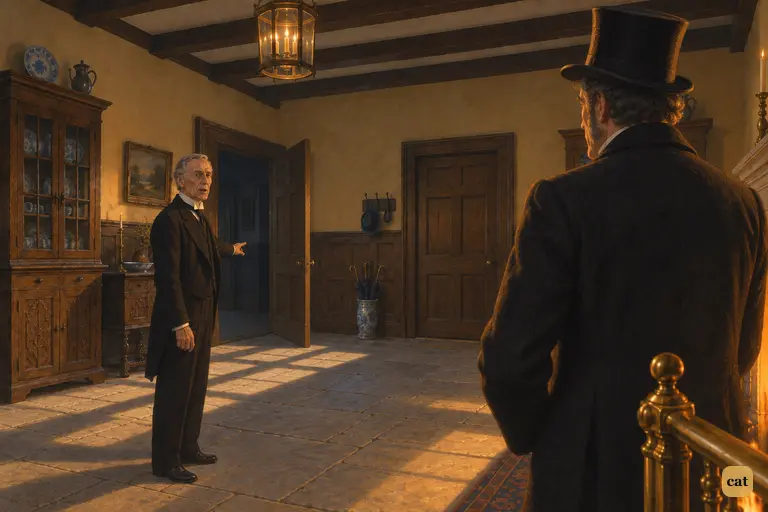
“Yes, sir, he does indeed,” said Poole. “We have all orders to obey him.”
Read from here → -
By the laboratory
“O, dear no, sir. He never dines here,” replied the butler. “Indeed we see very little of him on this side of the house; he mostly comes and goes by the laboratory.”
Read from here → -
-
Homeward, heavy-hearted
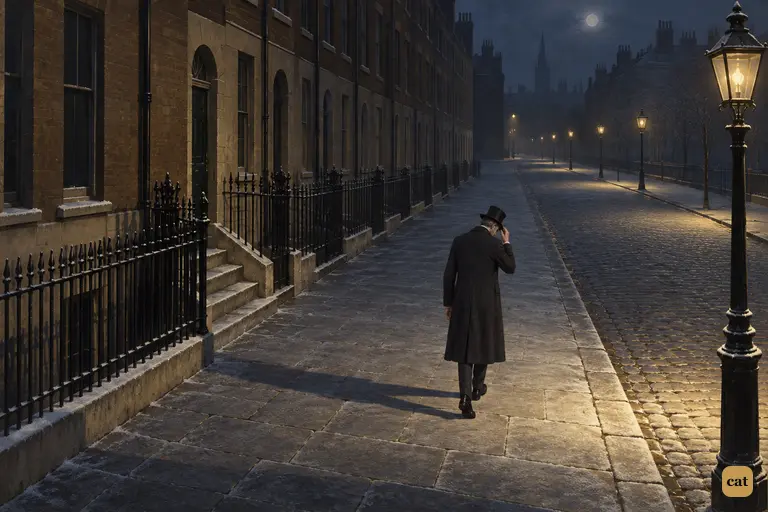
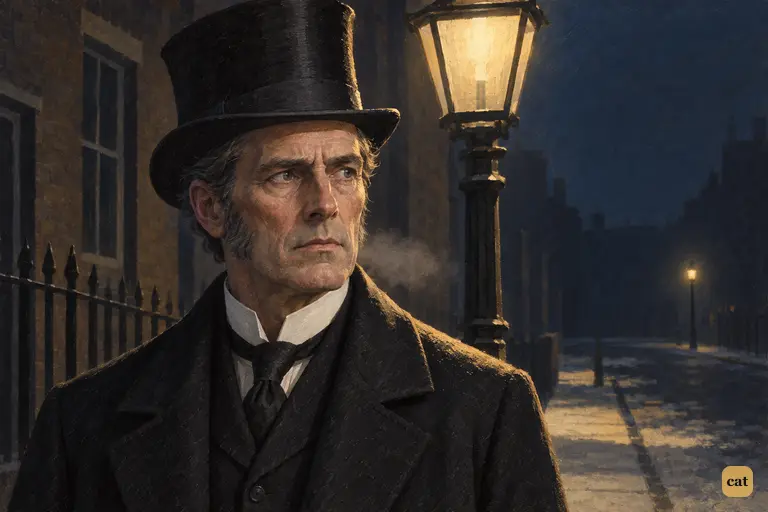
And the lawyer set out homeward with a very heavy heart. “Poor Harry Jekyll,” he thought, “my mind misgives me he is in deep waters! He was wild when he was young; a long while ago to be sure; but in the law of God, there is no statute of limitations. Ah, it must be that; the ghost of some old sin, the cancer of some concealed disgrace: punishment coming, pede claudo, years after memory has forgotten and self-love condoned the fault.” And the lawyer, scared by the thought, brooded awhile on his own past, groping in all the corners of memory, lest by chance some Jack-in-the-Box of an old iniquity should leap to light there. His past was fairly blameless; few men could read the rolls of their life with less apprehension; yet he was humbled to the dust by the many ill things he had done, and raised up again into a sober and fearful gratitude by the many he had come so near to doing yet avoided. And then by a return on his former subject, he conceived a spark of hope. “This Master Hyde, if he were studied,” thought he, “must have secrets of his own; black secrets, by the look of him; secrets compared to which poor Jekyll’s worst would be like sunshine. Things cannot continue as they are. It turns me cold to think of this creature stealing like a thief to Harry’s bedside; poor Harry, what a wakening! And the danger of it; for if this Hyde suspects the existence of the will, he may grow impatient to inherit. Ah, I must put my shoulder to the wheel—if Jekyll will but let me,” he added, “if Jekyll will only let me.” For once more he saw before his mind’s eye, as clear as transparency, the strange clauses of the will.
Read from here → -
If Jekyll will let me
And the lawyer set out homeward with a very heavy heart. “Poor Harry Jekyll,” he thought, “my mind misgives me he is in deep waters! He was wild when he was young; a long while ago to be sure; but in the law of God, there is no statute of limitations. Ah, it must be that; the ghost of some old sin, the cancer of some concealed disgrace: punishment coming, pede claudo, years after memory has forgotten and self-love condoned the fault.” And the lawyer, scared by the thought, brooded awhile on his own past, groping in all the corners of memory, lest by chance some Jack-in-the-Box of an old iniquity should leap to light there. His past was fairly blameless; few men could read the rolls of their life with less apprehension; yet he was humbled to the dust by the many ill things he had done, and raised up again into a sober and fearful gratitude by the many he had come so near to doing yet avoided. And then by a return on his former subject, he conceived a spark of hope. “This Master Hyde, if he were studied,” thought he, “must have secrets of his own; black secrets, by the look of him; secrets compared to which poor Jekyll’s worst would be like sunshine. Things cannot continue as they are. It turns me cold to think of this creature stealing like a thief to Harry’s bedside; poor Harry, what a wakening! And the danger of it; for if this Hyde suspects the existence of the will, he may grow impatient to inherit. Ah, I must put my shoulder to the wheel—if Jekyll will but let me,” he added, “if Jekyll will only let me.” For once more he saw before his mind’s eye, as clear as transparency, the strange clauses of the will.
Read from here → -
After the pleasant dinner
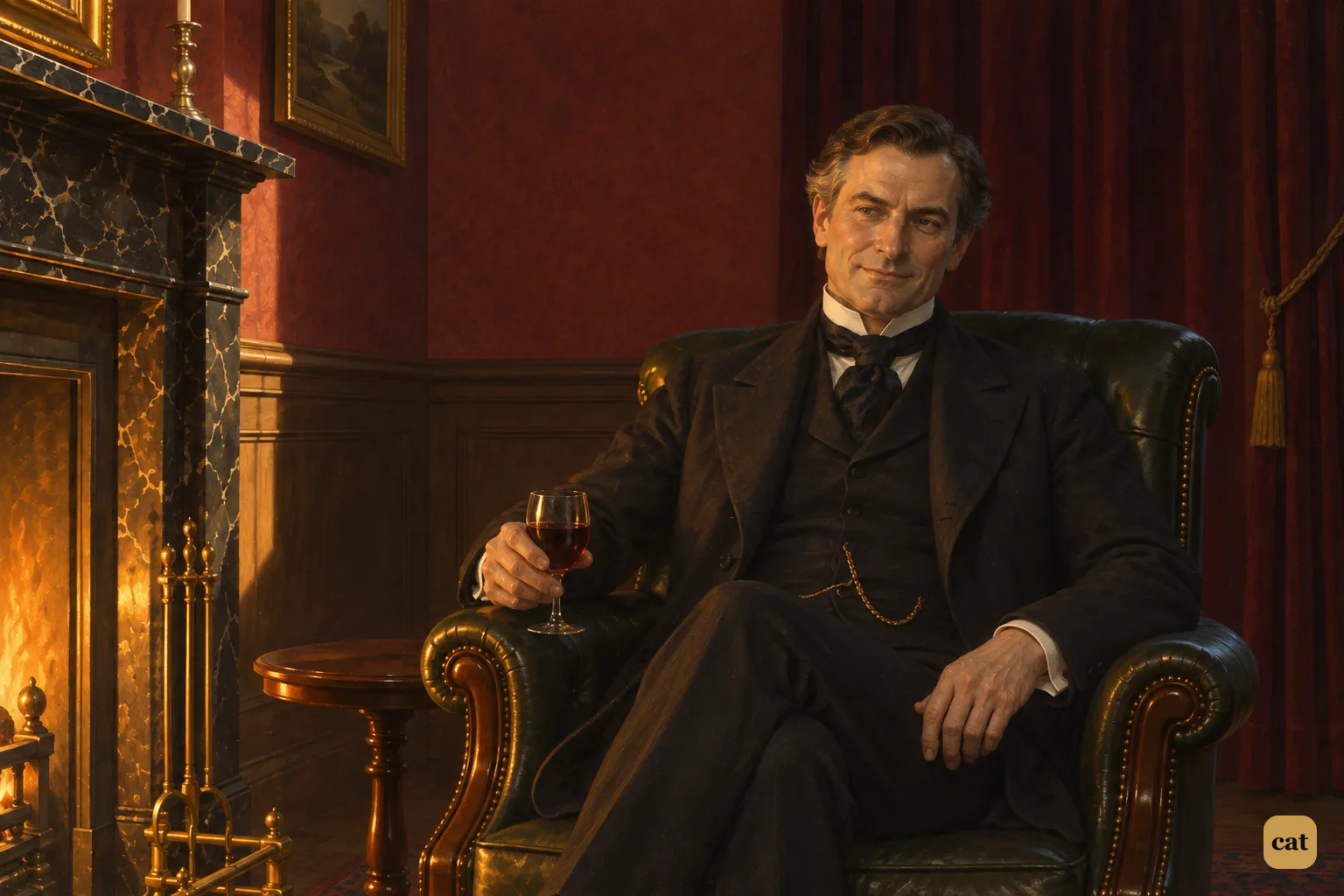
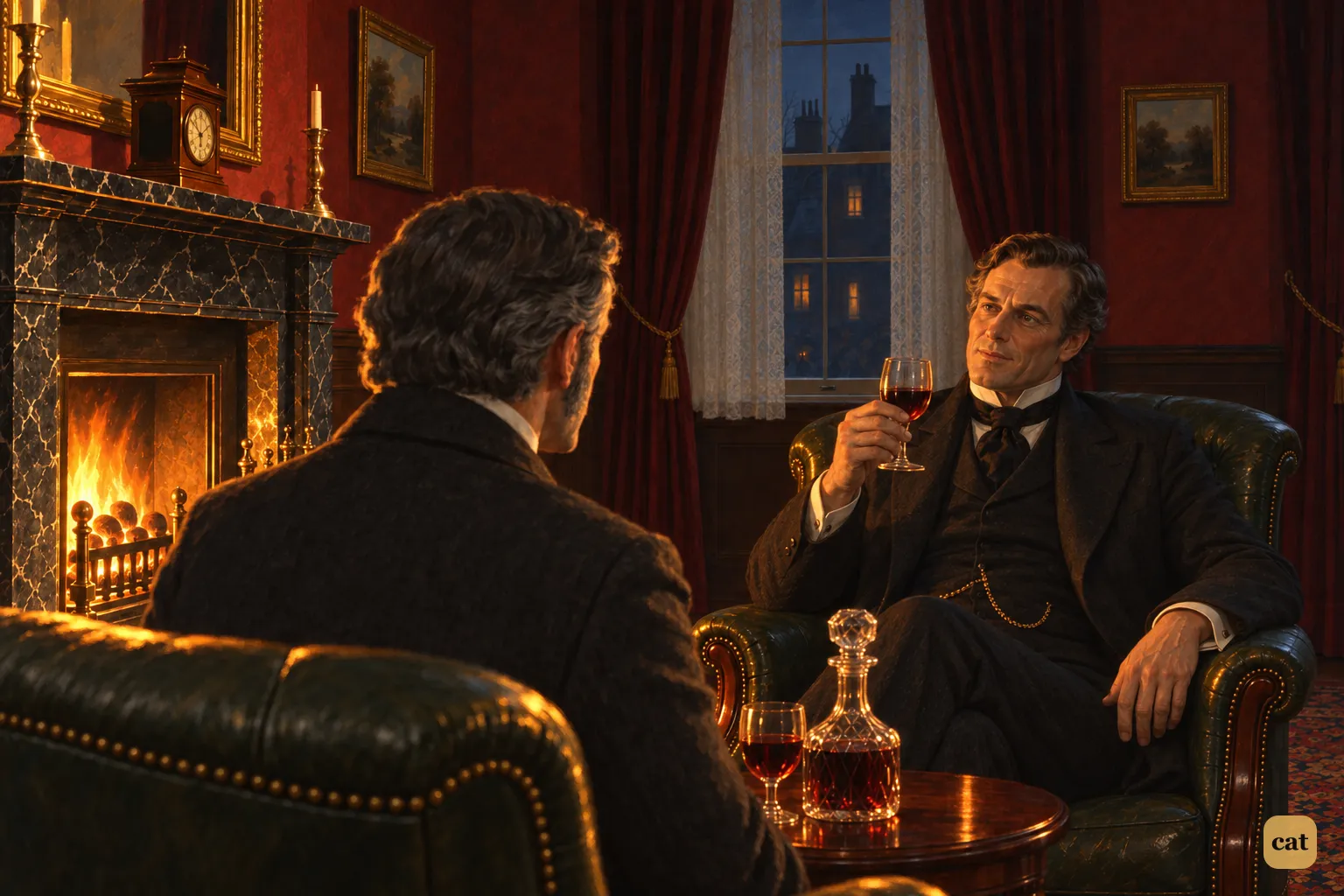
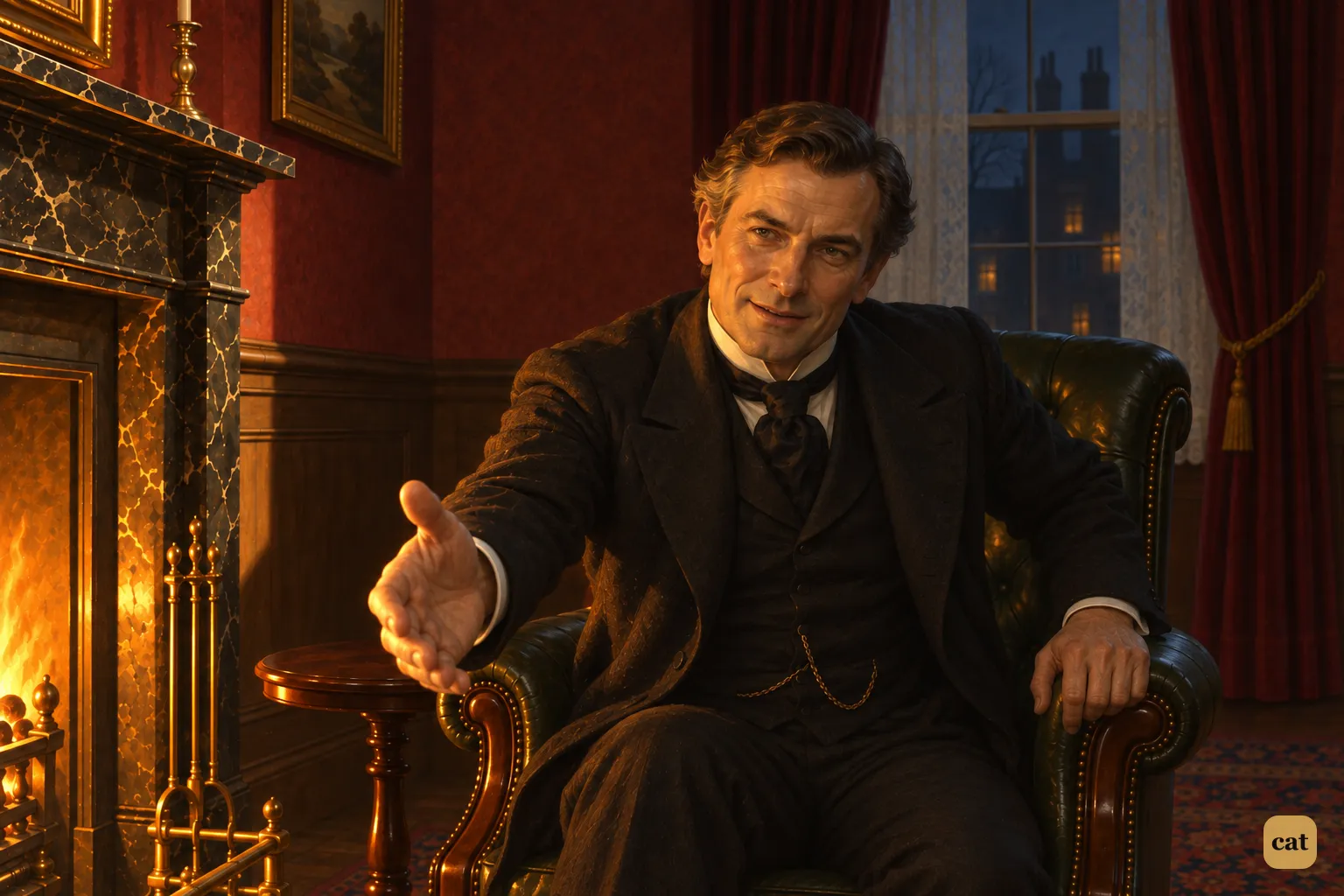
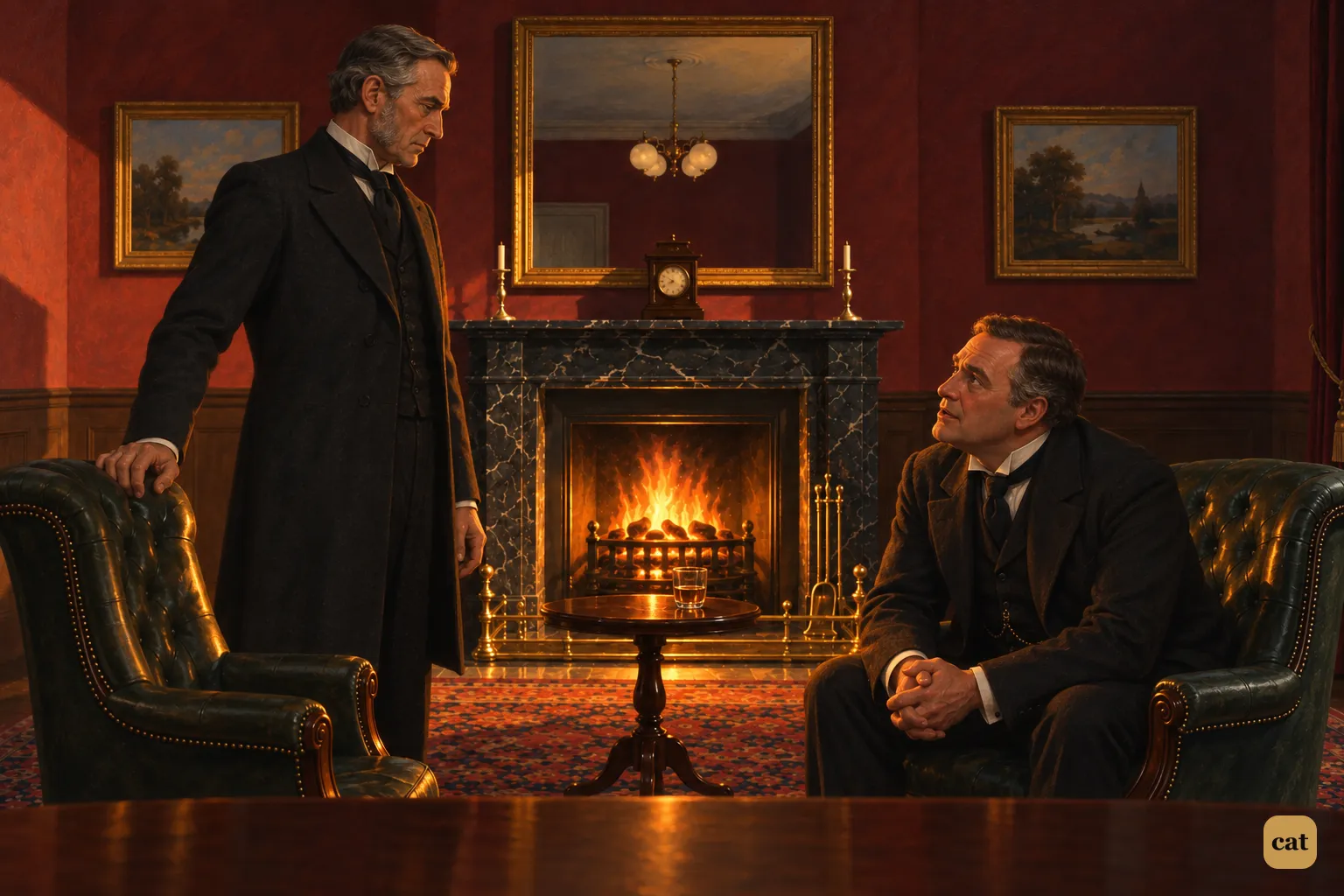
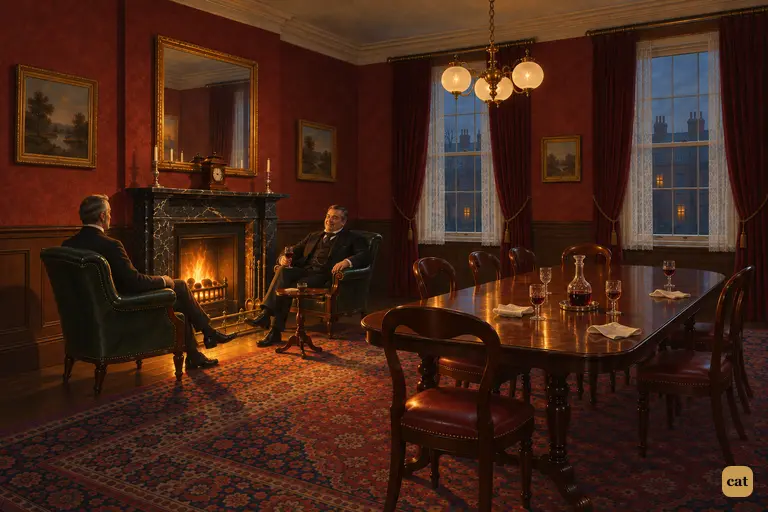
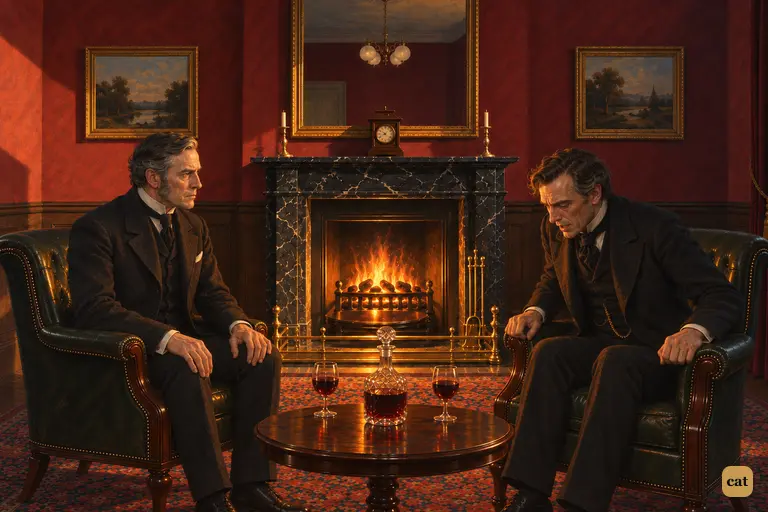
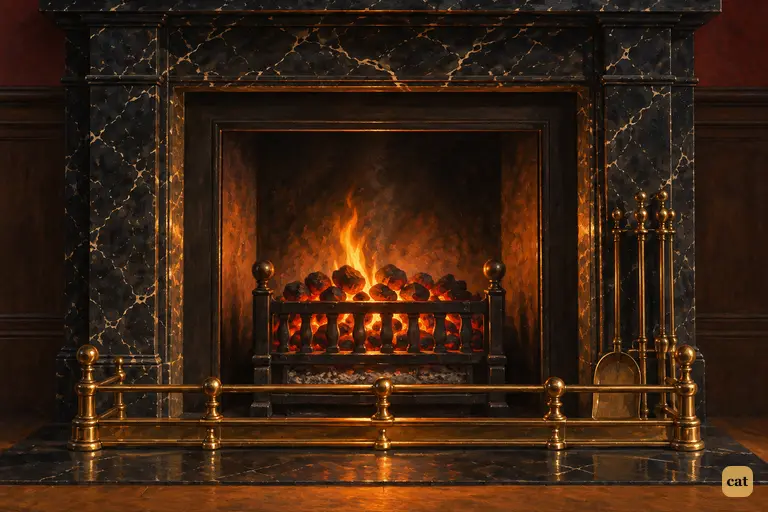
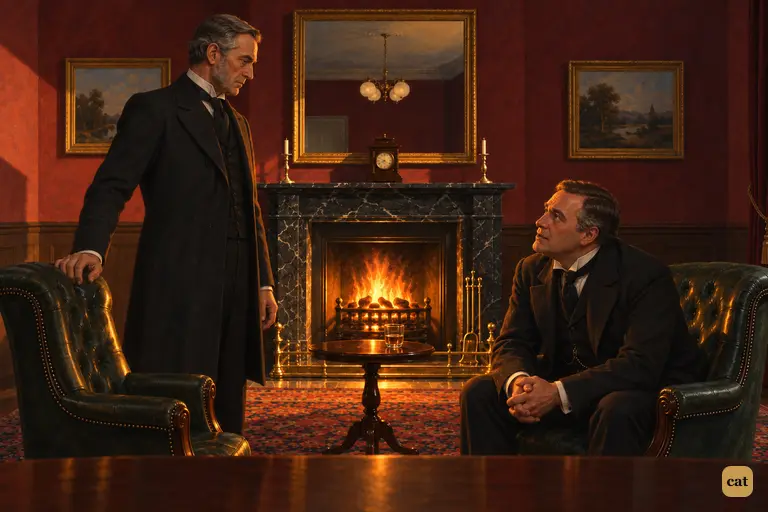
A fortnight later, by excellent good fortune, the doctor gave one of his pleasant dinners to some five or six old cronies, all intelligent, reputable men and all judges of good wine; and Mr. Utterson so contrived that he remained behind after the others had departed. This was no new arrangement, but a thing that had befallen many scores of times. Where Utterson was liked, he was liked well. Hosts loved to detain the dry lawyer, when the light-hearted and loose-tongued had already their foot on the threshold; they liked to sit a while in his unobtrusive company, practising for solitude, sobering their minds in the man’s rich silence after the expense and strain of gaiety. To this rule, Dr. Jekyll was no exception; and as he now sat on the opposite side of the fire—a large, well-made, smooth-faced man of fifty, with something of a slyish cast perhaps, but every mark of capacity and kindness—you could see by his looks that he cherished for Mr. Utterson a sincere and warm affection.
Read from here → -
The host by the fire
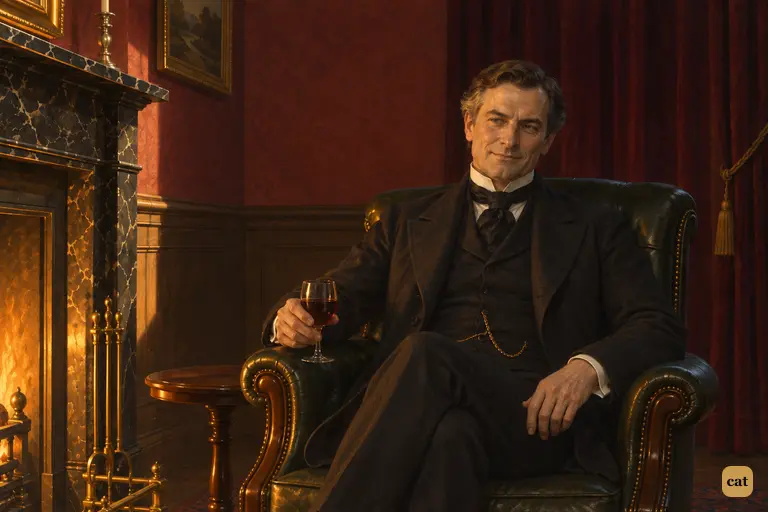
A fortnight later, by excellent good fortune, the doctor gave one of his pleasant dinners to some five or six old cronies, all intelligent, reputable men and all judges of good wine; and Mr. Utterson so contrived that he remained behind after the others had departed. This was no new arrangement, but a thing that had befallen many scores of times. Where Utterson was liked, he was liked well. Hosts loved to detain the dry lawyer, when the light-hearted and loose-tongued had already their foot on the threshold; they liked to sit a while in his unobtrusive company, practising for solitude, sobering their minds in the man’s rich silence after the expense and strain of gaiety. To this rule, Dr. Jekyll was no exception; and as he now sat on the opposite side of the fire—a large, well-made, smooth-faced man of fifty, with something of a slyish cast perhaps, but every mark of capacity and kindness—you could see by his looks that he cherished for Mr. Utterson a sincere and warm affection.
Read from here → -
That will of yours
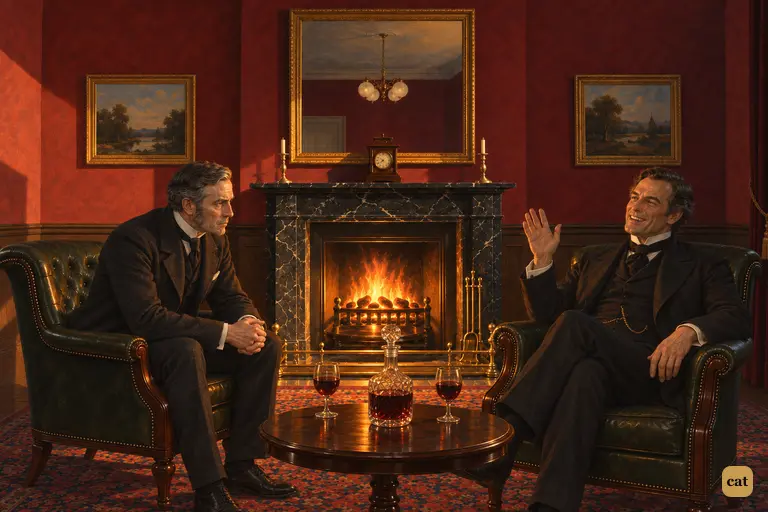
A close observer might have gathered that the topic was distasteful; but the doctor carried it off gaily. “My poor Utterson,” said he, “you are unfortunate in such a client. I never saw a man so distressed as you were by my will; unless it were that hide-bound pedant, Lanyon, at what he called my scientific heresies. O, I know he’s a good fellow—you needn’t frown—an excellent fellow, and I always mean to see more of him; but a hide-bound pedant for all that; an ignorant, blatant pedant. I was never more disappointed in any man than Lanyon.”
Read from here → -
Something of young Hyde
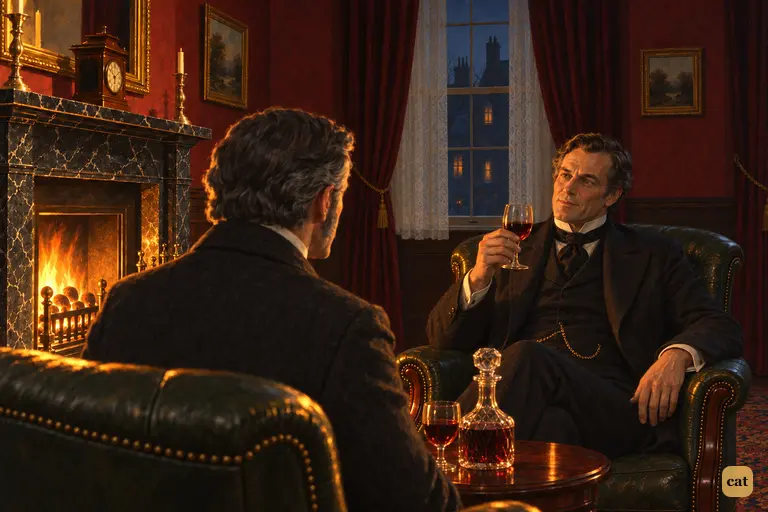
“Well, I tell you so again,” continued the lawyer. “I have been learning something of young Hyde.”
Read from here → -
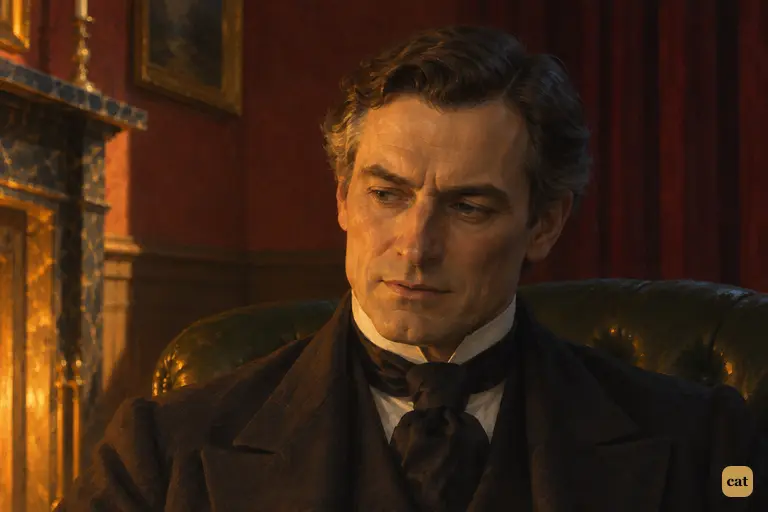
Pale to the lips
The large handsome face of Dr. Jekyll grew pale to the very lips, and there came a blackness about his eyes. “I do not care to hear more,” said he. “This is a matter I thought we had agreed to drop.”
Read from here → -
-
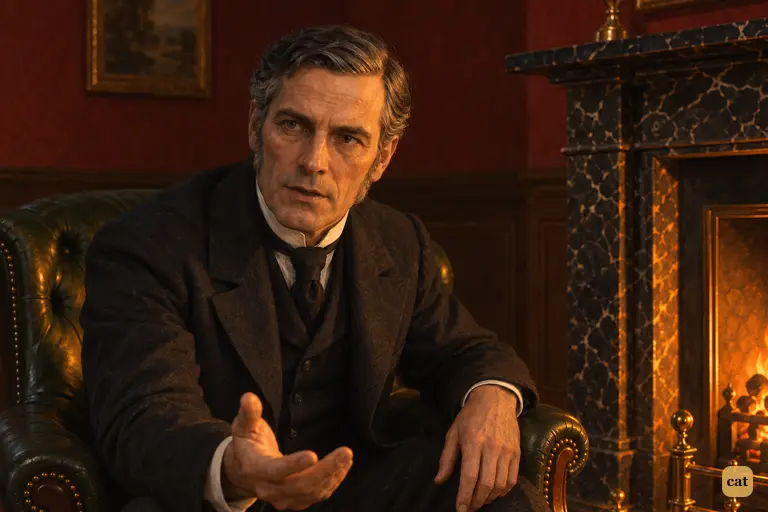
A man to be trusted
“Jekyll,” said Utterson, “you know me: I am a man to be trusted. Make a clean breast of this in confidence; and I make no doubt I can get you out of it.”
Read from here → -
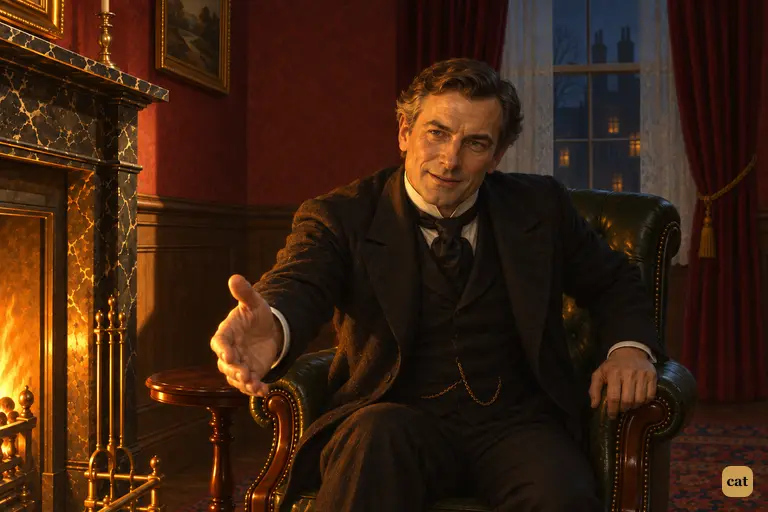
My hand upon that
“My good Utterson,” said the doctor, “this is very good of you, this is downright good of you, and I cannot find words to thank you in. I believe you fully; I would trust you before any man alive, ay, before myself, if I could make the choice; but indeed it isn’t what you fancy; it is not as bad as that; and just to put your good heart at rest, I will tell you one thing: the moment I choose, I can be rid of Mr. Hyde. I give you my hand upon that; and I thank you again and again; and I will just add one little word, Utterson, that I’m sure you’ll take in good part: this is a private matter, and I beg of you to let it sleep.”
Read from here → -
-
Bear with him
“Well, but since we have touched upon this business, and for the last time I hope,” continued the doctor, “there is one point I should like you to understand. I have really a very great interest in poor Hyde. I know you have seen him; he told me so; and I fear he was rude. But I do sincerely take a great, a very great interest in that young man; and if I am taken away, Utterson, I wish you to promise me that you will bear with him and get his rights for him. I think you would, if you knew all; and it would be a weight off my mind if you would promise.”
Read from here → -
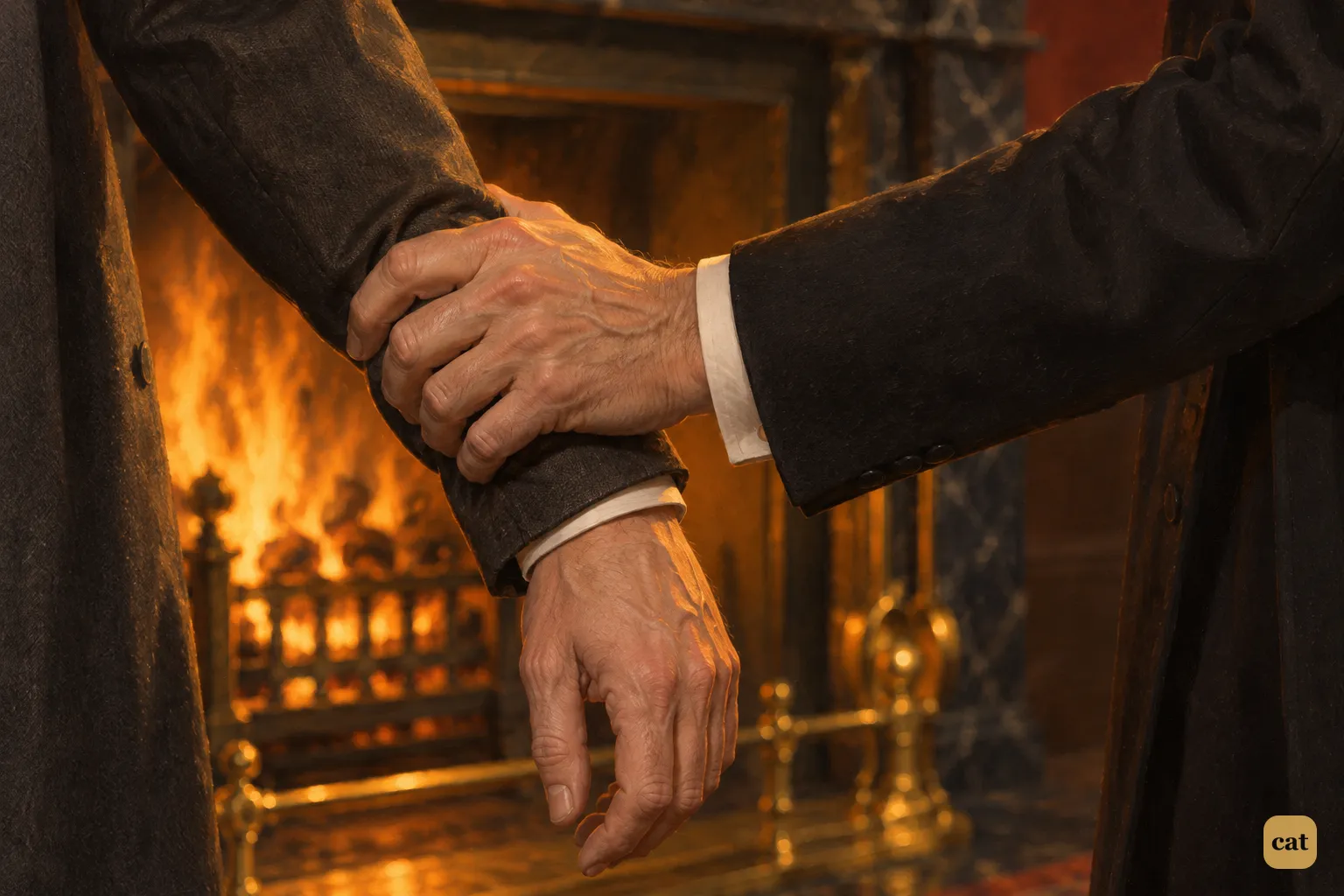
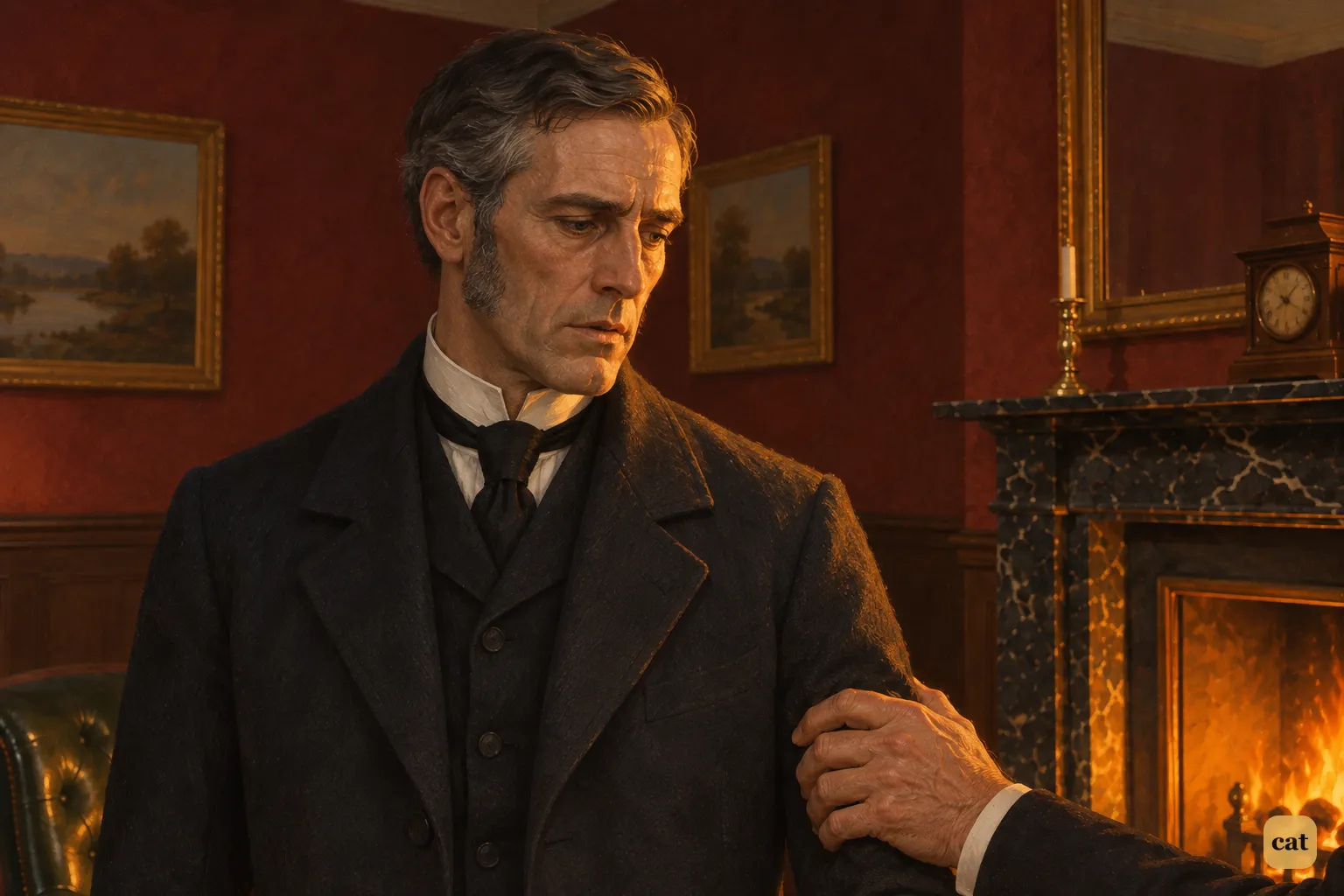
Hand upon the arm
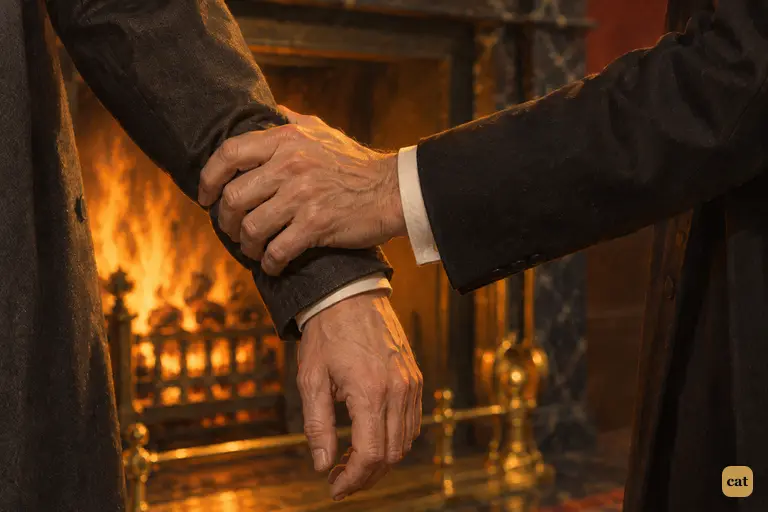
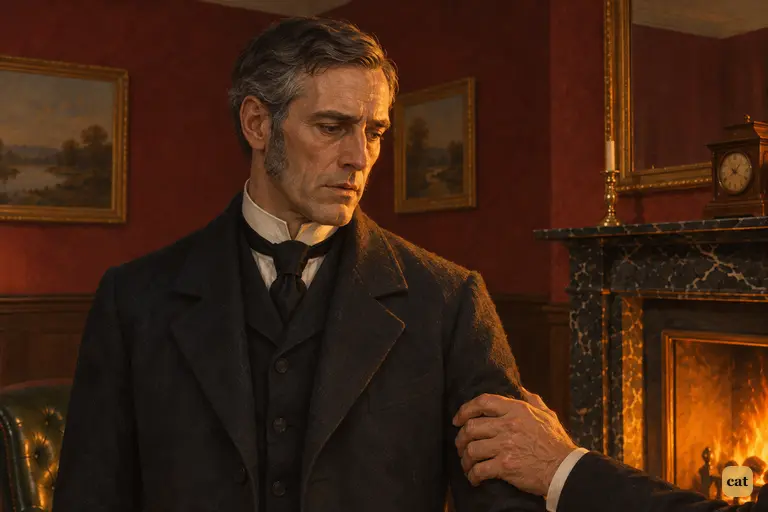
“I don’t ask that,” pleaded Jekyll, laying his hand upon the other’s arm; “I only ask for justice; I only ask you to help him for my sake, when I am no longer here.”
Read from here → -
-
Chapter 2
The Lawyer Seeks Hyde's Face and Makes a Promise
Next chapter: Murder in the Lane and the Empty House in Soho Read this chapter