 Author
-
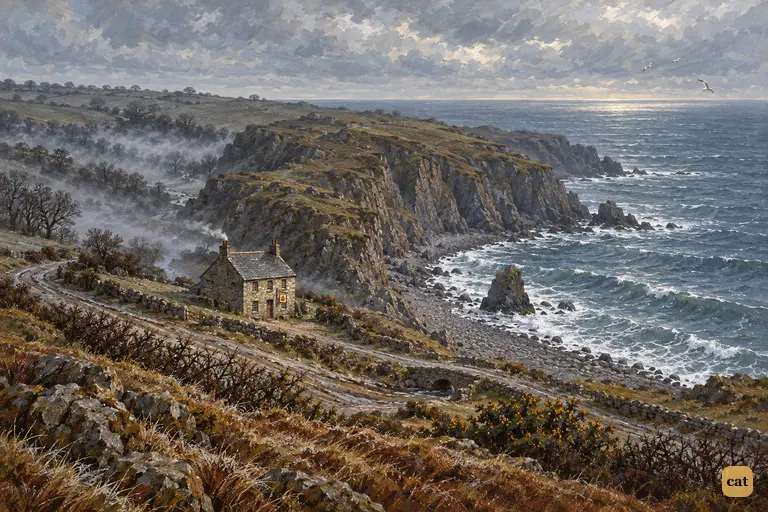
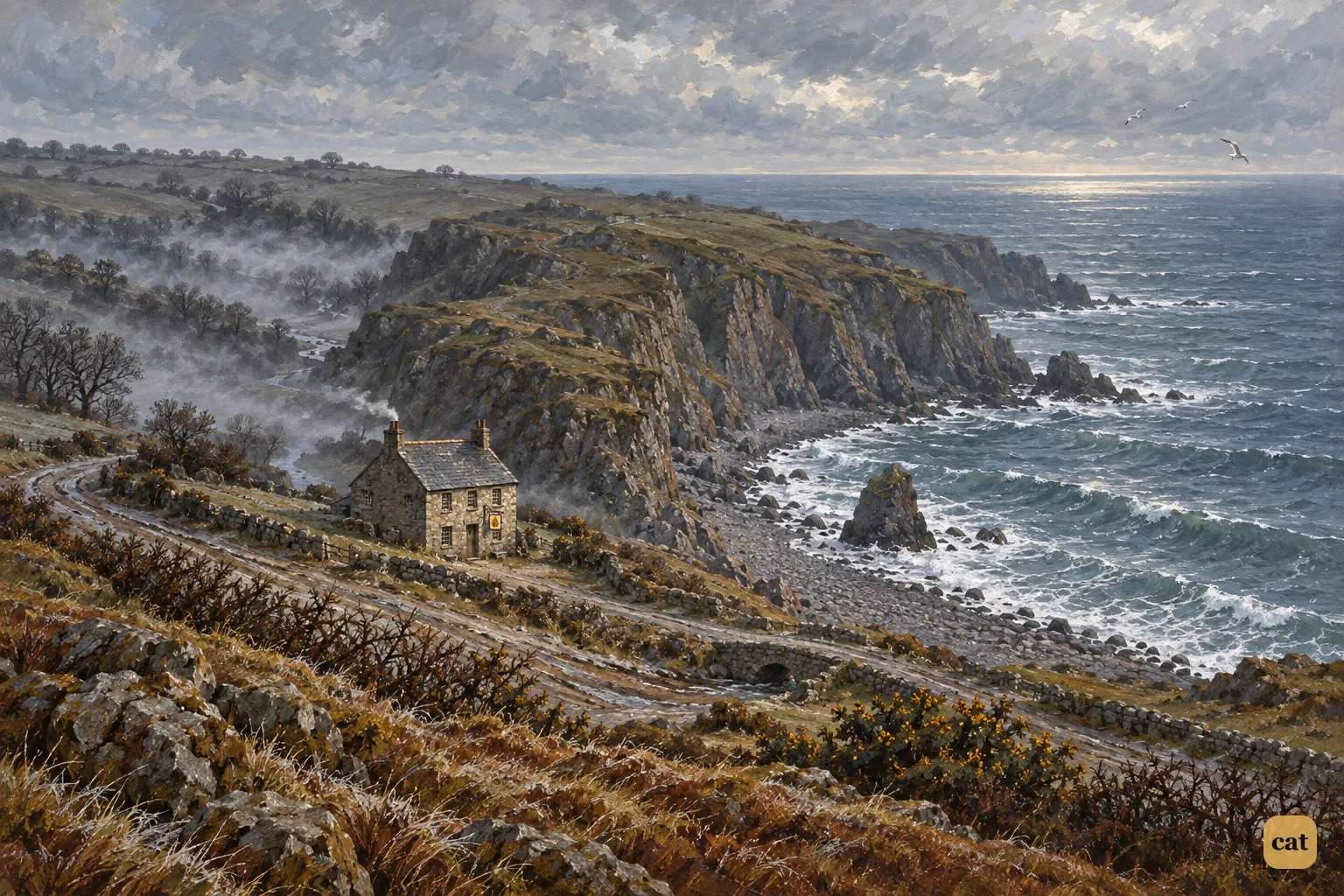
The lonely inn above the cove
Squire Trelawney, Dr. Livesey, and the rest of these gentlemen having asked me to write down the whole particulars about Treasure Island, from the beginning to the end, keeping nothing back but the bearings of the island, and that only because there is still treasure not yet lifted, I take up my pen in the year of grace 17—, and go back to the time when my father kept the Admiral Benbow inn and the brown old seaman with the sabre cut first took up his lodging under our roof.
Read from here → -

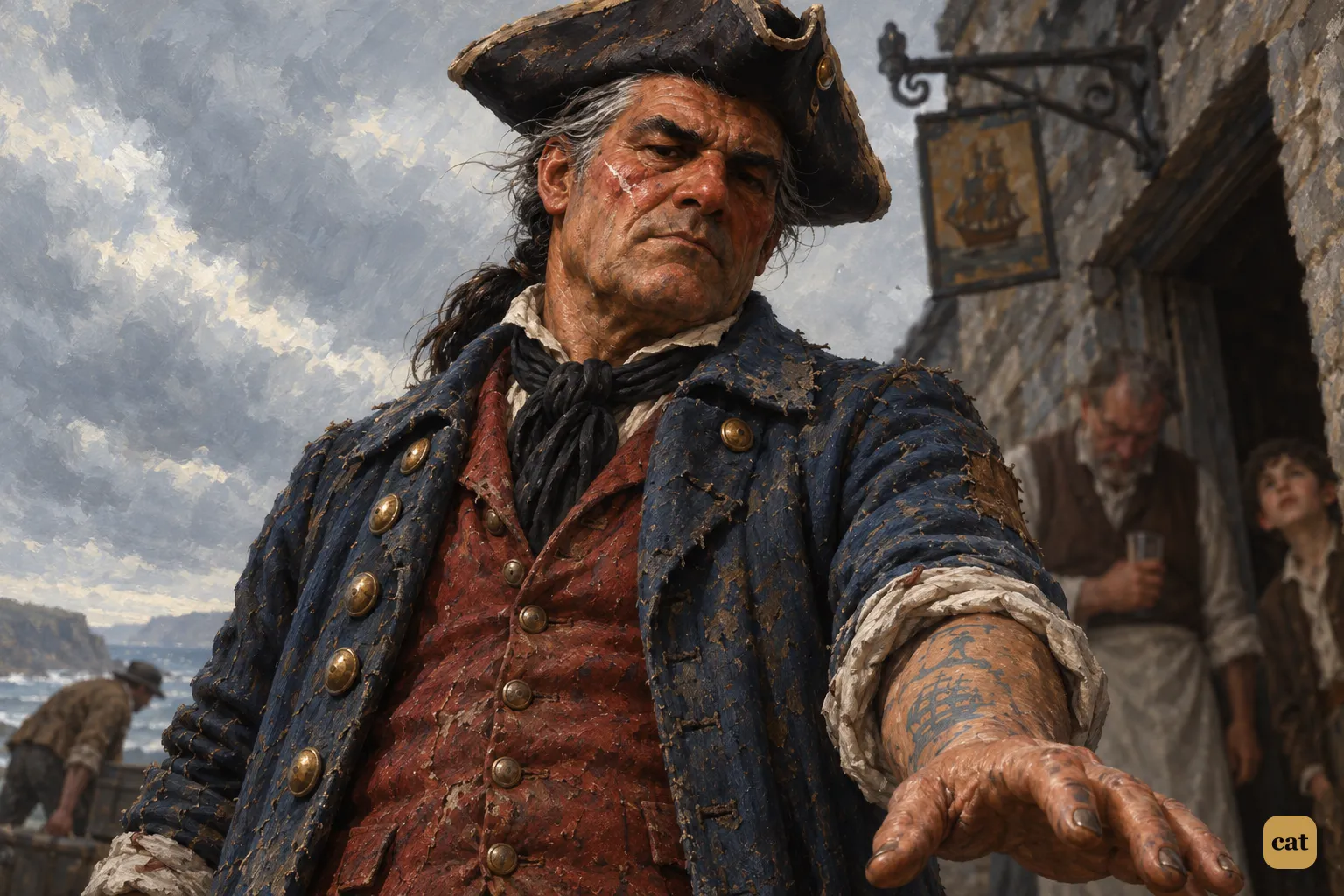
He comes plodding to the door
I remember him as if it were yesterday, as he came plodding to the inn door, his sea-chest following behind him in a hand-barrow—a tall, strong, heavy, nut-brown man, his tarry pigtail falling over the shoulder of his soiled blue coat, his hands ragged and scarred, with black, broken nails, and the sabre cut across one cheek, a dirty, livid white. I remember him looking round the cove and whistling to himself as he did so, and then breaking out in that old sea-song that he sang so often afterwards:
Read from here → -
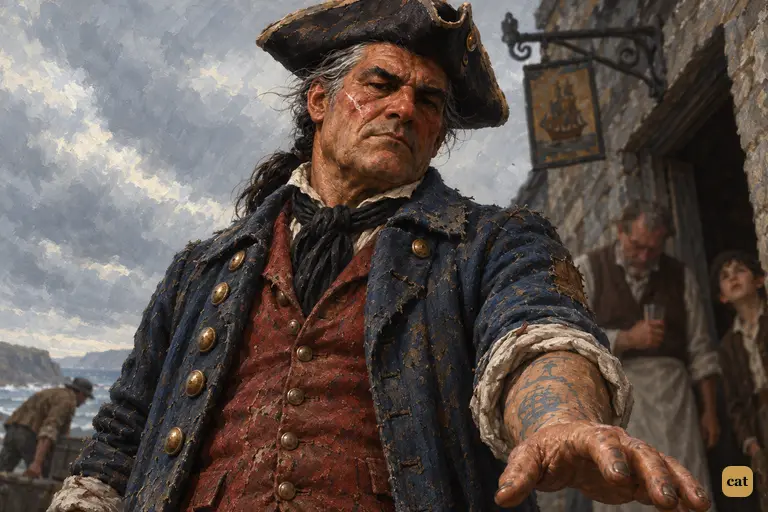
Fierce as a commander
“Well, then,” said he, “this is the berth for me. Here you, matey,” he cried to the man who trundled the barrow; “bring up alongside and help up my chest. I’ll stay here a bit,” he continued. “I’m a plain man; rum and bacon and eggs is what I want, and that head up there for to watch ships off. What you mought call me? You mought call me captain. Oh, I see what you’re at—there”; and he threw down three or four gold pieces on the threshold. “You can tell me when I’ve worked through that,” says he, looking as fierce as a commander.
Read from here → -

The brass telescope on the cliff
He was a very silent man by custom. All day he hung round the cove or upon the cliffs with a brass telescope; all evening he sat in a corner of the parlour next the fire and drank rum and water very strong. Mostly he would not speak when spoken to, only look up sudden and fierce and blow through his nose like a fog-horn; and we and the people who came about our house soon learned to let him be. Every day when he came back from his stroll he would ask if any seafaring men had gone by along the road. At first we thought it was the want of company of his own kind that made him ask this question, but at last we began to see he was desirous to avoid them. When a seaman did put up at the Admiral Benbow (as now and then some did, making by the coast road for Bristol) he would look in at him through the curtained door before he entered the parlour; and he was always sure to be as silent as a mouse when any such was present. For me, at least, there was no secret about the matter, for I was, in a way, a sharer in his alarms. He had taken me aside one day and promised me a silver fourpenny on the first of every month if I would only keep my “weather-eye open for a seafaring man with one leg” and let him know the moment he appeared. Often enough when the first of the month came round and I applied to him for my wage, he would only blow through his nose at me and stare me down, but before the week was out he was sure to think better of it, bring me my four-penny piece, and repeat his orders to look out for “the seafaring man with one leg.”
Read from here → -

The silver fourpenny bargain
He was a very silent man by custom. All day he hung round the cove or upon the cliffs with a brass telescope; all evening he sat in a corner of the parlour next the fire and drank rum and water very strong. Mostly he would not speak when spoken to, only look up sudden and fierce and blow through his nose like a fog-horn; and we and the people who came about our house soon learned to let him be. Every day when he came back from his stroll he would ask if any seafaring men had gone by along the road. At first we thought it was the want of company of his own kind that made him ask this question, but at last we began to see he was desirous to avoid them. When a seaman did put up at the Admiral Benbow (as now and then some did, making by the coast road for Bristol) he would look in at him through the curtained door before he entered the parlour; and he was always sure to be as silent as a mouse when any such was present. For me, at least, there was no secret about the matter, for I was, in a way, a sharer in his alarms. He had taken me aside one day and promised me a silver fourpenny on the first of every month if I would only keep my “weather-eye open for a seafaring man with one leg” and let him know the moment he appeared. Often enough when the first of the month came round and I applied to him for my wage, he would only blow through his nose at me and stare me down, but before the week was out he was sure to think better of it, bring me my four-penny piece, and repeat his orders to look out for “the seafaring man with one leg.”
Read from here → -

The one-legged man in the dream
How that personage haunted my dreams, I need scarcely tell you. On stormy nights, when the wind shook the four corners of the house and the surf roared along the cove and up the cliffs, I would see him in a thousand forms, and with a thousand diabolical expressions. Now the leg would be cut off at the knee, now at the hip; now he was a monstrous kind of a creature who had never had but the one leg, and that in the middle of his body. To see him leap and run and pursue me over hedge and ditch was the worst of nightmares. And altogether I paid pretty dear for my monthly fourpenny piece, in the shape of these abominable fancies.
Read from here → -
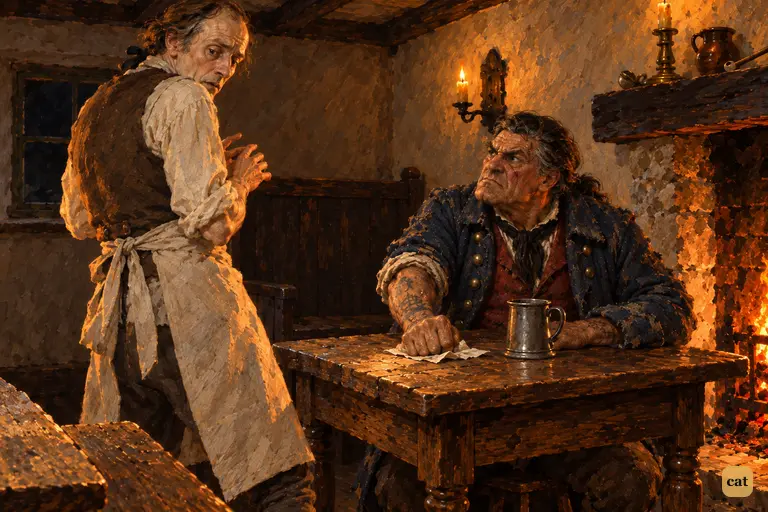
The reckoning mentioned
In one way, indeed, he bade fair to ruin us, for he kept on staying week after week, and at last month after month, so that all the money had been long exhausted, and still my father never plucked up the heart to insist on having more. If ever he mentioned it, the captain blew through his nose so loudly that you might say he roared, and stared my poor father out of the room. I have seen him wringing his hands after such a rebuff, and I am sure the annoyance and the terror he lived in must have greatly hastened his early and unhappy death.
Read from here → -
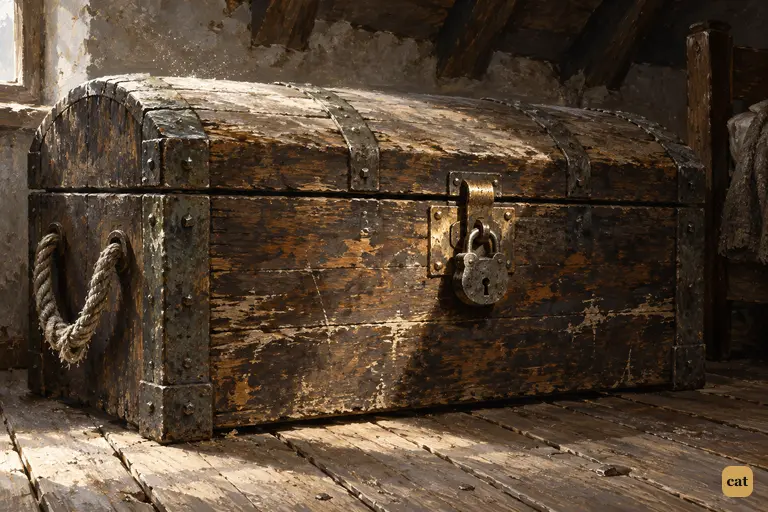
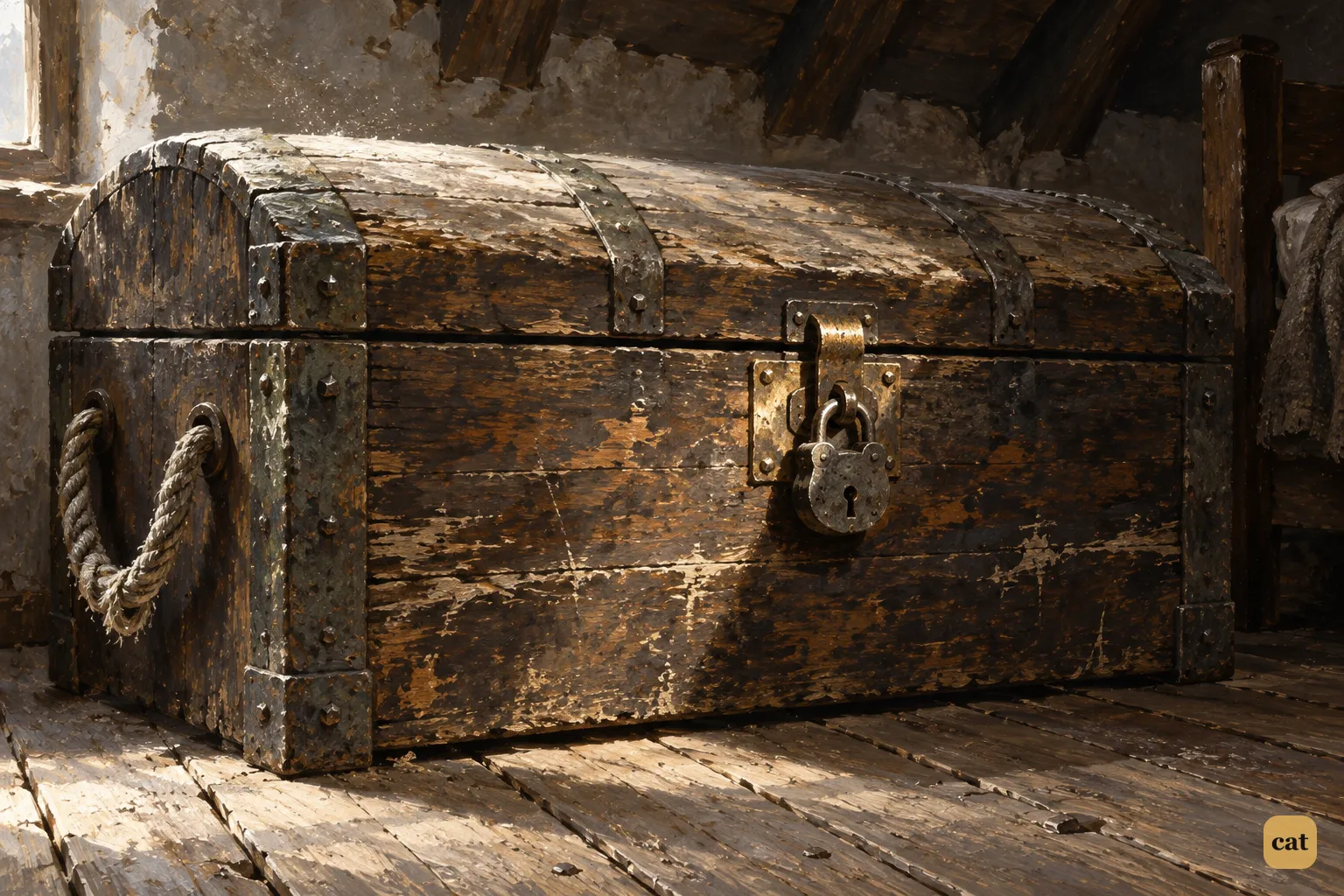
The chest never seen open
All the time he lived with us the captain made no change whatever in his dress but to buy some stockings from a hawker. One of the cocks of his hat having fallen down, he let it hang from that day forth, though it was a great annoyance when it blew. I remember the appearance of his coat, which he patched himself upstairs in his room, and which, before the end, was nothing but patches. He never wrote or received a letter, and he never spoke with any but the neighbours, and with these, for the most part, only when drunk on rum. The great sea-chest none of us had ever seen open.
Read from here → -

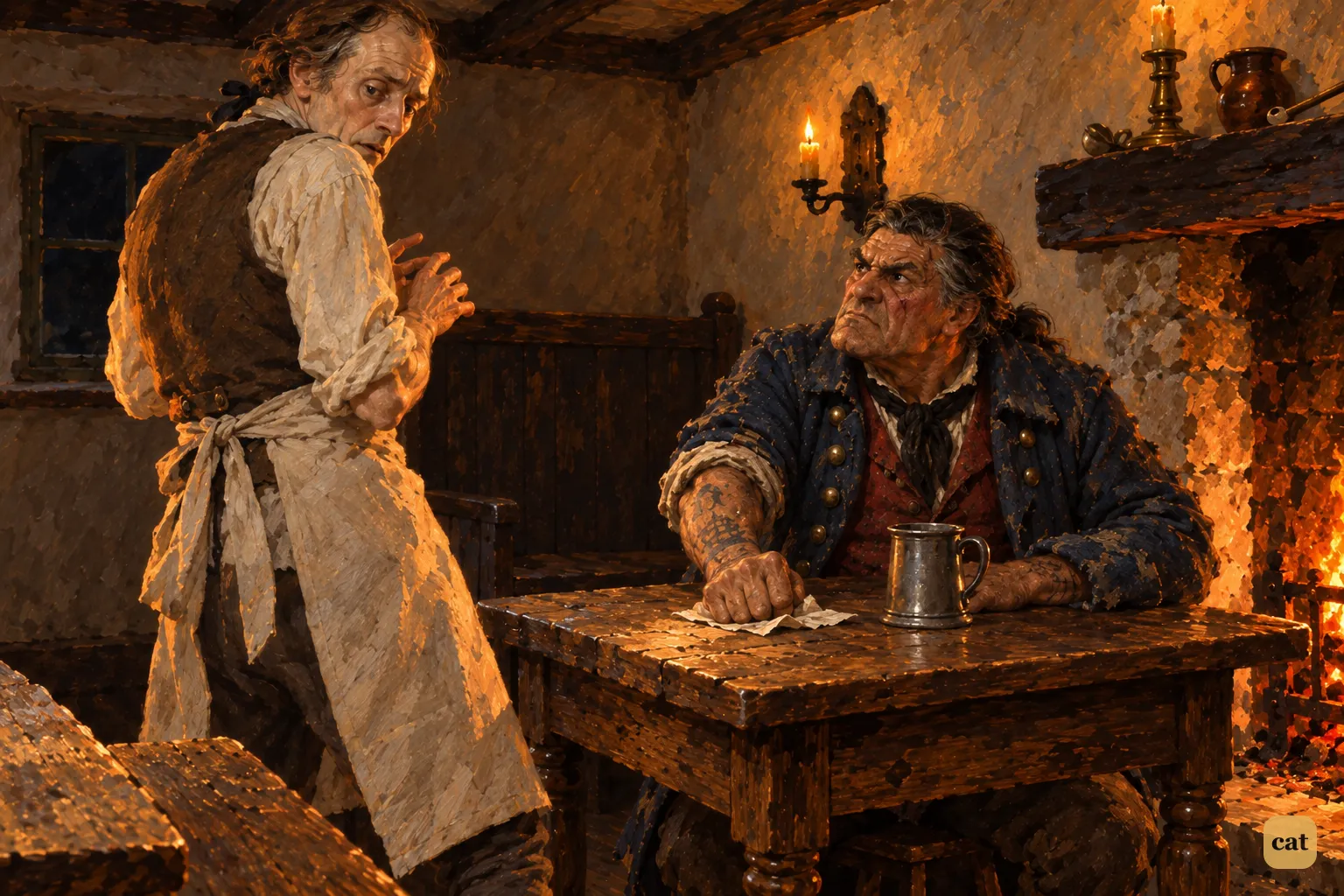
Silence, there, between decks!
At first I had supposed “the dead man’s chest” to be that identical big box of his upstairs in the front room, and the thought had been mingled in my nightmares with that of the one-legged seafaring man. But by this time we had all long ceased to pay any particular notice to the song; it was new, that night, to nobody but Dr. Livesey, and on him I observed it did not produce an agreeable effect, for he looked up for a moment quite angrily before he went on with his talk to old Taylor, the gardener, on a new cure for the rheumatics. In the meantime, the captain gradually brightened up at his own music, and at last flapped his hand upon the table before him in a way we all knew to mean silence. The voices stopped at once, all but Dr. Livesey’s; he went on as before speaking clear and kind and drawing briskly at his pipe between every word or two. The captain glared at him for a while, flapped his hand again, glared still harder, and at last broke out with a villainous, low oath, “Silence, there, between decks!”
Read from here → -

He sprang to his feet
The old fellow’s fury was awful. He sprang to his feet, drew and opened a sailor’s clasp-knife, and balancing it open on the palm of his hand, threatened to pin the doctor to the wall.
Read from here → -

The doctor never moved
The doctor never so much as moved. He spoke to him as before, over his shoulder and in the same tone of voice, rather high, so that all the room might hear, but perfectly calm and steady: “If you do not put that knife this instant in your pocket, I promise, upon my honour, you shall hang at the next assizes.”
Read from here → -

You shall hang at the next assizes
The doctor never so much as moved. He spoke to him as before, over his shoulder and in the same tone of voice, rather high, so that all the room might hear, but perfectly calm and steady: “If you do not put that knife this instant in your pocket, I promise, upon my honour, you shall hang at the next assizes.”
Read from here → -
Chapter 1
The Captain Takes Up Lodging at the Benbow
Next chapter: Black Dog's visit and the captain's stroke Read this chapter