-
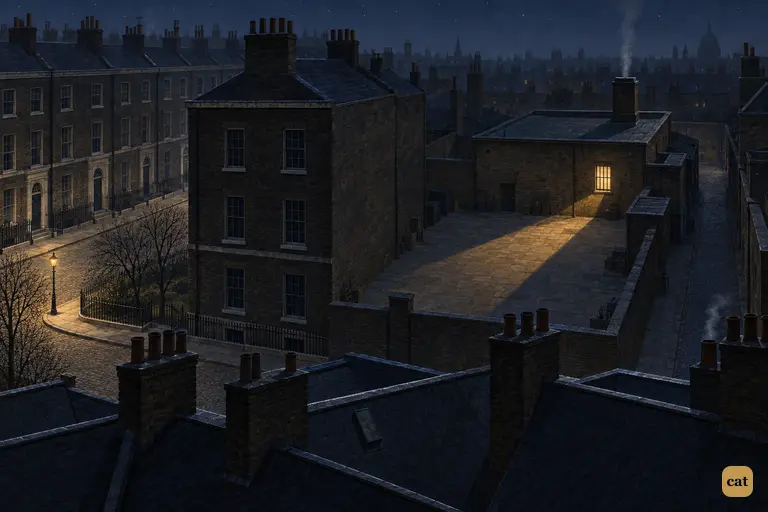
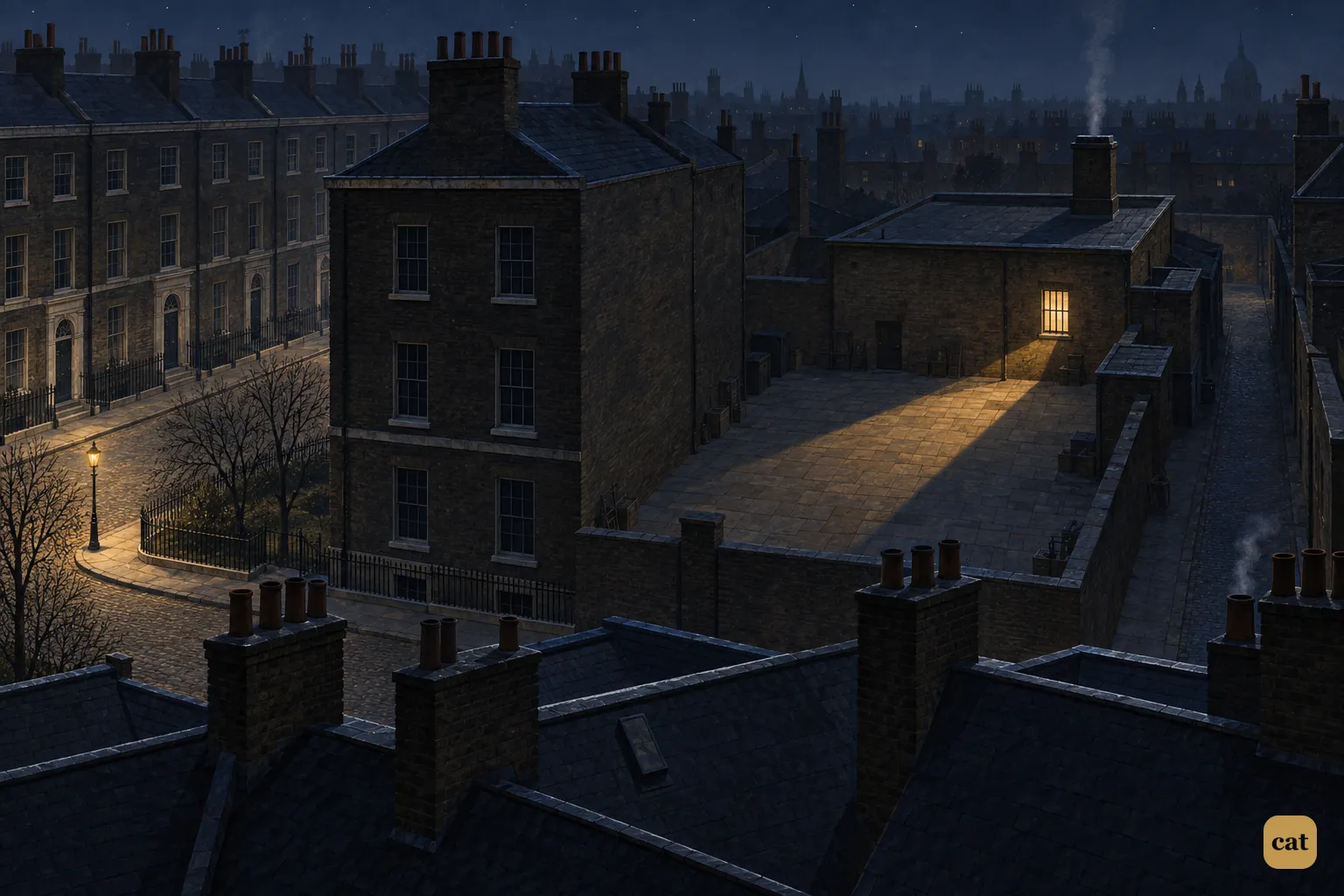
The house and laboratory by night
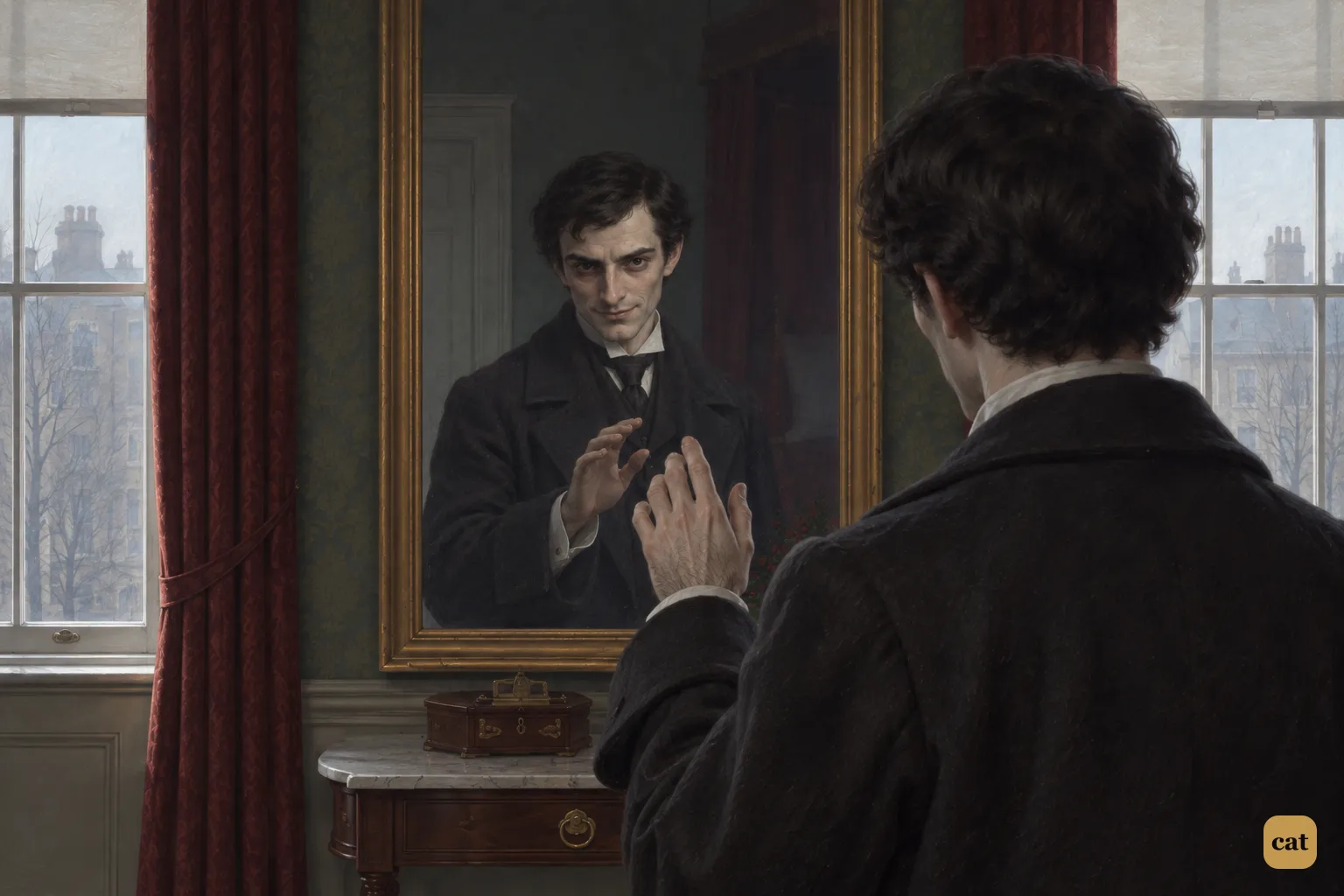
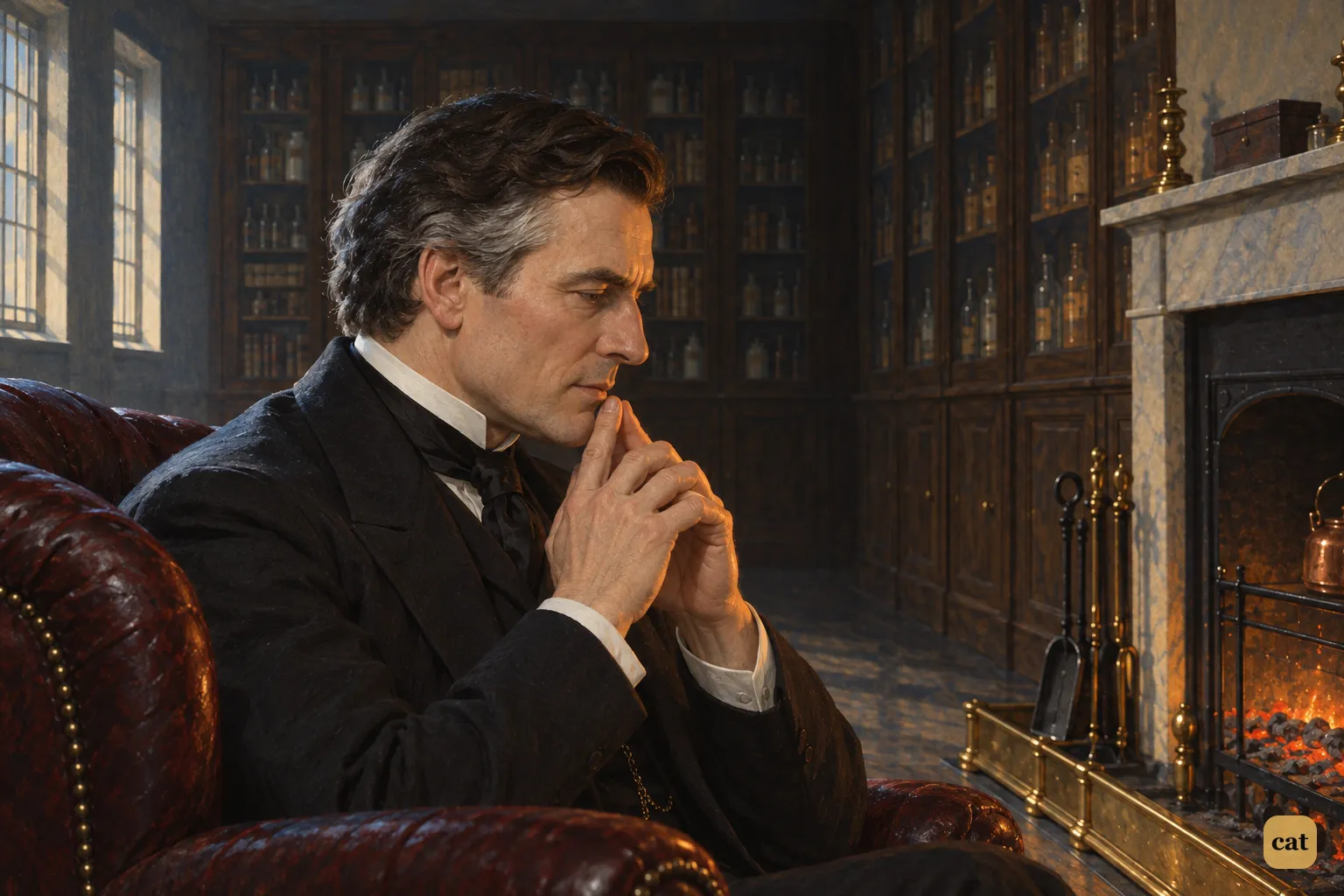
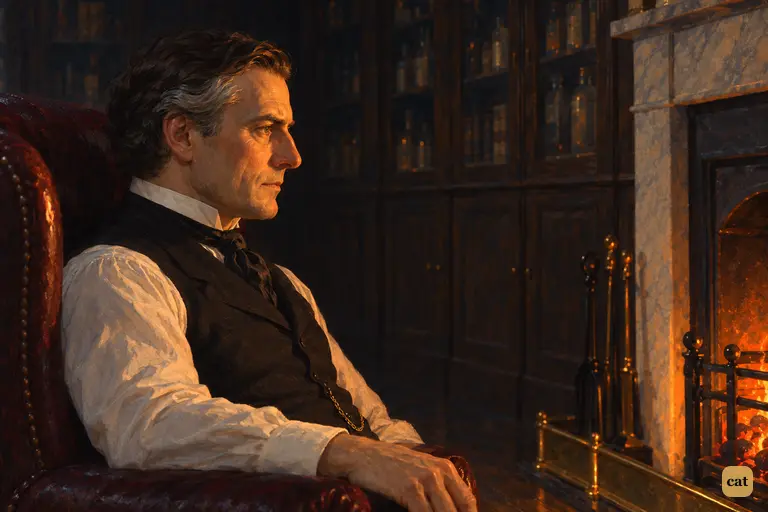
I was born in the year 18— to a large fortune, endowed besides with excellent parts, inclined by nature to industry, fond of the respect of the wise and good among my fellowmen, and thus, as might have been supposed, with every guarantee of an honourable and distinguished future. And indeed the worst of my faults was a certain impatient gaiety of disposition, such as has made the happiness of many, but such as I found it hard to reconcile with my imperious desire to carry my head high, and wear a more than commonly grave countenance before the public. Hence it came about that I concealed my pleasures; and that when I reached years of reflection, and began to look round me and take stock of my progress and position in the world, I stood already committed to a profound duplicity of life. Many a man would have even blazoned such irregularities as I was guilty of; but from the high views that I had set before me, I regarded and hid them with an almost morbid sense of shame. It was thus rather the exacting nature of my aspirations than any particular degradation in my faults, that made me what I was, and, with even a deeper trench than in the majority of men, severed in me those provinces of good and ill which divide and compound man’s dual nature. In this case, I was driven to reflect deeply and inveterately on that hard law of life, which lies at the root of religion and is one of the most plentiful springs of distress. Though so profound a double-dealer, I was in no sense a hypocrite; both sides of me were in dead earnest; I was no more myself when I laid aside restraint and plunged in shame, than when I laboured, in the eye of day, at the furtherance of knowledge or the relief of sorrow and suffering. And it chanced that the direction of my scientific studies, which led wholly towards the mystic and the transcendental, reacted and shed a strong light on this consciousness of the perennial war among my members. With every day, and from both sides of my intelligence, the moral and the intellectual, I thus drew steadily nearer to that truth, by whose partial discovery I have been doomed to such a dreadful shipwreck: that man is not truly one, but truly two. I say two, because the state of my own knowledge does not pass beyond that point. Others will follow, others will outstrip me on the same lines; and I hazard the guess that man will be ultimately known for a mere polity of multifarious, incongruous and independent denizens. I, for my part, from the nature of my life, advanced infallibly in one direction and in one direction only. It was on the moral side, and in my own person, that I learned to recognise the thorough and primitive duality of man; I saw that, of the two natures that contended in the field of my consciousness, even if I could rightly be said to be either, it was only because I was radically both; and from an early date, even before the course of my scientific discoveries had begun to suggest the most naked possibility of such a miracle, I had learned to dwell with pleasure, as a beloved daydream, on the thought of the separation of these elements. If each, I told myself, could be housed in separate identities, life would be relieved of all that was unbearable; the unjust might go his way, delivered from the aspirations and remorse of his more upright twin; and the just could walk steadfastly and securely on his upward path, doing the good things in which he found his pleasure, and no longer exposed to disgrace and penitence by the hands of this extraneous evil. It was the curse of mankind that these incongruous faggots were thus bound together—that in the agonised womb of consciousness, these polar twins should be continuously struggling. How, then were they dissociated?
Read from here → -
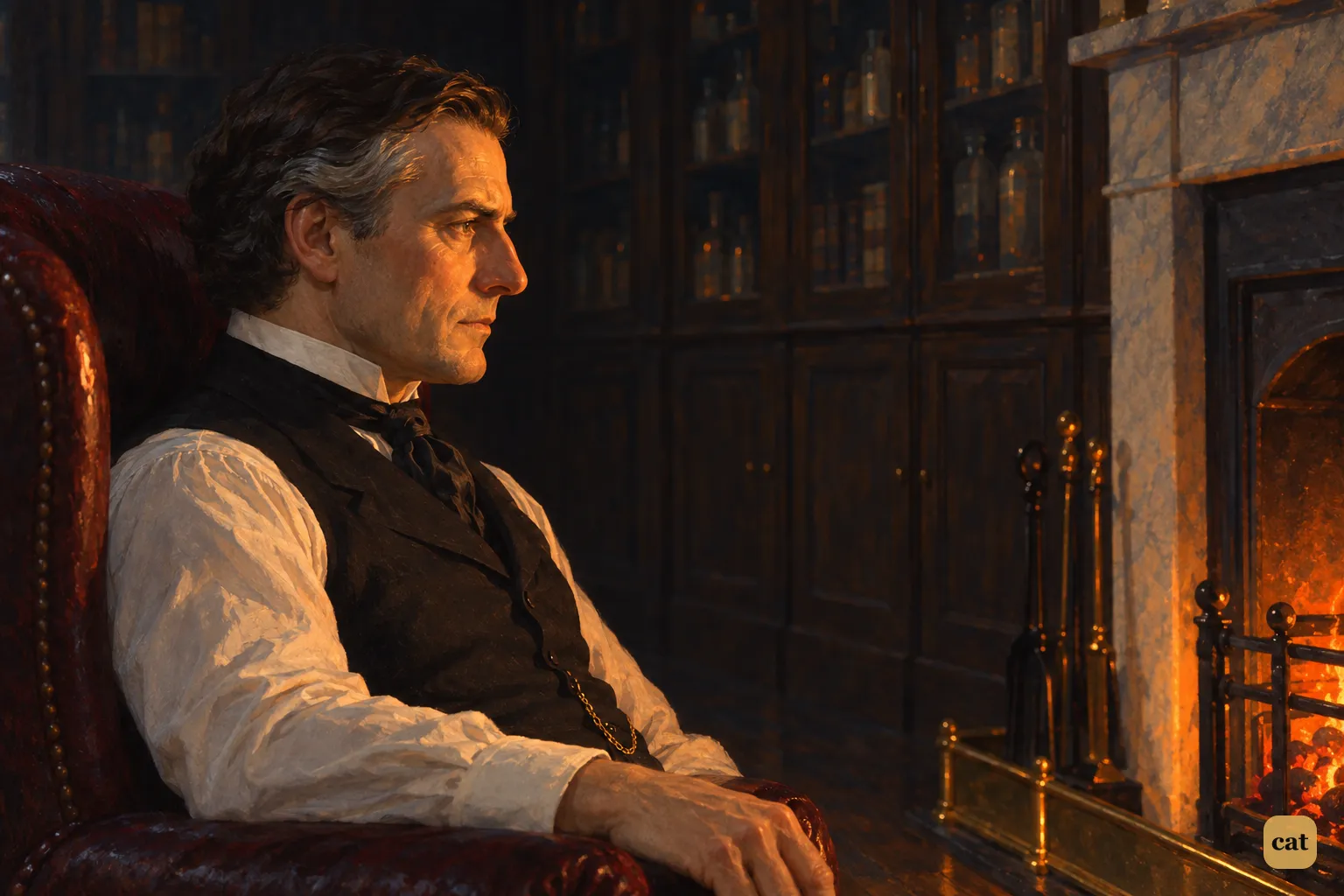
Half lit, half dark
I was born in the year 18— to a large fortune, endowed besides with excellent parts, inclined by nature to industry, fond of the respect of the wise and good among my fellowmen, and thus, as might have been supposed, with every guarantee of an honourable and distinguished future. And indeed the worst of my faults was a certain impatient gaiety of disposition, such as has made the happiness of many, but such as I found it hard to reconcile with my imperious desire to carry my head high, and wear a more than commonly grave countenance before the public. Hence it came about that I concealed my pleasures; and that when I reached years of reflection, and began to look round me and take stock of my progress and position in the world, I stood already committed to a profound duplicity of life. Many a man would have even blazoned such irregularities as I was guilty of; but from the high views that I had set before me, I regarded and hid them with an almost morbid sense of shame. It was thus rather the exacting nature of my aspirations than any particular degradation in my faults, that made me what I was, and, with even a deeper trench than in the majority of men, severed in me those provinces of good and ill which divide and compound man’s dual nature. In this case, I was driven to reflect deeply and inveterately on that hard law of life, which lies at the root of religion and is one of the most plentiful springs of distress. Though so profound a double-dealer, I was in no sense a hypocrite; both sides of me were in dead earnest; I was no more myself when I laid aside restraint and plunged in shame, than when I laboured, in the eye of day, at the furtherance of knowledge or the relief of sorrow and suffering. And it chanced that the direction of my scientific studies, which led wholly towards the mystic and the transcendental, reacted and shed a strong light on this consciousness of the perennial war among my members. With every day, and from both sides of my intelligence, the moral and the intellectual, I thus drew steadily nearer to that truth, by whose partial discovery I have been doomed to such a dreadful shipwreck: that man is not truly one, but truly two. I say two, because the state of my own knowledge does not pass beyond that point. Others will follow, others will outstrip me on the same lines; and I hazard the guess that man will be ultimately known for a mere polity of multifarious, incongruous and independent denizens. I, for my part, from the nature of my life, advanced infallibly in one direction and in one direction only. It was on the moral side, and in my own person, that I learned to recognise the thorough and primitive duality of man; I saw that, of the two natures that contended in the field of my consciousness, even if I could rightly be said to be either, it was only because I was radically both; and from an early date, even before the course of my scientific discoveries had begun to suggest the most naked possibility of such a miracle, I had learned to dwell with pleasure, as a beloved daydream, on the thought of the separation of these elements. If each, I told myself, could be housed in separate identities, life would be relieved of all that was unbearable; the unjust might go his way, delivered from the aspirations and remorse of his more upright twin; and the just could walk steadfastly and securely on his upward path, doing the good things in which he found his pleasure, and no longer exposed to disgrace and penitence by the hands of this extraneous evil. It was the curse of mankind that these incongruous faggots were thus bound together—that in the agonised womb of consciousness, these polar twins should be continuously struggling. How, then were they dissociated?
Read from here → -
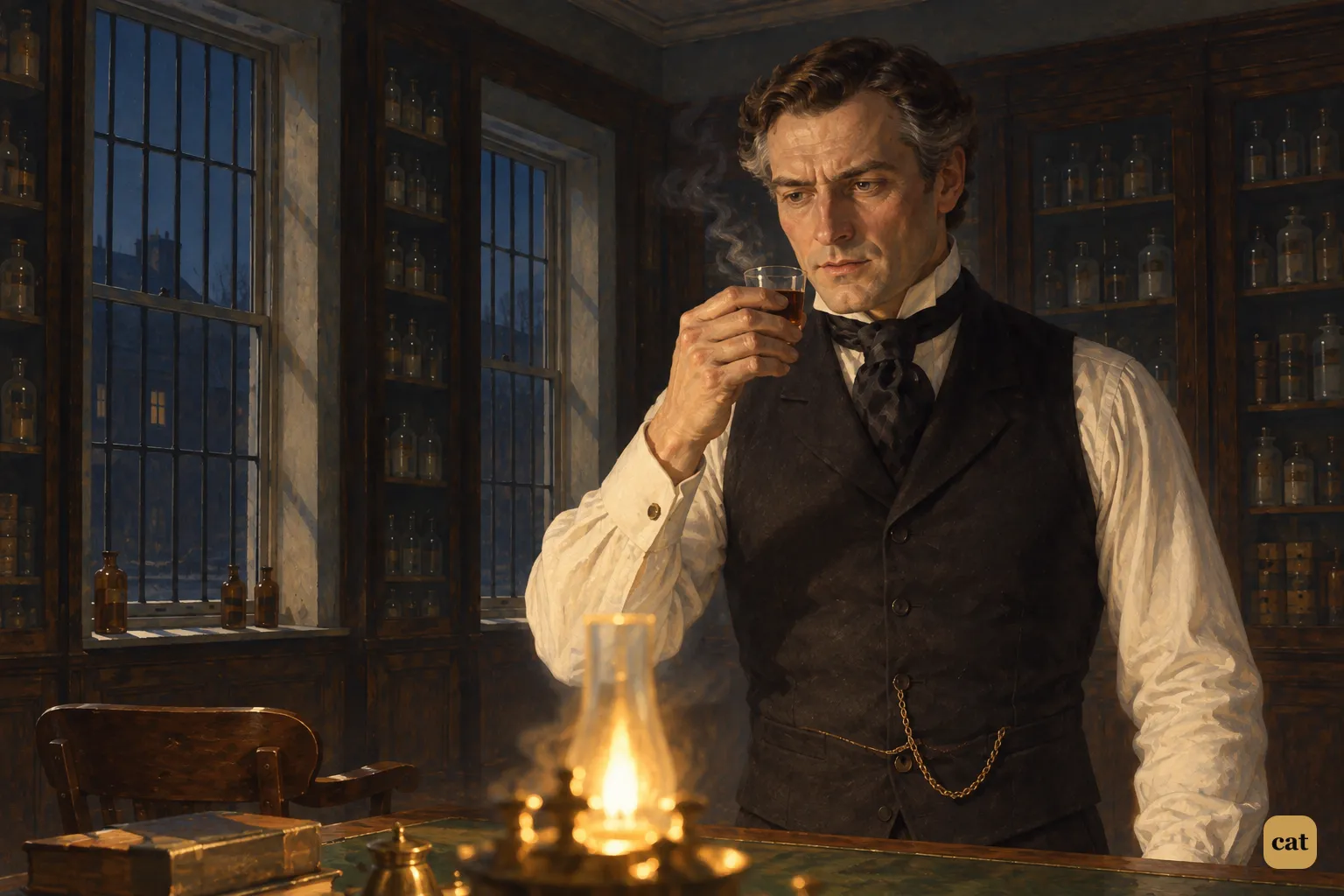
The smoking glass raised
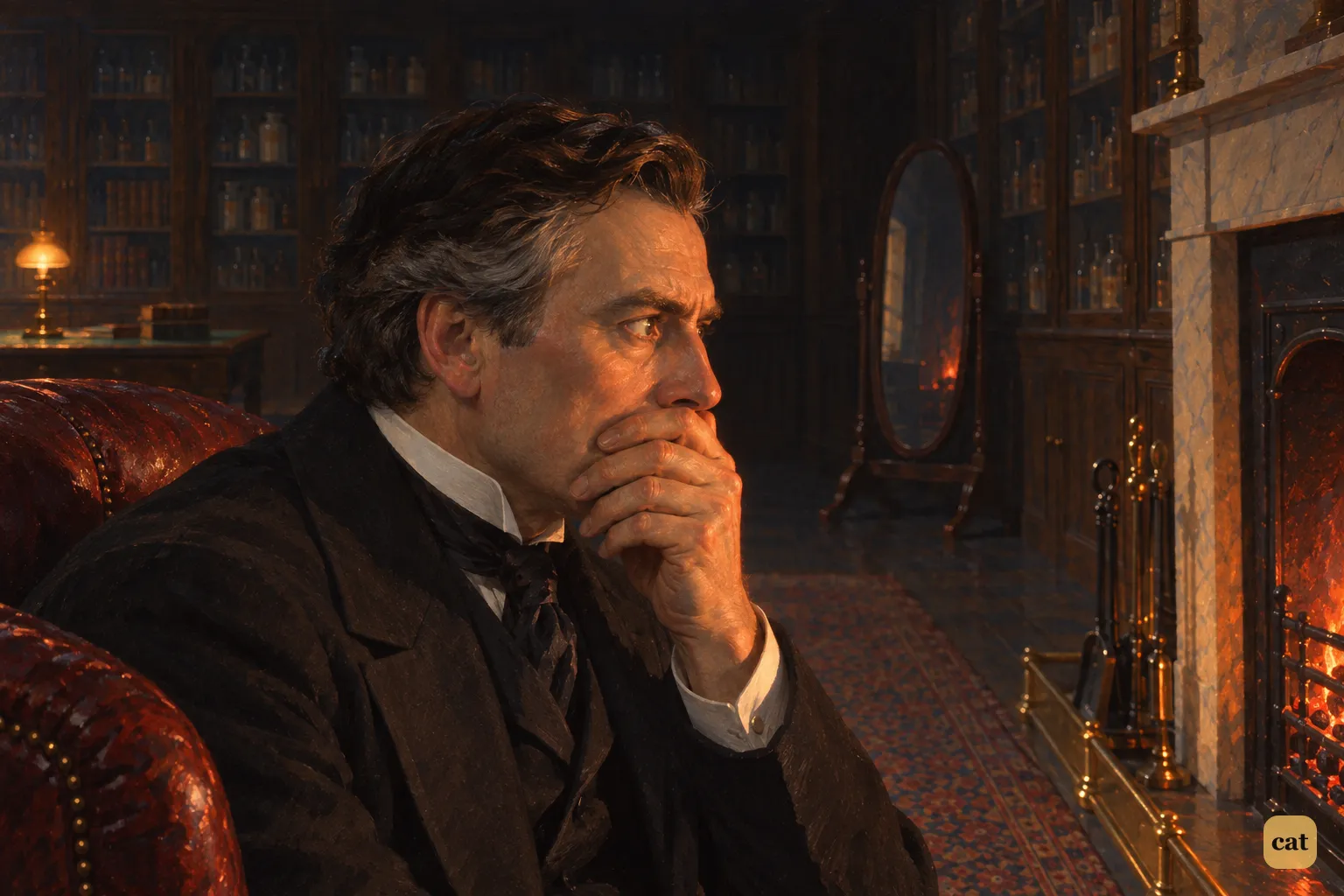
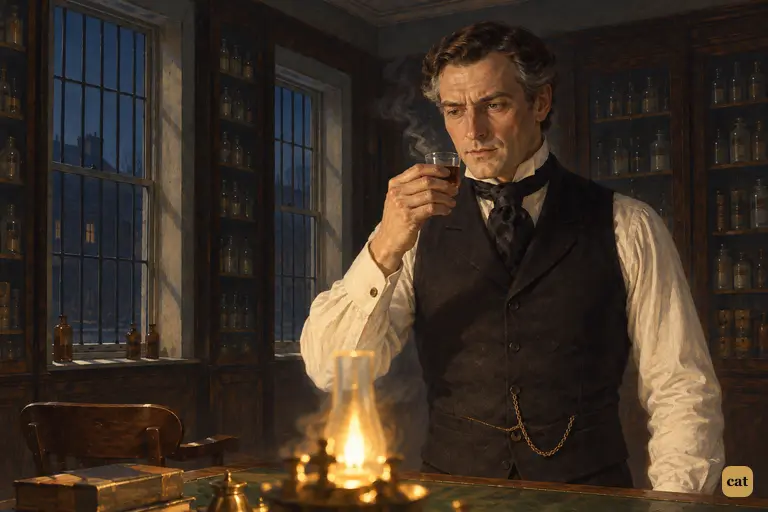
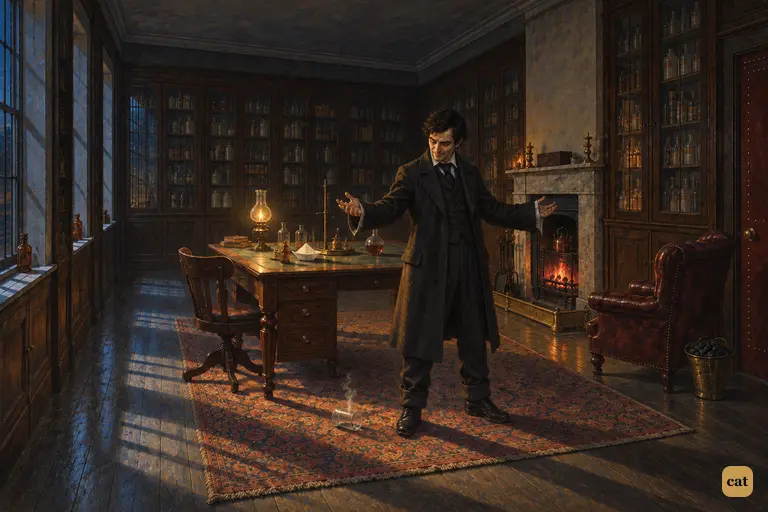
I hesitated long before I put this theory to the test of practice. I knew well that I risked death; for any drug that so potently controlled and shook the very fortress of identity, might, by the least scruple of an overdose or at the least inopportunity in the moment of exhibition, utterly blot out that immaterial tabernacle which I looked to it to change. But the temptation of a discovery so singular and profound at last overcame the suggestions of alarm. I had long since prepared my tincture; I purchased at once, from a firm of wholesale chemists, a large quantity of a particular salt which I knew, from my experiments, to be the last ingredient required; and late one accursed night, I compounded the elements, watched them boil and smoke together in the glass, and when the ebullition had subsided, with a strong glow of courage, drank off the potion.
Read from here → -
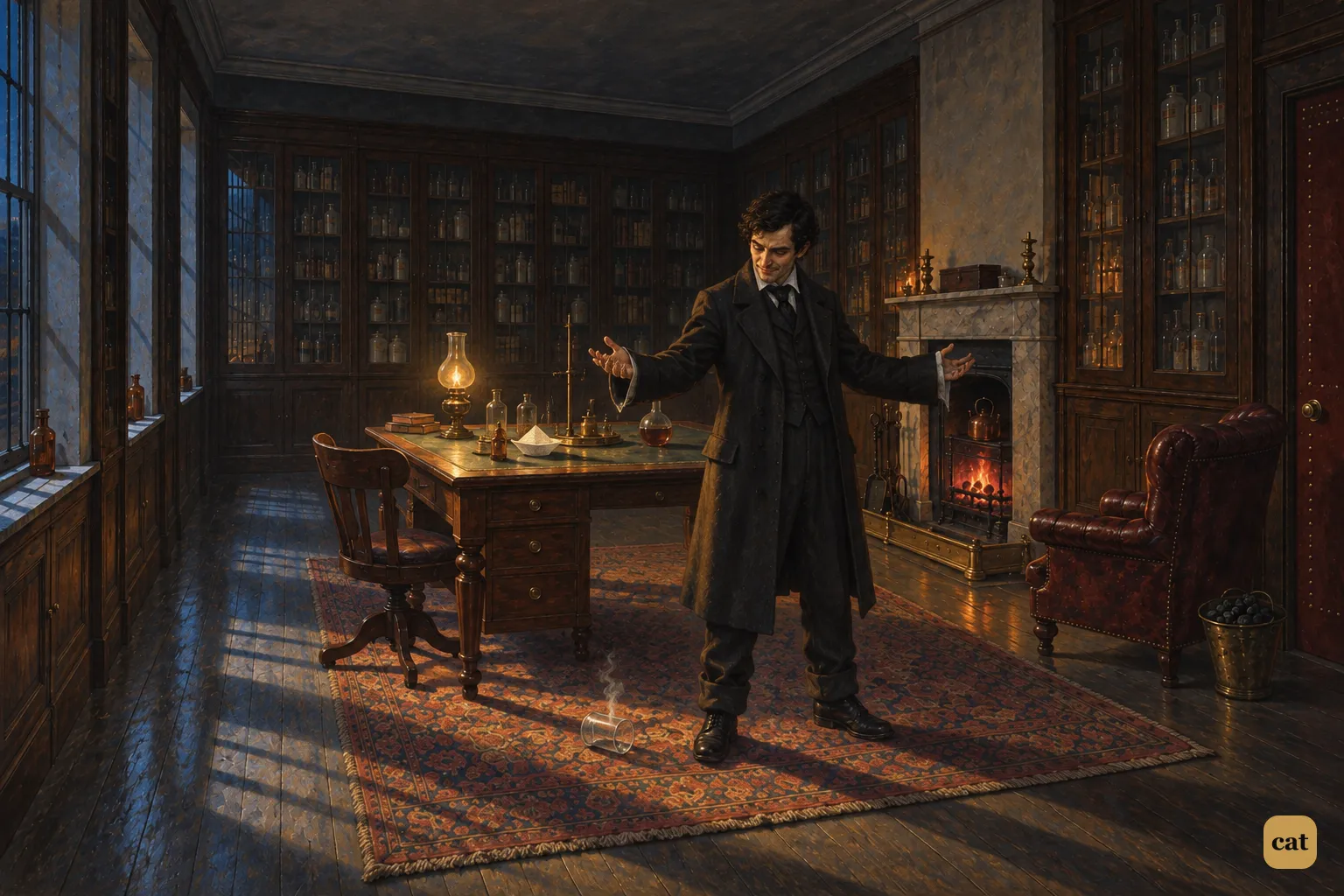
Lost in stature
The most racking pangs succeeded: a grinding in the bones, deadly nausea, and a horror of the spirit that cannot be exceeded at the hour of birth or death. Then these agonies began swiftly to subside, and I came to myself as if out of a great sickness. There was something strange in my sensations, something indescribably new and, from its very novelty, incredibly sweet. I felt younger, lighter, happier in body; within I was conscious of a heady recklessness, a current of disordered sensual images running like a millrace in my fancy, a solution of the bonds of obligation, an unknown but not an innocent freedom of the soul. I knew myself, at the first breath of this new life, to be more wicked, tenfold more wicked, sold a slave to my original evil; and the thought, in that moment, braced and delighted me like wine. I stretched out my hands, exulting in the freshness of these sensations; and in the act, I was suddenly aware that I had lost in stature.
Read from here → -
This, too, was myself
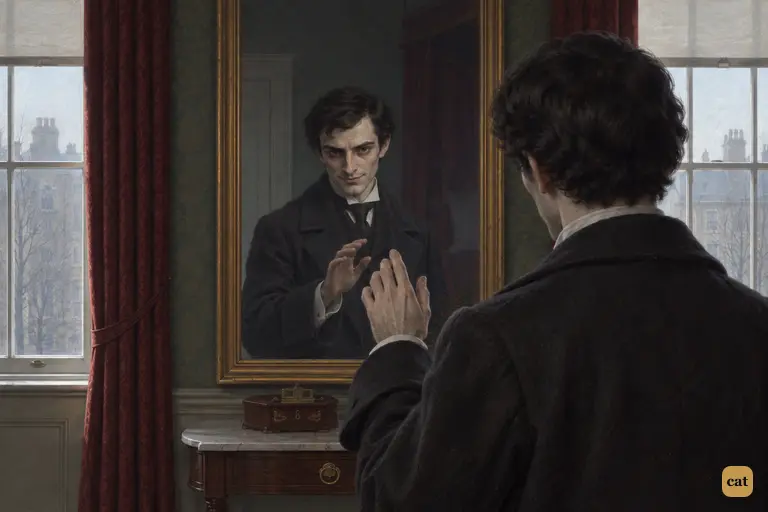
I must here speak by theory alone, saying not that which I know, but that which I suppose to be most probable. The evil side of my nature, to which I had now transferred the stamping efficacy, was less robust and less developed than the good which I had just deposed. Again, in the course of my life, which had been, after all, nine tenths a life of effort, virtue and control, it had been much less exercised and much less exhausted. And hence, as I think, it came about that Edward Hyde was so much smaller, slighter and younger than Henry Jekyll. Even as good shone upon the countenance of the one, evil was written broadly and plainly on the face of the other. Evil besides (which I must still believe to be the lethal side of man) had left on that body an imprint of deformity and decay. And yet when I looked upon that ugly idol in the glass, I was conscious of no repugnance, rather of a leap of welcome. This, too, was myself. It seemed natural and human. In my eyes it bore a livelier image of the spirit, it seemed more express and single, than the imperfect and divided countenance I had been hitherto accustomed to call mine. And in so far I was doubtless right. I have observed that when I wore the semblance of Edward Hyde, none could come near to me at first without a visible misgiving of the flesh. This, as I take it, was because all human beings, as we meet them, are commingled out of good and evil: and Edward Hyde, alone in the ranks of mankind, was pure evil.
Read from here → -
The fatal cross-roads
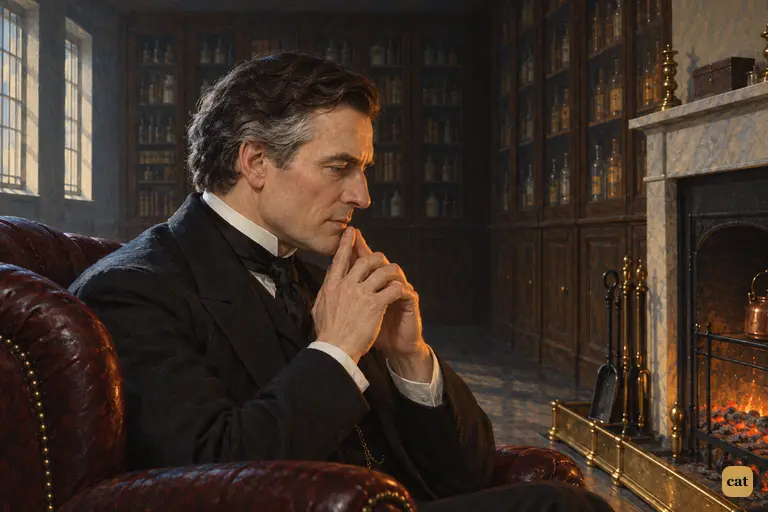
That night I had come to the fatal cross-roads. Had I approached my discovery in a more noble spirit, had I risked the experiment while under the empire of generous or pious aspirations, all must have been otherwise, and from these agonies of death and birth, I had come forth an angel instead of a fiend. The drug had no discriminating action; it was neither diabolical nor divine; it but shook the doors of the prisonhouse of my disposition; and like the captives of Philippi, that which stood within ran forth. At that time my virtue slumbered; my evil, kept awake by ambition, was alert and swift to seize the occasion; and the thing that was projected was Edward Hyde. Hence, although I had now two characters as well as two appearances, one was wholly evil, and the other was still the old Henry Jekyll, that incongruous compound of whose reformation and improvement I had already learned to despair. The movement was thus wholly toward the worse.
Read from here → -
Aghast before Hyde's acts
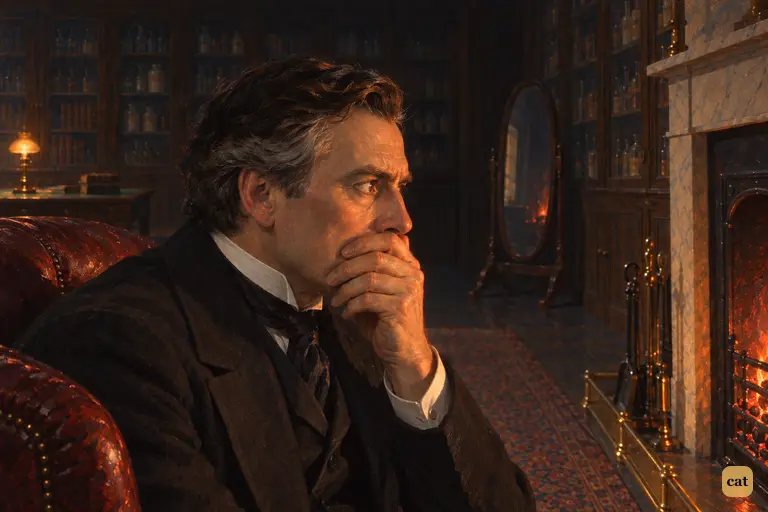
The pleasures which I made haste to seek in my disguise were, as I have said, undignified; I would scarce use a harder term. But in the hands of Edward Hyde, they soon began to turn toward the monstrous. When I would come back from these excursions, I was often plunged into a kind of wonder at my vicarious depravity. This familiar that I called out of my own soul, and sent forth alone to do his good pleasure, was a being inherently malign and villainous; his every act and thought centered on self; drinking pleasure with bestial avidity from any degree of torture to another; relentless like a man of stone. Henry Jekyll stood at times aghast before the acts of Edward Hyde; but the situation was apart from ordinary laws, and insidiously relaxed the grasp of conscience. It was Hyde, after all, and Hyde alone, that was guilty. Jekyll was no worse; he woke again to his good qualities seemingly unimpaired; he would even make haste, where it was possible, to undo the evil done by Hyde. And thus his conscience slumbered.
Read from here → -
Cornered at the door
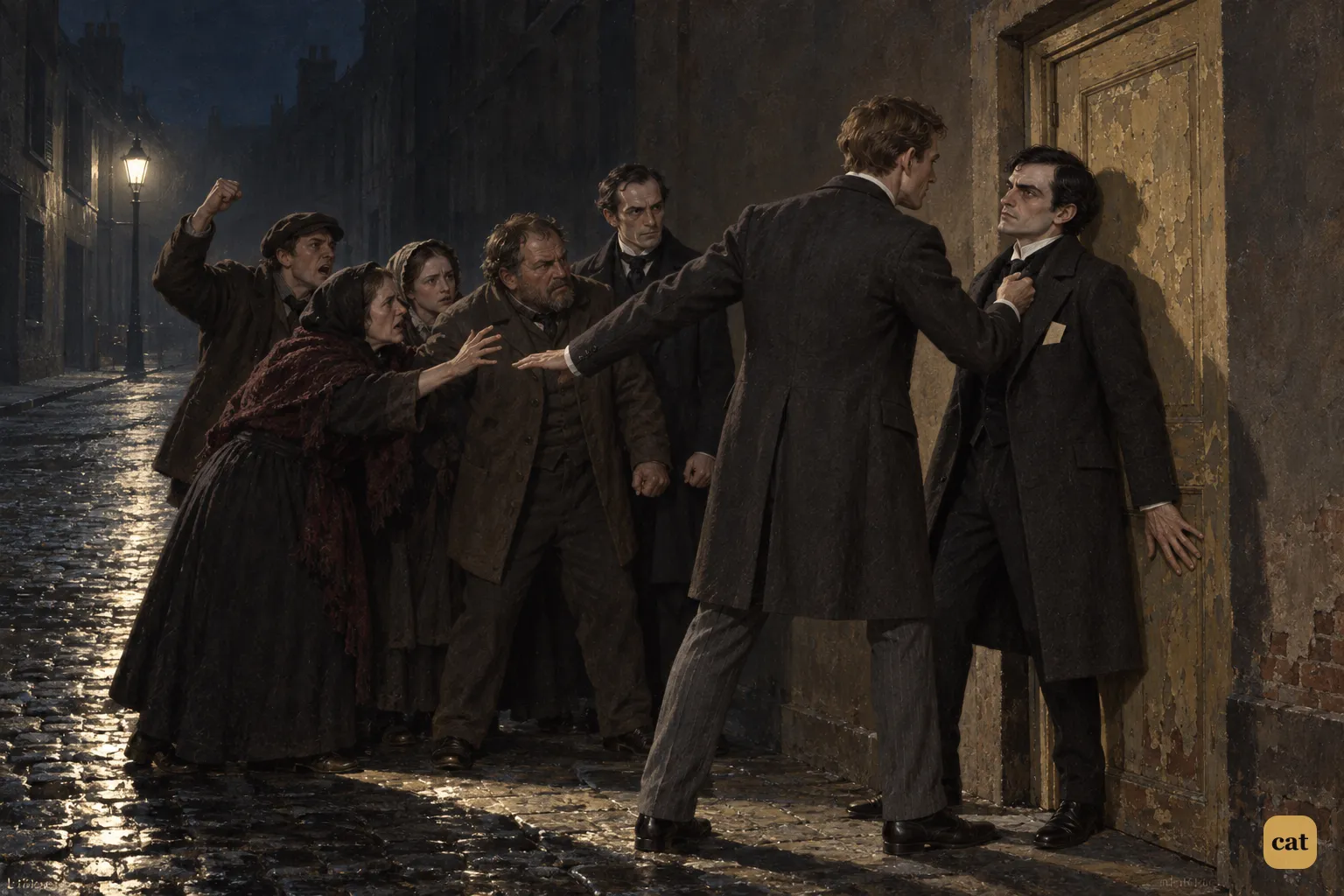
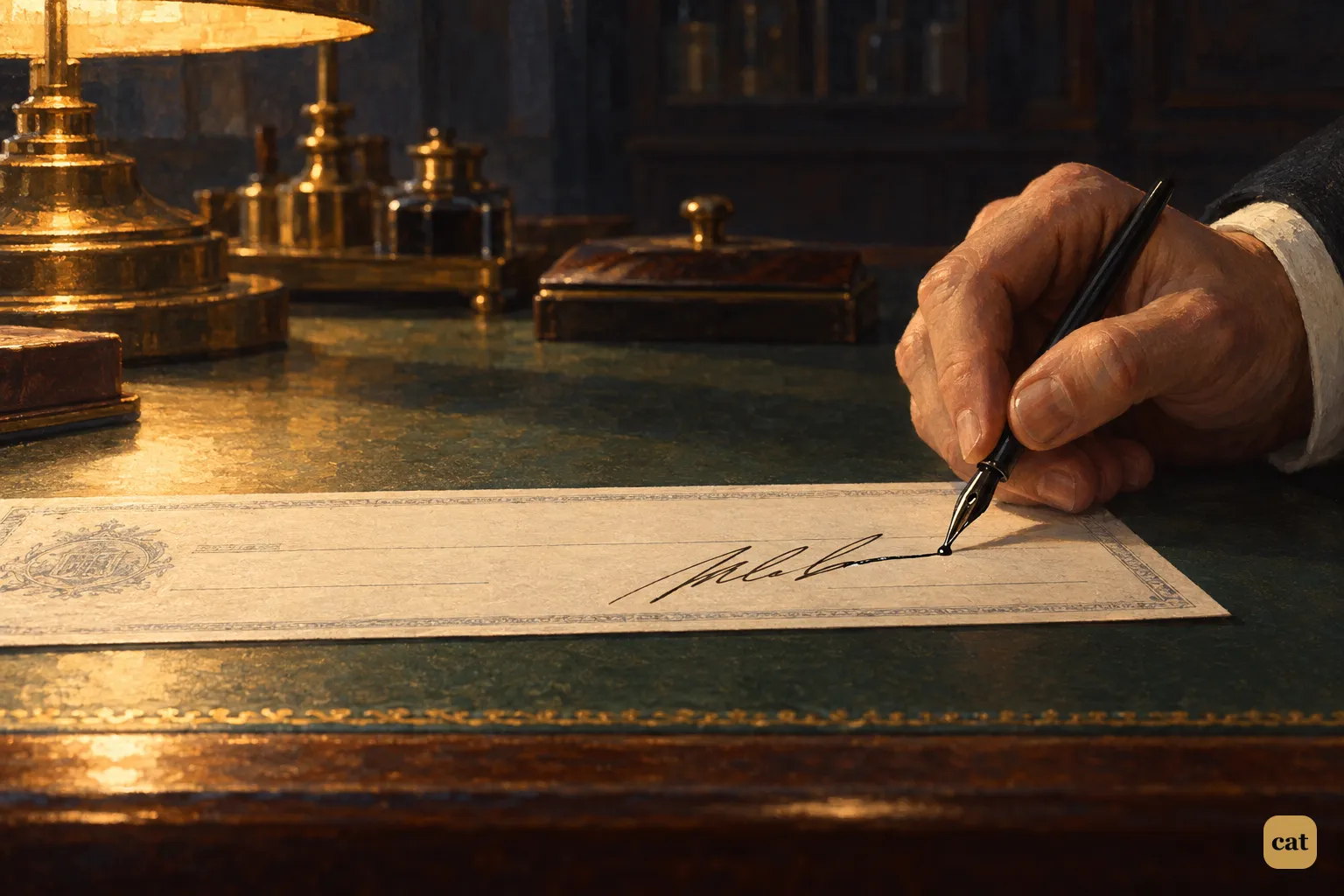
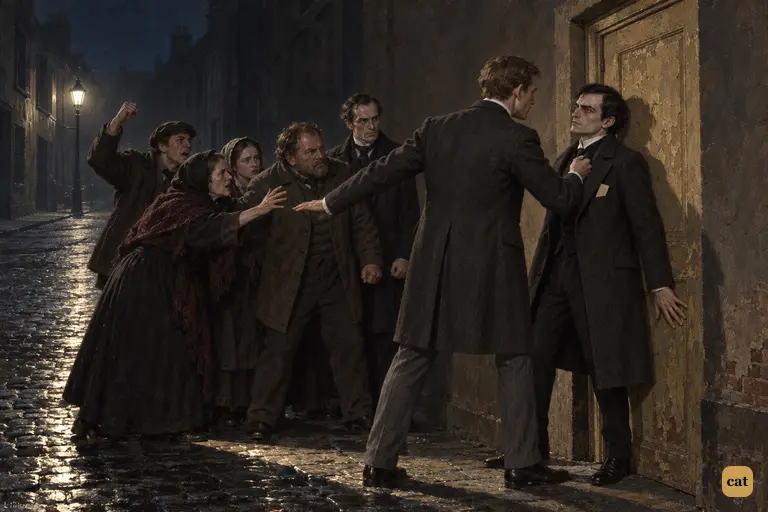
Into the details of the infamy at which I thus connived (for even now I can scarce grant that I committed it) I have no design of entering; I mean but to point out the warnings and the successive steps with which my chastisement approached. I met with one accident which, as it brought on no consequence, I shall no more than mention. An act of cruelty to a child aroused against me the anger of a passer-by, whom I recognised the other day in the person of your kinsman; the doctor and the child’s family joined him; there were moments when I feared for my life; and at last, in order to pacify their too just resentment, Edward Hyde had to bring them to the door, and pay them in a cheque drawn in the name of Henry Jekyll. But this danger was easily eliminated from the future, by opening an account at another bank in the name of Edward Hyde himself; and when, by sloping my own hand backward, I had supplied my double with a signature, I thought I sat beyond the reach of fate.
Read from here → -
The backward-sloping signature
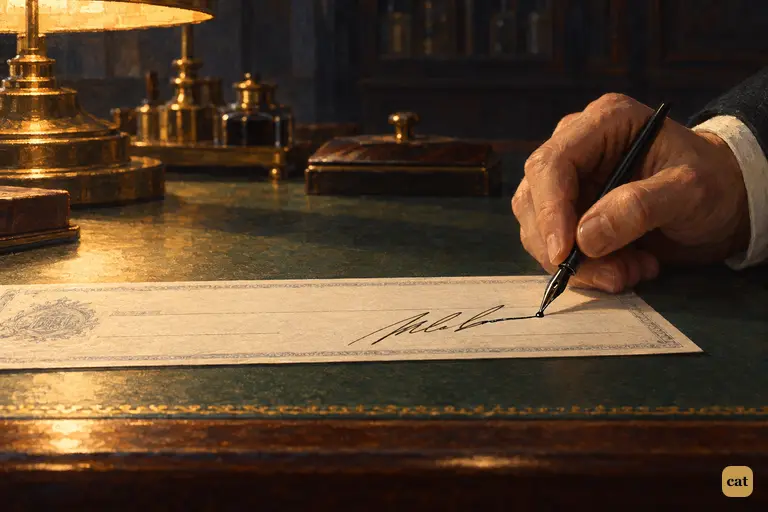
Into the details of the infamy at which I thus connived (for even now I can scarce grant that I committed it) I have no design of entering; I mean but to point out the warnings and the successive steps with which my chastisement approached. I met with one accident which, as it brought on no consequence, I shall no more than mention. An act of cruelty to a child aroused against me the anger of a passer-by, whom I recognised the other day in the person of your kinsman; the doctor and the child’s family joined him; there were moments when I feared for my life; and at last, in order to pacify their too just resentment, Edward Hyde had to bring them to the door, and pay them in a cheque drawn in the name of Henry Jekyll. But this danger was easily eliminated from the future, by opening an account at another bank in the name of Edward Hyde himself; and when, by sloping my own hand backward, I had supplied my double with a signature, I thought I sat beyond the reach of fate.
Read from here → -
Chapter 8
Jekyll Confesses: The Birth of Hyde
Next chapter: The involuntary change and the murder Read this chapter