-
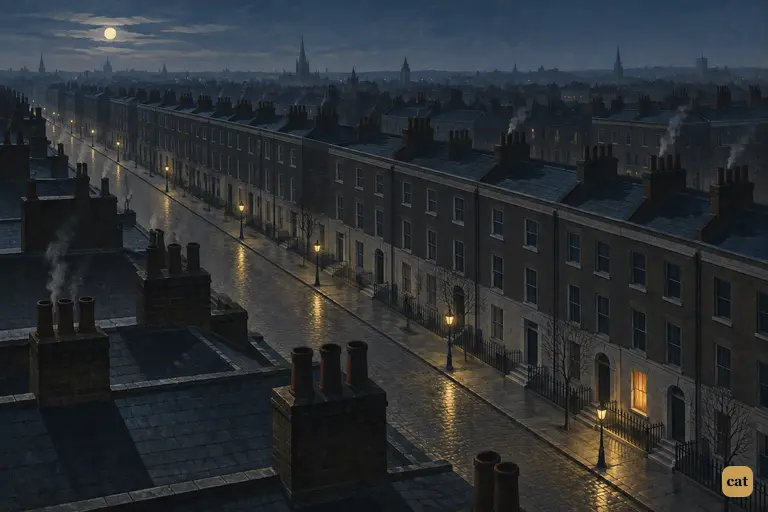
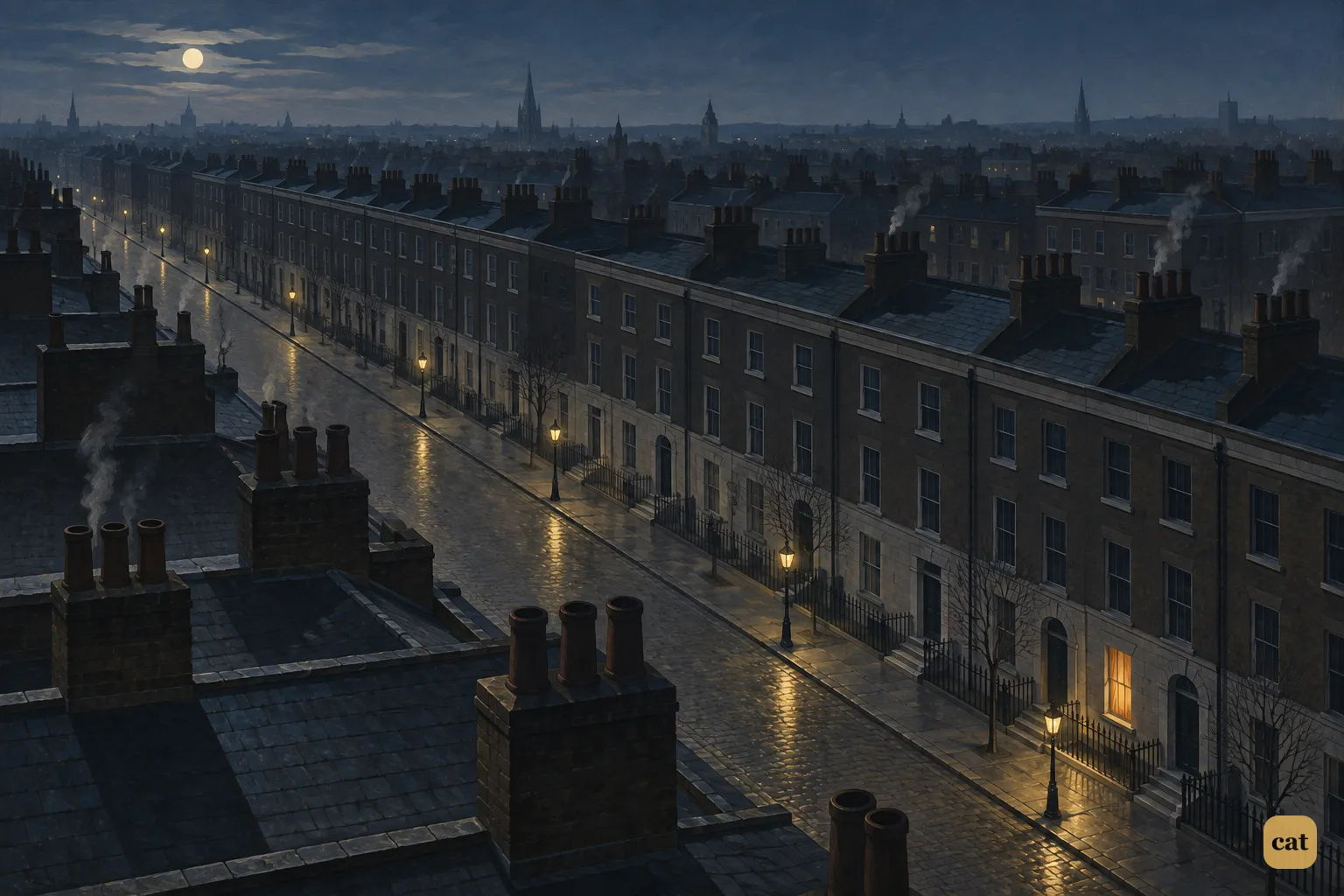
Gaunt Street after dinner
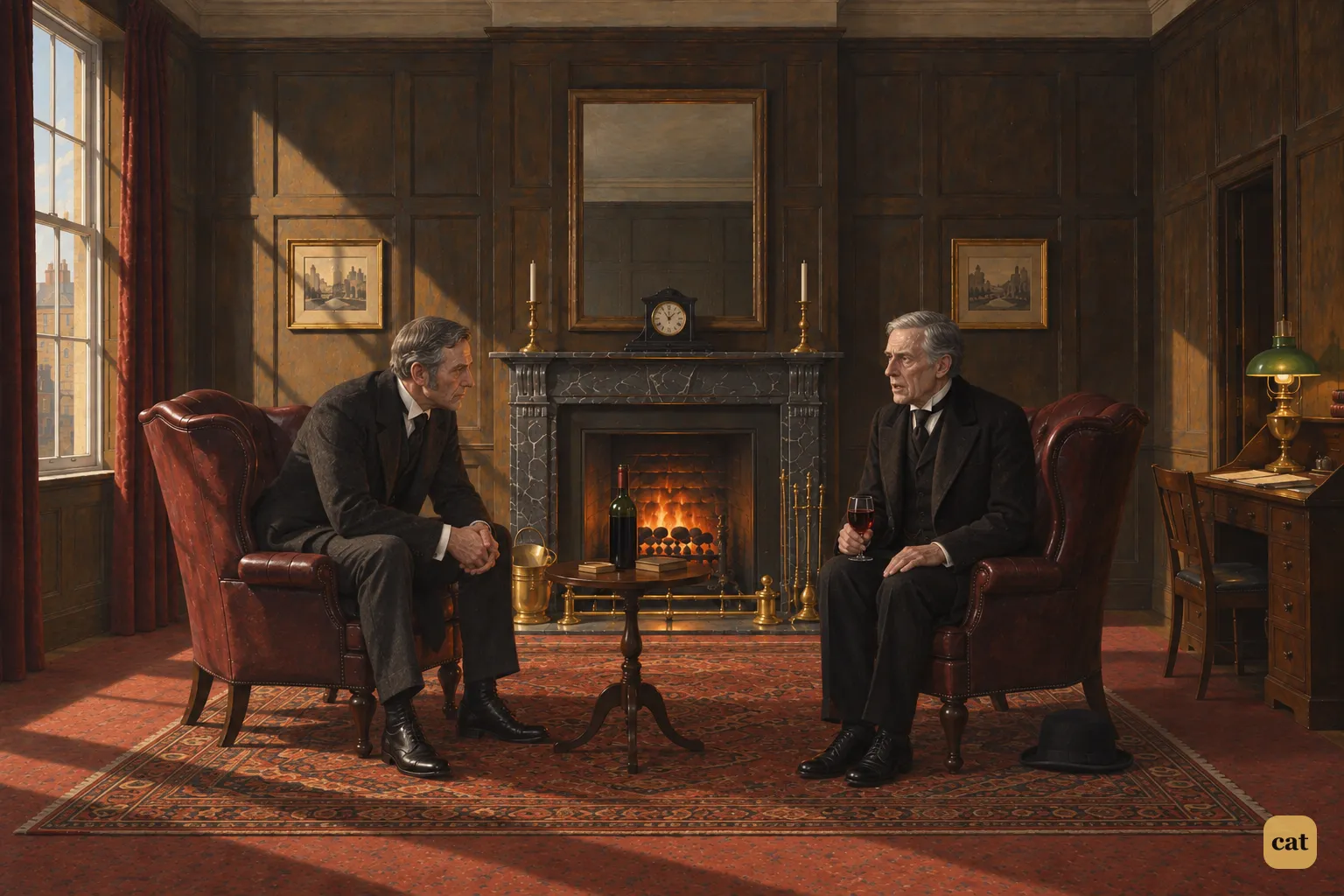
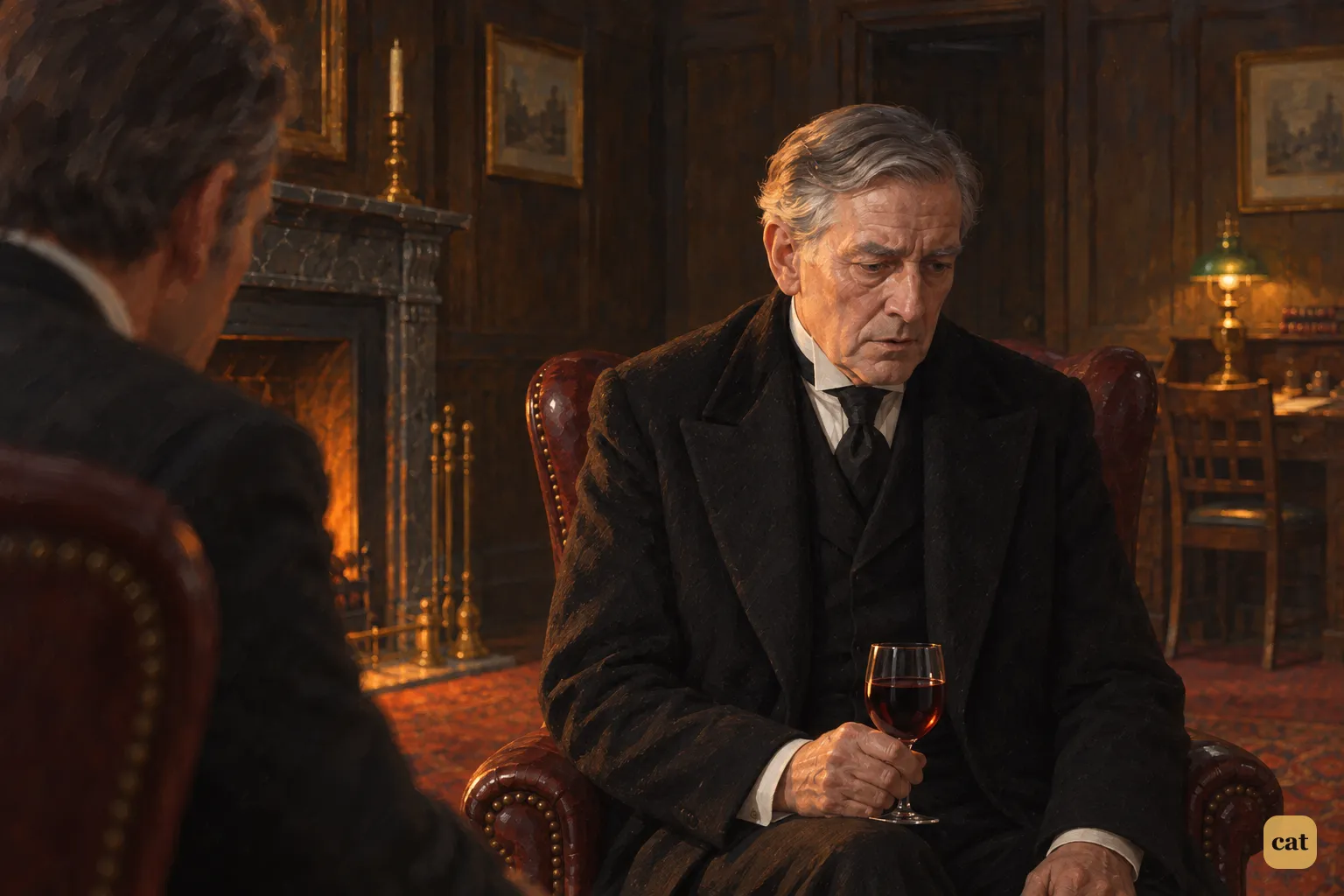
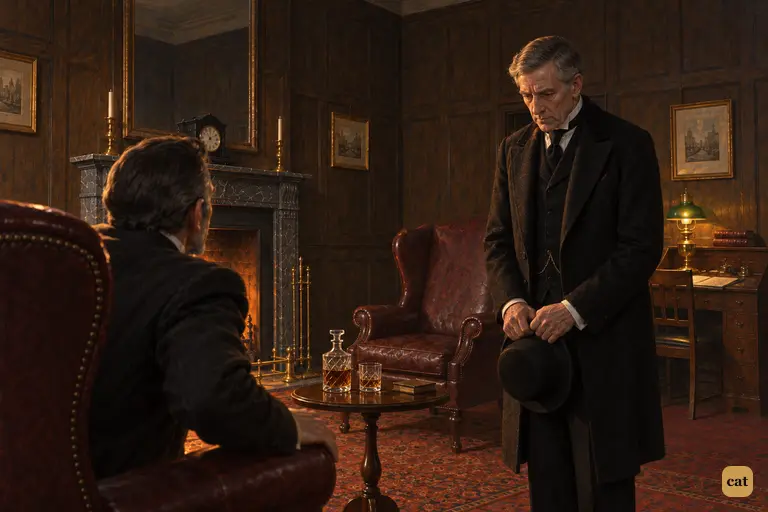
Mr. Utterson was sitting by his fireside one evening after dinner, when he was surprised to receive a visit from Poole.
Read from here → -
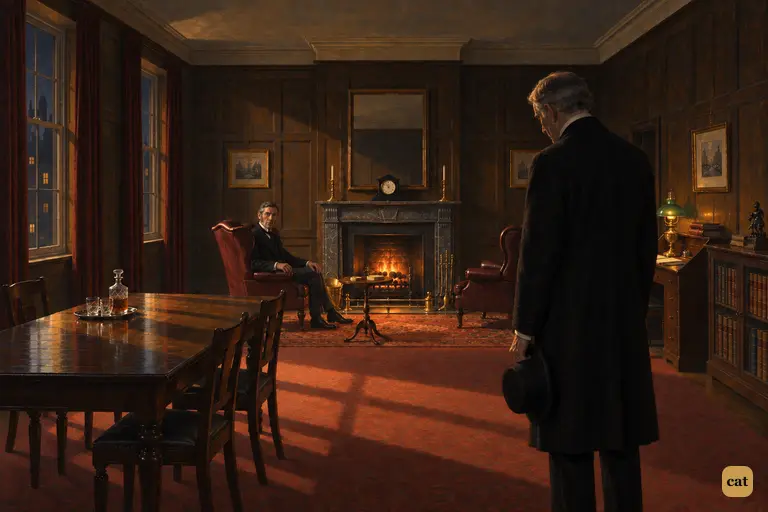
An unexpected visitor
Mr. Utterson was sitting by his fireside one evening after dinner, when he was surprised to receive a visit from Poole.
Read from here → -
-
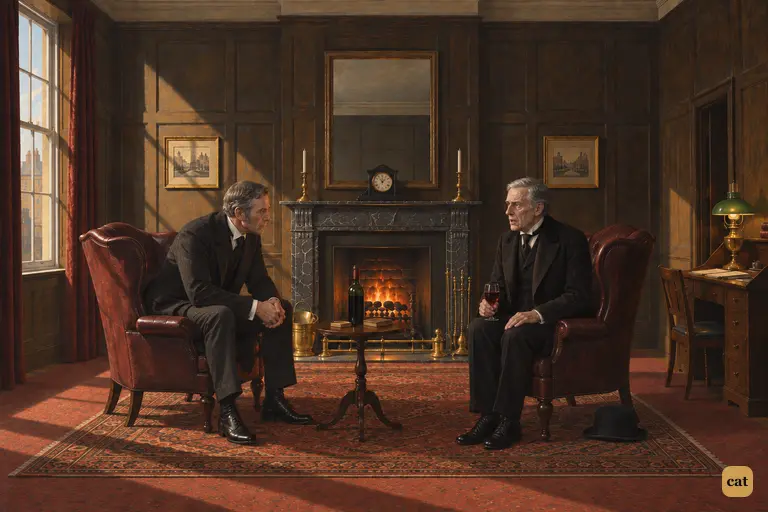
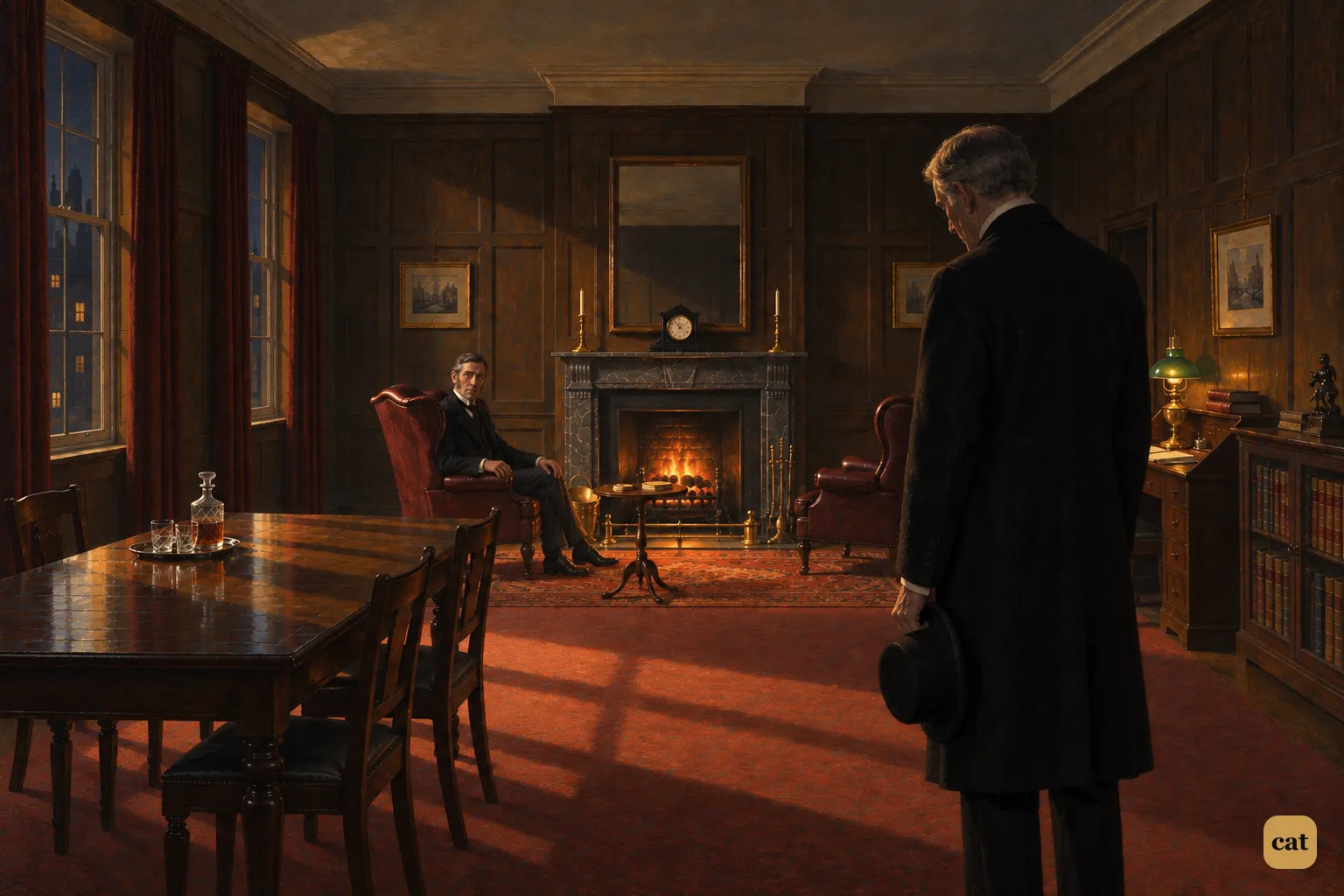
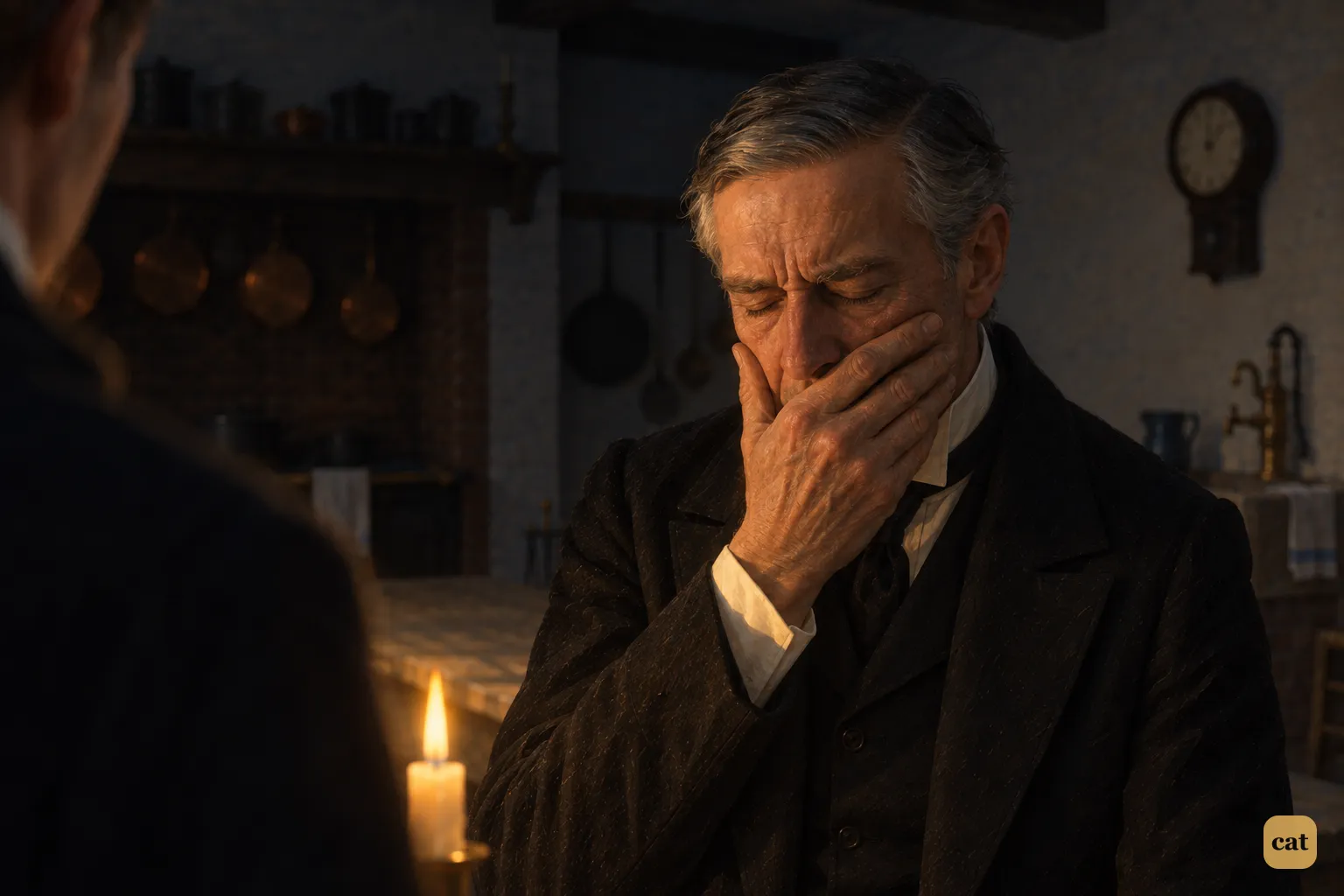
The butler seated, afraid
“You know the doctor’s ways, sir,” replied Poole, “and how he shuts himself up. Well, he’s shut up again in the cabinet; and I don’t like it, sir—I wish I may die if I like it. Mr. Utterson, sir, I’m afraid.”
Read from here → -
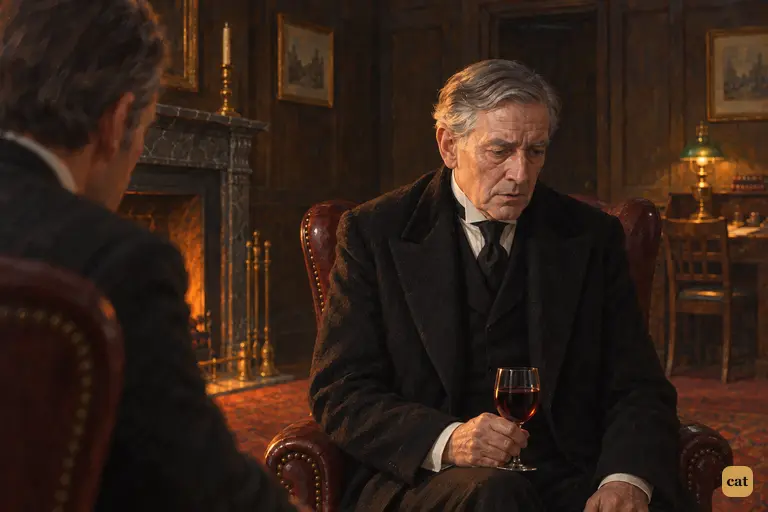
Eyes on the floor
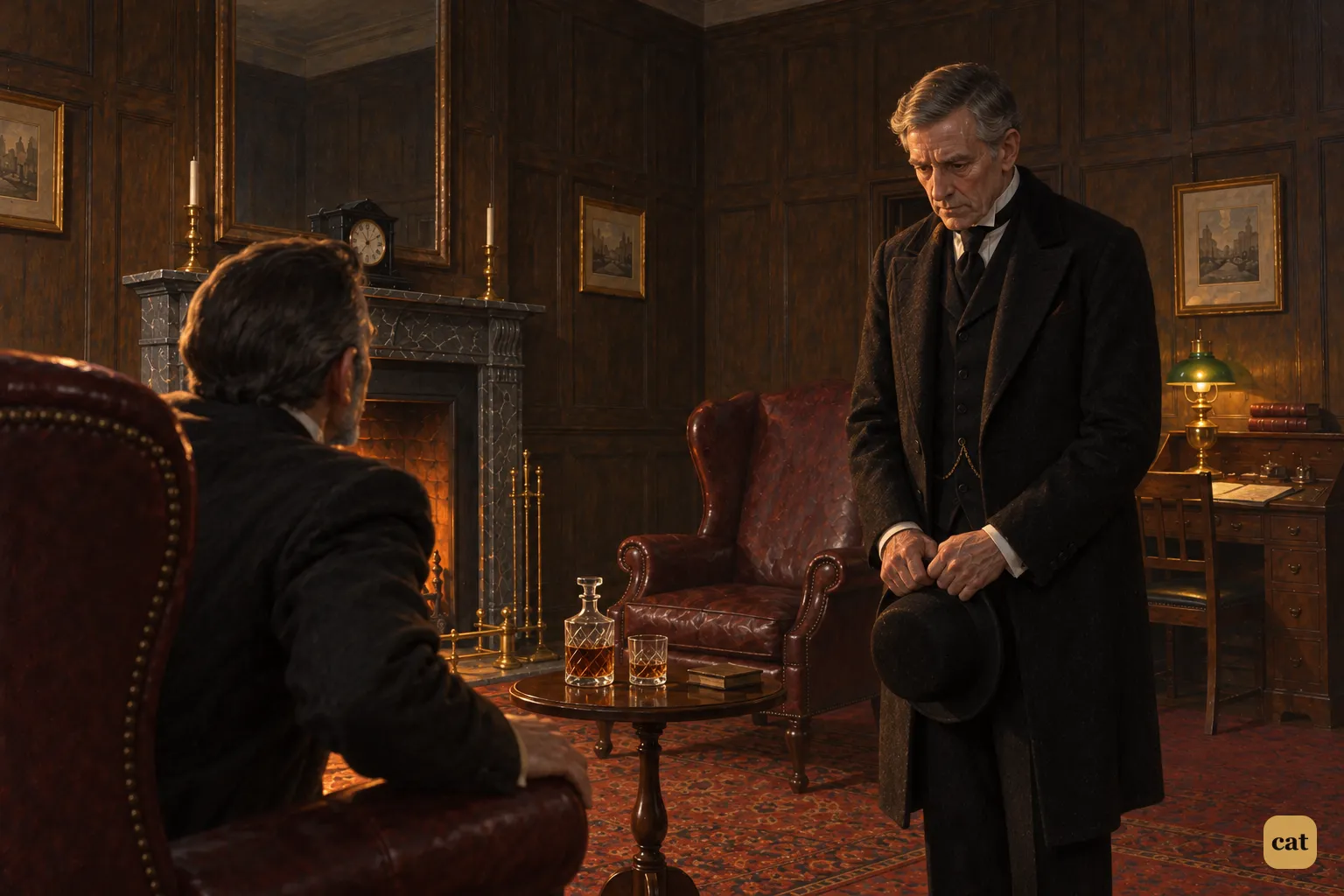
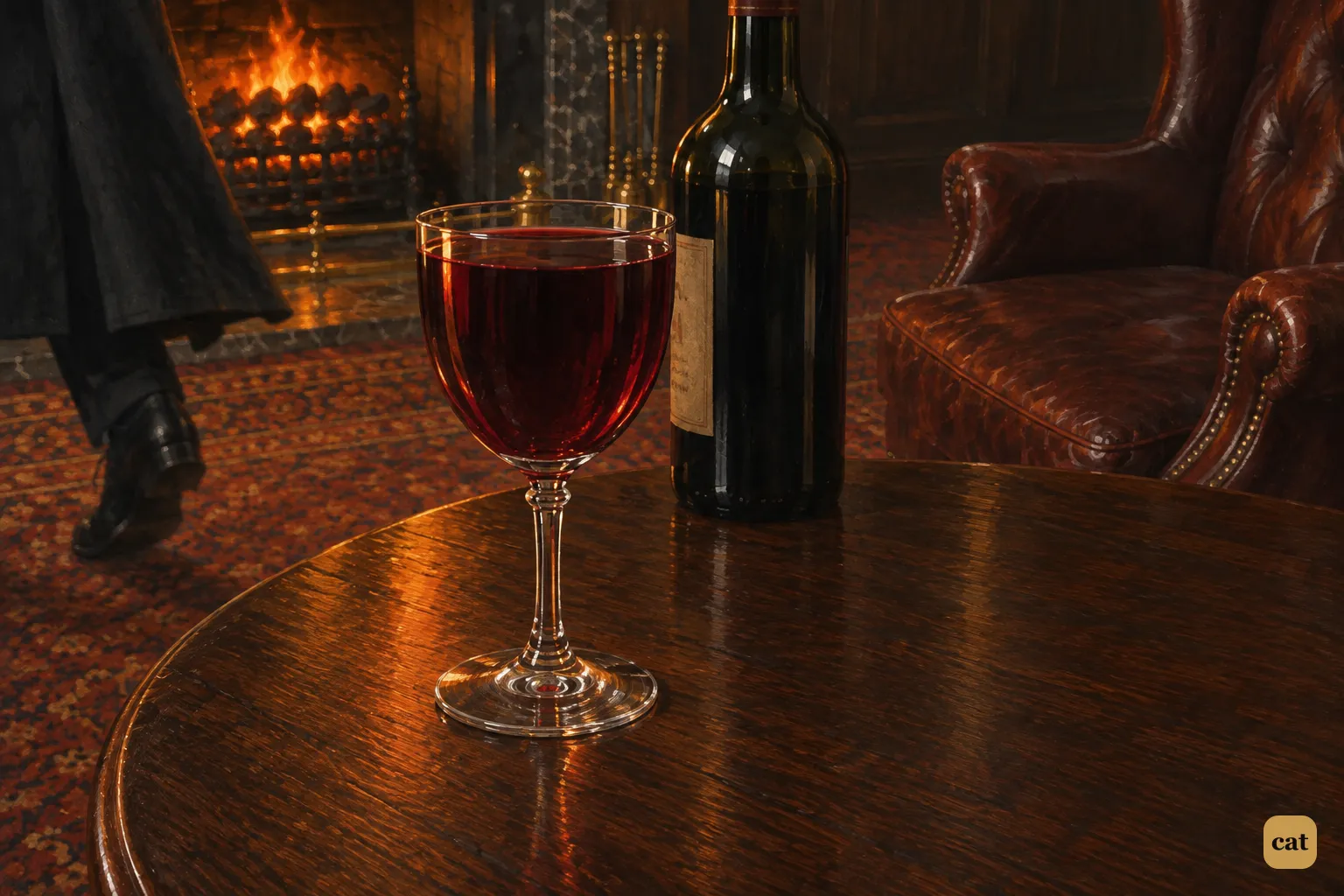
The man’s appearance amply bore out his words; his manner was altered for the worse; and except for the moment when he had first announced his terror, he had not once looked the lawyer in the face. Even now, he sat with the glass of wine untasted on his knee, and his eyes directed to a corner of the floor. “I can bear it no more,” he repeated.
Read from here → -
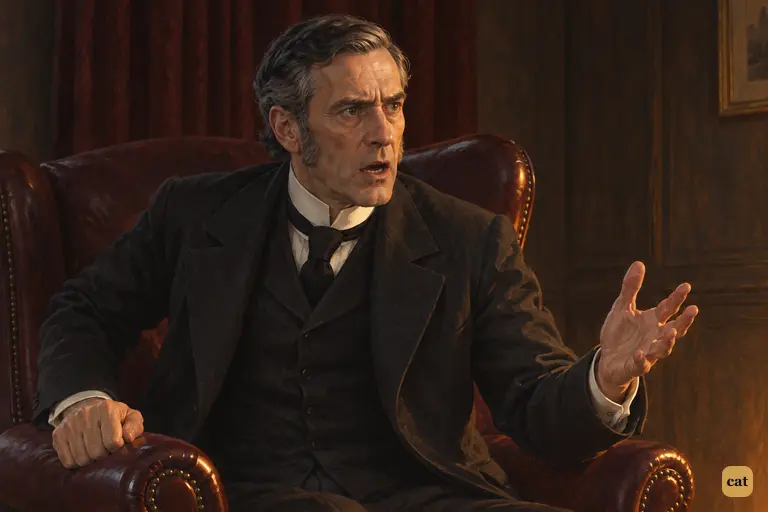
Foul play
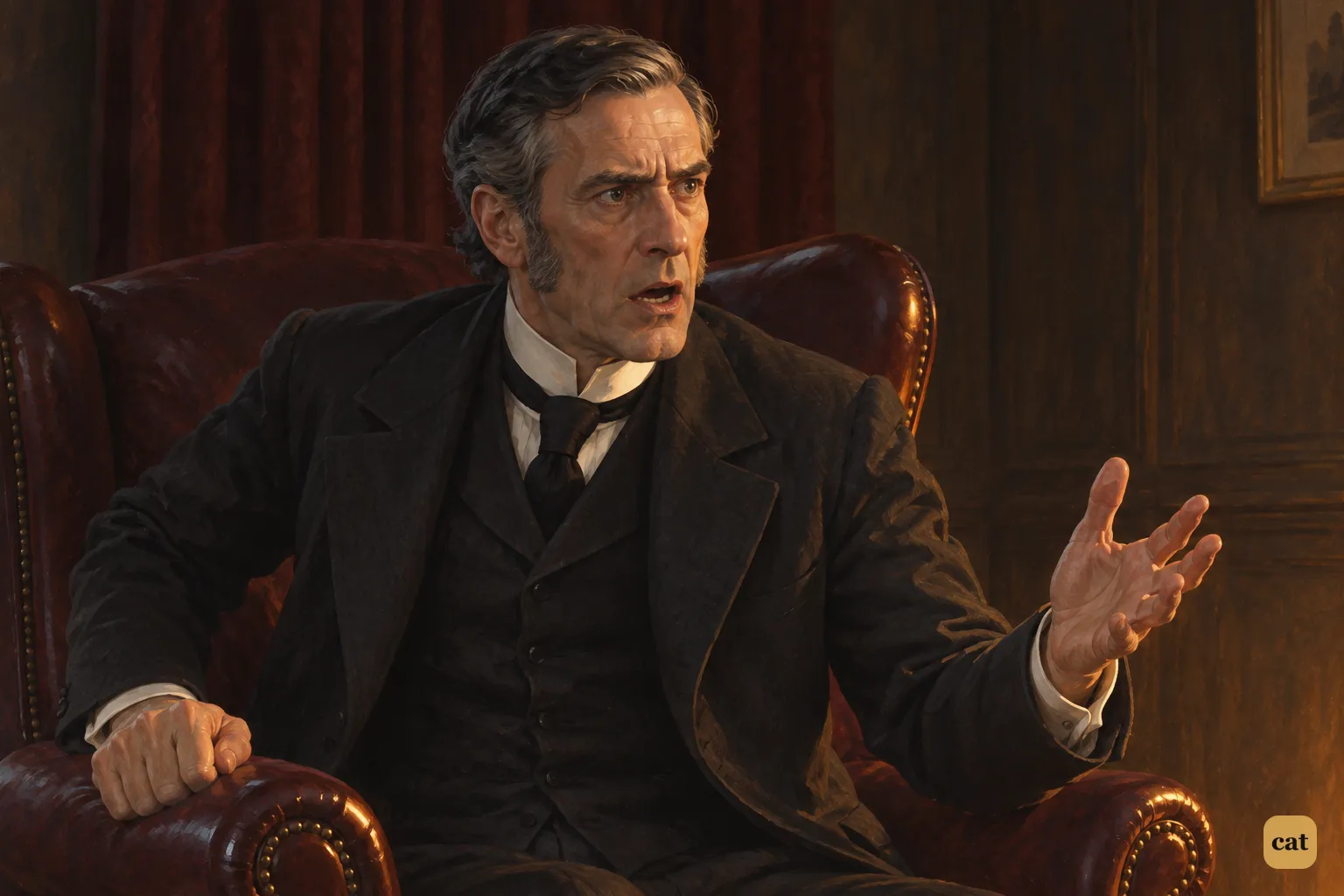
“Foul play!” cried the lawyer, a good deal frightened and rather inclined to be irritated in consequence. “What foul play! What does the man mean?”
Read from here → -
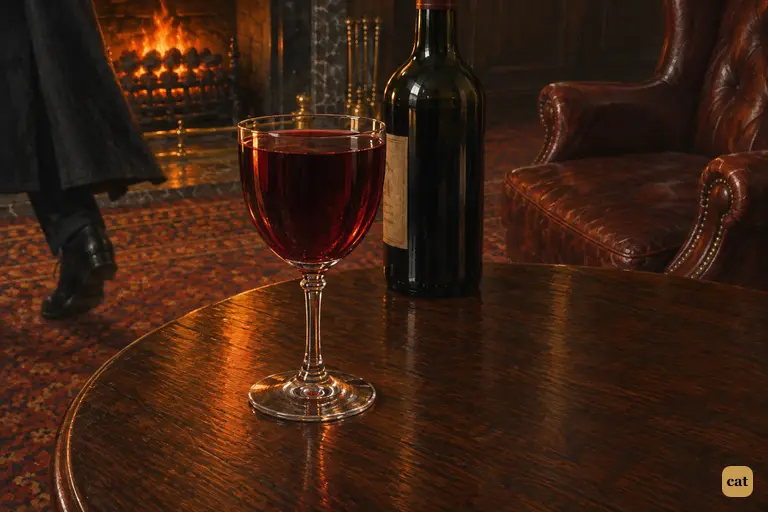
The untasted glass
Mr. Utterson’s only answer was to rise and get his hat and greatcoat; but he observed with wonder the greatness of the relief that appeared upon the butler’s face, and perhaps with no less, that the wine was still untasted when he set it down to follow.
Read from here → -
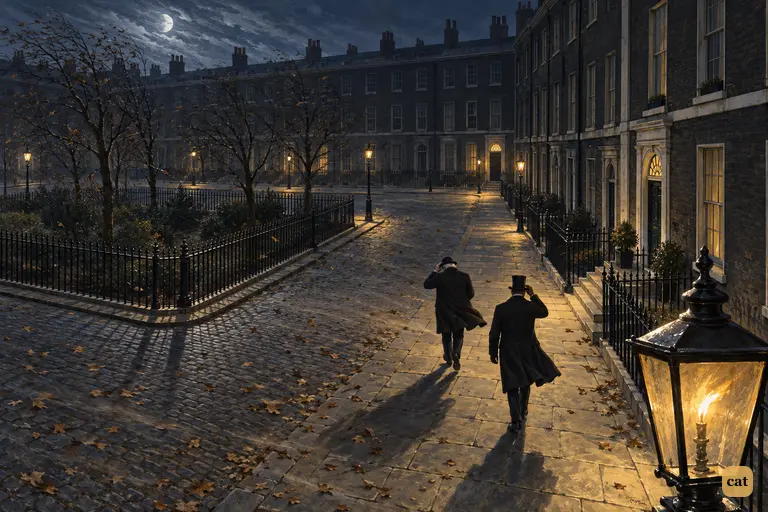
The wind-swept square
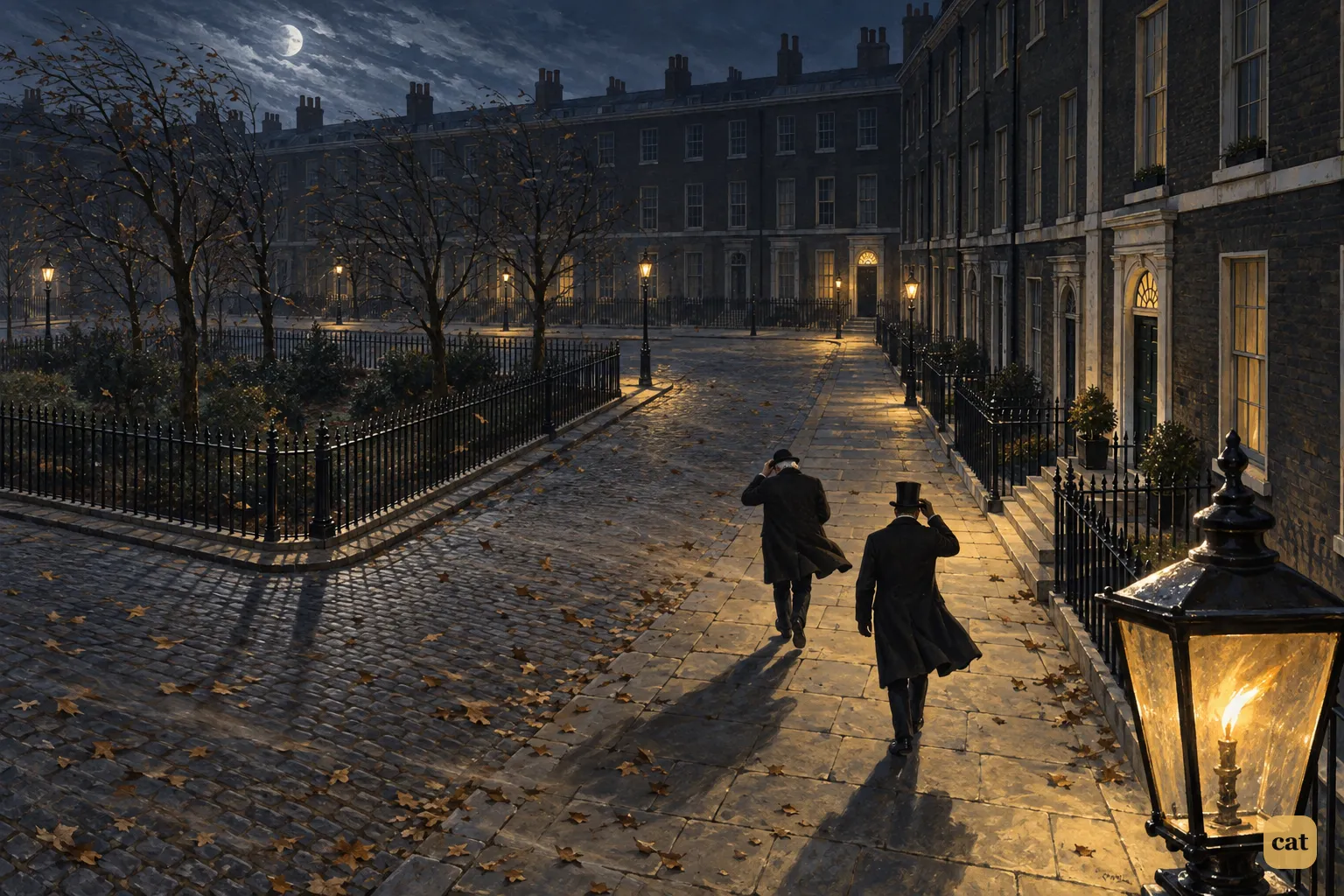
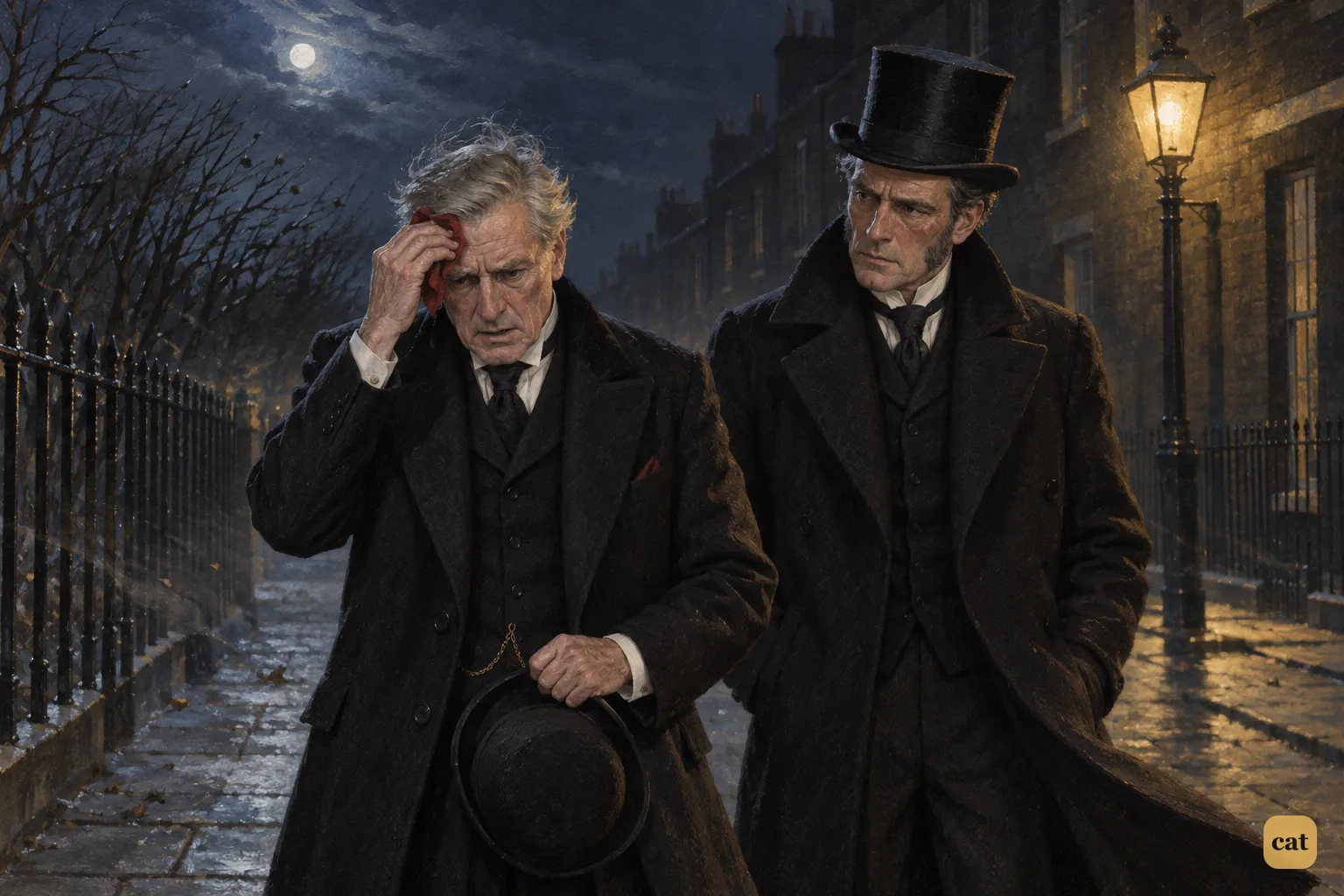
It was a wild, cold, seasonable night of March, with a pale moon, lying on her back as though the wind had tilted her, and flying wrack of the most diaphanous and lawny texture. The wind made talking difficult, and flecked the blood into the face. It seemed to have swept the streets unusually bare of passengers, besides; for Mr. Utterson thought he had never seen that part of London so deserted. He could have wished it otherwise; never in his life had he been conscious of so sharp a wish to see and touch his fellow-creatures; for struggle as he might, there was borne in upon his mind a crushing anticipation of calamity. The square, when they got there, was full of wind and dust, and the thin trees in the garden were lashing themselves along the railing. Poole, who had kept all the way a pace or two ahead, now pulled up in the middle of the pavement, and in spite of the biting weather, took off his hat and mopped his brow with a red pocket-handkerchief. But for all the hurry of his coming, these were not the dews of exertion that he wiped away, but the moisture of some strangling anguish; for his face was white and his voice, when he spoke, harsh and broken.
Read from here → -
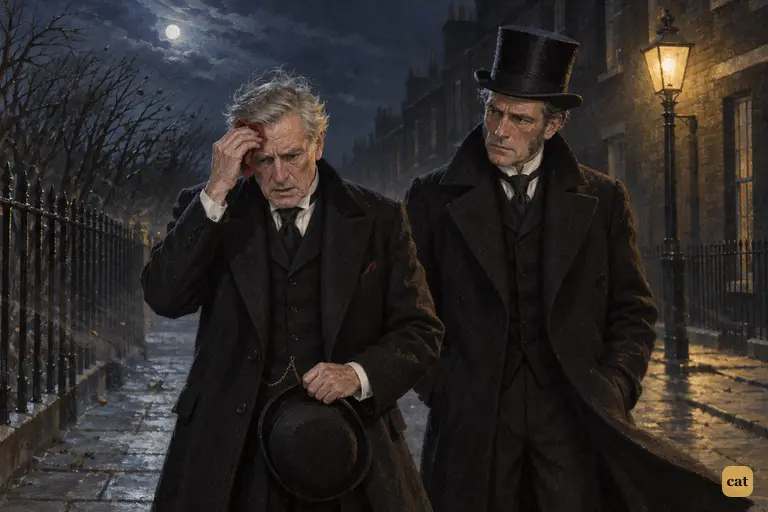
The red handkerchief
It was a wild, cold, seasonable night of March, with a pale moon, lying on her back as though the wind had tilted her, and flying wrack of the most diaphanous and lawny texture. The wind made talking difficult, and flecked the blood into the face. It seemed to have swept the streets unusually bare of passengers, besides; for Mr. Utterson thought he had never seen that part of London so deserted. He could have wished it otherwise; never in his life had he been conscious of so sharp a wish to see and touch his fellow-creatures; for struggle as he might, there was borne in upon his mind a crushing anticipation of calamity. The square, when they got there, was full of wind and dust, and the thin trees in the garden were lashing themselves along the railing. Poole, who had kept all the way a pace or two ahead, now pulled up in the middle of the pavement, and in spite of the biting weather, took off his hat and mopped his brow with a red pocket-handkerchief. But for all the hurry of his coming, these were not the dews of exertion that he wiped away, but the moisture of some strangling anguish; for his face was white and his voice, when he spoke, harsh and broken.
Read from here → -
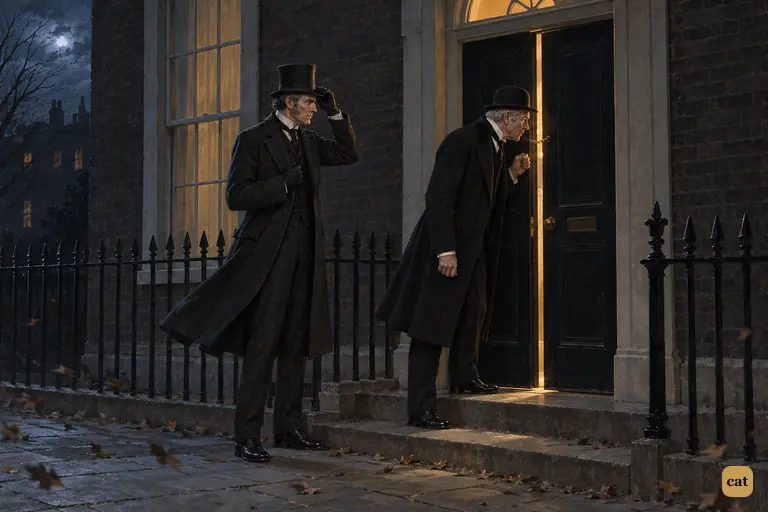
Opened on the chain
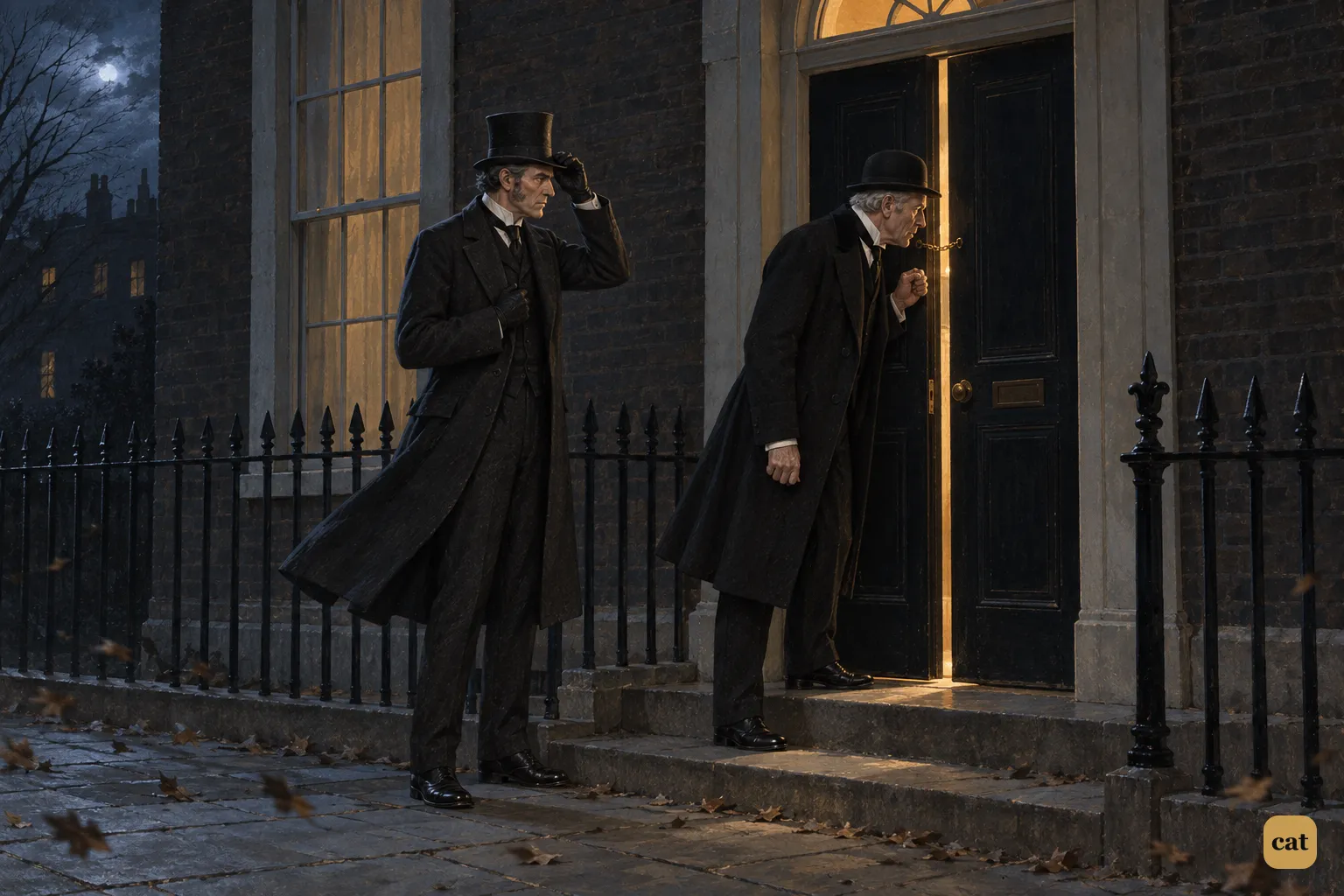
Thereupon the servant knocked in a very guarded manner; the door was opened on the chain; and a voice asked from within, “Is that you, Poole?”
Read from here → -
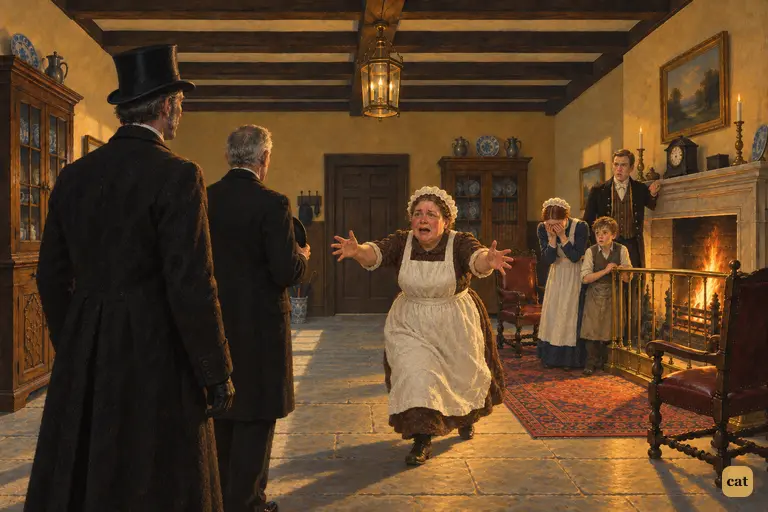
A flock of sheep
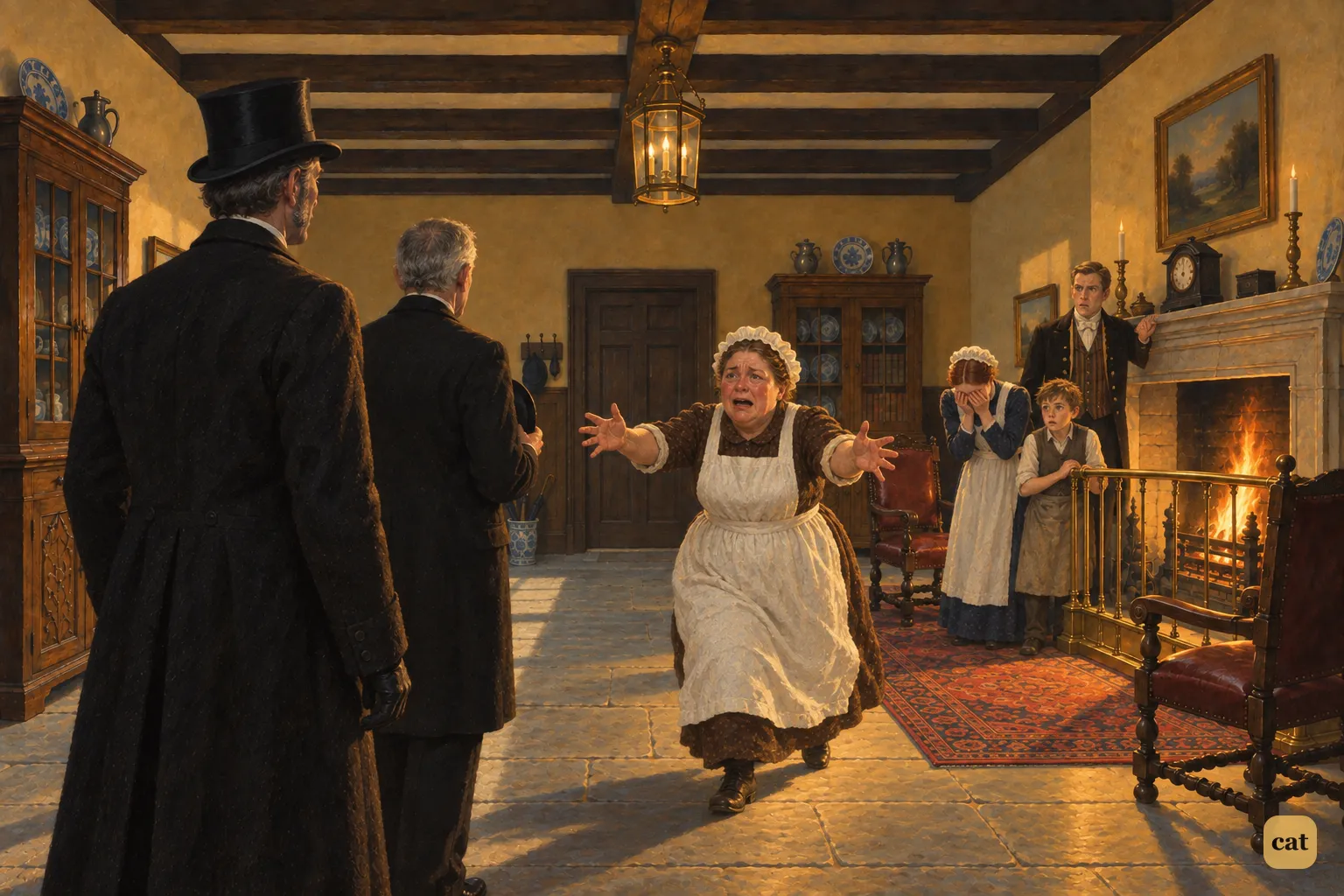
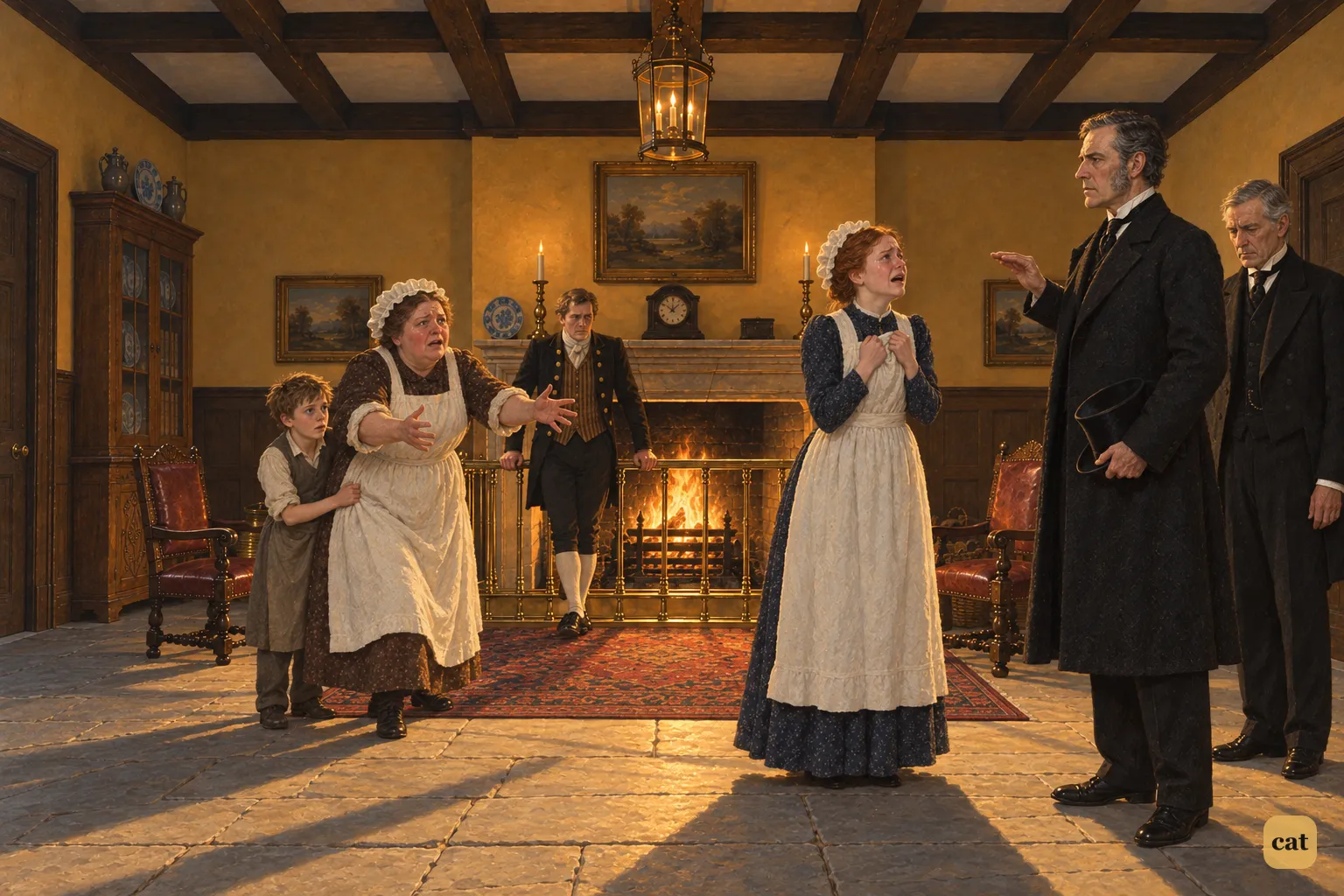
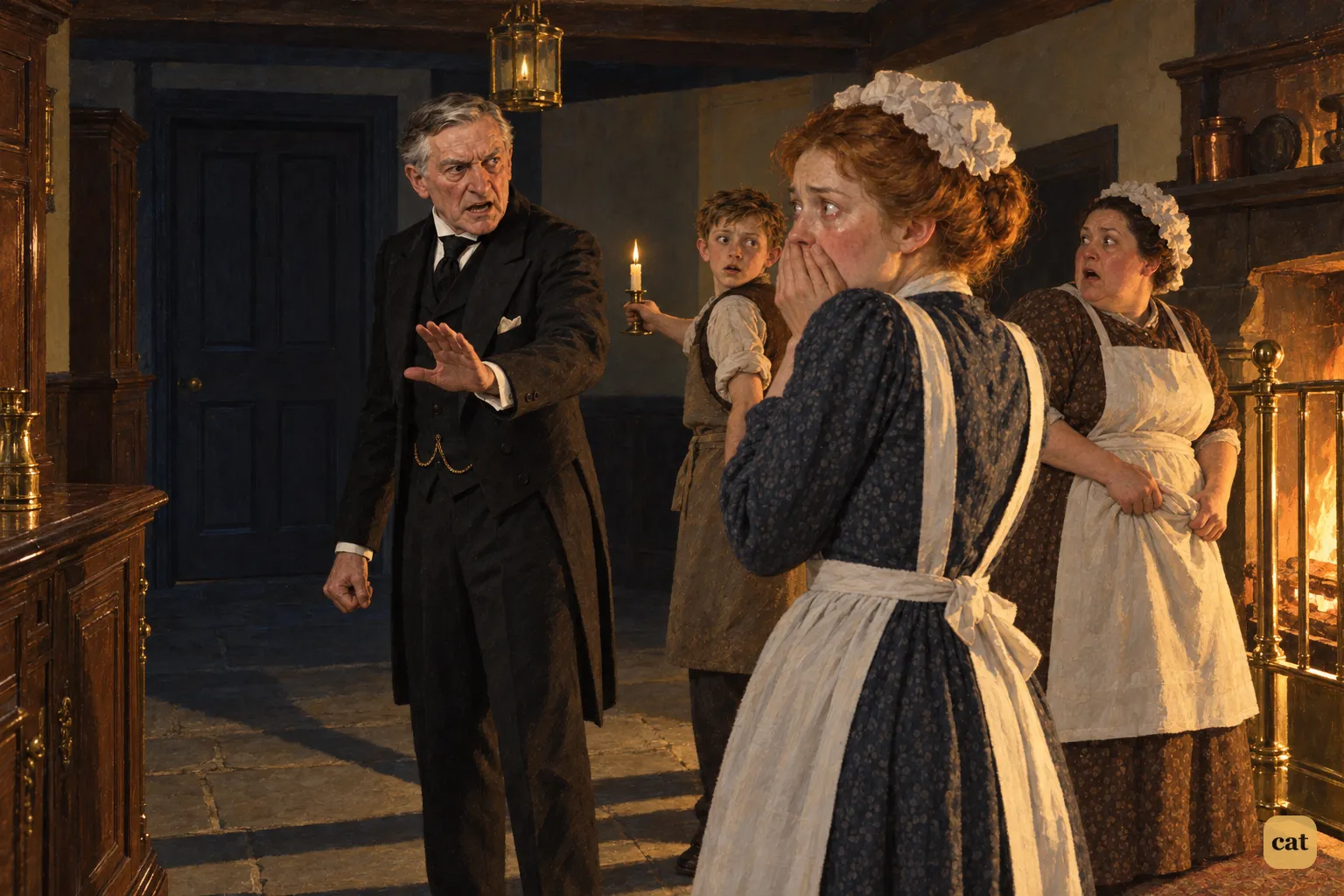
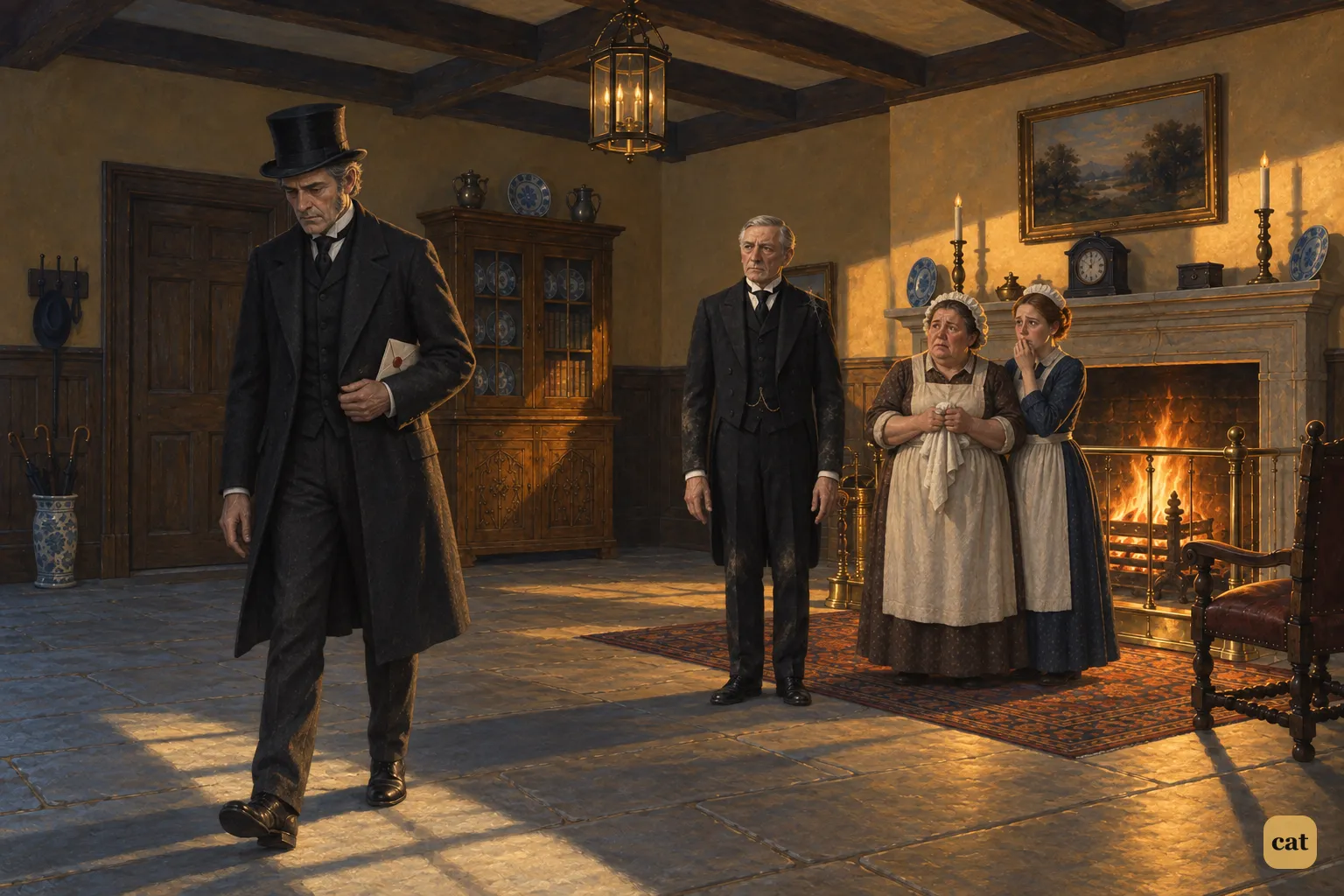
The hall, when they entered it, was brightly lighted up; the fire was built high; and about the hearth the whole of the servants, men and women, stood huddled together like a flock of sheep. At the sight of Mr. Utterson, the housemaid broke into hysterical whimpering; and the cook, crying out “Bless God! it’s Mr. Utterson,” ran forward as if to take him in her arms.
Read from here → -
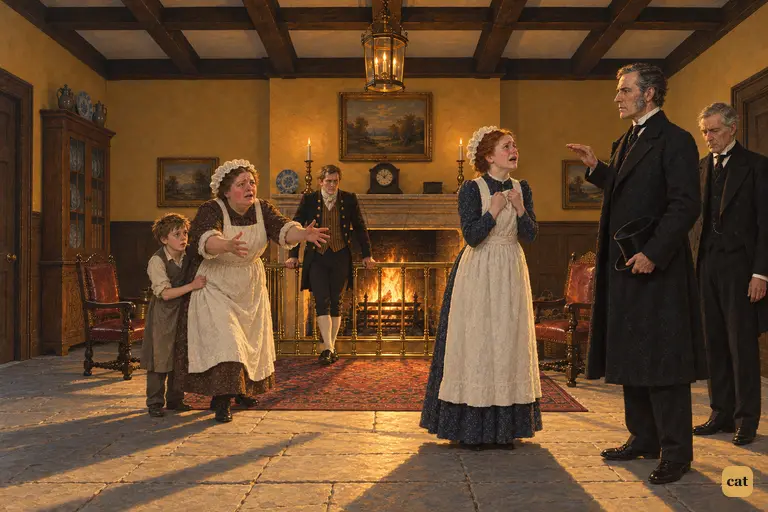
Very irregular, very unseemly
Blank silence followed, no one protesting; only the maid lifted her voice and now wept loudly.
Read from here → -
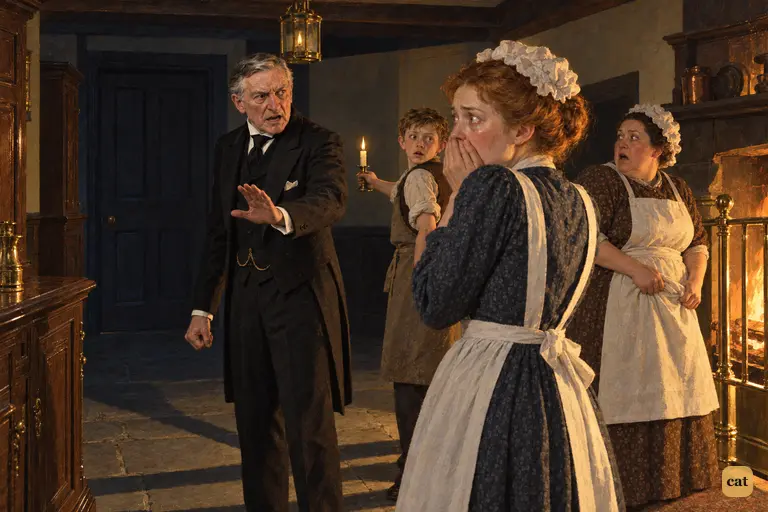
Faces toward the inner door
“Hold your tongue!” Poole said to her, with a ferocity of accent that testified to his own jangled nerves; and indeed, when the girl had so suddenly raised the note of her lamentation, they had all started and turned towards the inner door with faces of dreadful expectation. “And now,” continued the butler, addressing the knife-boy, “reach me a candle, and we’ll get this through hands at once.” And then he begged Mr. Utterson to follow him, and led the way to the back garden.
Read from here → -
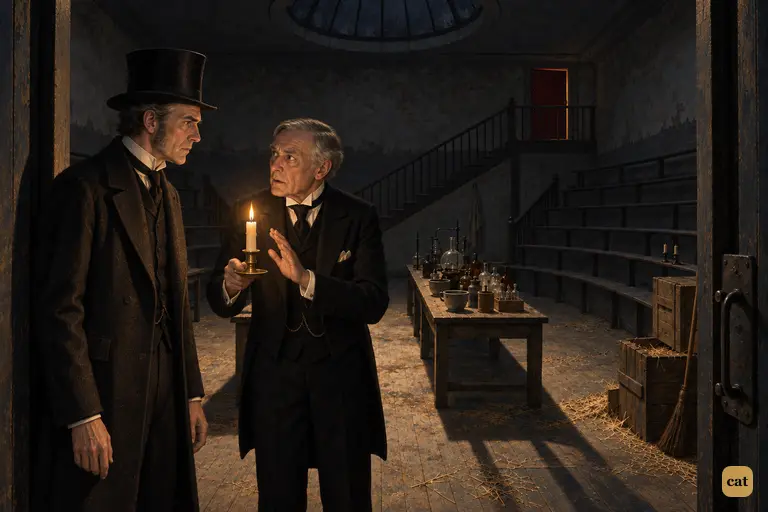
Don't go in
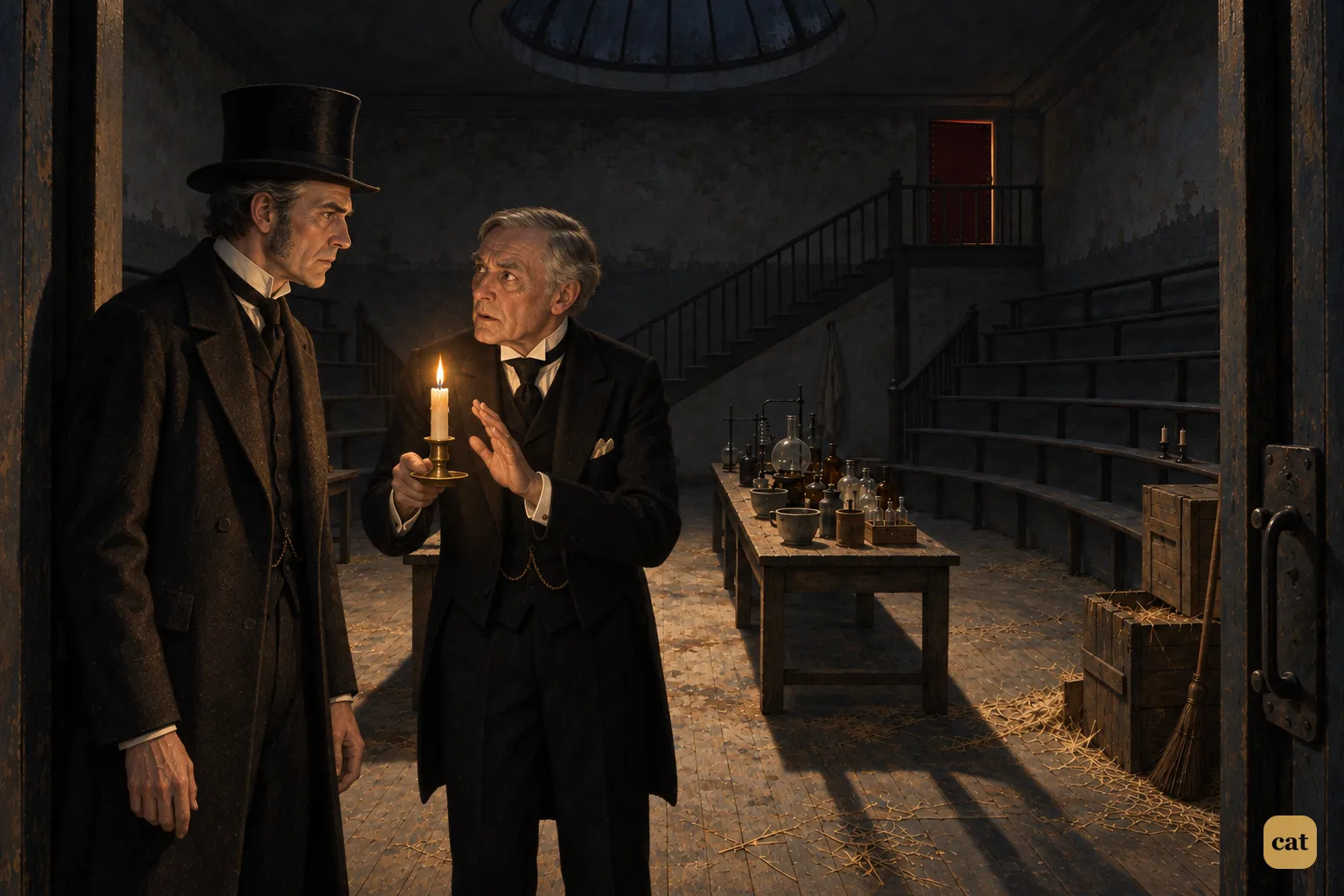
“Now, sir,” said he, “you come as gently as you can. I want you to hear, and I don’t want you to be heard. And see here, sir, if by any chance he was to ask you in, don’t go.”
Read from here → -
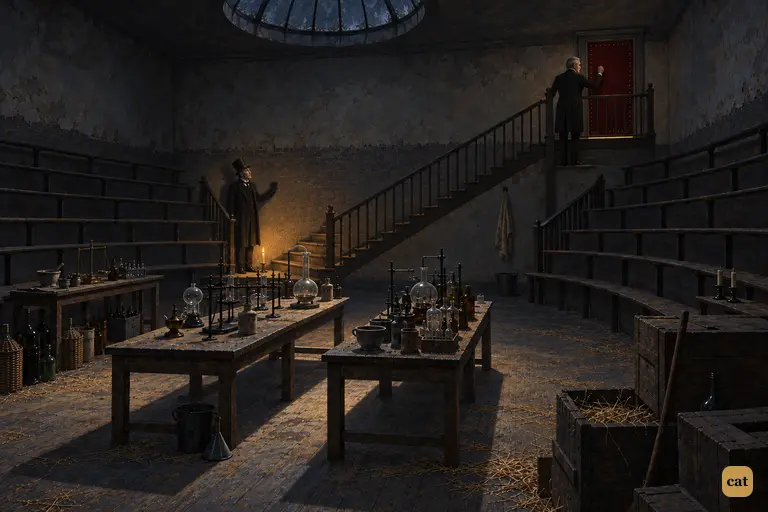
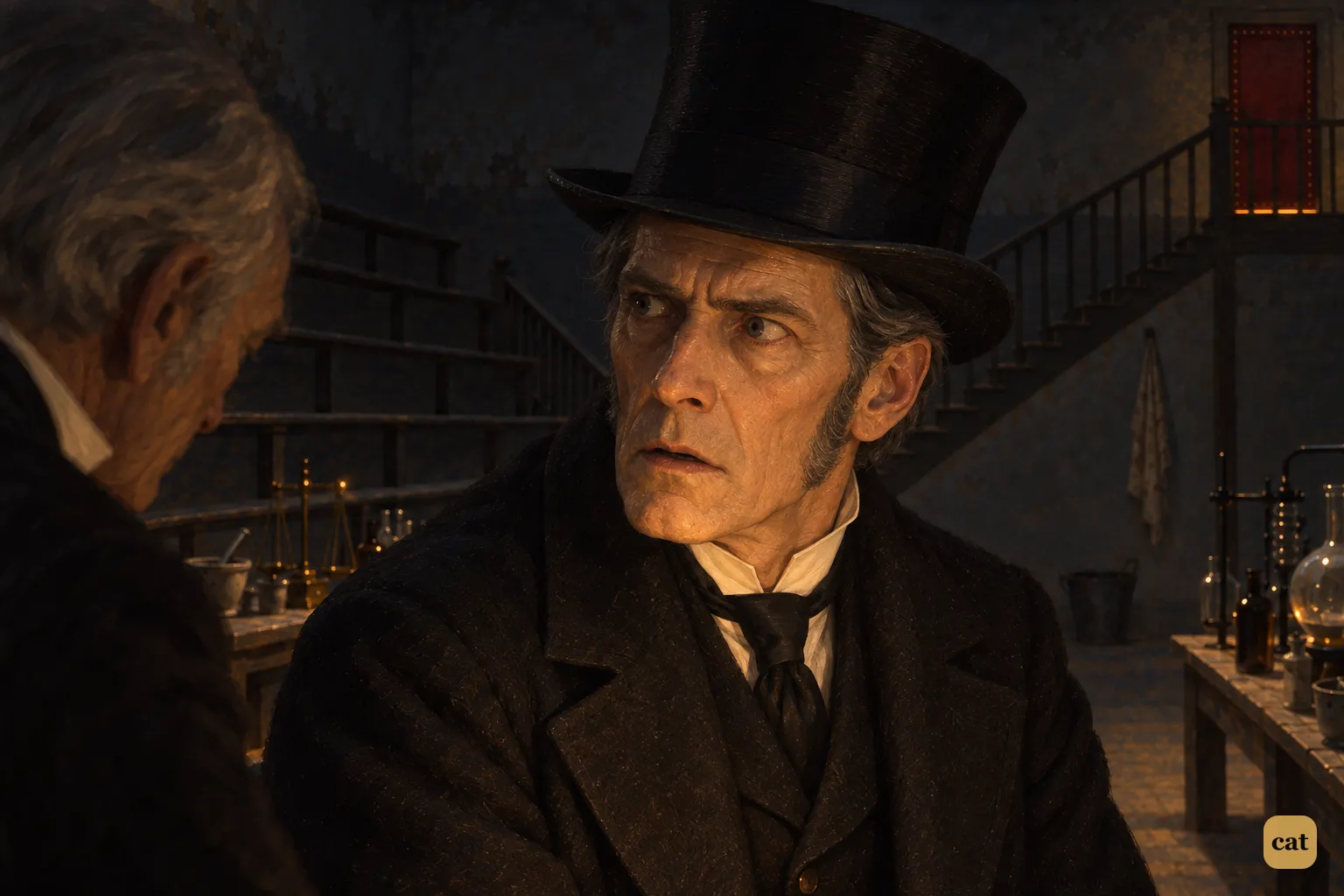
Up to the baize
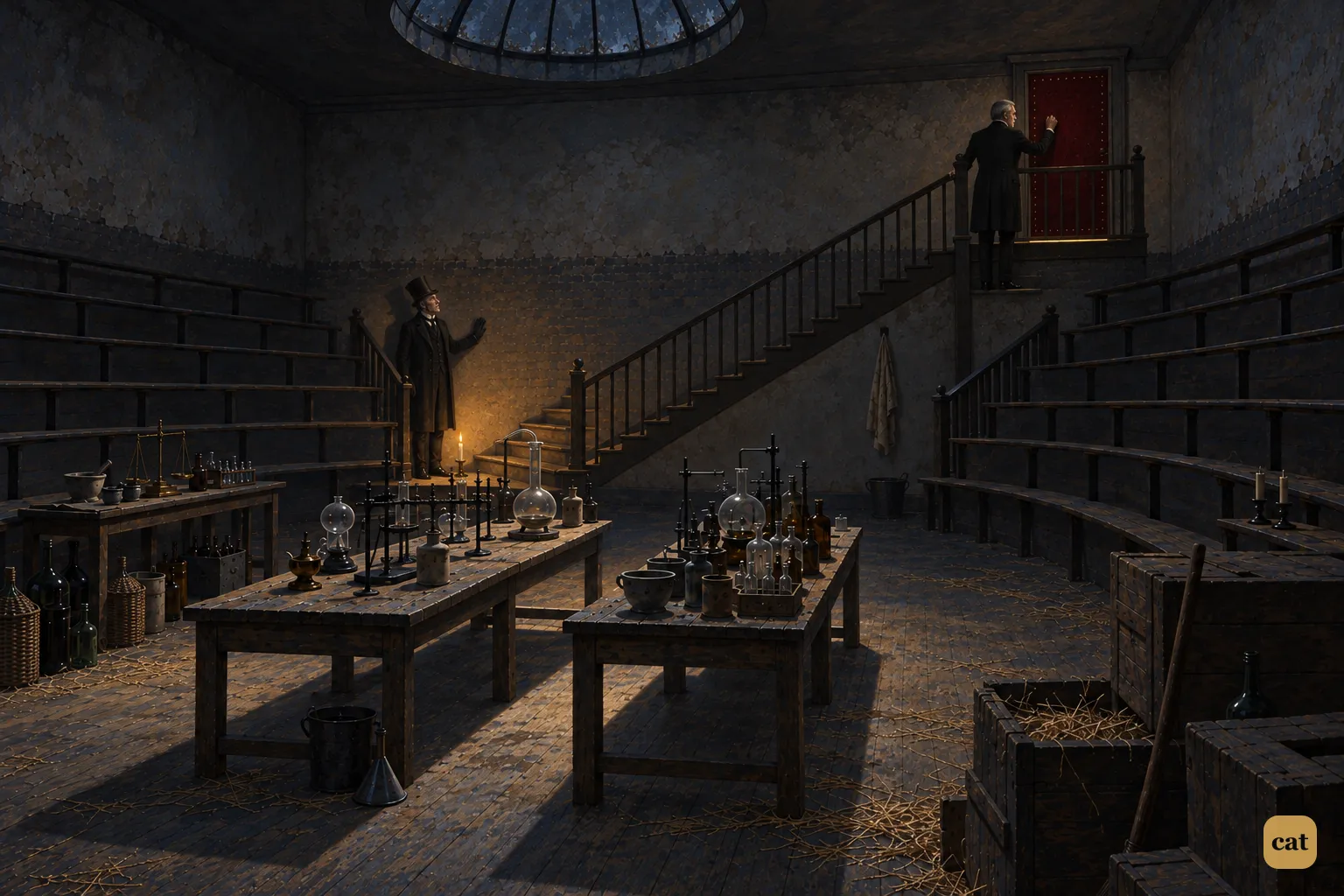
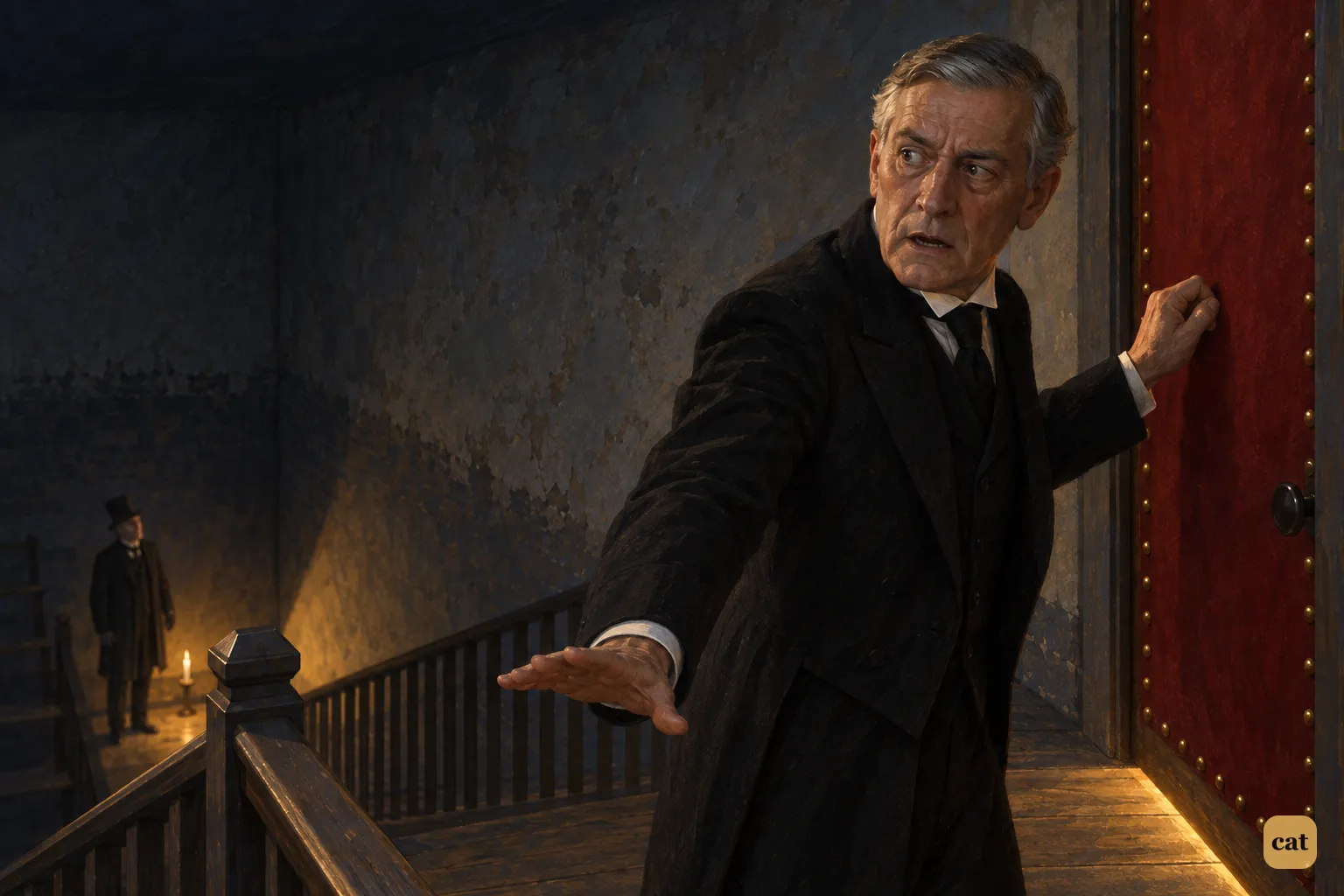
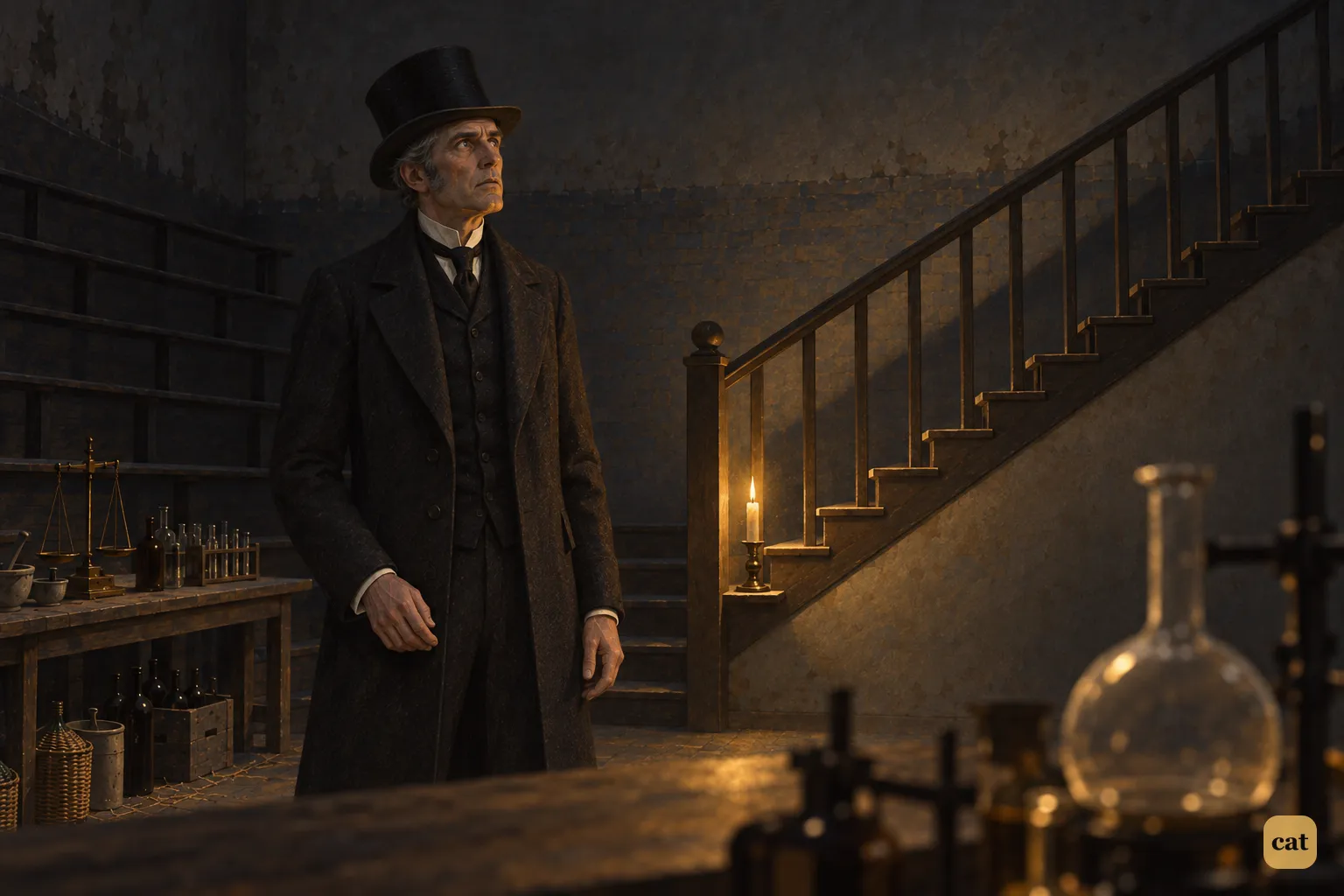
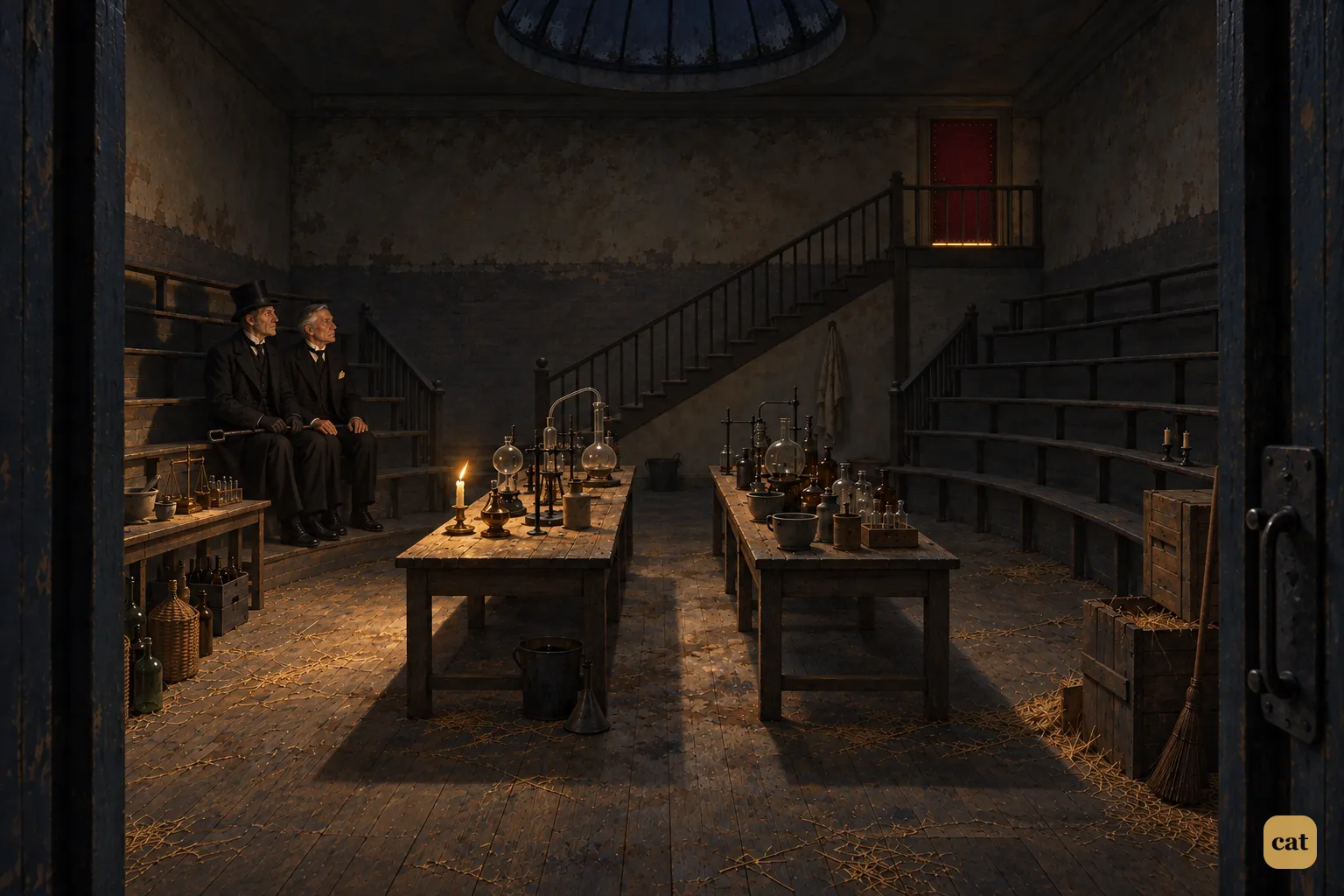
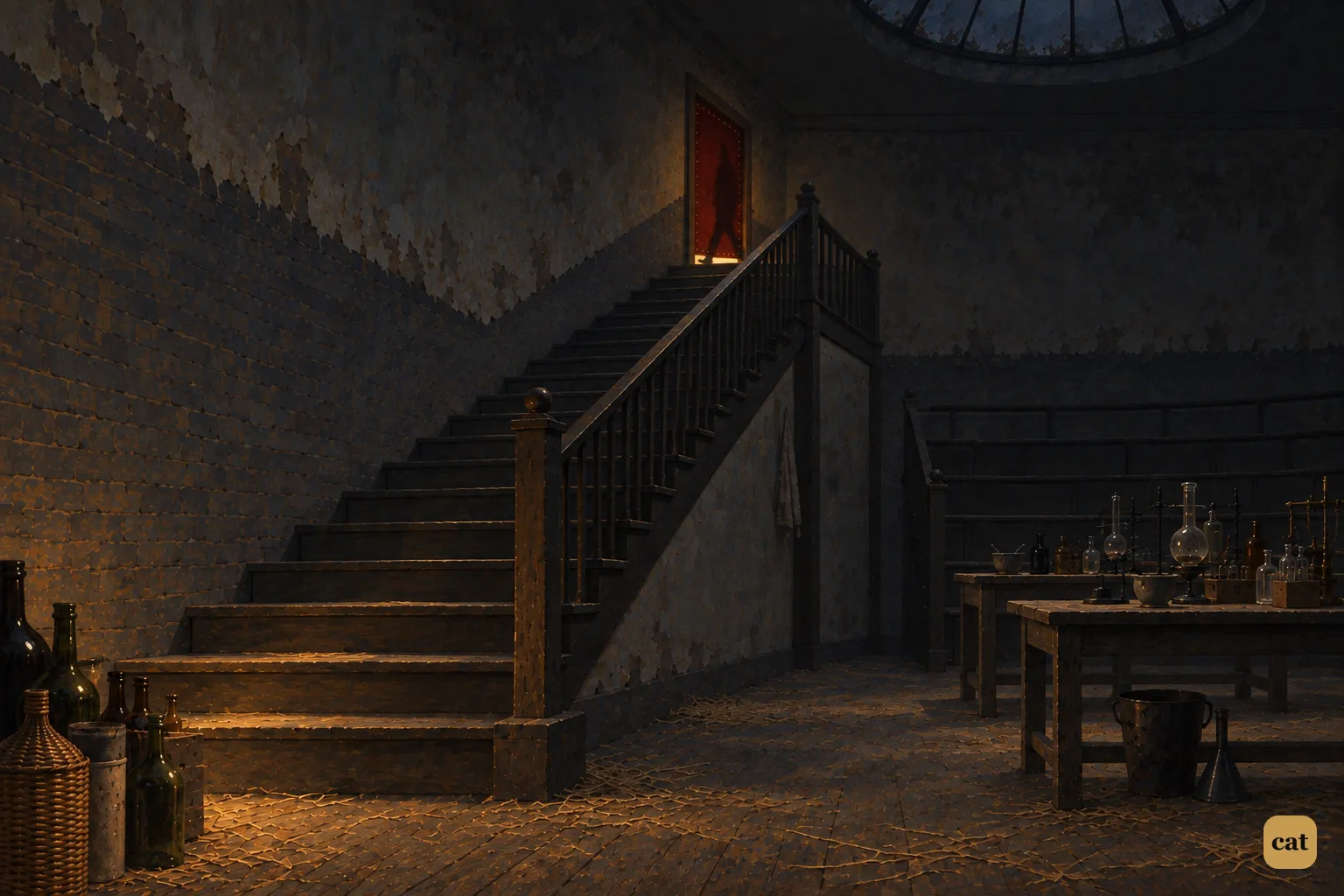
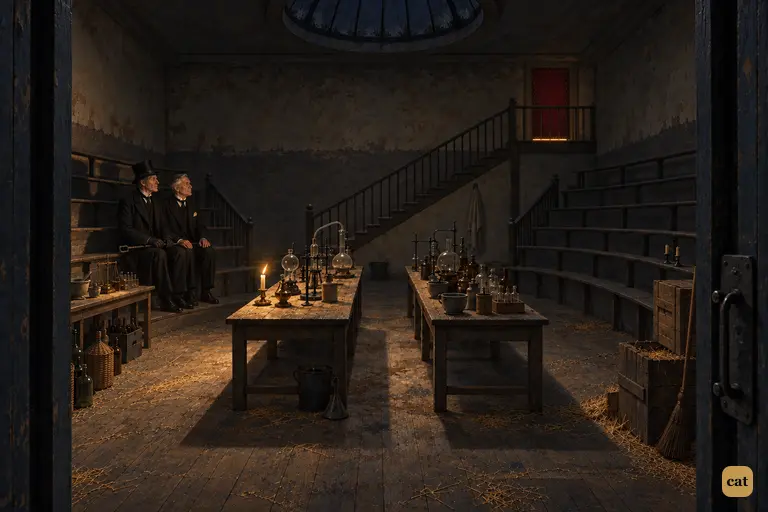
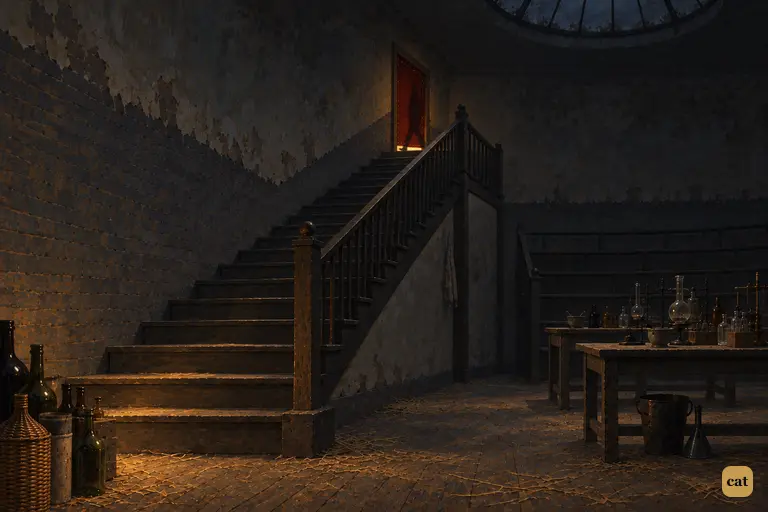
Mr. Utterson’s nerves, at this unlooked-for termination, gave a jerk that nearly threw him from his balance; but he recollected his courage and followed the butler into the laboratory building through the surgical theatre, with its lumber of crates and bottles, to the foot of the stair. Here Poole motioned him to stand on one side and listen; while he himself, setting down the candle and making a great and obvious call on his resolution, mounted the steps and knocked with a somewhat uncertain hand on the red baize of the cabinet door.
Read from here → -
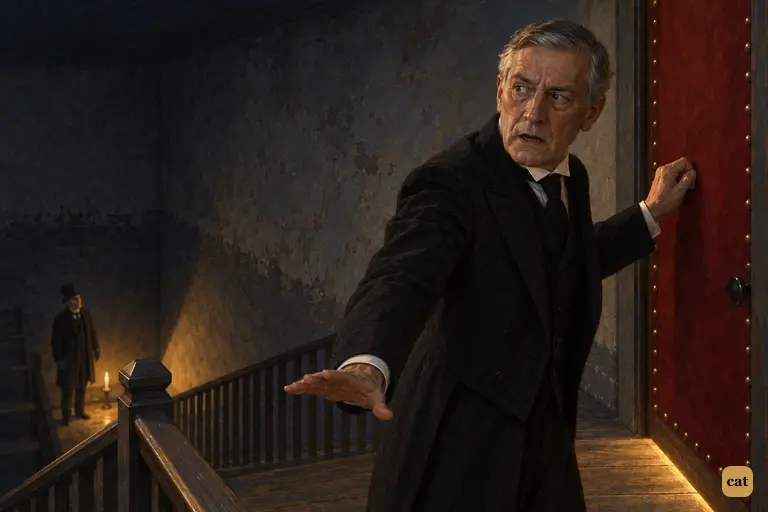
Knocking, signing to listen
“Mr. Utterson, sir, asking to see you,” he called; and even as he did so, once more violently signed to the lawyer to give ear.
Read from here → -
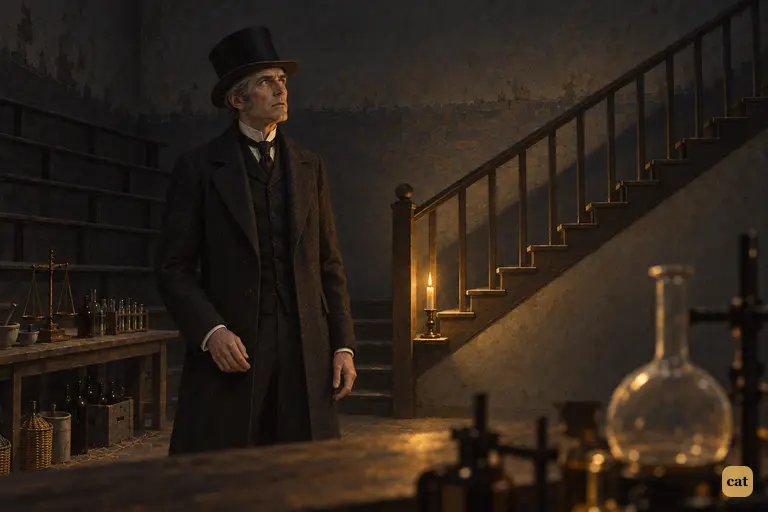
The changed voice
A voice answered from within: “Tell him I cannot see anyone,” it said complainingly.
Read from here → -
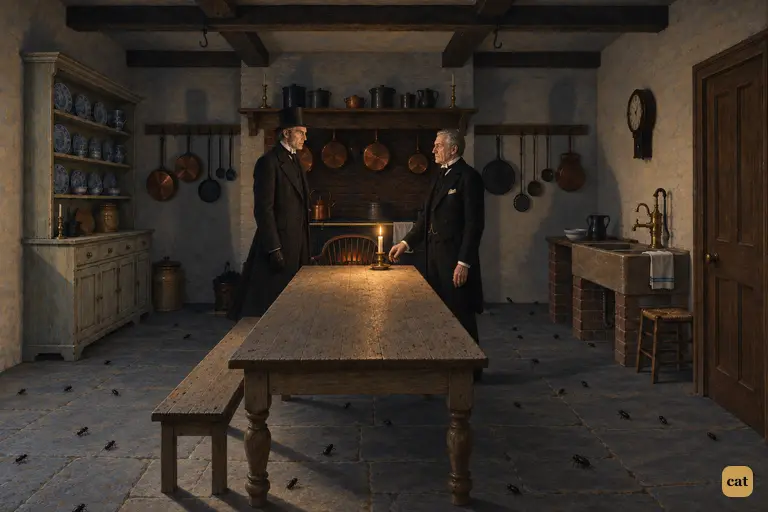
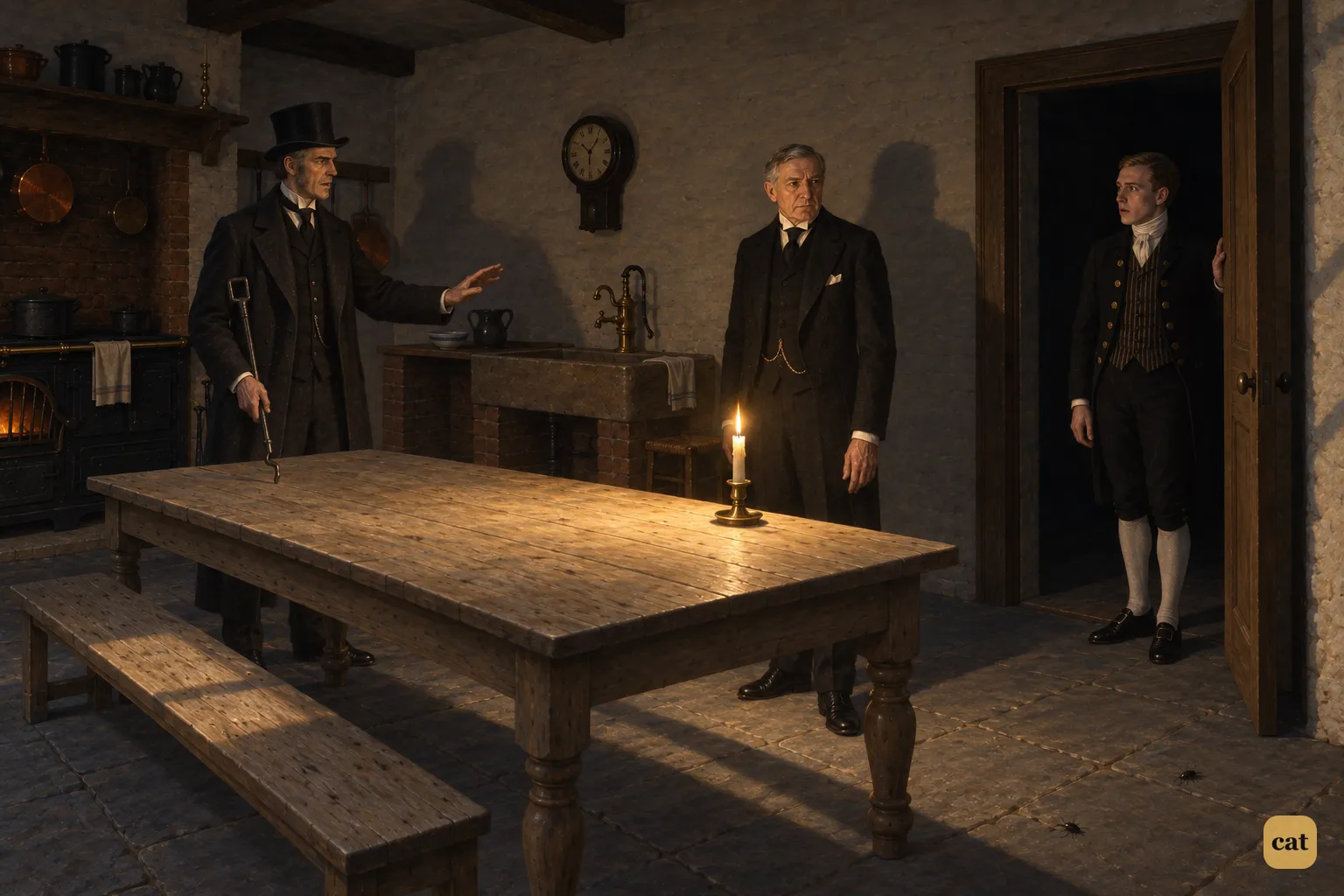
The dead kitchen
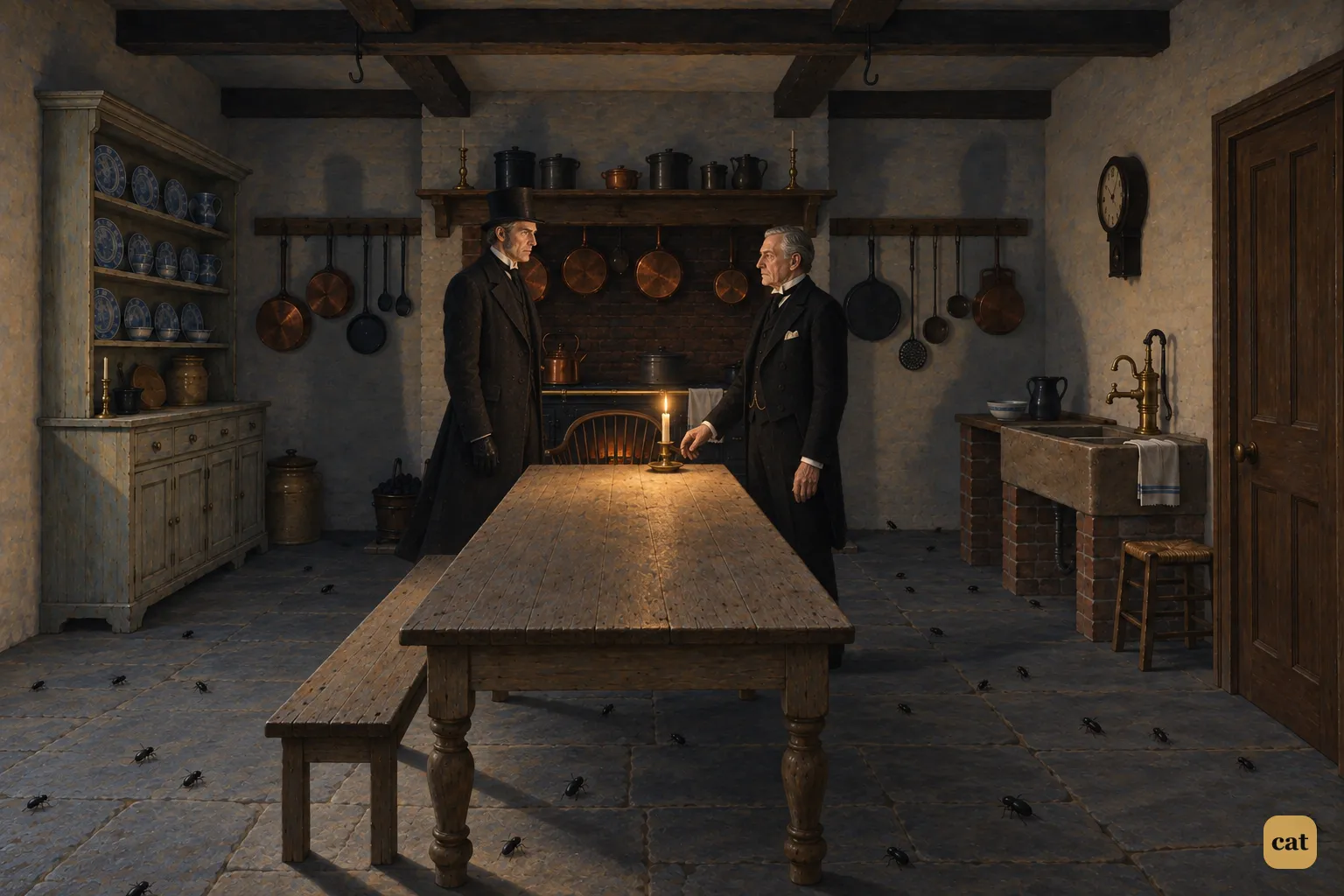
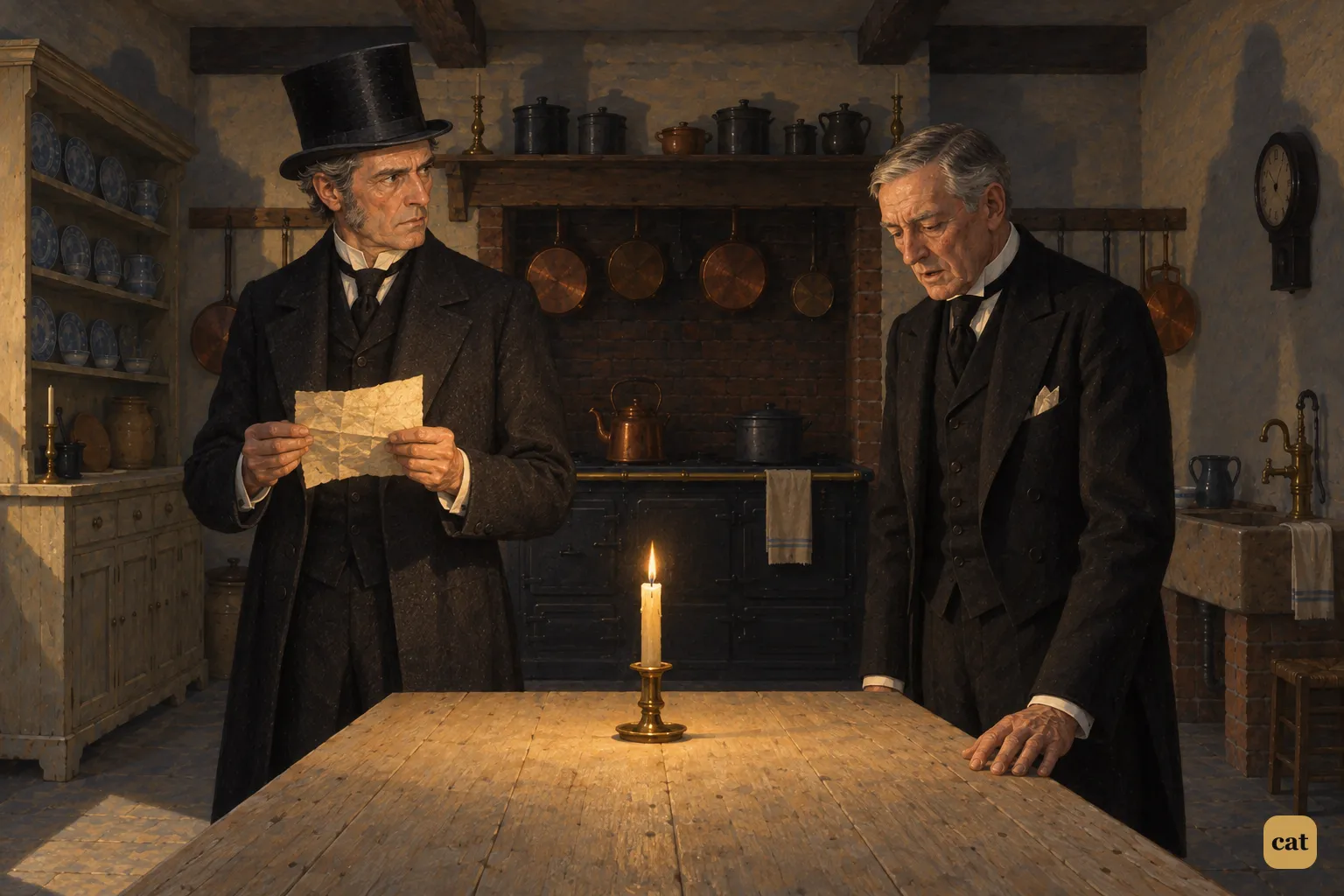
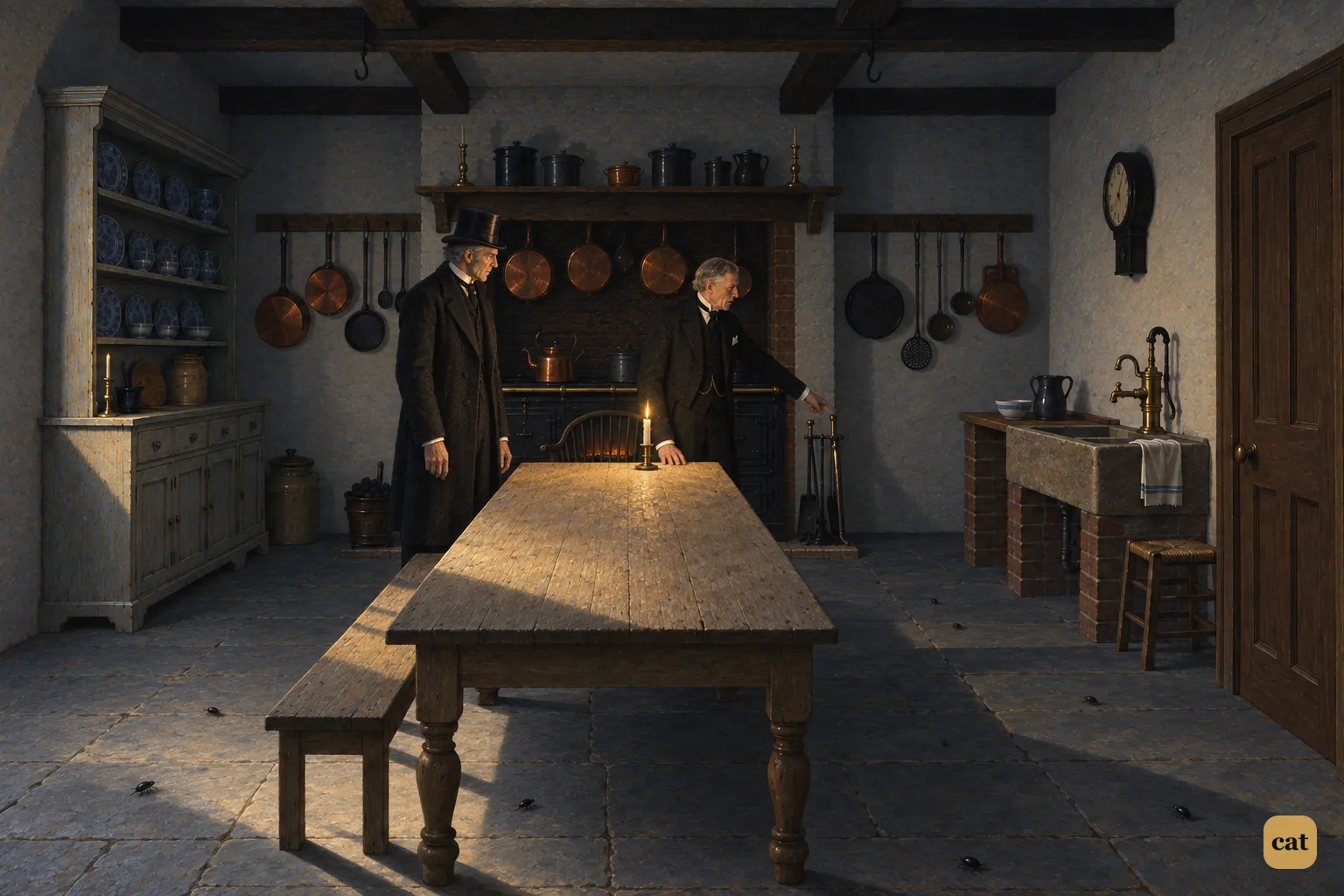
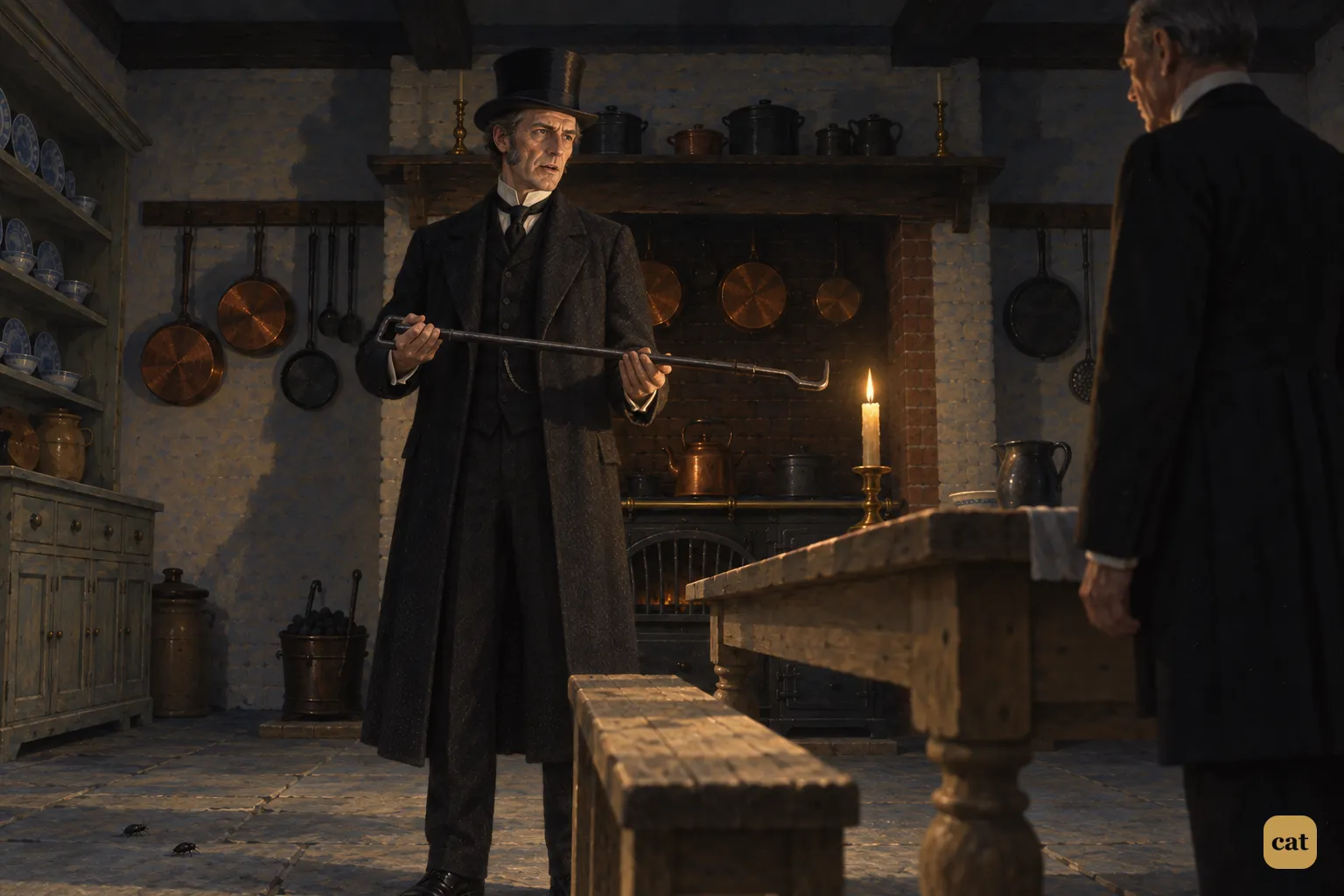
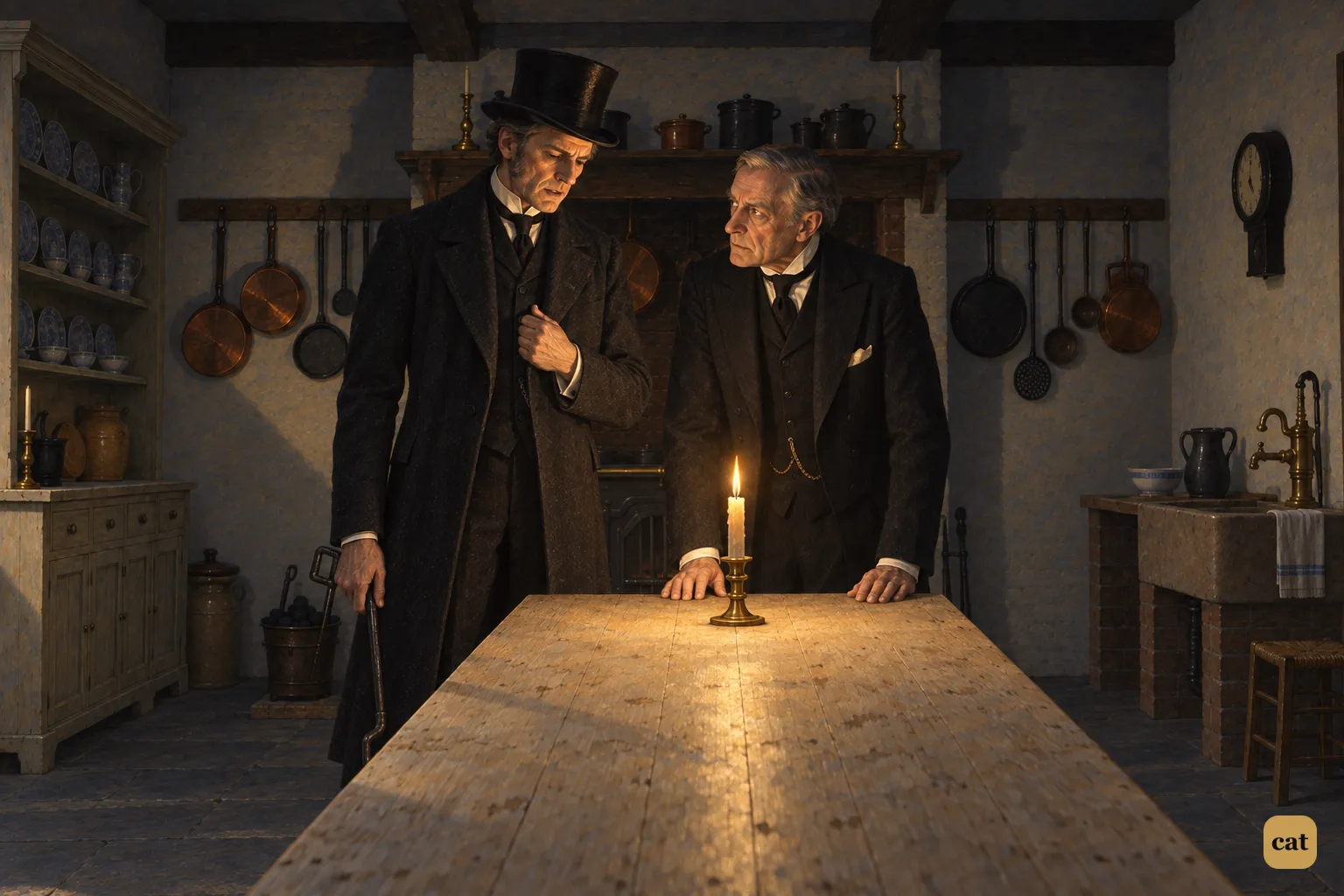
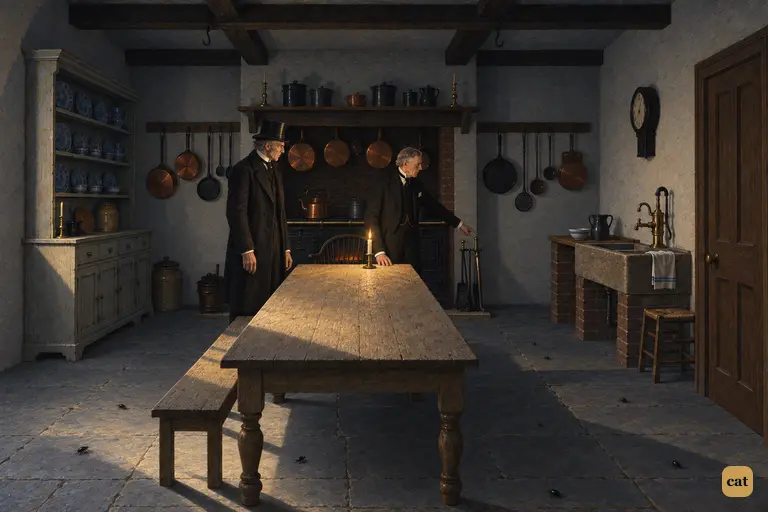
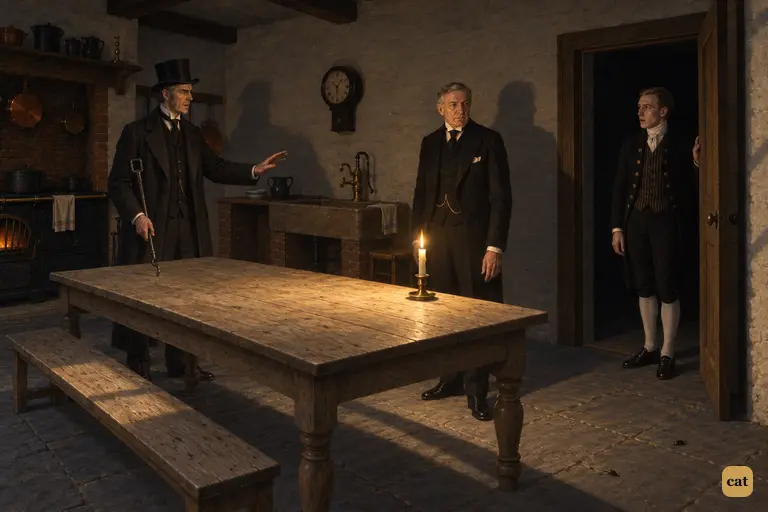
“Thank you, sir,” said Poole, with a note of something like triumph in his voice; and taking up his candle, he led Mr. Utterson back across the yard and into the great kitchen, where the fire was out and the beetles were leaping on the floor.
Read from here → -
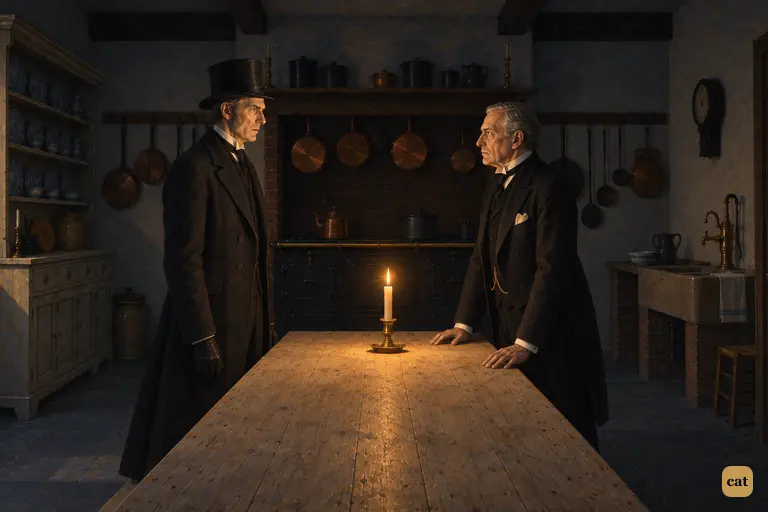
Look for look
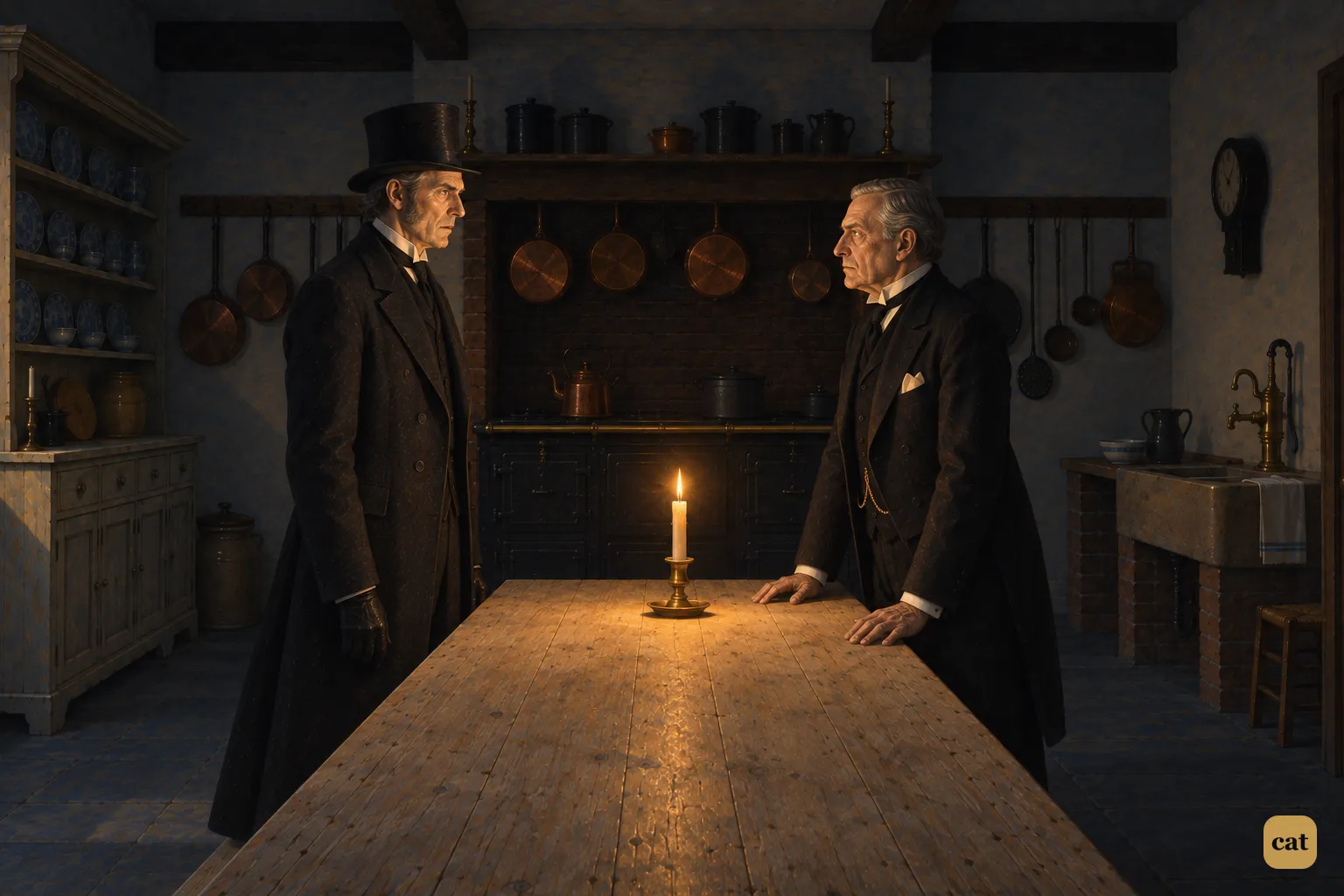
“It seems much changed,” replied the lawyer, very pale, but giving look for look.
Read from here → -
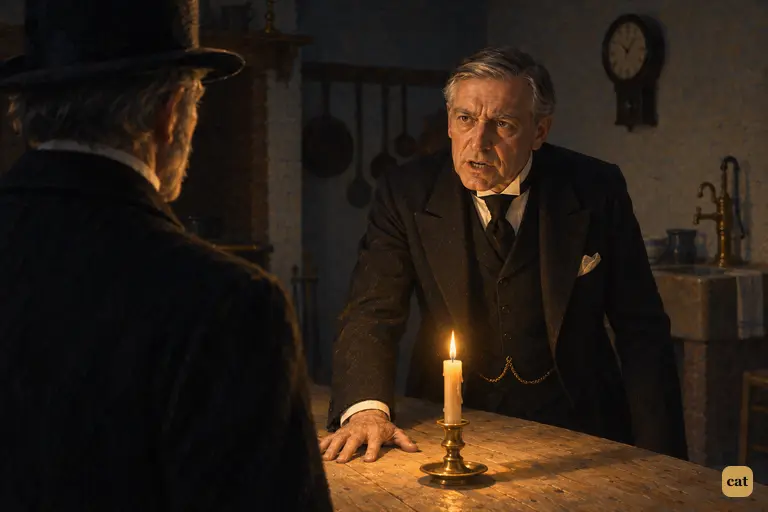
Made away with
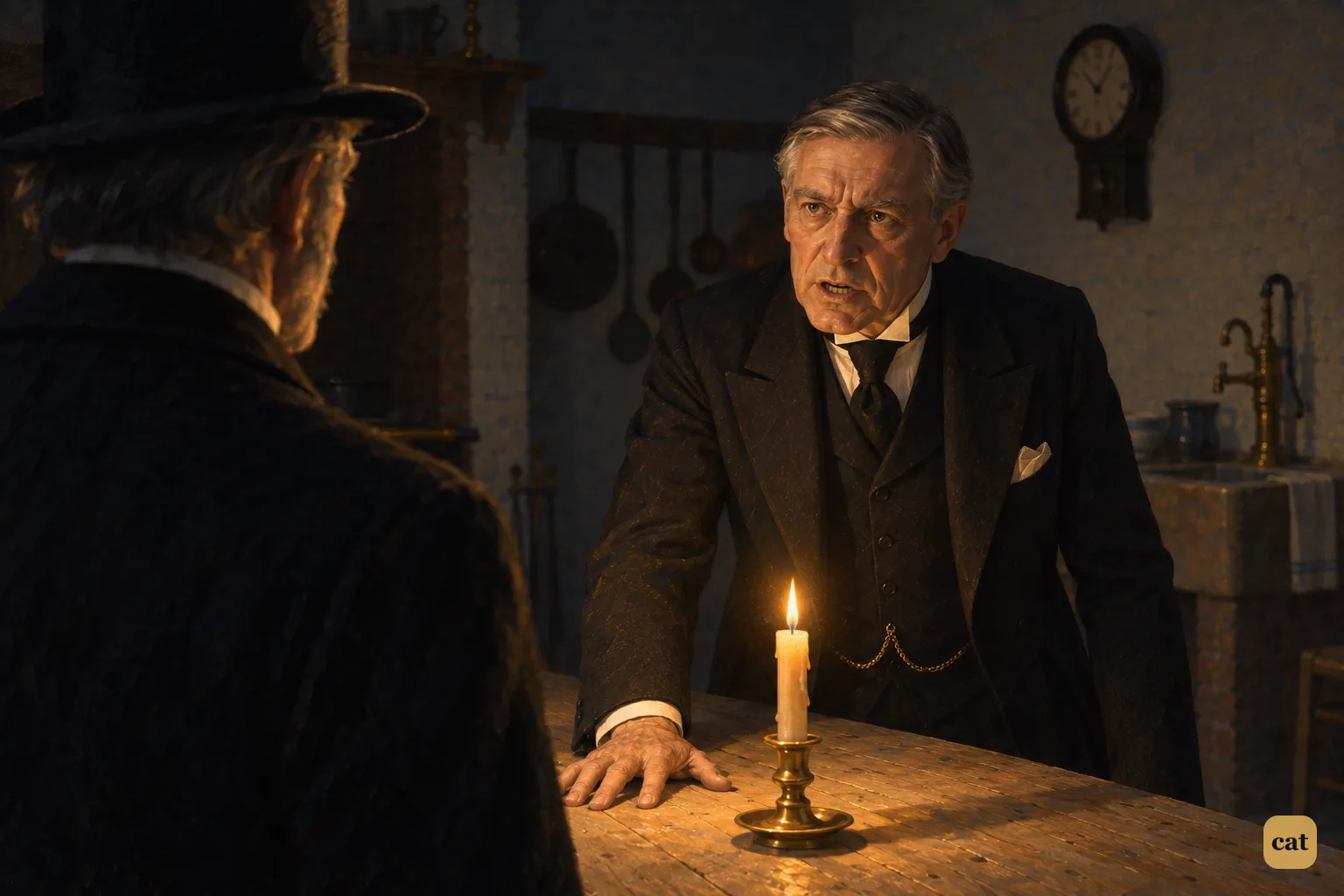
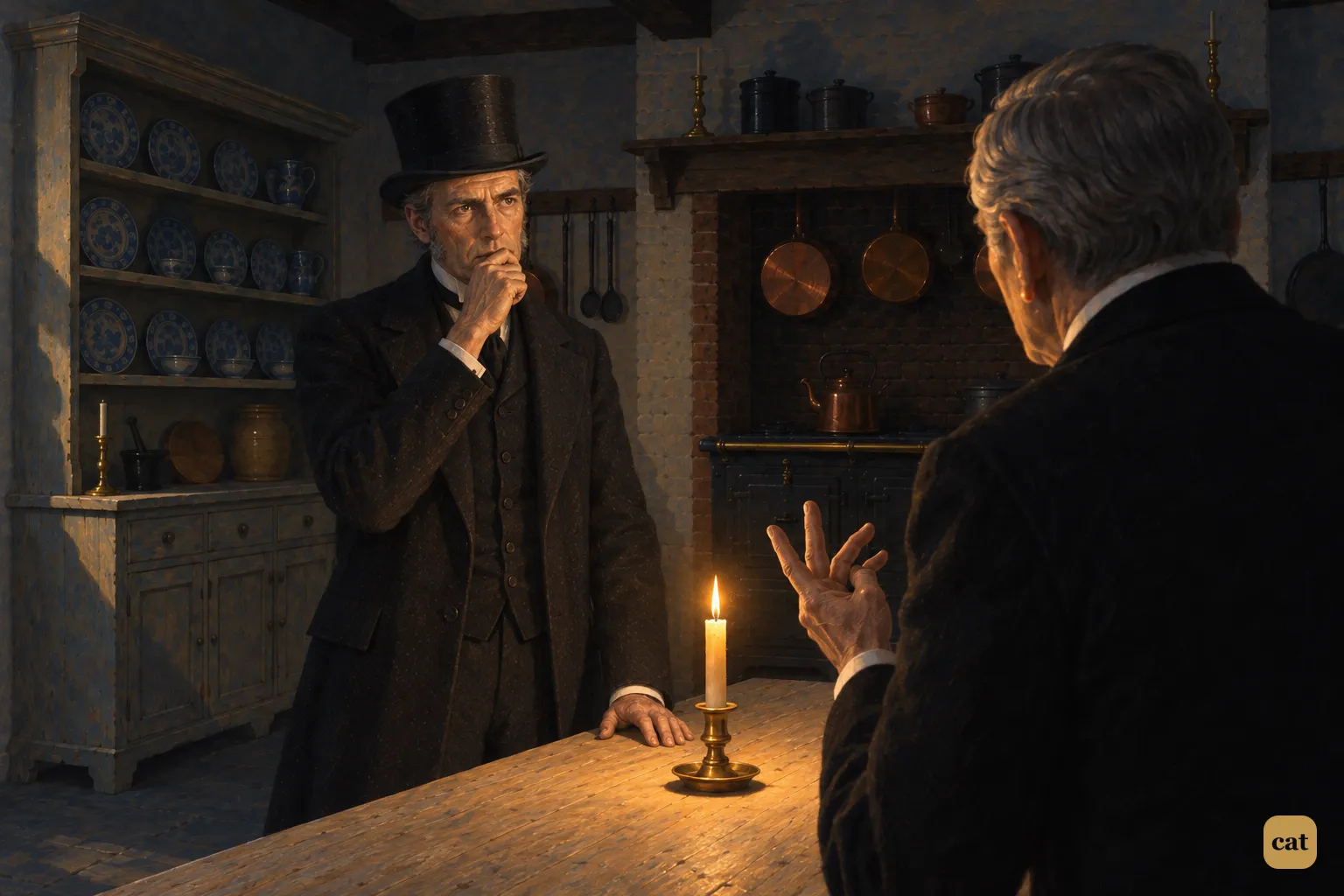
“Changed? Well, yes, I think so,” said the butler. “Have I been twenty years in this man’s house, to be deceived about his voice? No, sir; master’s made away with; he was made away with eight days ago, when we heard him cry out upon the name of God; and who’s in there instead of him, and why it stays there, is a thing that cries to Heaven, Mr. Utterson!”
Read from here → -
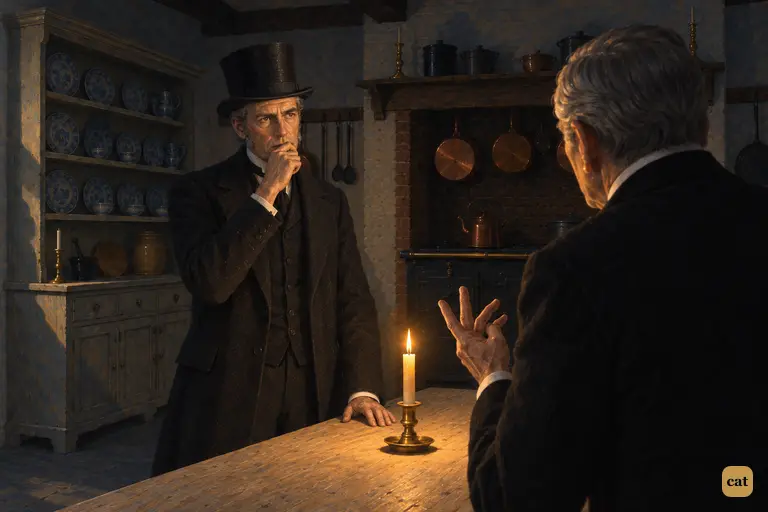
A hard man to satisfy
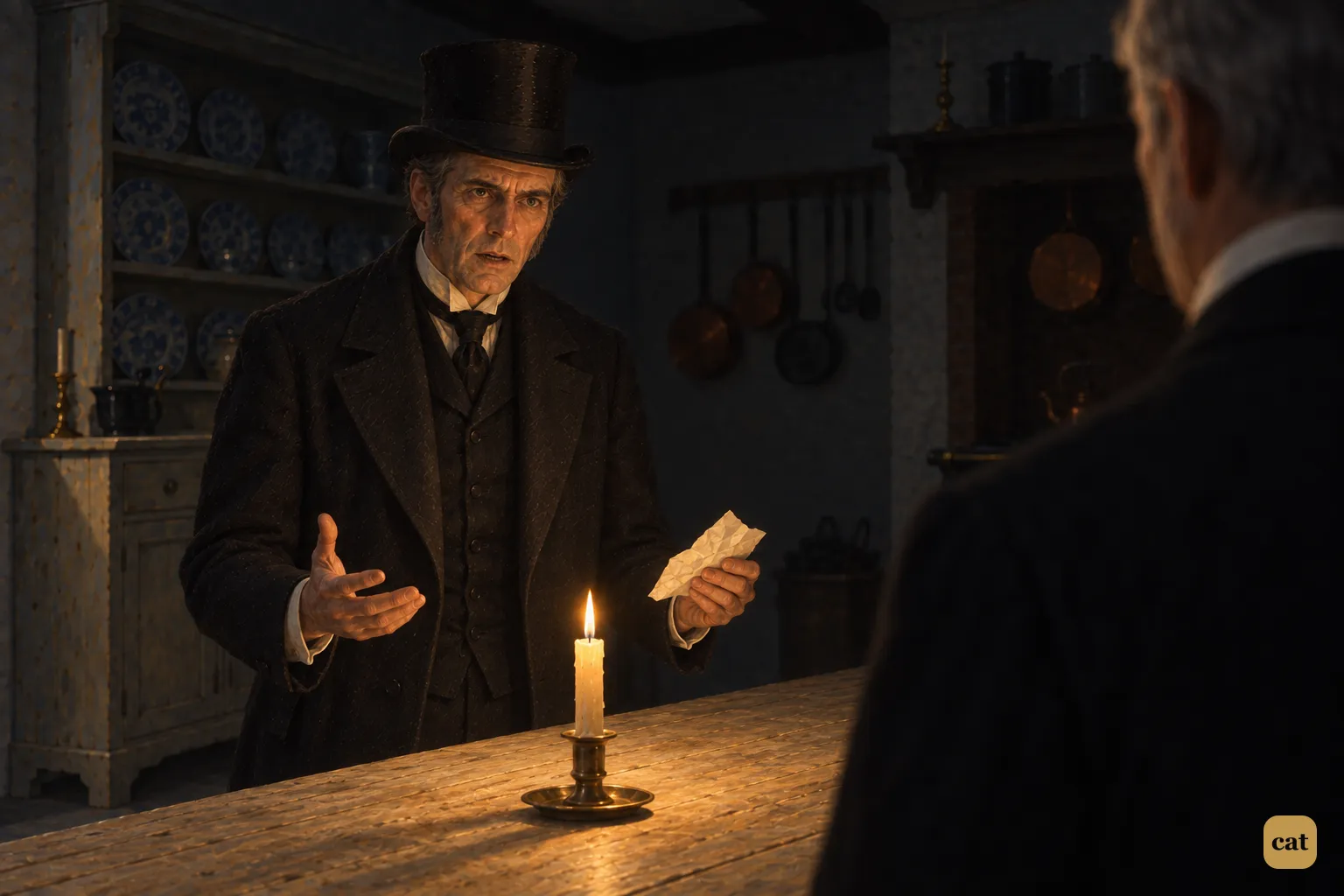
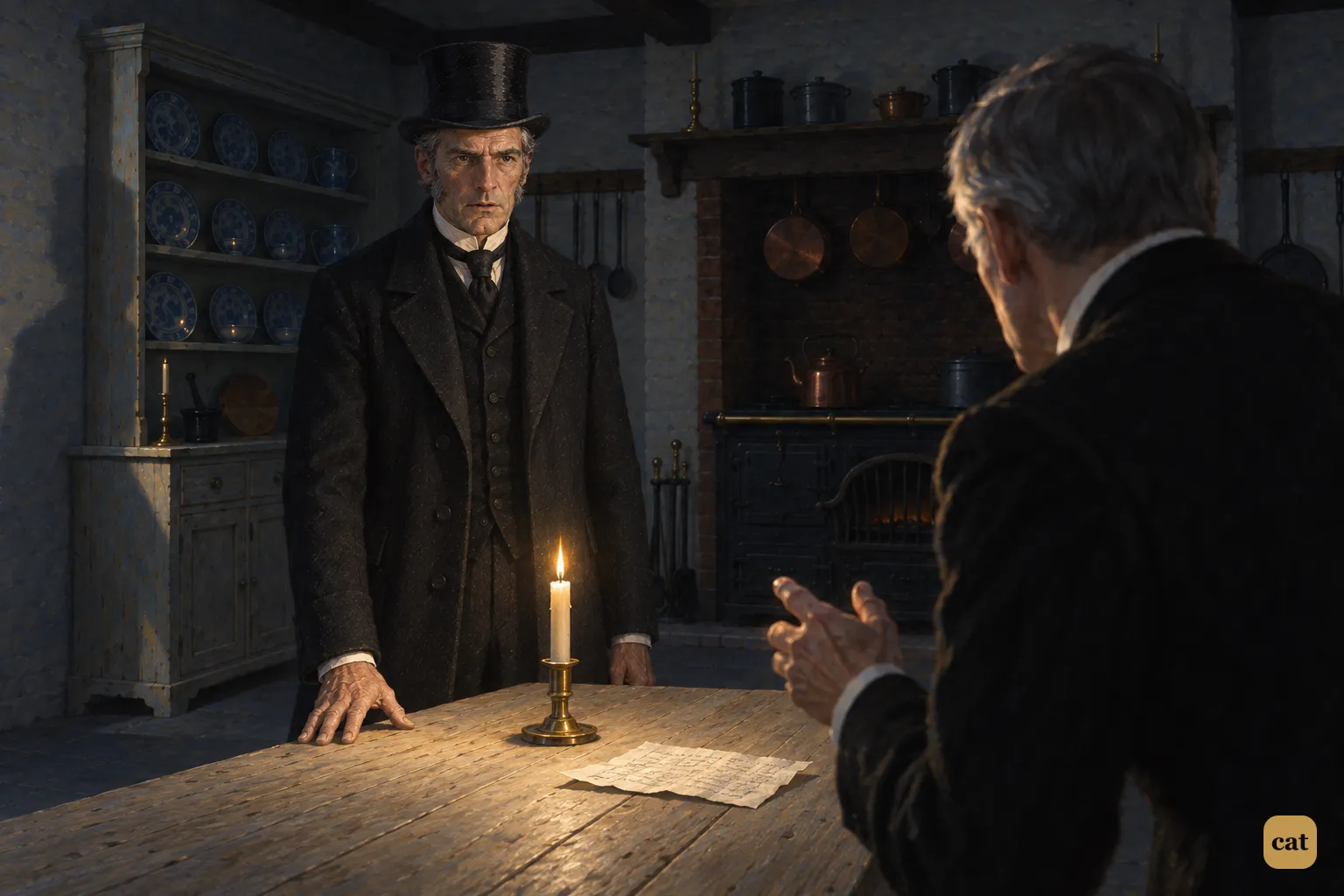
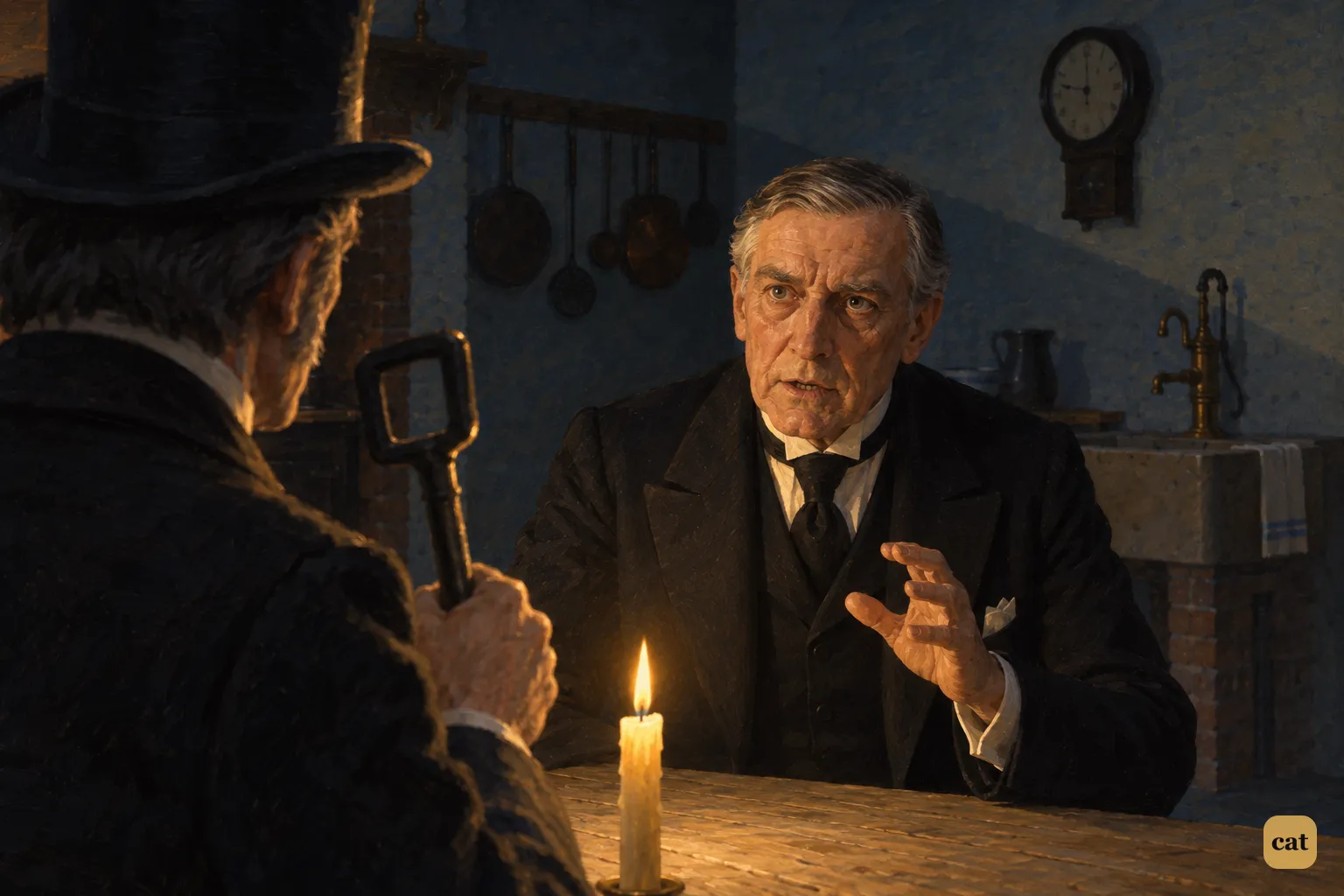
“Well, Mr. Utterson, you are a hard man to satisfy, but I’ll do it yet,” said Poole. “All this last week (you must know) him, or it, whatever it is that lives in that cabinet, has been crying night and day for some sort of medicine and cannot get it to his mind. It was sometimes his way—the master’s, that is—to write his orders on a sheet of paper and throw it on the stair. We’ve had nothing else this week back; nothing but papers, and a closed door, and the very meals left there to be smuggled in when nobody was looking. Well, sir, every day, ay, and twice and thrice in the same day, there have been orders and complaints, and I have been sent flying to all the wholesale chemists in town. Every time I brought the stuff back, there would be another paper telling me to return it, because it was not pure, and another order to a different firm. This drug is wanted bitter bad, sir, whatever for.”
Read from here → -
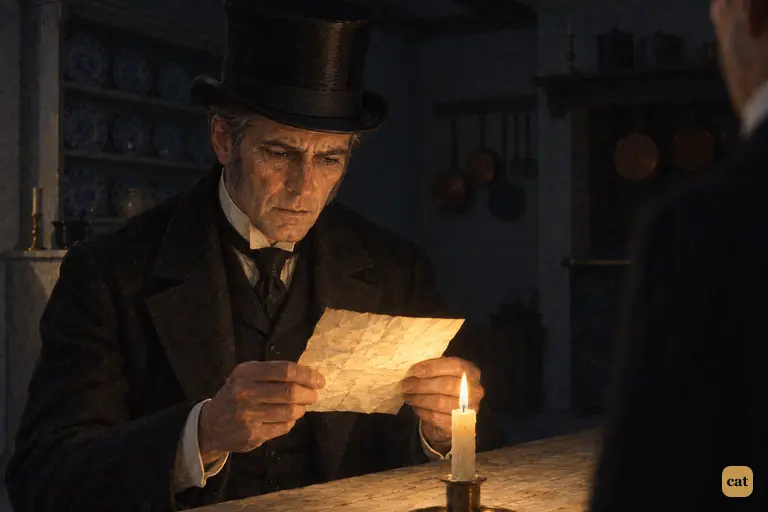
Bending to the candle
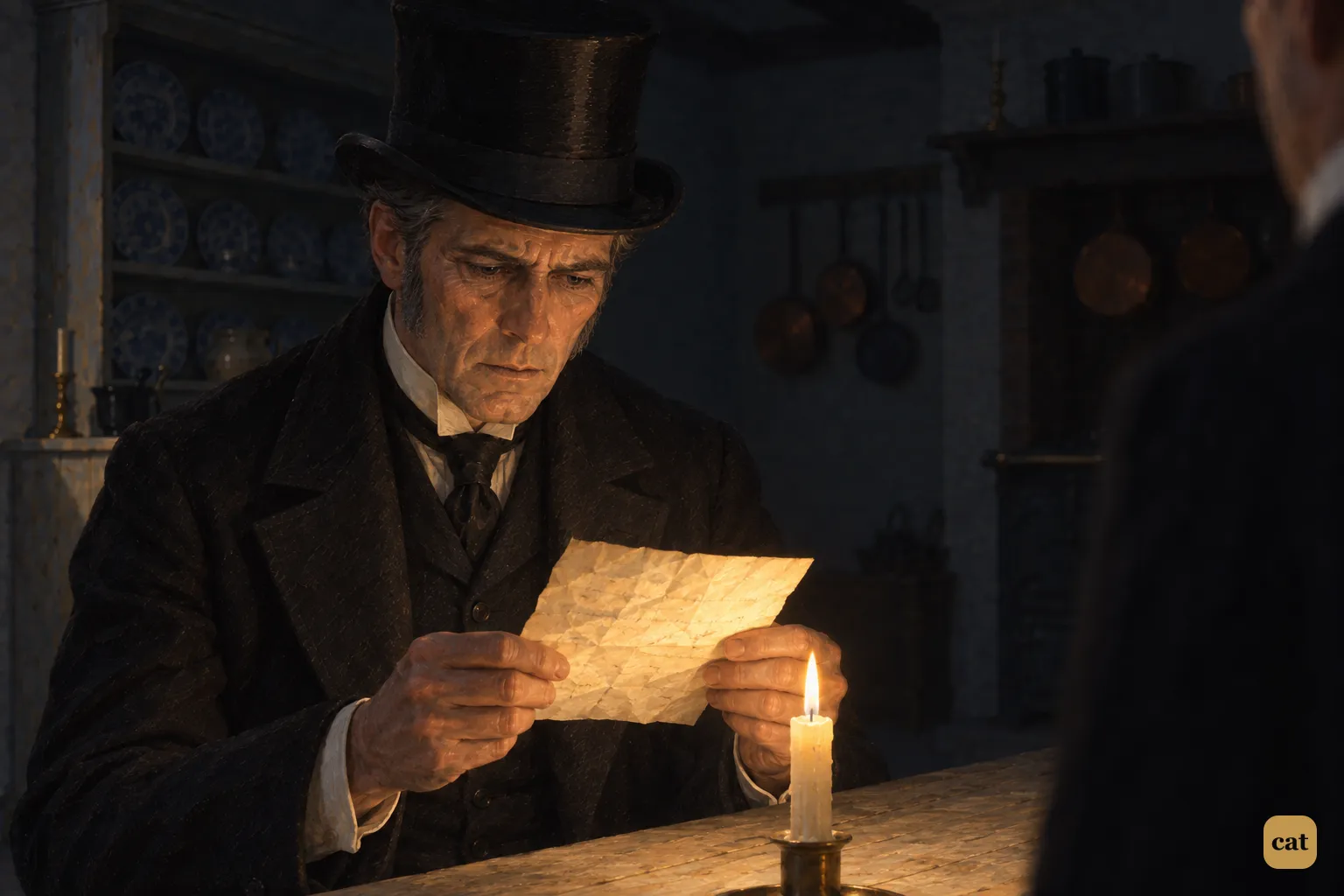
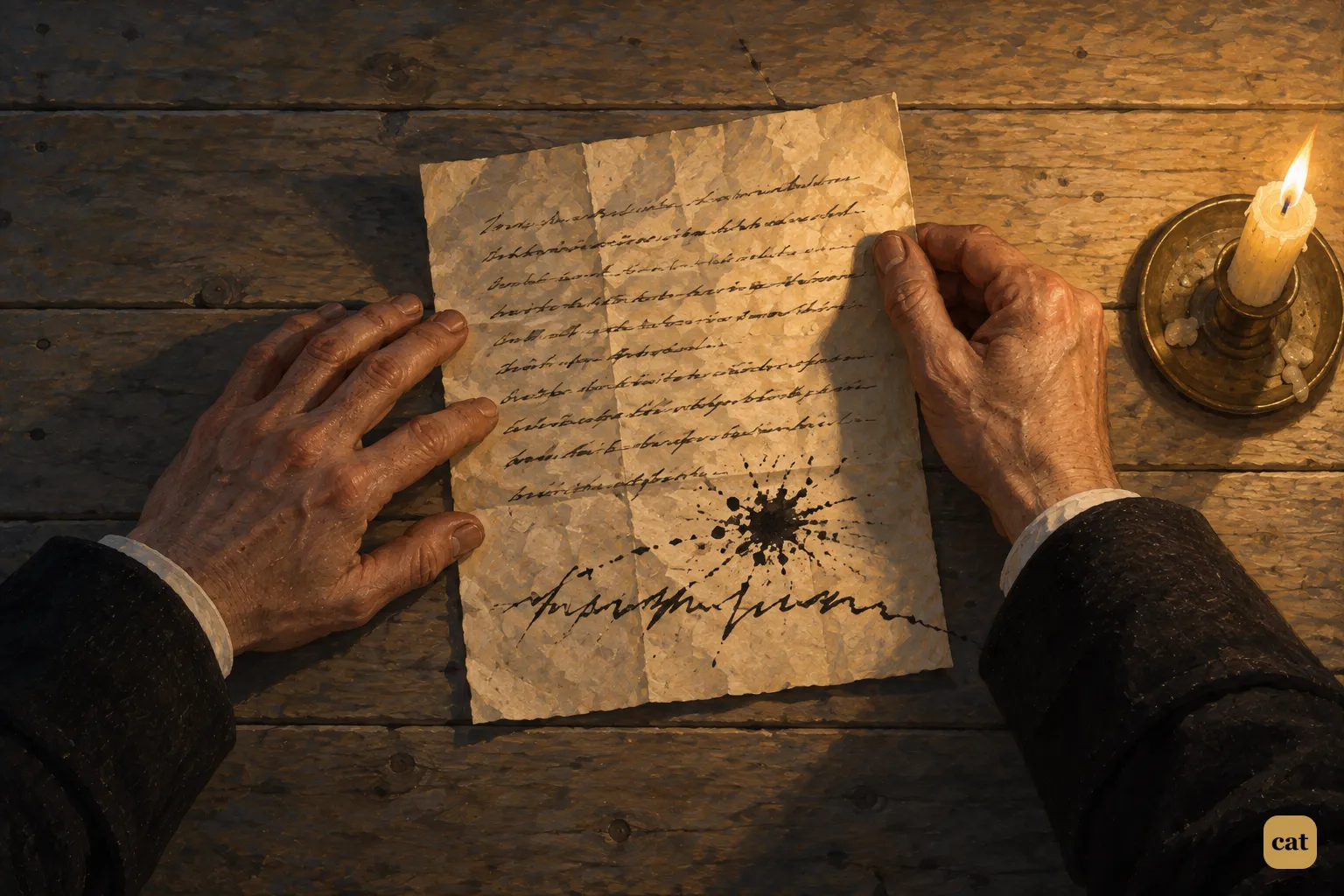
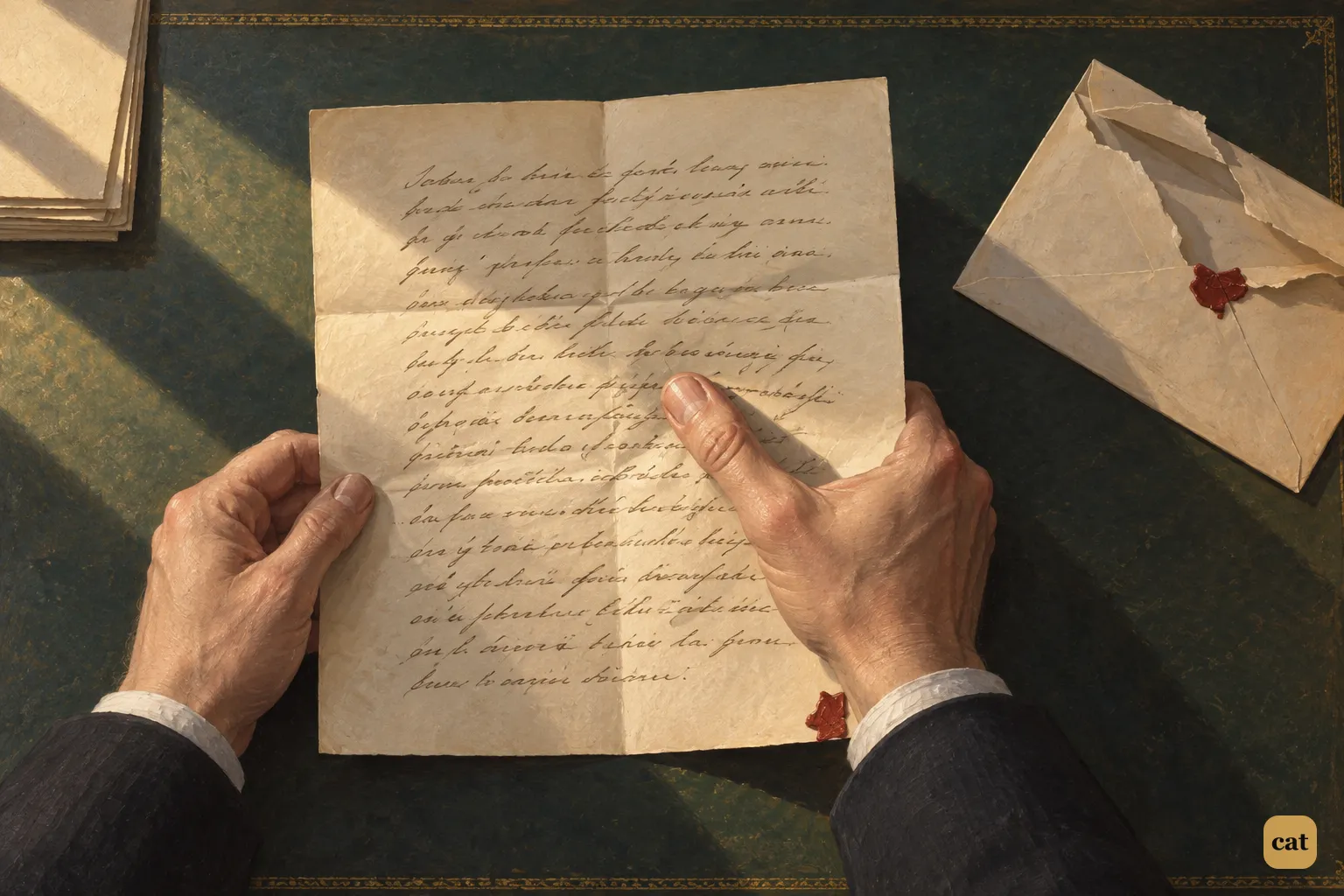
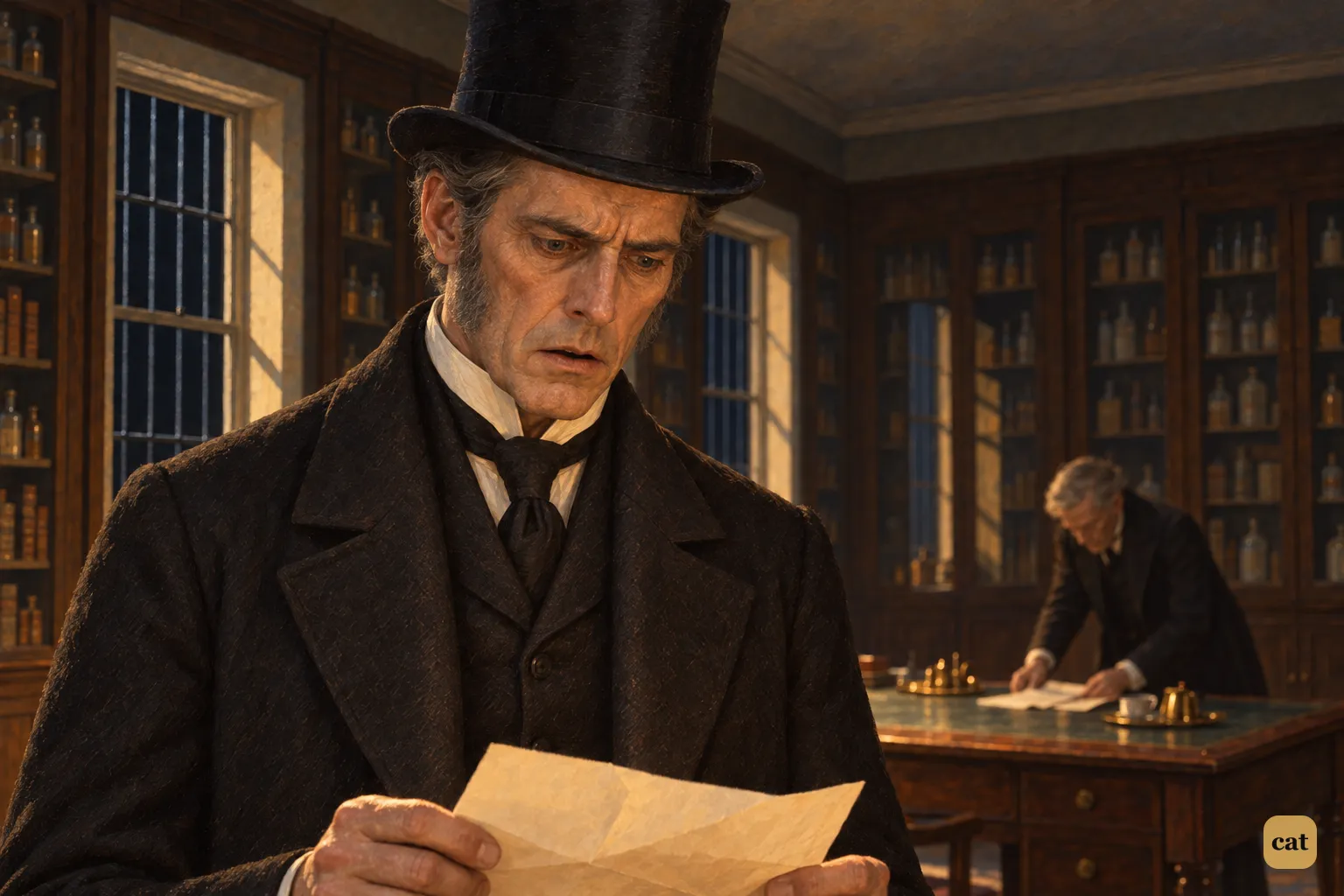
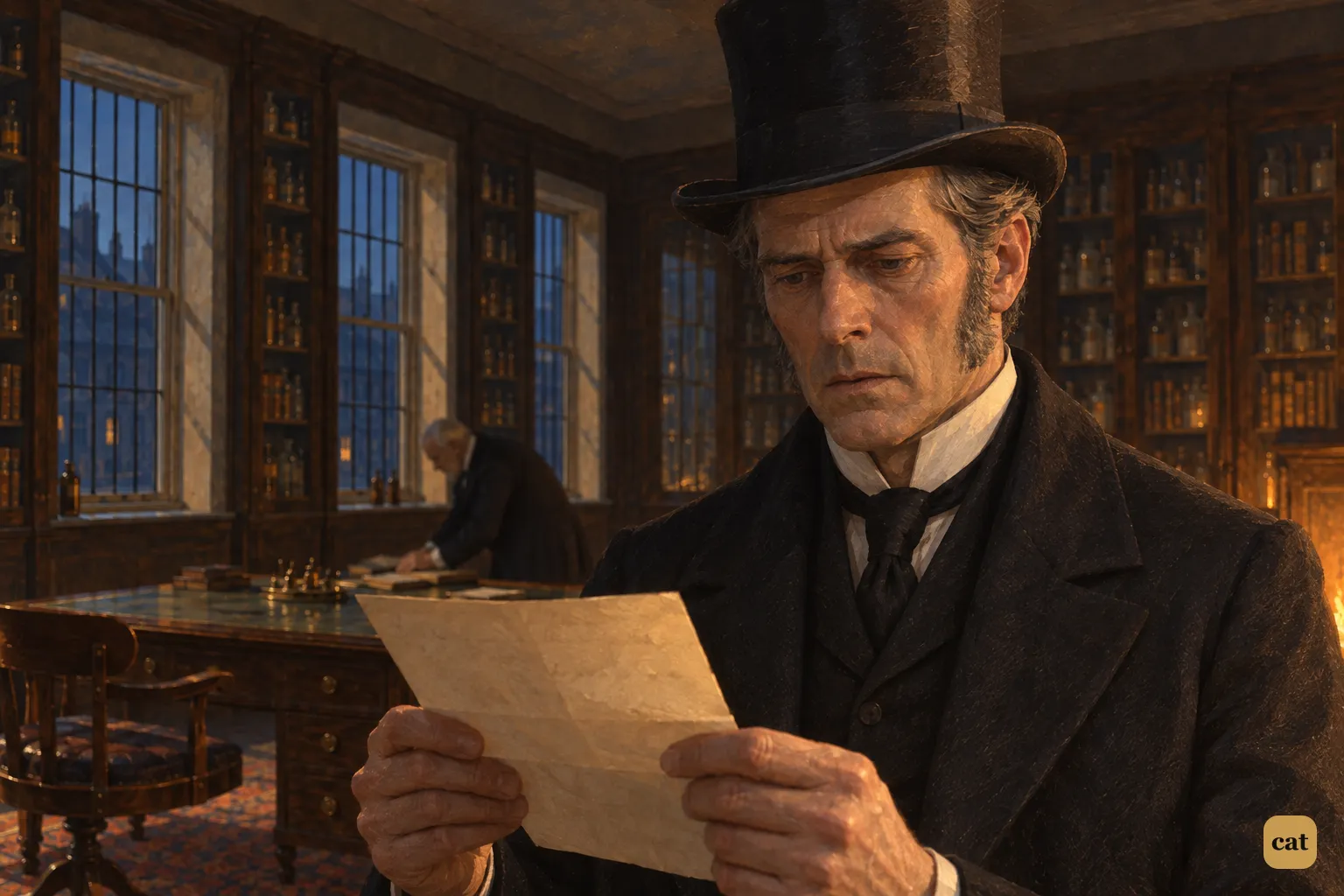
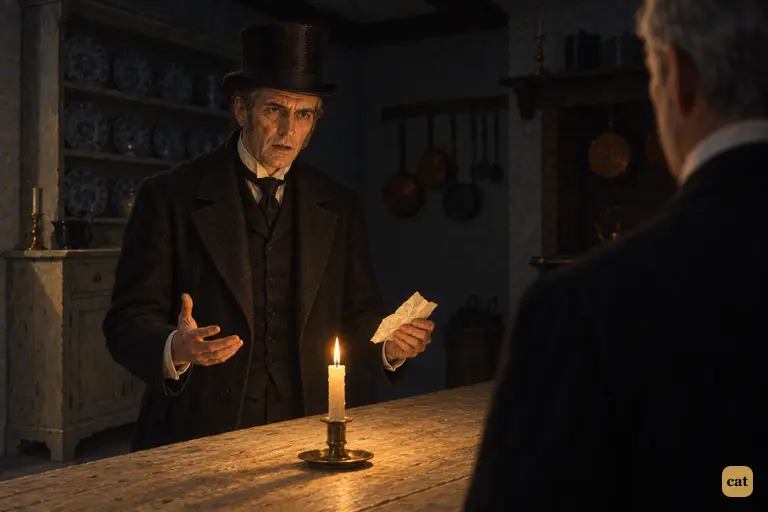
Poole felt in his pocket and handed out a crumpled note, which the lawyer, bending nearer to the candle, carefully examined. Its contents ran thus: “Dr. Jekyll presents his compliments to Messrs. Maw. He assures them that their last sample is impure and quite useless for his present purpose. In the year 18—, Dr. J. purchased a somewhat large quantity from Messrs. M. He now begs them to search with most sedulous care, and should any of the same quality be left, forward it to him at once. Expense is no consideration. The importance of this to Dr. J. can hardly be exaggerated.” So far the letter had run composedly enough, but here with a sudden splutter of the pen, the writer’s emotion had broken loose. “For God’s sake,” he added, “find me some of the old.”
Read from here → -
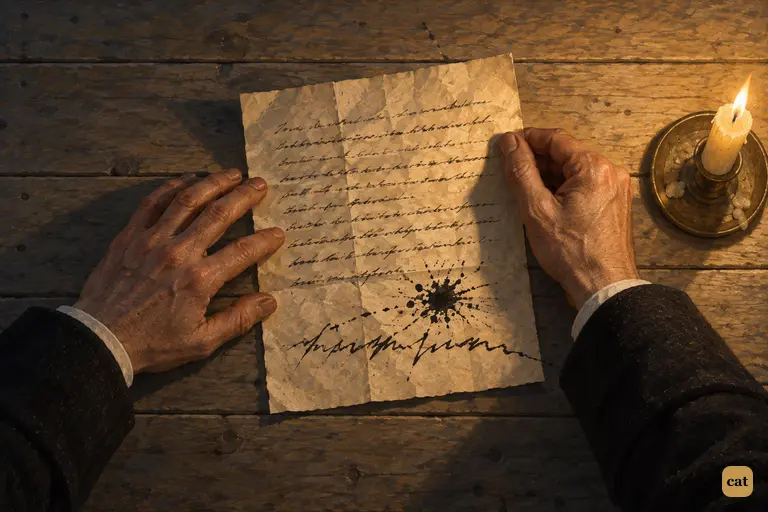
Find me the old
Poole felt in his pocket and handed out a crumpled note, which the lawyer, bending nearer to the candle, carefully examined. Its contents ran thus: “Dr. Jekyll presents his compliments to Messrs. Maw. He assures them that their last sample is impure and quite useless for his present purpose. In the year 18—, Dr. J. purchased a somewhat large quantity from Messrs. M. He now begs them to search with most sedulous care, and should any of the same quality be left, forward it to him at once. Expense is no consideration. The importance of this to Dr. J. can hardly be exaggerated.” So far the letter had run composedly enough, but here with a sudden splutter of the pen, the writer’s emotion had broken loose. “For God’s sake,” he added, “find me some of the old.”
Read from here → -
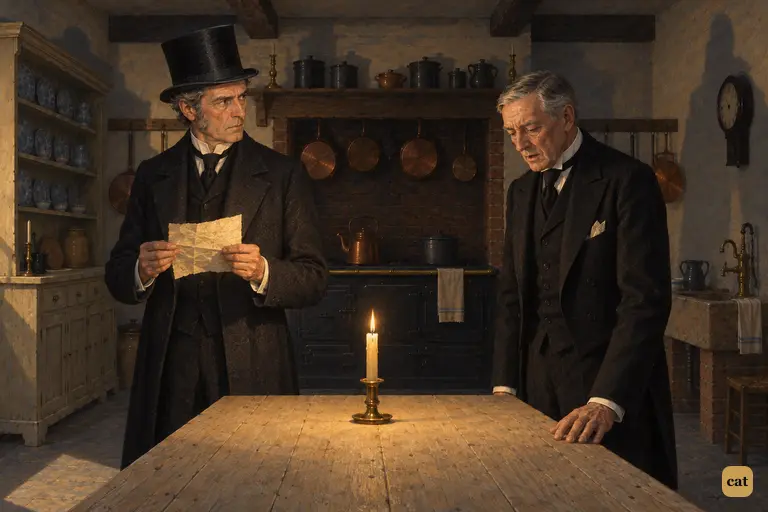
How is it open?
“The man at Maw’s was main angry, sir, and he threw it back to me like so much dirt,” returned Poole.
Read from here → -
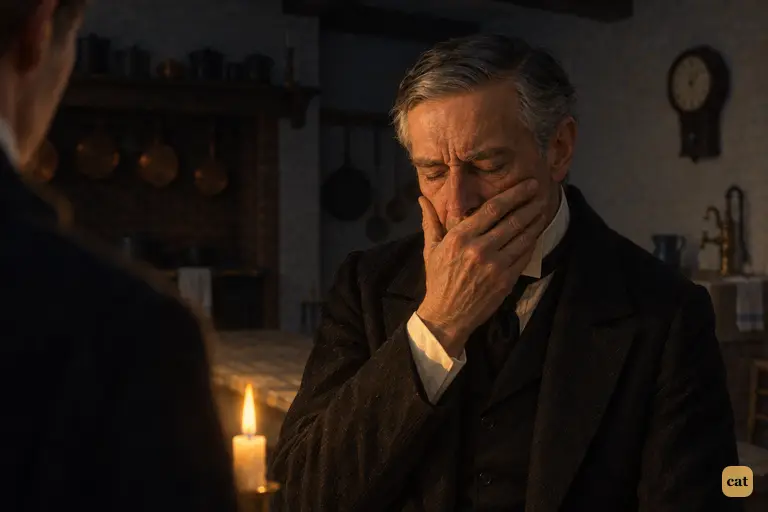
I've seen him
“That’s it!” said Poole. “It was this way. I came suddenly into the theatre from the garden. It seems he had slipped out to look for this drug or whatever it is; for the cabinet door was open, and there he was at the far end of the room digging among the crates. He looked up when I came in, gave a kind of cry, and whipped upstairs into the cabinet. It was but for one minute that I saw him, but the hair stood upon my head like quills. Sir, if that was my master, why had he a mask upon his face? If it was my master, why did he cry out like a rat, and run from me? I have served him long enough. And then...” The man paused and passed his hand over his face.
Read from here → -
A plain explanation
“These are all very strange circumstances,” said Mr. Utterson, “but I think I begin to see daylight. Your master, Poole, is plainly seized with one of those maladies that both torture and deform the sufferer; hence, for aught I know, the alteration of his voice; hence the mask and the avoidance of his friends; hence his eagerness to find this drug, by means of which the poor soul retains some hope of ultimate recovery—God grant that he be not deceived! There is my explanation; it is sad enough, Poole, ay, and appalling to consider; but it is plain and natural, hangs well together, and delivers us from all exorbitant alarms.”
Read from here → -
More of a dwarf
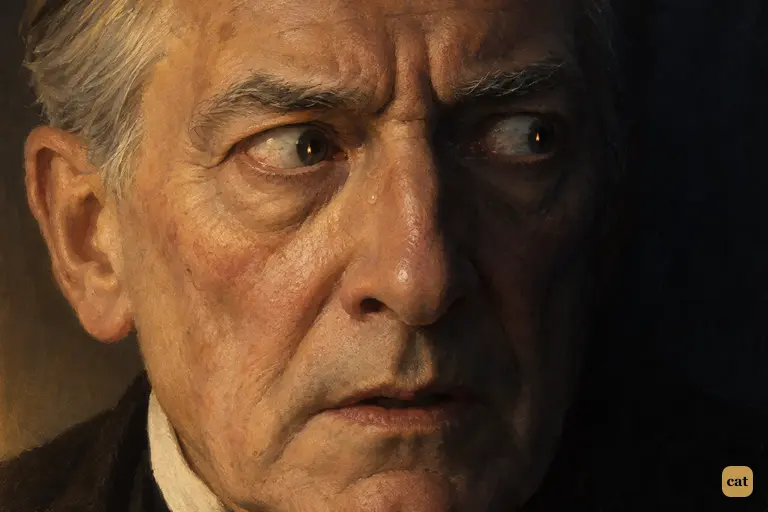
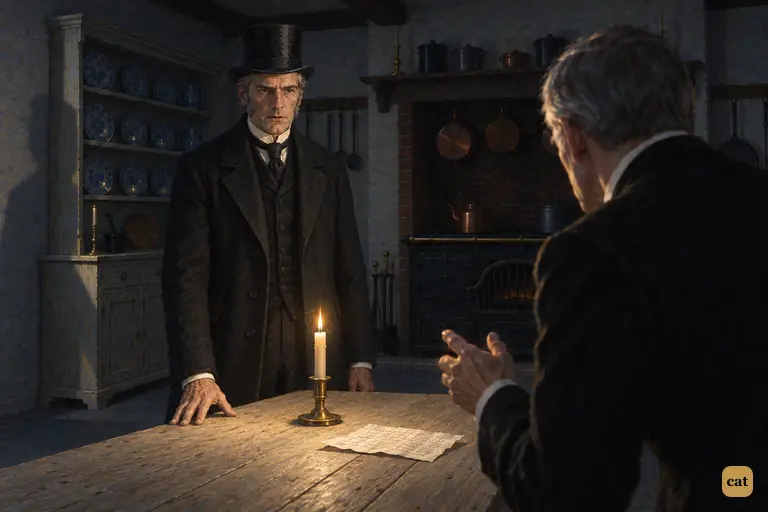
“Sir,” said the butler, turning to a sort of mottled pallor, “that thing was not my master, and there’s the truth. My master”—here he looked round him and began to whisper—“is a tall, fine build of a man, and this was more of a dwarf.” Utterson attempted to protest. “O, sir,” cried Poole, “do you think I do not know my master after twenty years? Do you think I do not know where his head comes to in the cabinet door, where I saw him every morning of my life? No, sir, that thing in the mask was never Dr. Jekyll—God knows what it was, but it was never Dr. Jekyll; and it is the belief of my heart that there was murder done.”
Read from here → -
-
You and me, sir
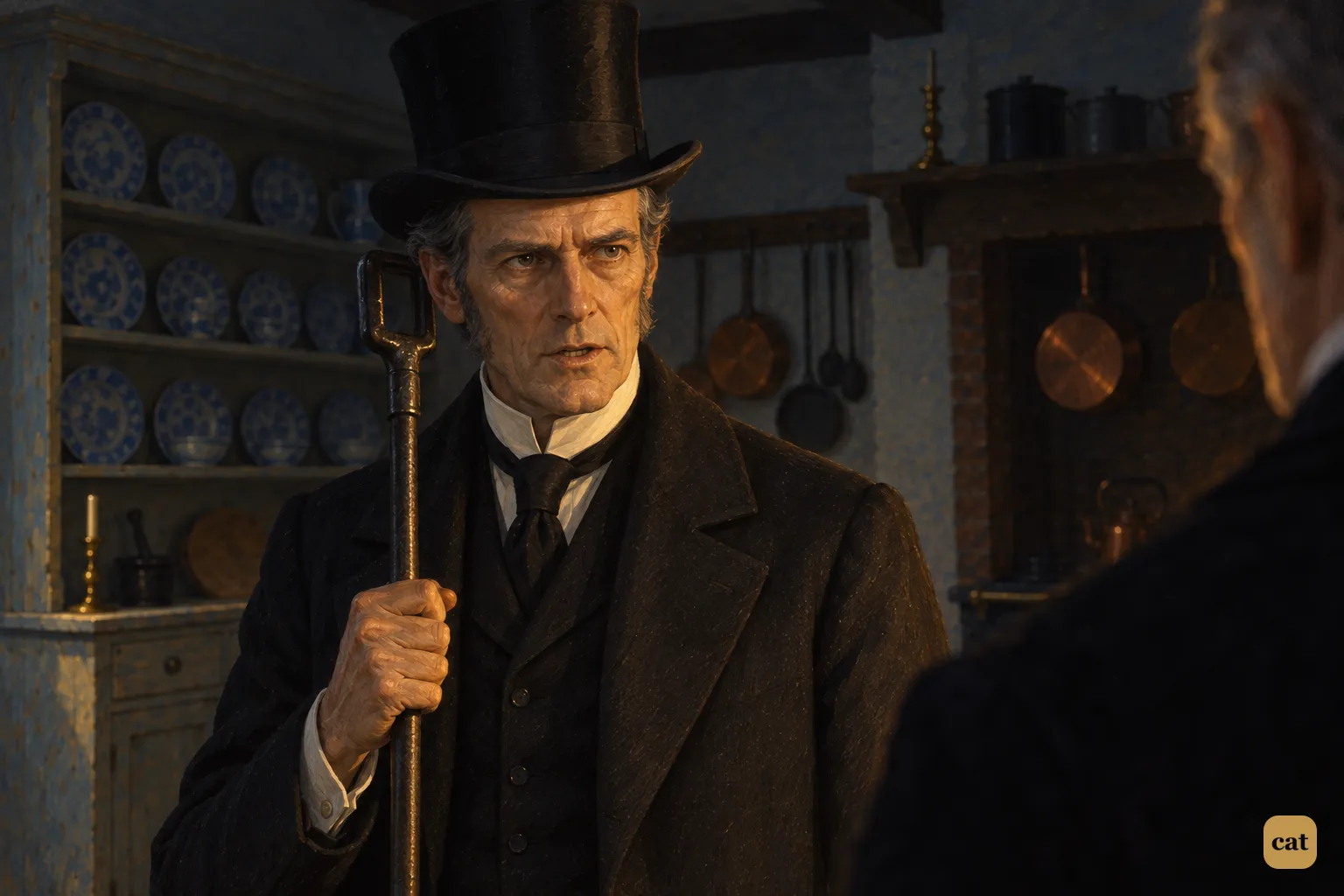
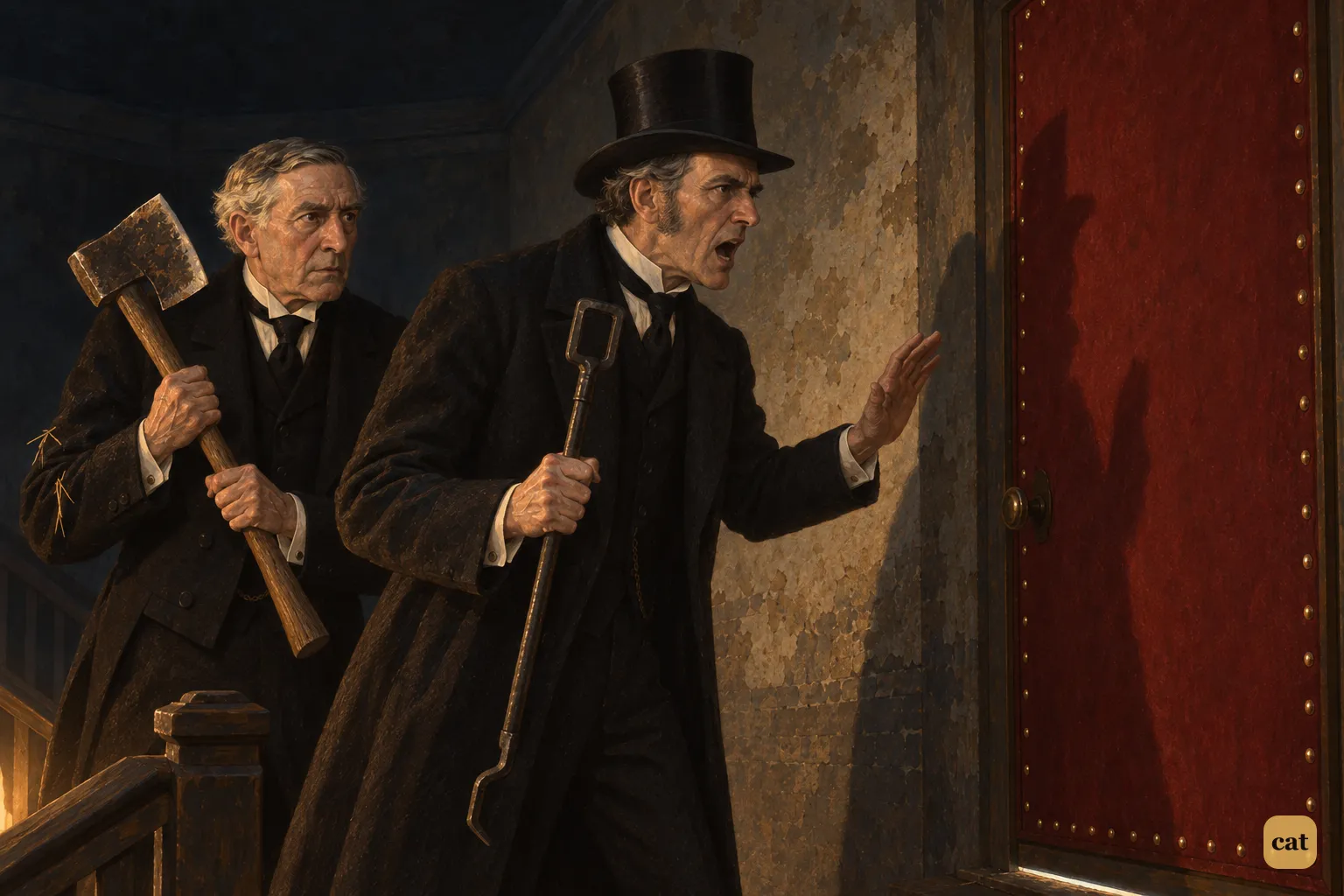
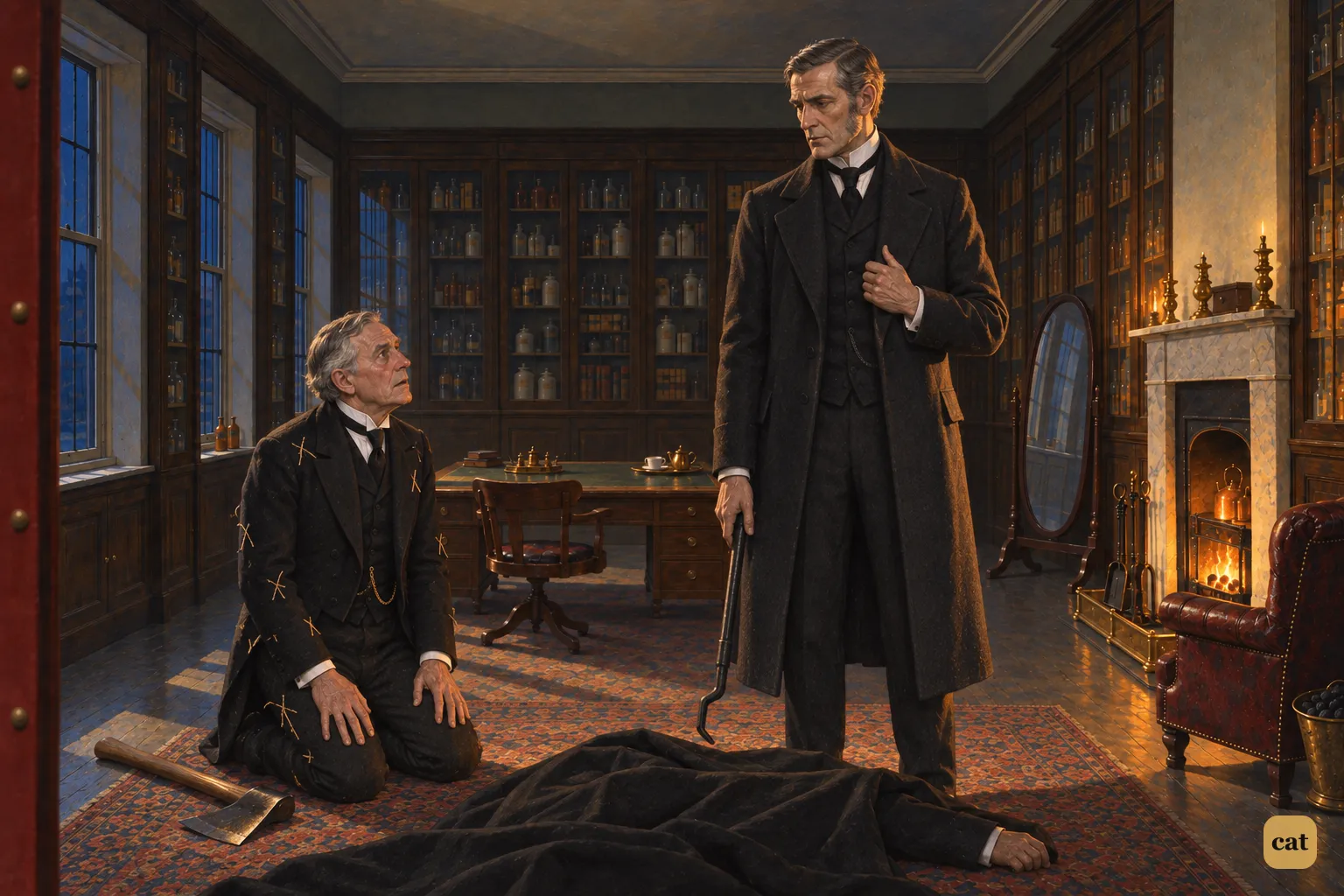
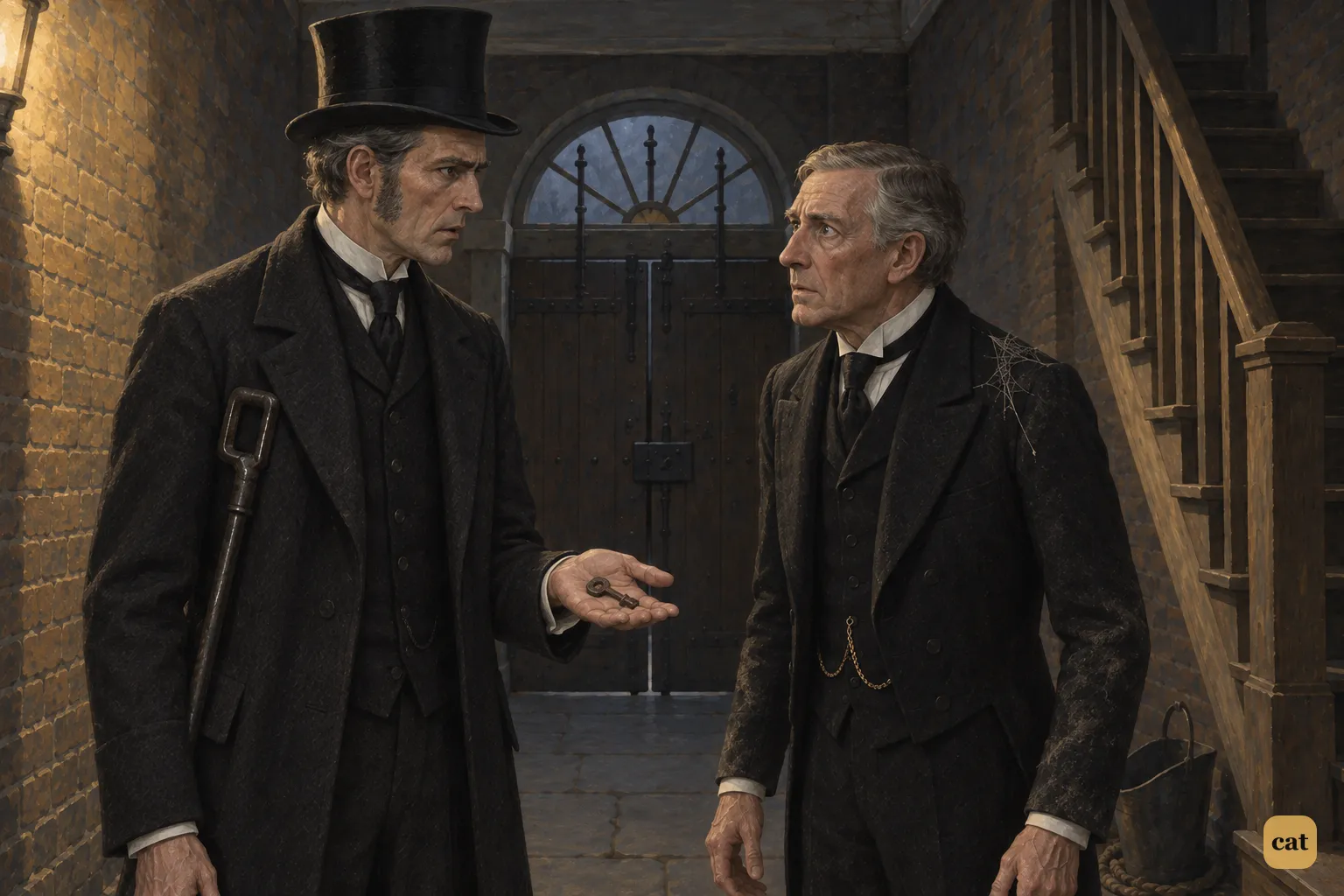
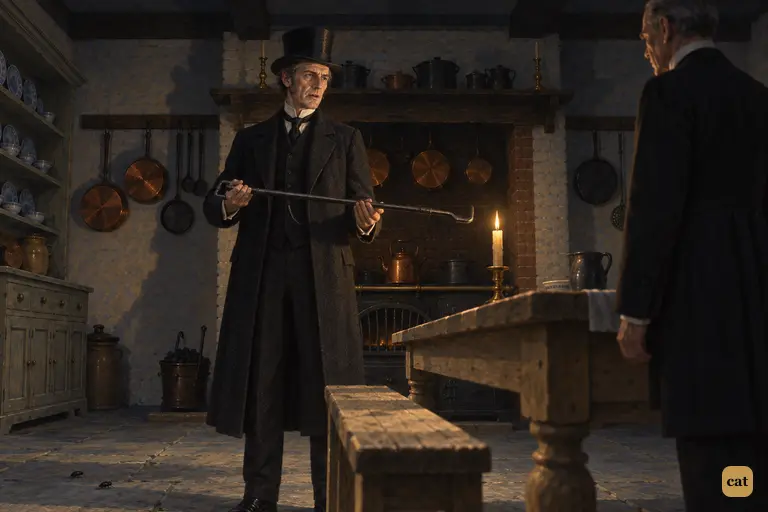
“There is an axe in the theatre,” continued Poole; “and you might take the kitchen poker for yourself.”
Read from here → -
Weighing the poker
The lawyer took that rude but weighty instrument into his hand, and balanced it. “Do you know, Poole,” he said, looking up, “that you and I are about to place ourselves in a position of some peril?”
Read from here → -
Was it Hyde?
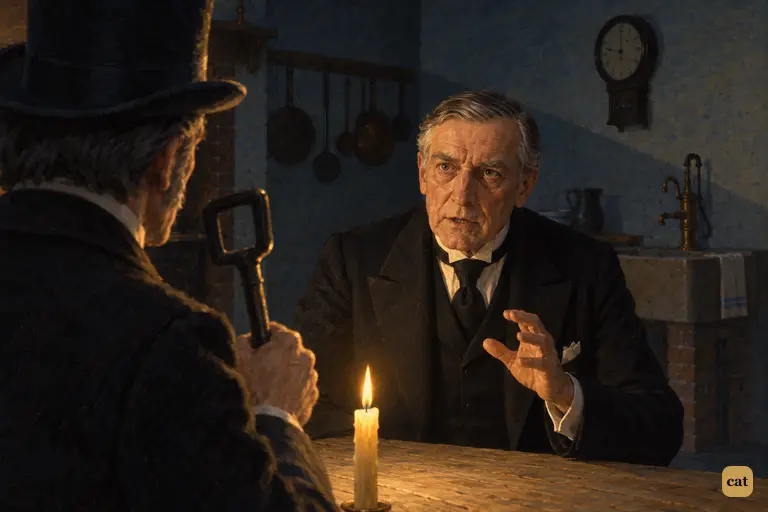
“Well, sir, it went so quick, and the creature was so doubled up, that I could hardly swear to that,” was the answer. “But if you mean, was it Mr. Hyde?—why, yes, I think it was! You see, it was much of the same bigness; and it had the same quick, light way with it; and then who else could have got in by the laboratory door? You have not forgot, sir, that at the time of the murder he had still the key with him? But that’s not all. I don’t know, Mr. Utterson, if you ever met this Mr. Hyde?”
Read from here → -
Cold in the marrow
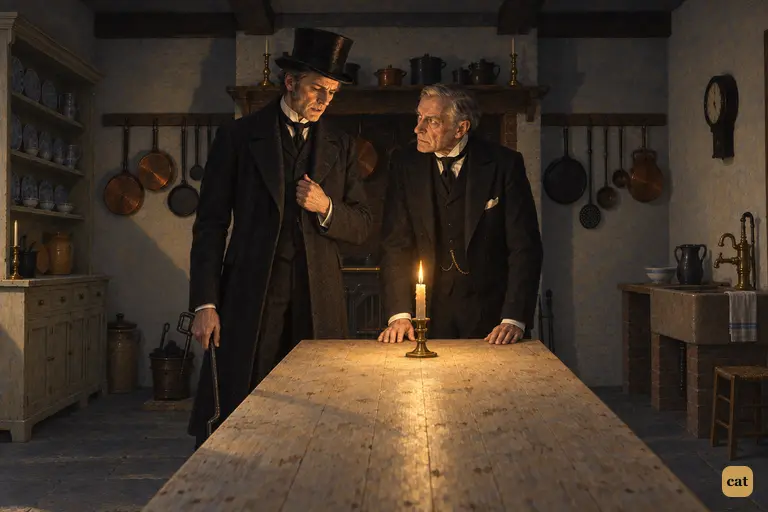
“I own I felt something of what you describe,” said Mr. Utterson.
Read from here → -
Let our name be vengeance
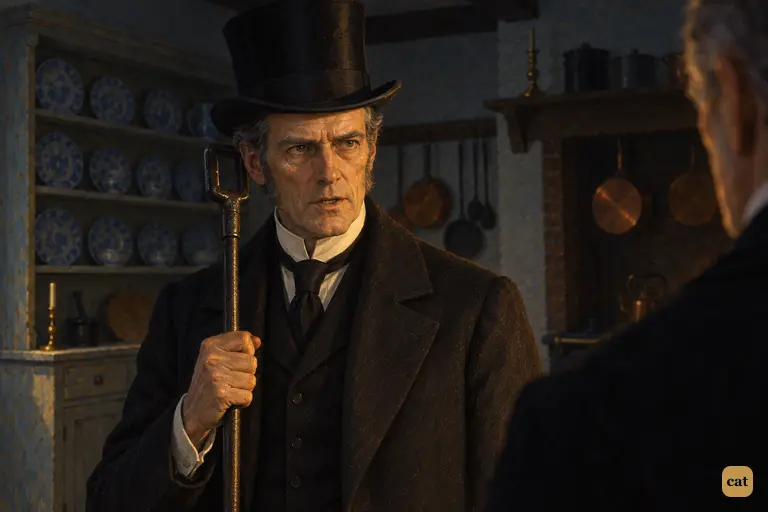
“Ay, ay,” said the lawyer. “My fears incline to the same point. Evil, I fear, founded—evil was sure to come—of that connection. Ay truly, I believe you; I believe poor Harry is killed; and I believe his murderer (for what purpose, God alone can tell) is still lurking in his victim’s room. Well, let our name be vengeance. Call Bradshaw.”
Read from here → -
-
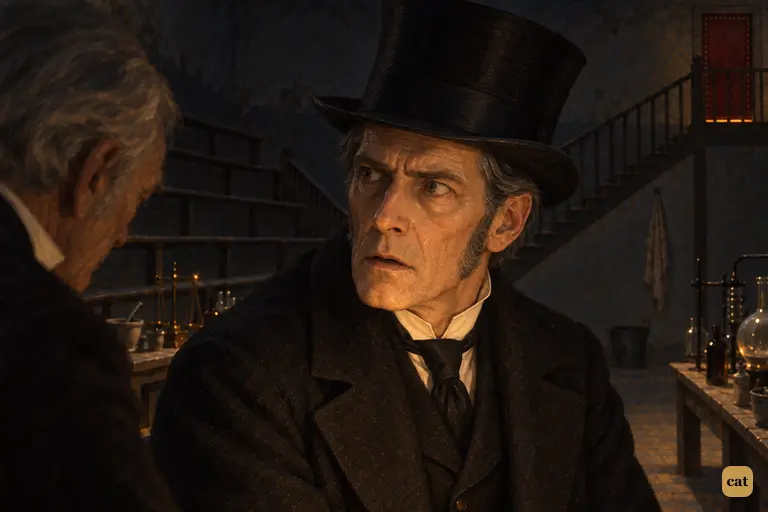
Waiting in the theatre
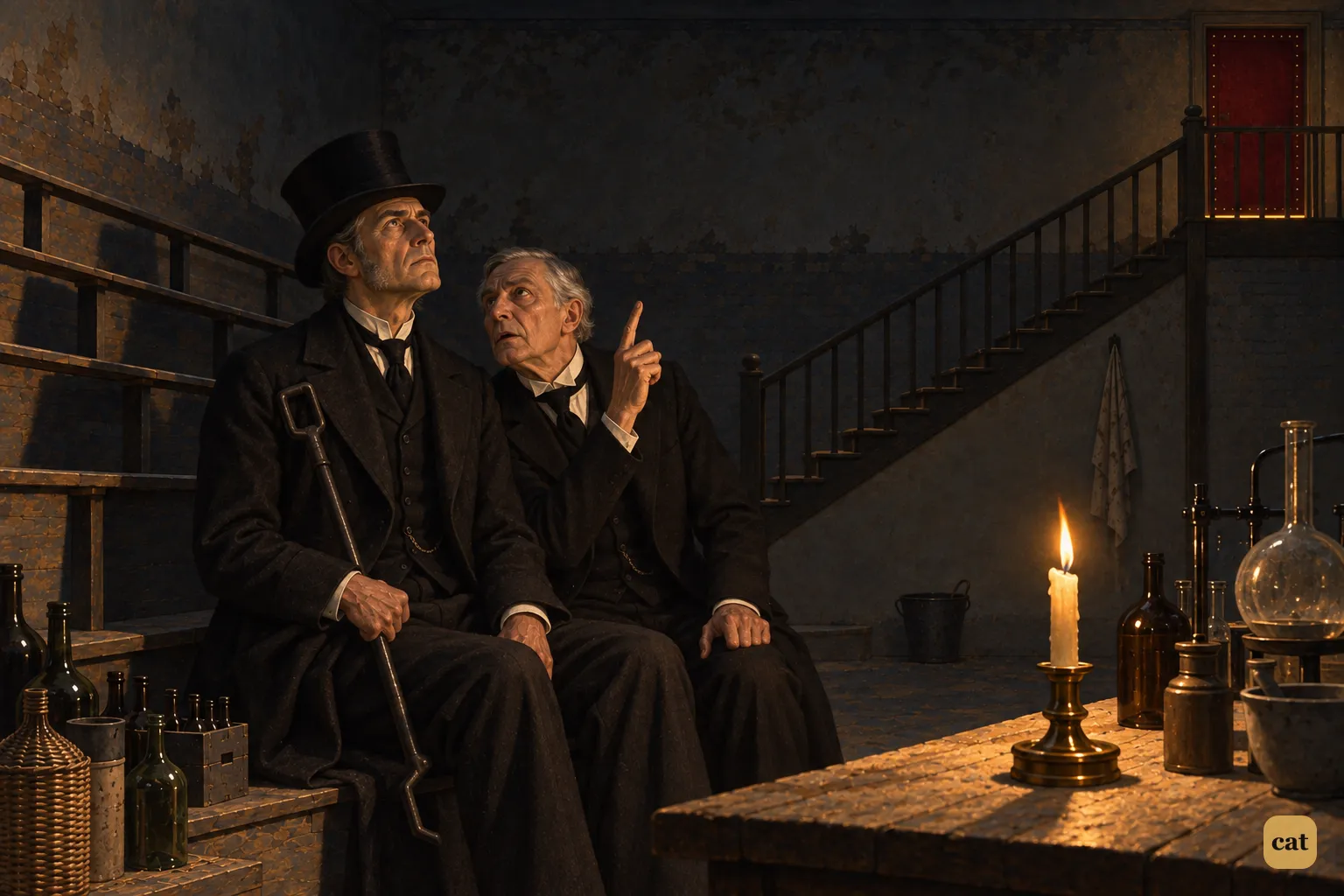
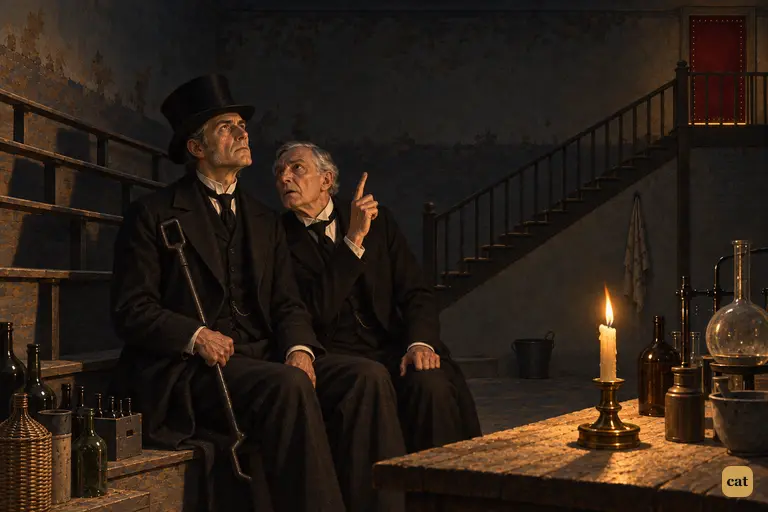
As Bradshaw left, the lawyer looked at his watch. “And now, Poole, let us get to ours,” he said; and taking the poker under his arm, led the way into the yard. The scud had banked over the moon, and it was now quite dark. The wind, which only broke in puffs and draughts into that deep well of building, tossed the light of the candle to and fro about their steps, until they came into the shelter of the theatre, where they sat down silently to wait. London hummed solemnly all around; but nearer at hand, the stillness was only broken by the sounds of a footfall moving to and fro along the cabinet floor.
Read from here → -
Is that the doctor's foot?
“So it will walk all day, sir,” whispered Poole; “ay, and the better part of the night. Only when a new sample comes from the chemist, there’s a bit of a break. Ah, it’s an ill conscience that’s such an enemy to rest! Ah, sir, there’s blood foully shed in every step of it! But hark again, a little closer—put your heart in your ears, Mr. Utterson, and tell me, is that the doctor’s foot?”
Read from here → -
The pacing overhead
The steps fell lightly and oddly, with a certain swing, for all they went so slowly; it was different indeed from the heavy creaking tread of Henry Jekyll. Utterson sighed. “Is there never anything else?” he asked.
Read from here → -
Once I heard it weeping
“Weeping? how that?” said the lawyer, conscious of a sudden chill of horror.
Read from here → -
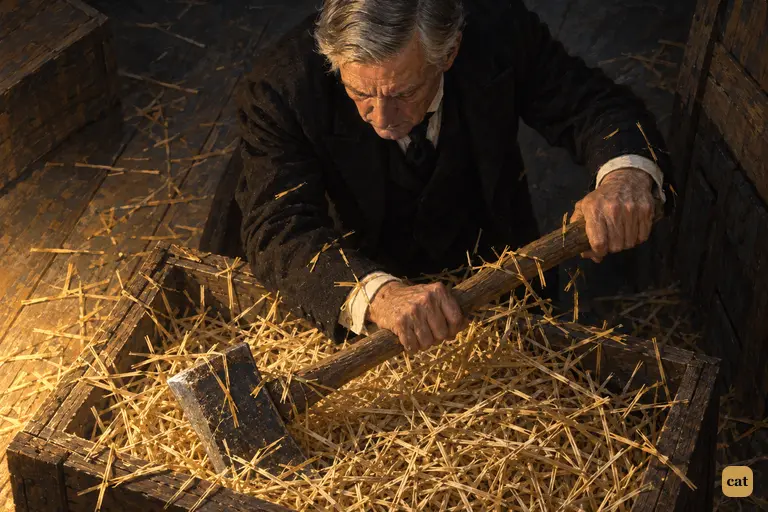
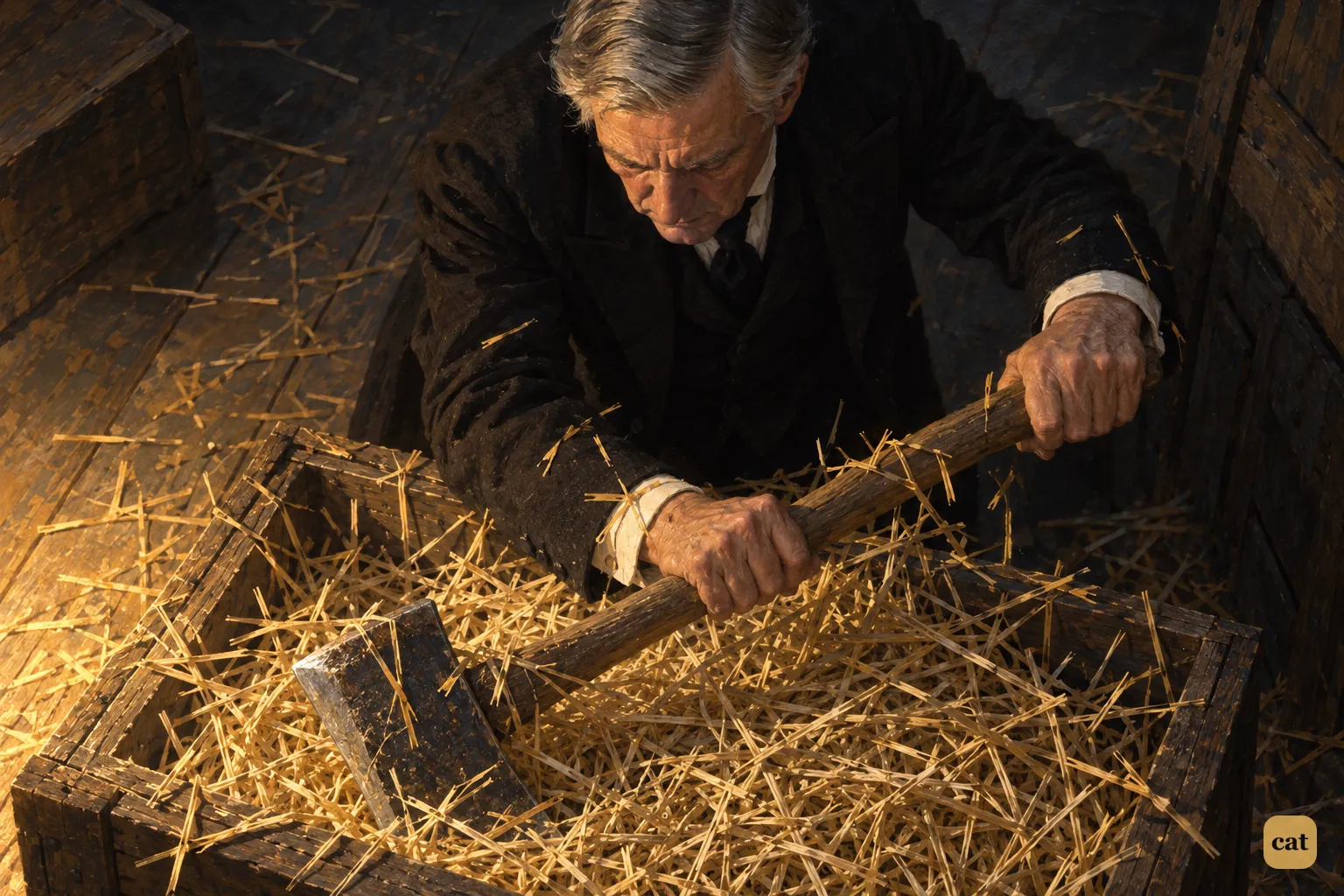
The axe from the straw
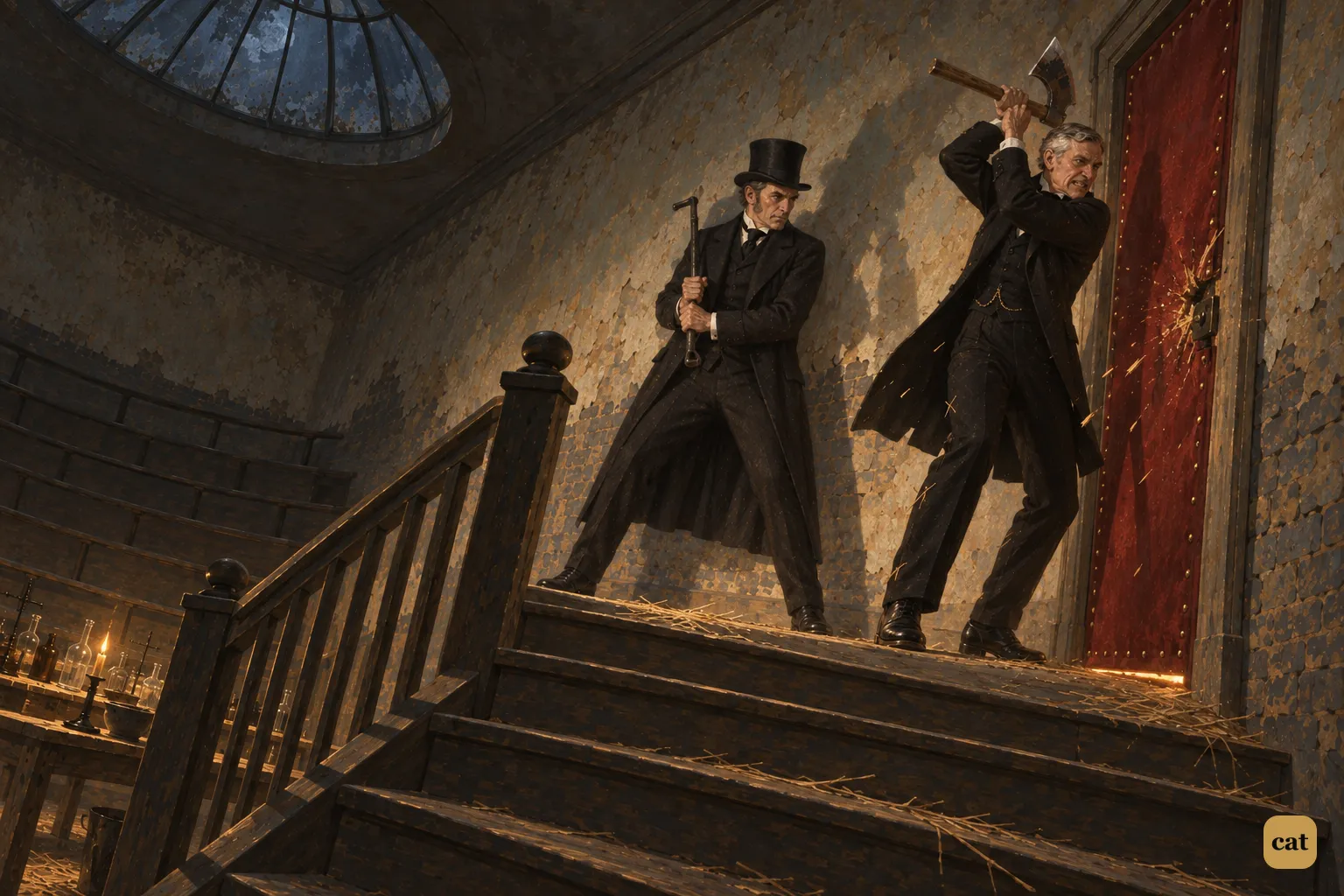
But now the ten minutes drew to an end. Poole disinterred the axe from under a stack of packing straw; the candle was set upon the nearest table to light them to the attack; and they drew near with bated breath to where that patient foot was still going up and down, up and down, in the quiet of the night.
Read from here → -
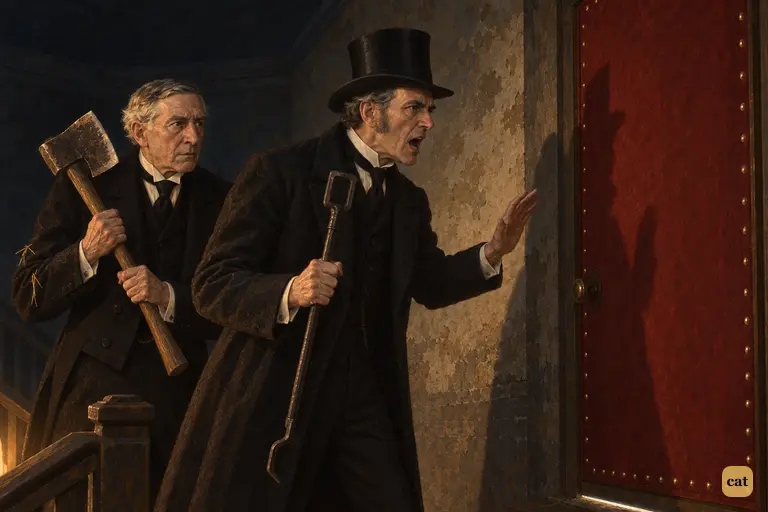
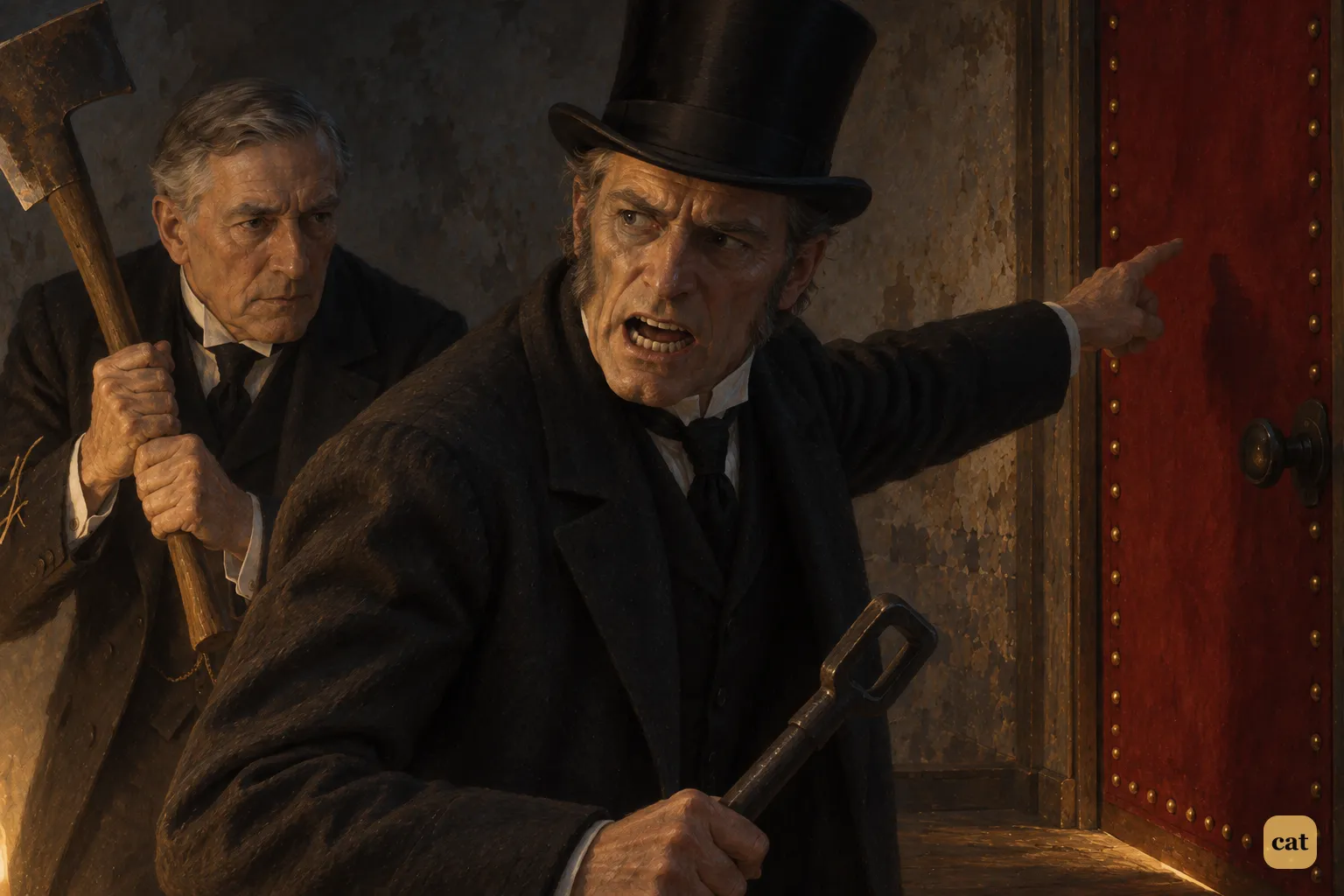
I demand to see you
“Jekyll,” cried Utterson, with a loud voice, “I demand to see you.” He paused a moment, but there came no reply. “I give you fair warning, our suspicions are aroused, and I must and shall see you,” he resumed; “if not by fair means, then by foul—if not of your consent, then by brute force!”
Read from here → -
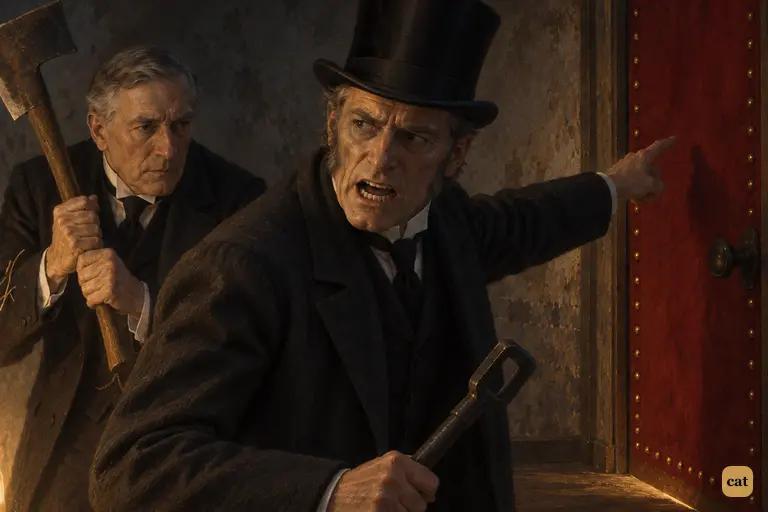
It's Hyde's voice
“Ah, that’s not Jekyll’s voice—it’s Hyde’s!” cried Utterson. “Down with the door, Poole!”
Read from here → -
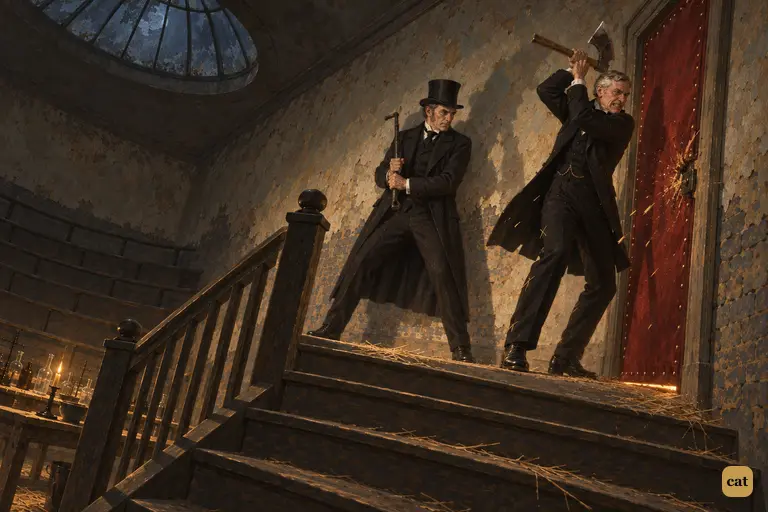
The axe falls
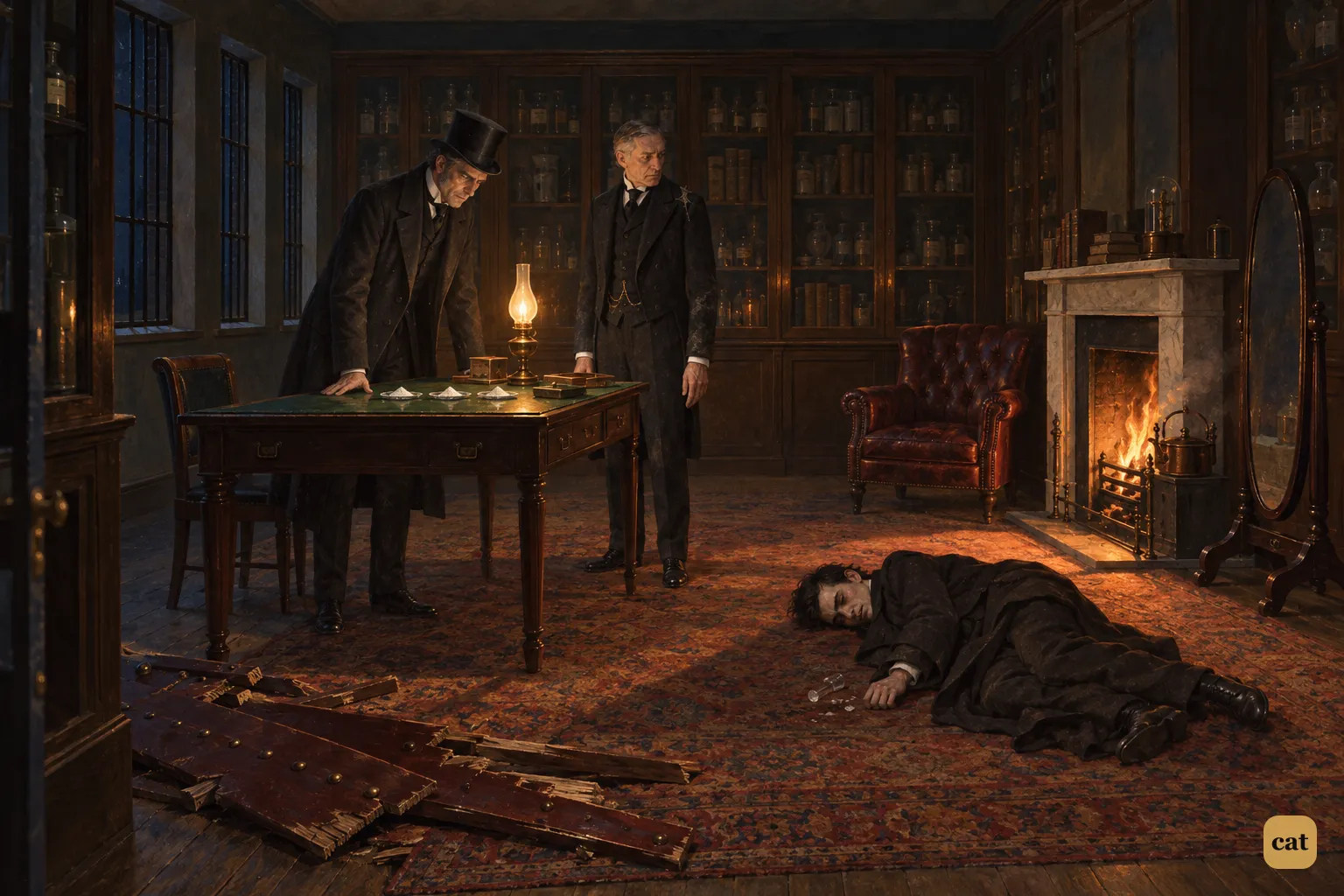
Poole swung the axe over his shoulder; the blow shook the building, and the red baize door leaped against the lock and hinges. A dismal screech, as of mere animal terror, rang from the cabinet. Up went the axe again, and again the panels crashed and the frame bounded; four times the blow fell; but the wood was tough and the fittings were of excellent workmanship; and it was not until the fifth, that the lock burst and the wreck of the door fell inwards on the carpet.
Read from here → -
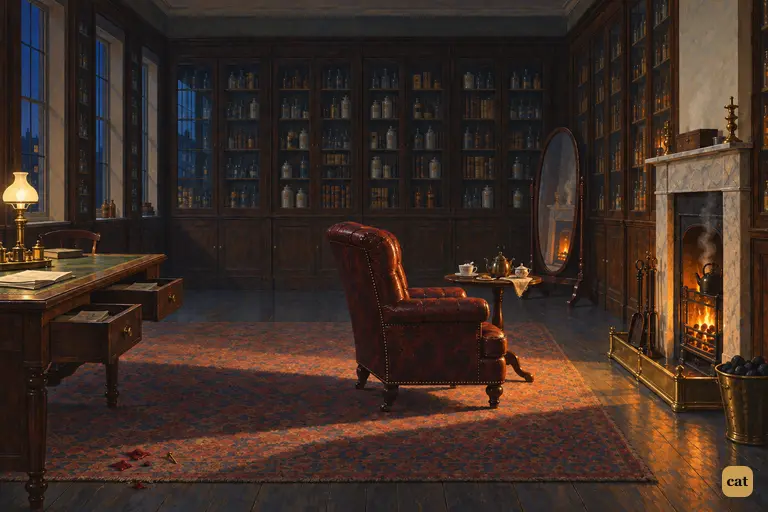
The quietest room
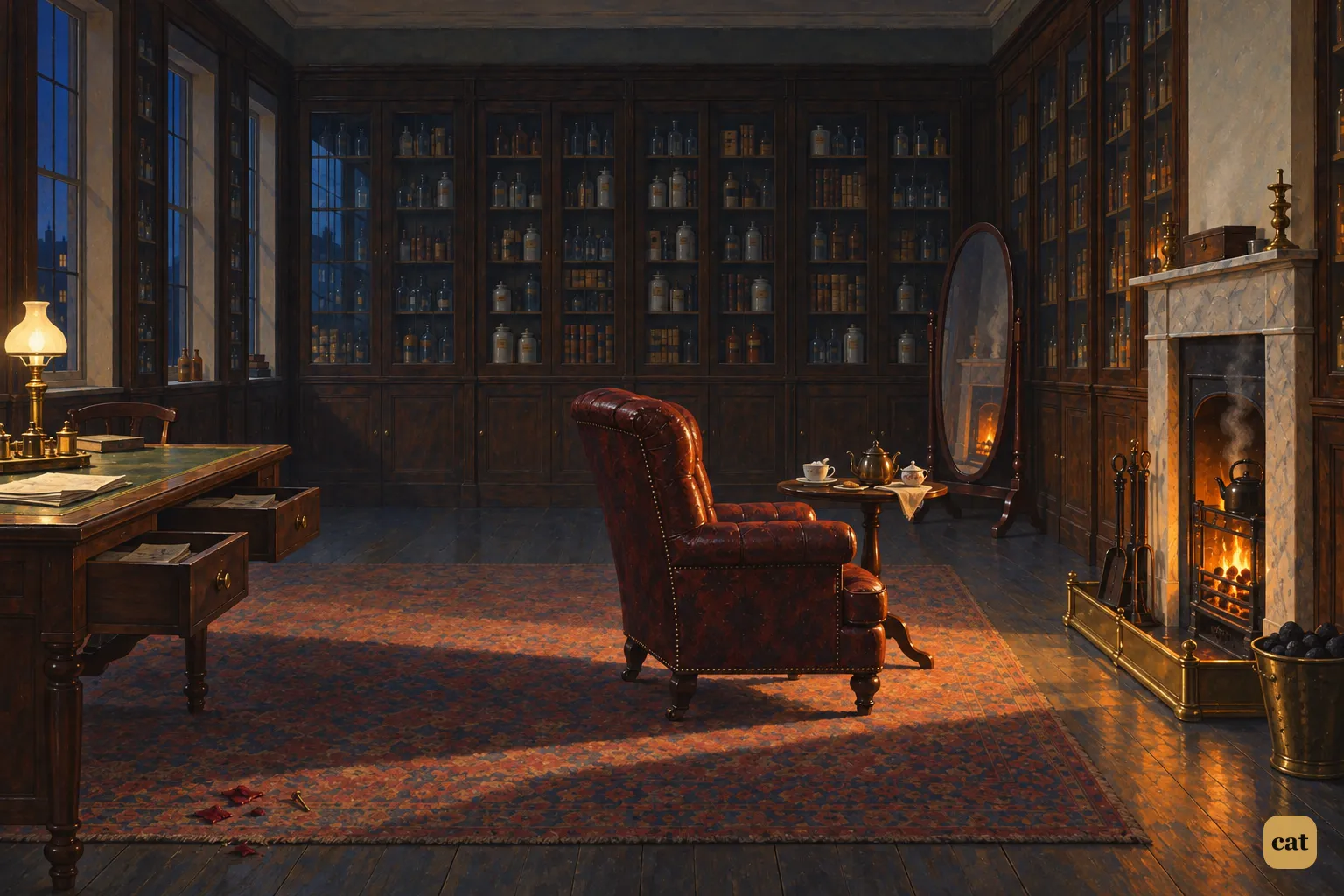
The besiegers, appalled by their own riot and the stillness that had succeeded, stood back a little and peered in. There lay the cabinet before their eyes in the quiet lamplight, a good fire glowing and chattering on the hearth, the kettle singing its thin strain, a drawer or two open, papers neatly set forth on the business table, and nearer the fire, the things laid out for tea; the quietest room, you would have said, and, but for the glazed presses full of chemicals, the most commonplace that night in London.
Read from here → -
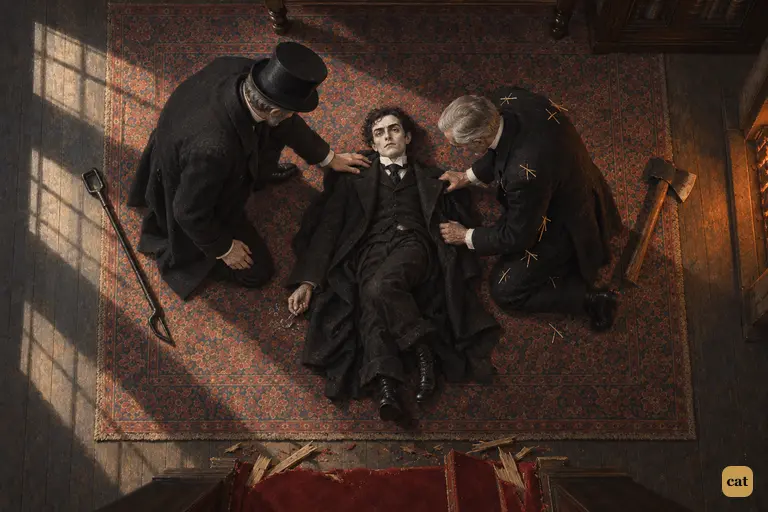
The face of Edward Hyde
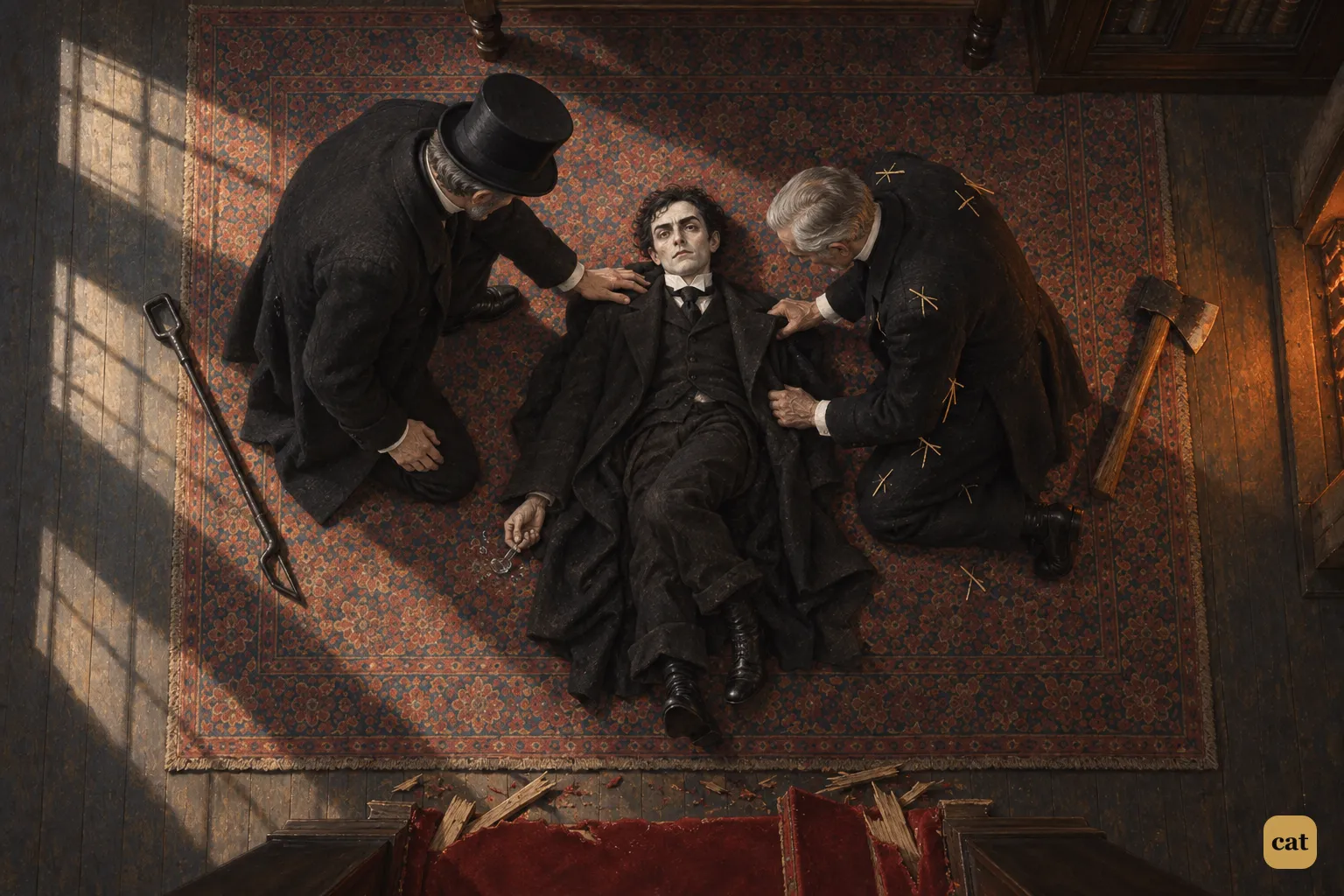
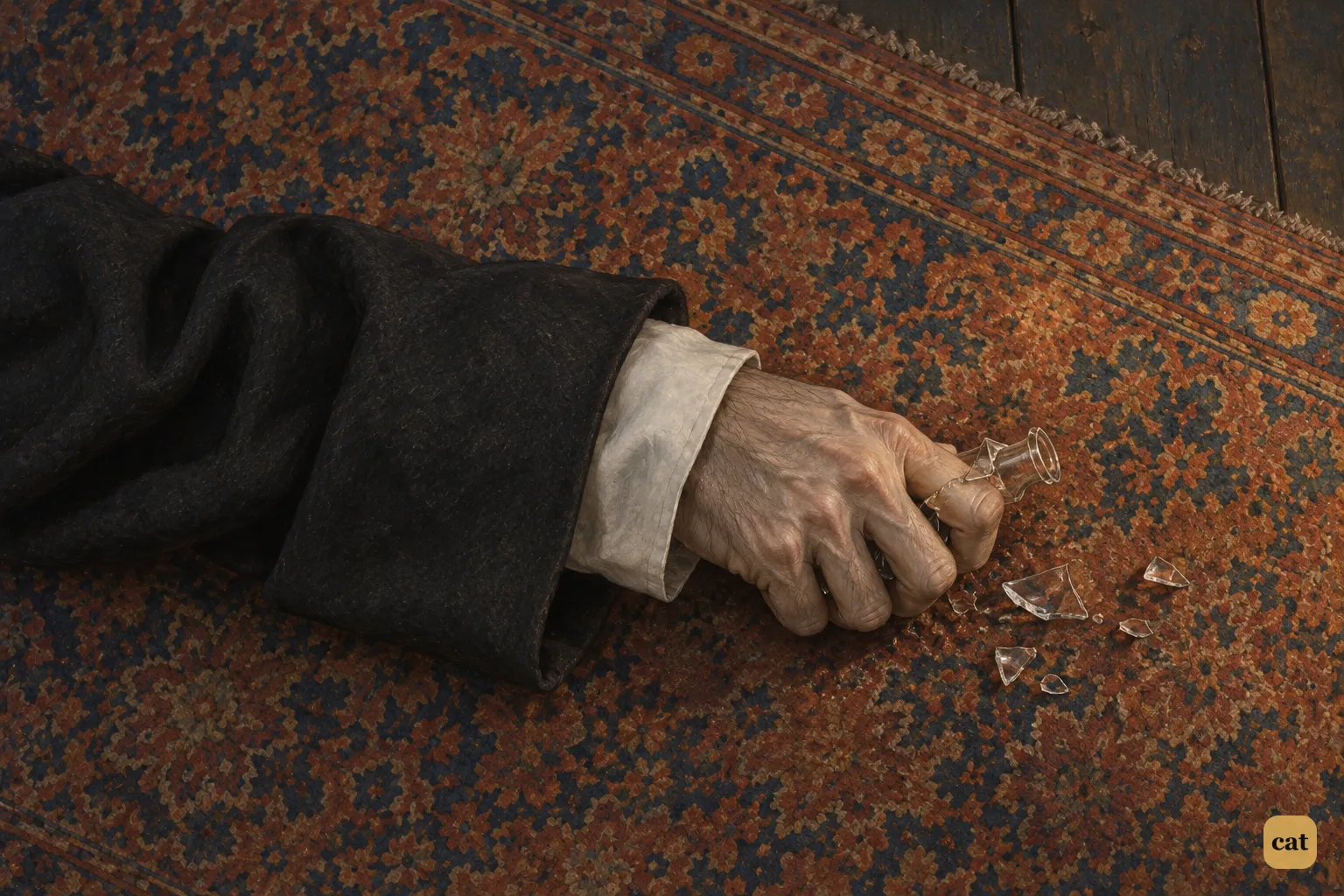
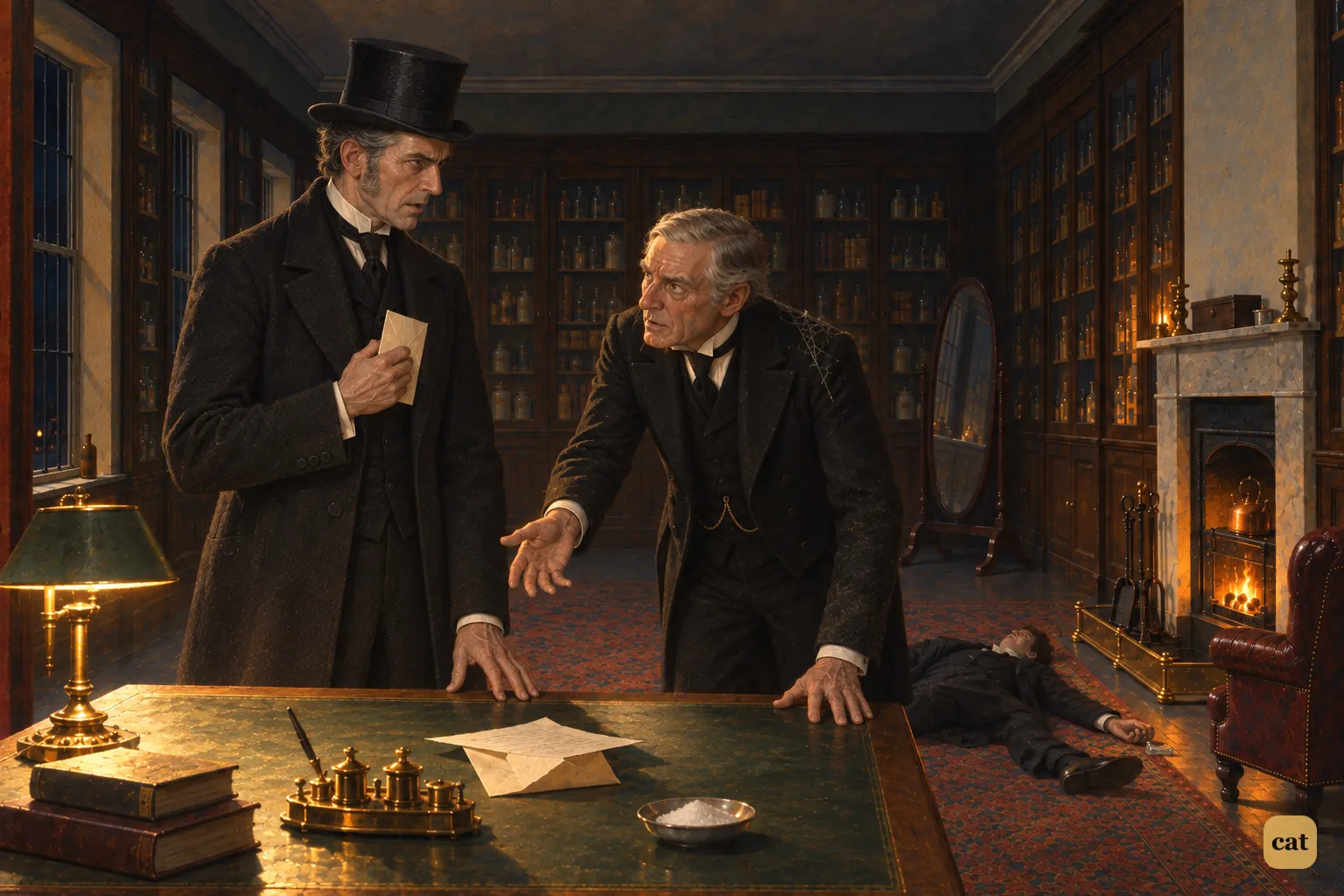
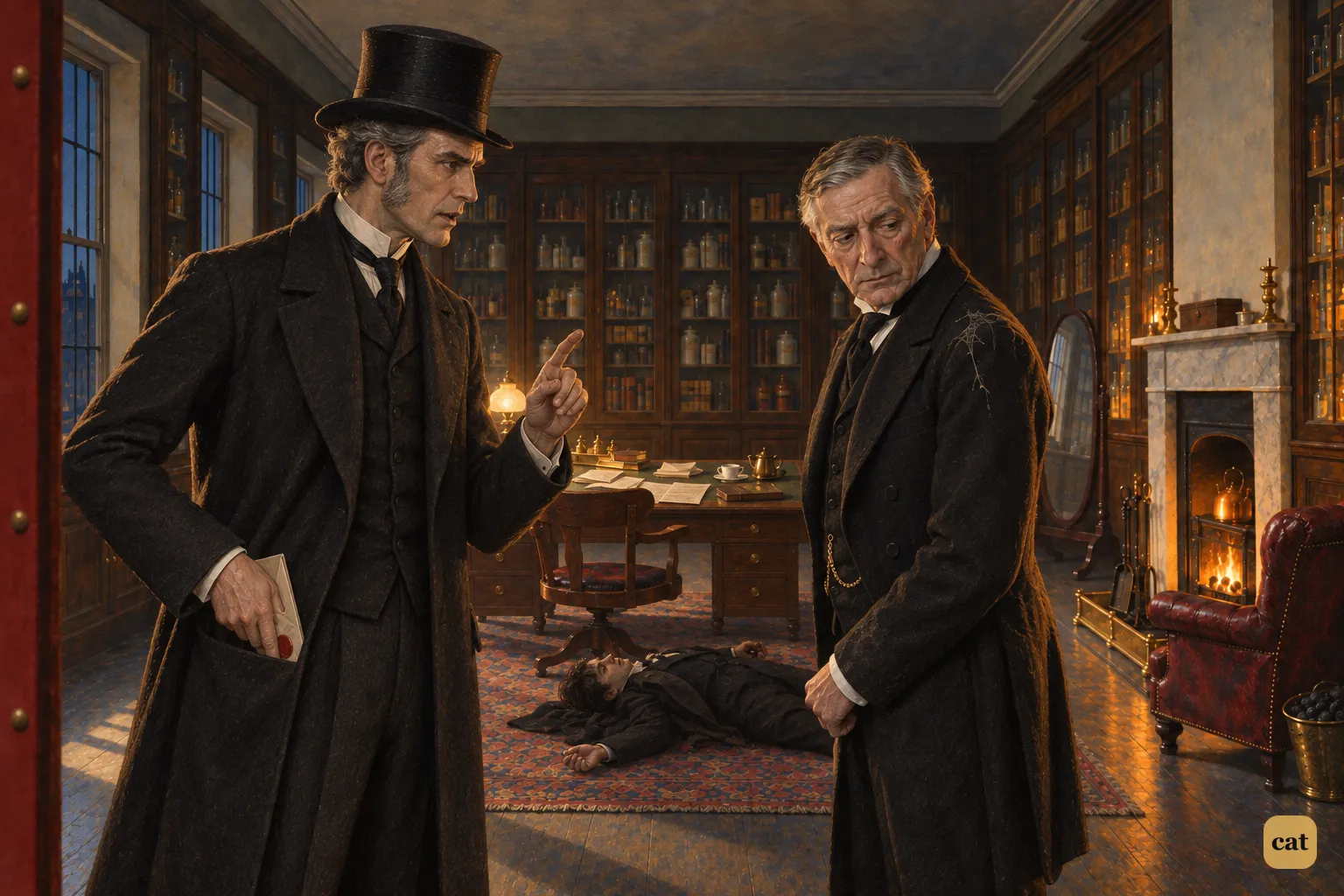
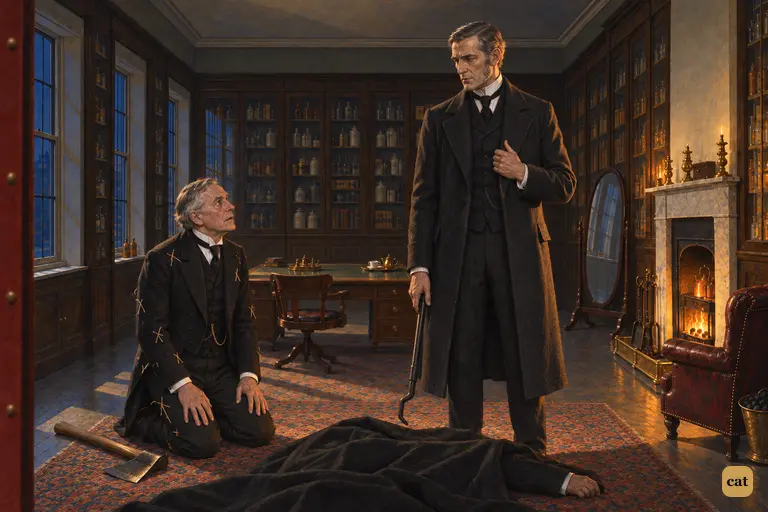
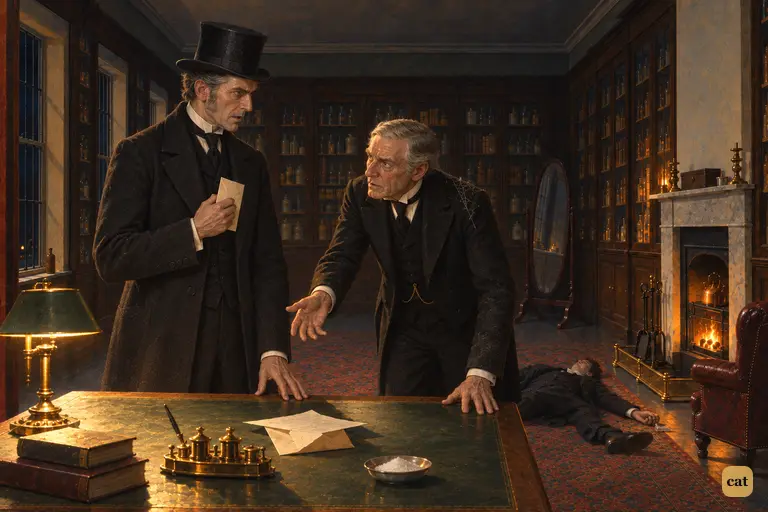
Right in the middle there lay the body of a man sorely contorted and still twitching. They drew near on tiptoe, turned it on his back and beheld the face of Edward Hyde. He was dressed in clothes far too large for him, clothes of the doctor’s bigness; the cords of his face still moved with a semblance of life, but life was quite gone; and by the crushed phial in the hand and the strong smell of kernels that hung upon the air, Utterson knew that he was looking on the body of a self-destroyer.
Read from here → -
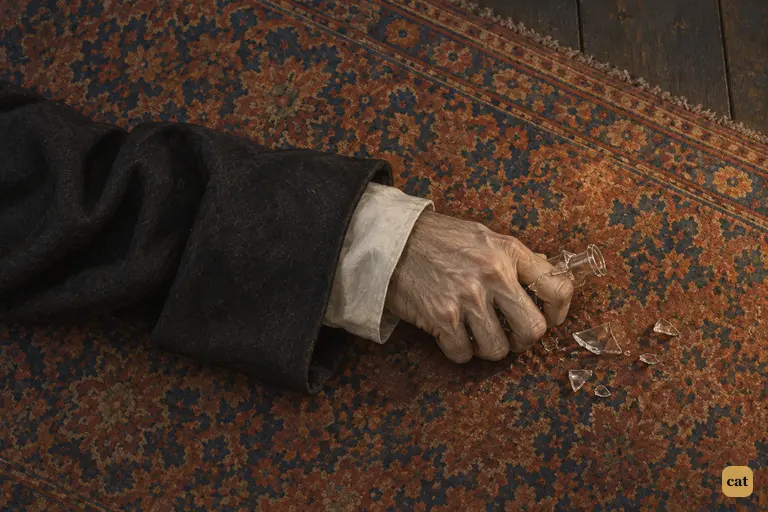
The crushed phial
Right in the middle there lay the body of a man sorely contorted and still twitching. They drew near on tiptoe, turned it on his back and beheld the face of Edward Hyde. He was dressed in clothes far too large for him, clothes of the doctor’s bigness; the cords of his face still moved with a semblance of life, but life was quite gone; and by the crushed phial in the hand and the strong smell of kernels that hung upon the air, Utterson knew that he was looking on the body of a self-destroyer.
Read from here → -
Too late
“We have come too late,” he said sternly, “whether to save or punish. Hyde is gone to his account; and it only remains for us to find the body of your master.”
Read from here → -
Empty dusty closets
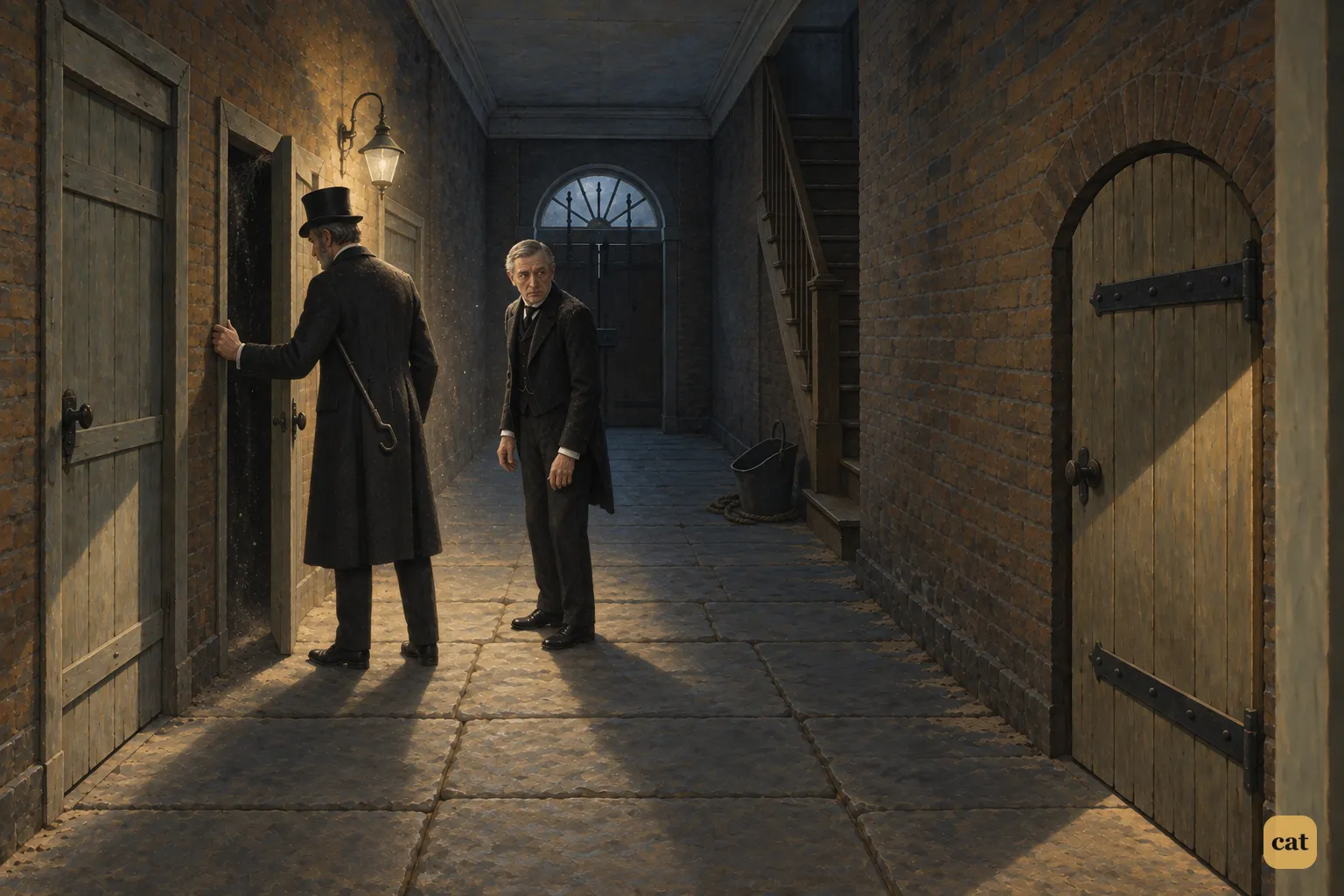
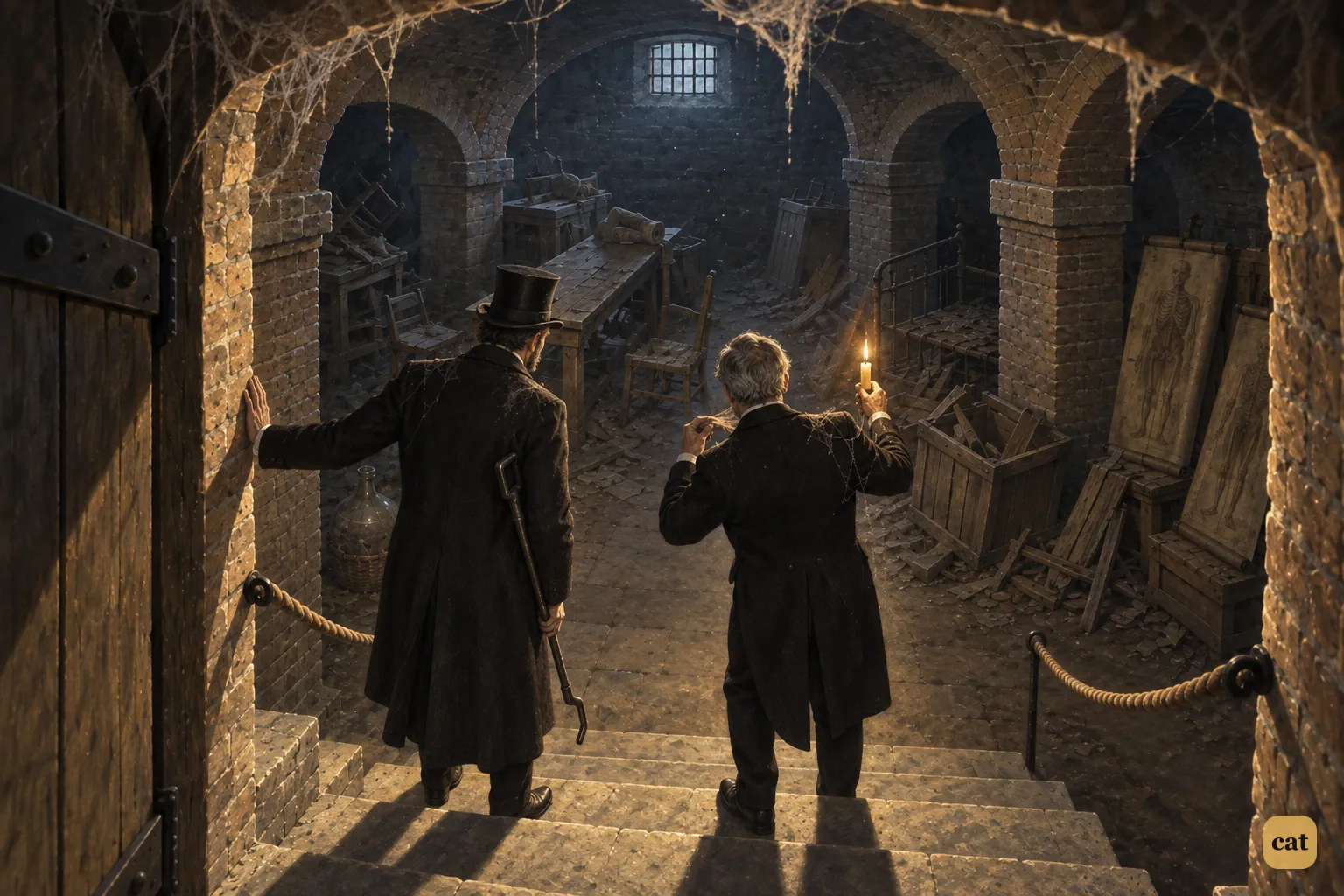
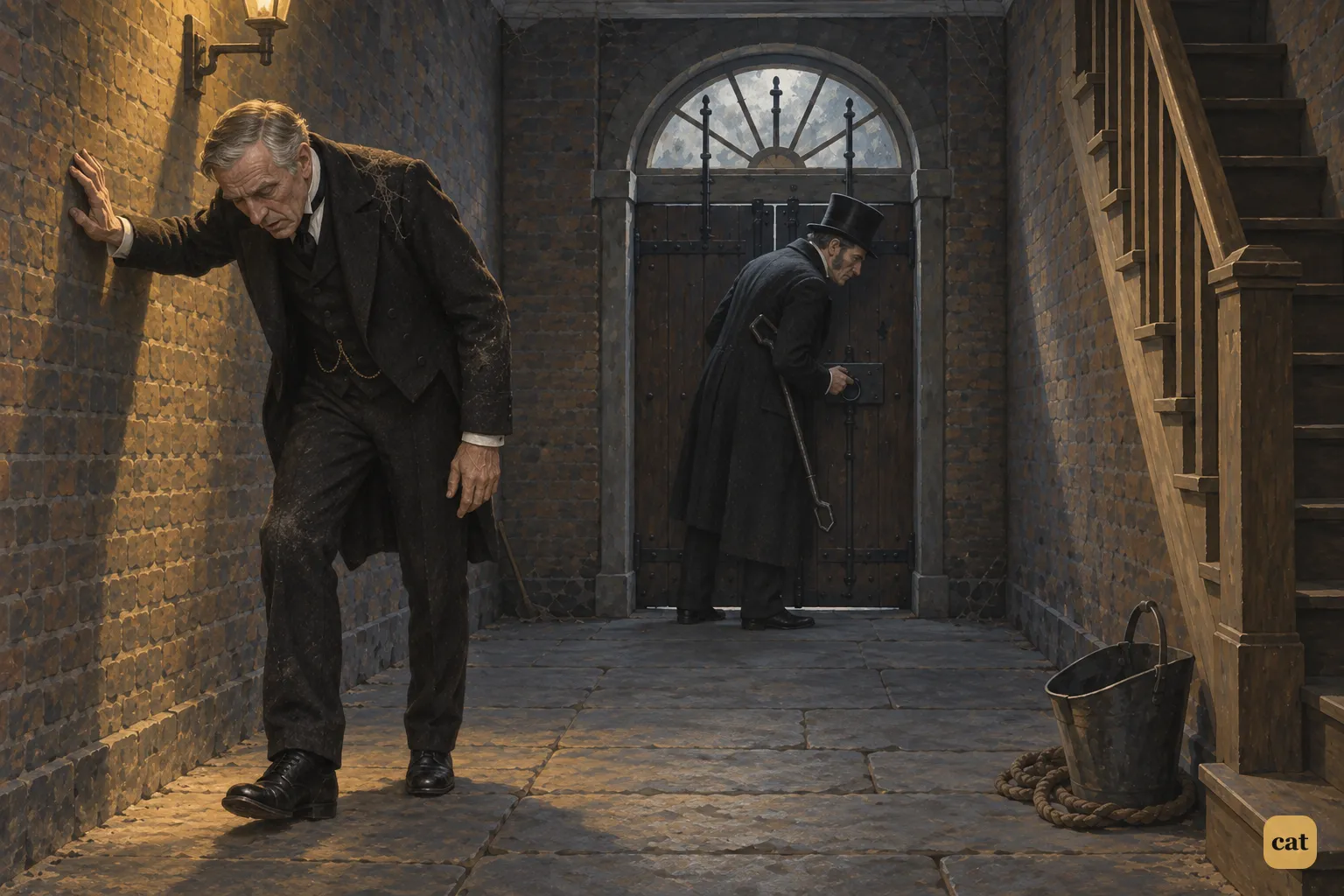
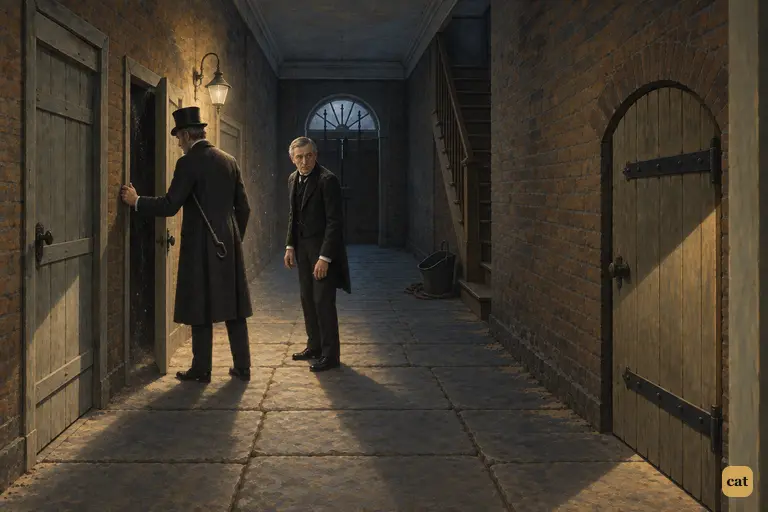
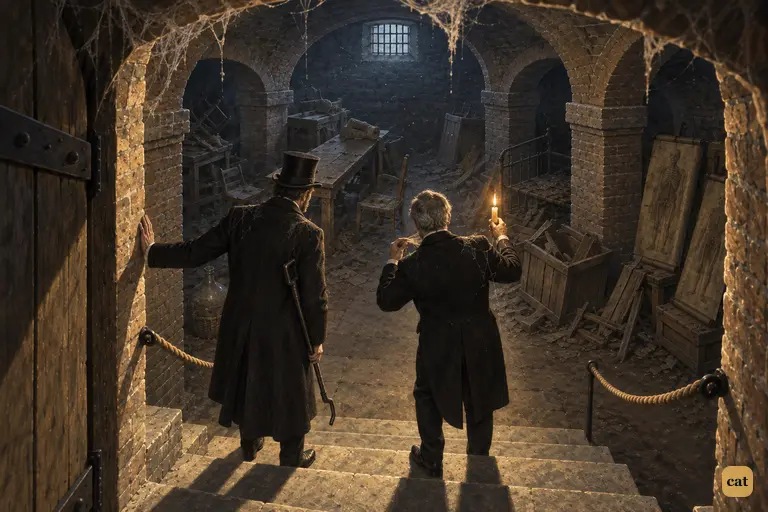
The far greater proportion of the building was occupied by the theatre, which filled almost the whole ground storey and was lighted from above, and by the cabinet, which formed an upper storey at one end and looked upon the court. A corridor joined the theatre to the door on the by-street; and with this the cabinet communicated separately by a second flight of stairs. There were besides a few dark closets and a spacious cellar. All these they now thoroughly examined. Each closet needed but a glance, for all were empty, and all, by the dust that fell from their doors, had stood long unopened. The cellar, indeed, was filled with crazy lumber, mostly dating from the times of the surgeon who was Jekyll’s predecessor; but even as they opened the door they were advertised of the uselessness of further search, by the fall of a perfect mat of cobweb which had for years sealed up the entrance. Nowhere was there any trace of Henry Jekyll, dead or alive.
Read from here → -
Sealed by cobweb
The far greater proportion of the building was occupied by the theatre, which filled almost the whole ground storey and was lighted from above, and by the cabinet, which formed an upper storey at one end and looked upon the court. A corridor joined the theatre to the door on the by-street; and with this the cabinet communicated separately by a second flight of stairs. There were besides a few dark closets and a spacious cellar. All these they now thoroughly examined. Each closet needed but a glance, for all were empty, and all, by the dust that fell from their doors, had stood long unopened. The cellar, indeed, was filled with crazy lumber, mostly dating from the times of the surgeon who was Jekyll’s predecessor; but even as they opened the door they were advertised of the uselessness of further search, by the fall of a perfect mat of cobweb which had for years sealed up the entrance. Nowhere was there any trace of Henry Jekyll, dead or alive.
Read from here → -
Buried or fled
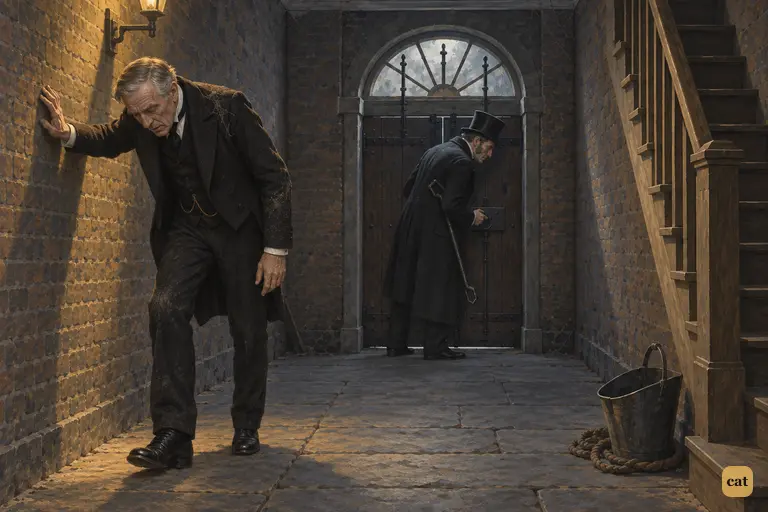
Poole stamped on the flags of the corridor. “He must be buried here,” he said, hearkening to the sound.
Read from here → -
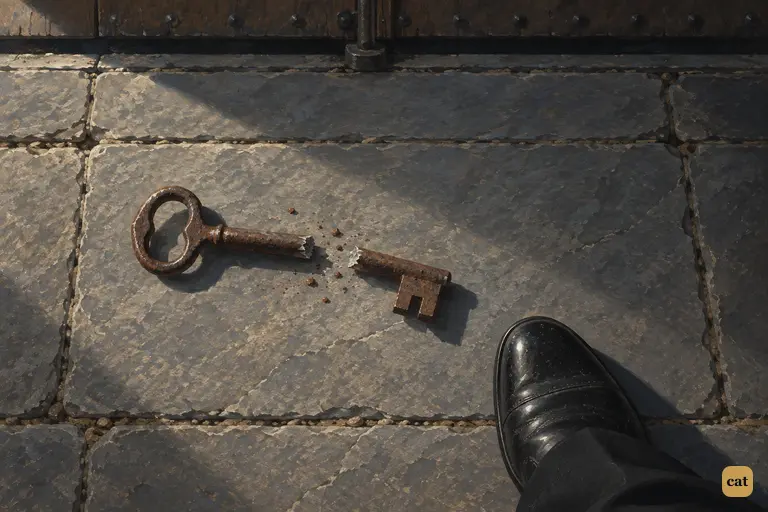
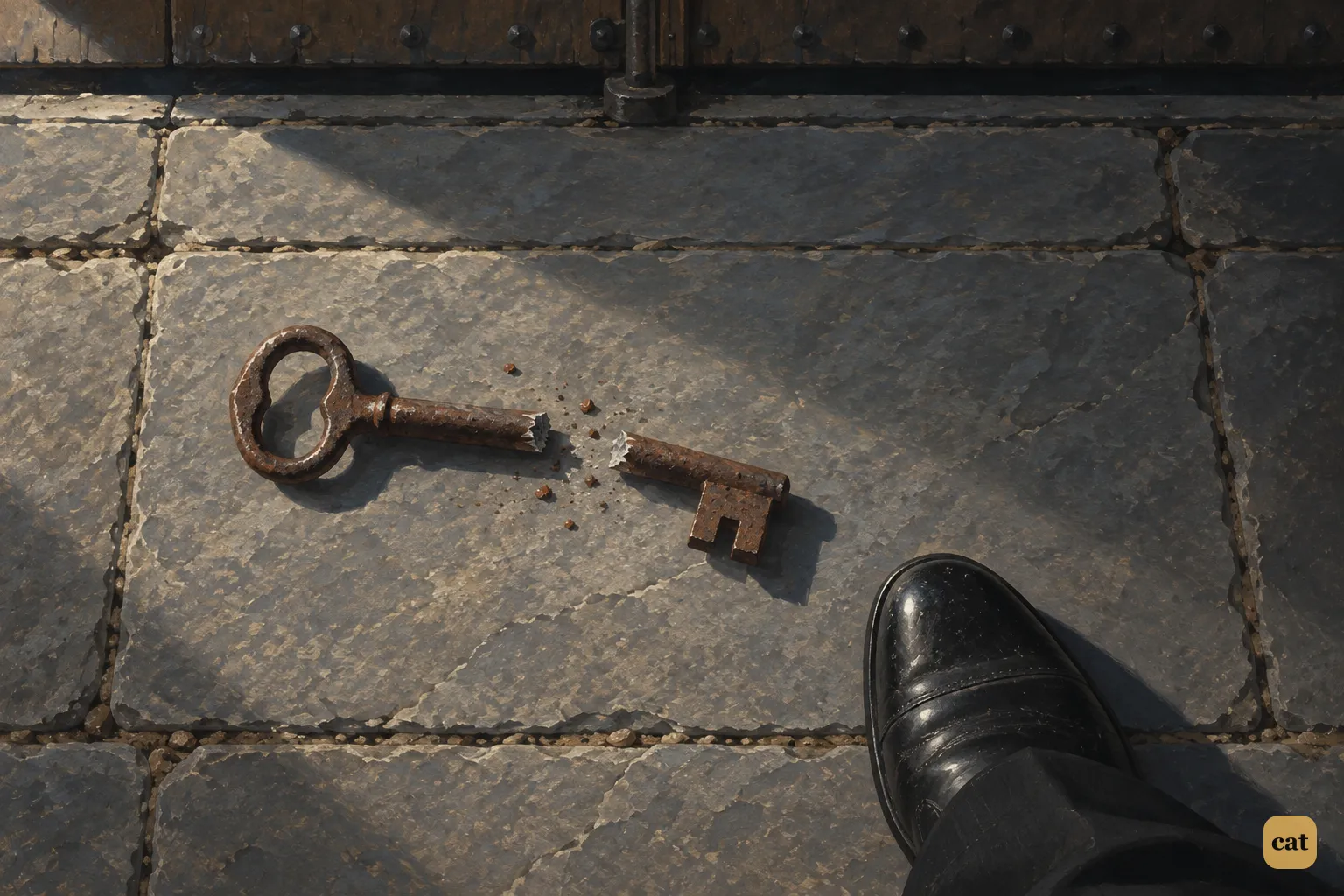
The broken rusty key
“Or he may have fled,” said Utterson, and he turned to examine the door in the by-street. It was locked; and lying near by on the flags, they found the key, already stained with rust.
Read from here → -
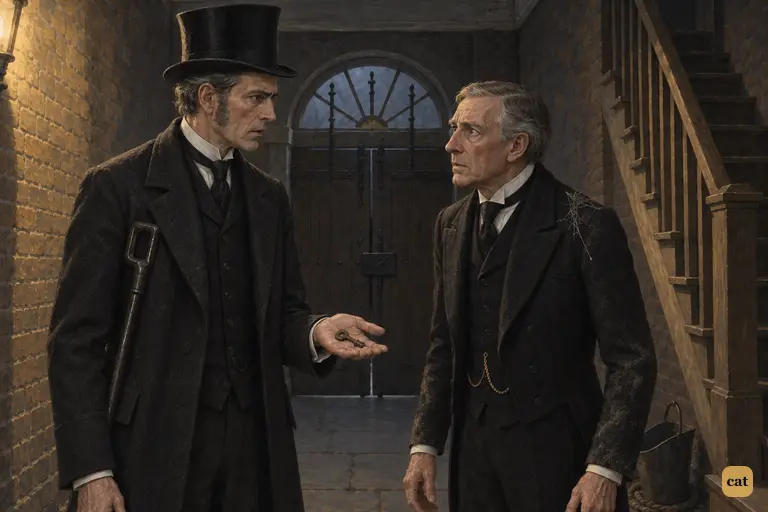
A look of scare
“Ay,” continued Utterson, “and the fractures, too, are rusty.” The two men looked at each other with a scare. “This is beyond me, Poole,” said the lawyer. “Let us go back to the cabinet.”
Read from here → -
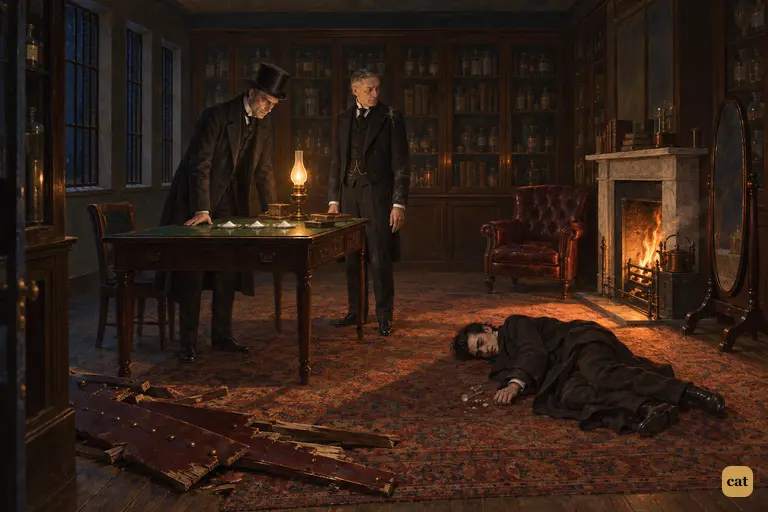
Back among the chemicals
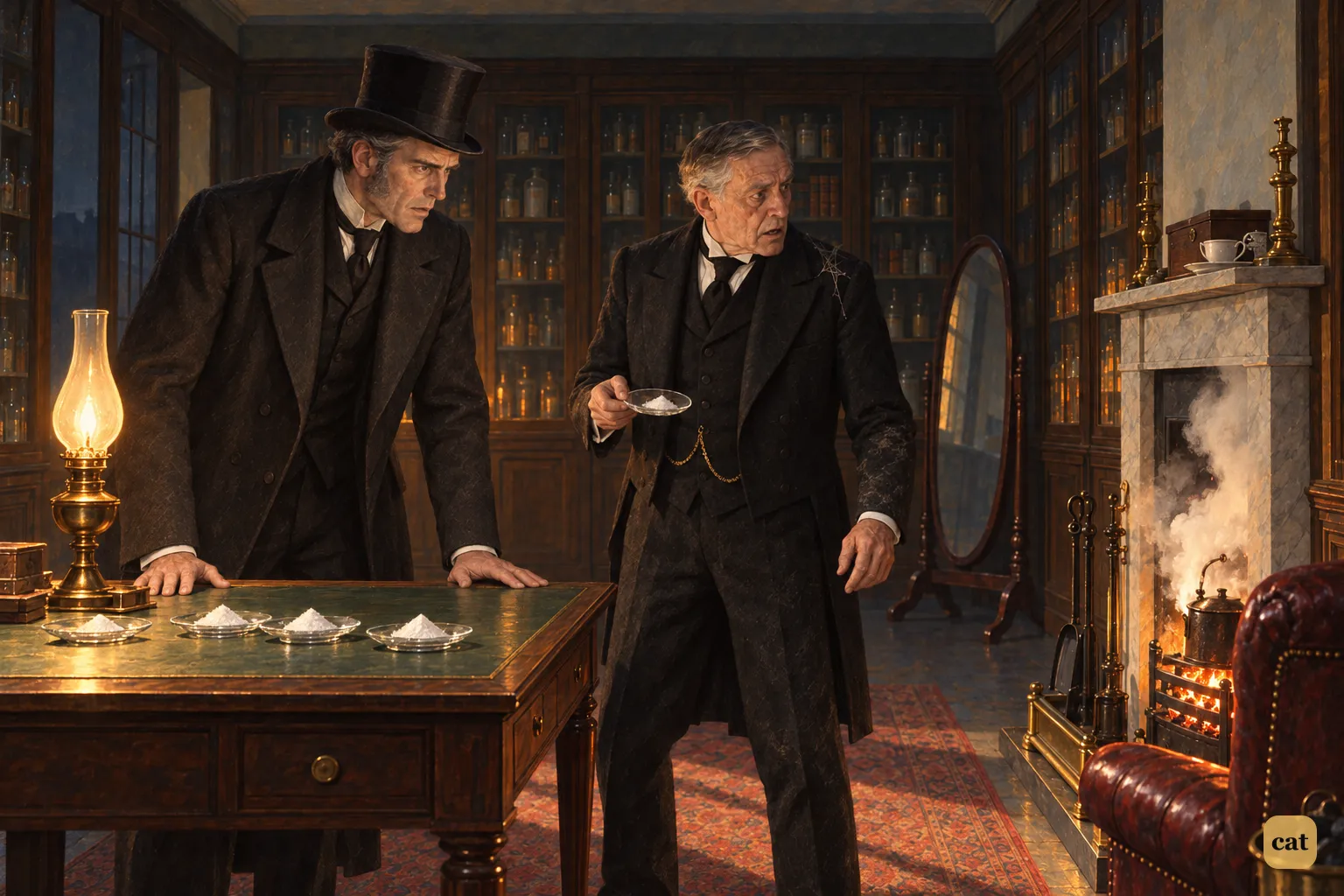
They mounted the stair in silence, and still with an occasional awestruck glance at the dead body, proceeded more thoroughly to examine the contents of the cabinet. At one table, there were traces of chemical work, various measured heaps of some white salt being laid on glass saucers, as though for an experiment in which the unhappy man had been prevented.
Read from here → -
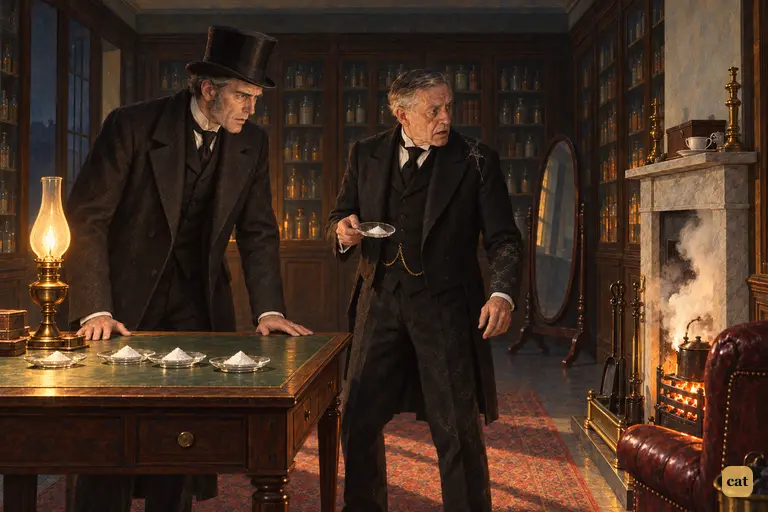
The kettle boils over
“That is the same drug that I was always bringing him,” said Poole; and even as he spoke, the kettle with a startling noise boiled over.
Read from here → -
Blasphemies in his hand
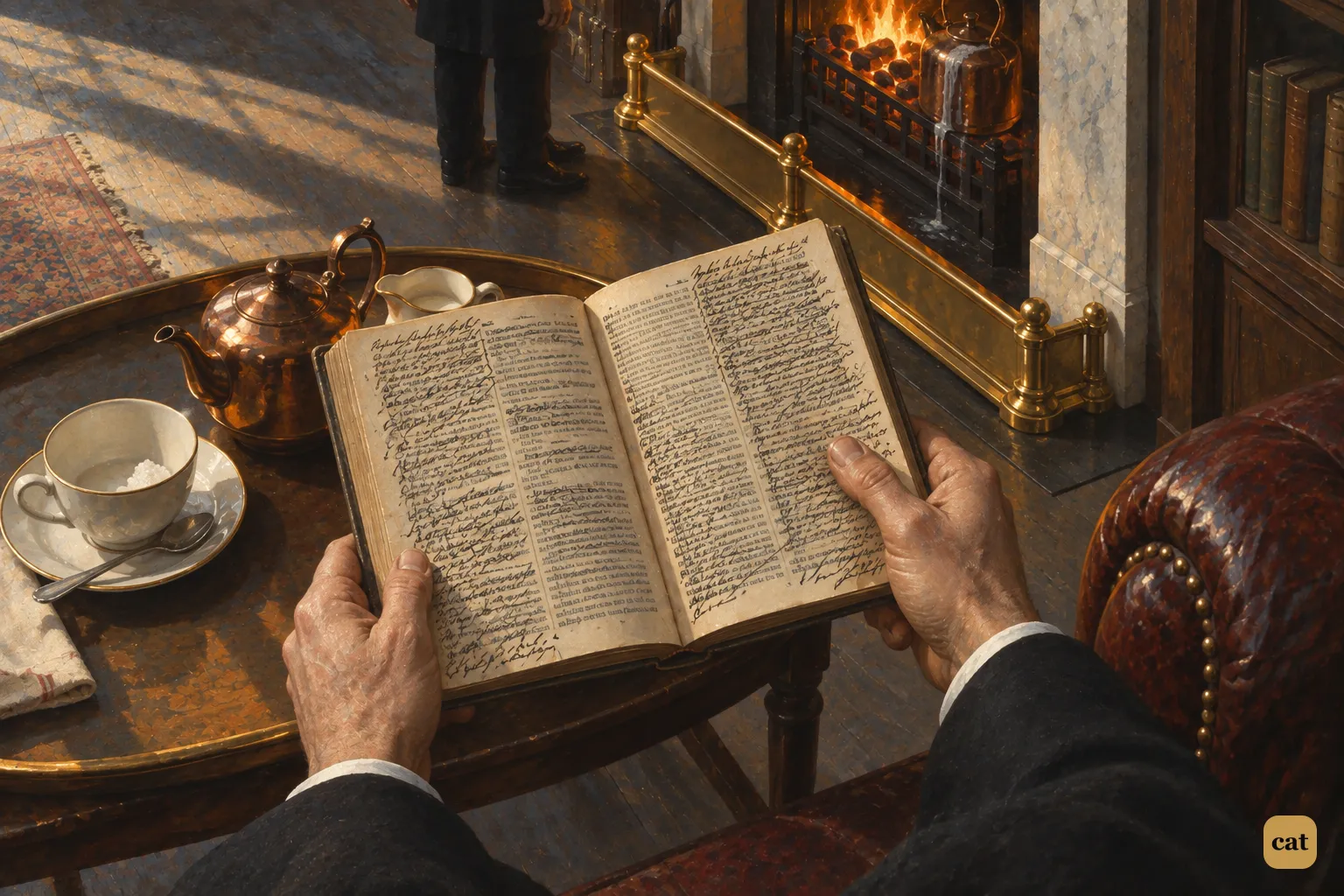
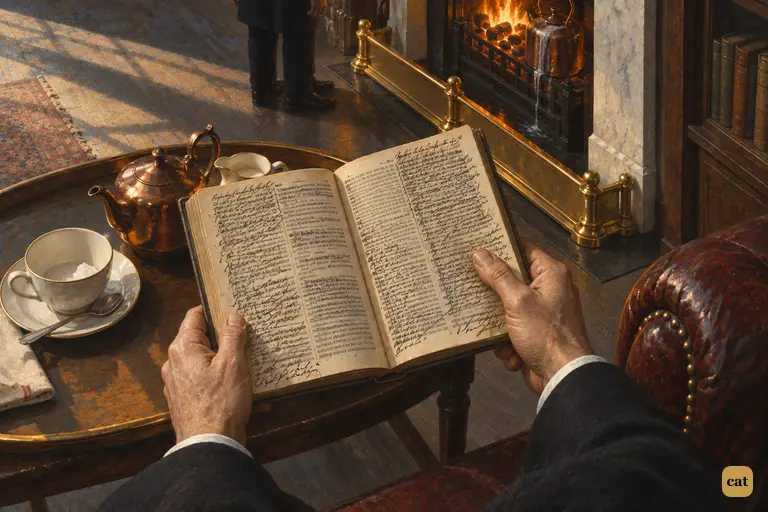
This brought them to the fireside, where the easy-chair was drawn cosily up, and the tea things stood ready to the sitter’s elbow, the very sugar in the cup. There were several books on a shelf; one lay beside the tea things open, and Utterson was amazed to find it a copy of a pious work, for which Jekyll had several times expressed a great esteem, annotated, in his own hand with startling blasphemies.
Read from here → -
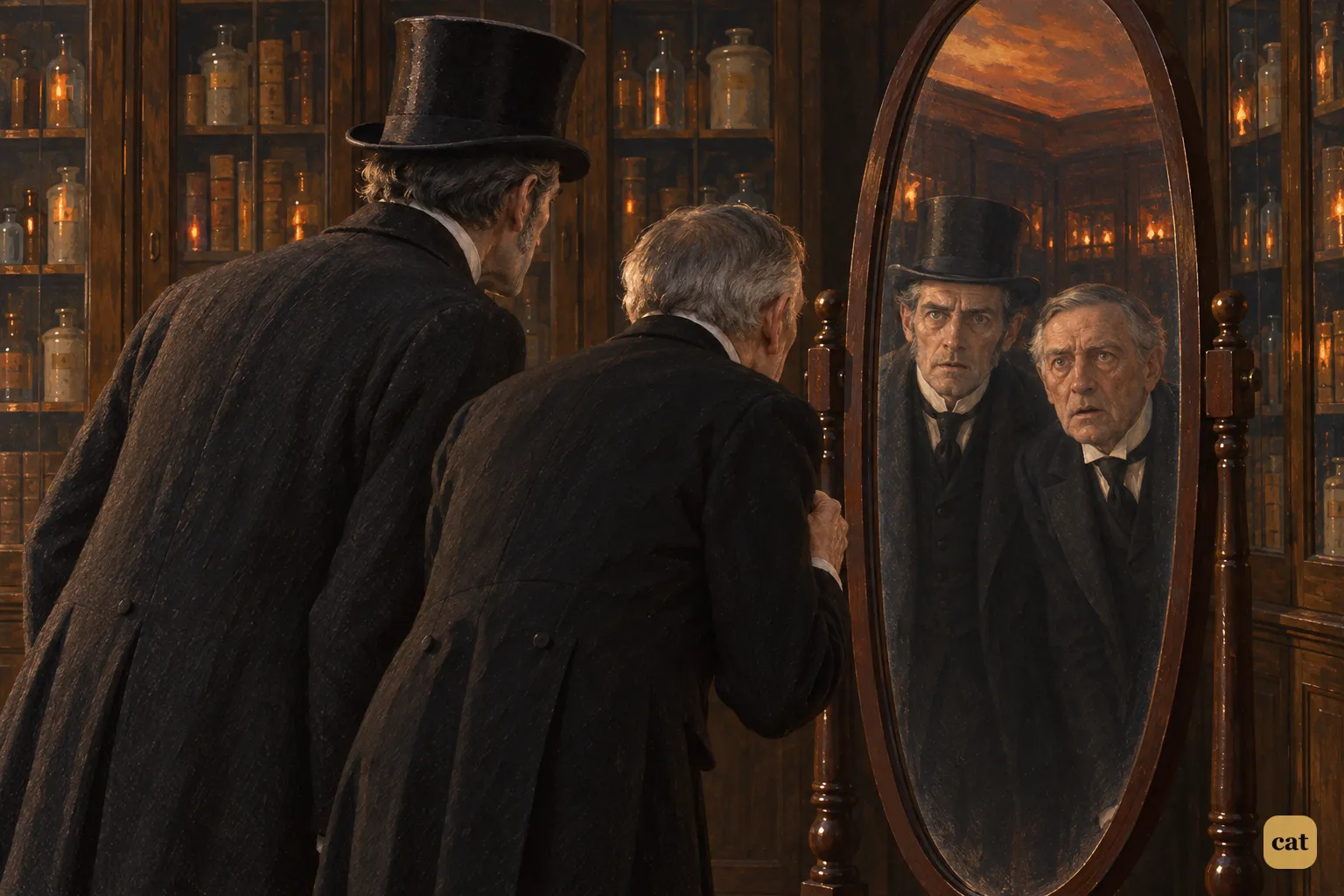
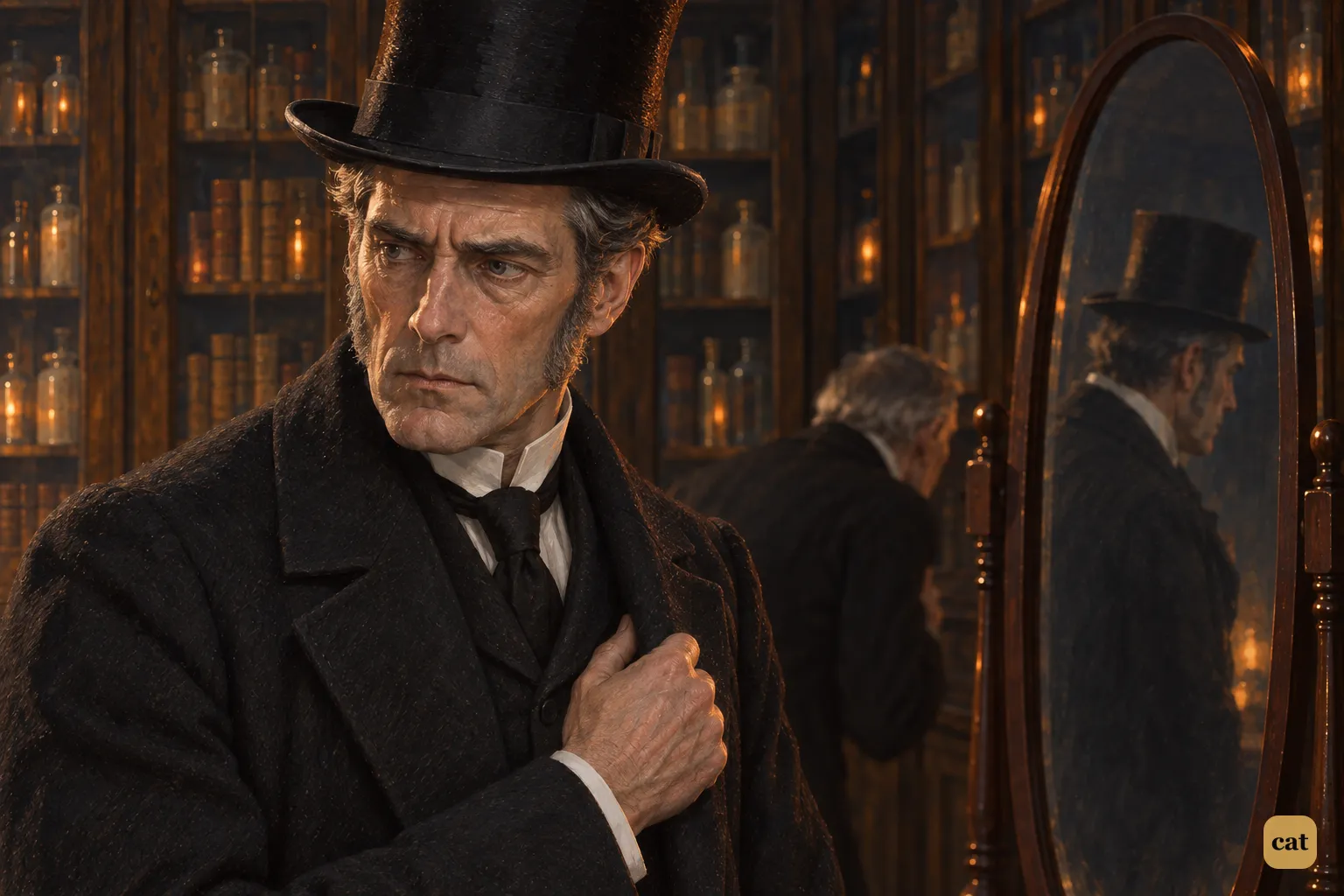
Into the cheval-glass
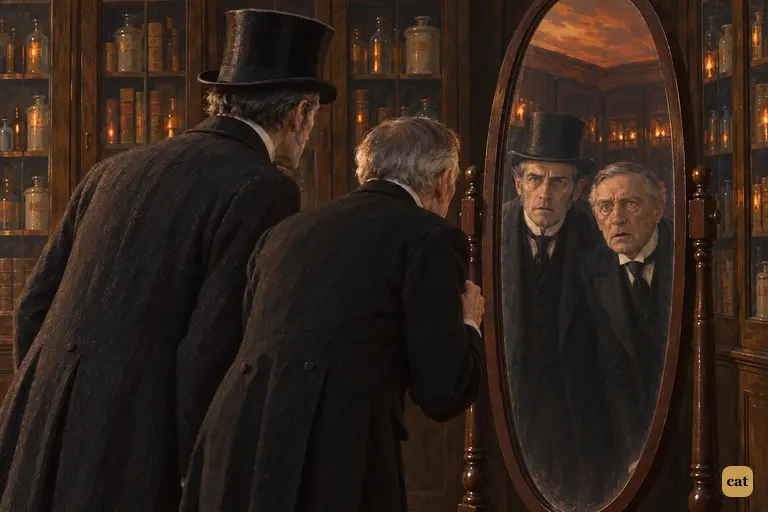
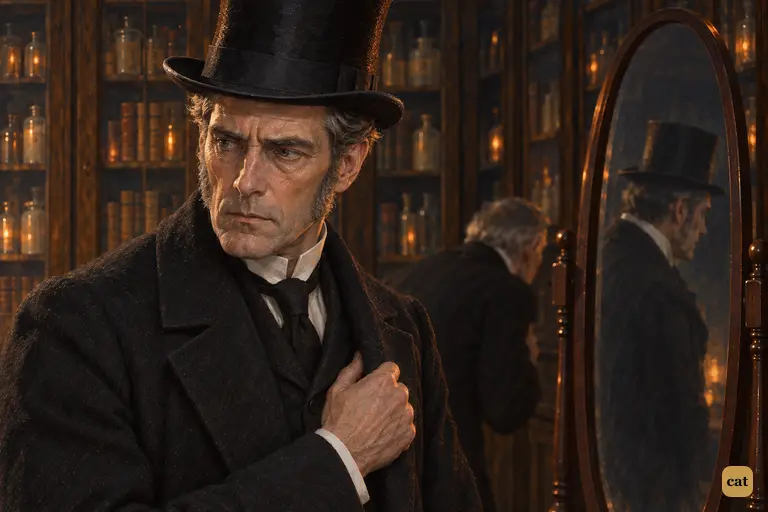
Next, in the course of their review of the chamber, the searchers came to the cheval-glass, into whose depths they looked with an involuntary horror. But it was so turned as to show them nothing but the rosy glow playing on the roof, the fire sparkling in a hundred repetitions along the glazed front of the presses, and their own pale and fearful countenances stooping to look in.
Read from here → -
What could Jekyll want
“This glass has seen some strange things, sir,” whispered Poole.
Read from here → -
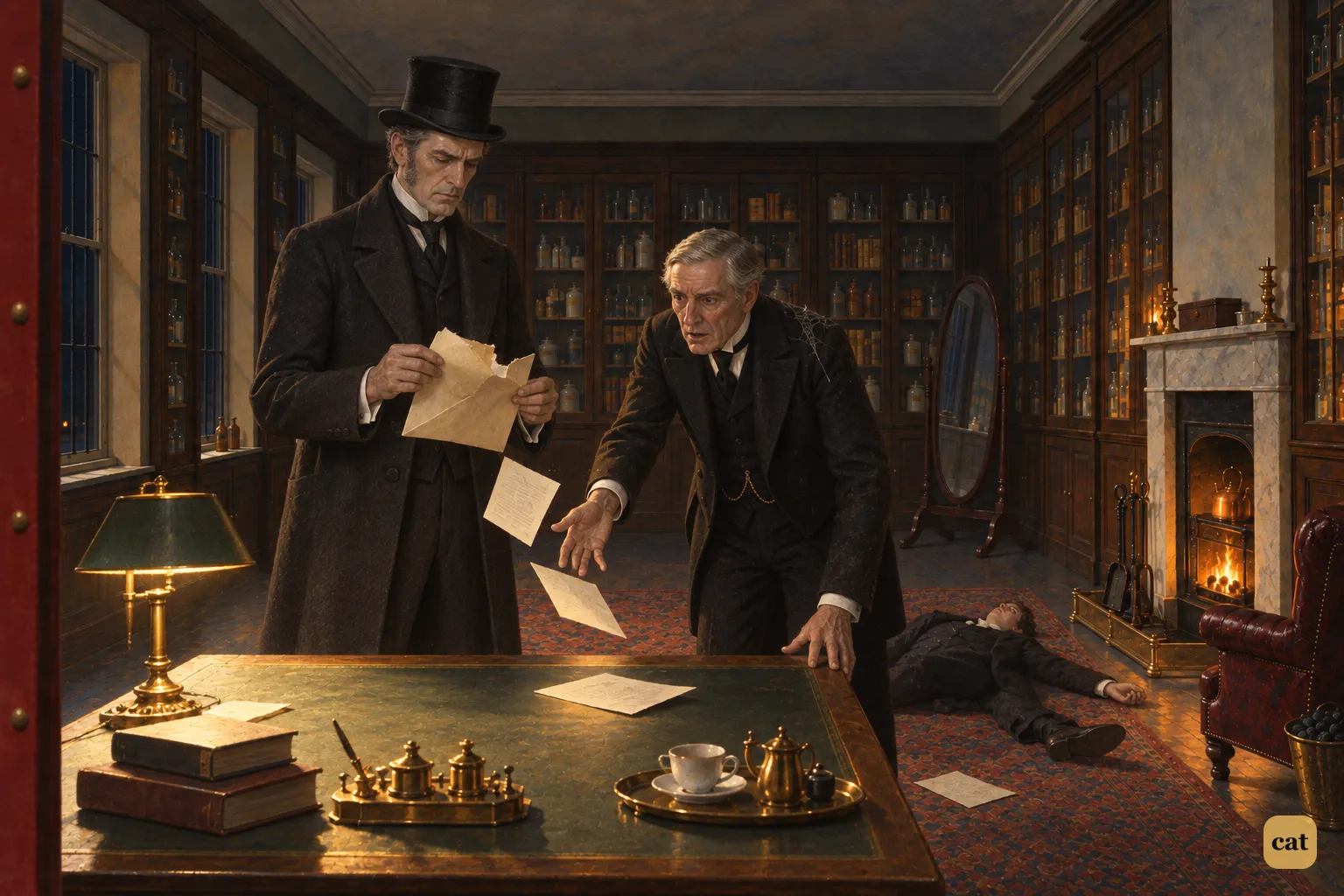
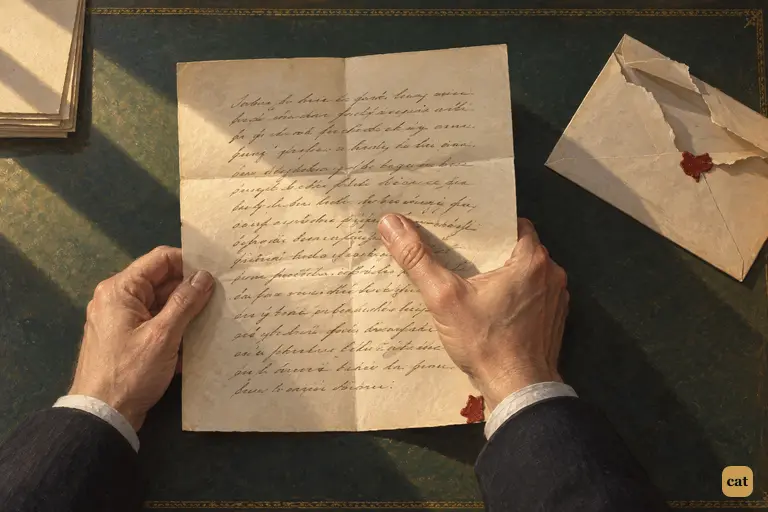
The envelope unsealed
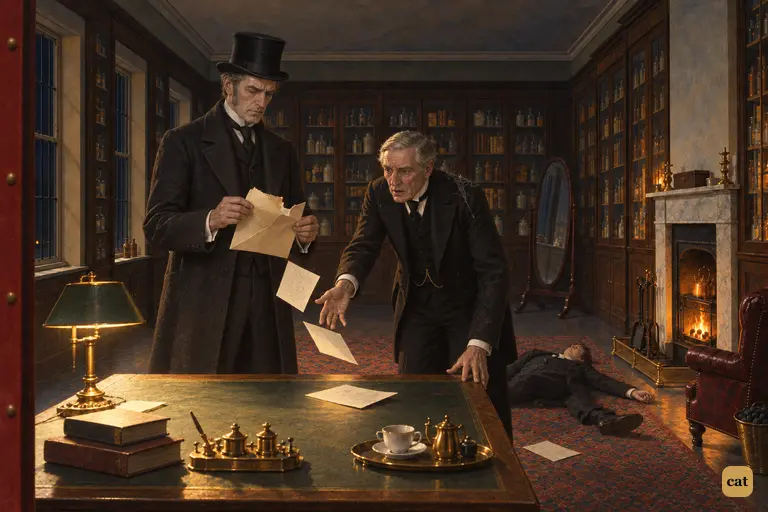
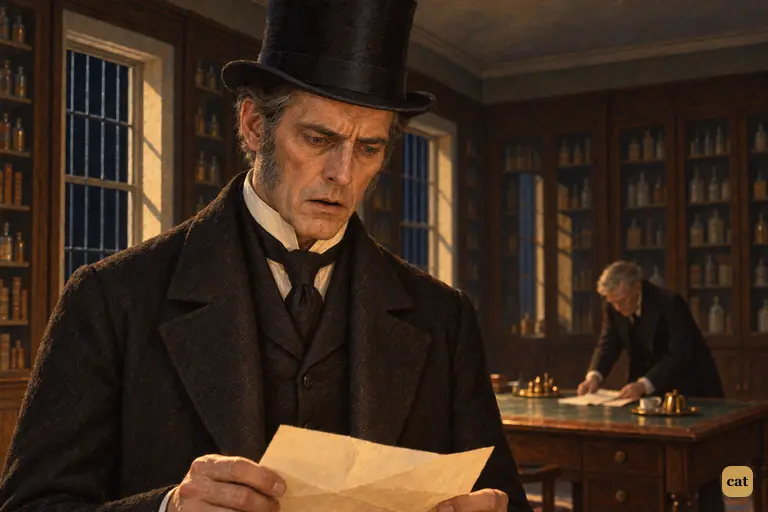
Next they turned to the business table. On the desk, among the neat array of papers, a large envelope was uppermost, and bore, in the doctor’s hand, the name of Mr. Utterson. The lawyer unsealed it, and several enclosures fell to the floor. The first was a will, drawn in the same eccentric terms as the one which he had returned six months before, to serve as a testament in case of death and as a deed of gift in case of disappearance; but in place of the name of Edward Hyde, the lawyer, with indescribable amazement read the name of Gabriel John Utterson. He looked at Poole, and then back at the paper, and last of all at the dead malefactor stretched upon the carpet.
Read from here → -
His own name in the will
Next they turned to the business table. On the desk, among the neat array of papers, a large envelope was uppermost, and bore, in the doctor’s hand, the name of Mr. Utterson. The lawyer unsealed it, and several enclosures fell to the floor. The first was a will, drawn in the same eccentric terms as the one which he had returned six months before, to serve as a testament in case of death and as a deed of gift in case of disappearance; but in place of the name of Edward Hyde, the lawyer, with indescribable amazement read the name of Gabriel John Utterson. He looked at Poole, and then back at the paper, and last of all at the dead malefactor stretched upon the carpet.
Read from here → -
My head goes round
“My head goes round,” he said. “He has been all these days in possession; he had no cause to like me; he must have raged to see himself displaced; and he has not destroyed this document.”
Read from here → -
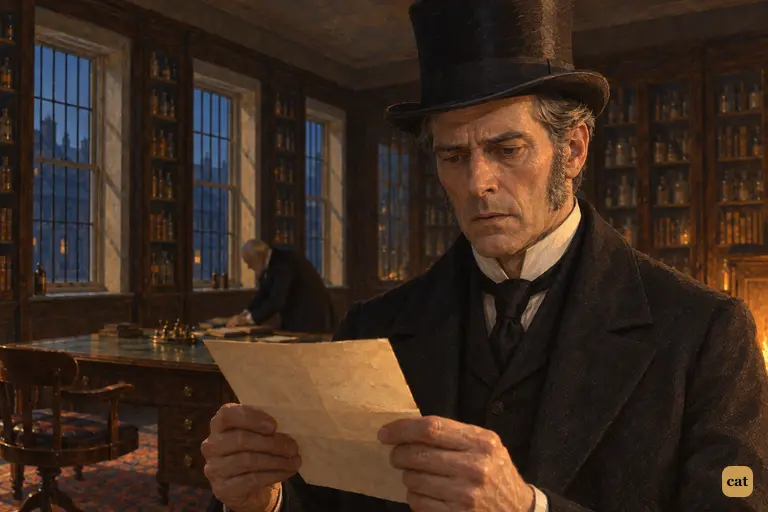
Because I fear
“Because I fear,” replied the lawyer solemnly. “God grant I have no cause for it!” And with that he brought the paper to his eyes and read as follows:
Read from here → -
Jekyll's farewell
“My dear Utterson,—When this shall fall into your hands, I shall have disappeared, under what circumstances I have not the penetration to foresee, but my instinct and all the circumstances of my nameless situation tell me that the end is sure and must be early. Go then, and first read the narrative which Lanyon warned me he was to place in your hands; and if you care to hear more, turn to the confession of
Read from here → -
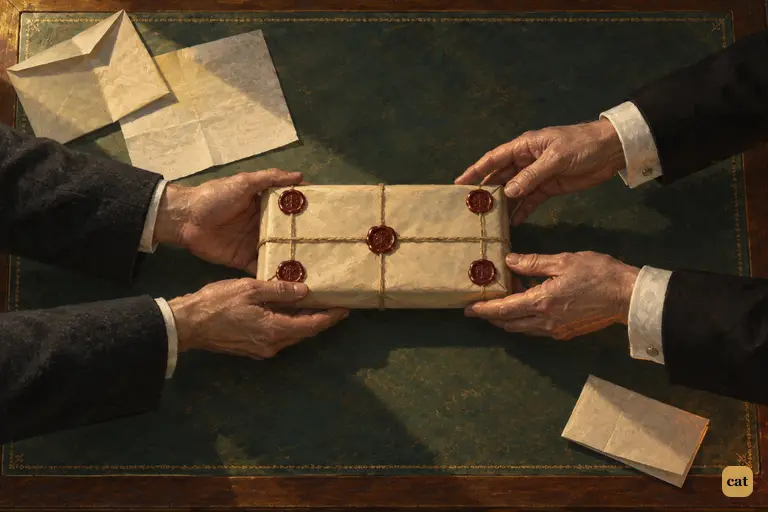
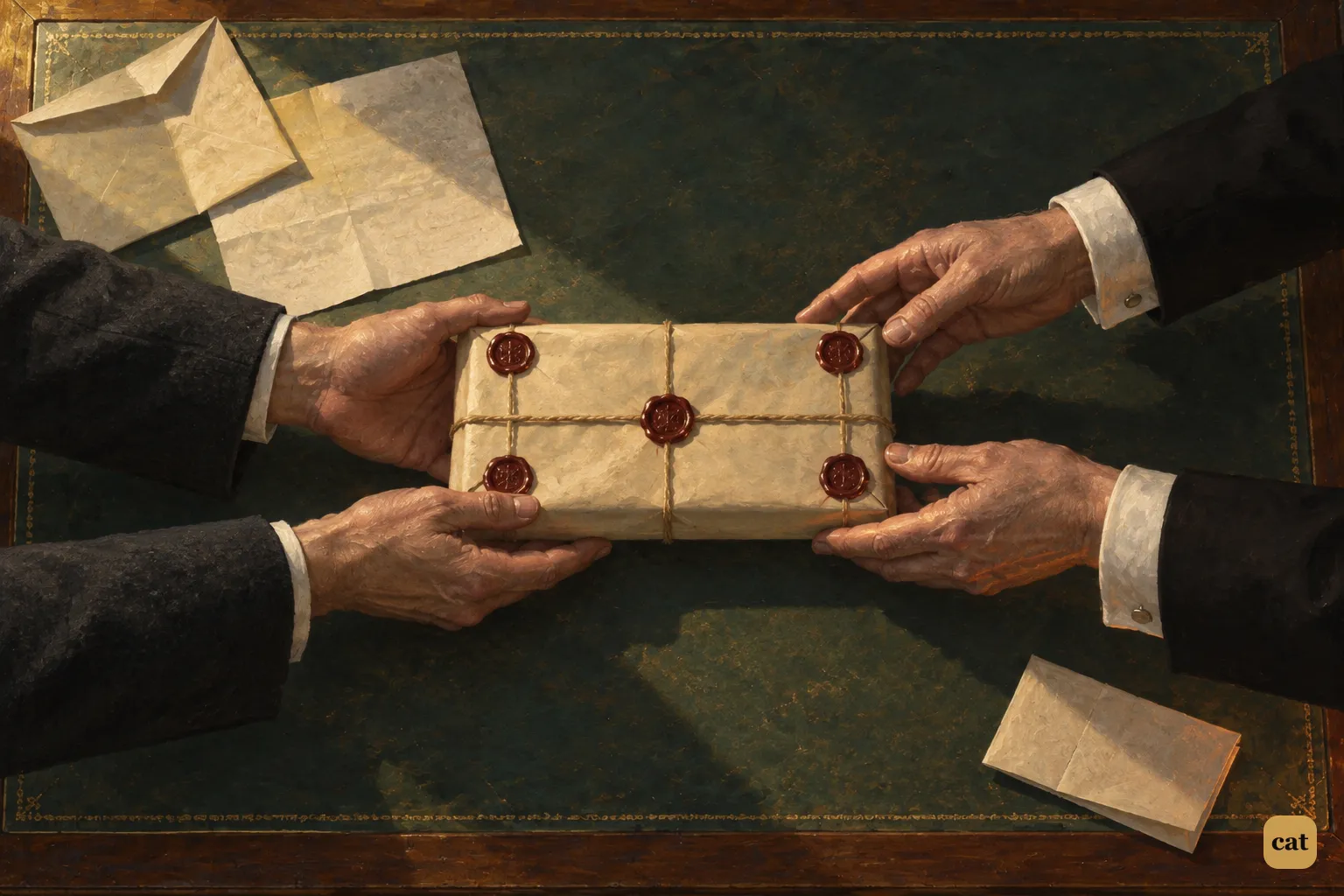
The sealed packet
“Here, sir,” said Poole, and gave into his hands a considerable packet sealed in several places.
Read from here → -
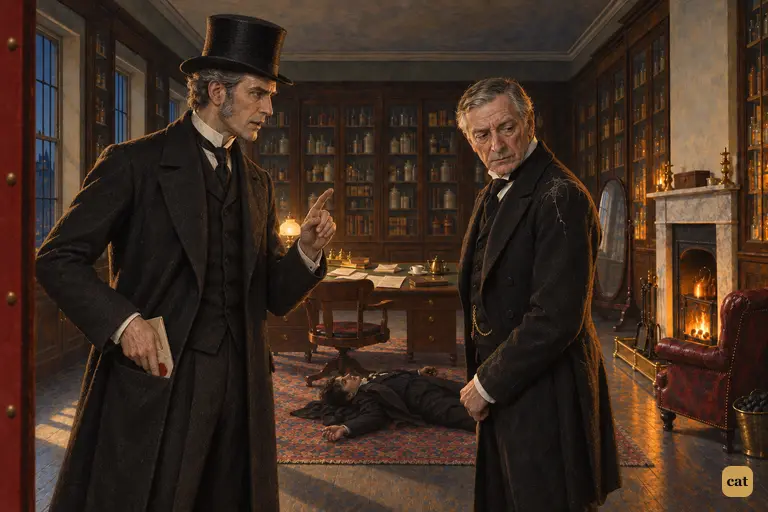
Say nothing of this
The lawyer put it in his pocket. “I would say nothing of this paper. If your master has fled or is dead, we may at least save his credit. It is now ten; I must go home and read these documents in quiet; but I shall be back before midnight, when we shall send for the police.”
Read from here → -
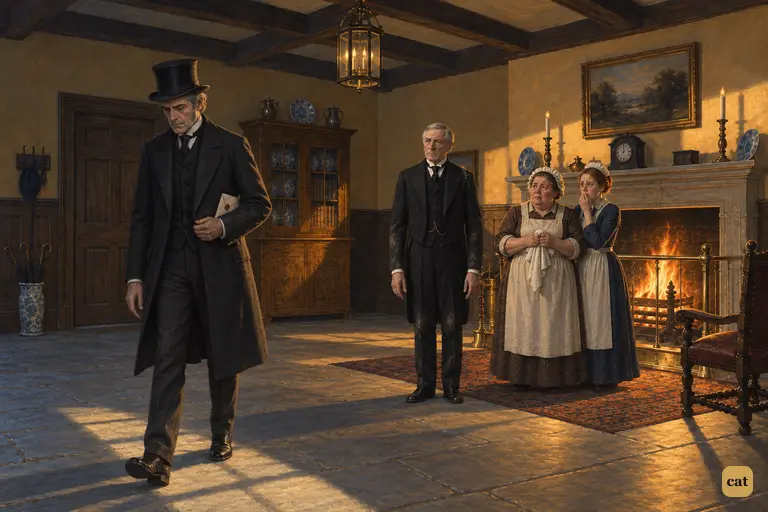
Leaving them by the fire
They went out, locking the door of the theatre behind them; and Utterson, once more leaving the servants gathered about the fire in the hall, trudged back to his office to read the two narratives in which this mystery was now to be explained.
Read from here → -
Chapter 6
The Door Is Broken: Hyde Dead, Jekyll Gone
Next chapter: Lanyon Sees Hyde Become Jekyll Read this chapter