-
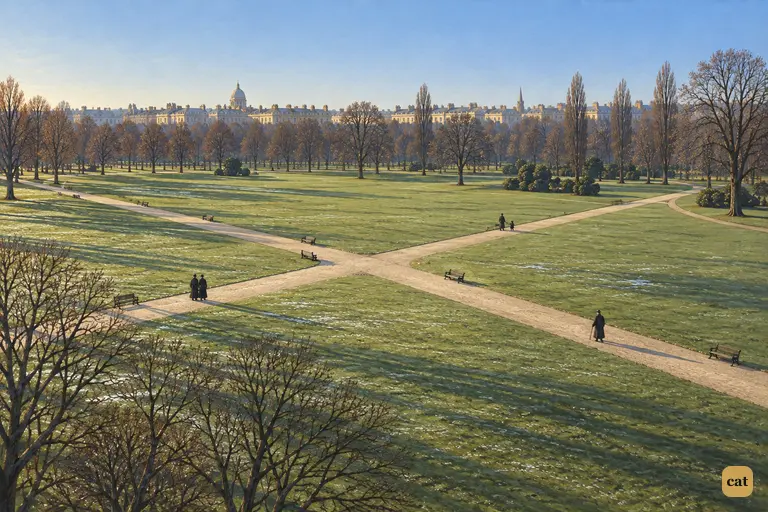
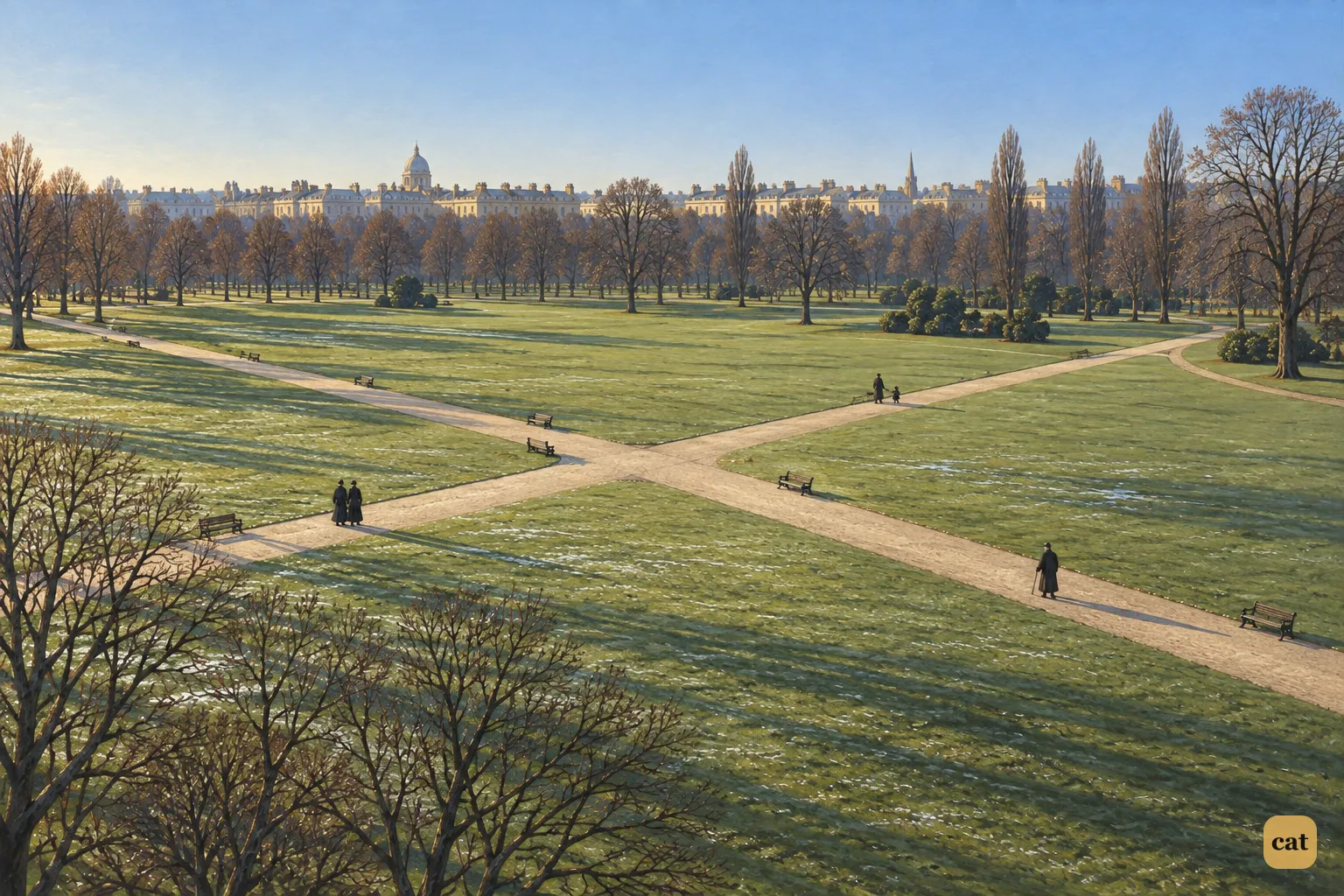
Regent's Park in January
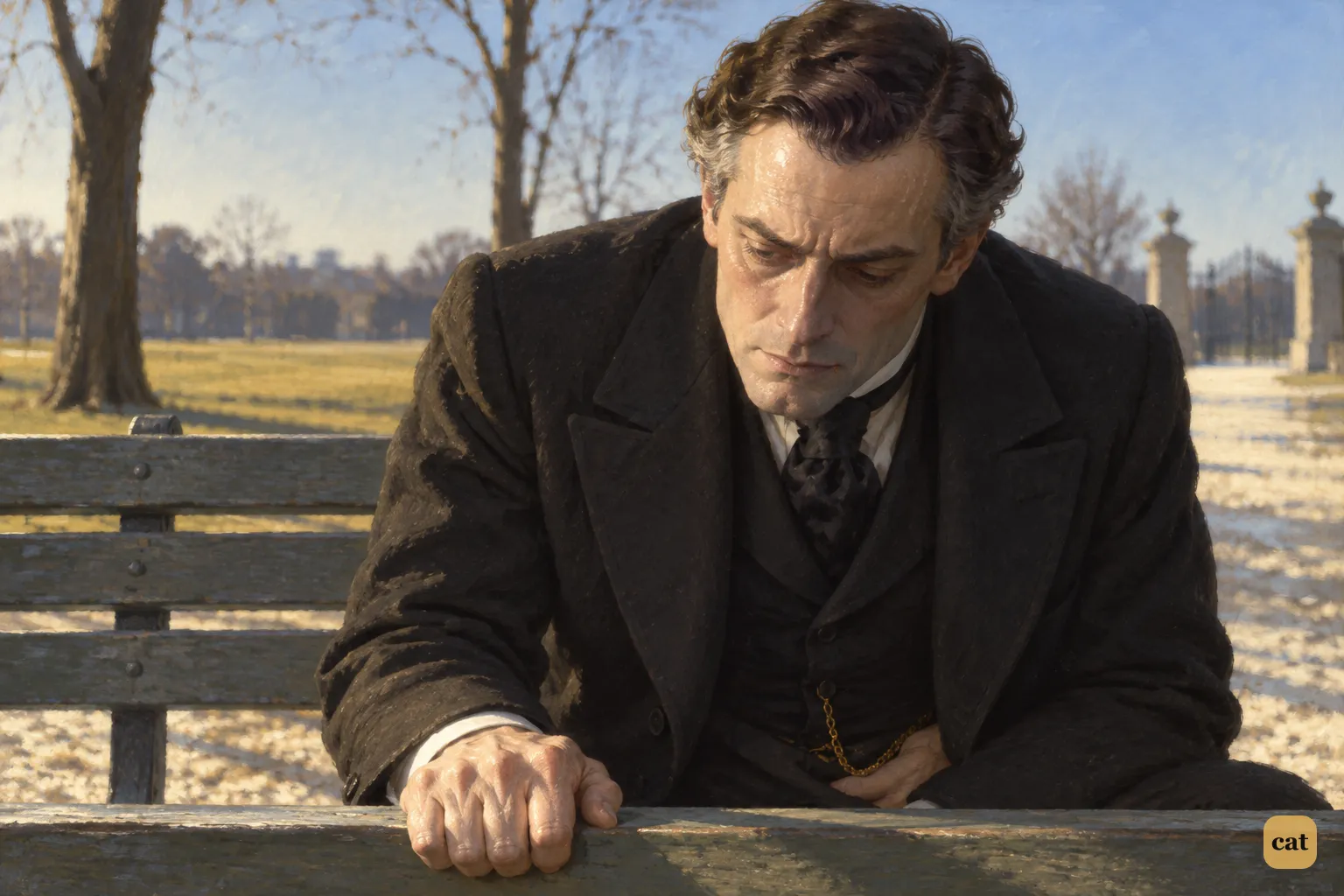
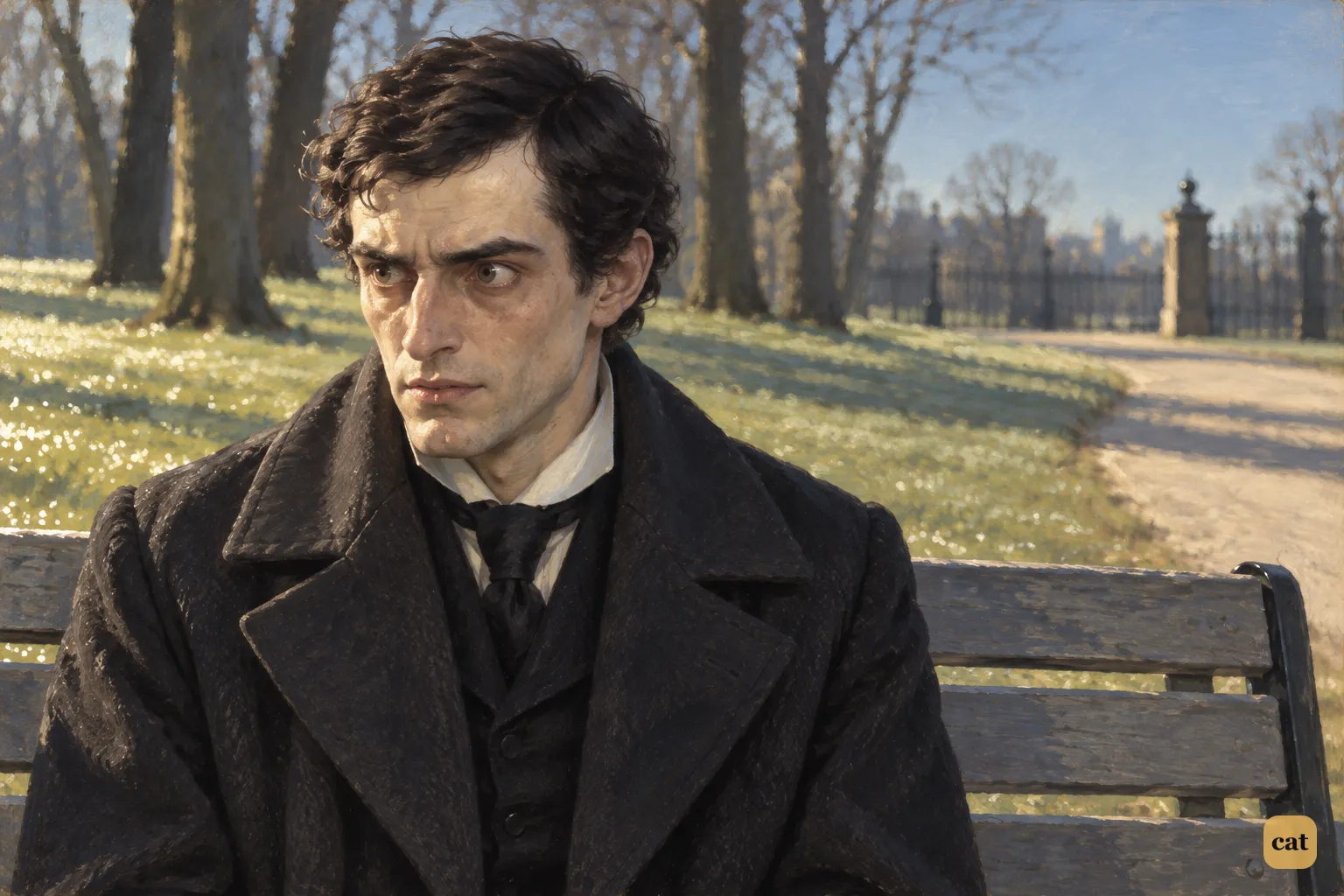
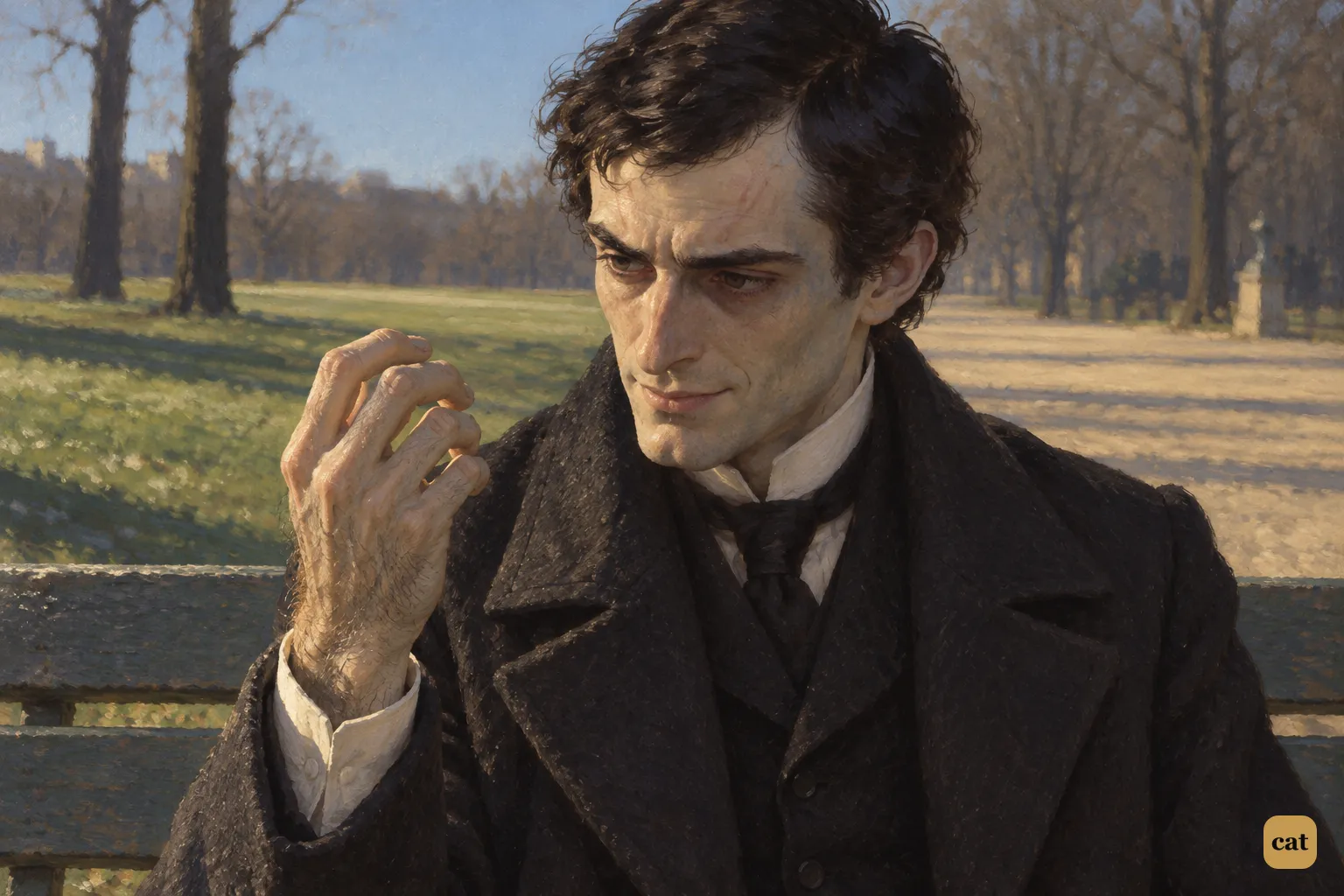
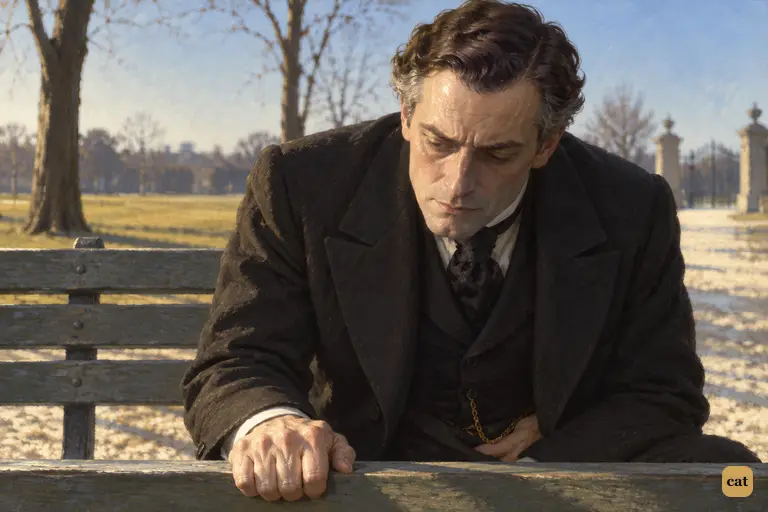
There comes an end to all things; the most capacious measure is filled at last; and this brief condescension to my evil finally destroyed the balance of my soul. And yet I was not alarmed; the fall seemed natural, like a return to the old days before I had made my discovery. It was a fine, clear, January day, wet under foot where the frost had melted, but cloudless overhead; and the Regent’s Park was full of winter chirrupings and sweet with spring odours. I sat in the sun on a bench; the animal within me licking the chops of memory; the spiritual side a little drowsed, promising subsequent penitence, but not yet moved to begin. After all, I reflected, I was like my neighbours; and then I smiled, comparing myself with other men, comparing my active good-will with the lazy cruelty of their neglect. And at the very moment of that vainglorious thought, a qualm came over me, a horrid nausea and the most deadly shuddering. These passed away, and left me faint; and then as in its turn faintness subsided, I began to be aware of a change in the temper of my thoughts, a greater boldness, a contempt of danger, a solution of the bonds of obligation. I looked down; my clothes hung formlessly on my shrunken limbs; the hand that lay on my knee was corded and hairy. I was once more Edward Hyde. A moment before I had been safe of all men’s respect, wealthy, beloved—the cloth laying for me in the dining-room at home; and now I was the common quarry of mankind, hunted, houseless, a known murderer, thrall to the gallows.
Read from here → -
The Qualm
There comes an end to all things; the most capacious measure is filled at last; and this brief condescension to my evil finally destroyed the balance of my soul. And yet I was not alarmed; the fall seemed natural, like a return to the old days before I had made my discovery. It was a fine, clear, January day, wet under foot where the frost had melted, but cloudless overhead; and the Regent’s Park was full of winter chirrupings and sweet with spring odours. I sat in the sun on a bench; the animal within me licking the chops of memory; the spiritual side a little drowsed, promising subsequent penitence, but not yet moved to begin. After all, I reflected, I was like my neighbours; and then I smiled, comparing myself with other men, comparing my active good-will with the lazy cruelty of their neglect. And at the very moment of that vainglorious thought, a qualm came over me, a horrid nausea and the most deadly shuddering. These passed away, and left me faint; and then as in its turn faintness subsided, I began to be aware of a change in the temper of my thoughts, a greater boldness, a contempt of danger, a solution of the bonds of obligation. I looked down; my clothes hung formlessly on my shrunken limbs; the hand that lay on my knee was corded and hairy. I was once more Edward Hyde. A moment before I had been safe of all men’s respect, wealthy, beloved—the cloth laying for me in the dining-room at home; and now I was the common quarry of mankind, hunted, houseless, a known murderer, thrall to the gallows.
Read from here → -
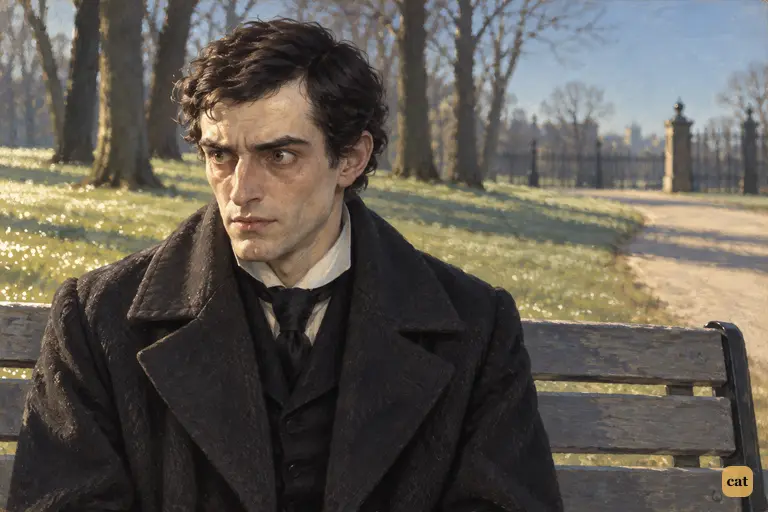
Hyde in Daylight
There comes an end to all things; the most capacious measure is filled at last; and this brief condescension to my evil finally destroyed the balance of my soul. And yet I was not alarmed; the fall seemed natural, like a return to the old days before I had made my discovery. It was a fine, clear, January day, wet under foot where the frost had melted, but cloudless overhead; and the Regent’s Park was full of winter chirrupings and sweet with spring odours. I sat in the sun on a bench; the animal within me licking the chops of memory; the spiritual side a little drowsed, promising subsequent penitence, but not yet moved to begin. After all, I reflected, I was like my neighbours; and then I smiled, comparing myself with other men, comparing my active good-will with the lazy cruelty of their neglect. And at the very moment of that vainglorious thought, a qualm came over me, a horrid nausea and the most deadly shuddering. These passed away, and left me faint; and then as in its turn faintness subsided, I began to be aware of a change in the temper of my thoughts, a greater boldness, a contempt of danger, a solution of the bonds of obligation. I looked down; my clothes hung formlessly on my shrunken limbs; the hand that lay on my knee was corded and hairy. I was once more Edward Hyde. A moment before I had been safe of all men’s respect, wealthy, beloved—the cloth laying for me in the dining-room at home; and now I was the common quarry of mankind, hunted, houseless, a known murderer, thrall to the gallows.
Read from here → -
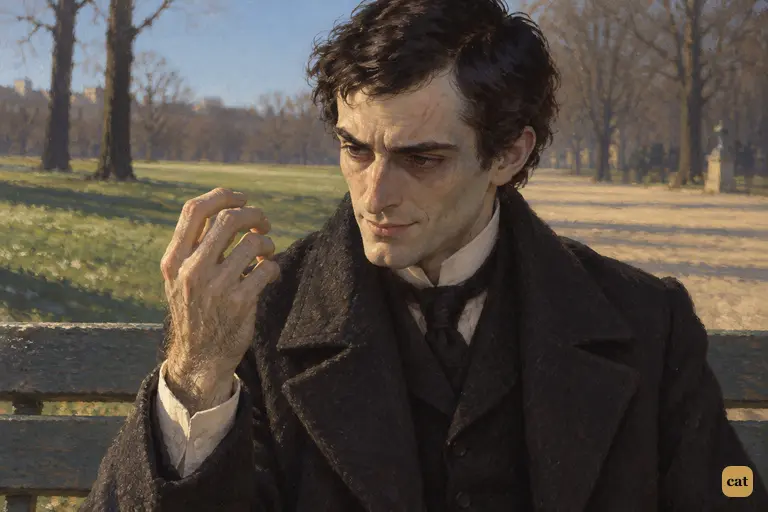
I Could Write
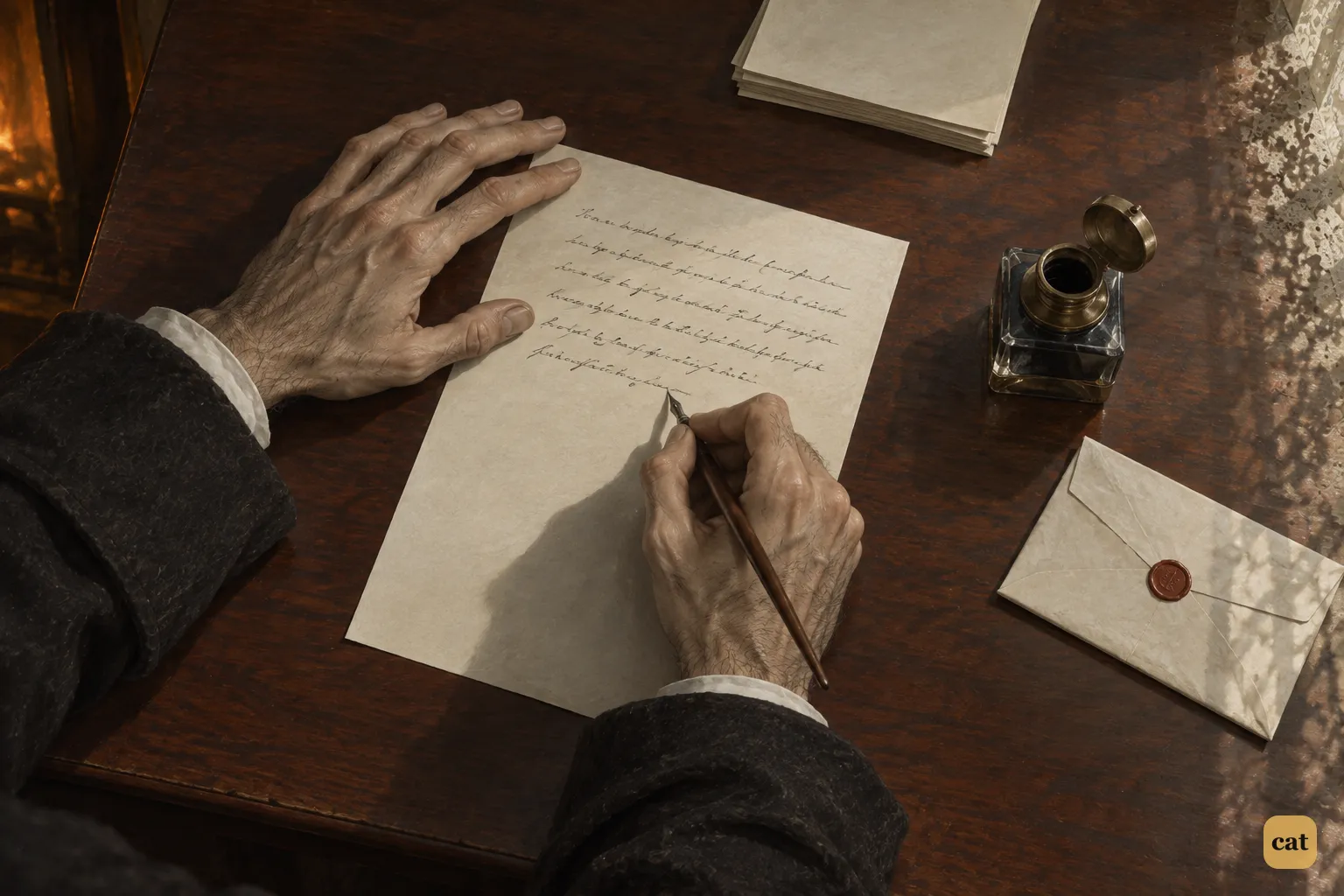
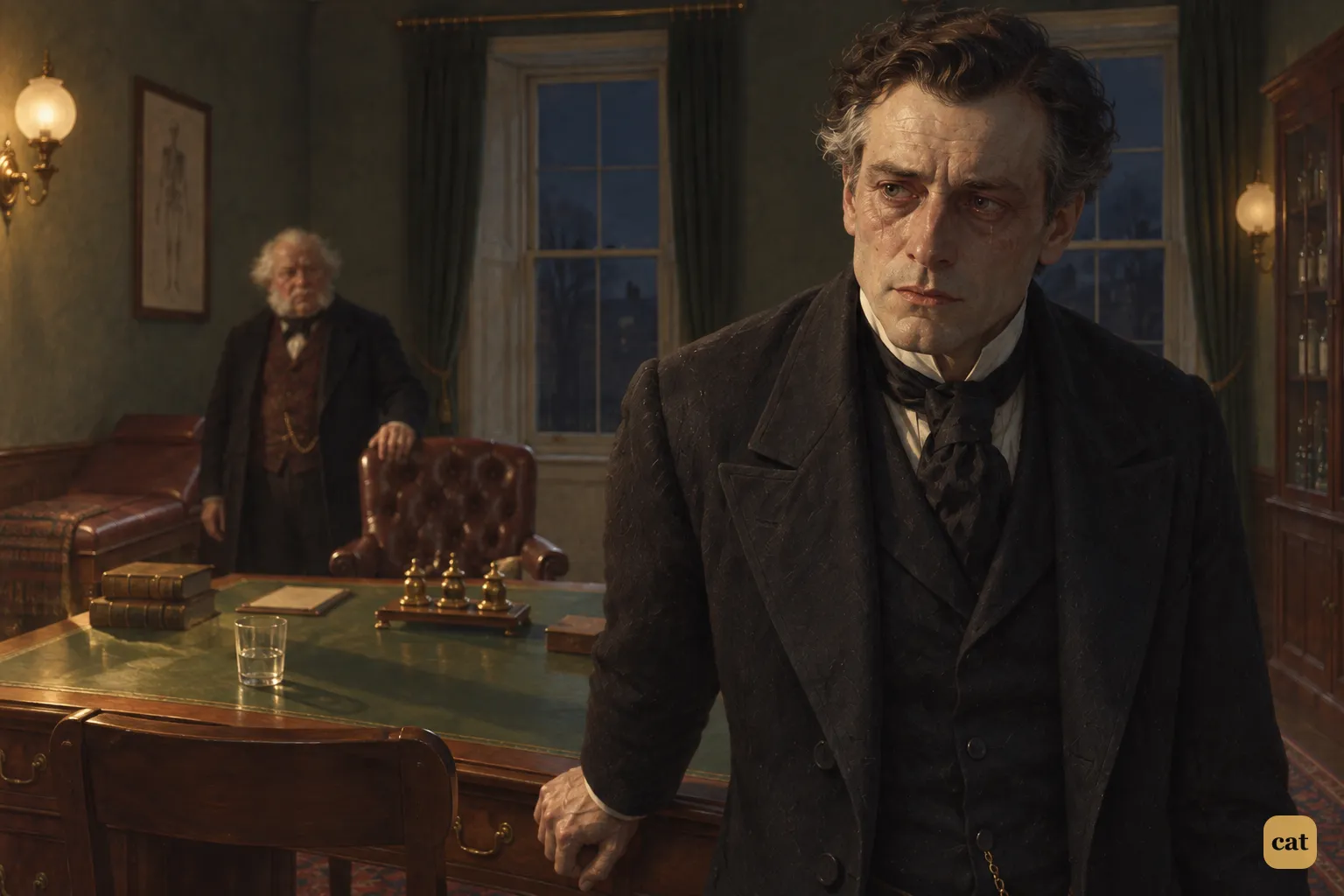
My reason wavered, but it did not fail me utterly. I have more than once observed that in my second character, my faculties seemed sharpened to a point and my spirits more tensely elastic; thus it came about that, where Jekyll perhaps might have succumbed, Hyde rose to the importance of the moment. My drugs were in one of the presses of my cabinet; how was I to reach them? That was the problem that (crushing my temples in my hands) I set myself to solve. The laboratory door I had closed. If I sought to enter by the house, my own servants would consign me to the gallows. I saw I must employ another hand, and thought of Lanyon. How was he to be reached? how persuaded? Supposing that I escaped capture in the streets, how was I to make my way into his presence? and how should I, an unknown and displeasing visitor, prevail on the famous physician to rifle the study of his colleague, Dr. Jekyll? Then I remembered that of my original character, one part remained to me: I could write my own hand; and once I had conceived that kindling spark, the way that I must follow became lighted up from end to end.
Read from here → -
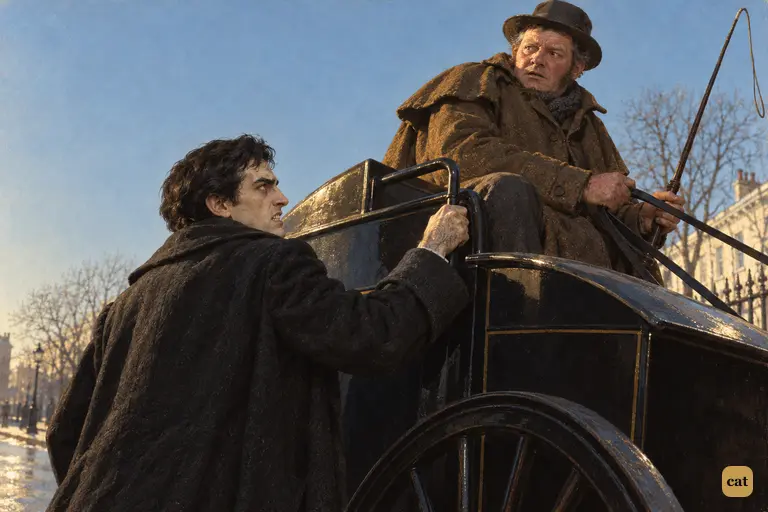
The Smile Withers
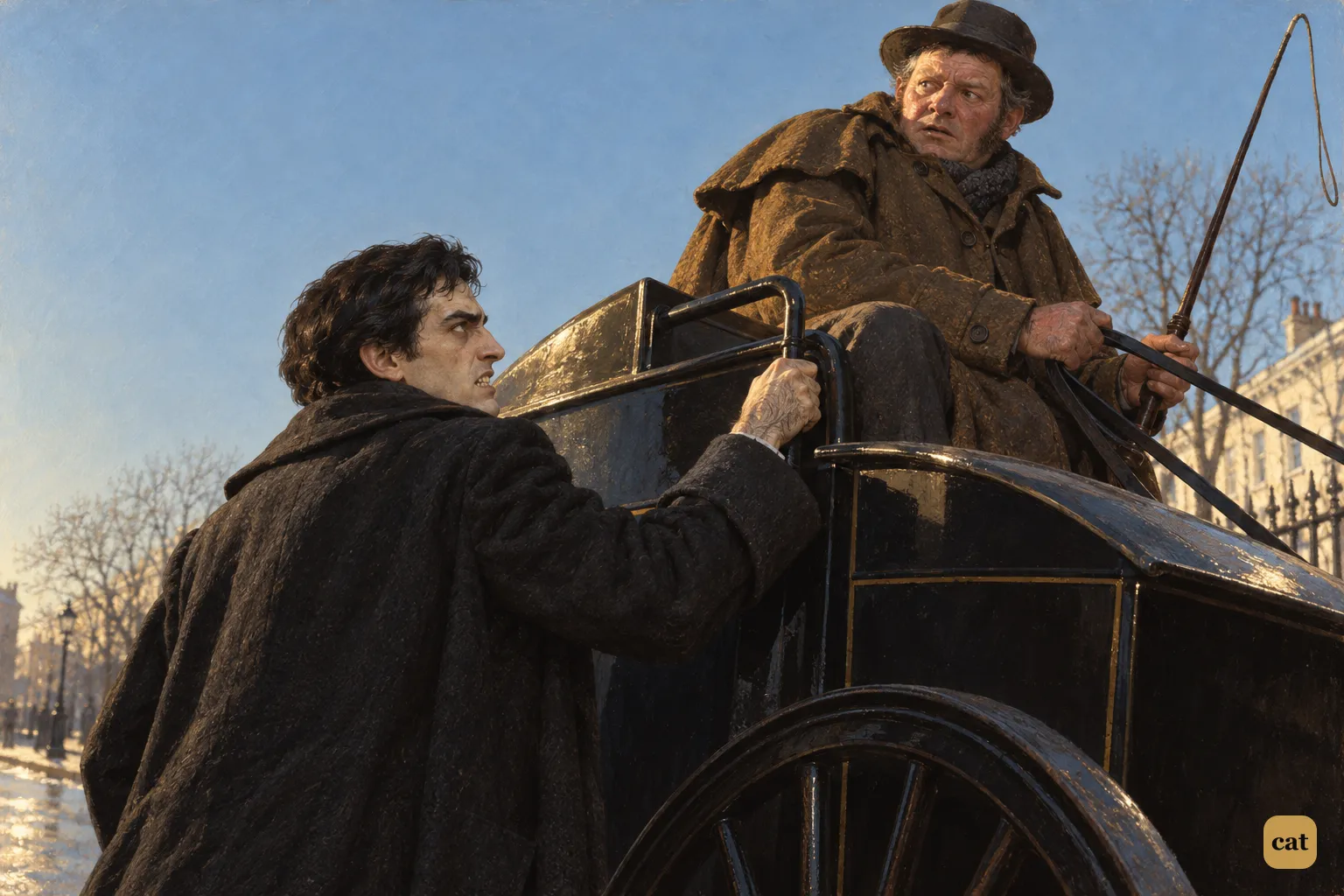
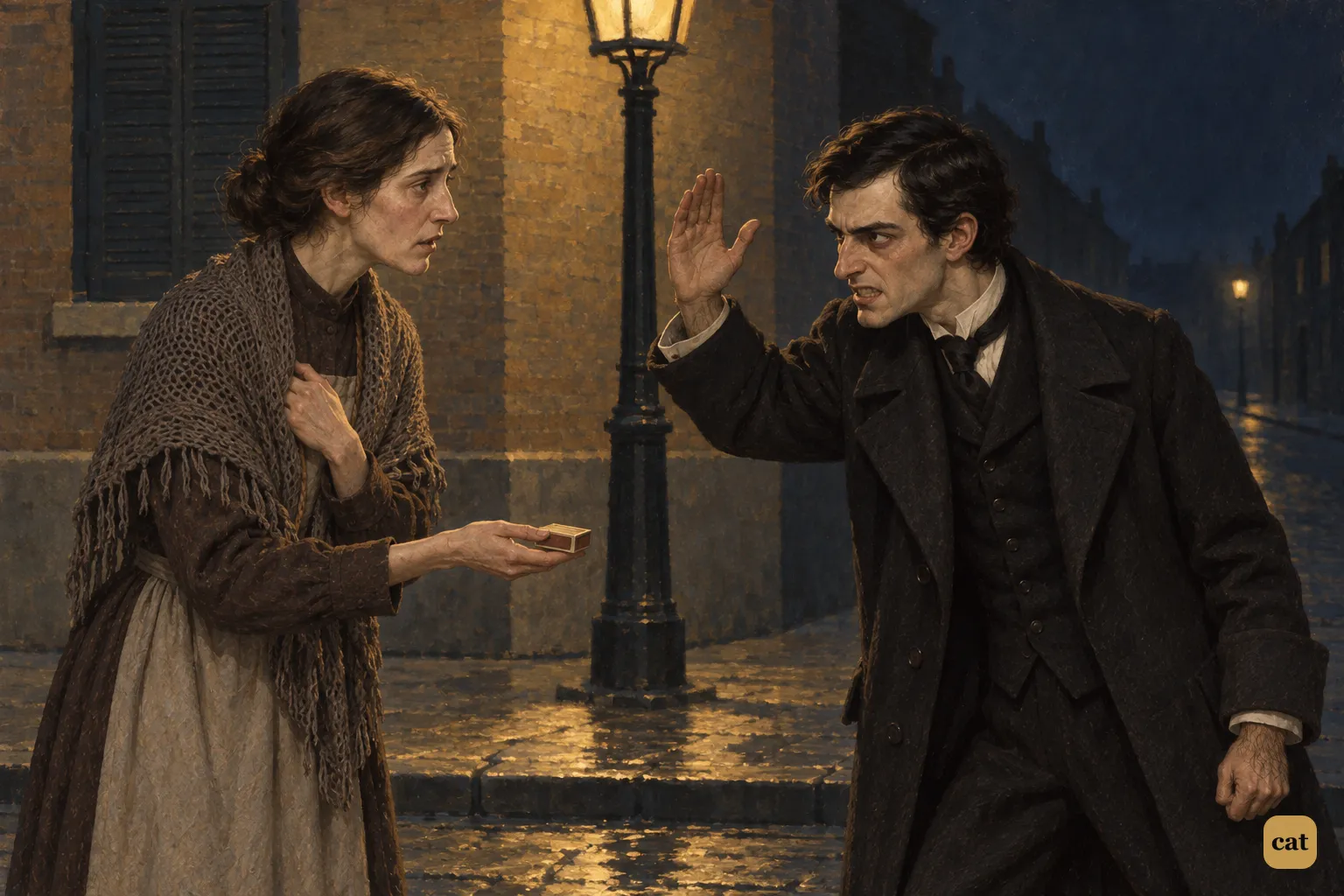
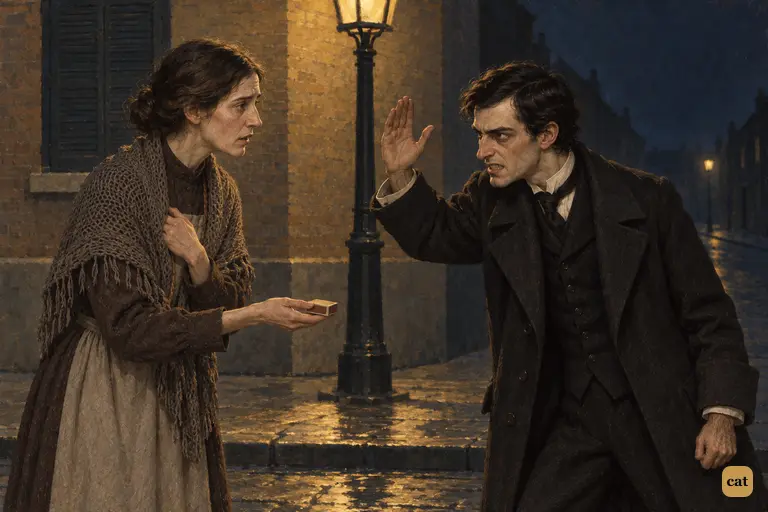
Thereupon, I arranged my clothes as best I could, and summoning a passing hansom, drove to an hotel in Portland Street, the name of which I chanced to remember. At my appearance (which was indeed comical enough, however tragic a fate these garments covered) the driver could not conceal his mirth. I gnashed my teeth upon him with a gust of devilish fury; and the smile withered from his face—happily for him—yet more happily for myself, for in another instant I had certainly dragged him from his perch. At the inn, as I entered, I looked about me with so black a countenance as made the attendants tremble; not a look did they exchange in my presence; but obsequiously took my orders, led me to a private room, and brought me wherewithal to write. Hyde in danger of his life was a creature new to me; shaken with inordinate anger, strung to the pitch of murder, lusting to inflict pain. Yet the creature was astute; mastered his fury with a great effort of the will; composed his two important letters, one to Lanyon and one to Poole; and that he might receive actual evidence of their being posted, sent them out with directions that they should be registered. Thenceforward, he sat all day over the fire in the private room, gnawing his nails; there he dined, sitting alone with his fears, the waiter visibly quailing before his eye; and thence, when the night was fully come, he set forth in the corner of a closed cab, and was driven to and fro about the streets of the city. He, I say—I cannot say, I. That child of Hell had nothing human; nothing lived in him but fear and hatred. And when at last, thinking the driver had begun to grow suspicious, he discharged the cab and ventured on foot, attired in his misfitting clothes, an object marked out for observation, into the midst of the nocturnal passengers, these two base passions raged within him like a tempest. He walked fast, hunted by his fears, chattering to himself, skulking through the less frequented thoroughfares, counting the minutes that still divided him from midnight. Once a woman spoke to him, offering, I think, a box of lights. He smote her in the face, and she fled.
Read from here → -
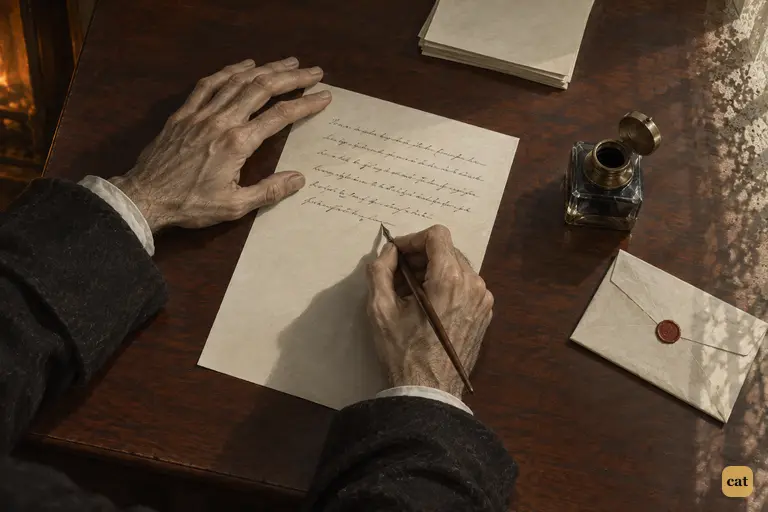
Two Letters in Jekyll's Hand
Thereupon, I arranged my clothes as best I could, and summoning a passing hansom, drove to an hotel in Portland Street, the name of which I chanced to remember. At my appearance (which was indeed comical enough, however tragic a fate these garments covered) the driver could not conceal his mirth. I gnashed my teeth upon him with a gust of devilish fury; and the smile withered from his face—happily for him—yet more happily for myself, for in another instant I had certainly dragged him from his perch. At the inn, as I entered, I looked about me with so black a countenance as made the attendants tremble; not a look did they exchange in my presence; but obsequiously took my orders, led me to a private room, and brought me wherewithal to write. Hyde in danger of his life was a creature new to me; shaken with inordinate anger, strung to the pitch of murder, lusting to inflict pain. Yet the creature was astute; mastered his fury with a great effort of the will; composed his two important letters, one to Lanyon and one to Poole; and that he might receive actual evidence of their being posted, sent them out with directions that they should be registered. Thenceforward, he sat all day over the fire in the private room, gnawing his nails; there he dined, sitting alone with his fears, the waiter visibly quailing before his eye; and thence, when the night was fully come, he set forth in the corner of a closed cab, and was driven to and fro about the streets of the city. He, I say—I cannot say, I. That child of Hell had nothing human; nothing lived in him but fear and hatred. And when at last, thinking the driver had begun to grow suspicious, he discharged the cab and ventured on foot, attired in his misfitting clothes, an object marked out for observation, into the midst of the nocturnal passengers, these two base passions raged within him like a tempest. He walked fast, hunted by his fears, chattering to himself, skulking through the less frequented thoroughfares, counting the minutes that still divided him from midnight. Once a woman spoke to him, offering, I think, a box of lights. He smote her in the face, and she fled.
Read from here → -
The Box of Lights
Thereupon, I arranged my clothes as best I could, and summoning a passing hansom, drove to an hotel in Portland Street, the name of which I chanced to remember. At my appearance (which was indeed comical enough, however tragic a fate these garments covered) the driver could not conceal his mirth. I gnashed my teeth upon him with a gust of devilish fury; and the smile withered from his face—happily for him—yet more happily for myself, for in another instant I had certainly dragged him from his perch. At the inn, as I entered, I looked about me with so black a countenance as made the attendants tremble; not a look did they exchange in my presence; but obsequiously took my orders, led me to a private room, and brought me wherewithal to write. Hyde in danger of his life was a creature new to me; shaken with inordinate anger, strung to the pitch of murder, lusting to inflict pain. Yet the creature was astute; mastered his fury with a great effort of the will; composed his two important letters, one to Lanyon and one to Poole; and that he might receive actual evidence of their being posted, sent them out with directions that they should be registered. Thenceforward, he sat all day over the fire in the private room, gnawing his nails; there he dined, sitting alone with his fears, the waiter visibly quailing before his eye; and thence, when the night was fully come, he set forth in the corner of a closed cab, and was driven to and fro about the streets of the city. He, I say—I cannot say, I. That child of Hell had nothing human; nothing lived in him but fear and hatred. And when at last, thinking the driver had begun to grow suspicious, he discharged the cab and ventured on foot, attired in his misfitting clothes, an object marked out for observation, into the midst of the nocturnal passengers, these two base passions raged within him like a tempest. He walked fast, hunted by his fears, chattering to himself, skulking through the less frequented thoroughfares, counting the minutes that still divided him from midnight. Once a woman spoke to him, offering, I think, a box of lights. He smote her in the face, and she fled.
Read from here → -
Restored at Lanyon's
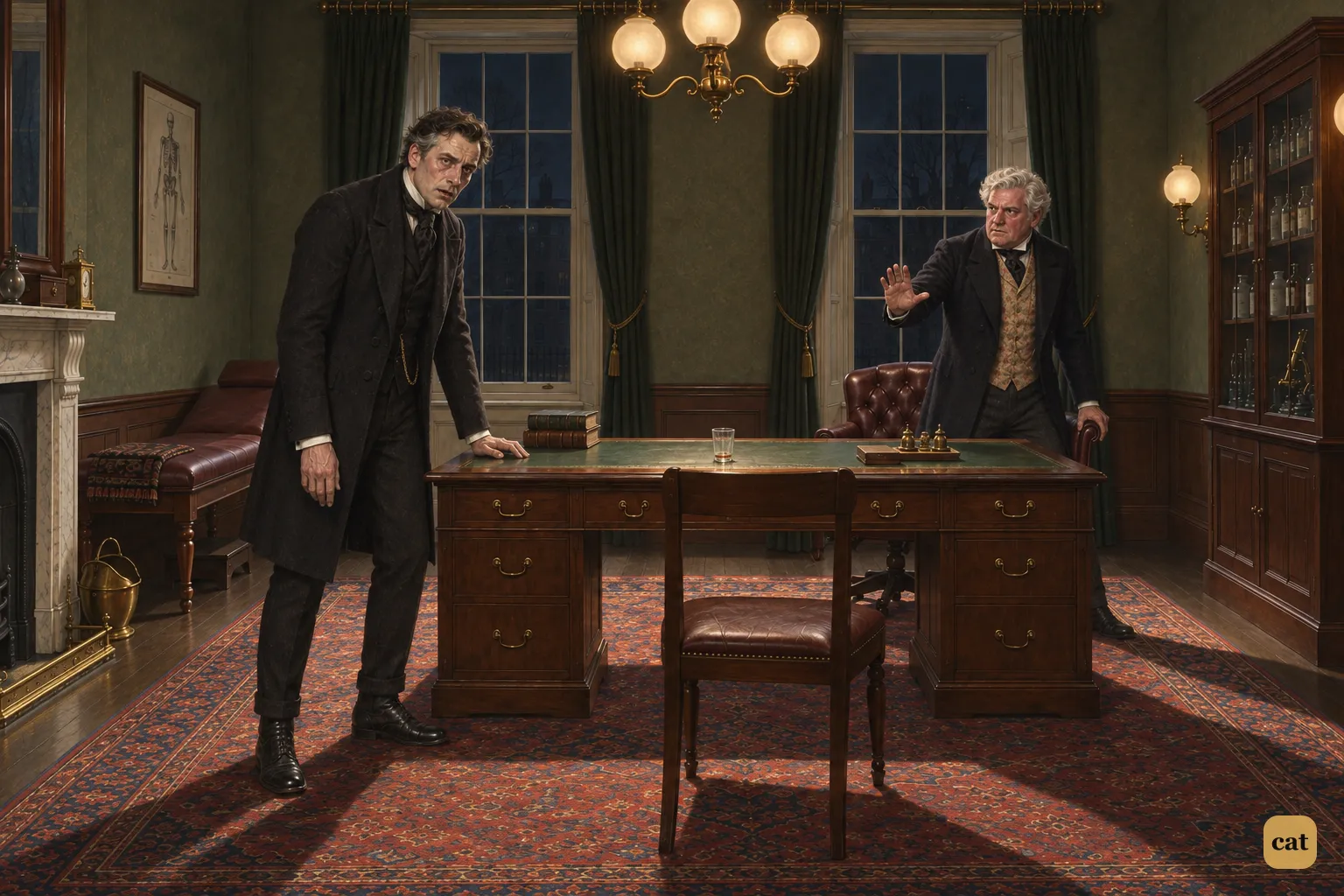
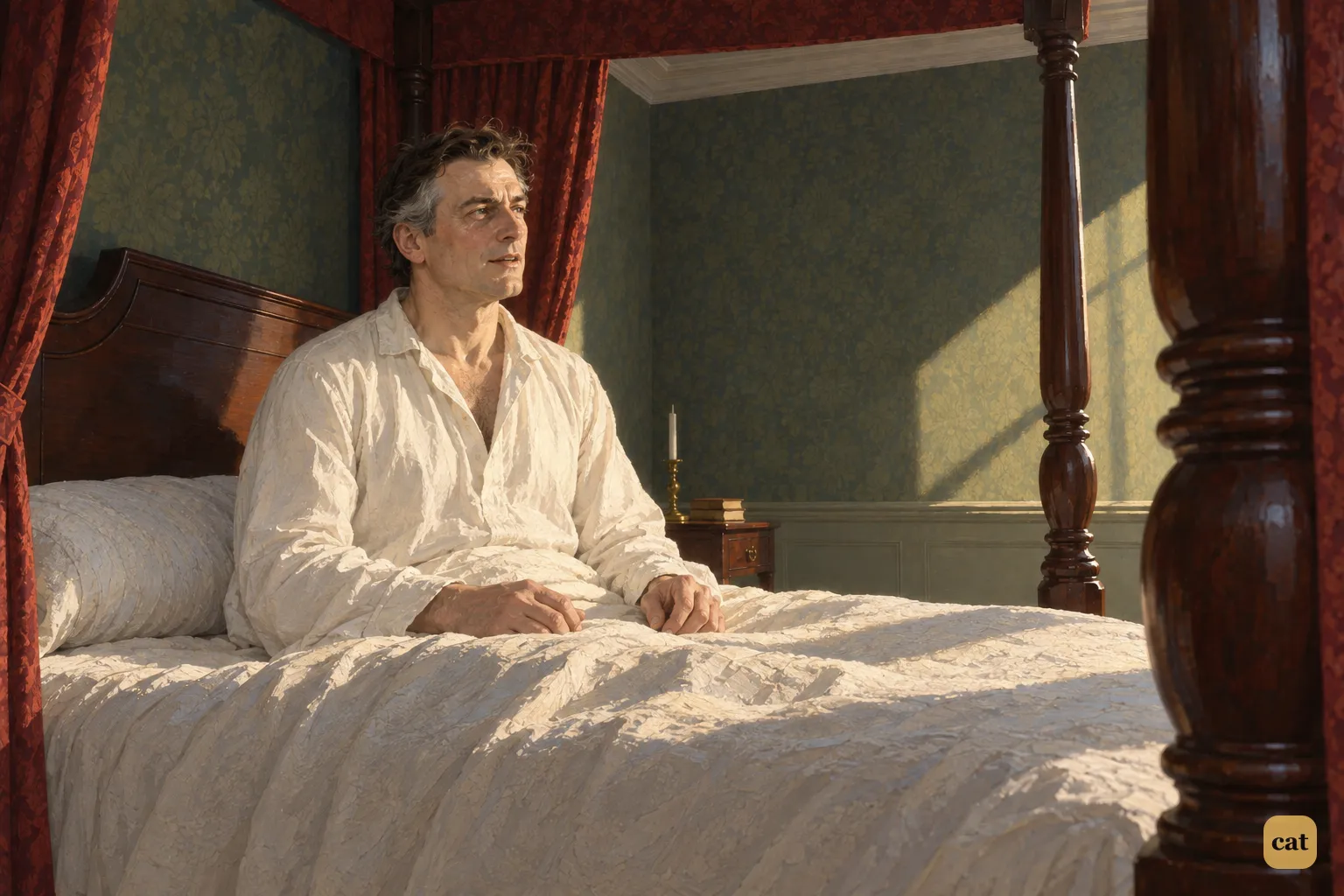
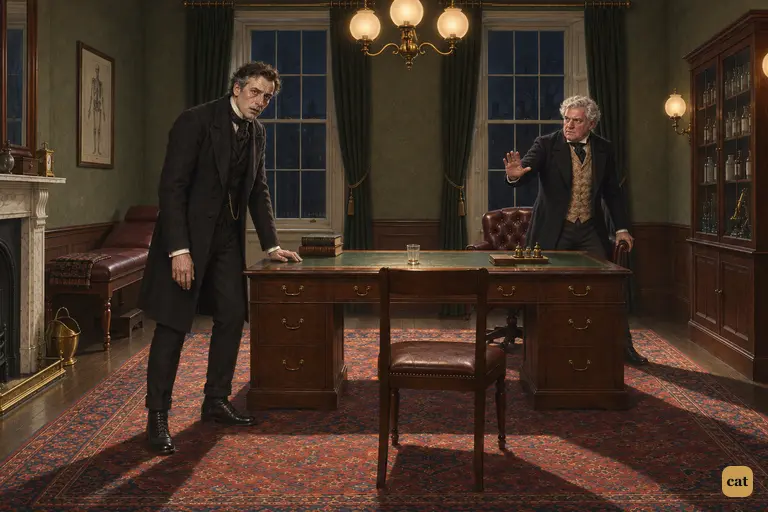
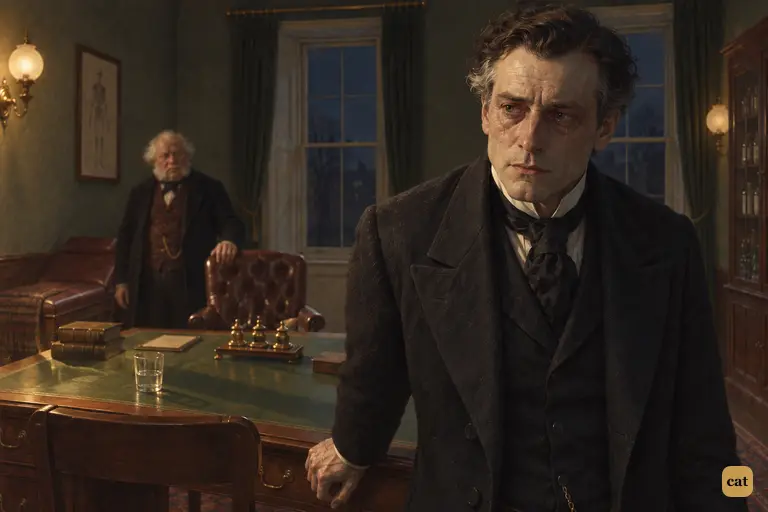
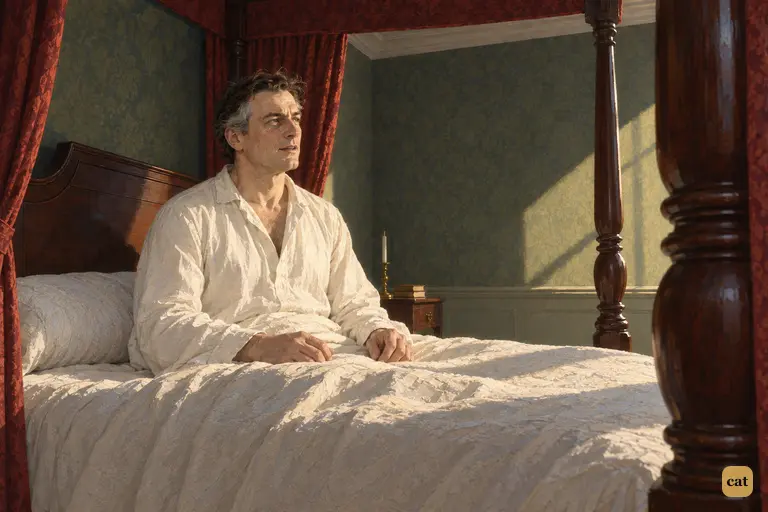
When I came to myself at Lanyon’s, the horror of my old friend perhaps affected me somewhat: I do not know; it was at least but a drop in the sea to the abhorrence with which I looked back upon these hours. A change had come over me. It was no longer the fear of the gallows, it was the horror of being Hyde that racked me. I received Lanyon’s condemnation partly in a dream; it was partly in a dream that I came home to my own house and got into bed. I slept after the prostration of the day, with a stringent and profound slumber which not even the nightmares that wrung me could avail to break. I awoke in the morning shaken, weakened, but refreshed. I still hated and feared the thought of the brute that slept within me, and I had not of course forgotten the appalling dangers of the day before; but I was once more at home, in my own house and close to my drugs; and gratitude for my escape shone so strong in my soul that it almost rivalled the brightness of hope.
Read from here → -
The Horror of Being Hyde
When I came to myself at Lanyon’s, the horror of my old friend perhaps affected me somewhat: I do not know; it was at least but a drop in the sea to the abhorrence with which I looked back upon these hours. A change had come over me. It was no longer the fear of the gallows, it was the horror of being Hyde that racked me. I received Lanyon’s condemnation partly in a dream; it was partly in a dream that I came home to my own house and got into bed. I slept after the prostration of the day, with a stringent and profound slumber which not even the nightmares that wrung me could avail to break. I awoke in the morning shaken, weakened, but refreshed. I still hated and feared the thought of the brute that slept within me, and I had not of course forgotten the appalling dangers of the day before; but I was once more at home, in my own house and close to my drugs; and gratitude for my escape shone so strong in my soul that it almost rivalled the brightness of hope.
Read from here → -
Almost Hope
When I came to myself at Lanyon’s, the horror of my old friend perhaps affected me somewhat: I do not know; it was at least but a drop in the sea to the abhorrence with which I looked back upon these hours. A change had come over me. It was no longer the fear of the gallows, it was the horror of being Hyde that racked me. I received Lanyon’s condemnation partly in a dream; it was partly in a dream that I came home to my own house and got into bed. I slept after the prostration of the day, with a stringent and profound slumber which not even the nightmares that wrung me could avail to break. I awoke in the morning shaken, weakened, but refreshed. I still hated and feared the thought of the brute that slept within me, and I had not of course forgotten the appalling dangers of the day before; but I was once more at home, in my own house and close to my drugs; and gratitude for my escape shone so strong in my soul that it almost rivalled the brightness of hope.
Read from here → -
Chapter 10
The Unbidden Change in Regent's Park
Next chapter: The Last Powder and the Sealed Confession Read this chapter