 Author
-
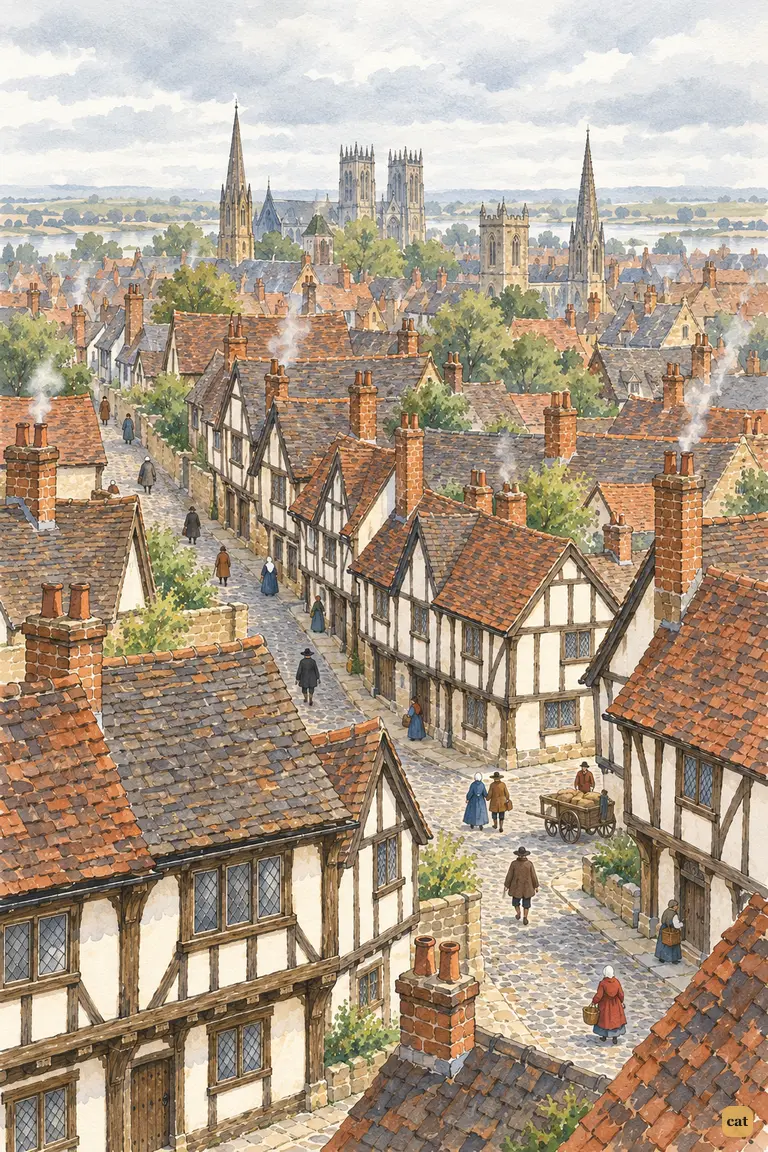
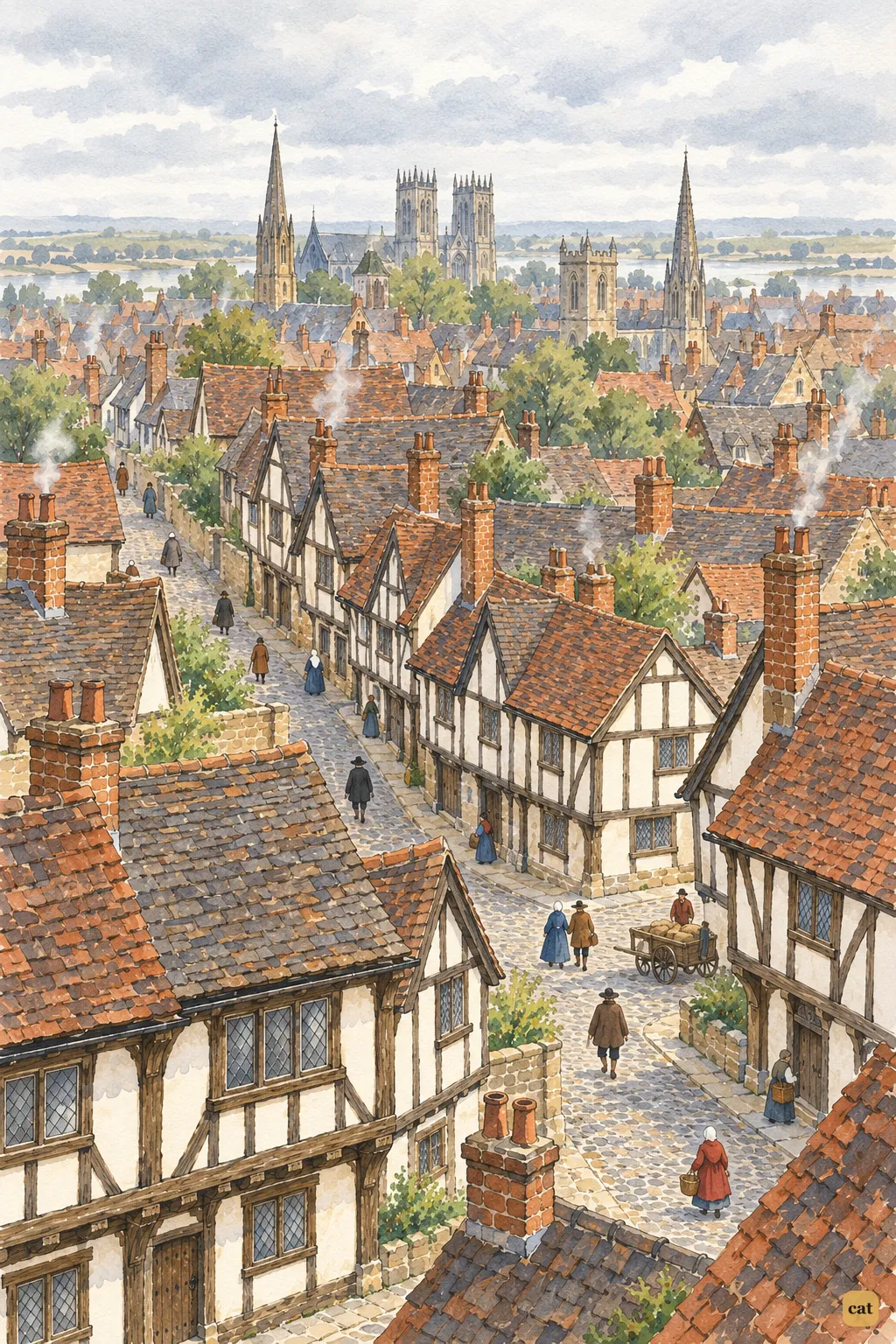
York under a grey morning
I was born in the year 1632, in the city of York, of a good family, though not of that country, my father being a foreigner of Bremen, who settled first at Hull. He got a good estate by merchandise, and leaving off his trade, lived afterwards at York, from whence he had married my mother, whose relations were named Robinson, a very good family in that country, and from whom I was called Robinson Kreutznaer; but, by the usual corruption of words in England, we are now called—nay, we call ourselves and write our name—Crusoe; and so my companions always called me.
Read from here → -

Father's tears
I observed in this last part of his discourse, which was truly prophetic, though I suppose my father did not know it to be so himself—I say, I observed the tears run down his face very plentifully, especially when he spoke of my brother who was killed: and that when he spoke of my having leisure to repent, and none to assist me, he was so moved that he broke off the discourse, and told me his heart was so full he could say no more to me.
Read from here → -
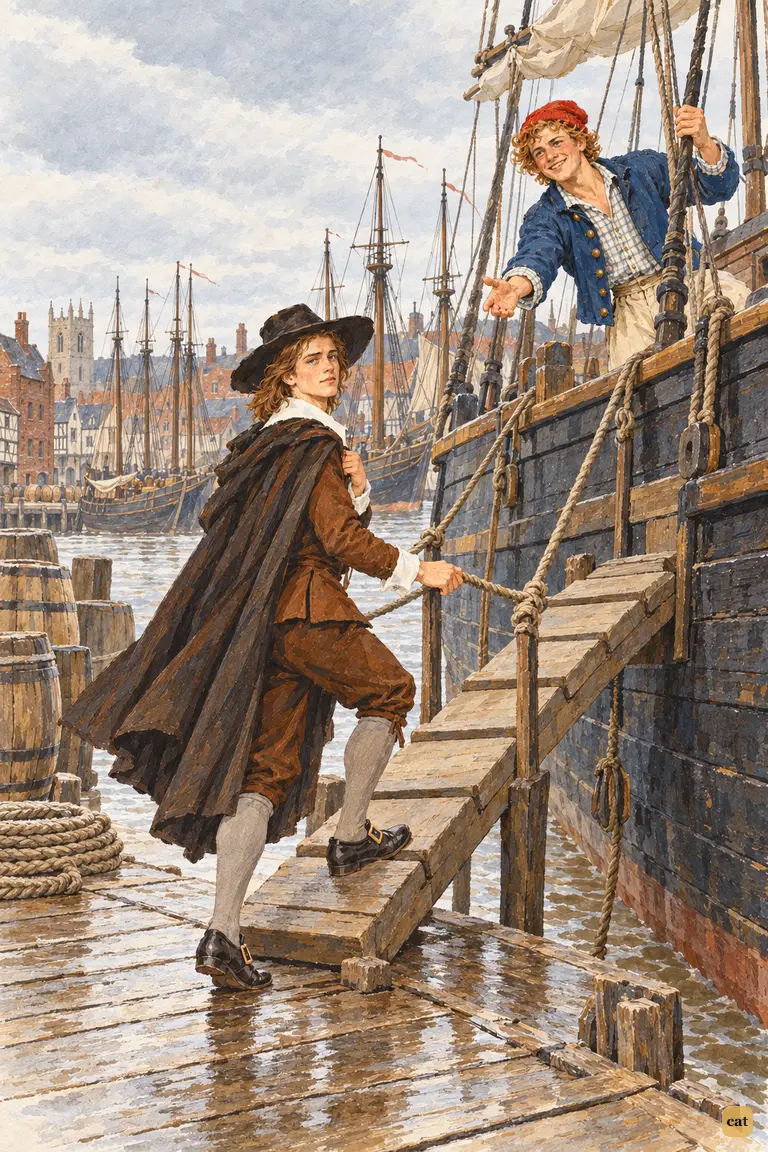
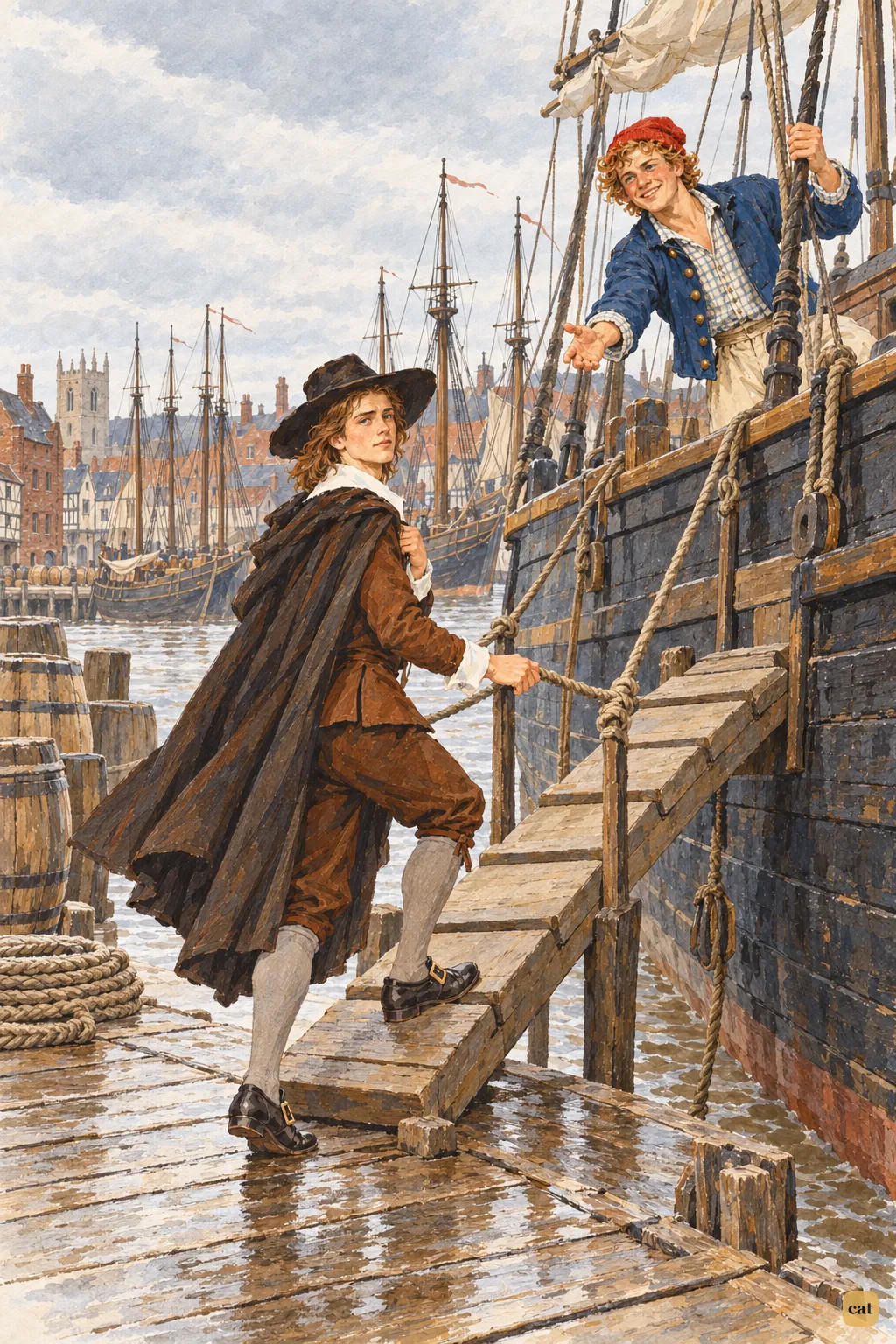
Boarding at Hull
It was not till almost a year after this that I broke loose, though, in the meantime, I continued obstinately deaf to all proposals of settling to business, and frequently expostulated with my father and mother about their being so positively determined against what they knew my inclinations prompted me to. But being one day at Hull, where I went casually, and without any purpose of making an elopement at that time; but, I say, being there, and one of my companions being about to sail to London in his father’s ship, and prompting me to go with them with the common allurement of seafaring men, that it should cost me nothing for my passage, I consulted neither father nor mother any more, nor so much as sent them word of it; but leaving them to hear of it as they might, without asking God’s blessing or my father’s, without any consideration of circumstances or consequences, and in an ill hour, God knows, on the 1st of September 1651, I went on board a ship bound for London. Never any young adventurer’s misfortunes, I believe, began sooner, or continued longer than mine. The ship was no sooner out of the Humber than the wind began to blow and the sea to rise in a most frightful manner; and, as I had never been at sea before, I was most inexpressibly sick in body and terrified in mind. I began now seriously to reflect upon what I had done, and how justly I was overtaken by the judgment of Heaven for my wicked leaving my father’s house, and abandoning my duty. All the good counsels of my parents, my father’s tears and my mother’s entreaties, came now fresh into my mind; and my conscience, which was not yet come to the pitch of hardness to which it has since, reproached me with the contempt of advice, and the breach of my duty to God and my father.
Read from here → -
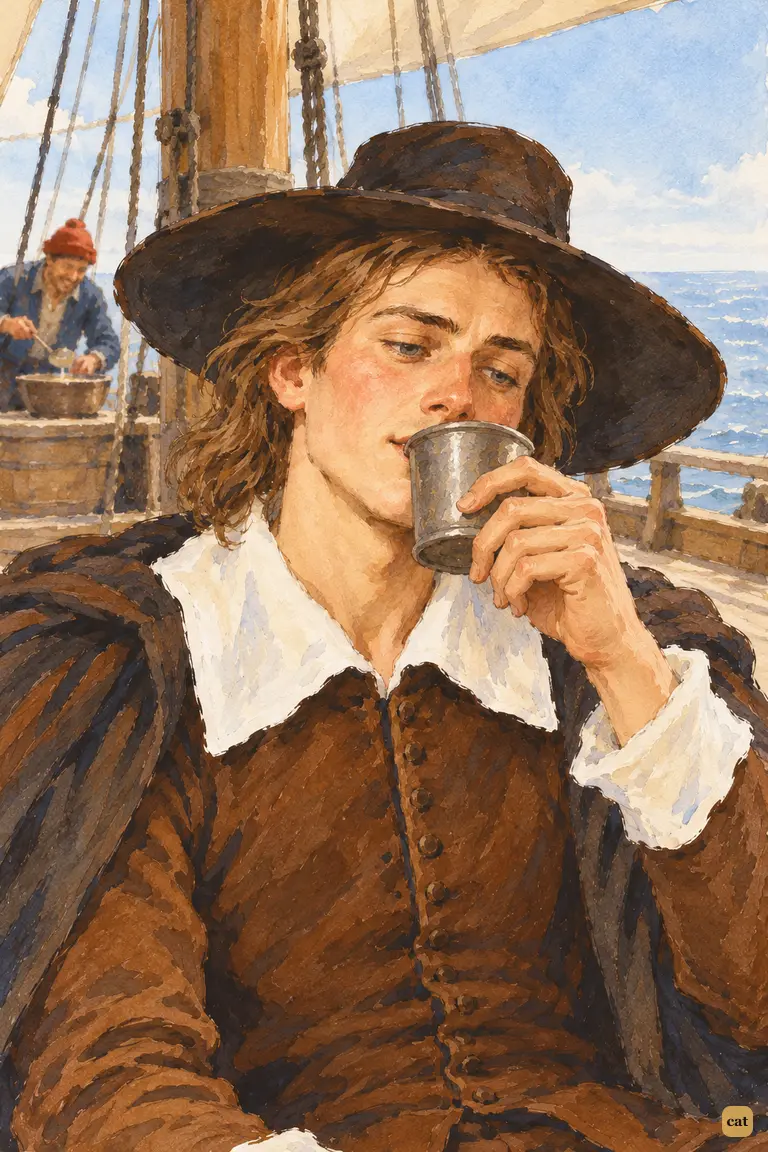
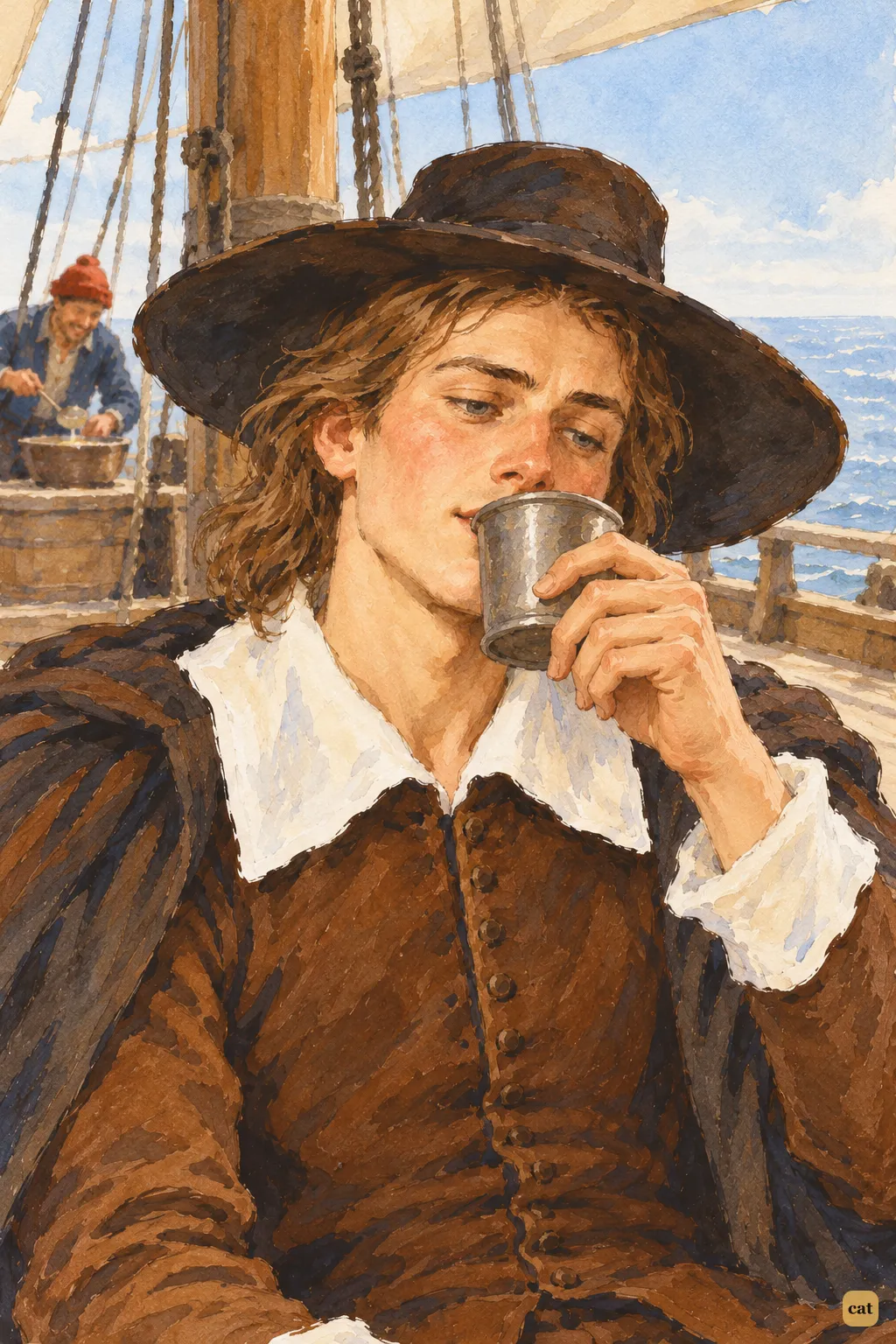
Repentance drowned
I had slept well in the night, and was now no more sea-sick, but very cheerful, looking with wonder upon the sea that was so rough and terrible the day before, and could be so calm and so pleasant in so little a time after. And now, lest my good resolutions should continue, my companion, who had enticed me away, comes to me; “Well, Bob,” says he, clapping me upon the shoulder, “how do you do after it? I warrant you were frighted, wer’n’t you, last night, when it blew but a capful of wind?” “A capful d’you call it?” said I; “’twas a terrible storm.” “A storm, you fool you,” replies he; “do you call that a storm? why, it was nothing at all; give us but a good ship and sea-room, and we think nothing of such a squall of wind as that; but you’re but a fresh-water sailor, Bob. Come, let us make a bowl of punch, and we’ll forget all that; d’ye see what charming weather ’tis now?” To make short this sad part of my story, we went the way of all sailors; the punch was made and I was made half drunk with it: and in that one night’s wickedness I drowned all my repentance, all my reflections upon my past conduct, all my resolutions for the future. In a word, as the sea was returned to its smoothness of surface and settled calmness by the abatement of that storm, so the hurry of my thoughts being over, my fears and apprehensions of being swallowed up by the sea being forgotten, and the current of my former desires returned, I entirely forgot the vows and promises that I made in my distress. I found, indeed, some intervals of reflection; and the serious thoughts did, as it were, endeavour to return again sometimes; but I shook them off, and roused myself from them as it were from a distemper, and applying myself to drinking and company, soon mastered the return of those fits—for so I called them; and I had in five or six days got as complete a victory over conscience as any young fellow that resolved not to be troubled with it could desire. But I was to have another trial for it still; and Providence, as in such cases generally it does, resolved to leave me entirely without excuse; for if I would not take this for a deliverance, the next was to be such a one as the worst and most hardened wretch among us would confess both the danger and the mercy of.
Read from here → -
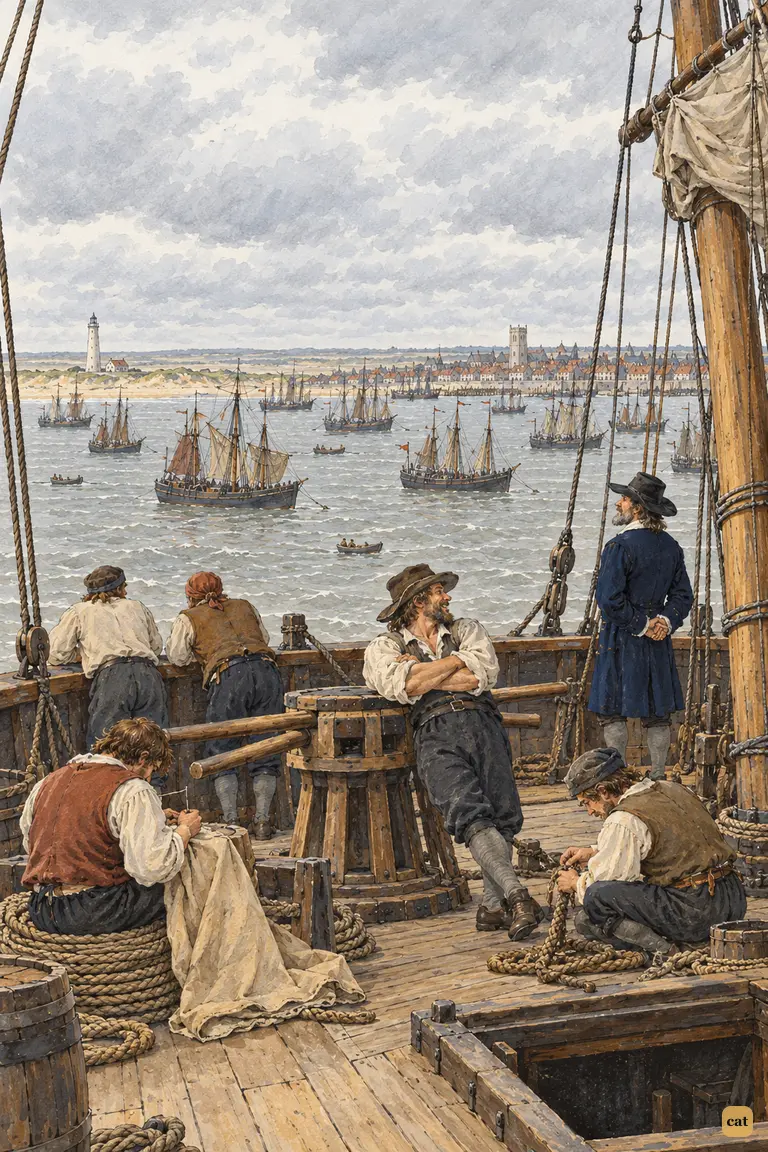
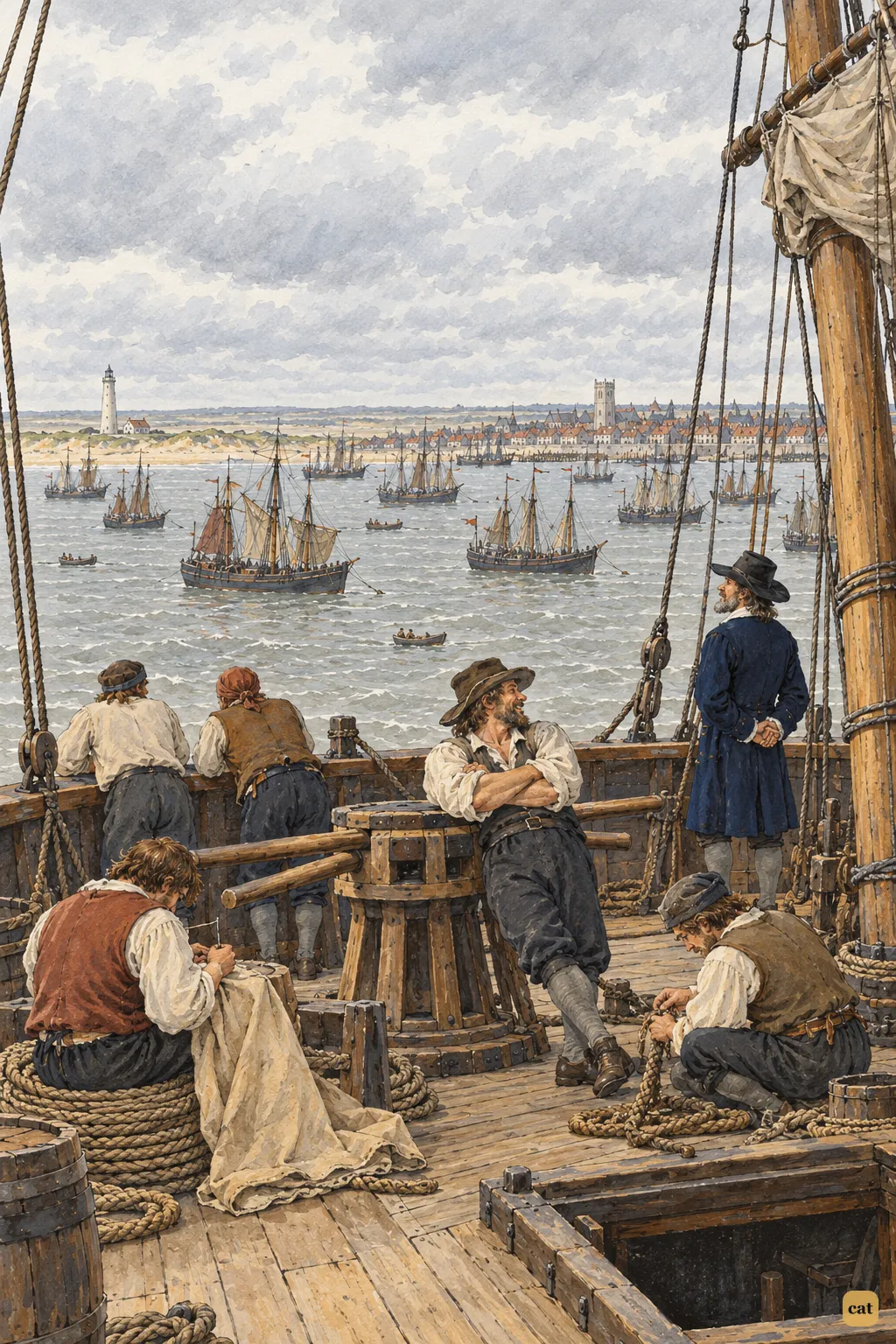
Waiting in Yarmouth Roads
The sixth day of our being at sea we came into Yarmouth Roads; the wind having been contrary and the weather calm, we had made but little way since the storm. Here we were obliged to come to an anchor, and here we lay, the wind continuing contrary—viz. at south-west—for seven or eight days, during which time a great many ships from Newcastle came into the same Roads, as the common harbour where the ships might wait for a wind for the river.
Read from here → -
Cutting away the masts
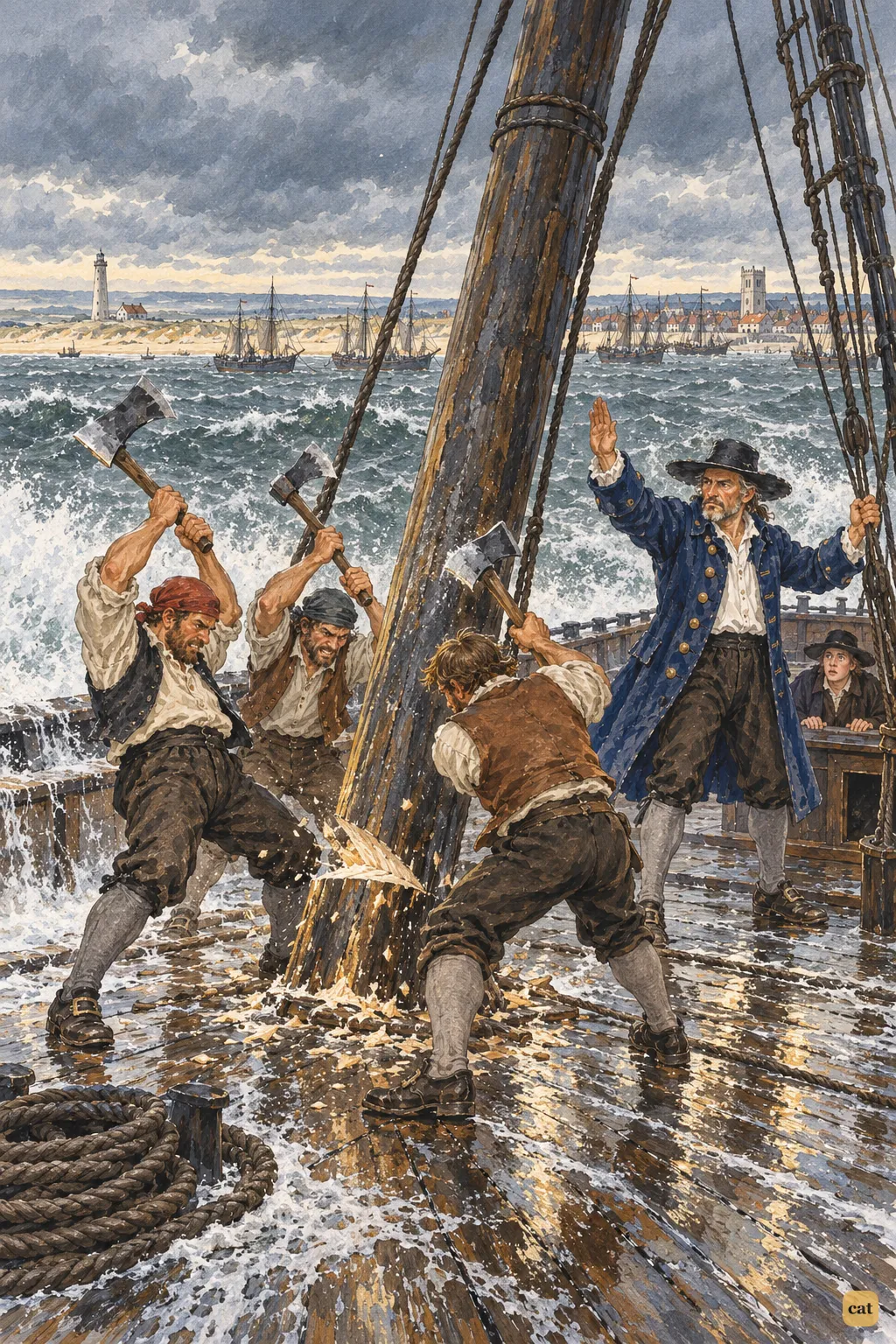
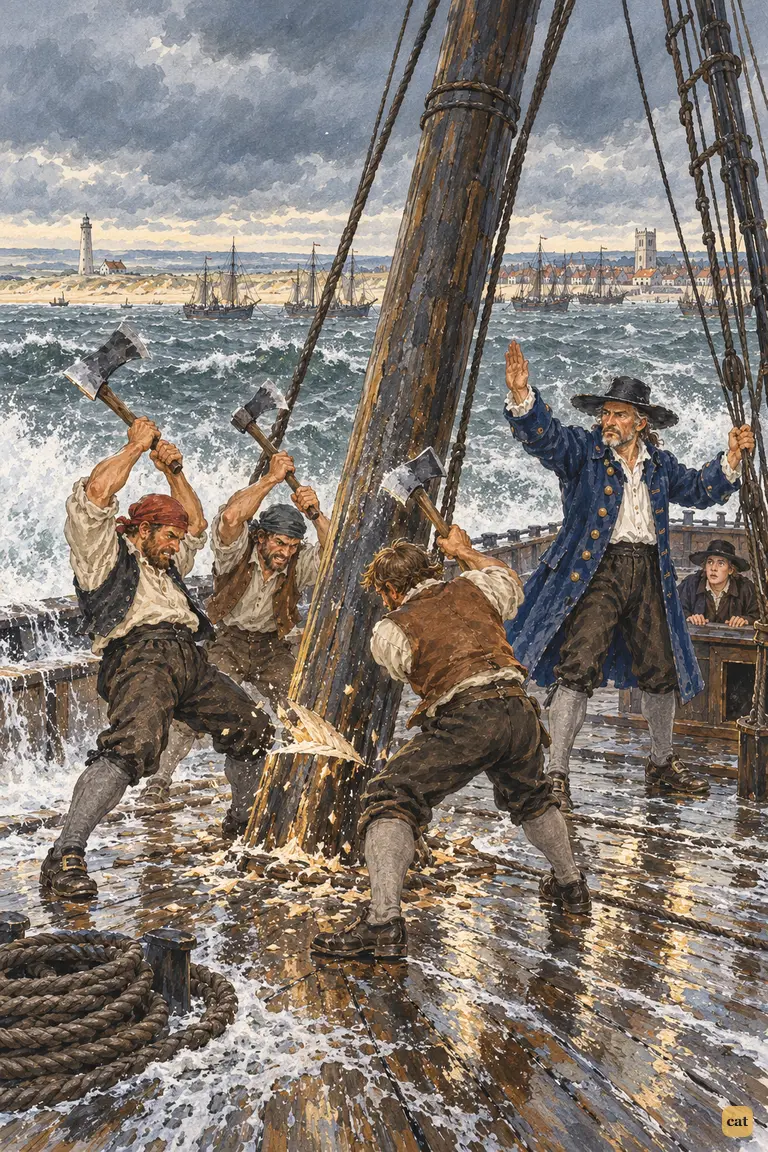
Towards evening the mate and boatswain begged the master of our ship to let them cut away the fore-mast, which he was very unwilling to do; but the boatswain protesting to him that if he did not the ship would founder, he consented; and when they had cut away the fore-mast, the main-mast stood so loose, and shook the ship so much, they were obliged to cut that away also, and make a clear deck.
Read from here → -
The ship goes down
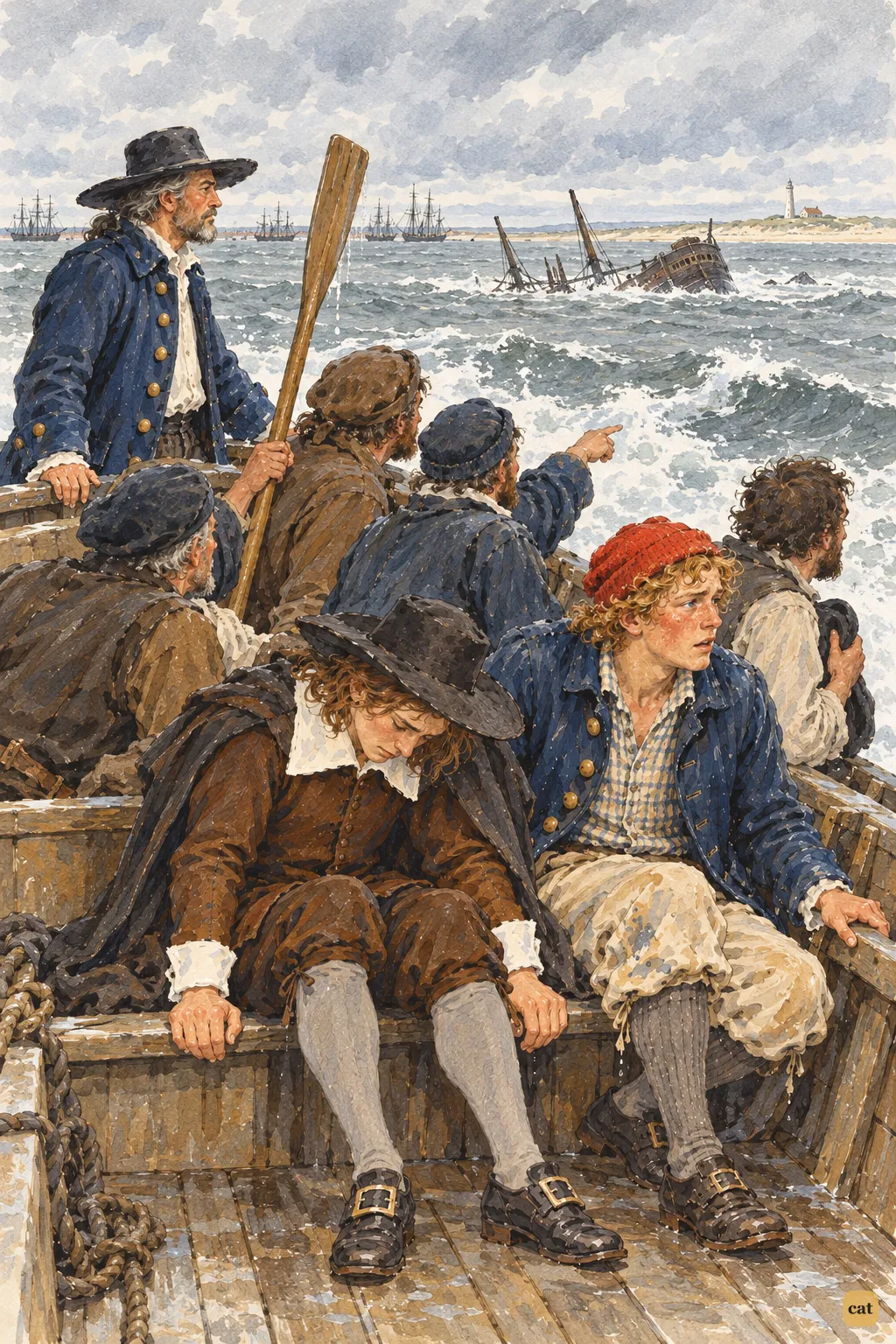
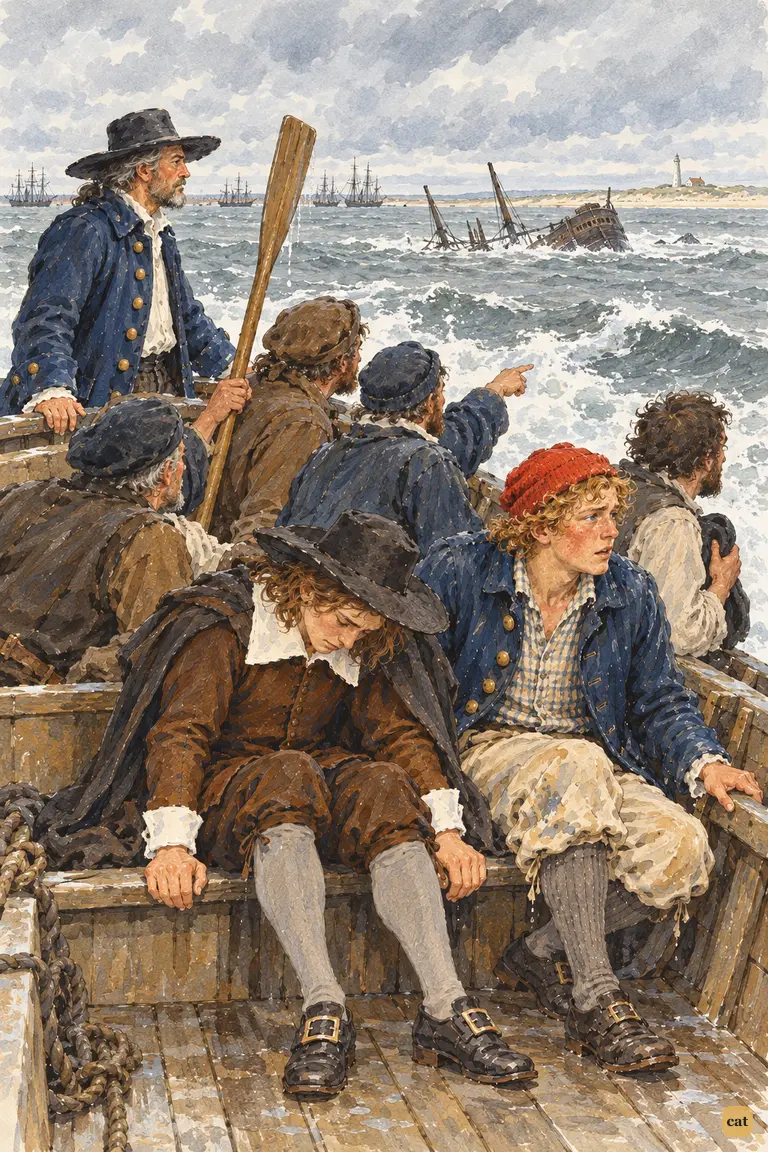
We were not much more than a quarter of an hour out of our ship till we saw her sink, and then I understood for the first time what was meant by a ship foundering in the sea. I must acknowledge I had hardly eyes to look up when the seamen told me she was sinking; for from the moment that they rather put me into the boat than that I might be said to go in, my heart was, as it were, dead within me, partly with fright, partly with horror of mind, and the thoughts of what was yet before me.
Read from here → -
"You ought never to go to sea"
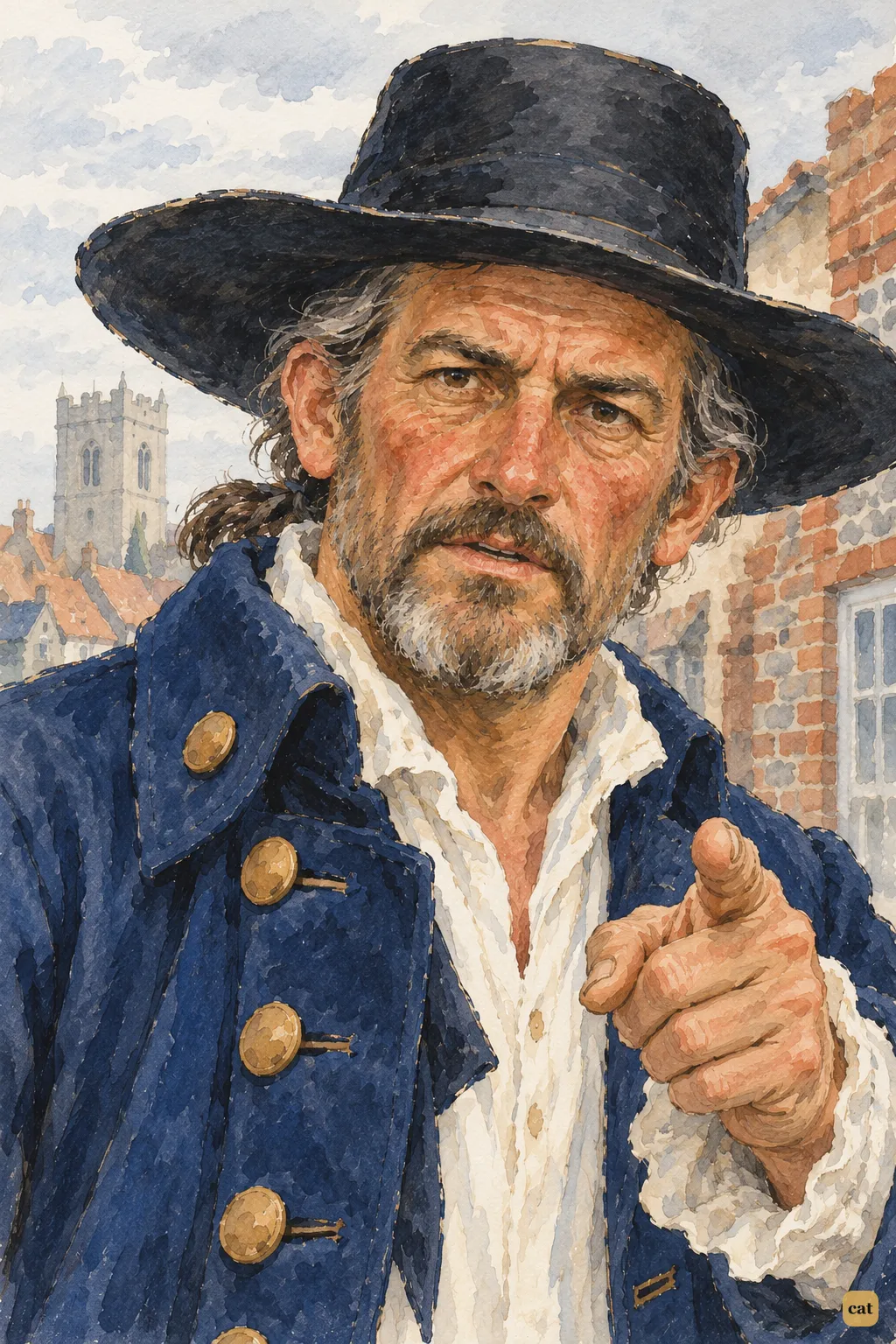
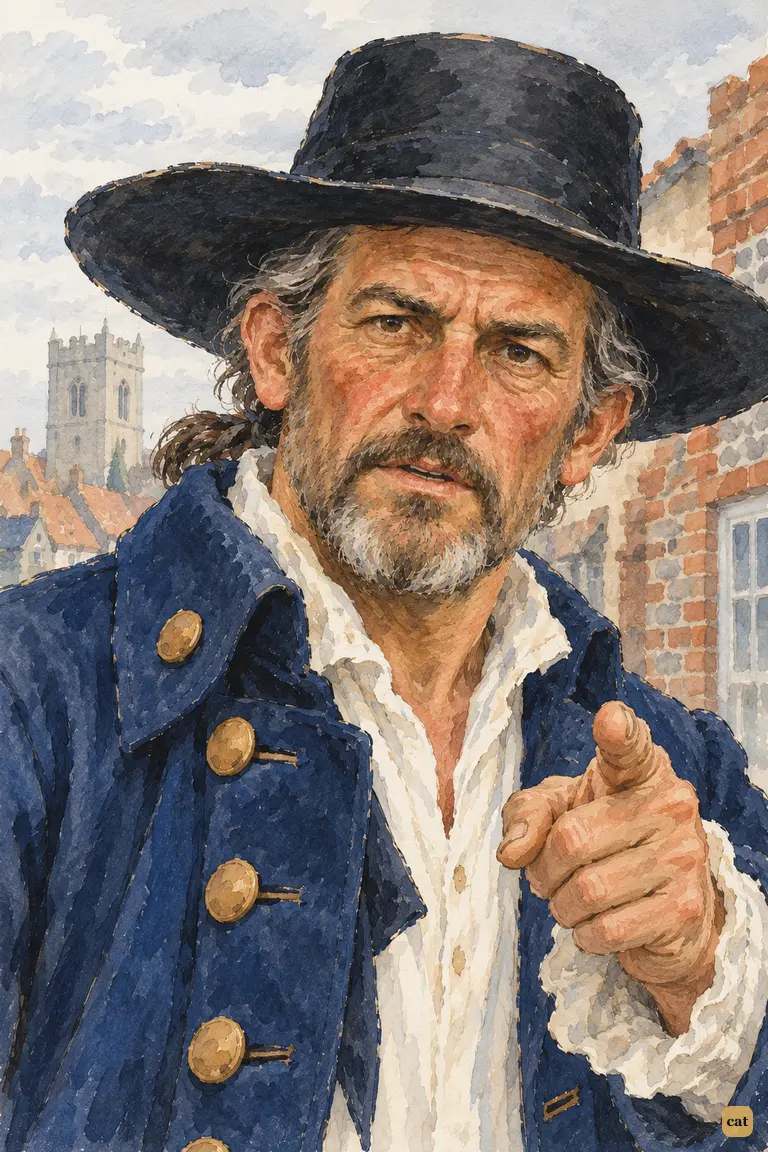
My comrade, who had helped to harden me before, and who was the master’s son, was now less forward than I. The first time he spoke to me after we were at Yarmouth, which was not till two or three days, for we were separated in the town to several quarters; I say, the first time he saw me, it appeared his tone was altered; and, looking very melancholy, and shaking his head, he asked me how I did, and telling his father who I was, and how I had come this voyage only for a trial, in order to go further abroad, his father, turning to me with a very grave and concerned tone “Young man,” says he, “you ought never to go to sea any more; you ought to take this for a plain and visible token that you are not to be a seafaring man.” “Why, sir,” said I, “will you go to sea no more?” “That is another case,” said he; “it is my calling, and therefore my duty; but as you made this voyage on trial, you see what a taste Heaven has given you of what you are to expect if you persist. Perhaps this has all befallen us on your account, like Jonah in the ship of Tarshish. Pray,” continues he, “what are you; and on what account did you go to sea?” Upon that I told him some of my story; at the end of which he burst out into a strange kind of passion: “What had I done,” says he, “that such an unhappy wretch should come into my ship? I would not set my foot in the same ship with thee again for a thousand pounds.” This indeed was, as I said, an excursion of his spirits, which were yet agitated by the sense of his loss, and was farther than he could have authority to go. However, he afterwards talked very gravely to me, exhorting me to go back to my father, and not tempt Providence to my ruin, telling me I might see a visible hand of Heaven against me. “And, young man,” said he, “depend upon it, if you do not go back, wherever you go, you will meet with nothing but disasters and disappointments, till your father’s words are fulfilled upon you.”
Read from here → -
Looking out for a voyage
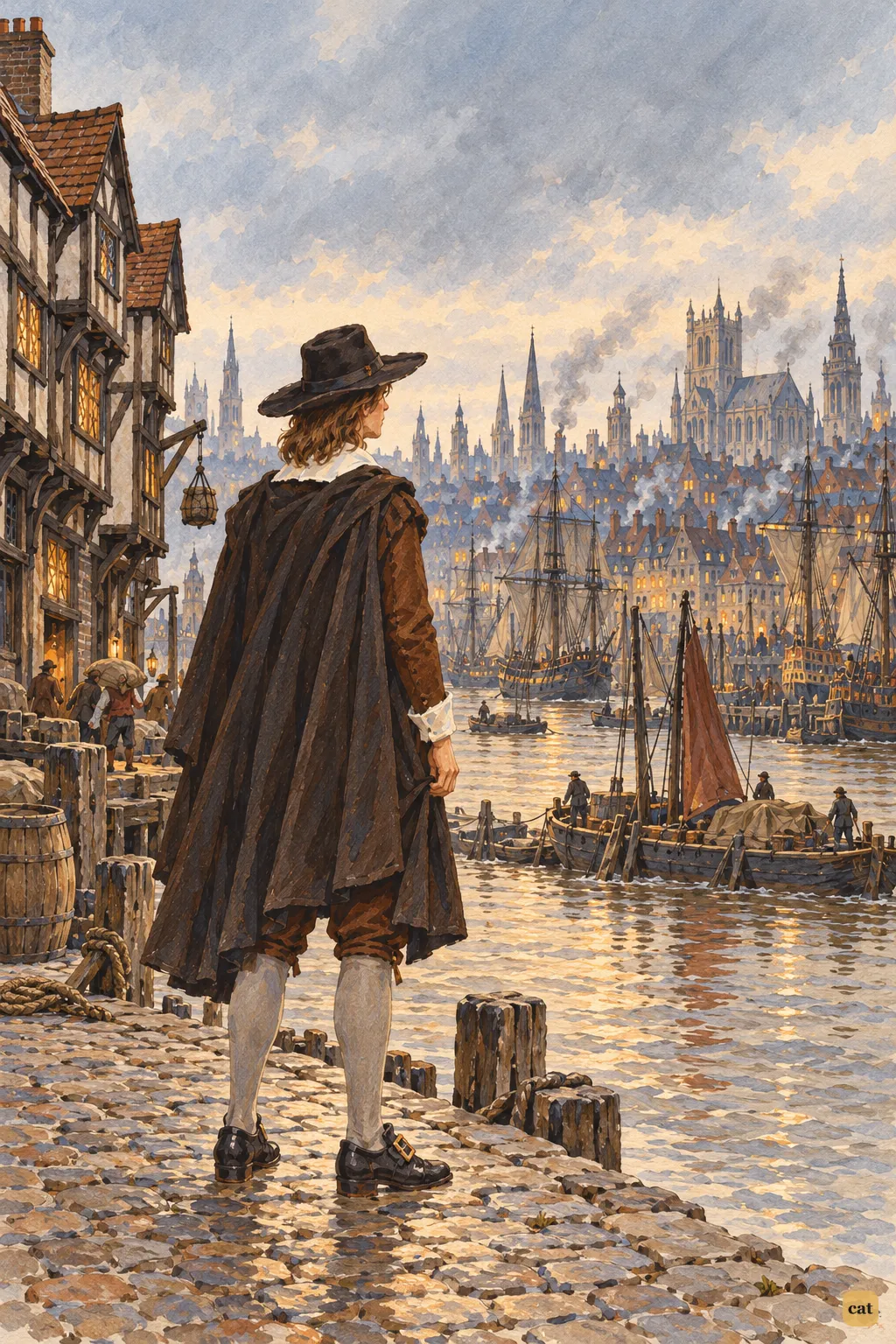
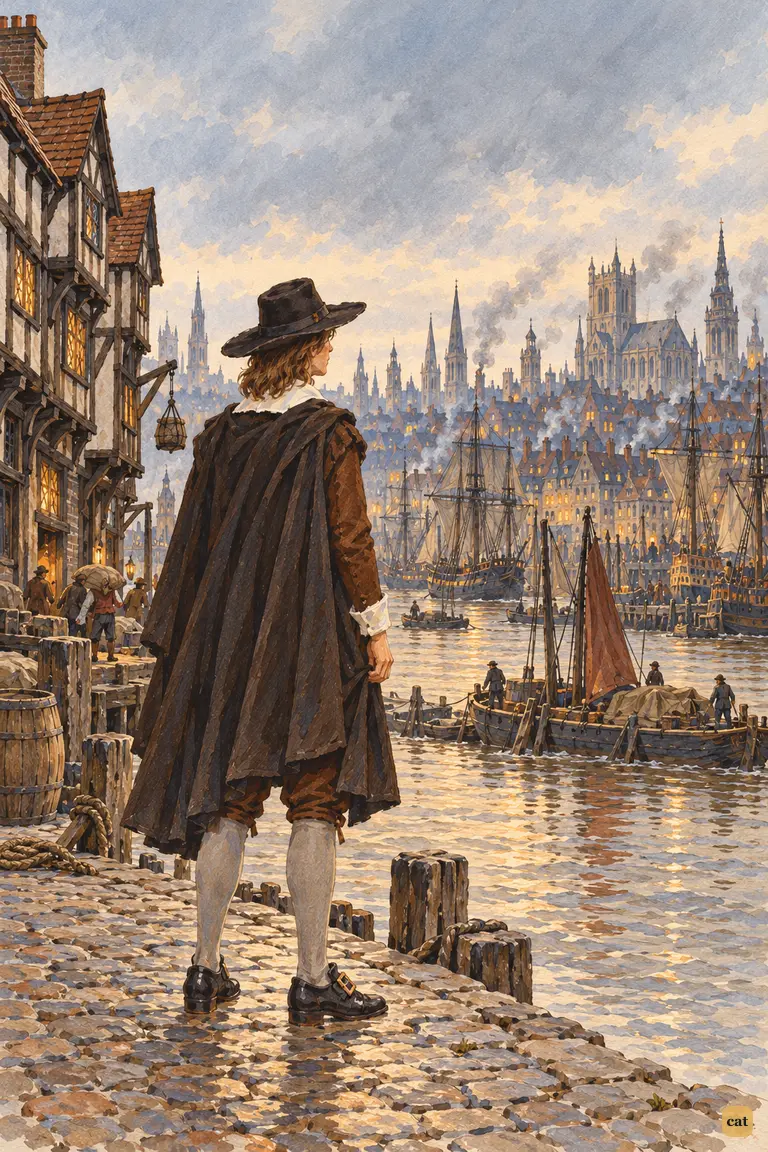
In this state of life, however, I remained some time, uncertain what measures to take, and what course of life to lead. An irresistible reluctance continued to going home; and as I stayed away a while, the remembrance of the distress I had been in wore off, and as that abated, the little motion I had in my desires to return wore off with it, till at last I quite laid aside the thoughts of it, and looked out for a voyage.
Read from here → -
Chapter 1
Leaving home and the first shipwreck
Next chapter: From slavery to flight along the coast Read this chapter