-
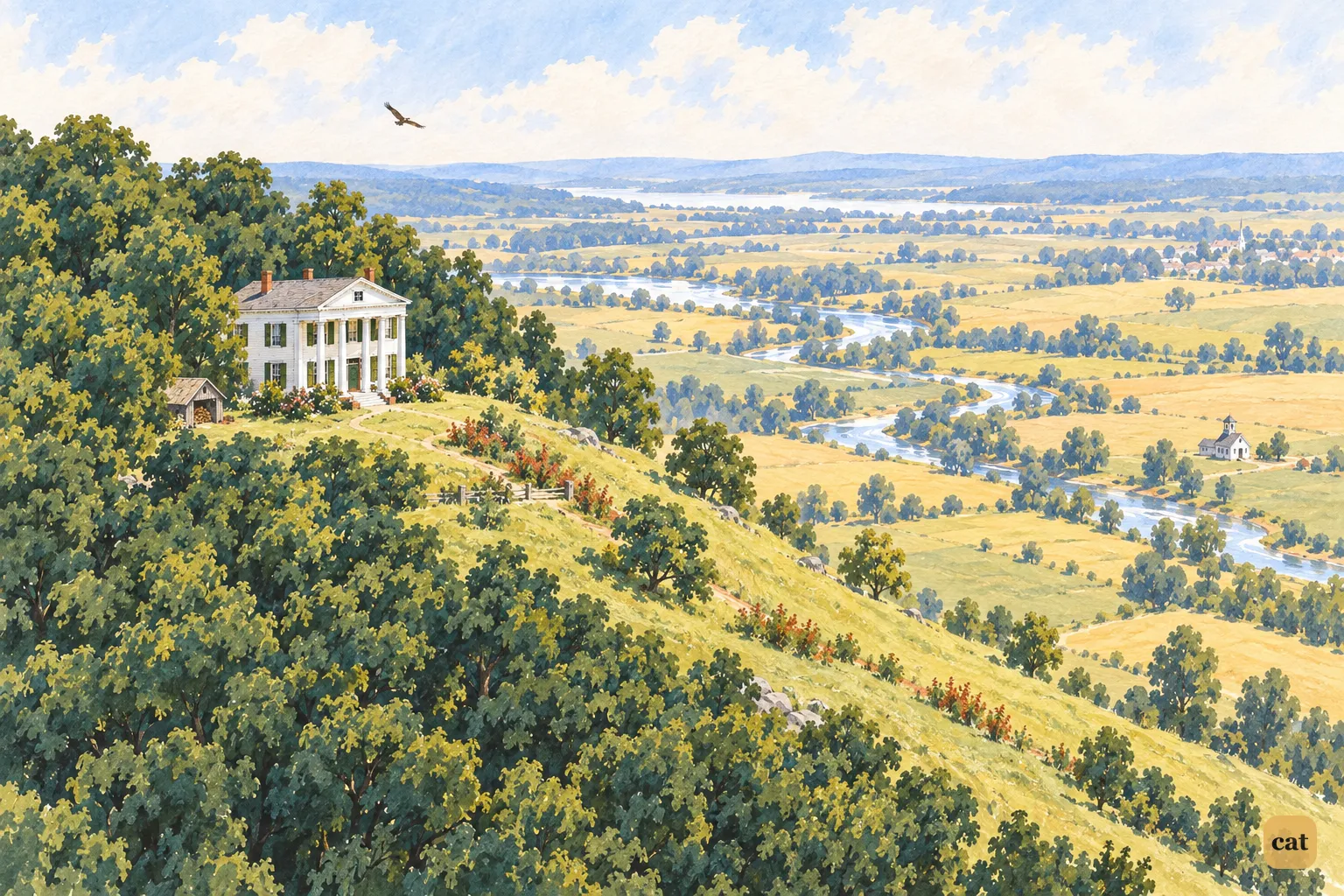
Cardiff Hill at noon
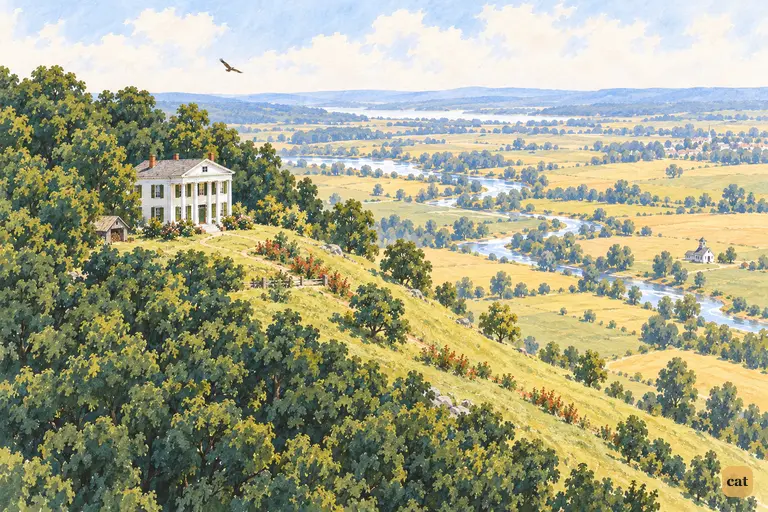
Tom dodged hither and thither through lanes until he was well out of the track of returning scholars, and then fell into a moody jog. He crossed a small “branch” two or three times, because of a prevailing juvenile superstition that to cross water baffled pursuit. Half an hour later he was disappearing behind the Douglas mansion on the summit of Cardiff Hill, and the school-house was hardly distinguishable away off in the valley behind him. He entered a dense wood, picked his pathless way to the centre of it, and sat down on a mossy spot under a spreading oak. There was not even a zephyr stirring; the dead noonday heat had even stilled the songs of the birds; nature lay in a trance that was broken by no sound but the occasional far-off hammering of a wood-pecker, and this seemed to render the pervading silence and sense of loneliness the more profound. The boy’s soul was steeped in melancholy; his feelings were in happy accord with his surroundings. He sat long with his elbows on his knees and his chin in his hands, meditating. It seemed to him that life was but a trouble, at best, and he more than half envied Jimmy Hodges, so lately released; it must be very peaceful, he thought, to lie and slumber and dream forever and ever, with the wind whispering through the trees and caressing the grass and the flowers over the grave, and nothing to bother and grieve about, ever any more. If he only had a clean Sunday-school record he could be willing to go, and be done with it all. Now as to this girl. What had he done? Nothing. He had meant the best in the world, and been treated like a dog—like a very dog. She would be sorry some day—maybe when it was too late. Ah, if he could only die temporarily!
Read from here → -
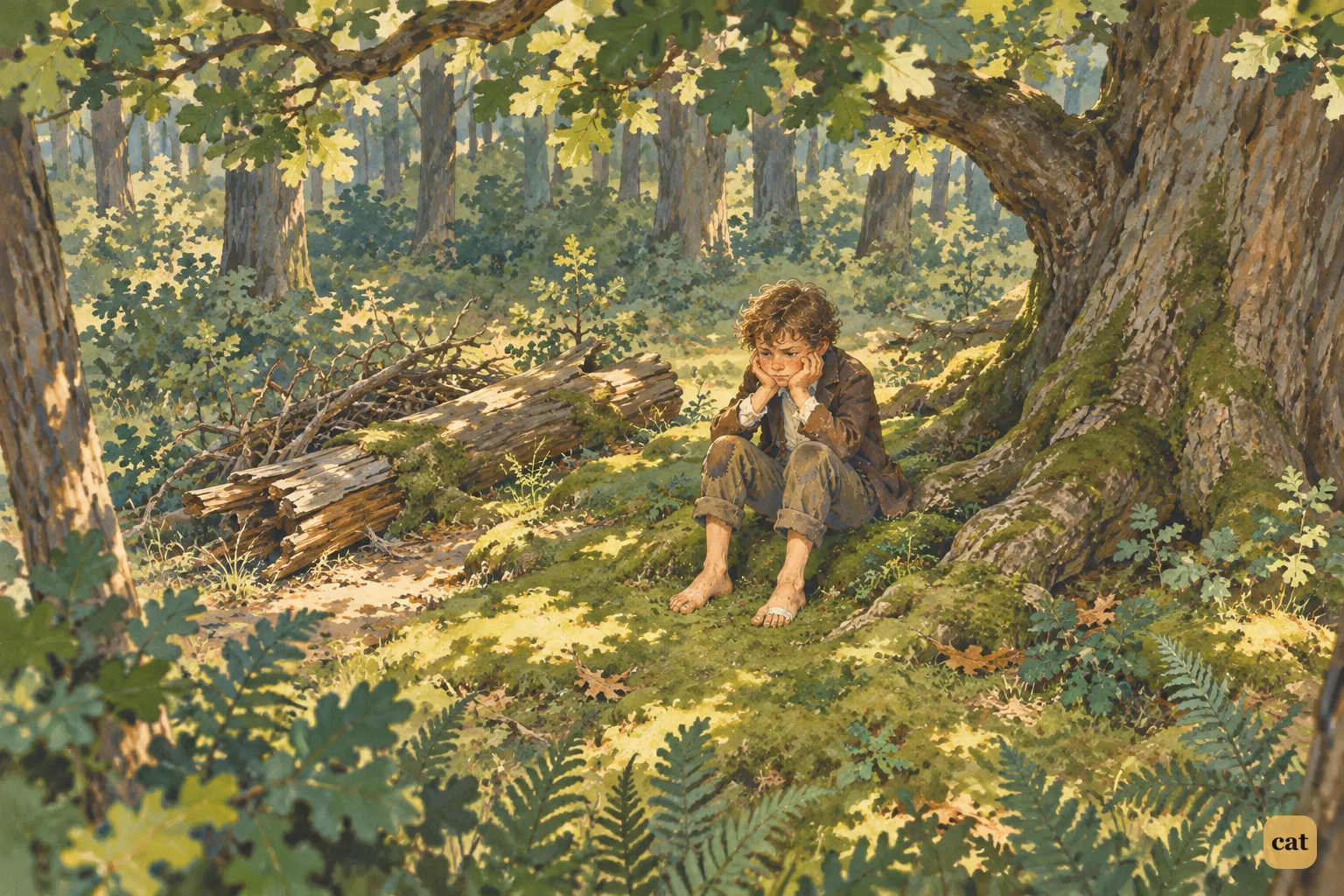
Alone under the oak
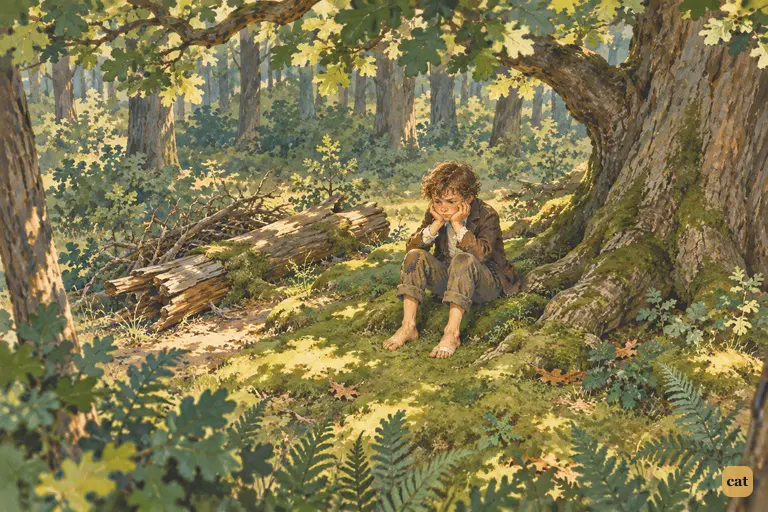
Tom dodged hither and thither through lanes until he was well out of the track of returning scholars, and then fell into a moody jog. He crossed a small “branch” two or three times, because of a prevailing juvenile superstition that to cross water baffled pursuit. Half an hour later he was disappearing behind the Douglas mansion on the summit of Cardiff Hill, and the school-house was hardly distinguishable away off in the valley behind him. He entered a dense wood, picked his pathless way to the centre of it, and sat down on a mossy spot under a spreading oak. There was not even a zephyr stirring; the dead noonday heat had even stilled the songs of the birds; nature lay in a trance that was broken by no sound but the occasional far-off hammering of a wood-pecker, and this seemed to render the pervading silence and sense of loneliness the more profound. The boy’s soul was steeped in melancholy; his feelings were in happy accord with his surroundings. He sat long with his elbows on his knees and his chin in his hands, meditating. It seemed to him that life was but a trouble, at best, and he more than half envied Jimmy Hodges, so lately released; it must be very peaceful, he thought, to lie and slumber and dream forever and ever, with the wind whispering through the trees and caressing the grass and the flowers over the grave, and nothing to bother and grieve about, ever any more. If he only had a clean Sunday-school record he could be willing to go, and be done with it all. Now as to this girl. What had he done? Nothing. He had meant the best in the world, and been treated like a dog—like a very dog. She would be sorry some day—maybe when it was too late. Ah, if he could only die temporarily!
Read from here → -
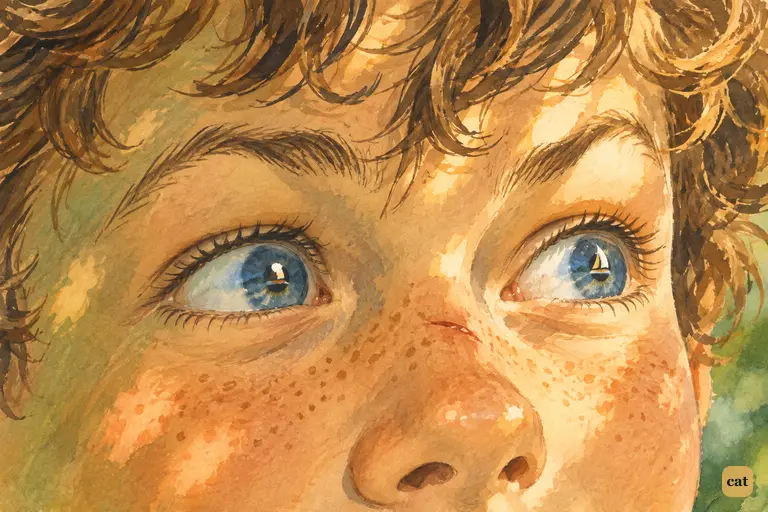
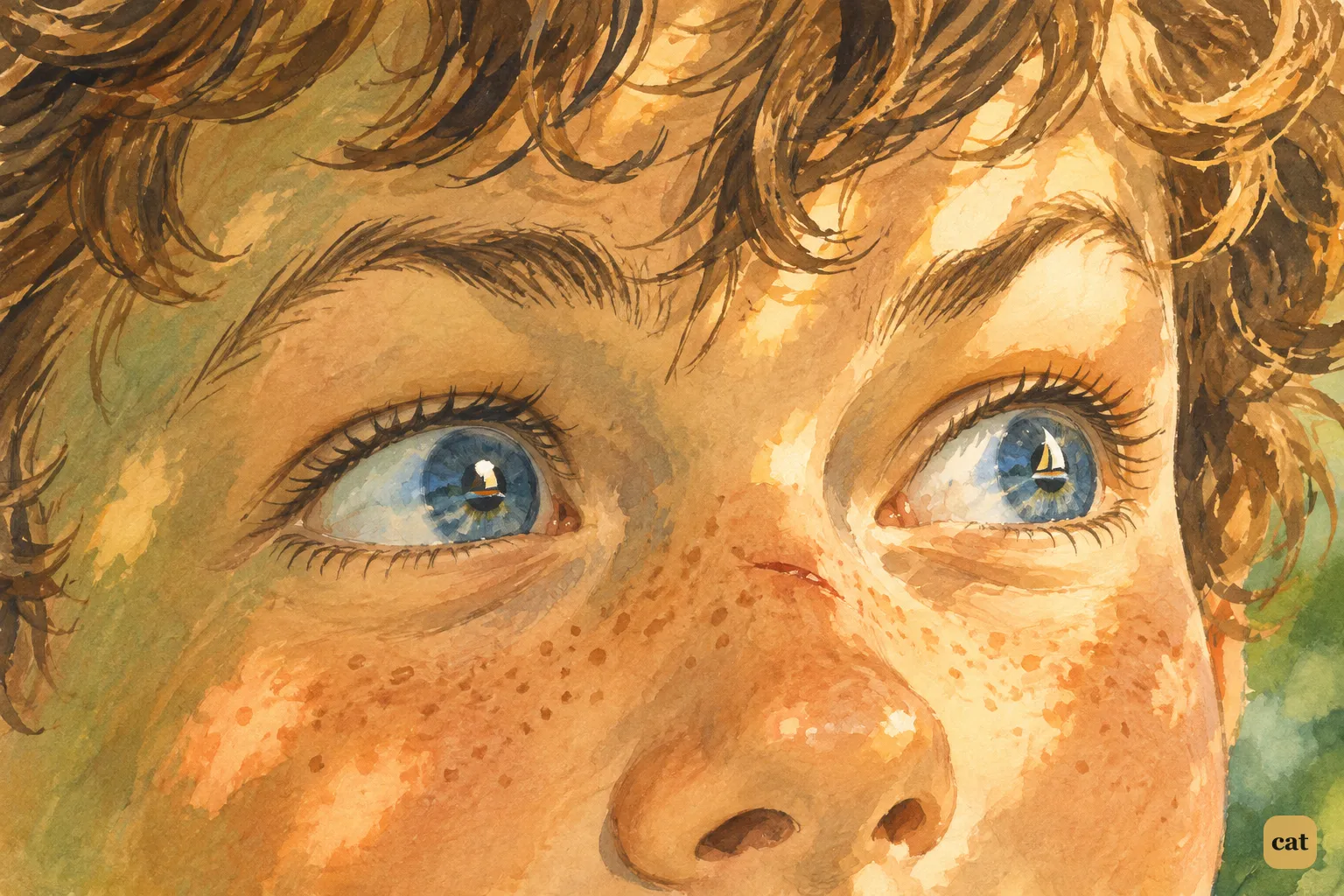
He would be a pirate
But the elastic heart of youth cannot be compressed into one constrained shape long at a time. Tom presently began to drift insensibly back into the concerns of this life again. What if he turned his back, now, and disappeared mysteriously? What if he went away—ever so far away, into unknown countries beyond the seas—and never came back any more! How would she feel then! The idea of being a clown recurred to him now, only to fill him with disgust. For frivolity and jokes and spotted tights were an offense, when they intruded themselves upon a spirit that was exalted into the vague august realm of the romantic. No, he would be a soldier, and return after long years, all war-worn and illustrious. No—better still, he would join the Indians, and hunt buffaloes and go on the warpath in the mountain ranges and the trackless great plains of the Far West, and away in the future come back a great chief, bristling with feathers, hideous with paint, and prance into Sunday-school, some drowsy summer morning, with a blood-curdling war-whoop, and sear the eyeballs of all his companions with unappeasable envy. But no, there was something gaudier even than this. He would be a pirate! That was it! now his future lay plain before him, and glowing with unimaginable splendor. How his name would fill the world, and make people shudder! How gloriously he would go plowing the dancing seas, in his long, low, black-hulled racer, the Spirit of the Storm, with his grisly flag flying at the fore! And at the zenith of his fame, how he would suddenly appear at the old village and stalk into church, brown and weather-beaten, in his black velvet doublet and trunks, his great jack-boots, his crimson sash, his belt bristling with horse-pistols, his crime-rusted cutlass at his side, his slouch hat with waving plumes, his black flag unfurled, with the skull and crossbones on it, and hear with swelling ecstasy the whisperings, “It’s Tom Sawyer the Pirate!—the Black Avenger of the Spanish Main!”
Read from here → -
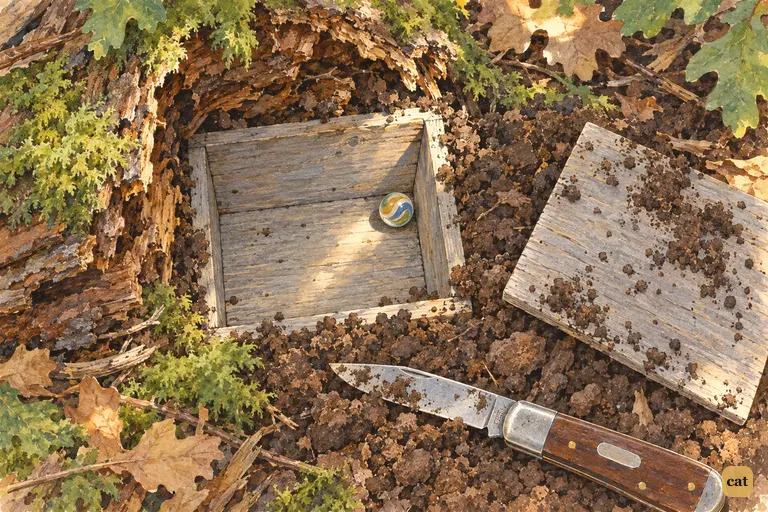
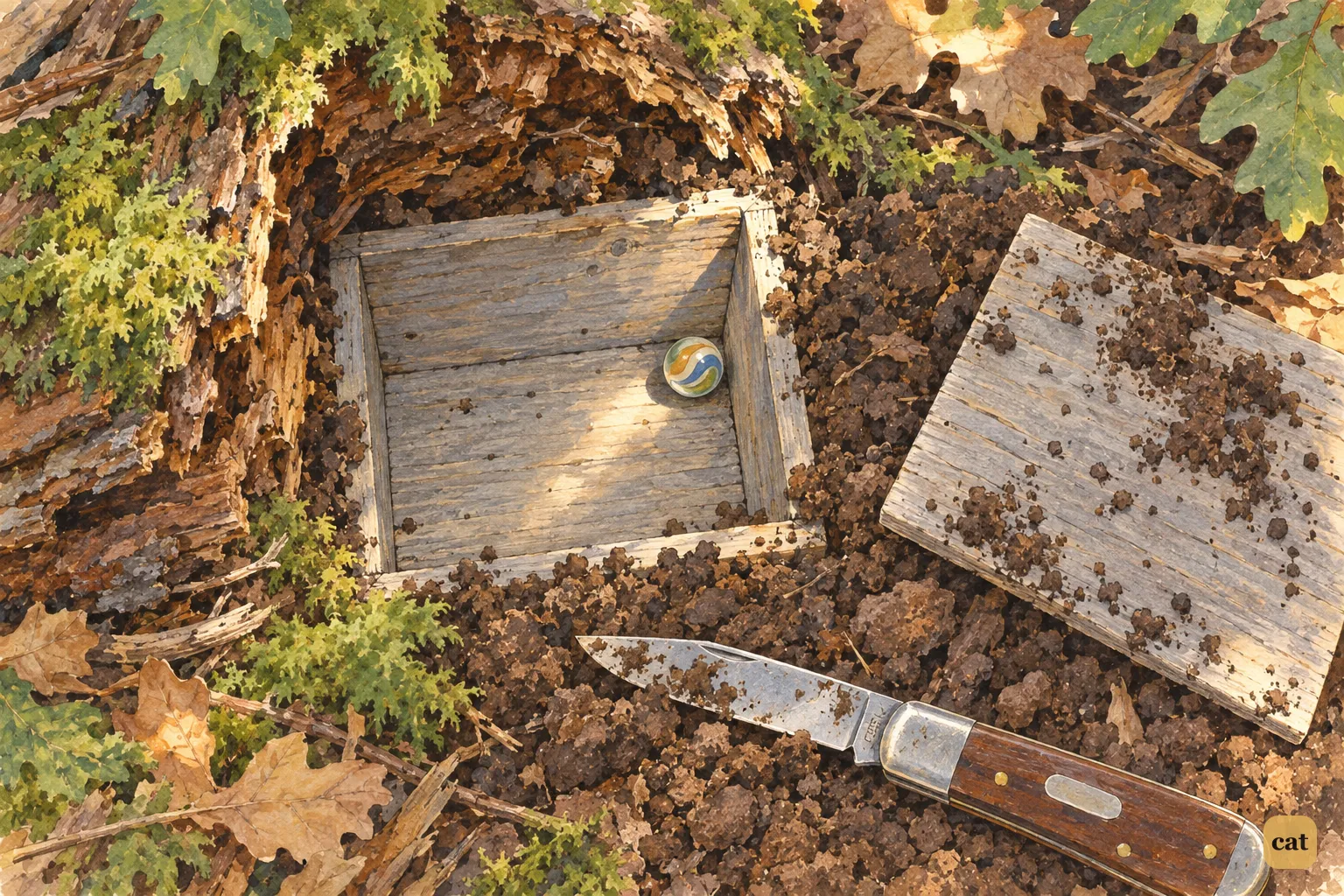
One lonely marble
Then he scraped away the dirt, and exposed a pine shingle. He took it up and disclosed a shapely little treasure-house whose bottom and sides were of shingles. In it lay a marble. Tom’s astonishment was boundless! He scratched his head with a perplexed air, and said:
Read from here → -
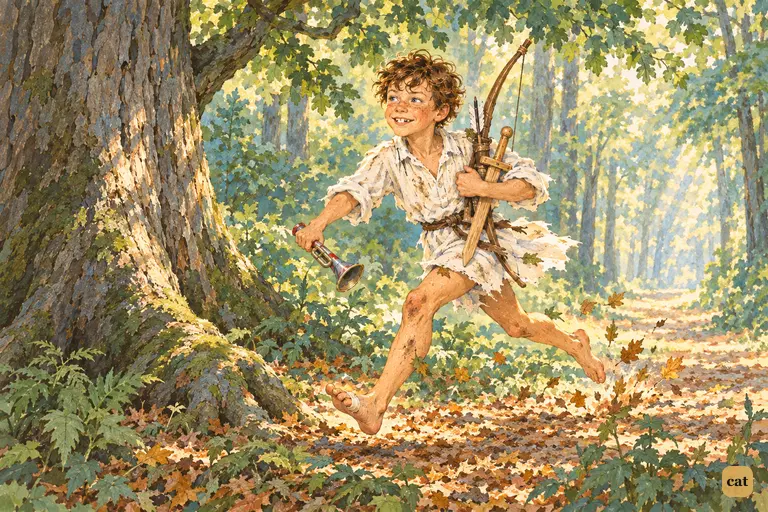
Bounding to the call
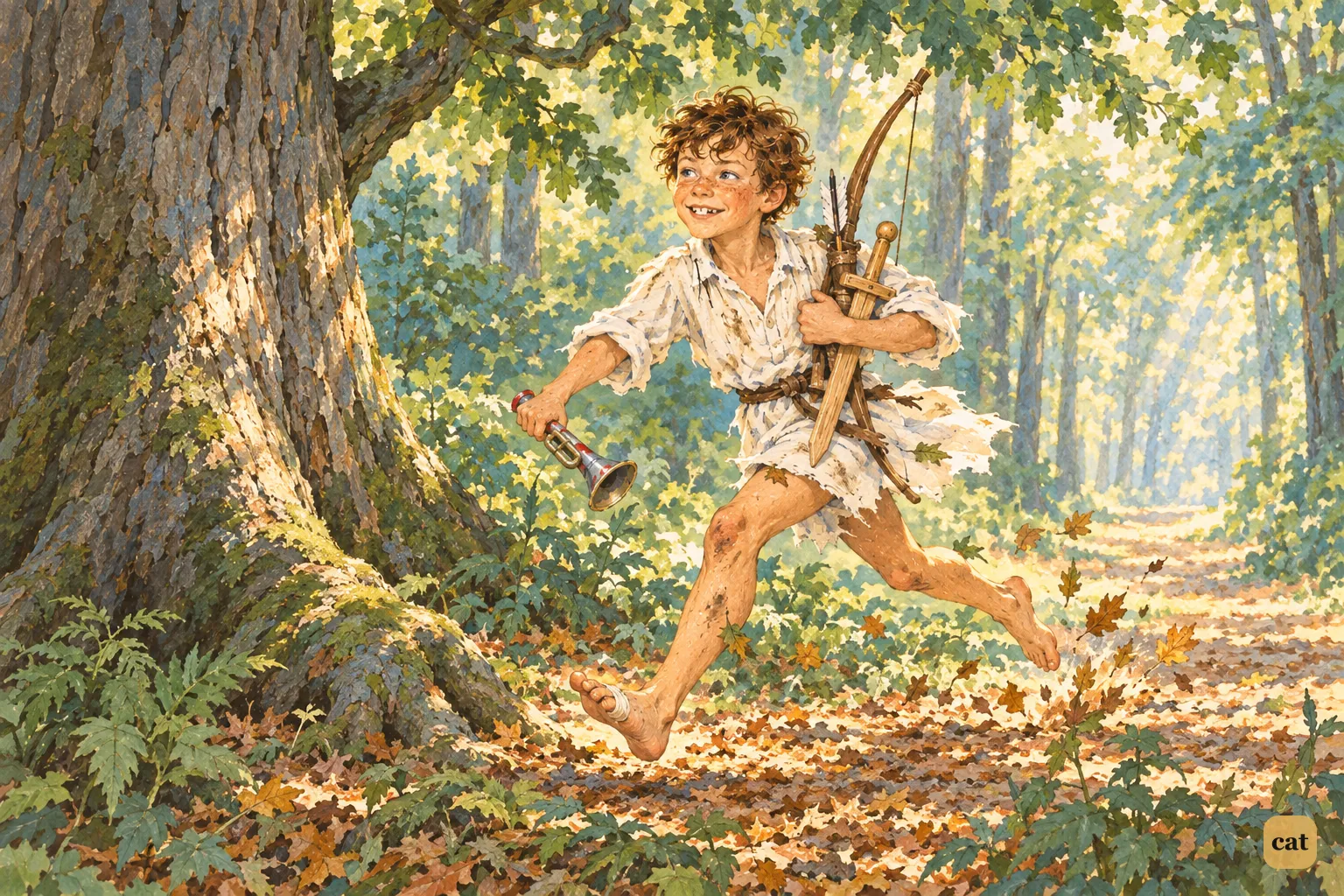
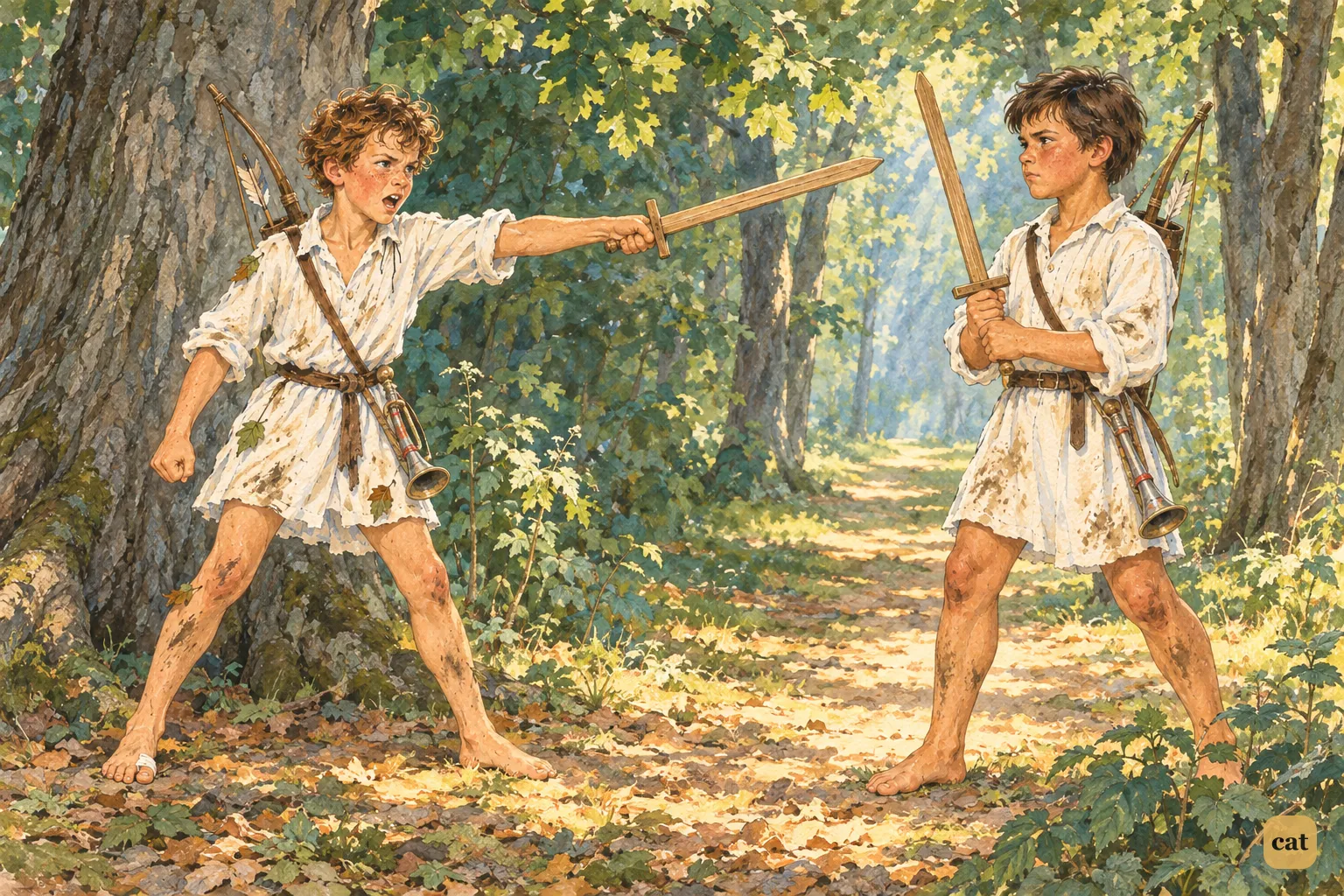
Just here the blast of a toy tin trumpet came faintly down the green aisles of the forest. Tom flung off his jacket and trousers, turned a suspender into a belt, raked away some brush behind the rotten log, disclosing a rude bow and arrow, a lath sword and a tin trumpet, and in a moment had seized these things and bounded away, barelegged, with fluttering shirt. He presently halted under a great elm, blew an answering blast, and then began to tiptoe and look warily out, this way and that. He said cautiously—to an imaginary company:
Read from here → -
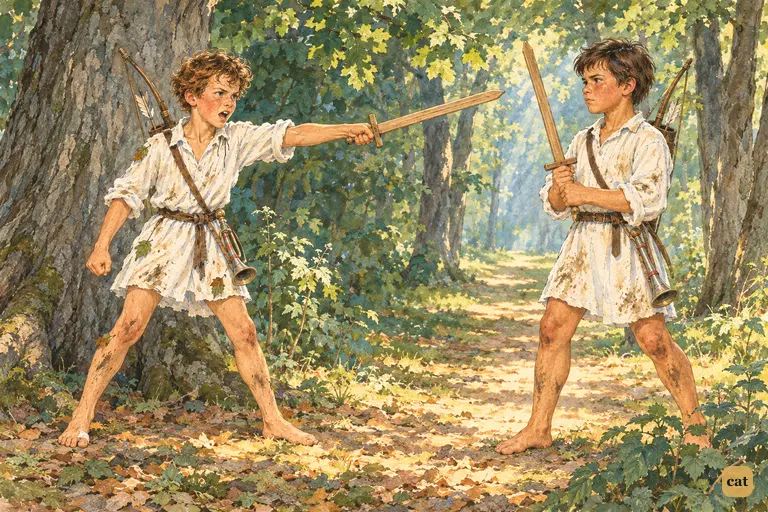
Guy of Guisborne appears
“Hold! Who comes here into Sherwood Forest without my pass?”
Read from here → -
Chapter 8
Tom plans to be a pirate; Robin Hood in the wood
Next chapter: Murder in the Graveyard Read this chapter