-
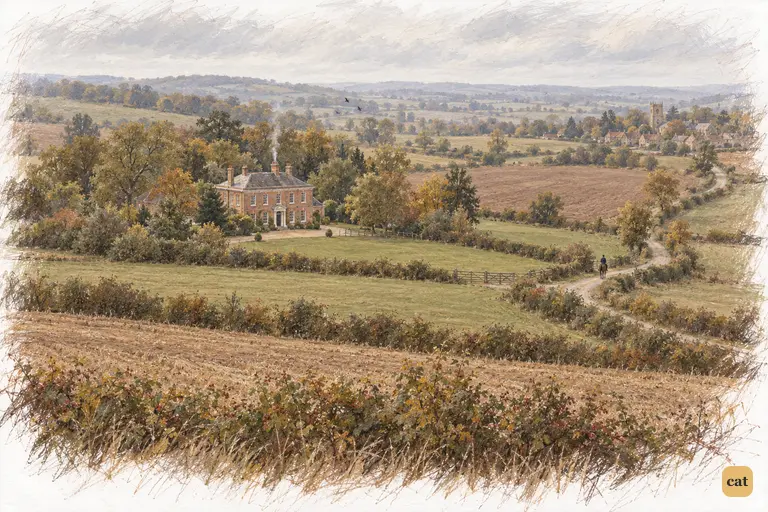
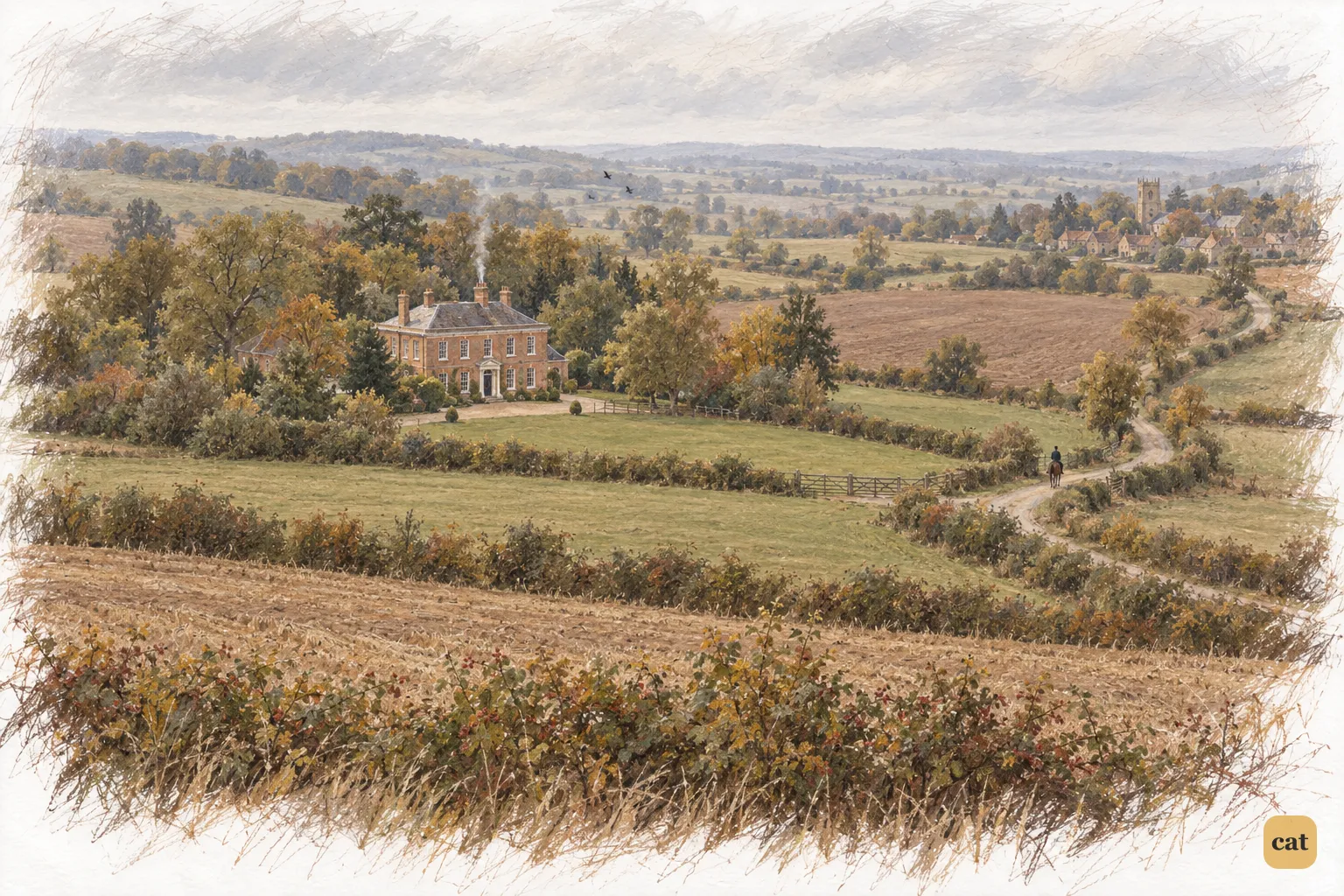
Longbourn among the fields
It is a truth universally acknowledged, that a single man in possession of a good fortune, must be in want of a wife.
Read from here → -
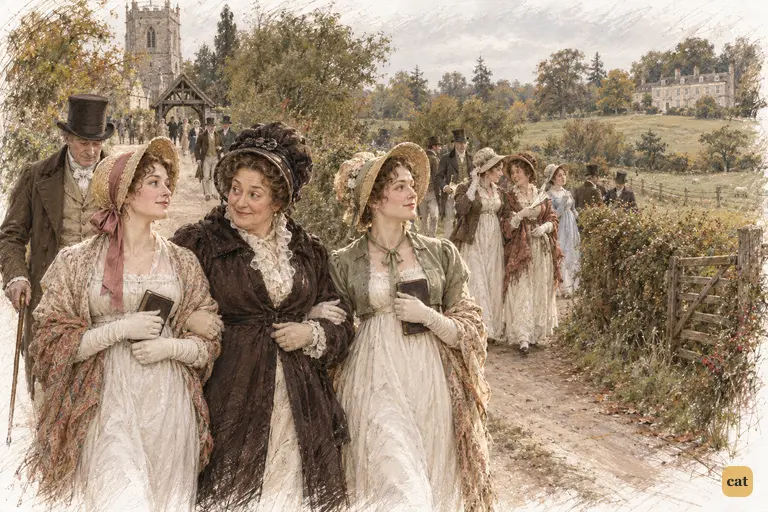
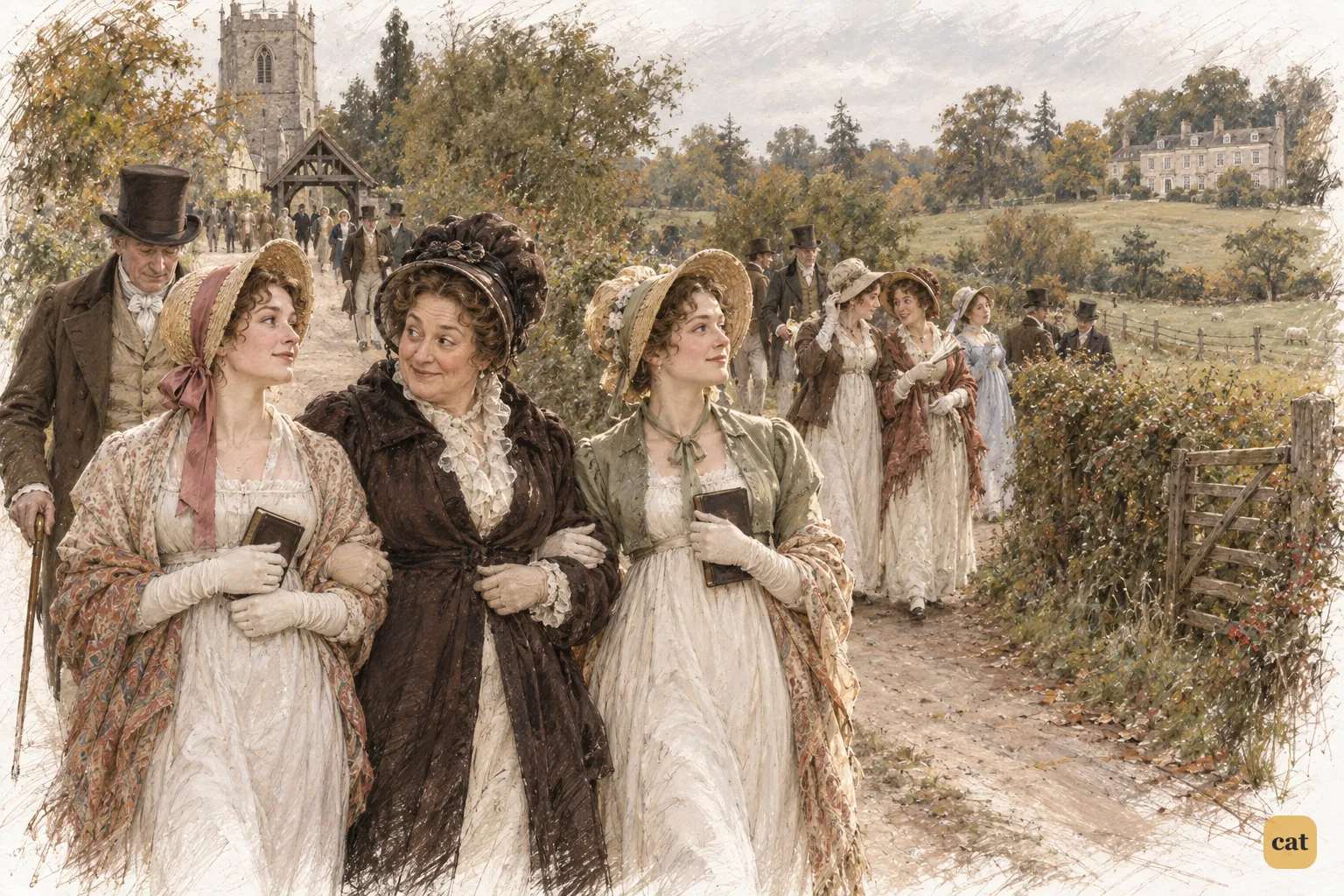
The neighbourhood families
It is a truth universally acknowledged, that a single man in possession of a good fortune, must be in want of a wife.
Read from here → -
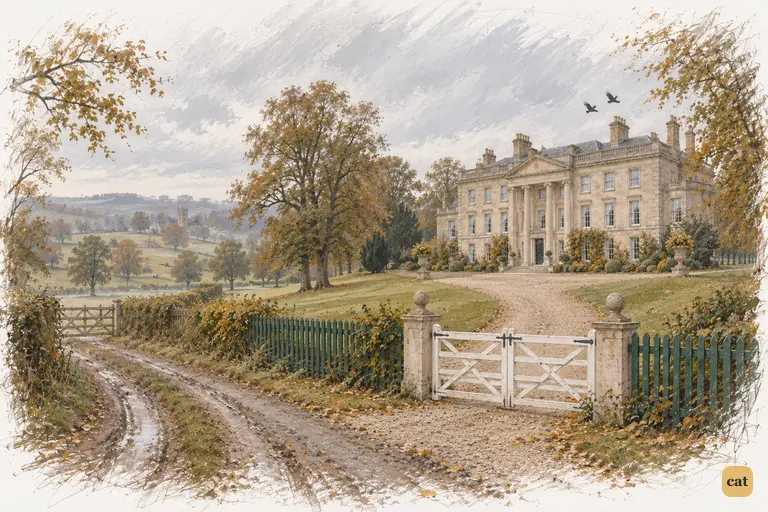
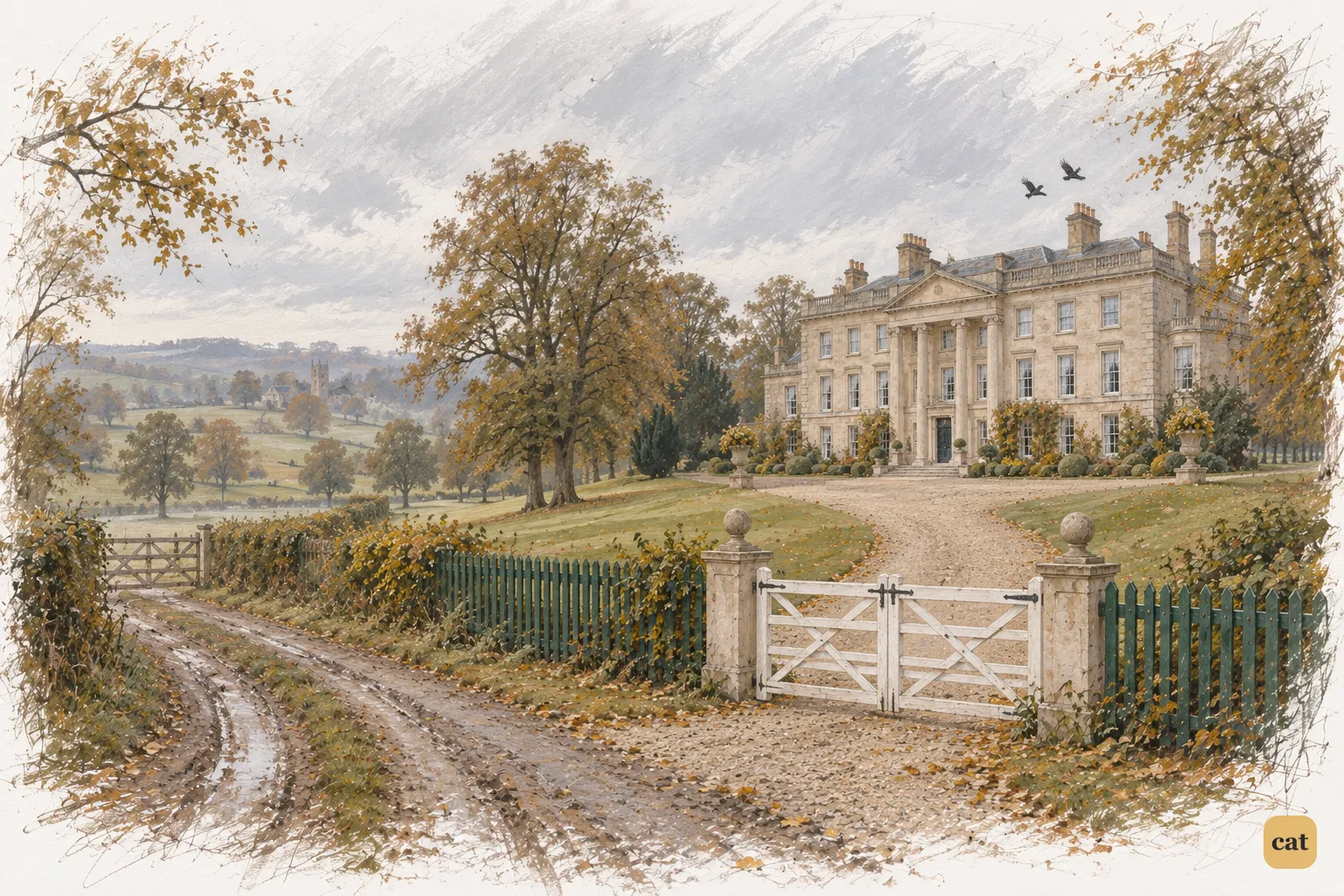
Netherfield waits
However little known the feelings or views of such a man may be on his first entering a neighbourhood, this truth is so well fixed in the minds of the surrounding families, that he is considered as the rightful property of some one or other of their daughters.
Read from here → -
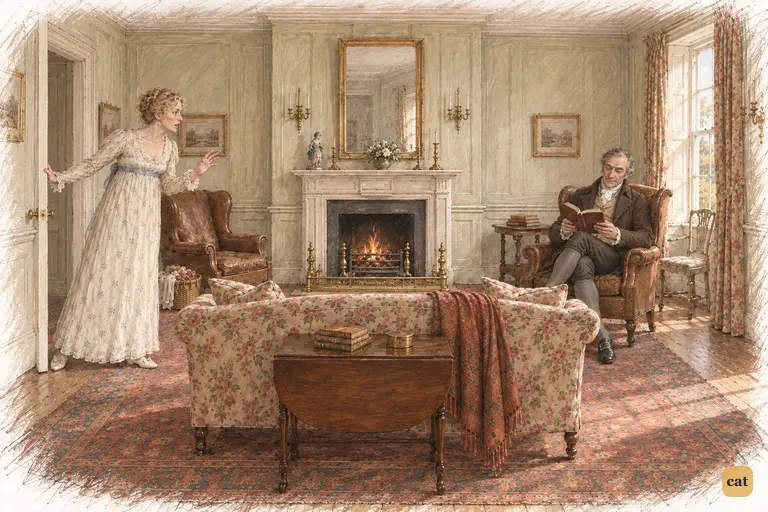
Have you heard?
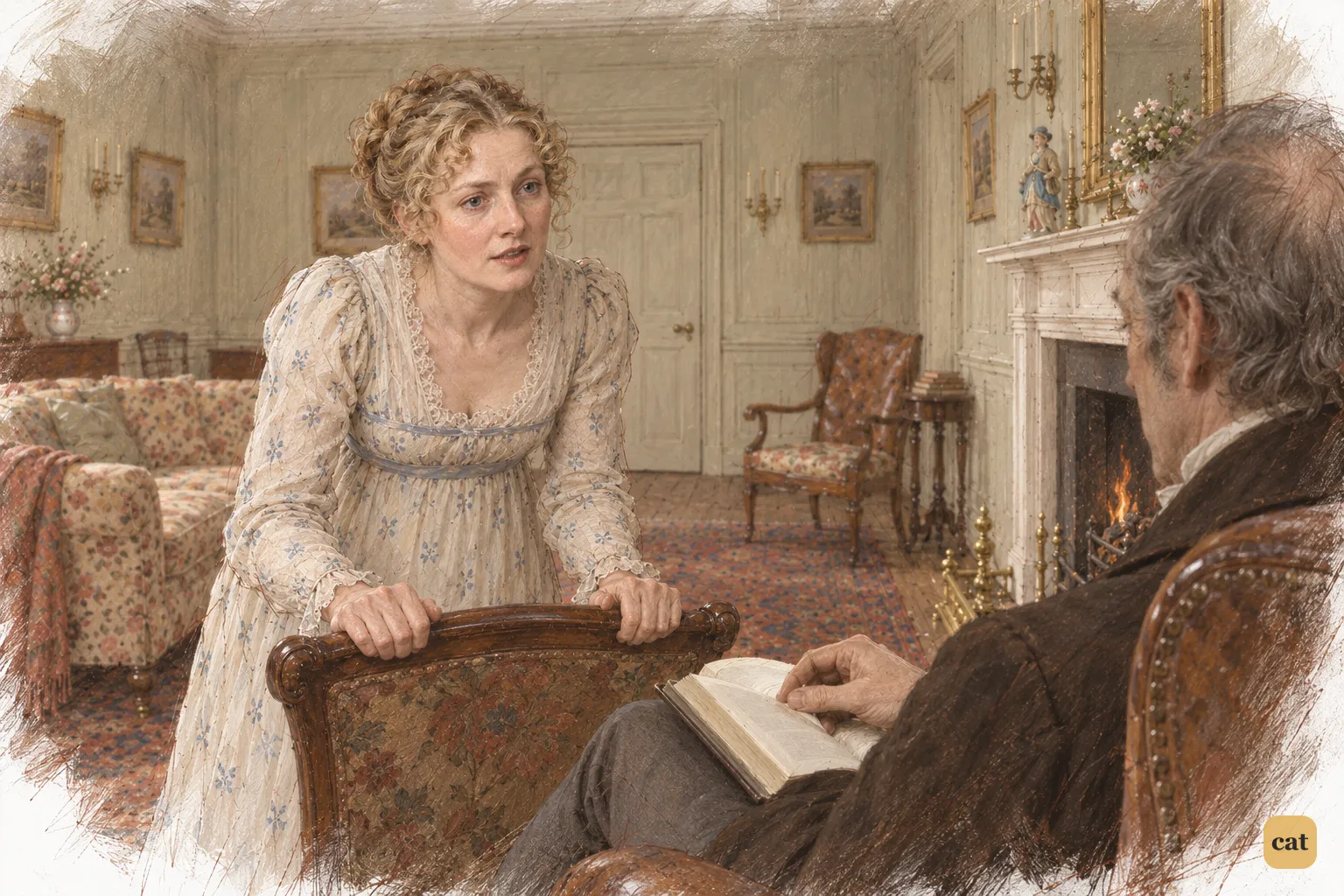
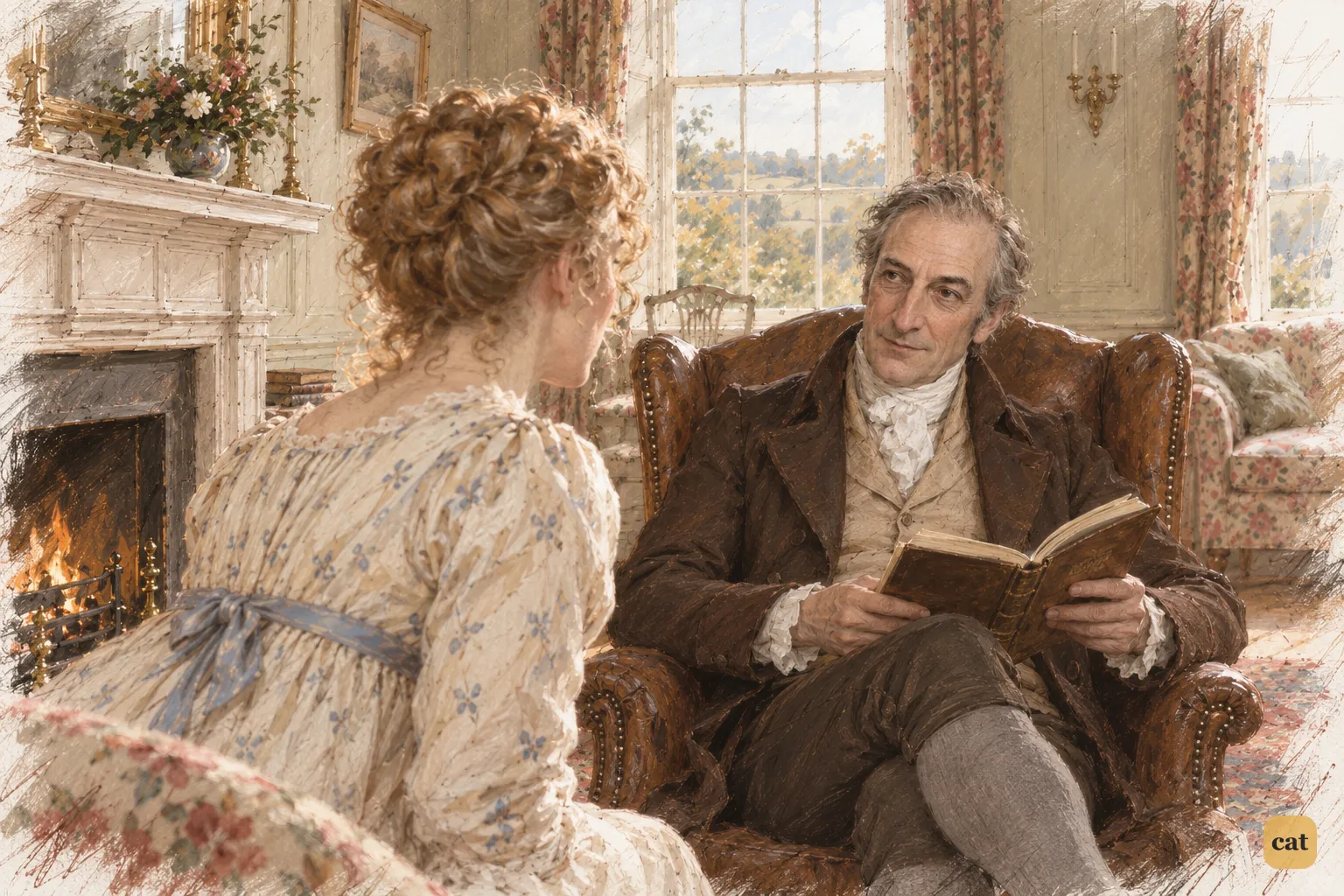
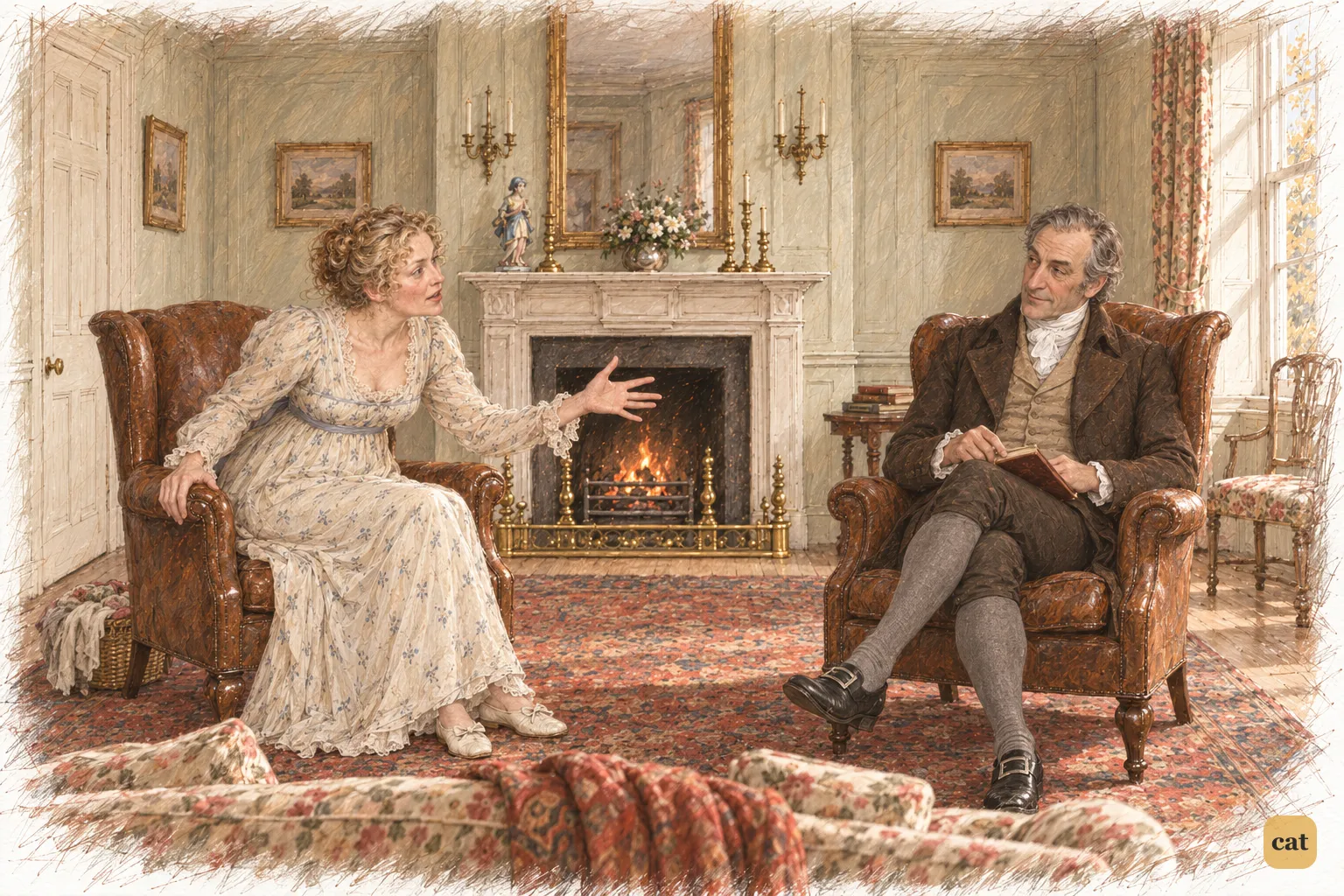
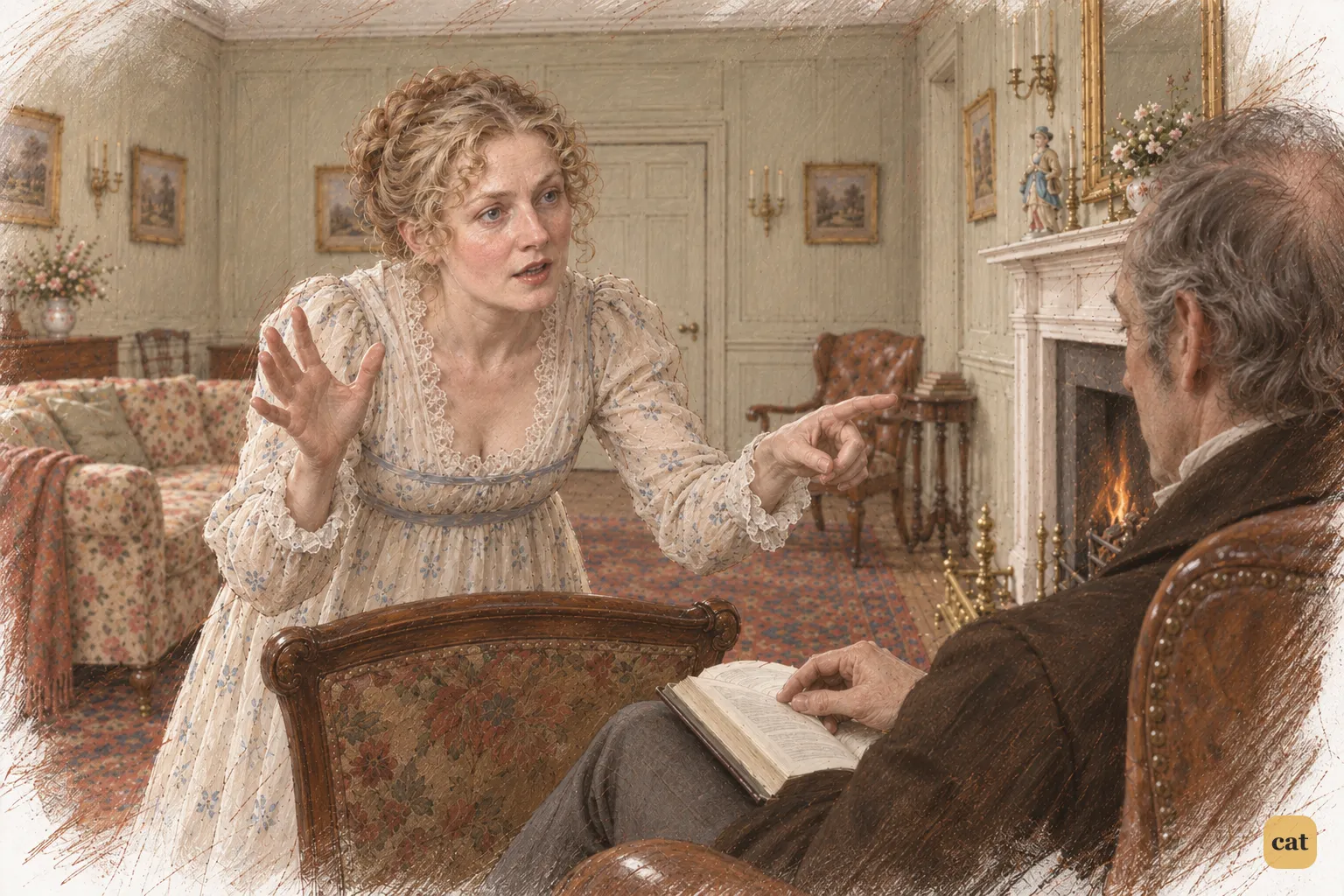
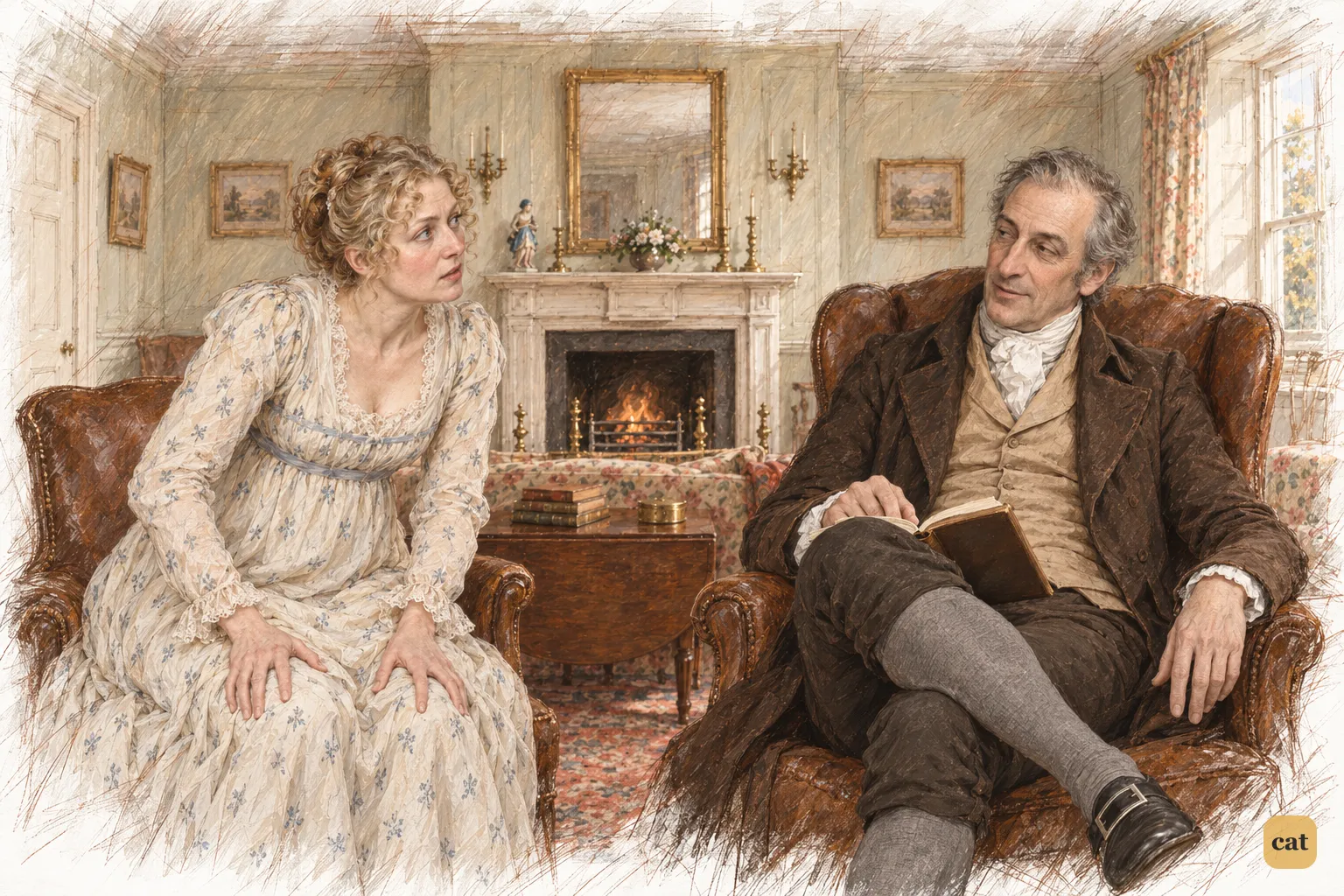
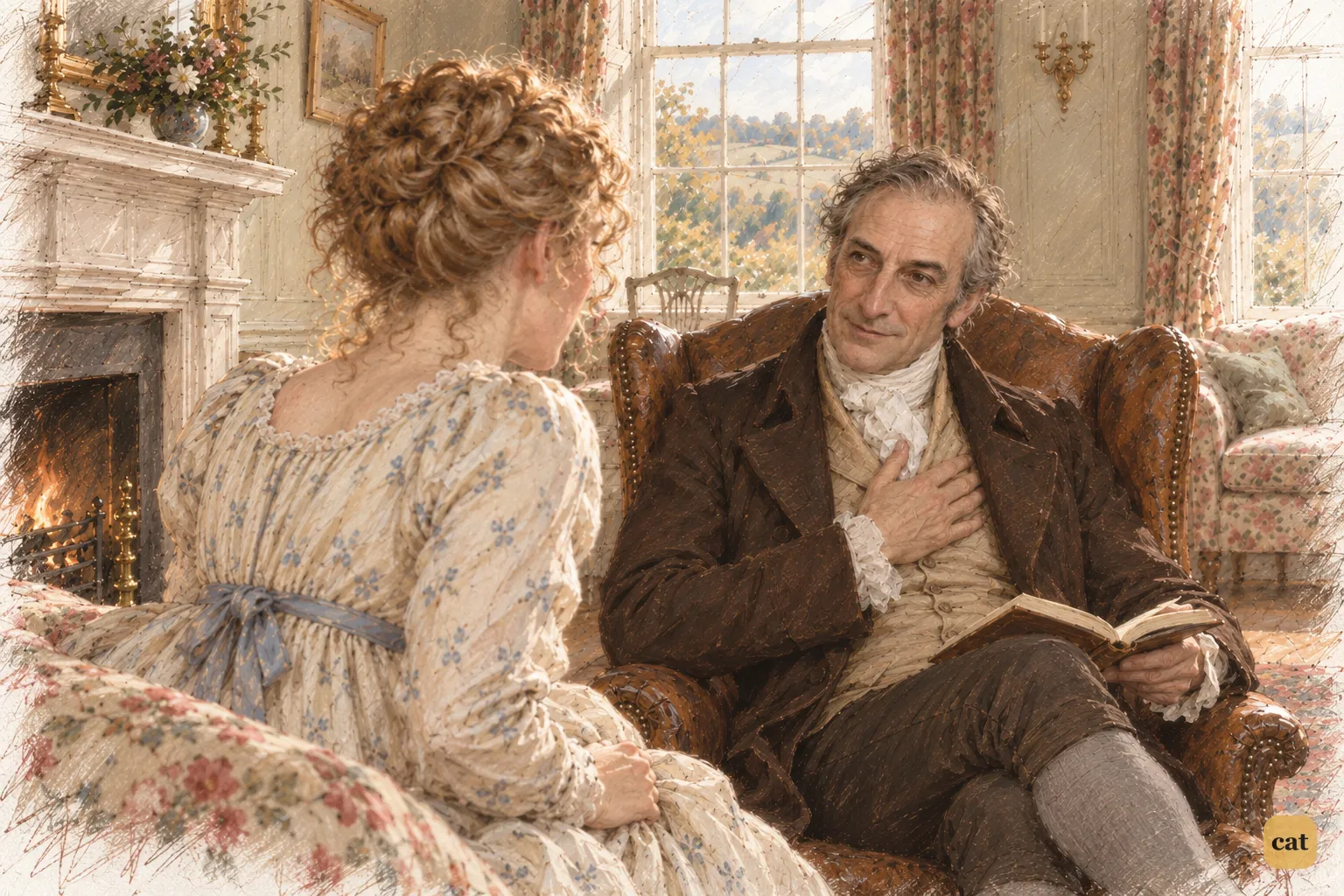
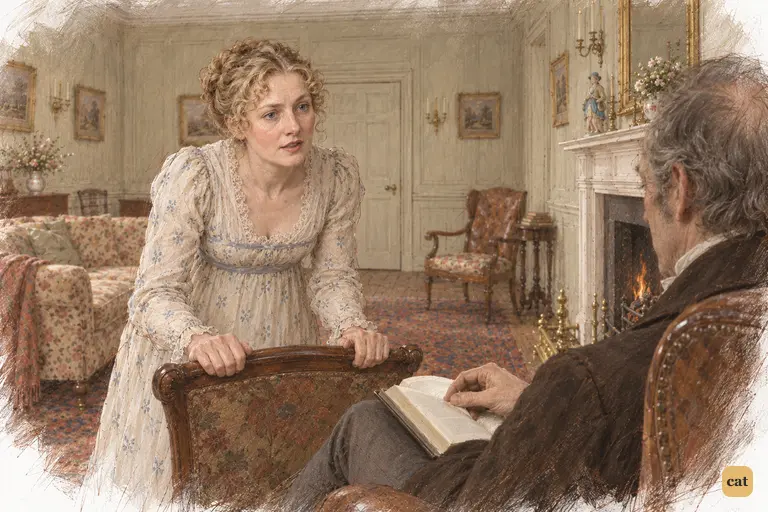
"My dear Mr. Bennet," said his lady to him one day, "have you heard that Netherfield Park is let at last?"
Read from here → -
-
-
Invitation enough
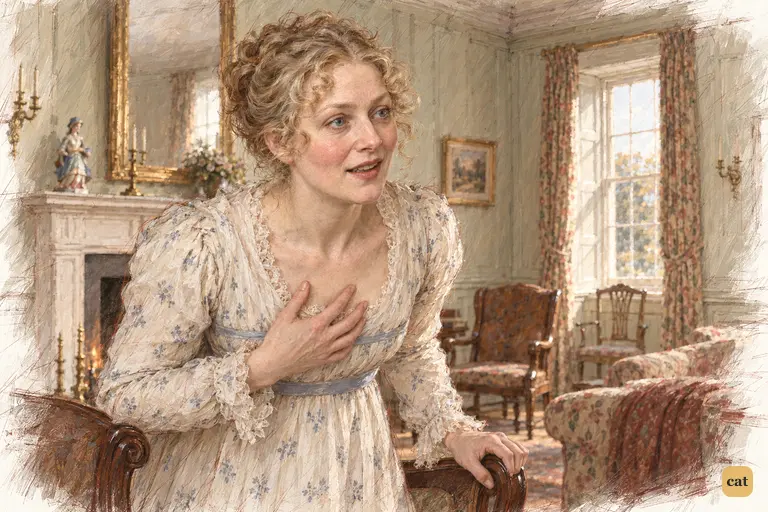
"Do not you want to know who has taken it?" cried his wife impatiently.
Read from here → -
The torrent of news
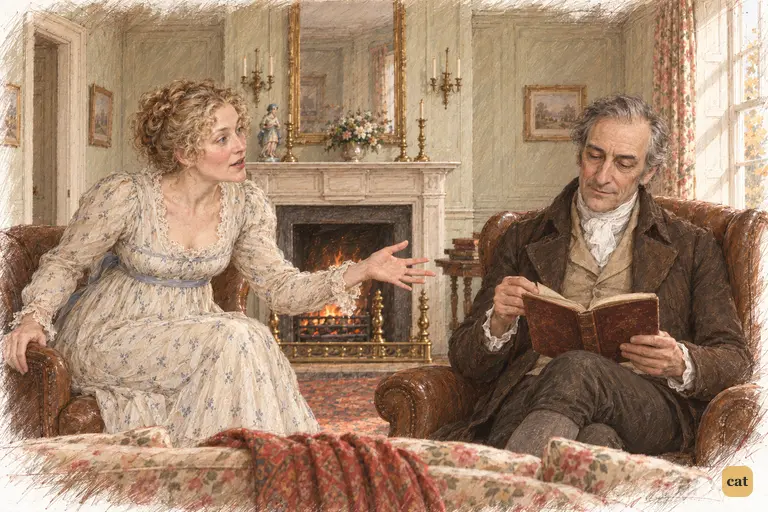
"Why, my dear, you must know, Mrs. Long says that Netherfield is taken by a young man of large fortune from the north of England; that he came down on Monday in a chaise and four to see the place, and was so much delighted with it that he agreed with Mr. Morris immediately; that he is to take possession before Michaelmas, and some of his servants are to be in the house by the end of next week."
Read from here → -
-
A fine thing for our girls
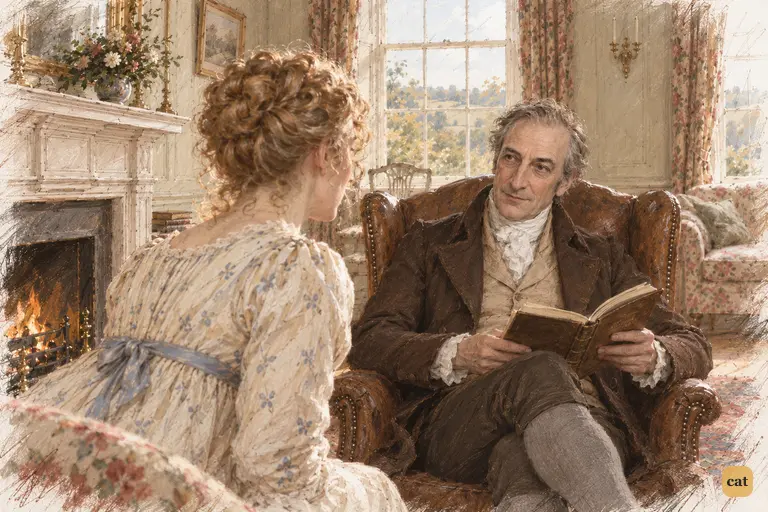
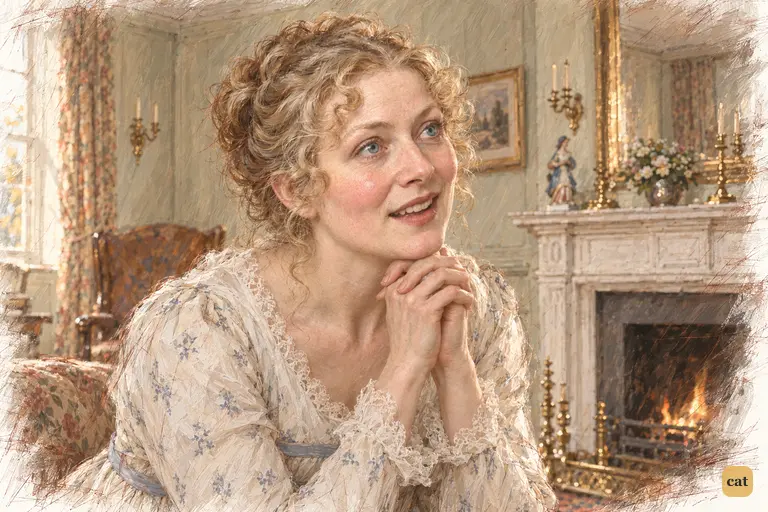
"Oh! single, my dear, to be sure! A single man of large fortune; four or five thousand a year. What a fine thing for our girls!"
Read from here → -
How can it affect them
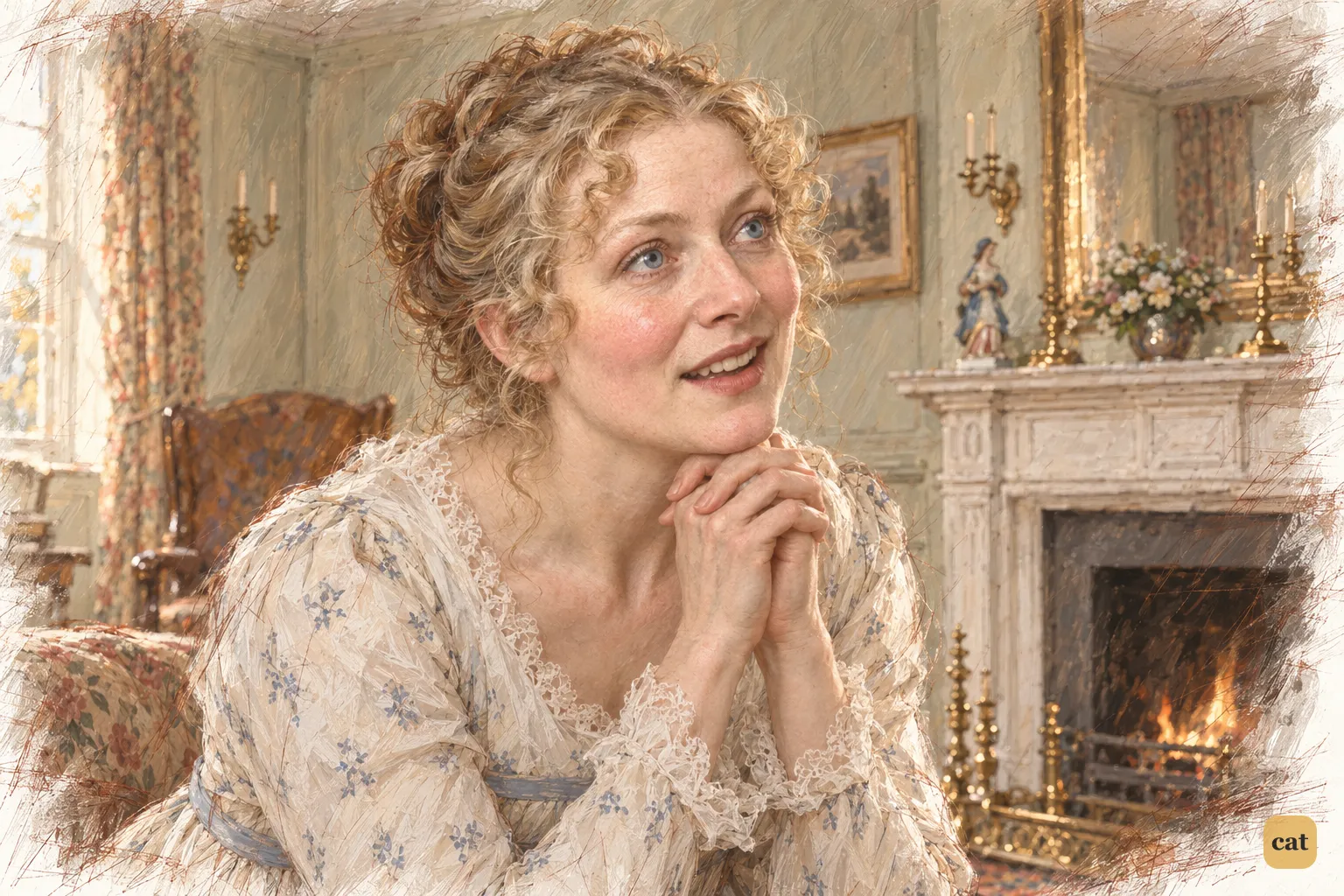
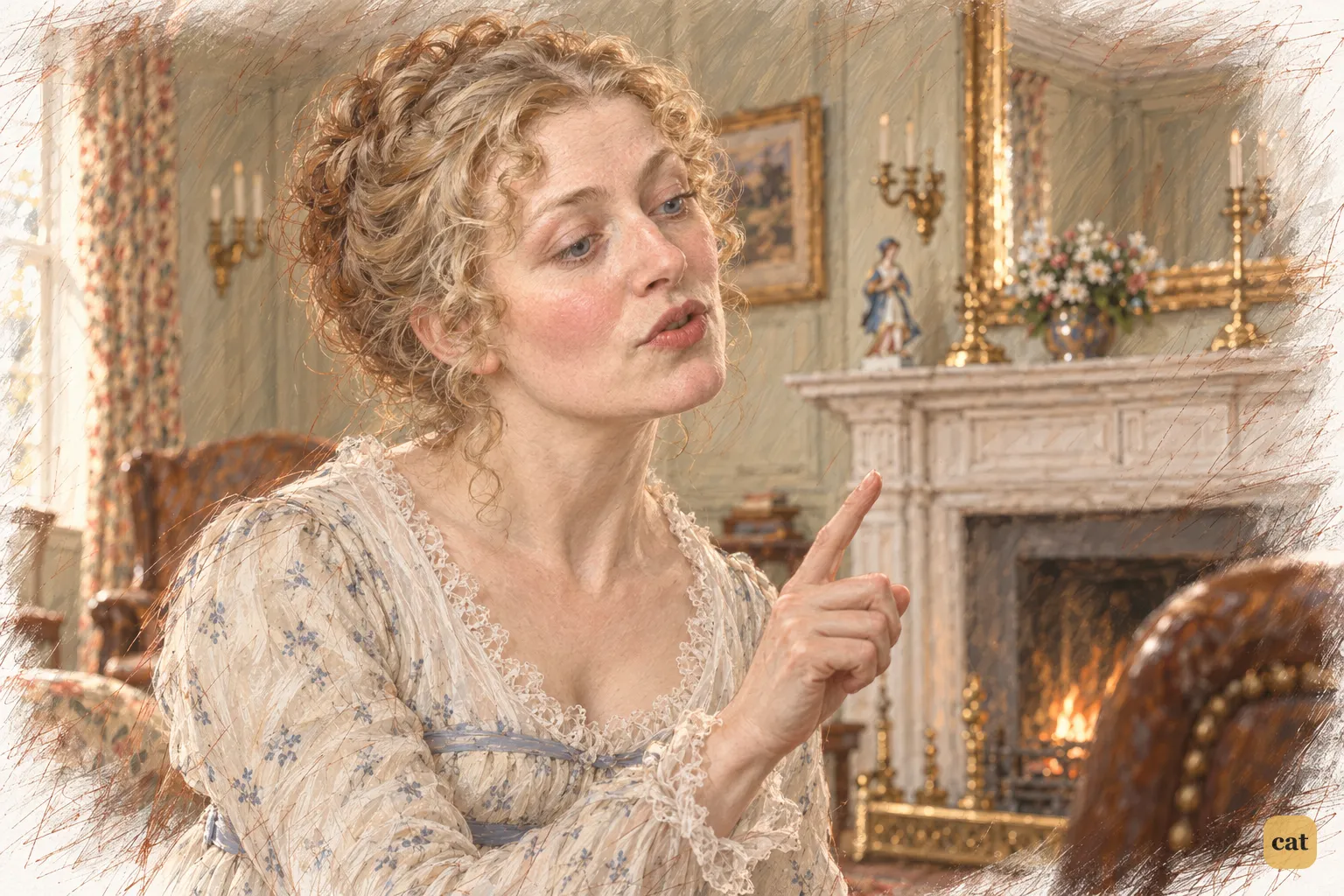
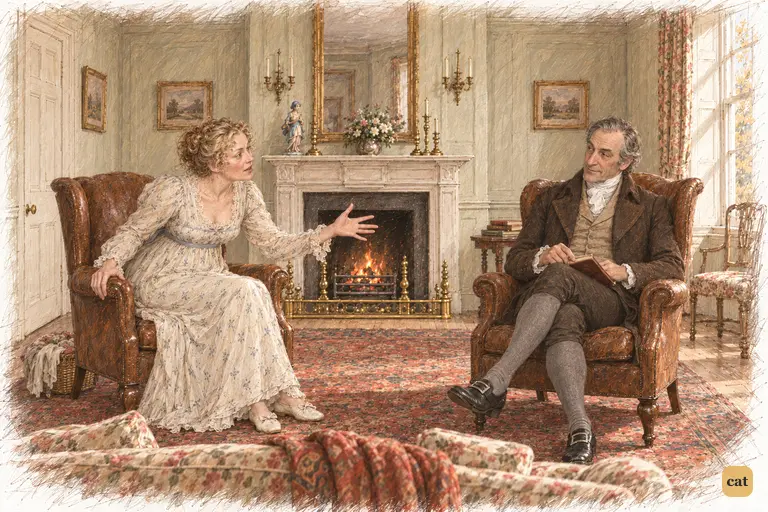
"My dear Mr. Bennet," replied his wife, "how can you be so tiresome! You must know that I am thinking of his marrying one of them."
Read from here → -
-
You must visit him
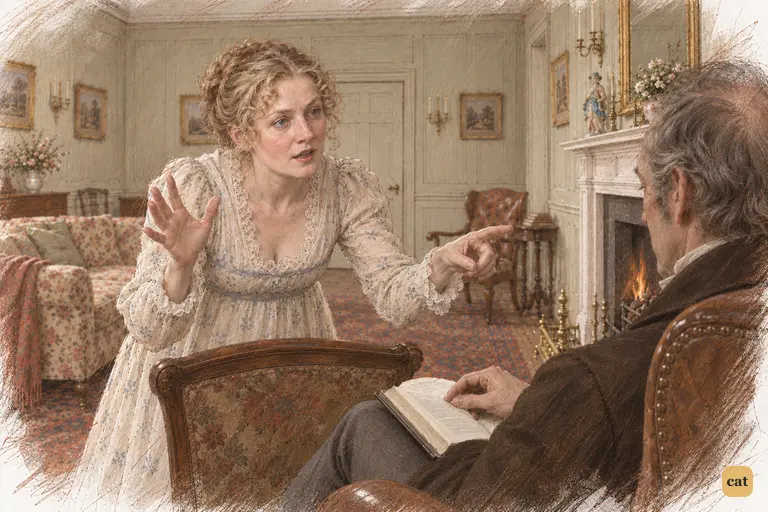
"Design! nonsense, how can you talk so! But it is very likely that he may fall in love with one of them, and therefore you must visit him as soon as he comes."
Read from here → -
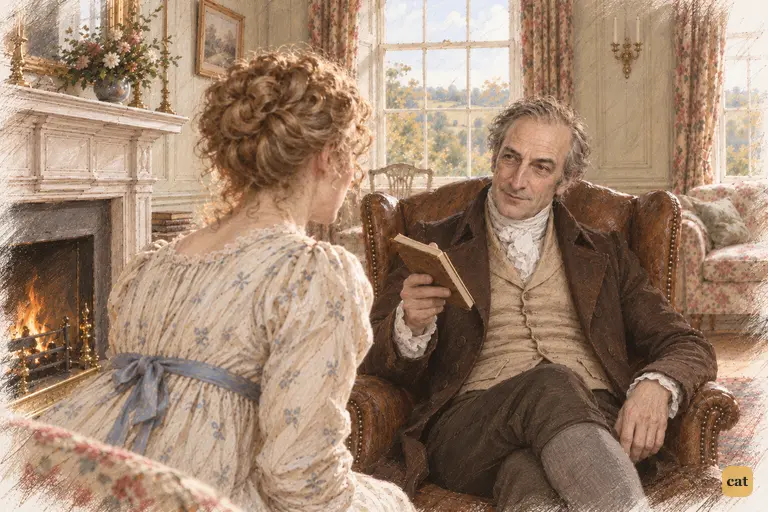
Gallant evasion
"I see no occasion for that. You and the girls may go, or you may send them by themselves, which perhaps will be still better, for as you are as handsome as any of them, Mr. Bingley might like you the best of the party."
Read from here → -
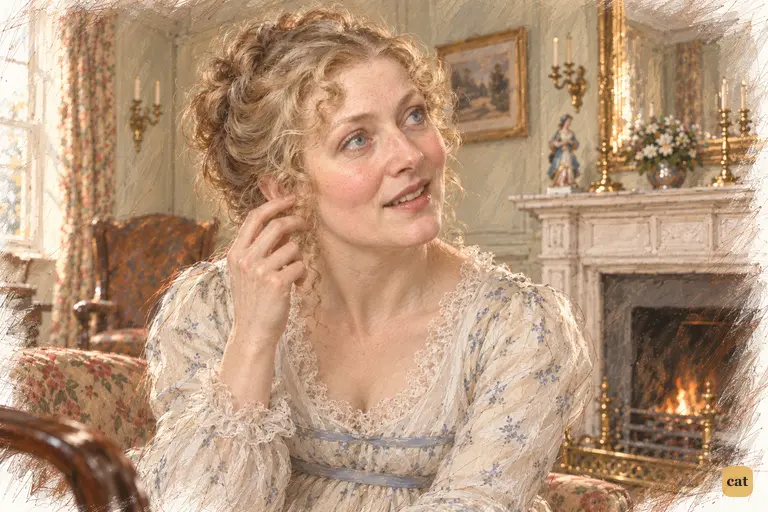
My share of beauty
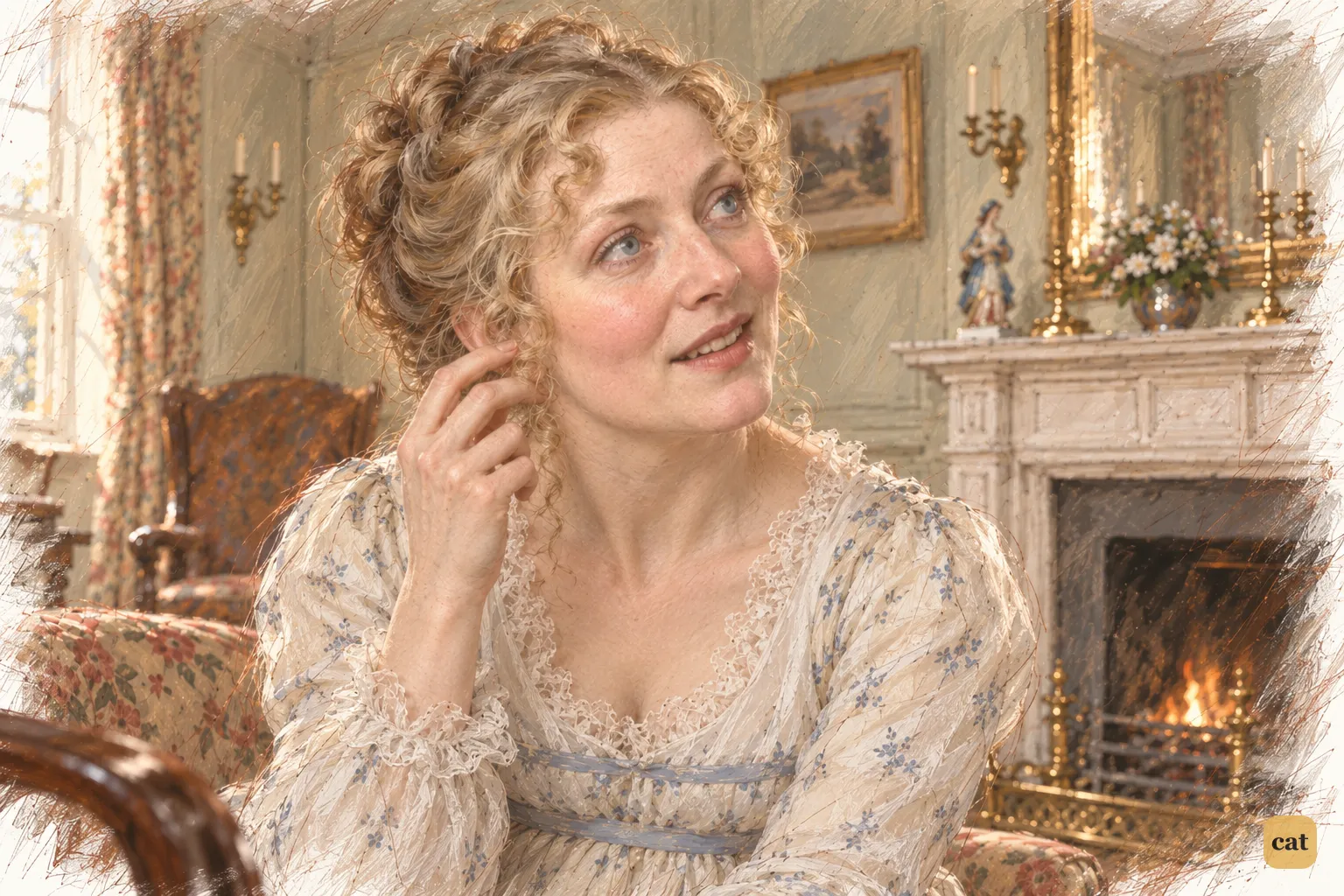
"My dear, you flatter me. I certainly have had my share of beauty, but I do not pretend to be any thing extraordinary now. When a woman has five grown up daughters, she ought to give over thinking of her own beauty."
Read from here → -
-
-
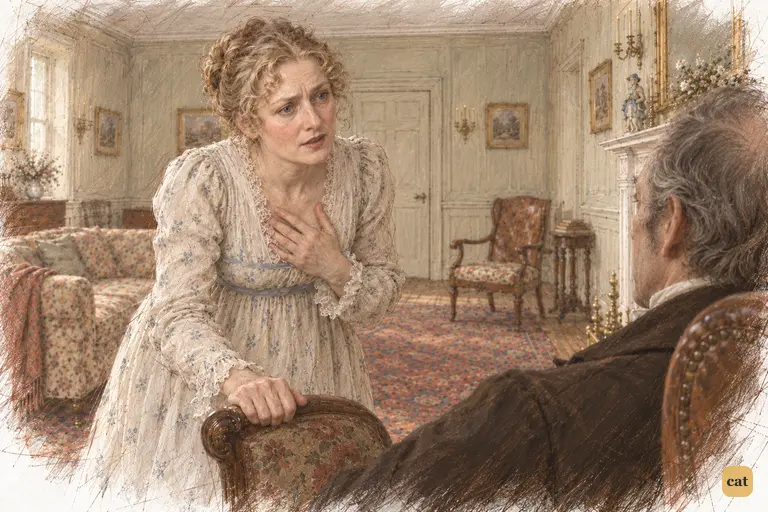
Indeed you must go
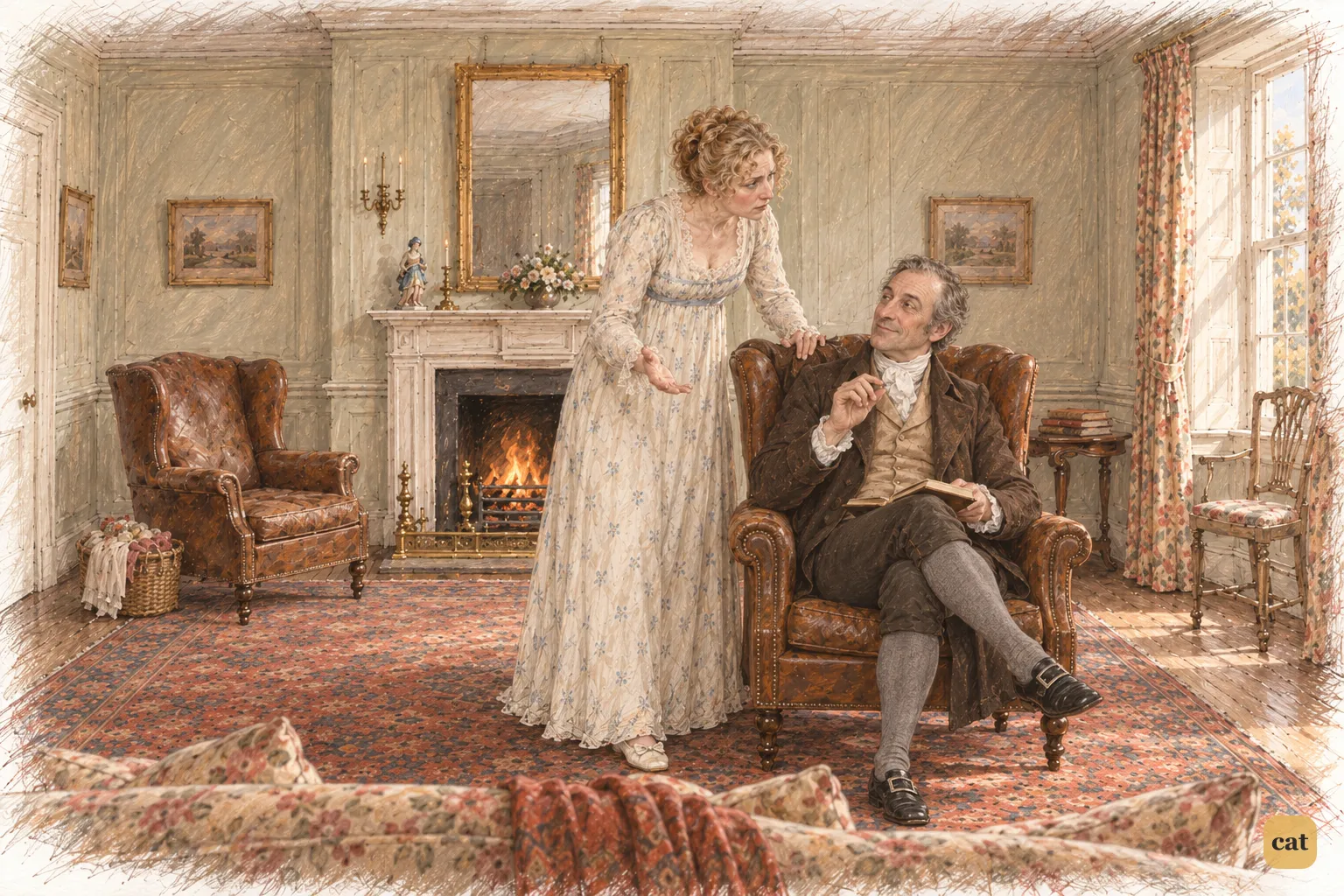
"But consider your daughters. Only think what an establishment it would be for one of them. Sir William and Lady Lucas are determined to go, merely on that account, for in general you know they visit no new comers. Indeed you must go, for it will be impossible for us to visit him, if you do not."
Read from here → -
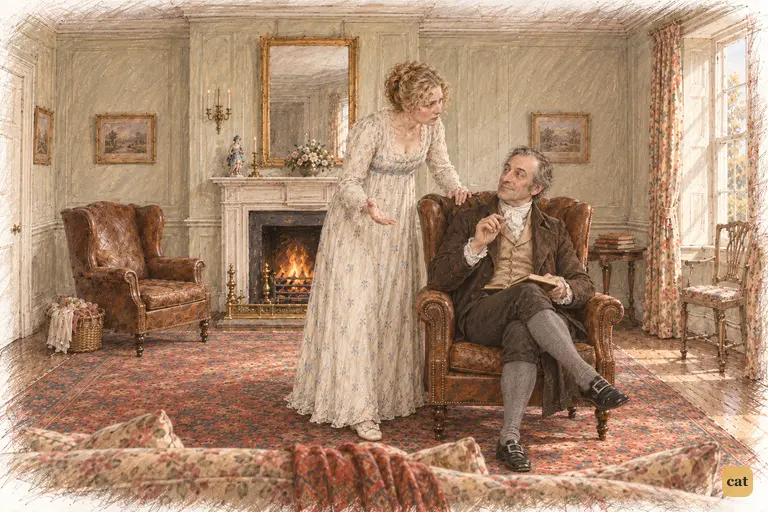
A few lines for Lizzy
"You are over scrupulous surely. I dare say Mr. Bingley will be very glad to see you; and I will send a few lines by you to assure him of my hearty consent to his marrying which ever he chuses of the girls; though I must throw in a good word for my little Lizzy."
Read from here → -
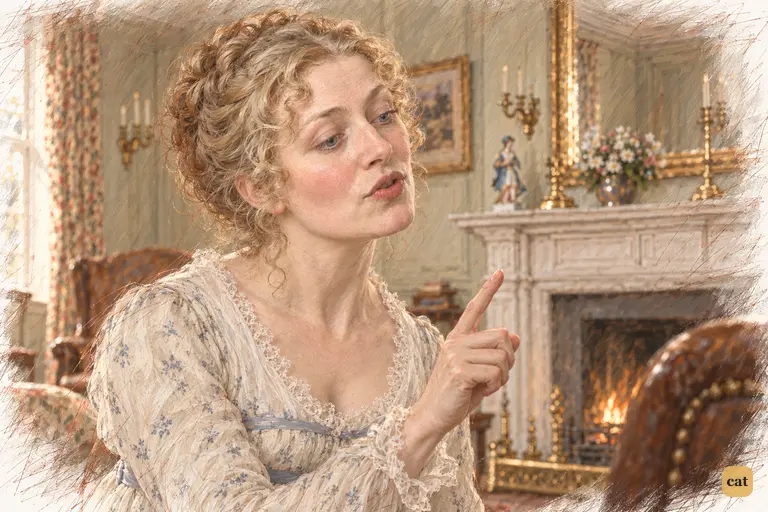
Not half so handsome
"I desire you will do no such thing. Lizzy is not a bit better than the others; and I am sure she is not half so handsome as Jane, nor half so good humoured as Lydia. But you are always giving her the preference."
Read from here → -
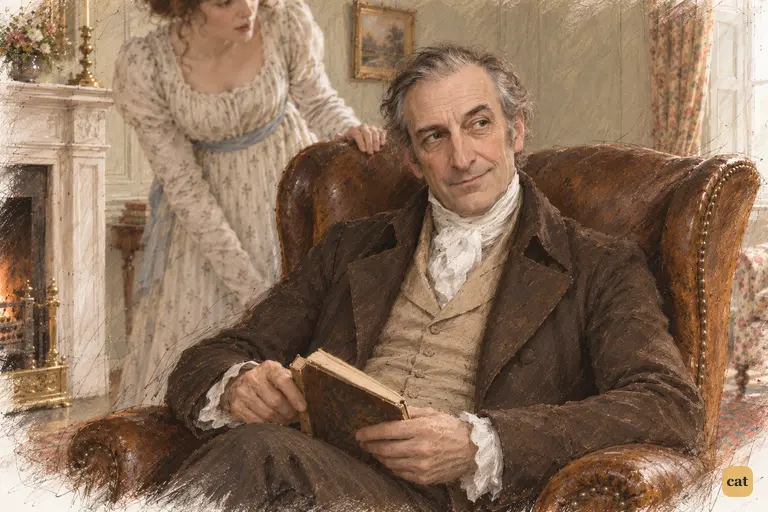
Something more of quickness
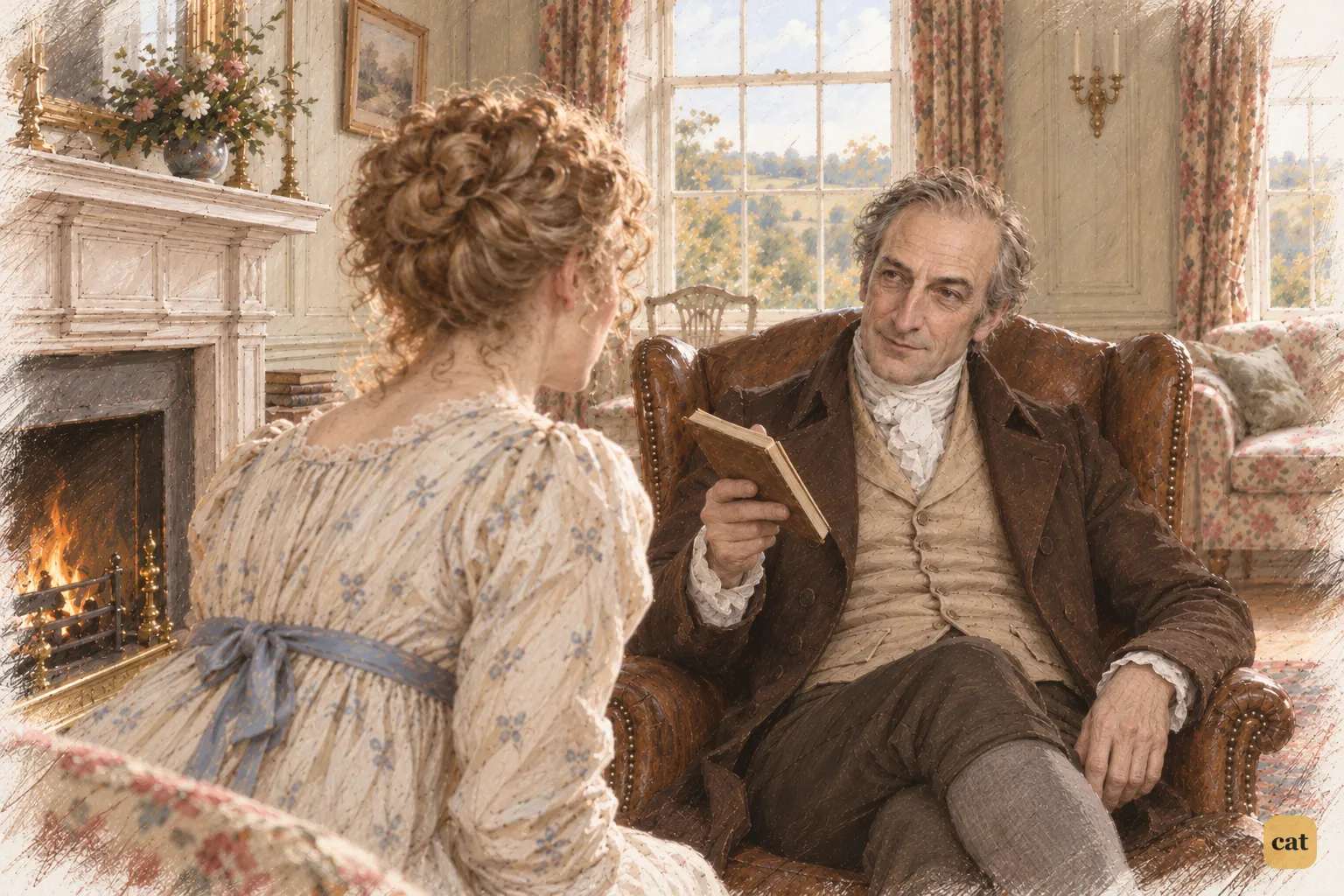
"They have none of them much to recommend them," replied he; "they are all silly and ignorant like other girls; but Lizzy has something more of quickness than her sisters."
Read from here → -
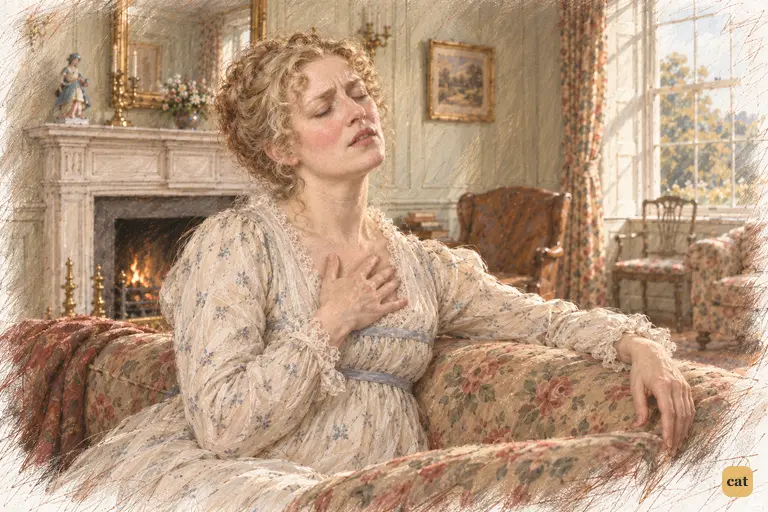
My poor nerves
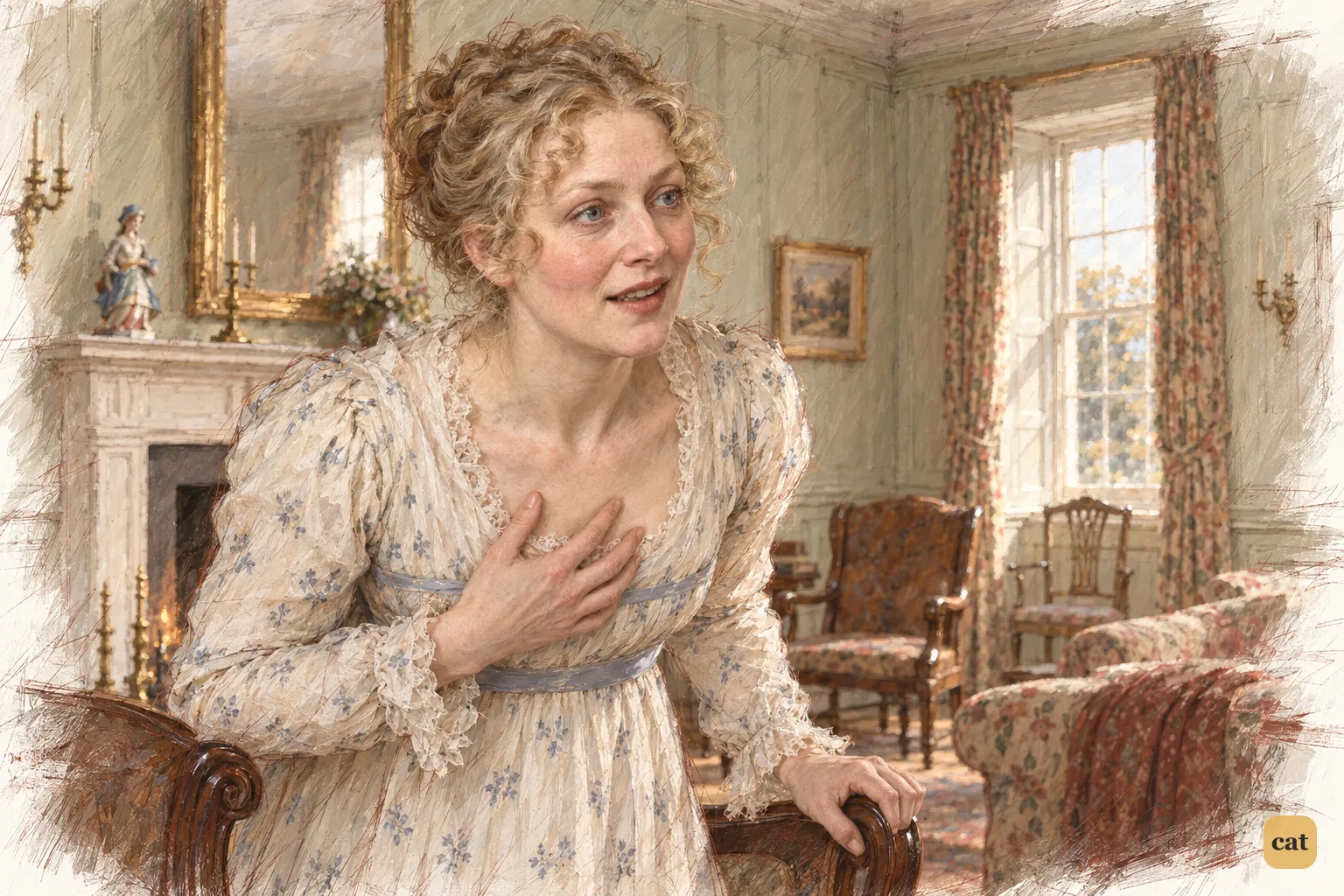
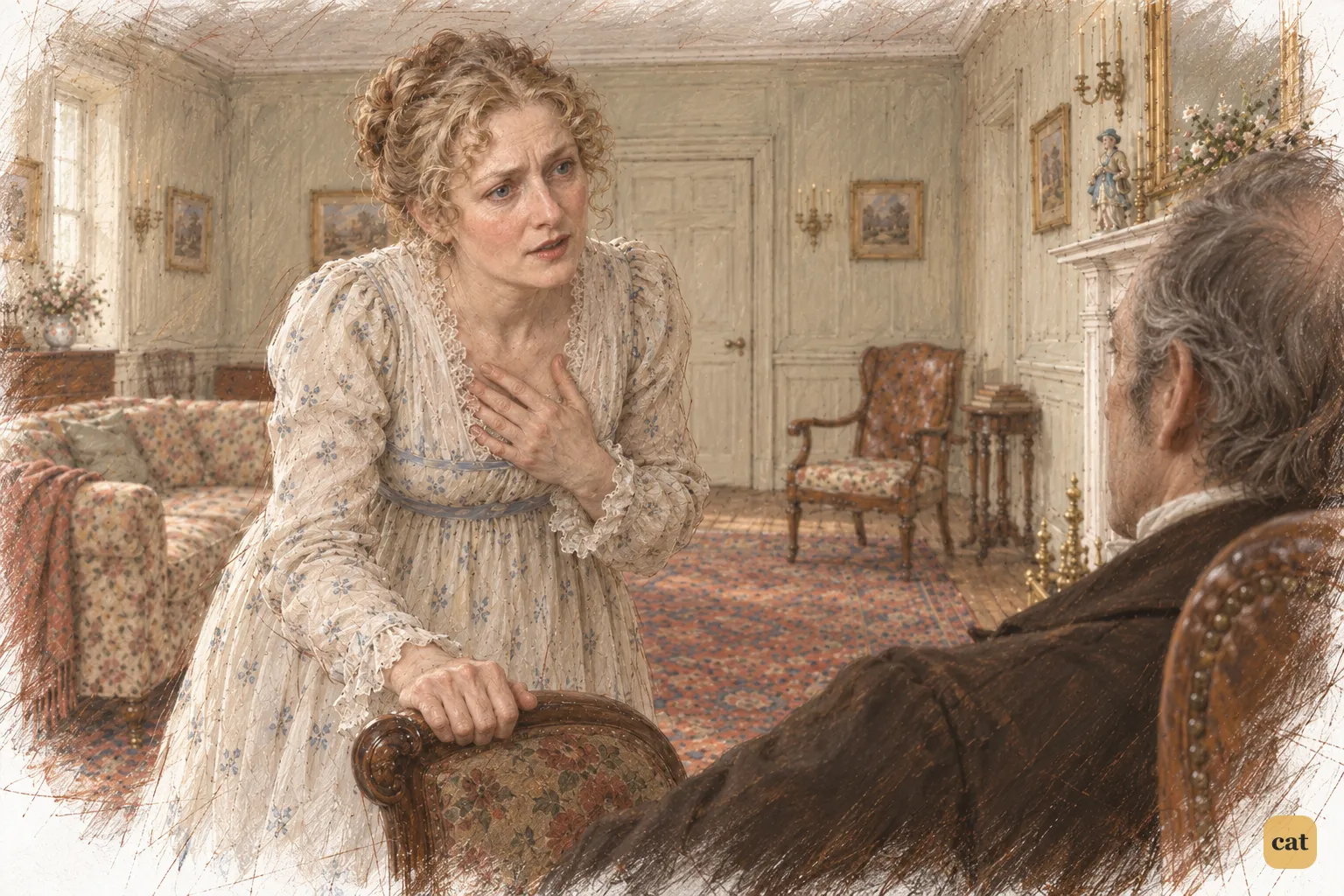
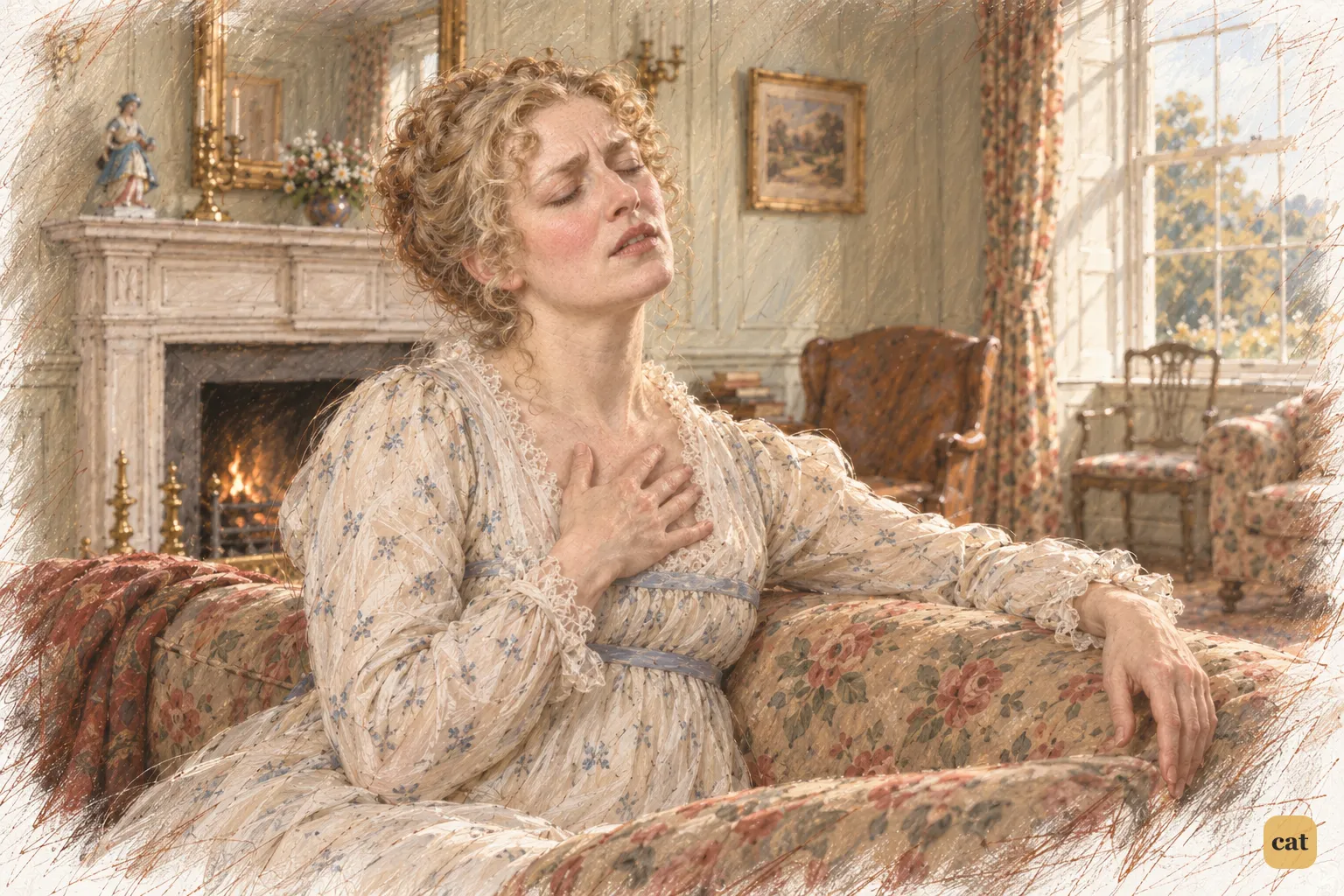
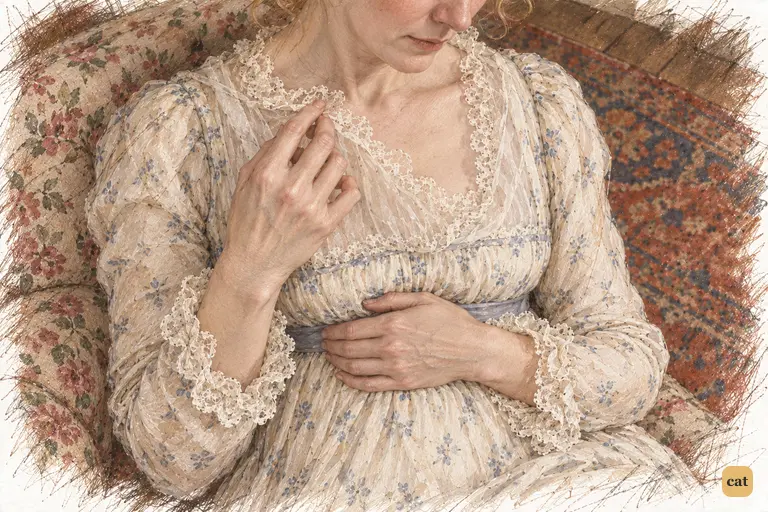
"Mr. Bennet, how can you abuse your own children in such a way? You take delight in vexing me. You have no compassion on my poor nerves."
Read from here → -

My old friends
"You mistake me, my dear. I have a high respect for your nerves. They are my old friends. I have heard you mention them with consideration these twenty years at least."
Read from here → -
-
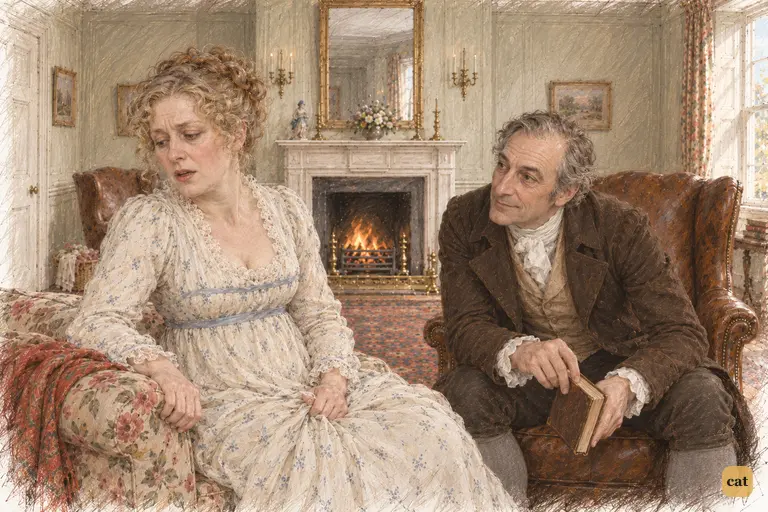
Twenty such young men
"It will be no use to us, if twenty such should come since you will not visit them."
Read from here → -
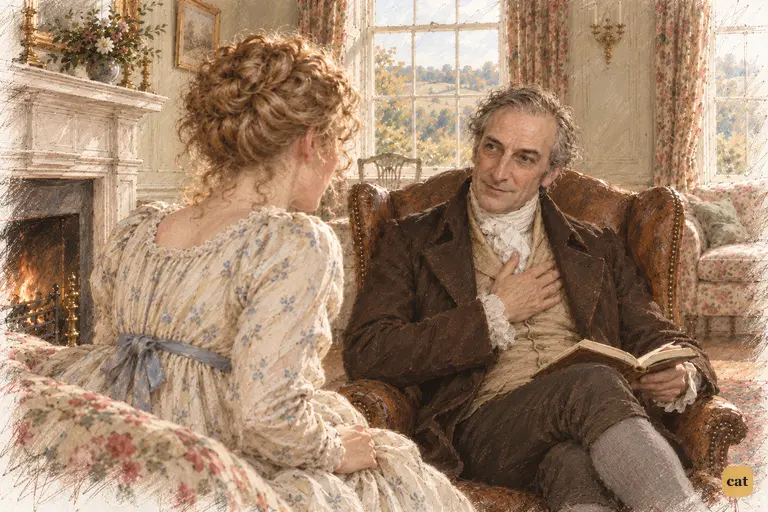
I will visit them all
"Depend upon it, my dear, that when there are twenty, I will visit them all."
Read from here → -
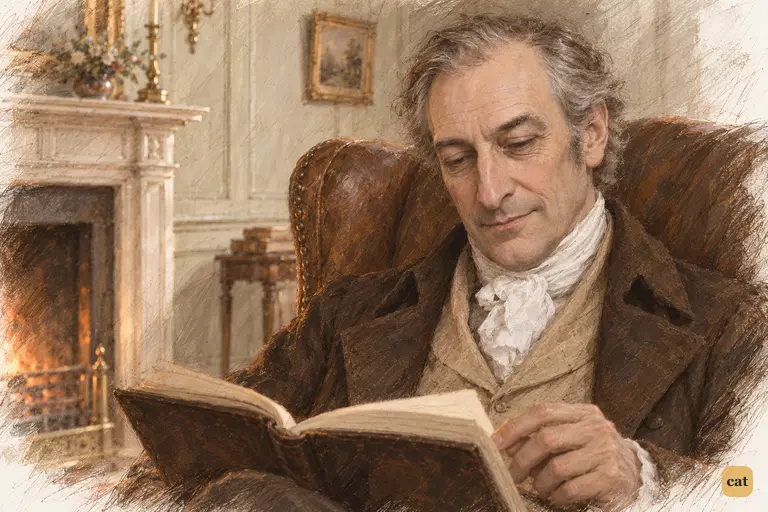
An odd mixture
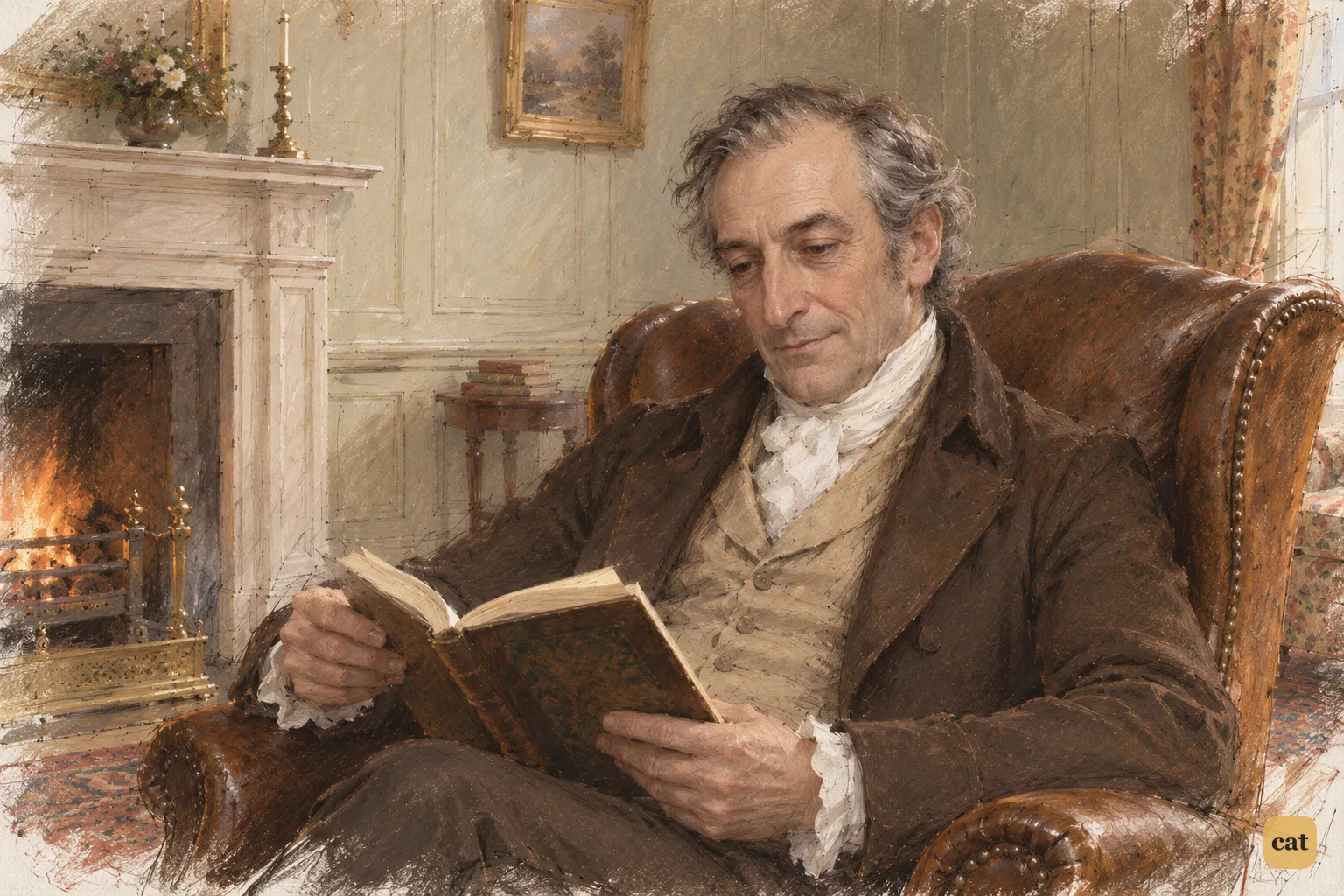
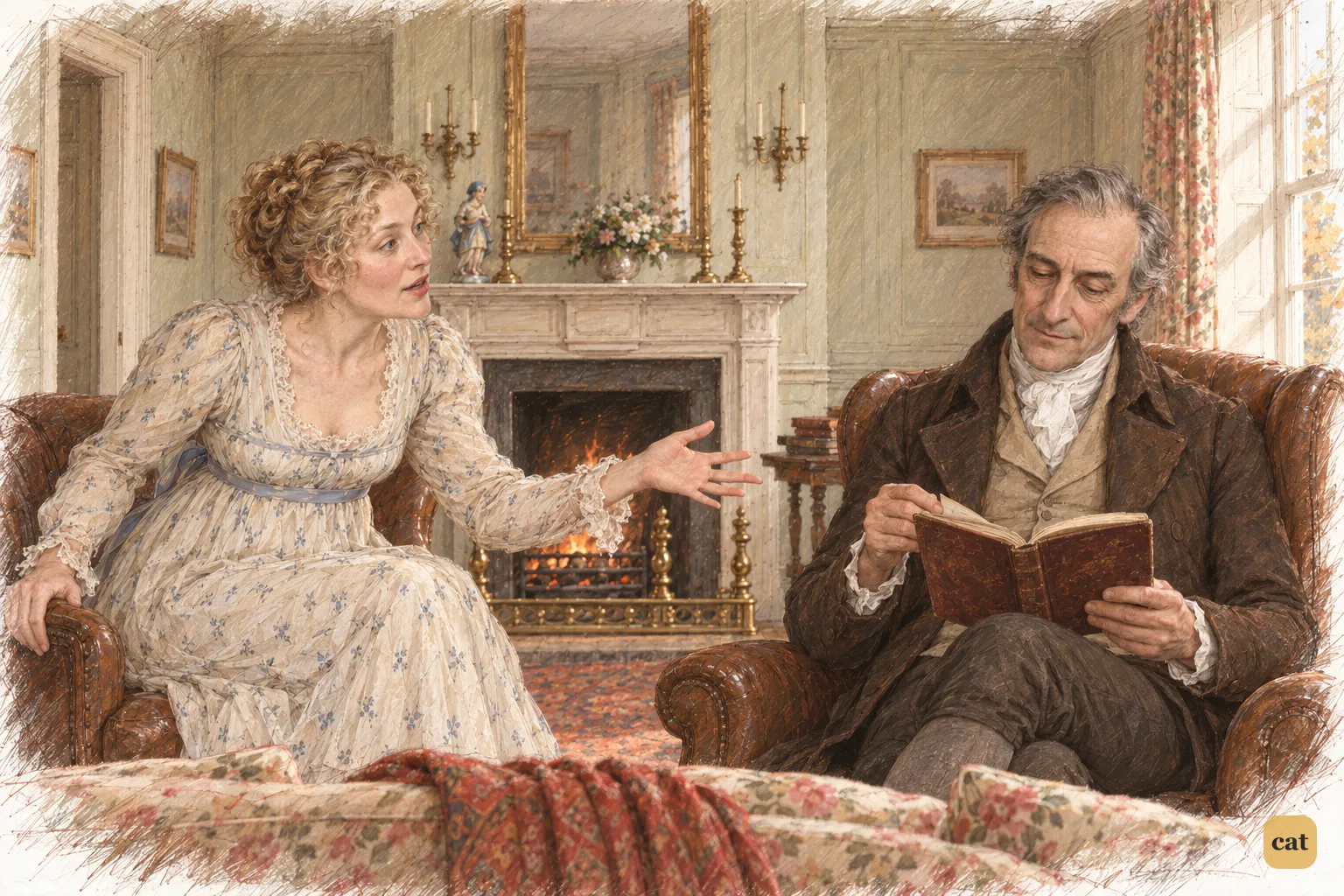
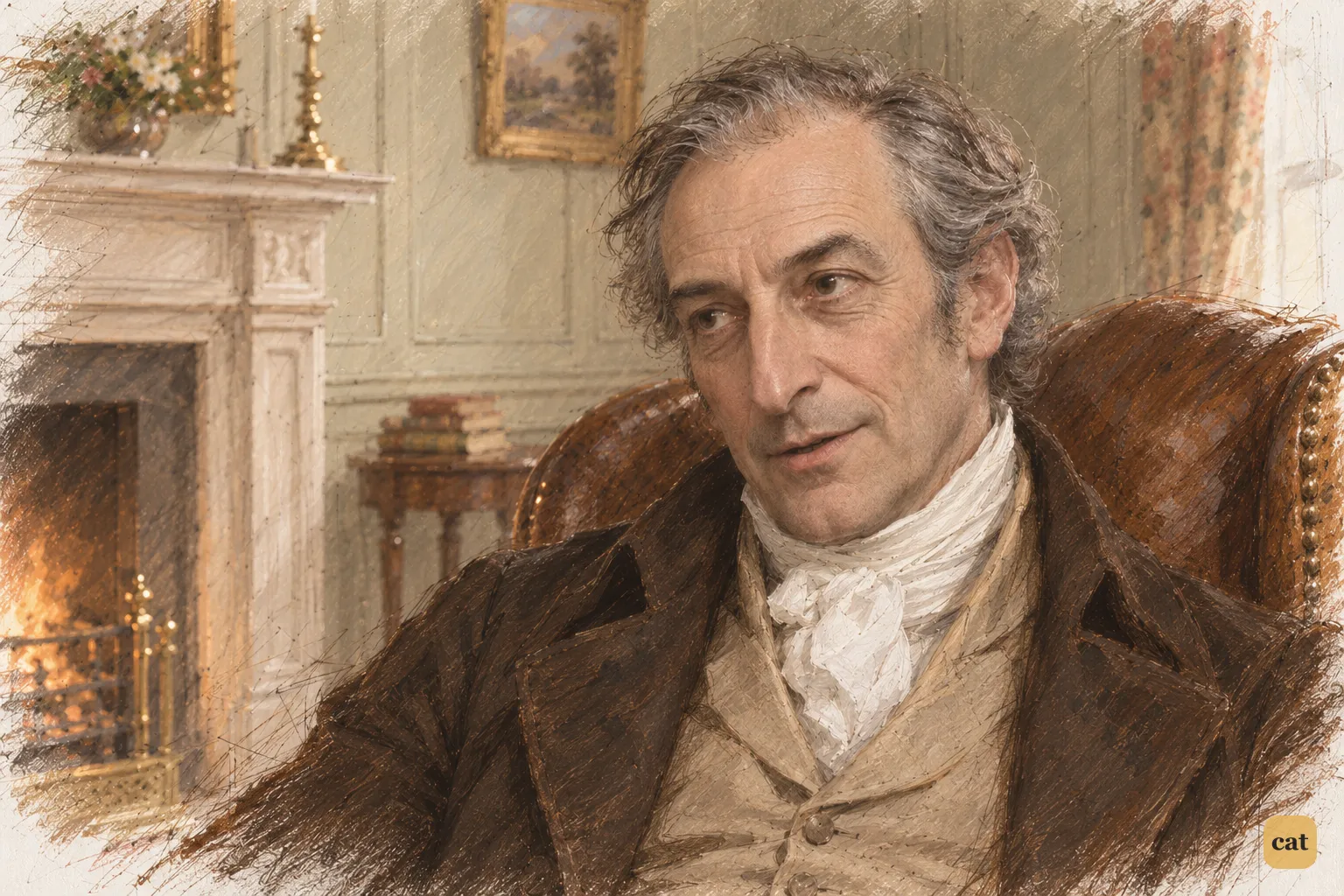
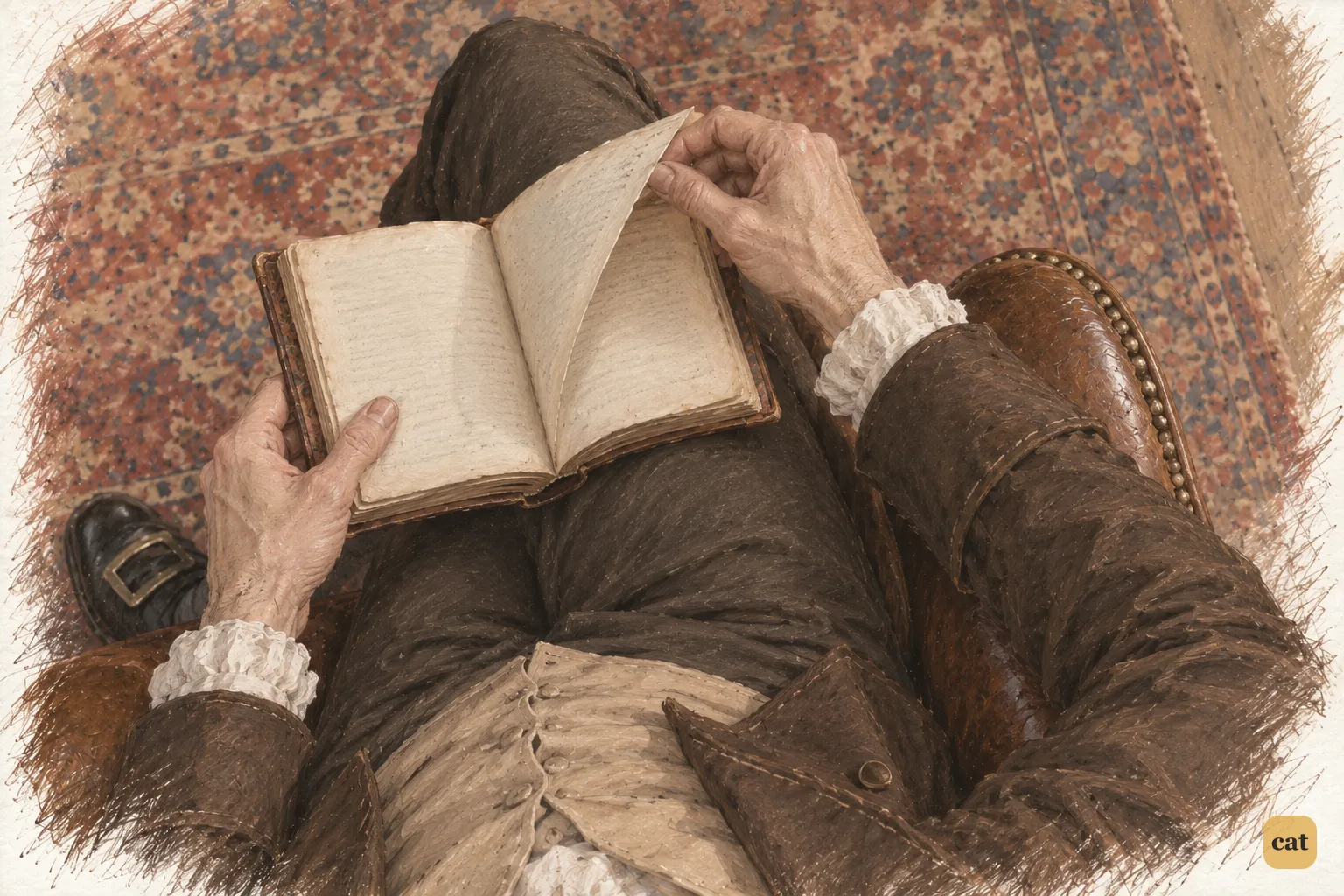
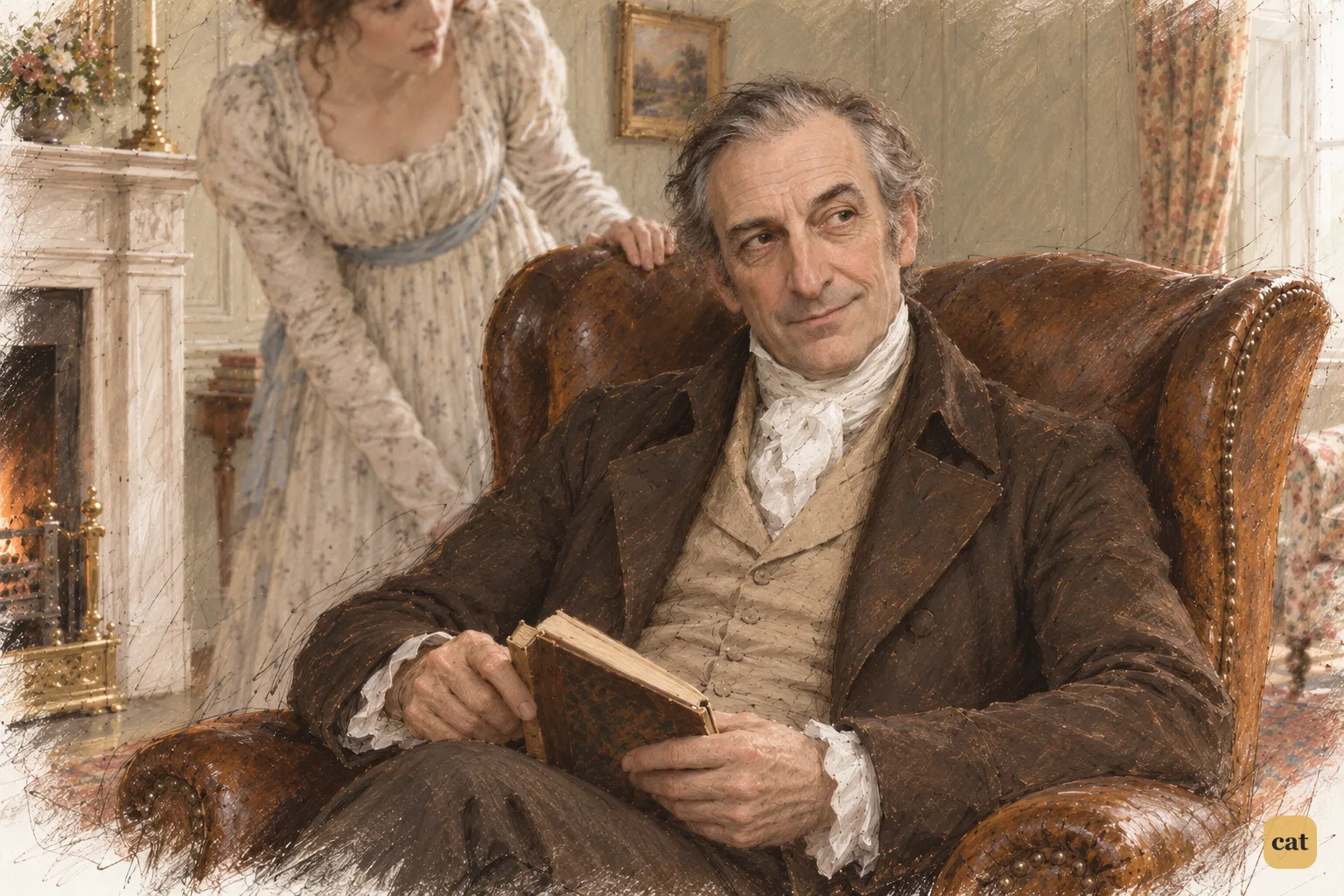
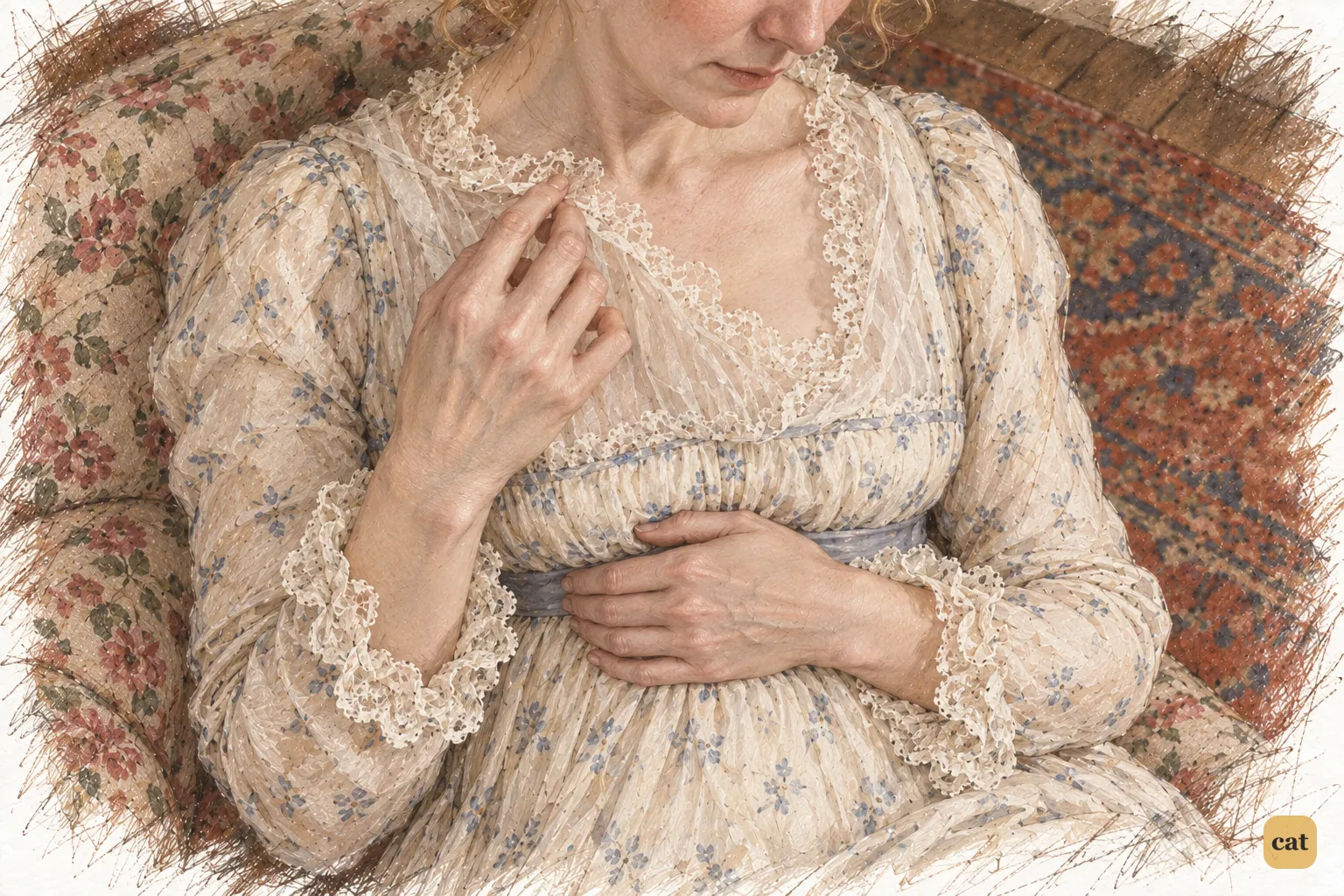
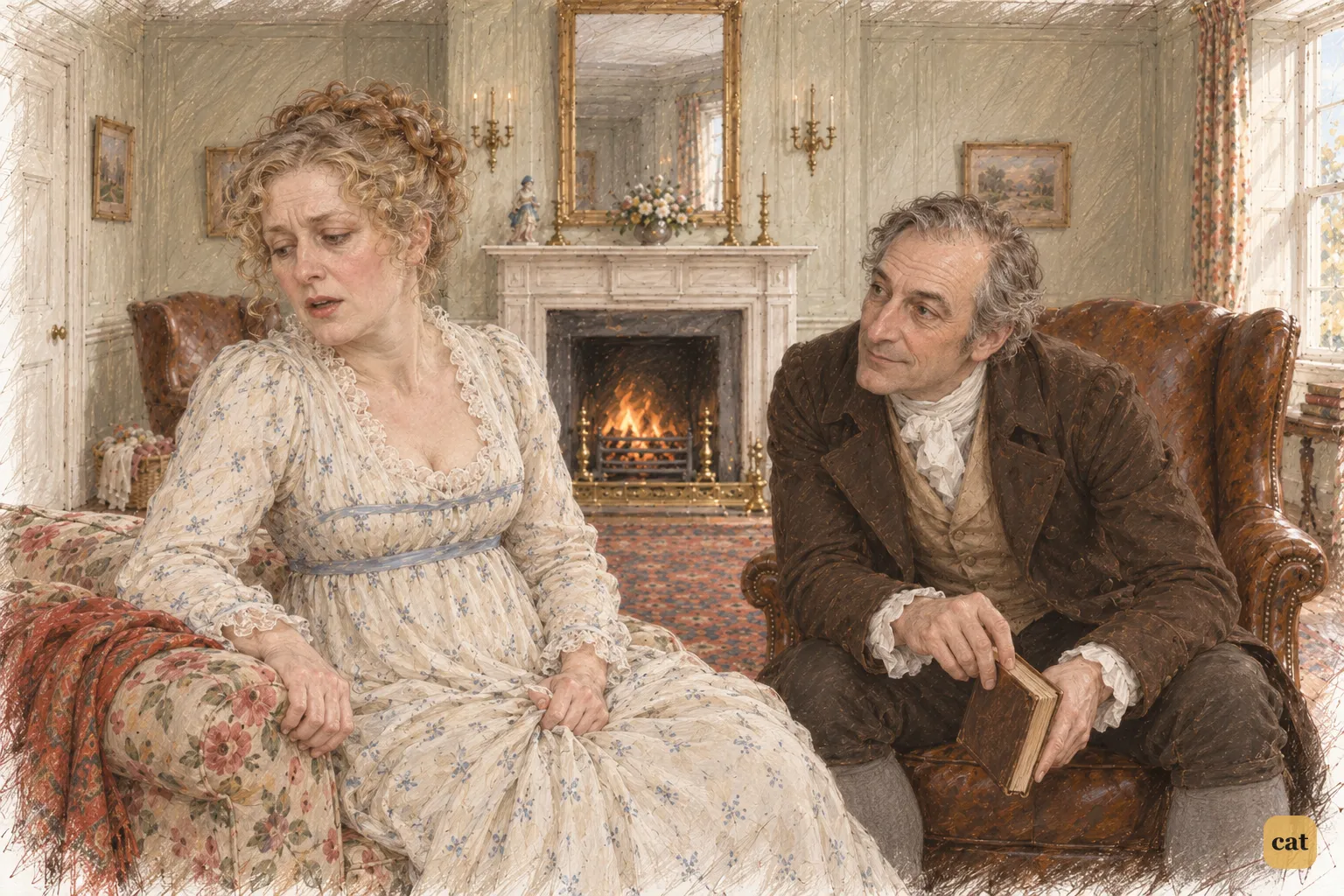
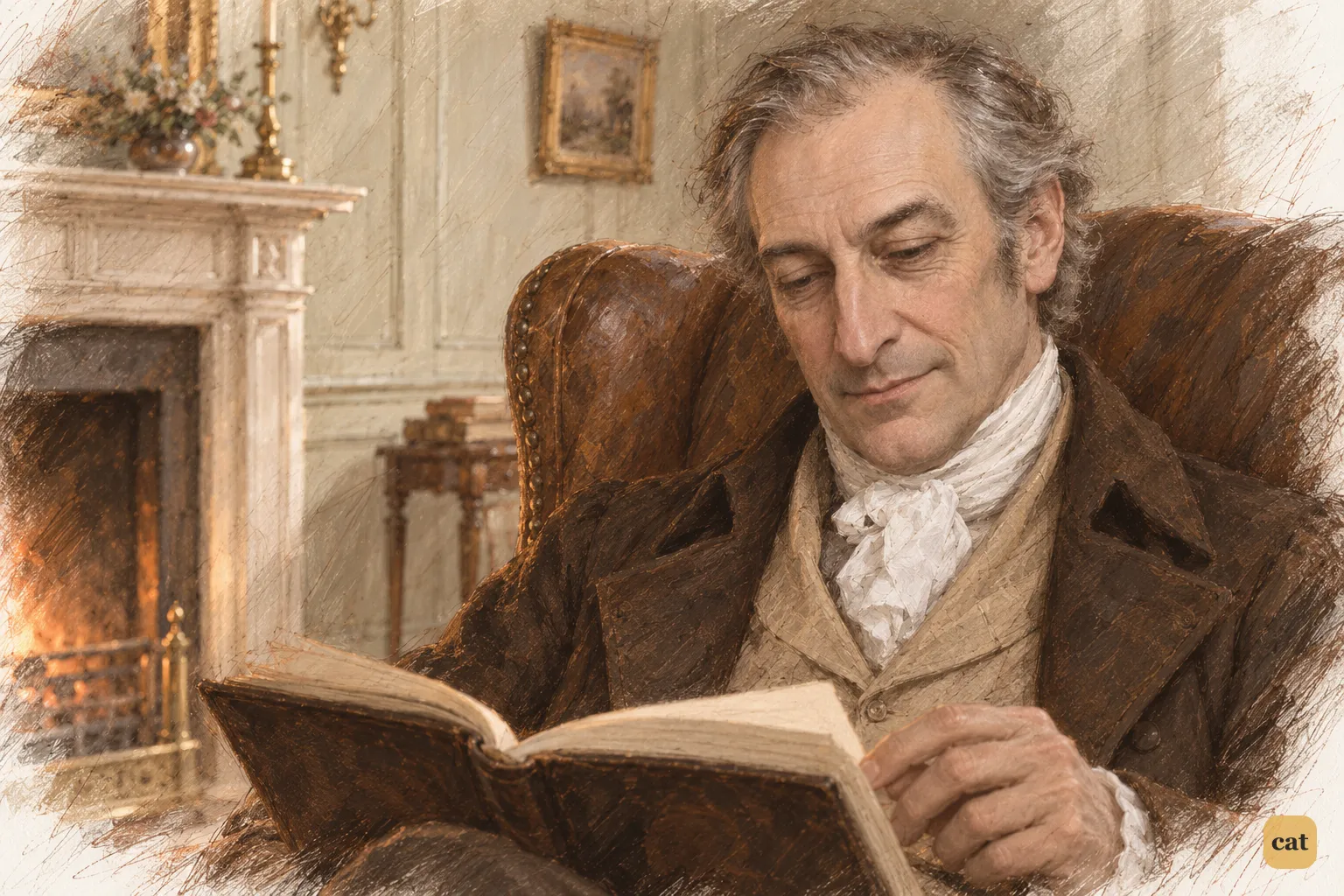
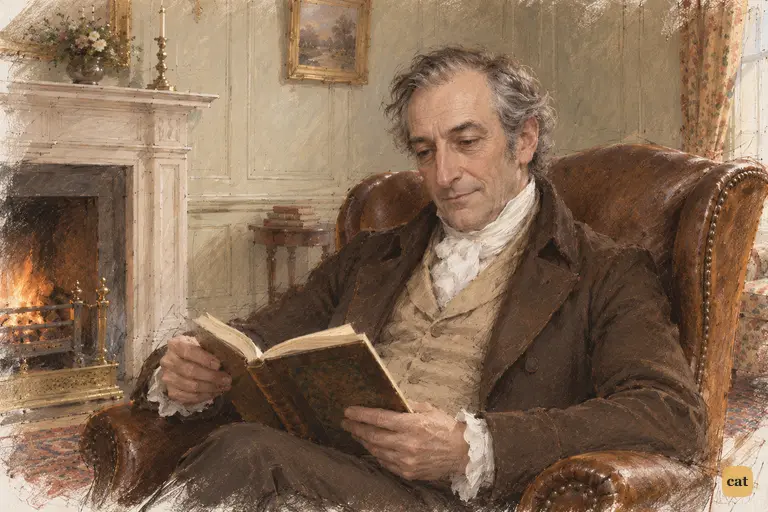
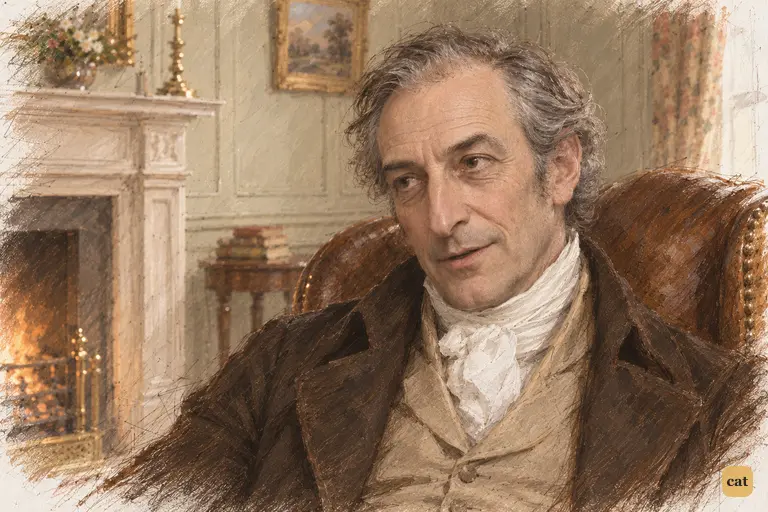
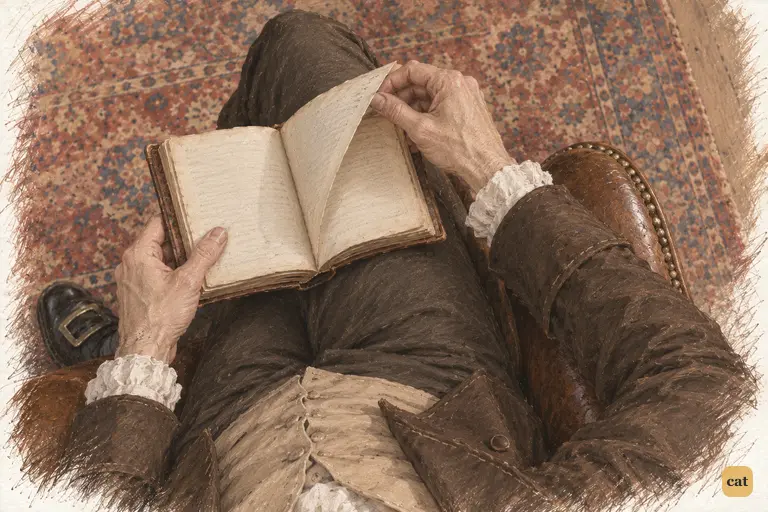
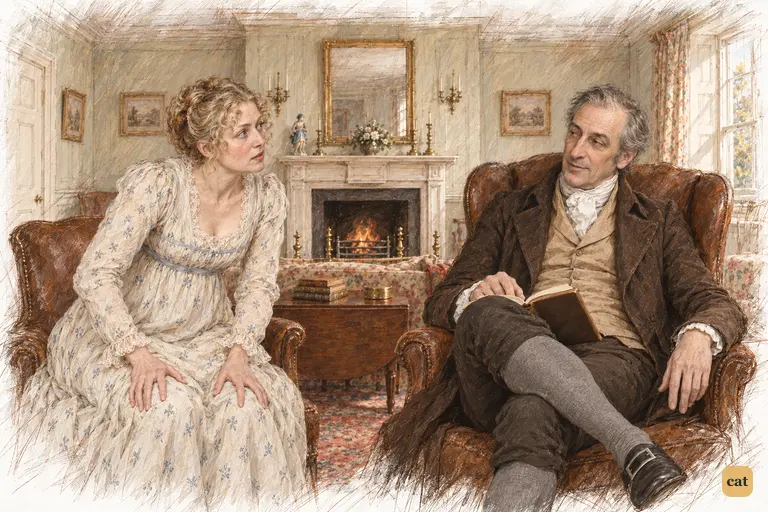
Mr. Bennet was so odd a mixture of quick parts, sarcastic humour, reserve, and caprice, that the experience of three and twenty years had been insufficient to make his wife understand his character. Her mind was less difficult to develope. She was a woman of mean understanding, little information, and uncertain temper. When she was discontented she fancied herself nervous. The business of her life was to get her daughters married; its solace was visiting and news.
Read from here → -
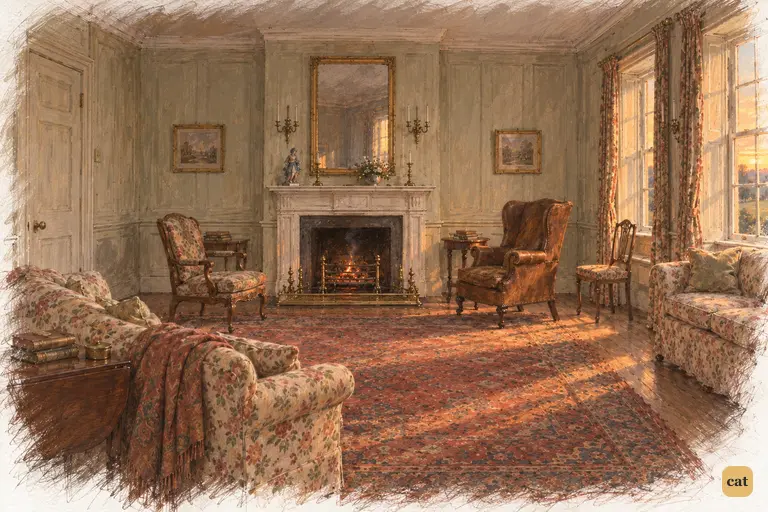
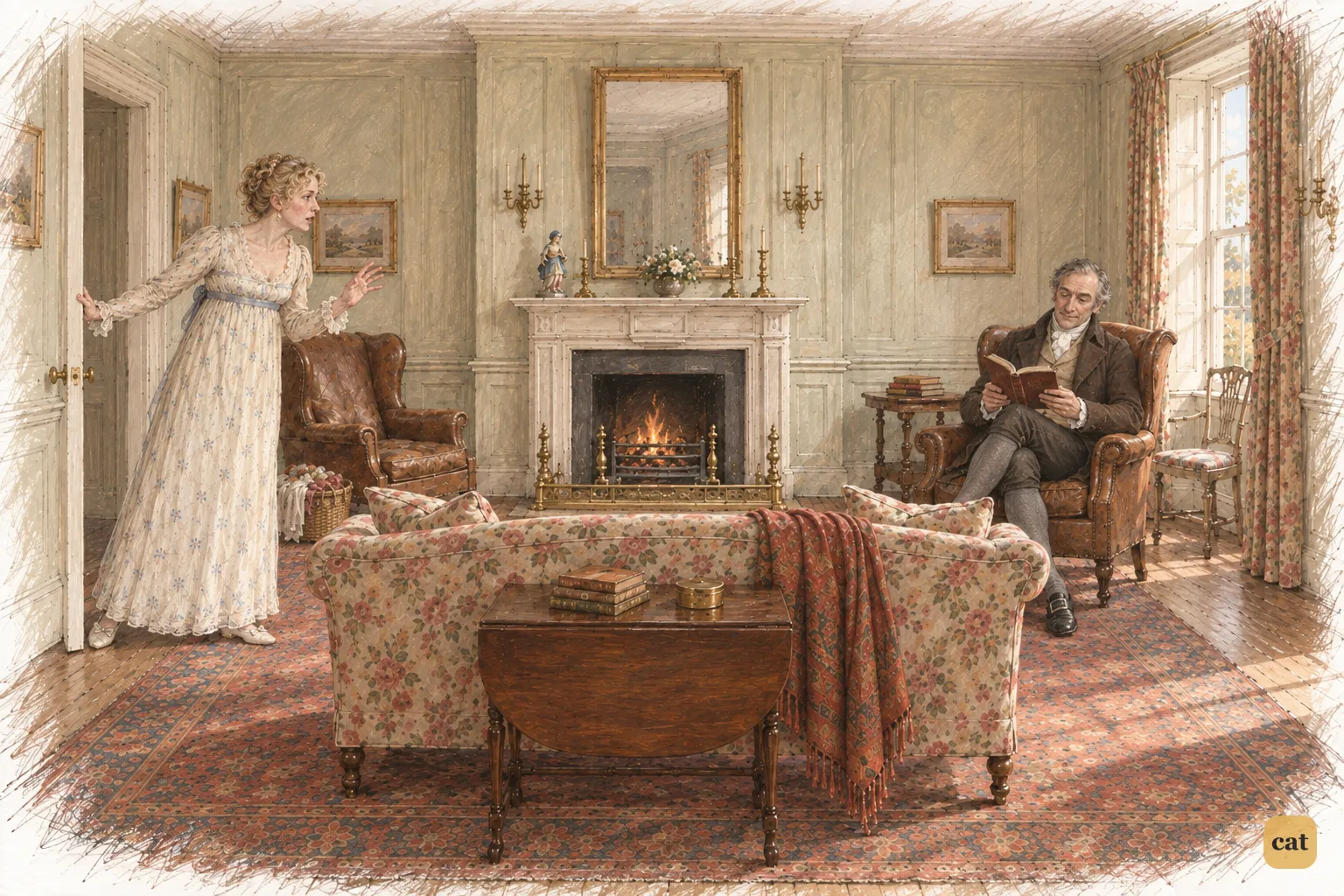
Evening at the hearth
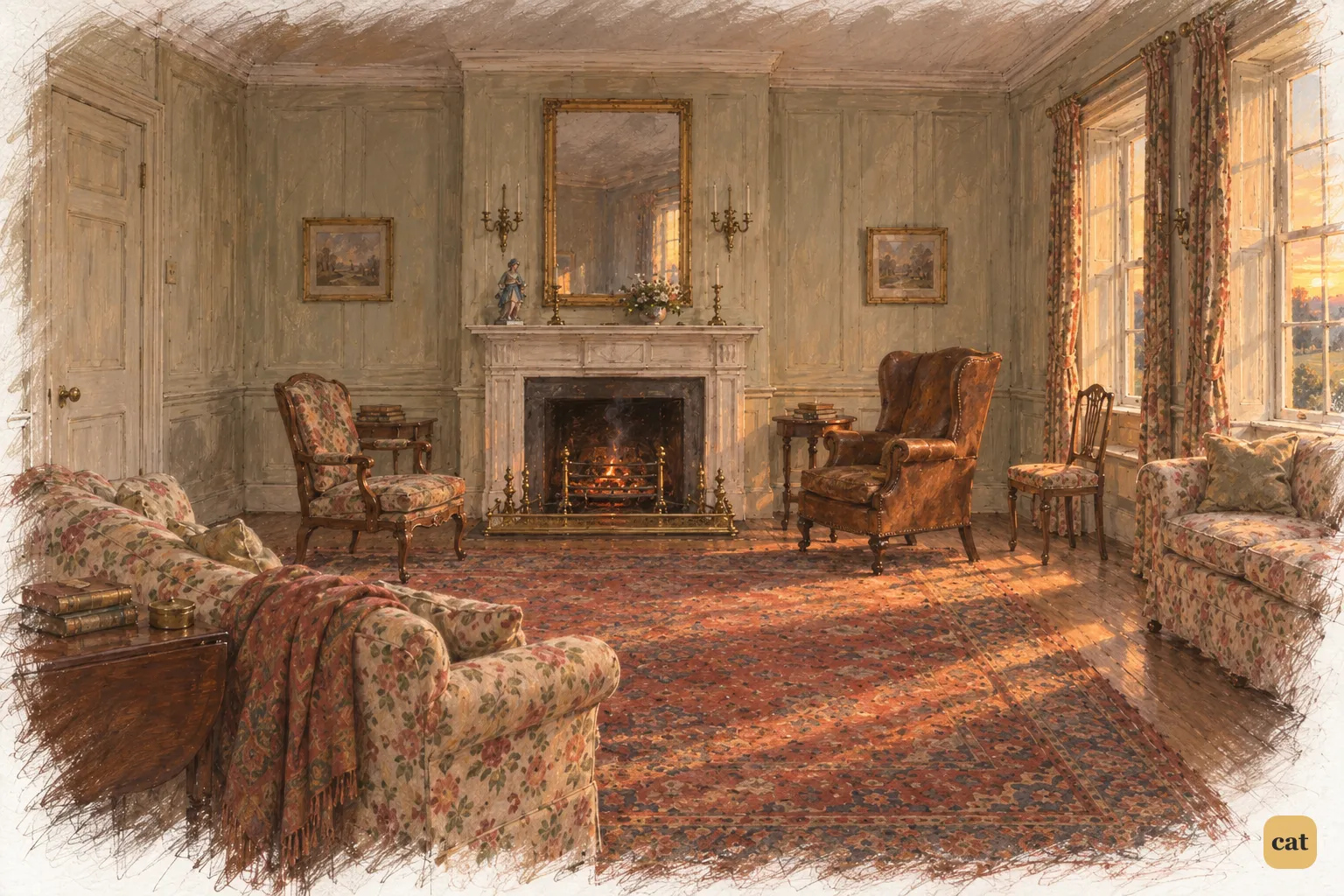
Mr. Bennet was so odd a mixture of quick parts, sarcastic humour, reserve, and caprice, that the experience of three and twenty years had been insufficient to make his wife understand his character. Her mind was less difficult to develope. She was a woman of mean understanding, little information, and uncertain temper. When she was discontented she fancied herself nervous. The business of her life was to get her daughters married; its solace was visiting and news.
Read from here →