-
Two houses, one mile
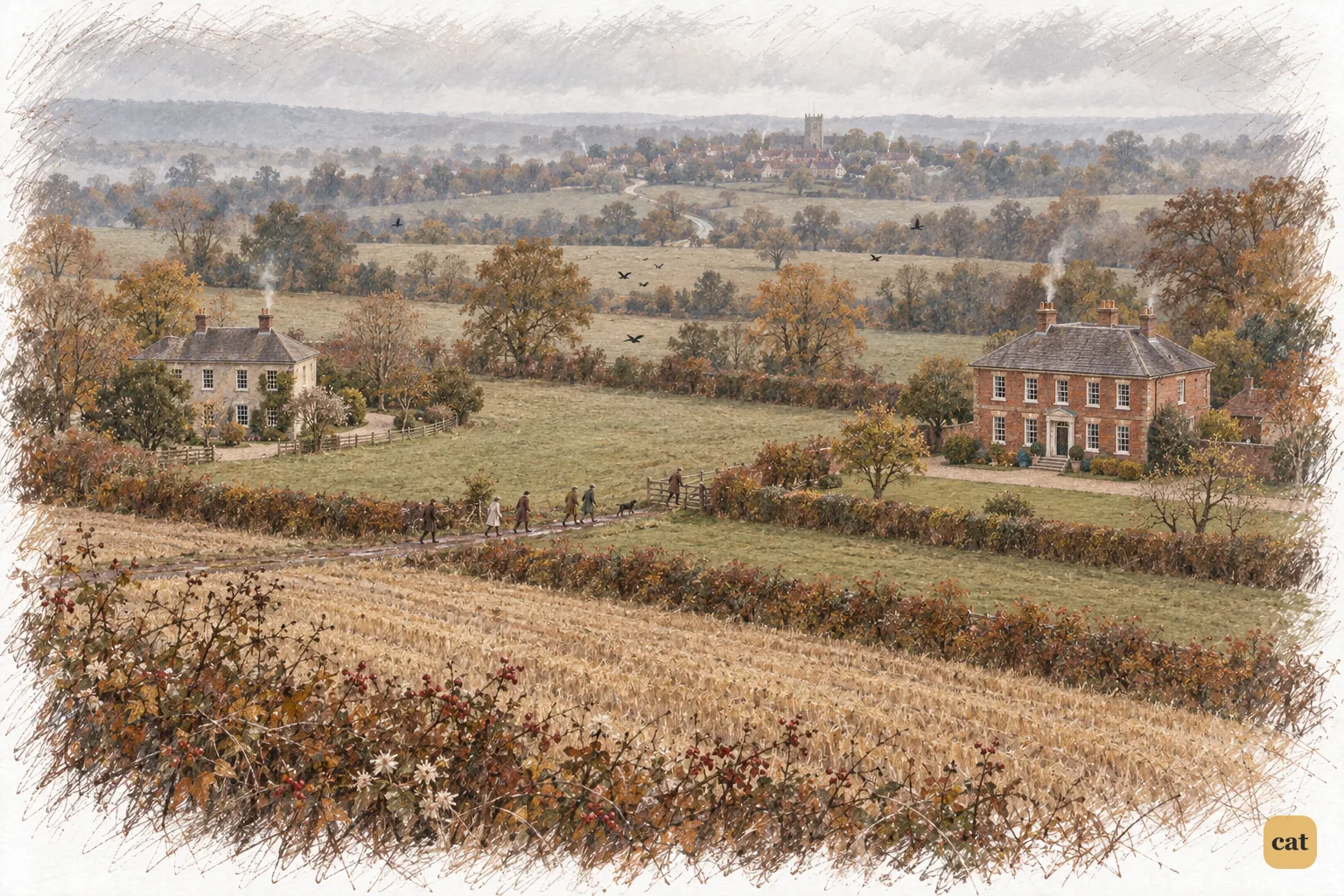
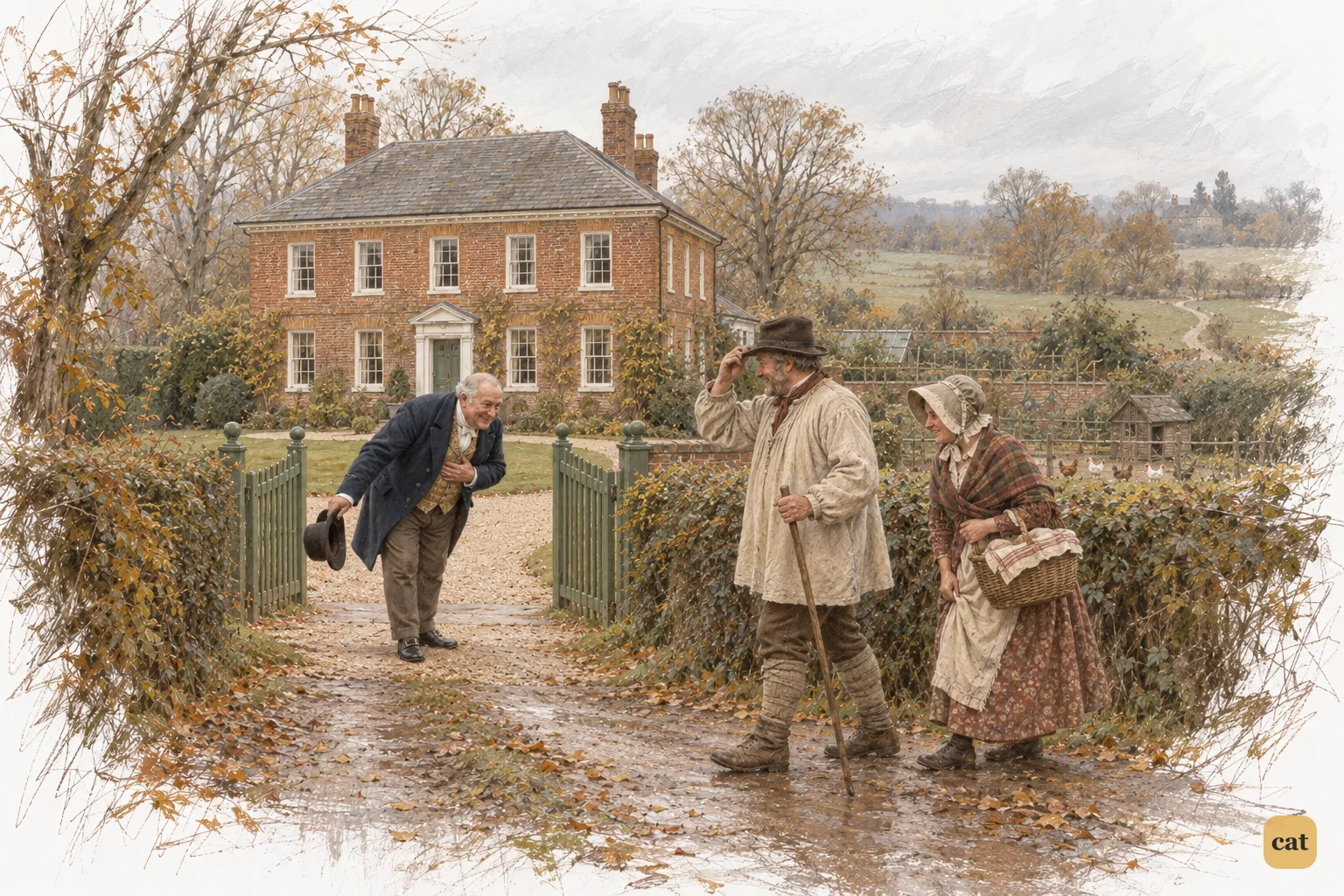
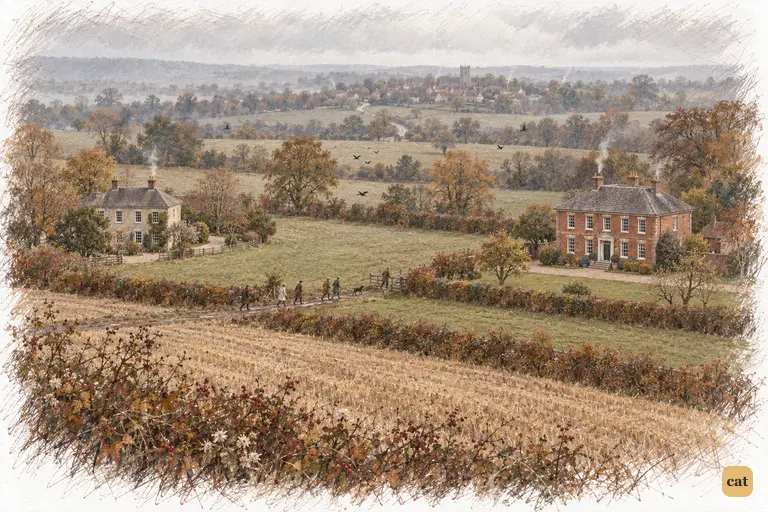
Within a short walk of Longbourn lived a family with whom the Bennets were particularly intimate. Sir William Lucas had been formerly in trade in Meryton, where he had made a tolerable fortune and risen to the honour of knighthood by an address to the King, during his mayoralty. The distinction had perhaps been felt too strongly. It had given him a disgust to his business and to his residence in a small market town; and quitting them both, he had removed with his family to a house about a mile from Meryton, denominated from that period Lucas Lodge, where he could think with pleasure of his own importance, and unshackled by business, occupy himself solely in being civil to all the world. For though elated by his rank, it did not render him supercilious; on the contrary, he was all attention to every body. By nature inoffensive, friendly and obliging, his presentation at St. James's had made him courteous.
Read from here → -
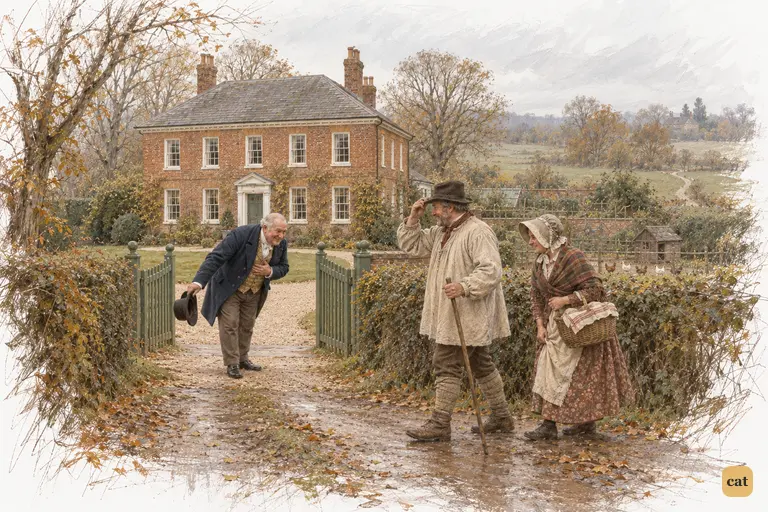
Civil to all the world
Within a short walk of Longbourn lived a family with whom the Bennets were particularly intimate. Sir William Lucas had been formerly in trade in Meryton, where he had made a tolerable fortune and risen to the honour of knighthood by an address to the King, during his mayoralty. The distinction had perhaps been felt too strongly. It had given him a disgust to his business and to his residence in a small market town; and quitting them both, he had removed with his family to a house about a mile from Meryton, denominated from that period Lucas Lodge, where he could think with pleasure of his own importance, and unshackled by business, occupy himself solely in being civil to all the world. For though elated by his rank, it did not render him supercilious; on the contrary, he was all attention to every body. By nature inoffensive, friendly and obliging, his presentation at St. James's had made him courteous.
Read from here → -
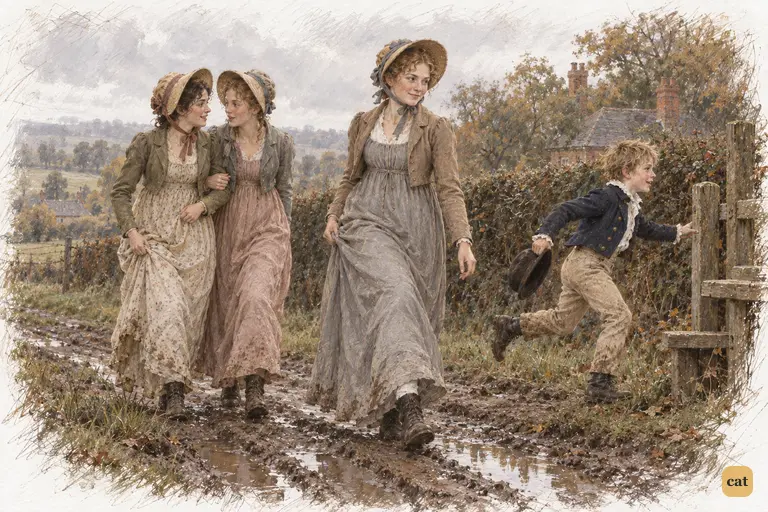
The Lucas party sets out
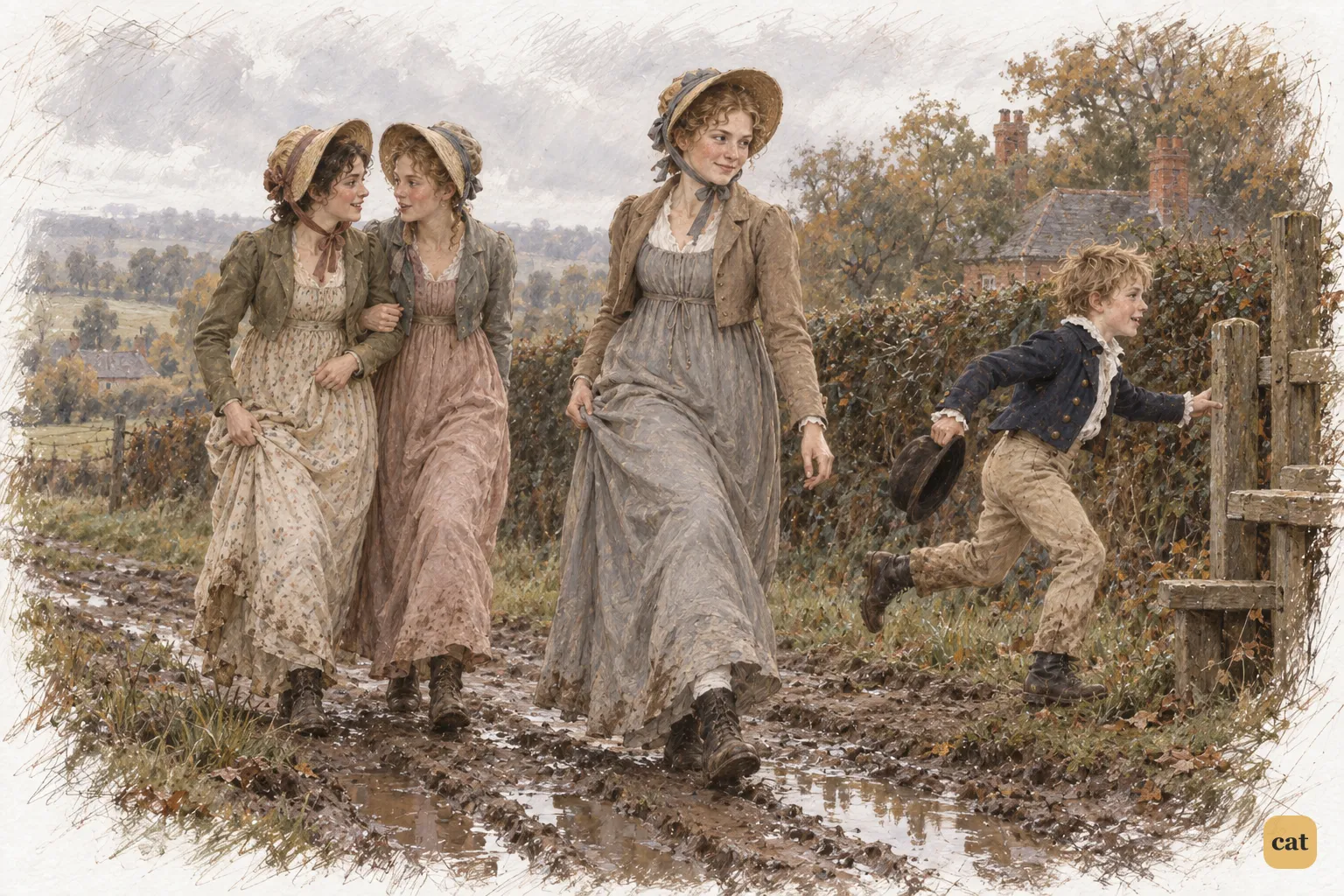
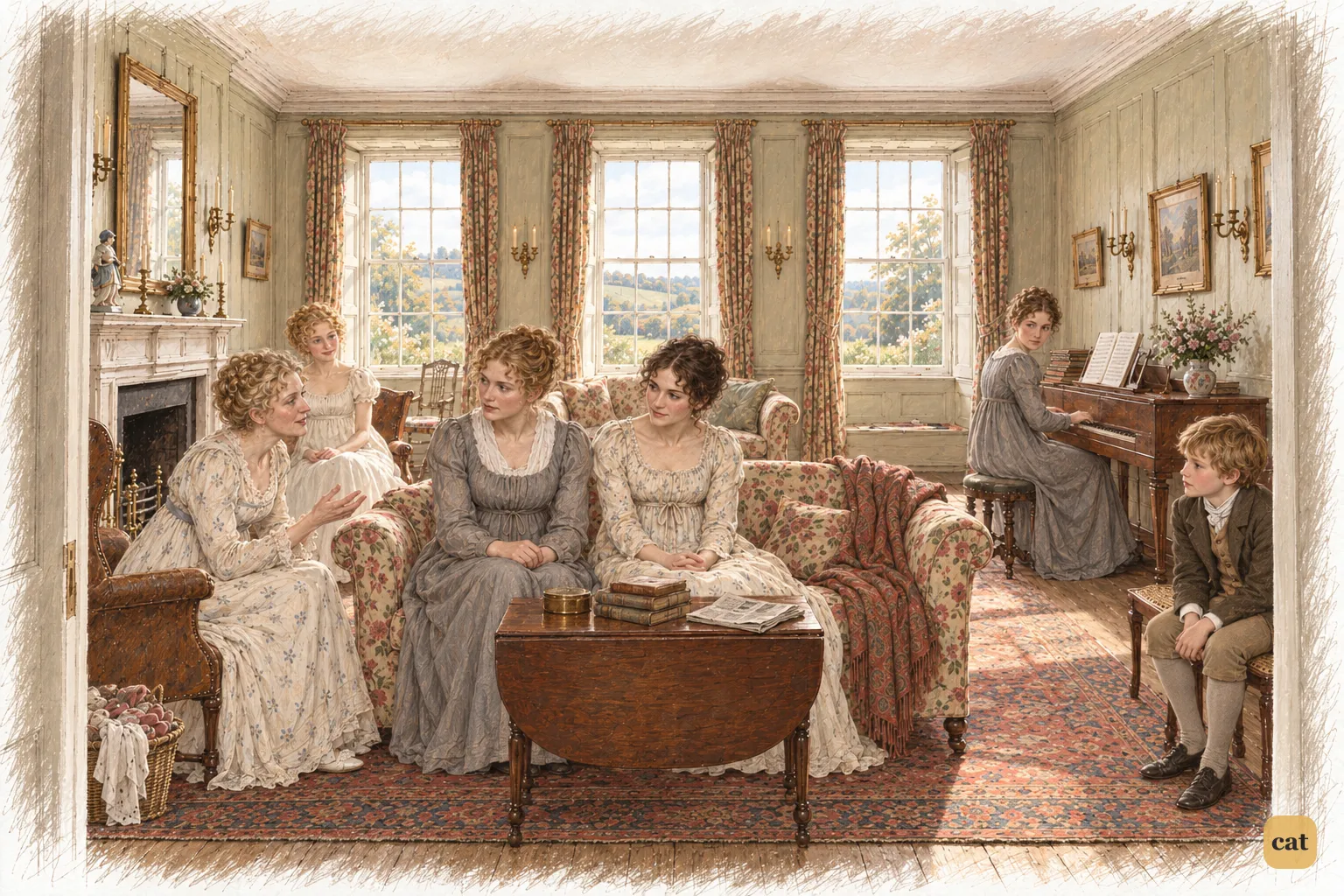
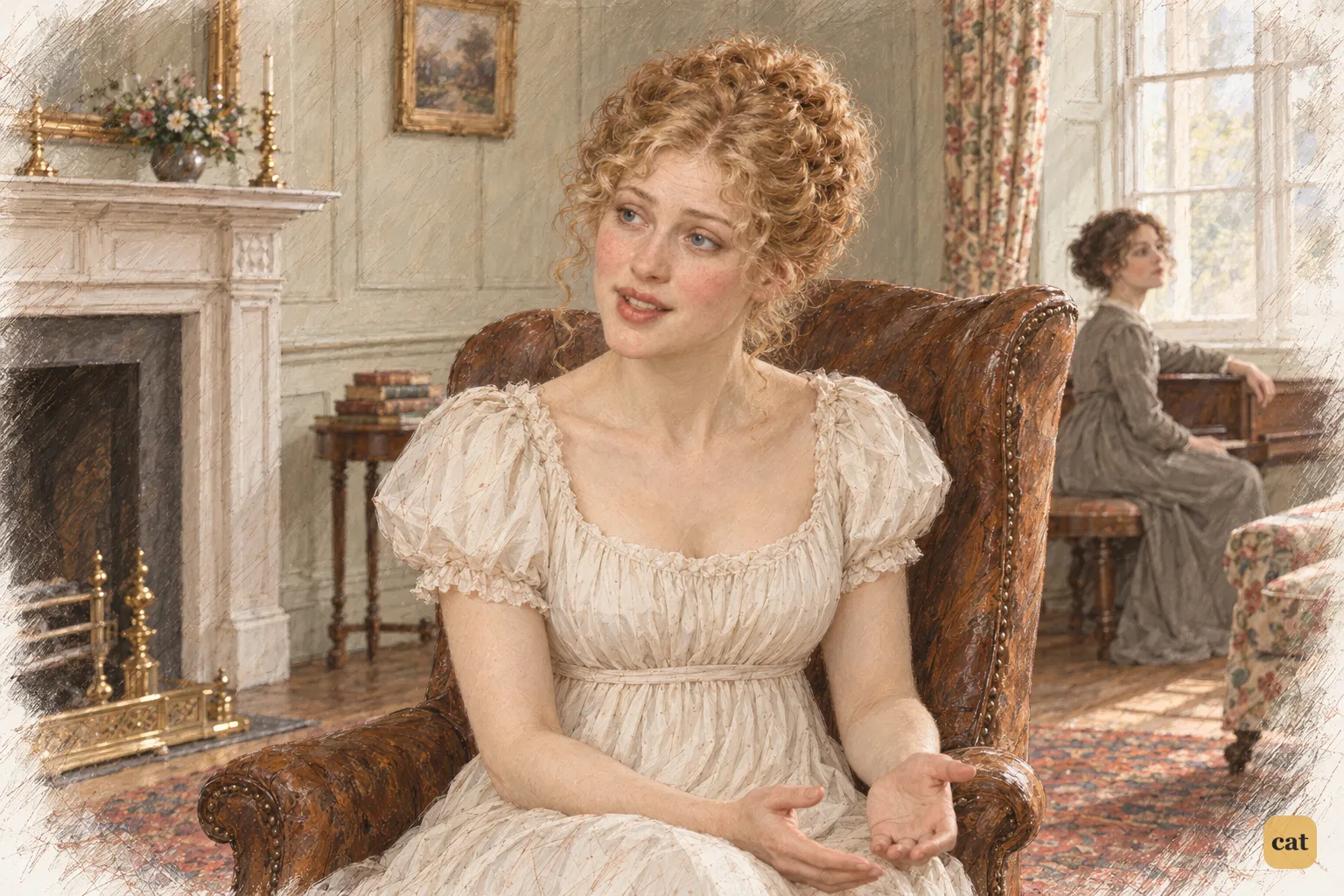
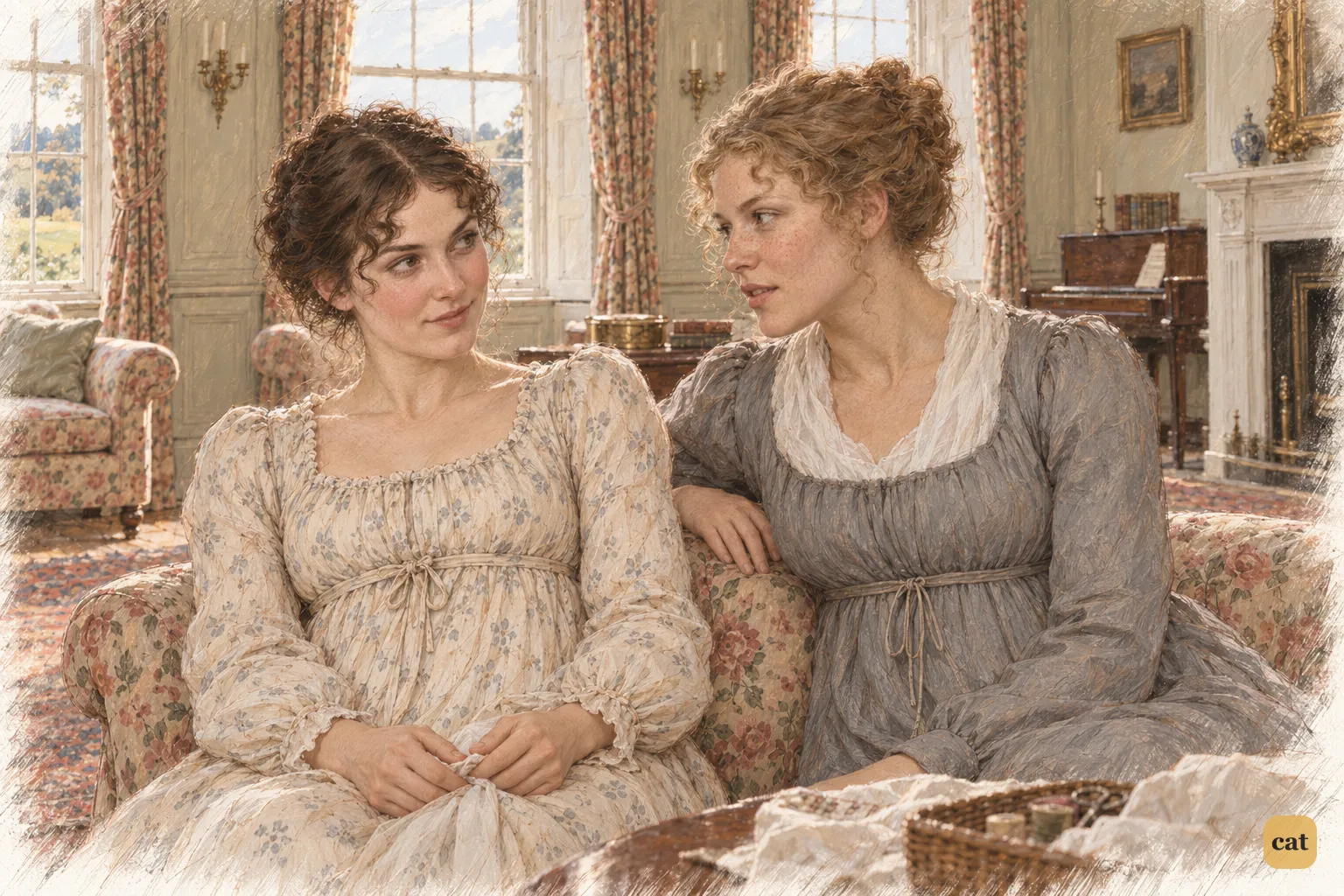
Lady Lucas was a very good kind of woman, not too clever to be a valuable neighbour to Mrs. Bennet.—They had several children. The eldest of them, a sensible, intelligent young woman, about twenty-seven, was Elizabeth's intimate friend.
Read from here → -
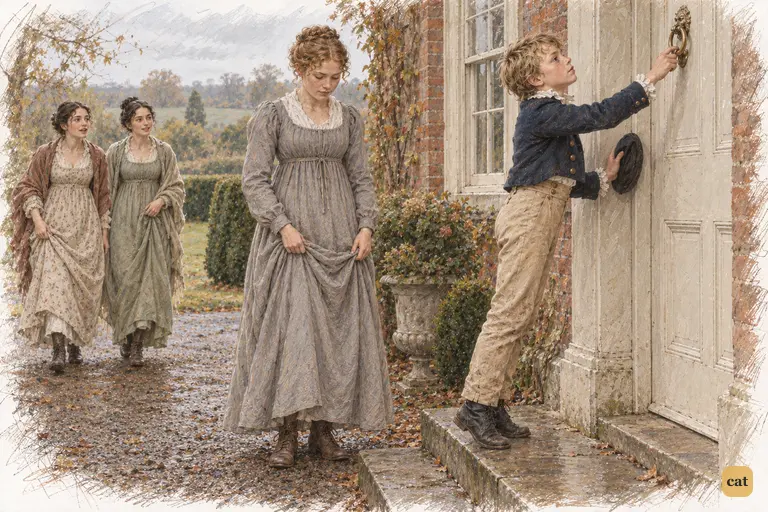
At Longbourn's door
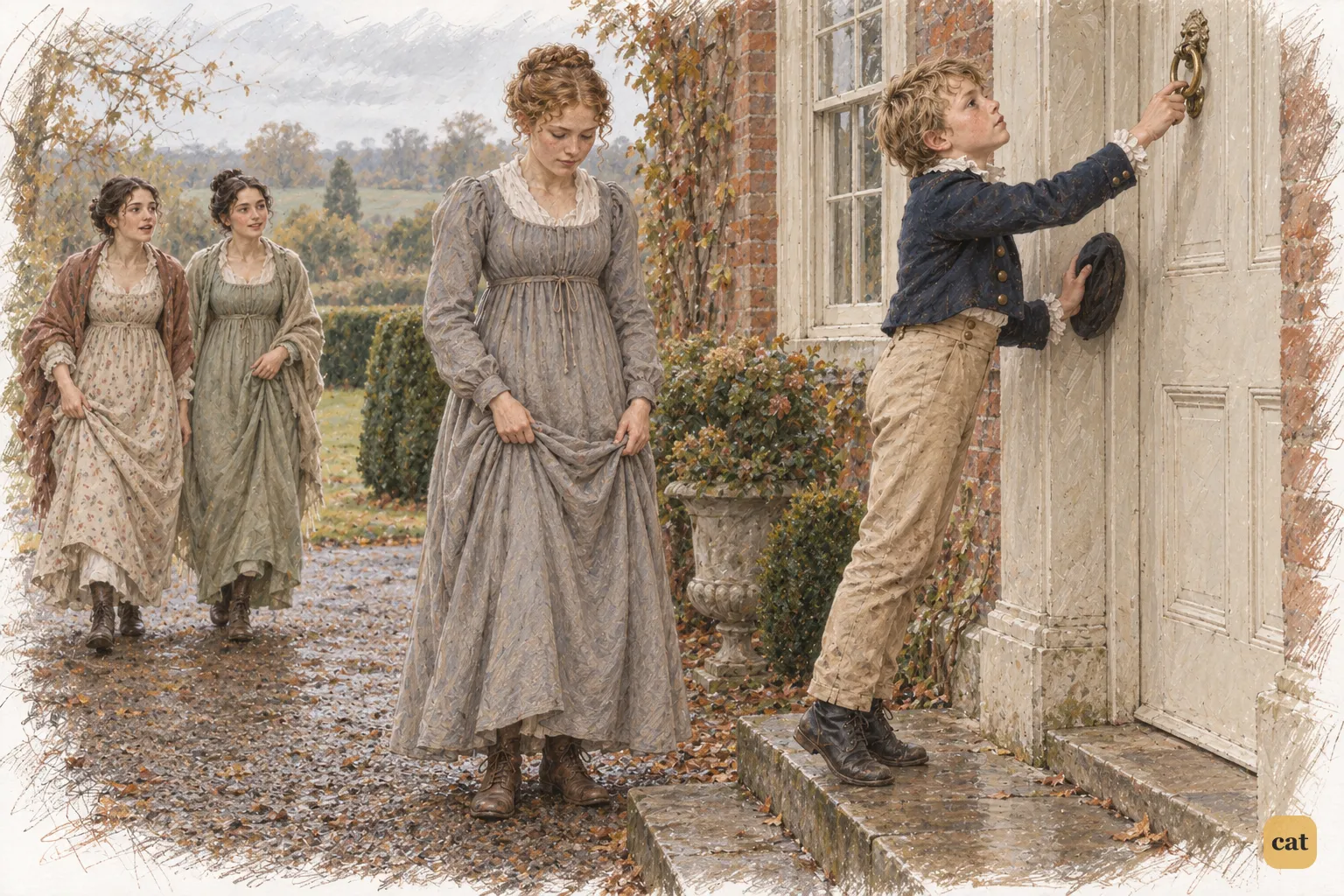
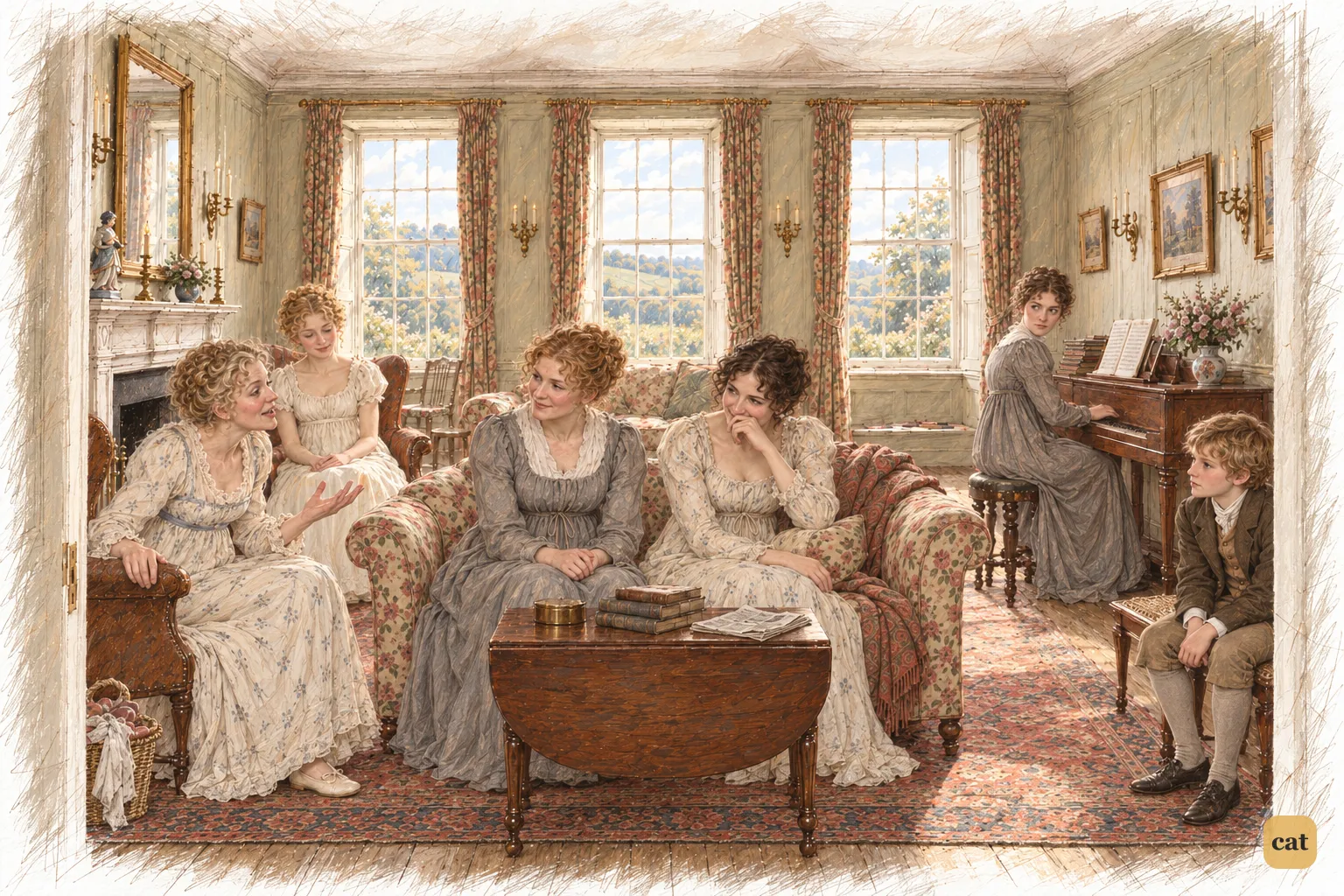
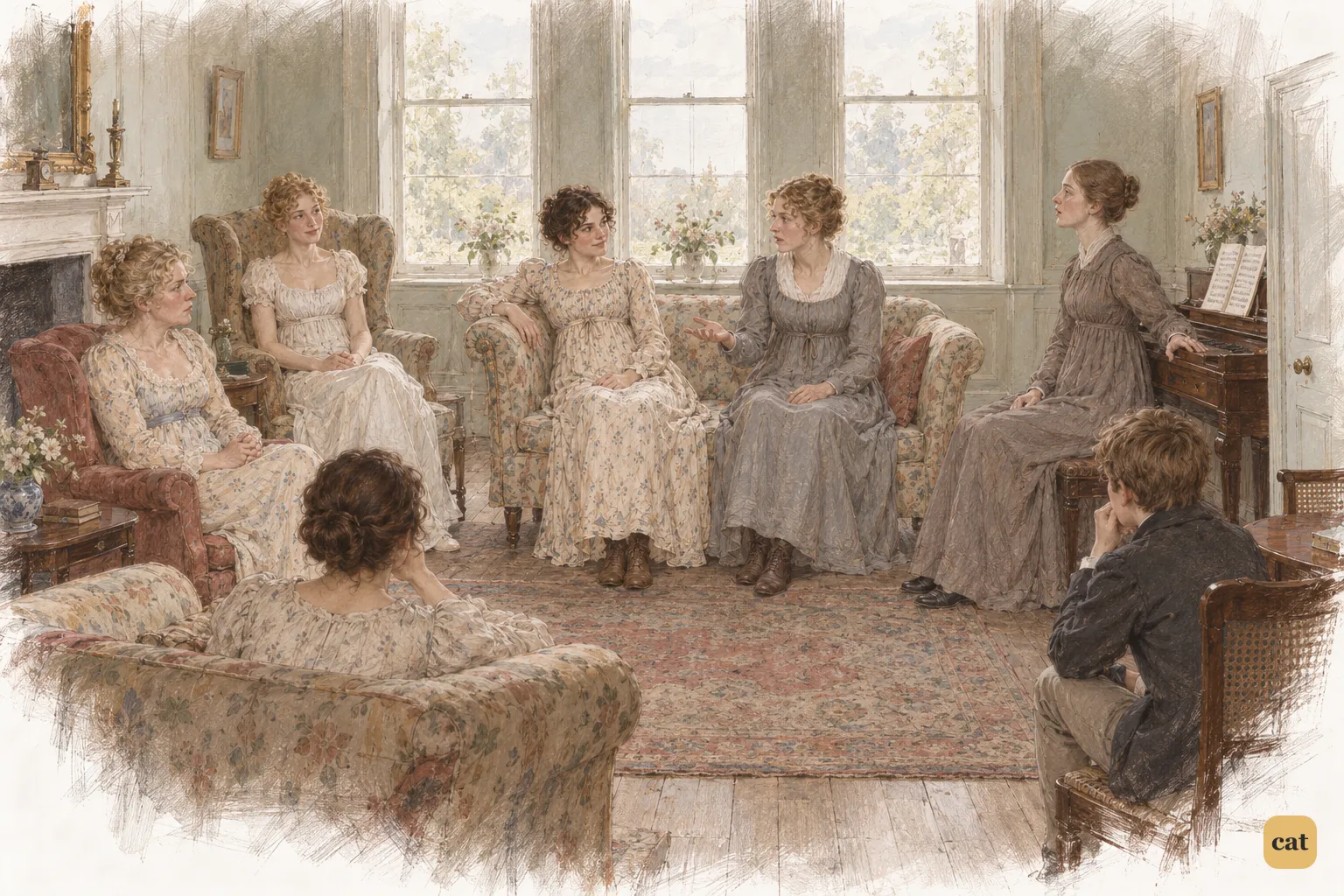
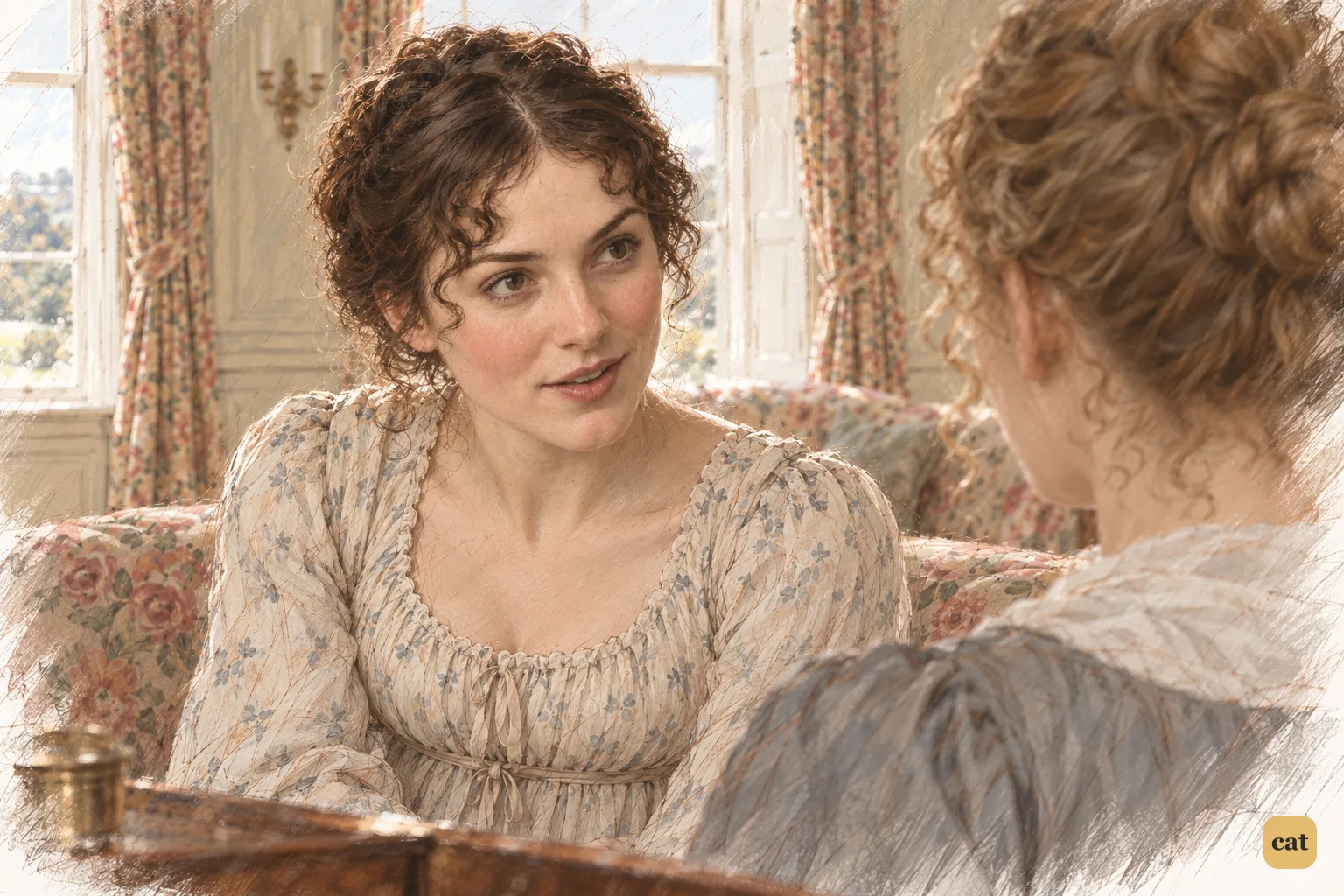
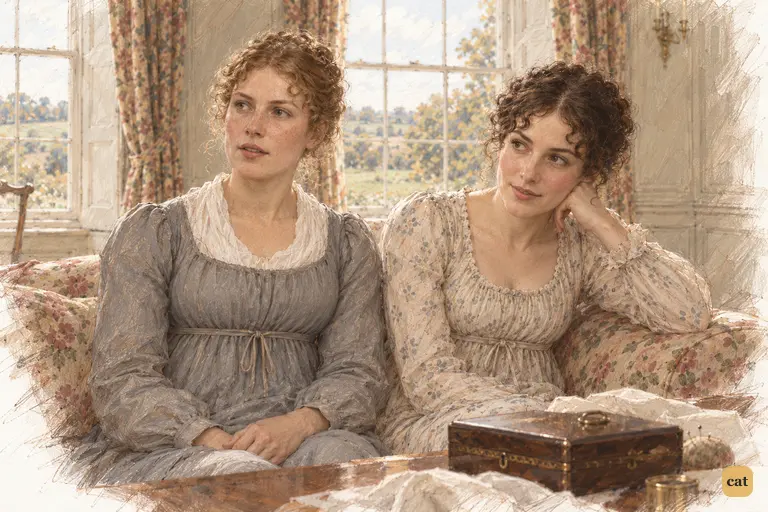
That the Miss Lucases and the Miss Bennets should meet to talk over a ball was absolutely necessary; and the morning after the assembly brought the former to Longbourn to hear and to communicate.
Read from here → -
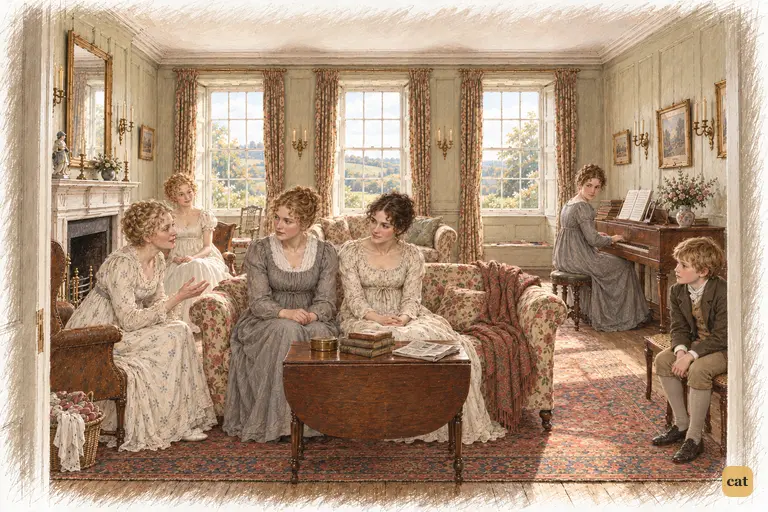
The morning call
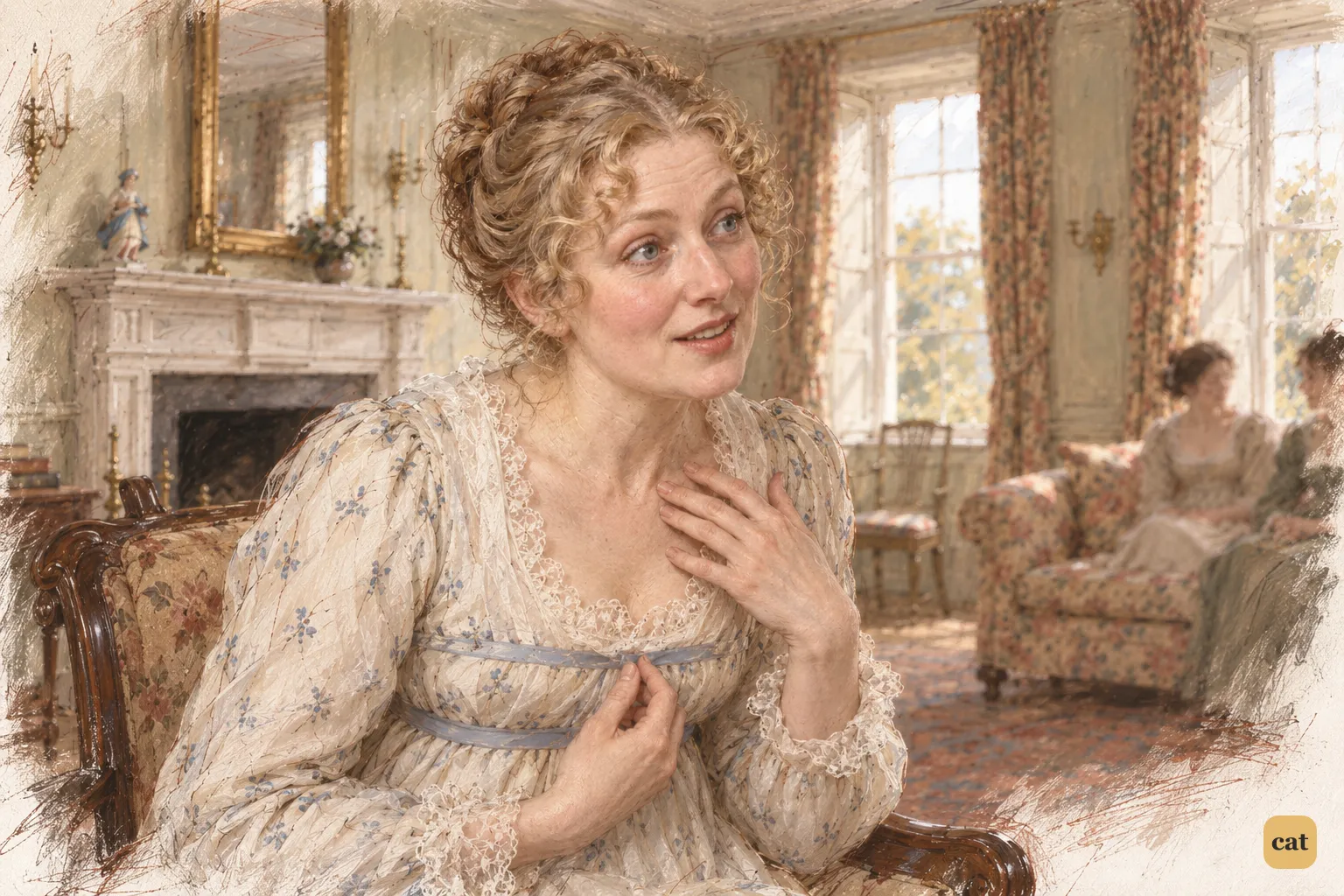
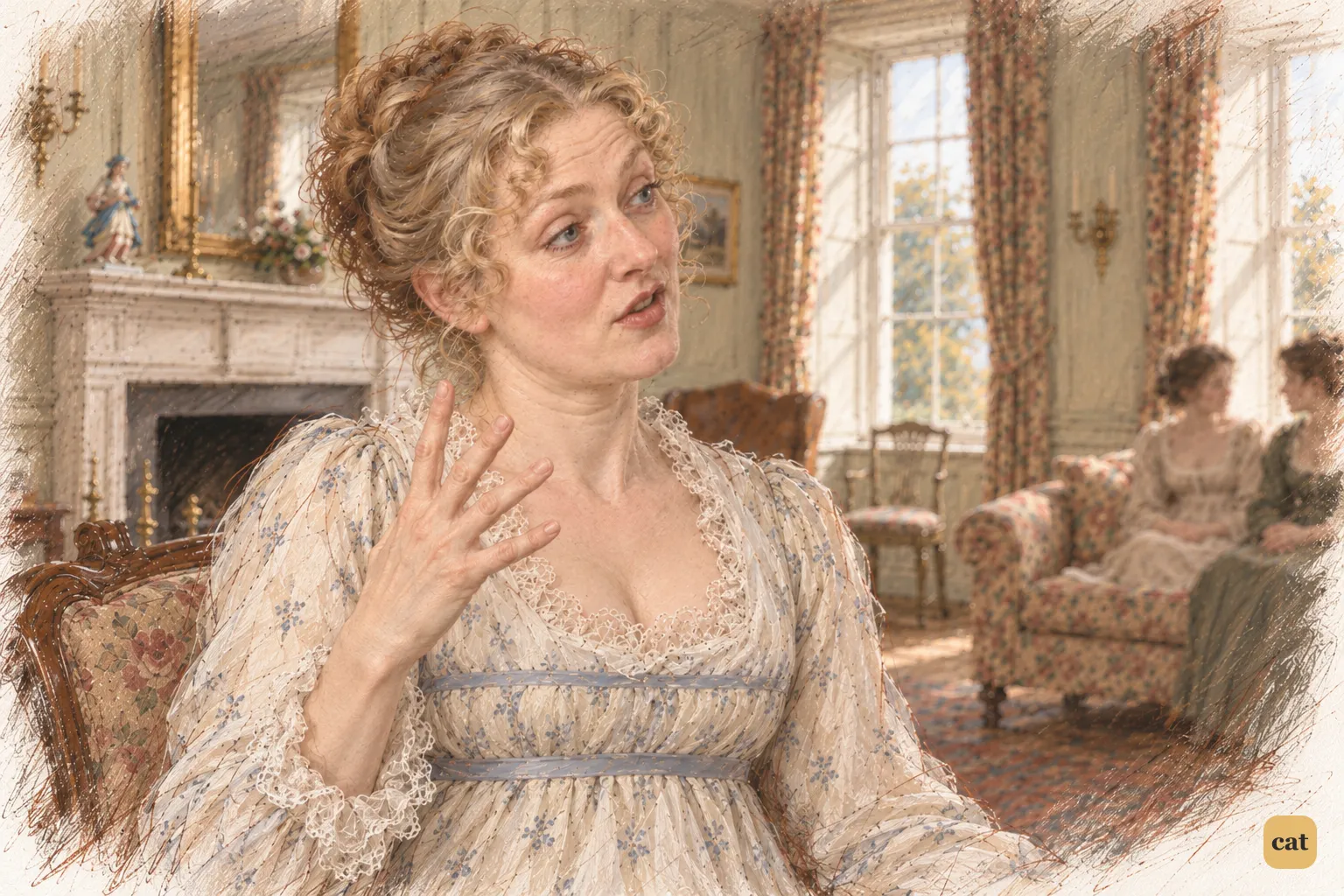
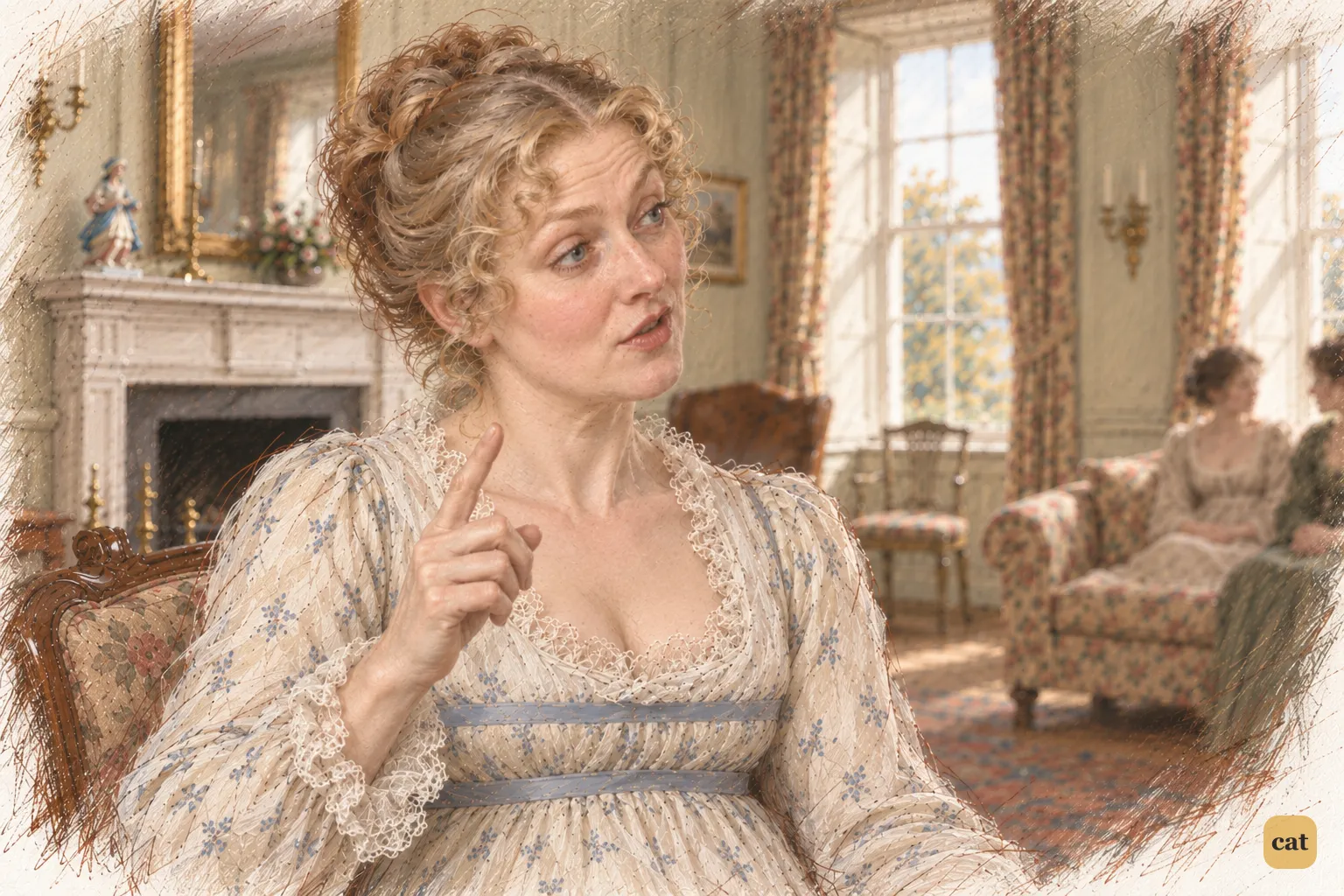
"You began the evening well, Charlotte," said Mrs. Bennet with civil self-command to Miss Lucas. "You were Mr. Bingley's first choice."
Read from here → -
-
Something about Robinson
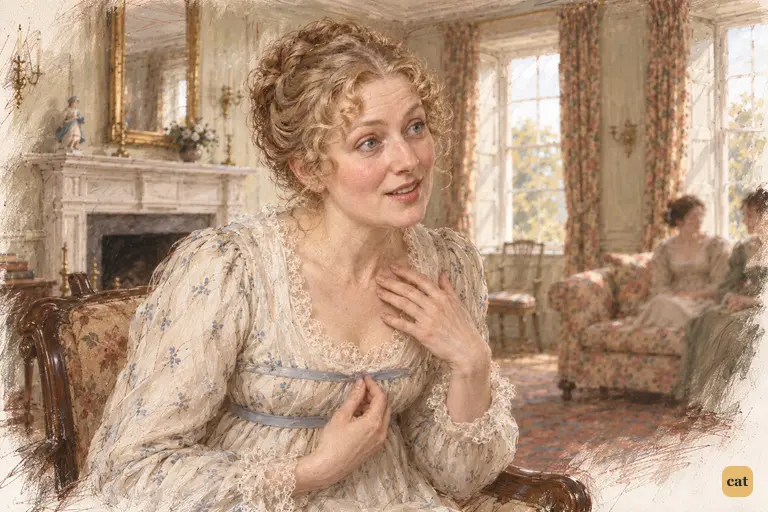
"Oh!—you mean Jane, I suppose—because he danced with her twice. To be sure that did seem as if he admired her—indeed I rather believe he did—I heard something about it—but I hardly know what—something about Mr. Robinson."
Read from here → -
Beyond a doubt
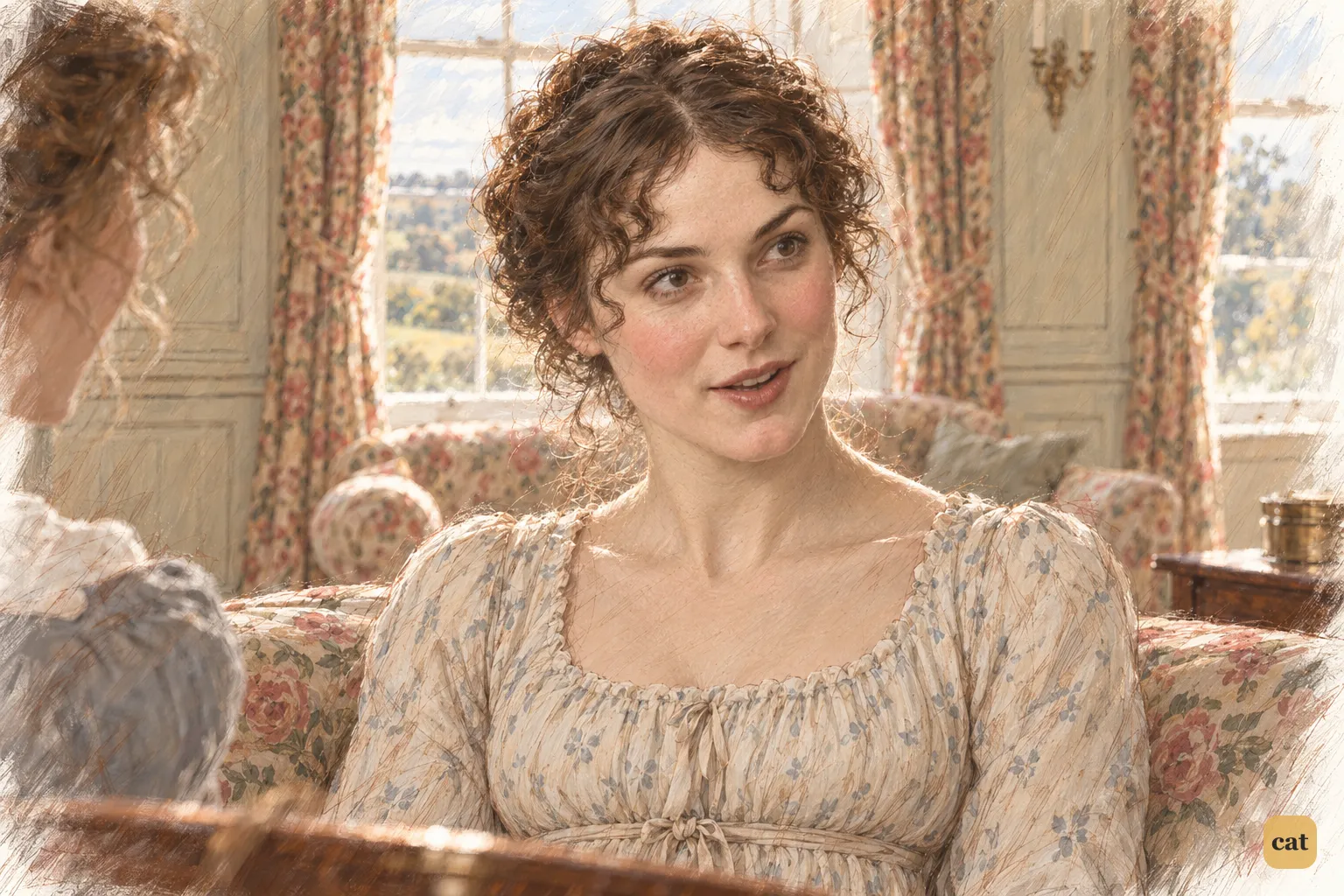
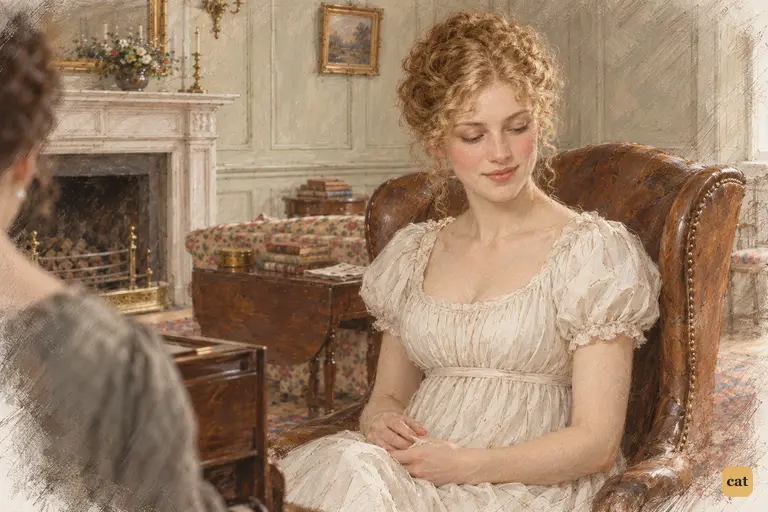
"Perhaps you mean what I overheard between him and Mr. Robinson; did not I mention it to you? Mr. Robinson's asking him how he liked our Meryton assemblies, and whether he did not think there were a great many pretty women in the room, and which he thought the prettiest? and his answering immediately to the last question—Oh! the eldest Miss Bennet beyond a doubt, there cannot be two opinions on that point."
Read from here → -
Come to nothing
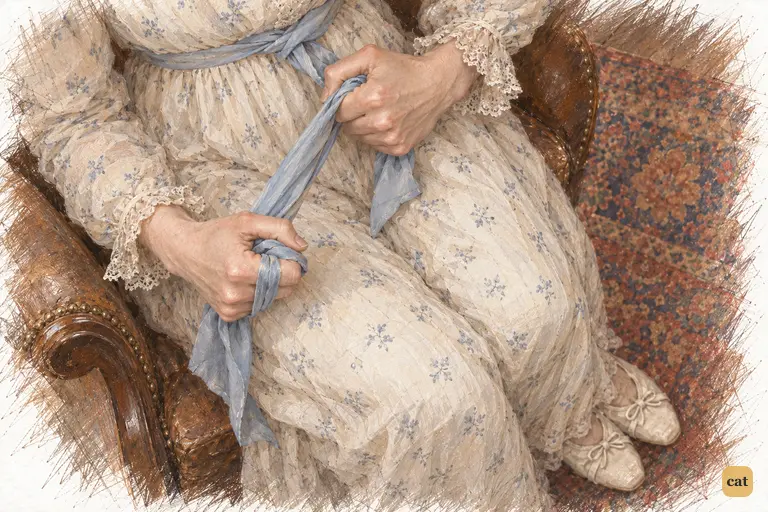
"Upon my word!—Well, that was very decided indeed—that does seem as if——but however, it may all come to nothing you know."
Read from here → -
Only just tolerable
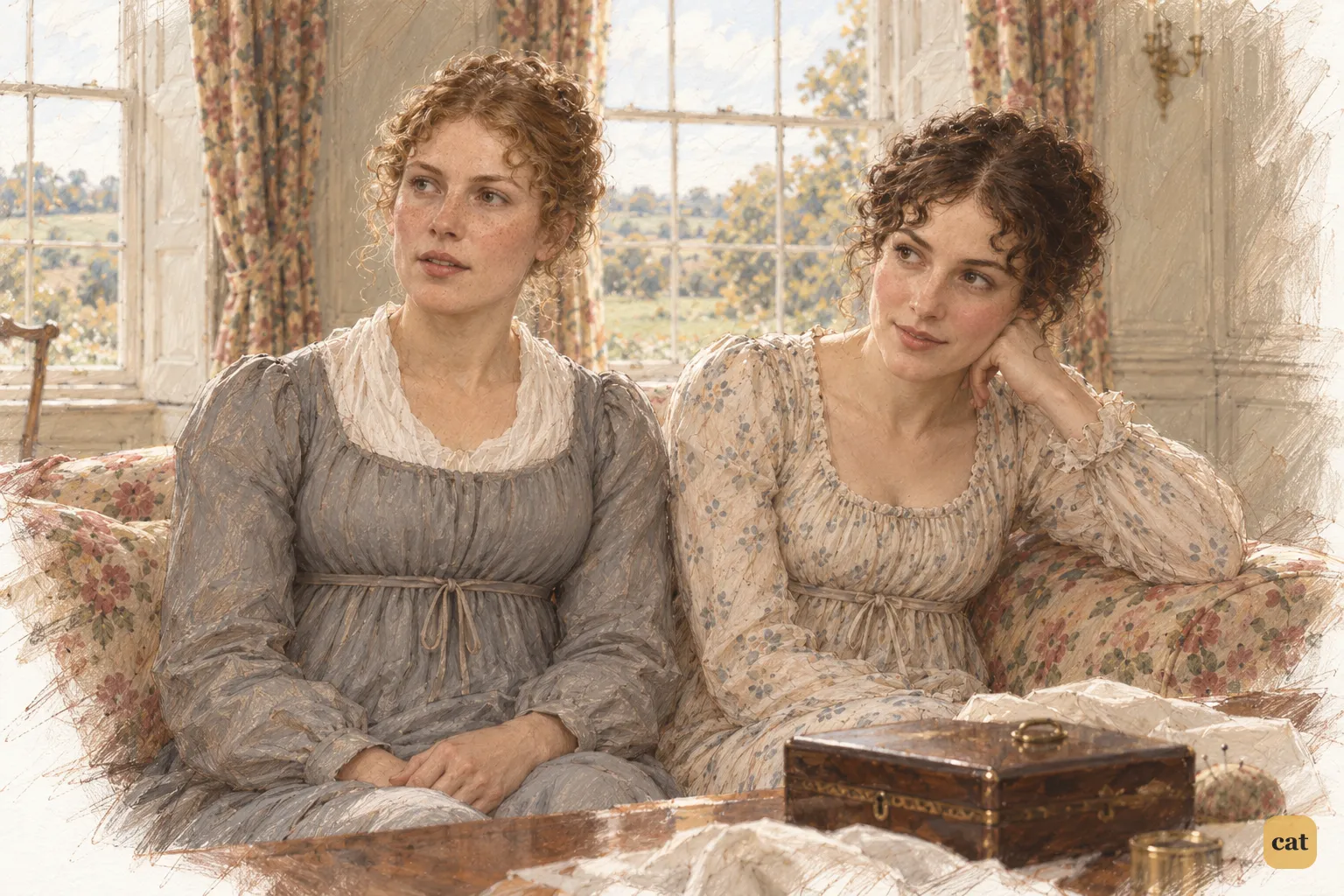
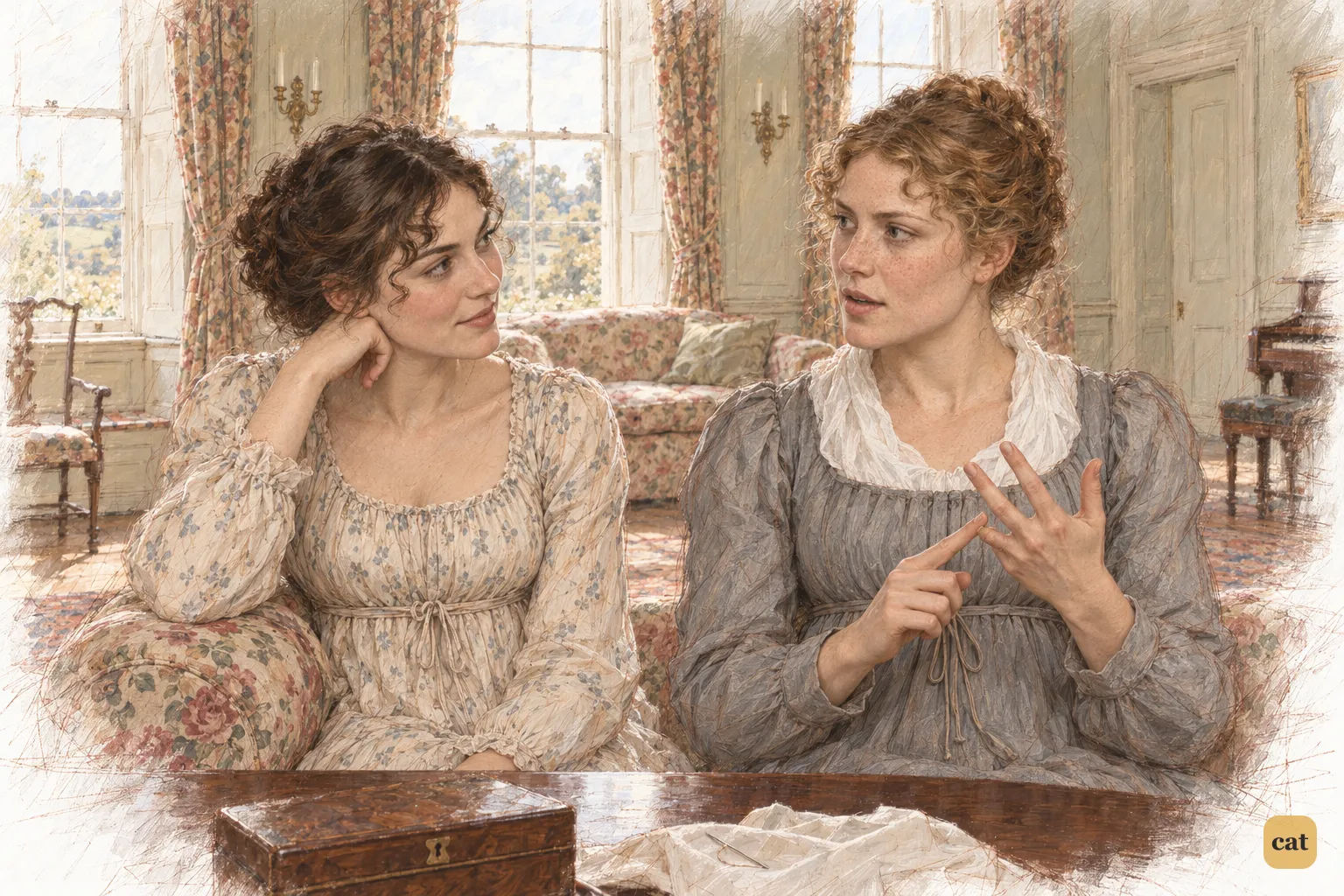
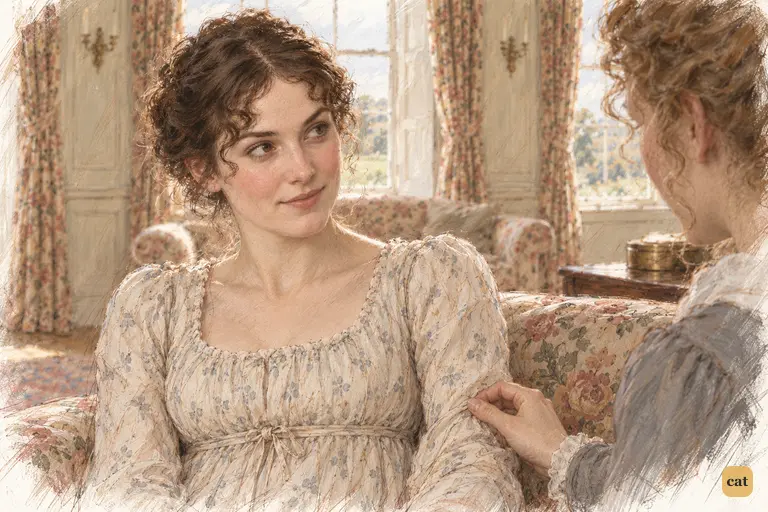
"My overhearings were more to the purpose than yours, Eliza," said Charlotte. "Mr. Darcy is not so well worth listening to as his friend, is he?—Poor Eliza!—to be only just tolerable."
Read from here → -
Without opening his lips
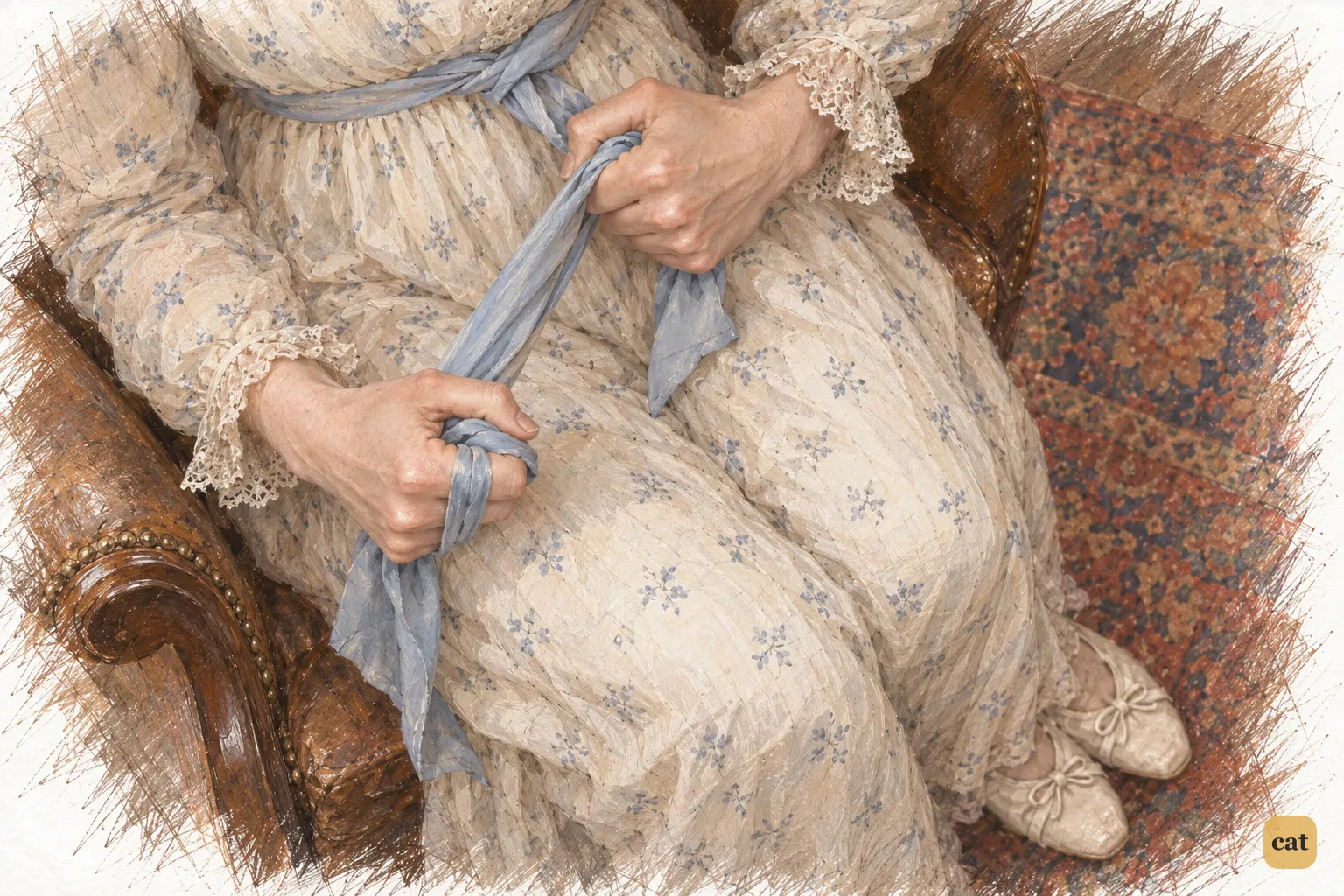
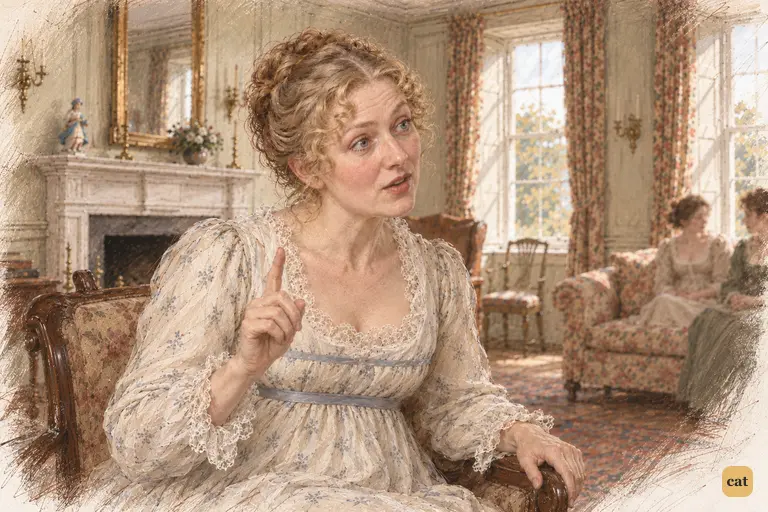
"I beg you would not put it into Lizzy's head to be vexed by his ill-treatment; for he is such a disagreeable man that it would be quite a misfortune to be liked by him. Mrs. Long told me last night that he sat close to her for half an hour without once opening his lips."
Read from here → -
A little mistake
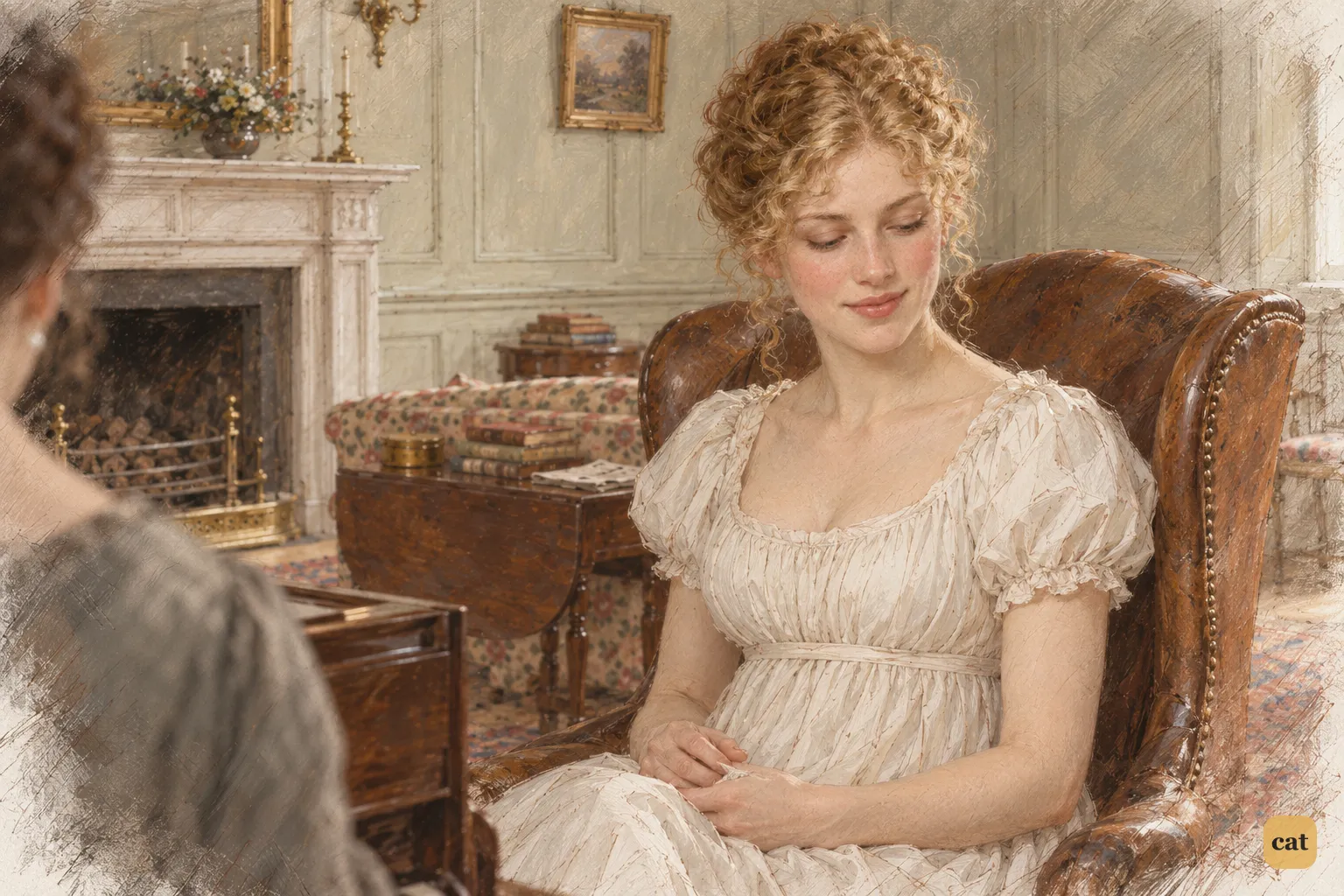
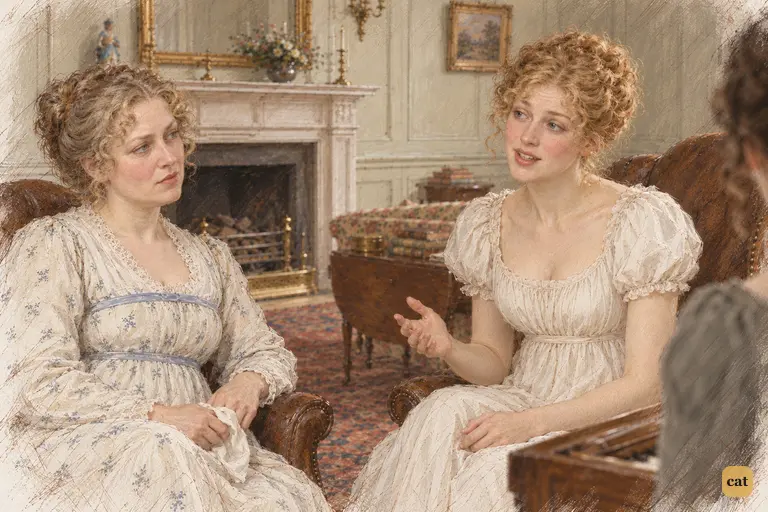
"Are you quite sure, Ma'am?—is not there a little mistake?" said Jane.—"I certainly saw Mr. Darcy speaking to her."
Read from here → -
Angry at being spoke to
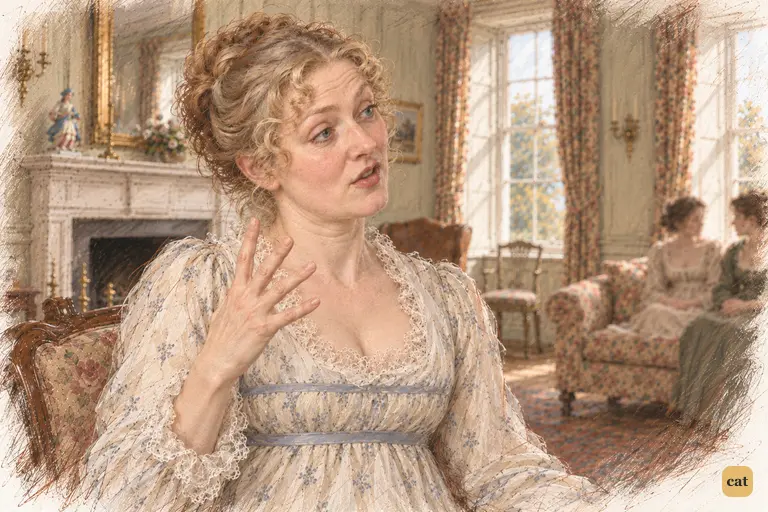
"Aye—because she asked him at last how he liked Netherfield, and he could not help answering her;—but she said he seemed very angry at being spoke to."
Read from here → -
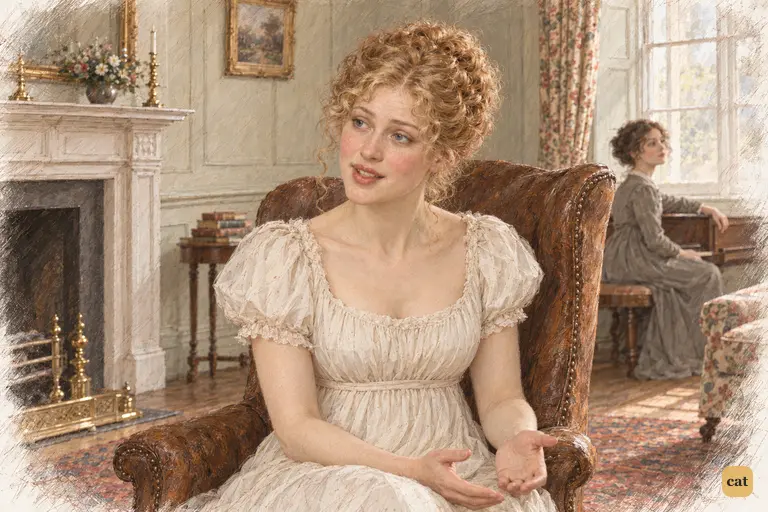
Among his intimates
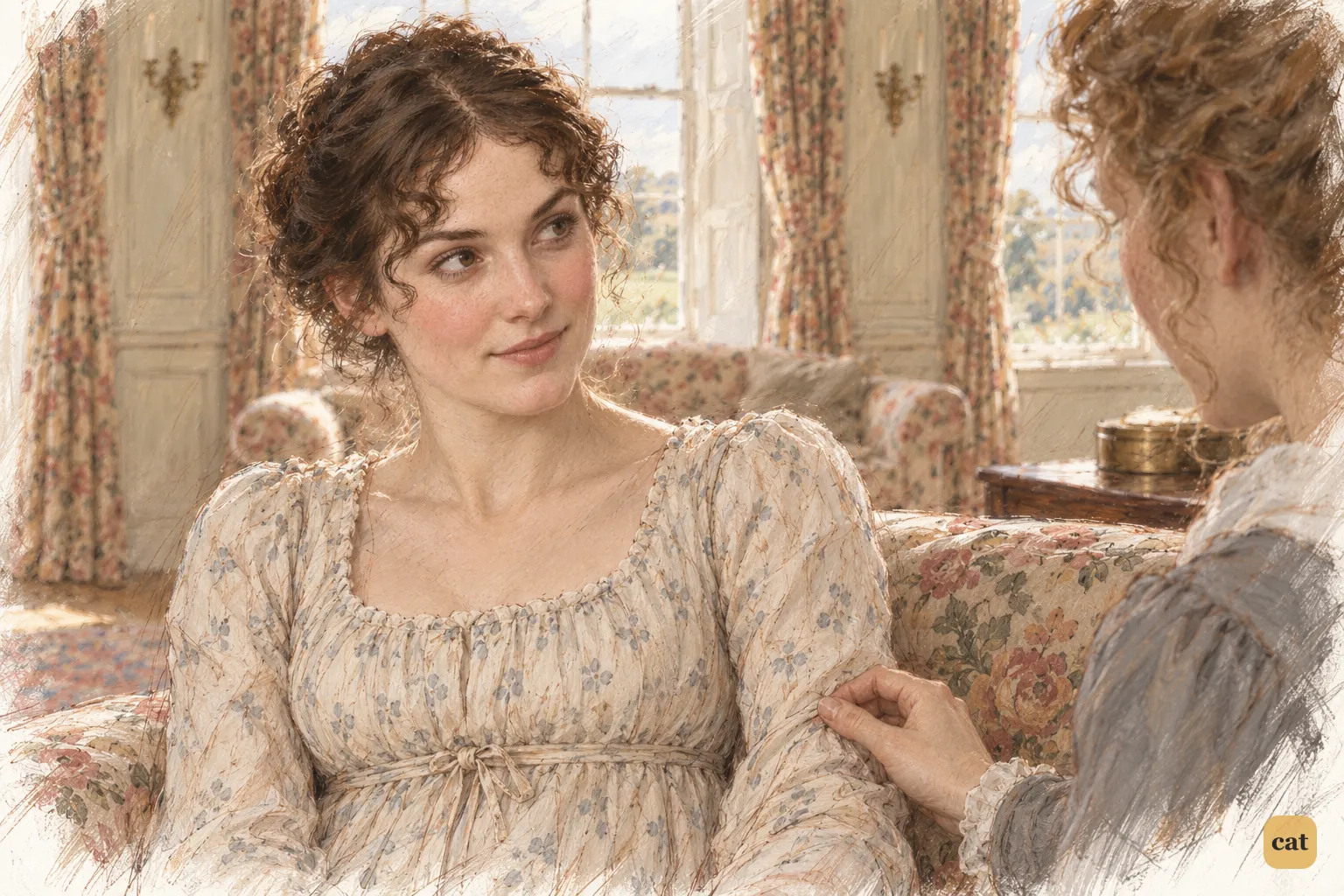
"Miss Bingley told me," said Jane, "that he never speaks much unless among his intimate acquaintance. With them he is remarkably agreeable."
Read from here → -
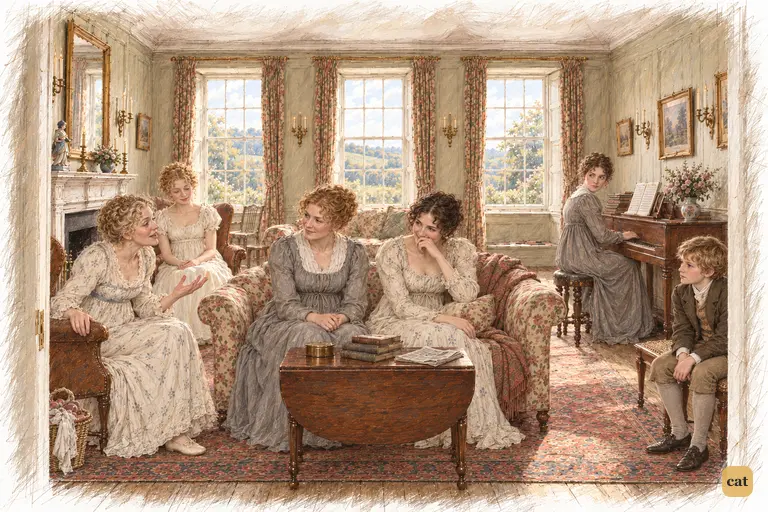
The hack chaise theory
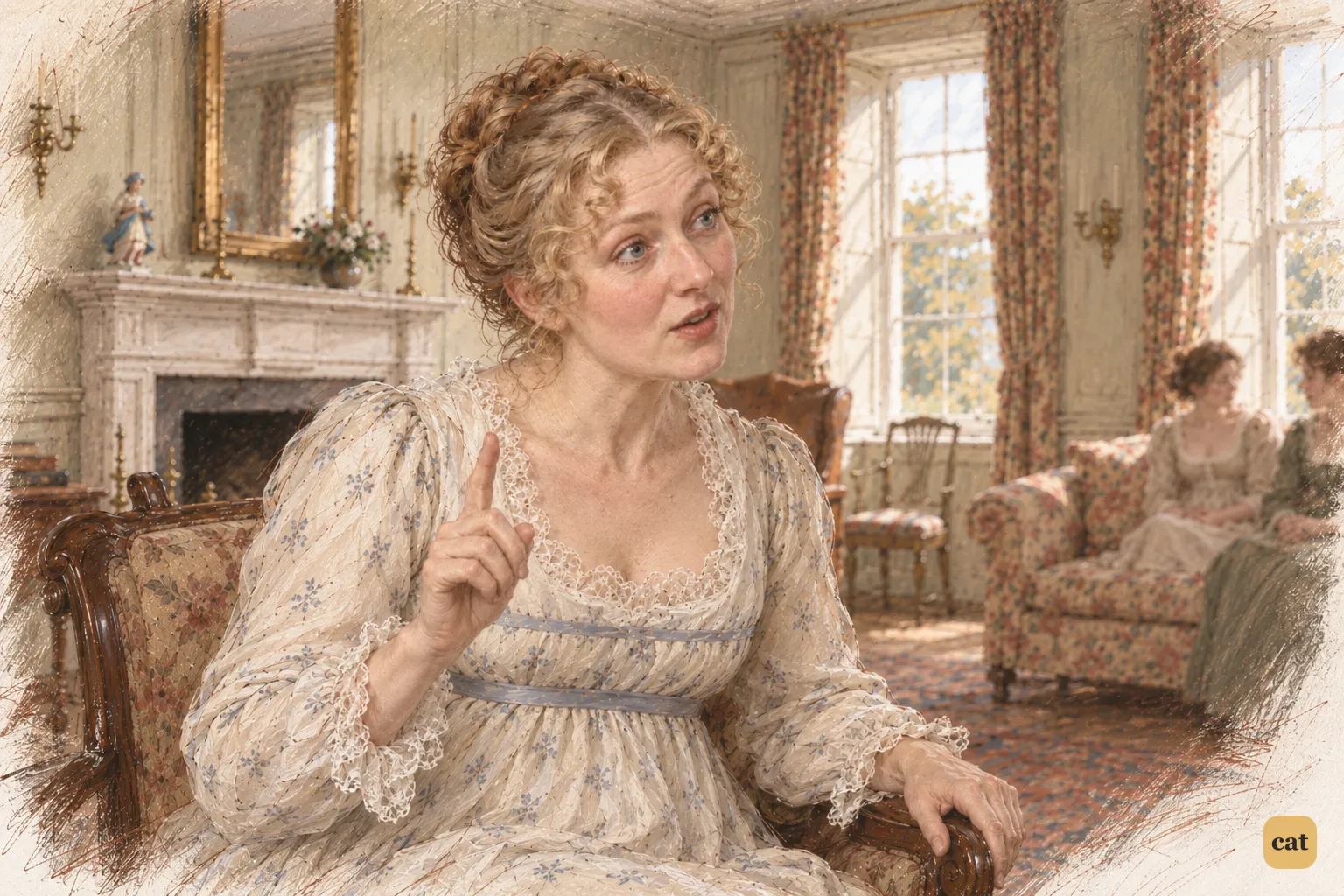
"I do not believe a word of it, my dear. If he had been so very agreeable he would have talked to Mrs. Long. But I can guess how it was; every body says that he is ate up with pride, and I dare say he had heard somehow that Mrs. Long does not keep a carriage, and had come to the ball in a hack chaise."
Read from here → -
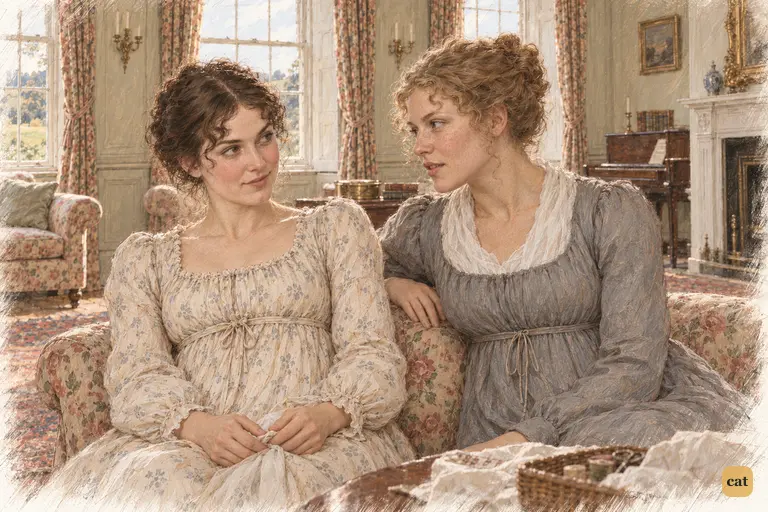
Wish he had danced
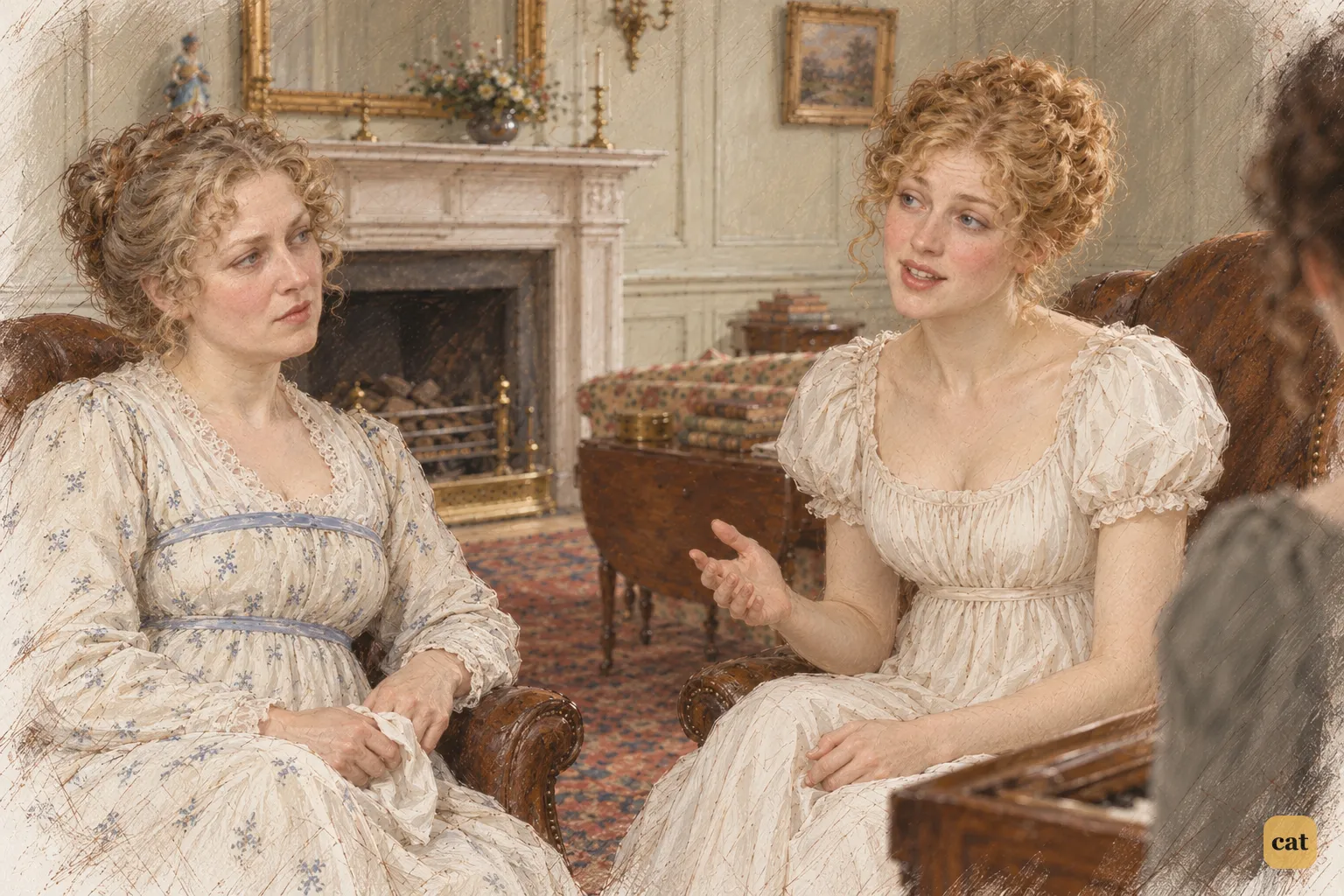
"I do not mind his not talking to Mrs. Long," said Miss Lucas, "but I wish he had danced with Eliza."
Read from here → -
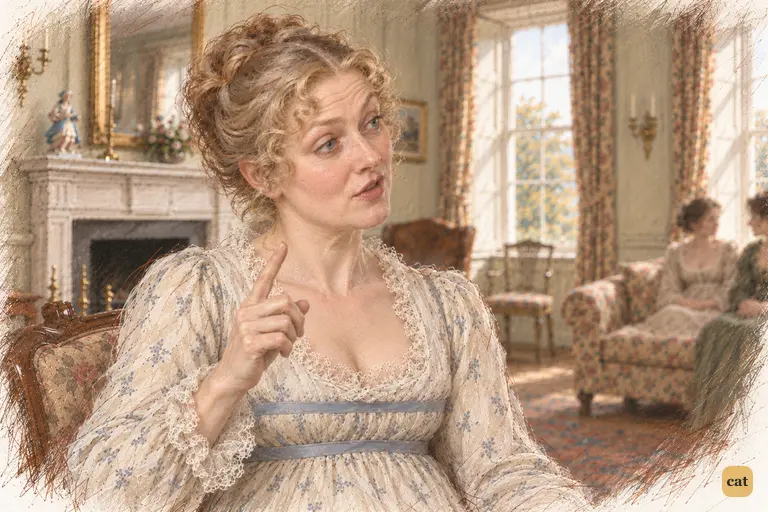
Mother's counsel
"Another time, Lizzy," said her mother, "I would not dance with him, if I were you."
Read from here → -
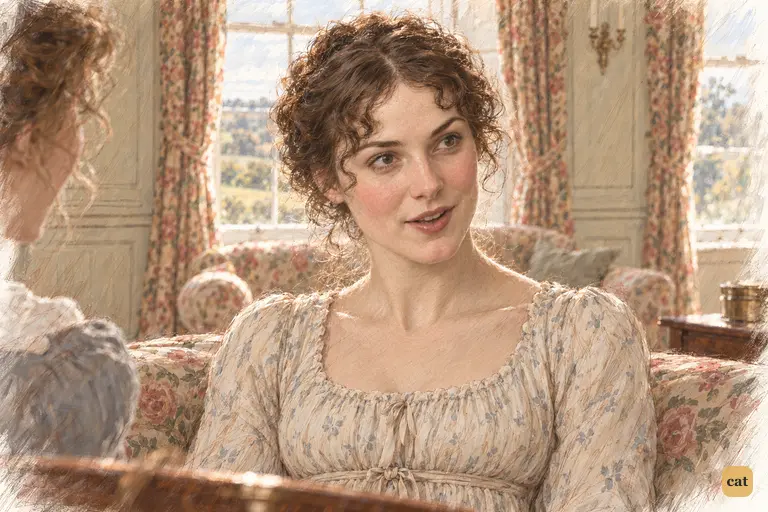
Never to dance
"I believe, Ma'am, I may safely promise you never to dance with him."
Read from here → -
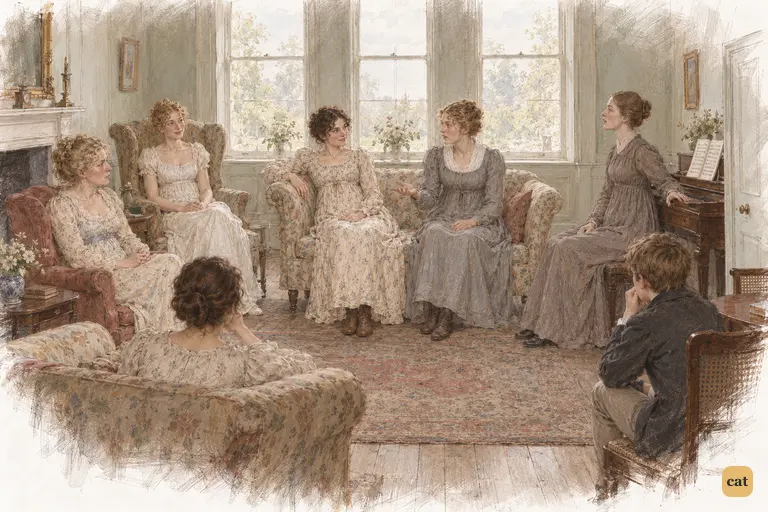
A right to be proud
"His pride," said Miss Lucas, "does not offend me so much as pride often does, because there is an excuse for it. One cannot wonder that so very fine a young man, with family, fortune, every thing in his favour, should think highly of himself. If I may so express it, he has a right to be proud."
Read from here → -
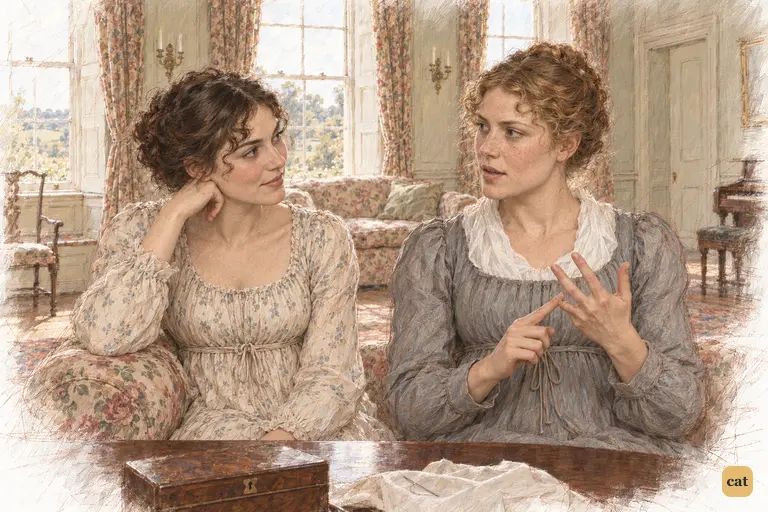
Family, fortune, every thing
"His pride," said Miss Lucas, "does not offend me so much as pride often does, because there is an excuse for it. One cannot wonder that so very fine a young man, with family, fortune, every thing in his favour, should think highly of himself. If I may so express it, he has a right to be proud."
Read from here → -
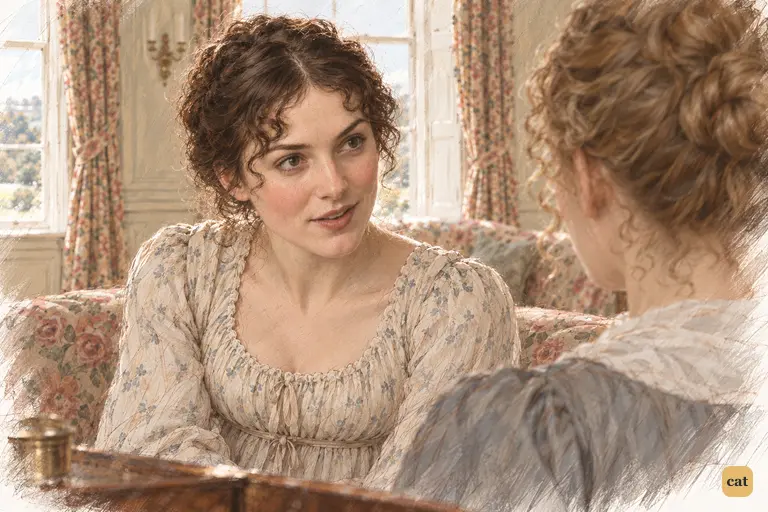
He mortified mine
"That is very true," replied Elizabeth, "and I could easily forgive his pride, if he had not mortified mine."
Read from here → -
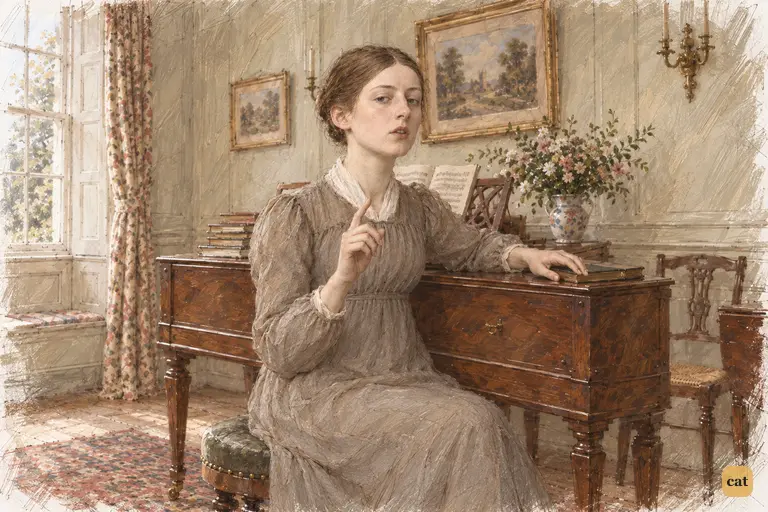
Mary's reflections
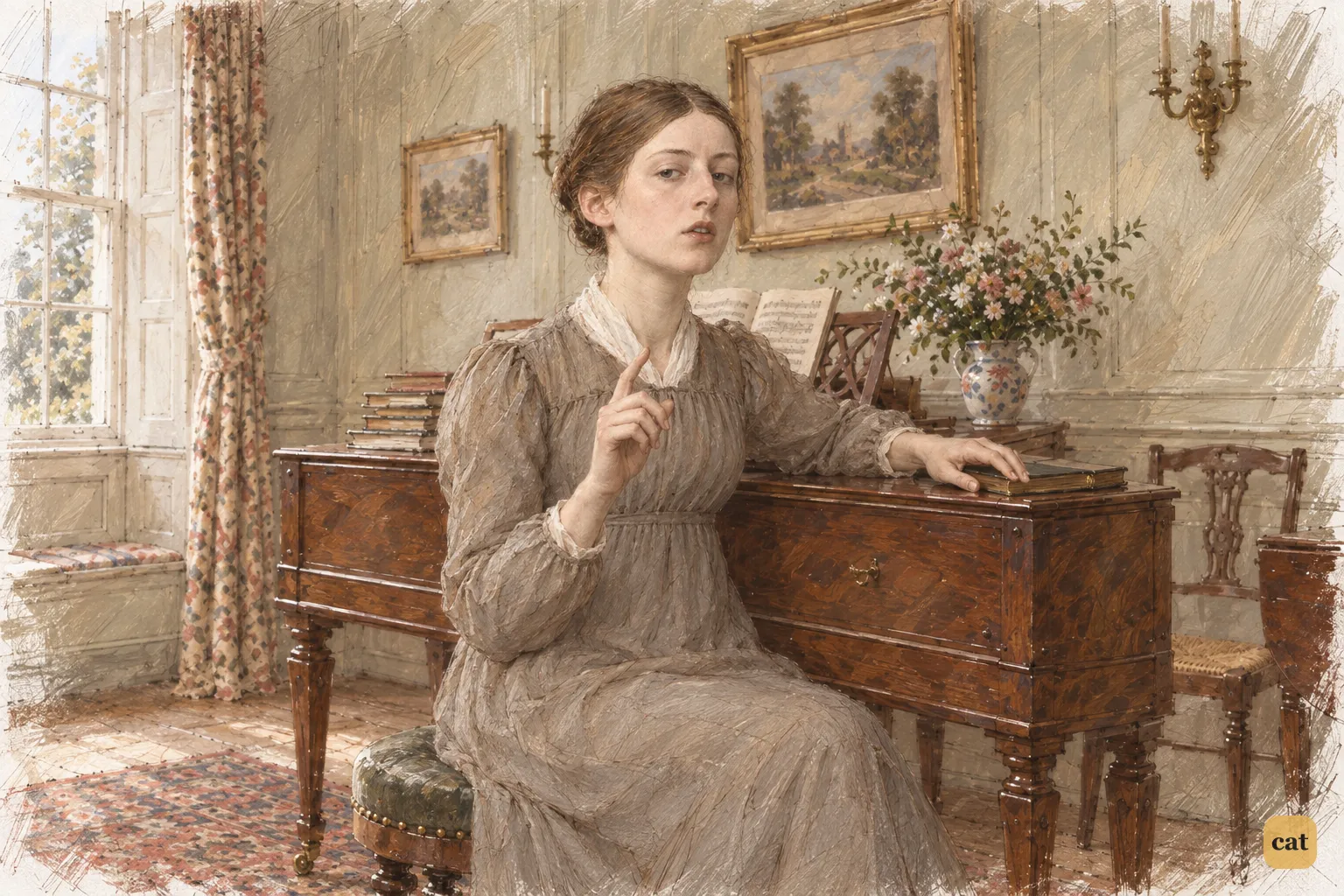
"Pride," observed Mary, who piqued herself upon the solidity of her reflections, "is a very common failing I believe. By all that I have ever read, I am convinced that it is very common indeed, that human nature is particularly prone to it, and that there are very few of us who do not cherish a feeling of self-complacency on the score of some quality or other, real or imaginary. Vanity and pride are different things, though the words are often used synonimously. A person may be proud without being vain. Pride relates more to our opinion of ourselves, vanity to what we would have others think of us."
Read from here → -
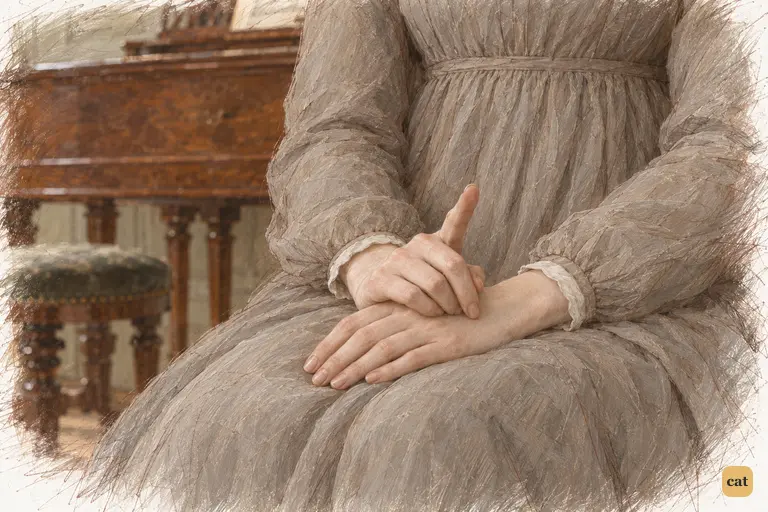
Hands of a moralist
"Pride," observed Mary, who piqued herself upon the solidity of her reflections, "is a very common failing I believe. By all that I have ever read, I am convinced that it is very common indeed, that human nature is particularly prone to it, and that there are very few of us who do not cherish a feeling of self-complacency on the score of some quality or other, real or imaginary. Vanity and pride are different things, though the words are often used synonimously. A person may be proud without being vain. Pride relates more to our opinion of ourselves, vanity to what we would have others think of us."
Read from here → -
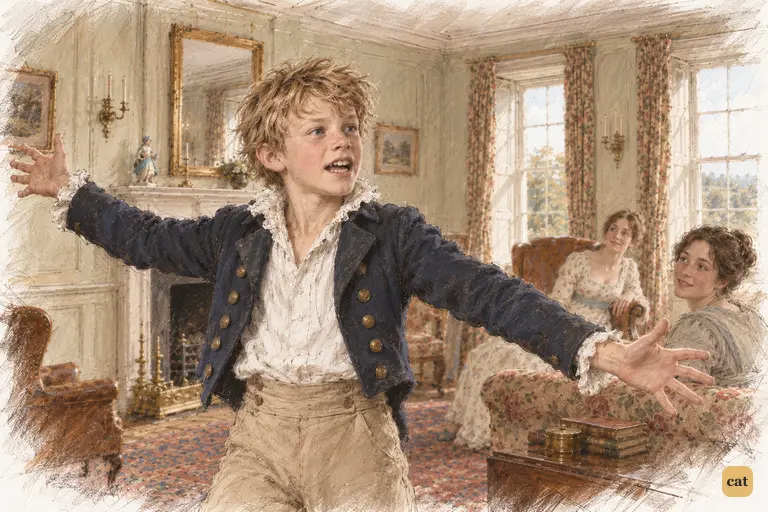
Foxhounds and wine
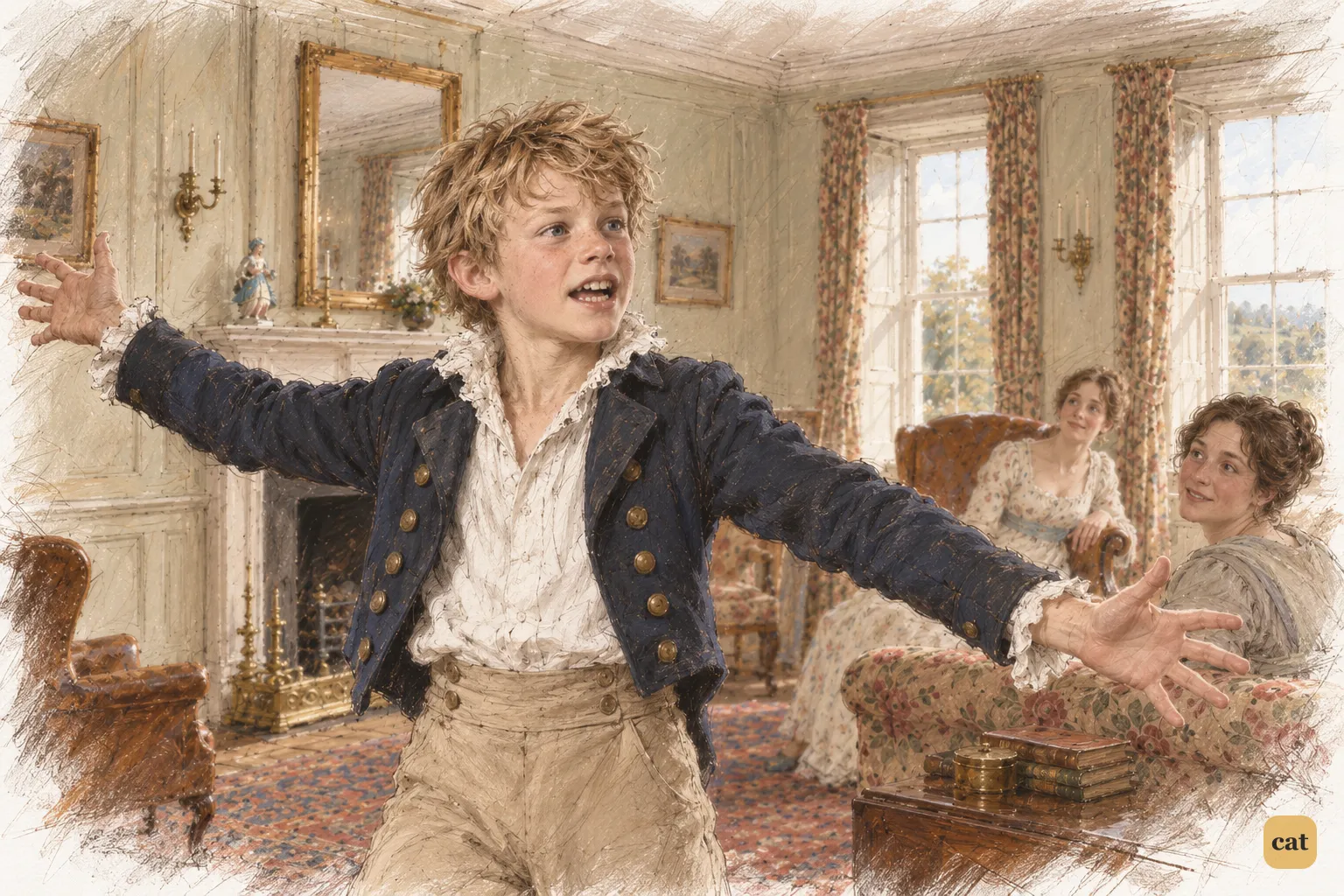
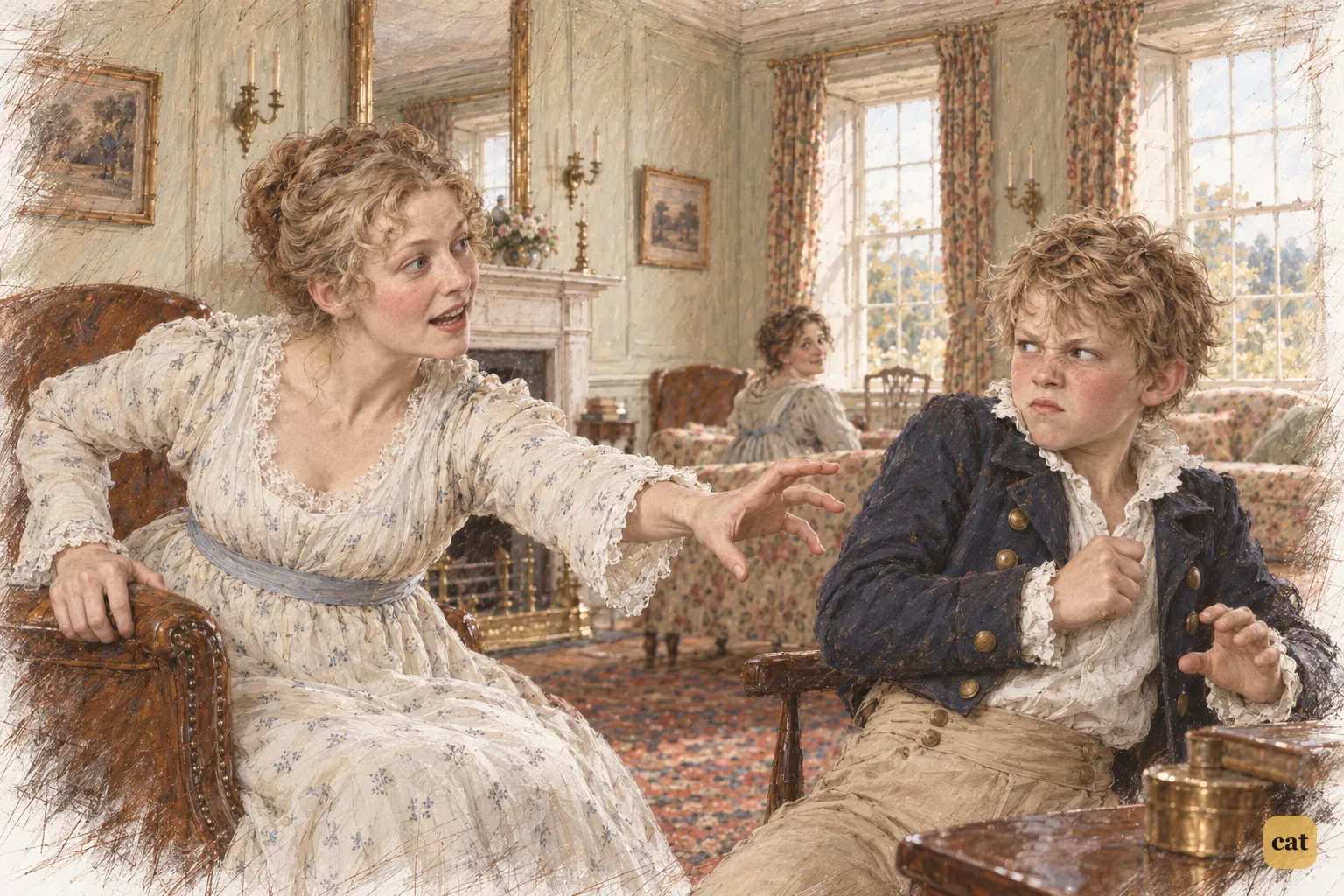
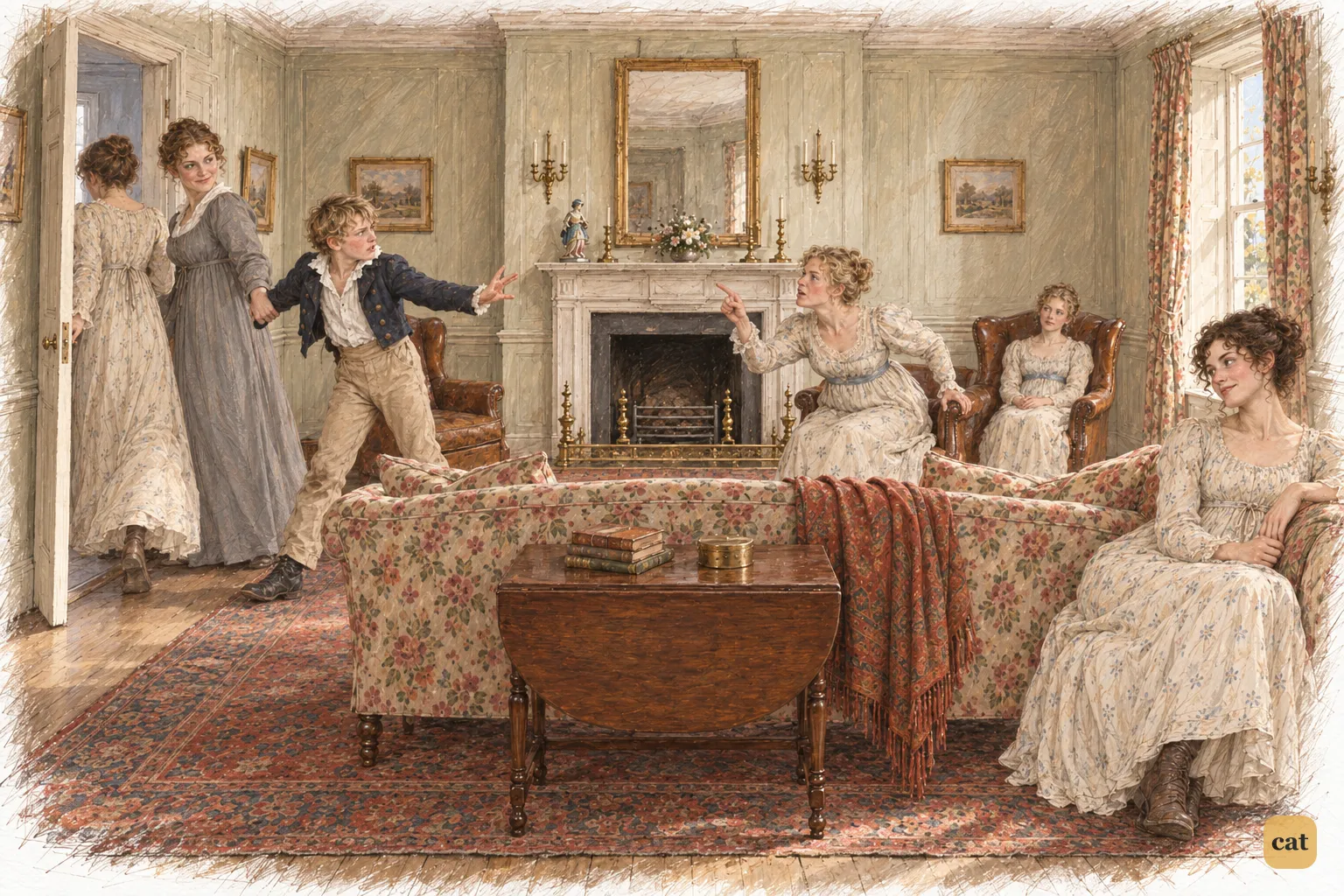
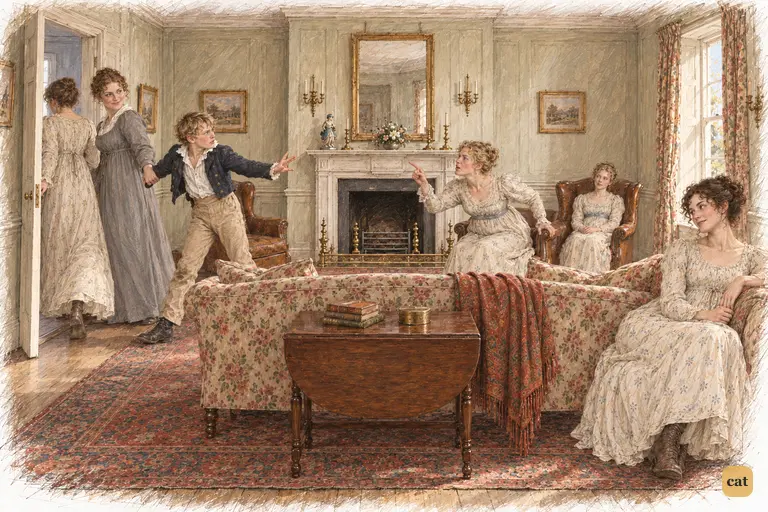
"If I were as rich as Mr. Darcy," cried a young Lucas who came with his sisters, "I should not care how proud I was. I would keep a pack of foxhounds, and drink a bottle of wine every day."
Read from here → -
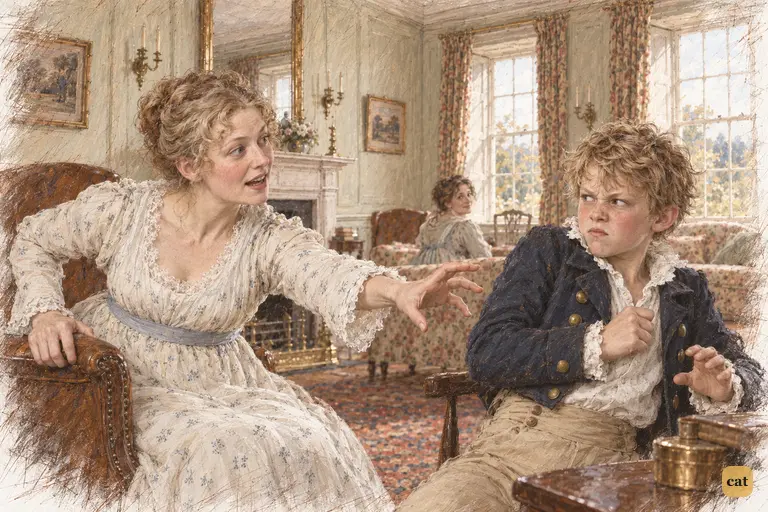
Take away your bottle
"Then you would drink a great deal more than you ought," said Mrs. Bennet; "and if I were to see you at it I should take away your bottle directly."
Read from here → -
The visit ends
The boy protested that she should not; she continued to declare that she would, and the argument ended only with the visit.
Read from here → -
The emptied sofa
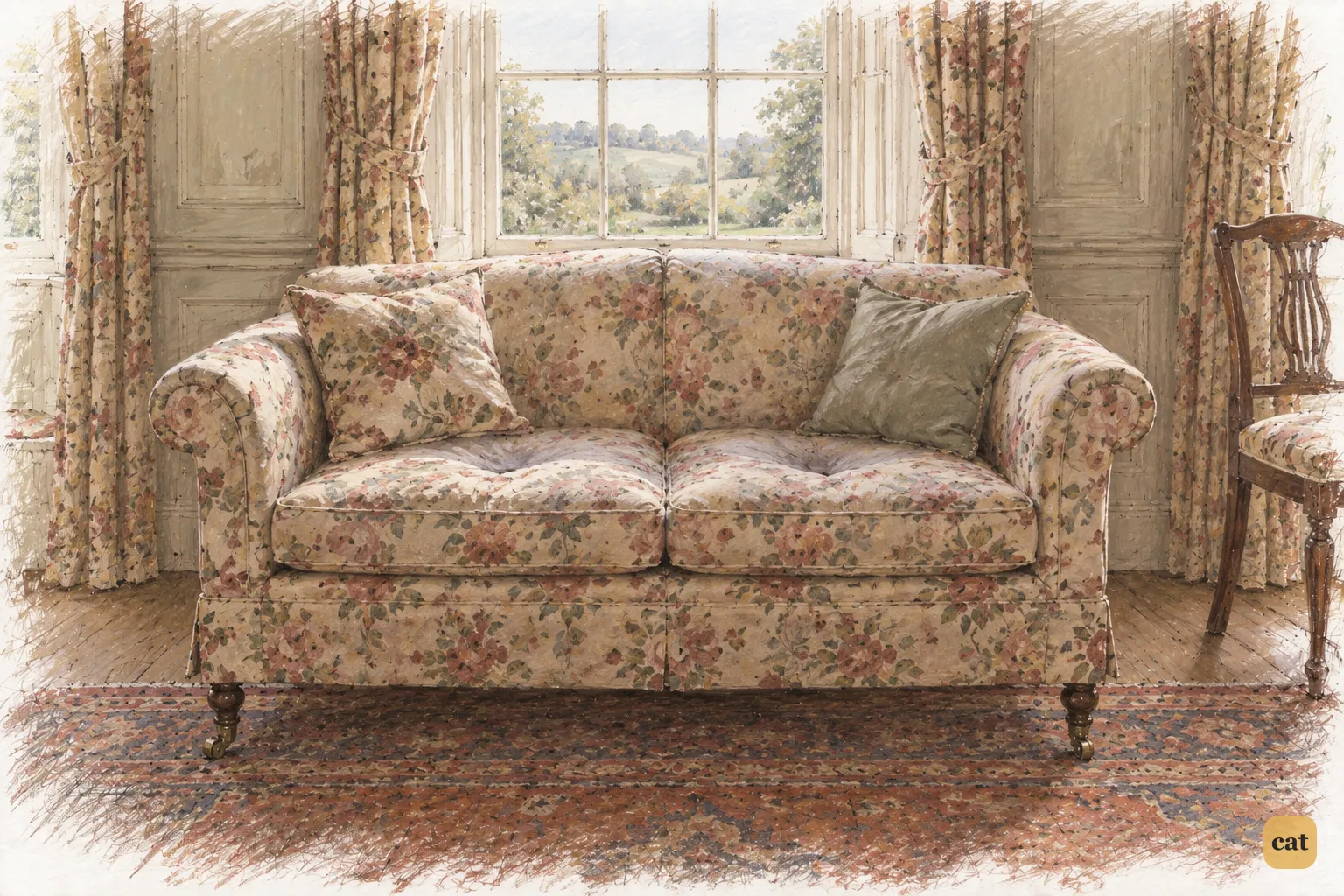
The boy protested that she should not; she continued to declare that she would, and the argument ended only with the visit.
Read from here → -
Chapter 5
The Lucases call at Longbourn
Next chapter: Fine eyes and a refused hand Read this chapter