-

The road out of Lambton
"I have been thinking it over again, Elizabeth," said her uncle, as they drove from the town; "and really, upon serious consideration, I am much more inclined than I was to judge as your eldest sister does of the matter. It appears to me so very unlikely, that any young man should form such a design against a girl who is by no means unprotected or friendless, and who was actually staying in his colonel's family, that I am strongly inclined to hope the best. Could he expect that her friends would not step forward? Could he expect to be noticed again by the regiment, after such an affront to Colonel Forster? His temptation is not adequate to the risk."
Read from here → -
The worst of all
"Oh, yes!—that, that is the worst of all. Till I was in Kent, and saw so much both of Mr. Darcy and his relation, Colonel Fitzwilliam, I was ignorant of the truth myself. And when I returned home, the ——shire was to leave Meryton in a week or fortnight's time. As that was the case, neither Jane, to whom I related the whole, nor I, thought it necessary to make our knowledge public; for of what use could it apparently be to any one, that the good opinion which all the neighbourhood had of him, should then be overthrown? And even when it was settled that Lydia should go with Mrs. Forster, the necessity of opening her eyes to his character never occurred to me. That she could be in any danger from the deception never entered my head. That such a consequence as this should ensue, you may easily believe was far enough from my thoughts."
Read from here → -

No interval of ease
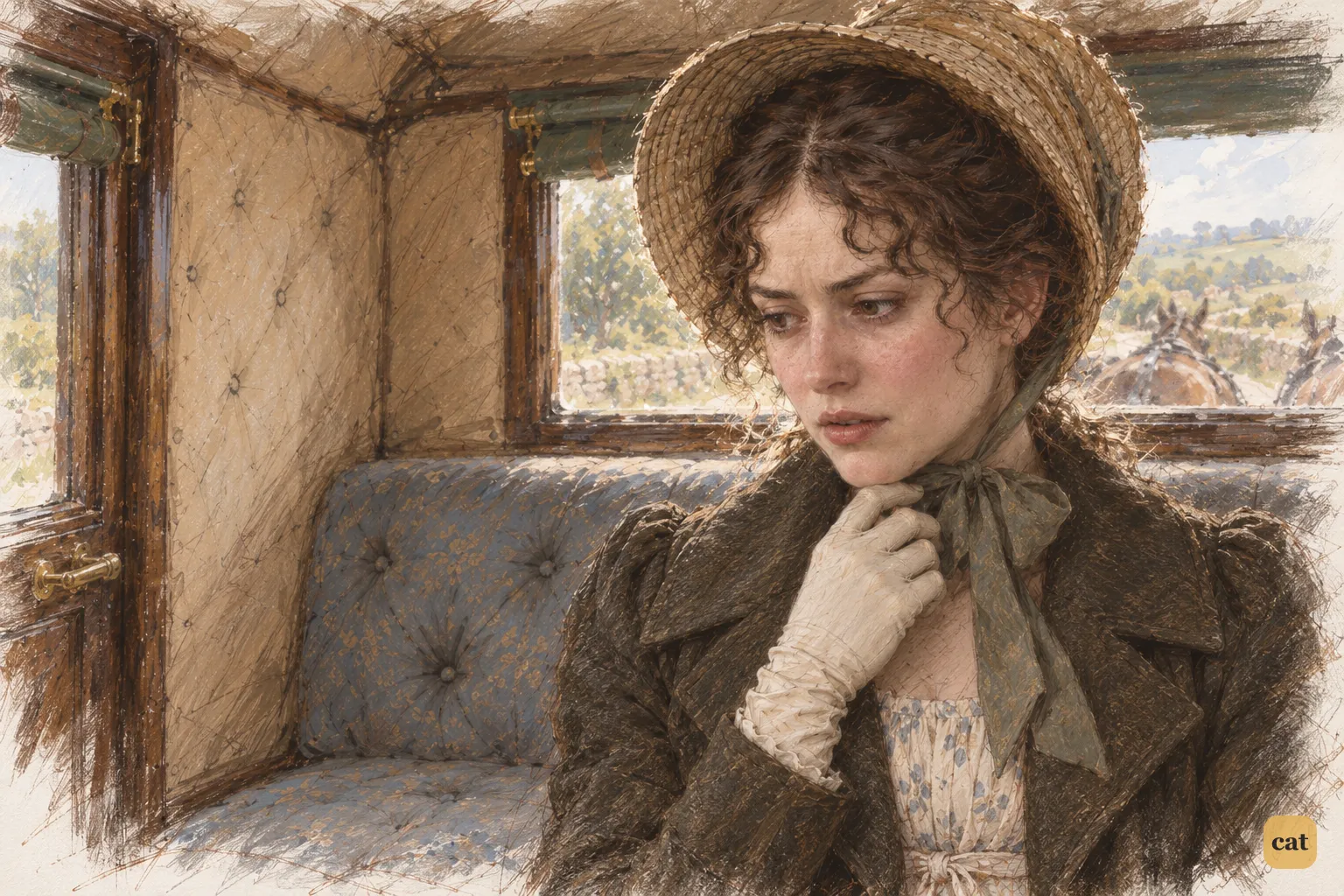
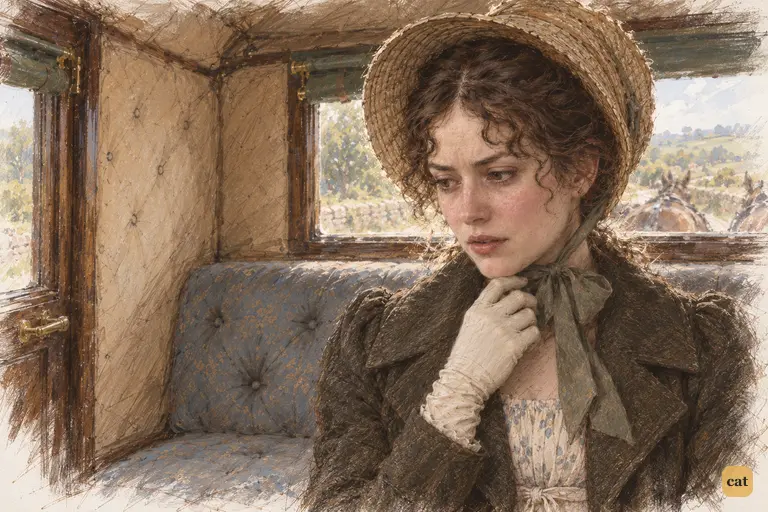
It may be easily believed, that however little of novelty could be added to their fears, hopes, and conjectures, on this interesting subject, by its repeated discussion, no other could detain them from it long, during the whole of the journey. From Elizabeth's thoughts it was never absent. Fixed there by the keenest of all anguish, self reproach, she could find no interval of ease or forgetfulness.
Read from here → -
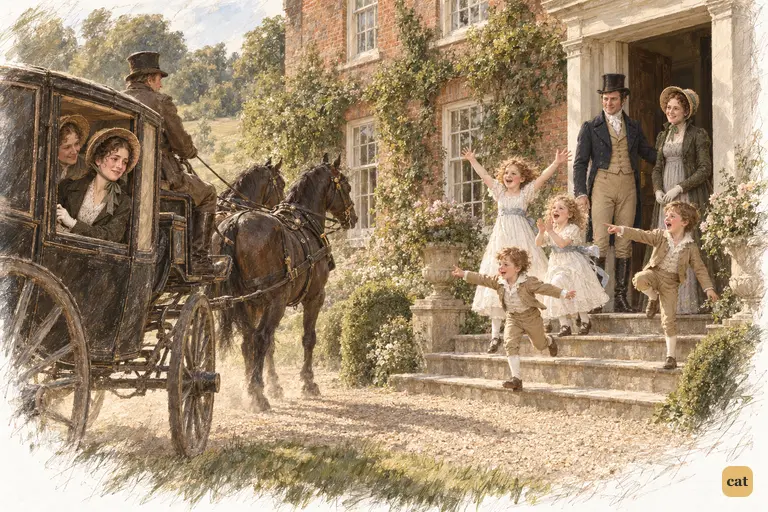
Children on the steps
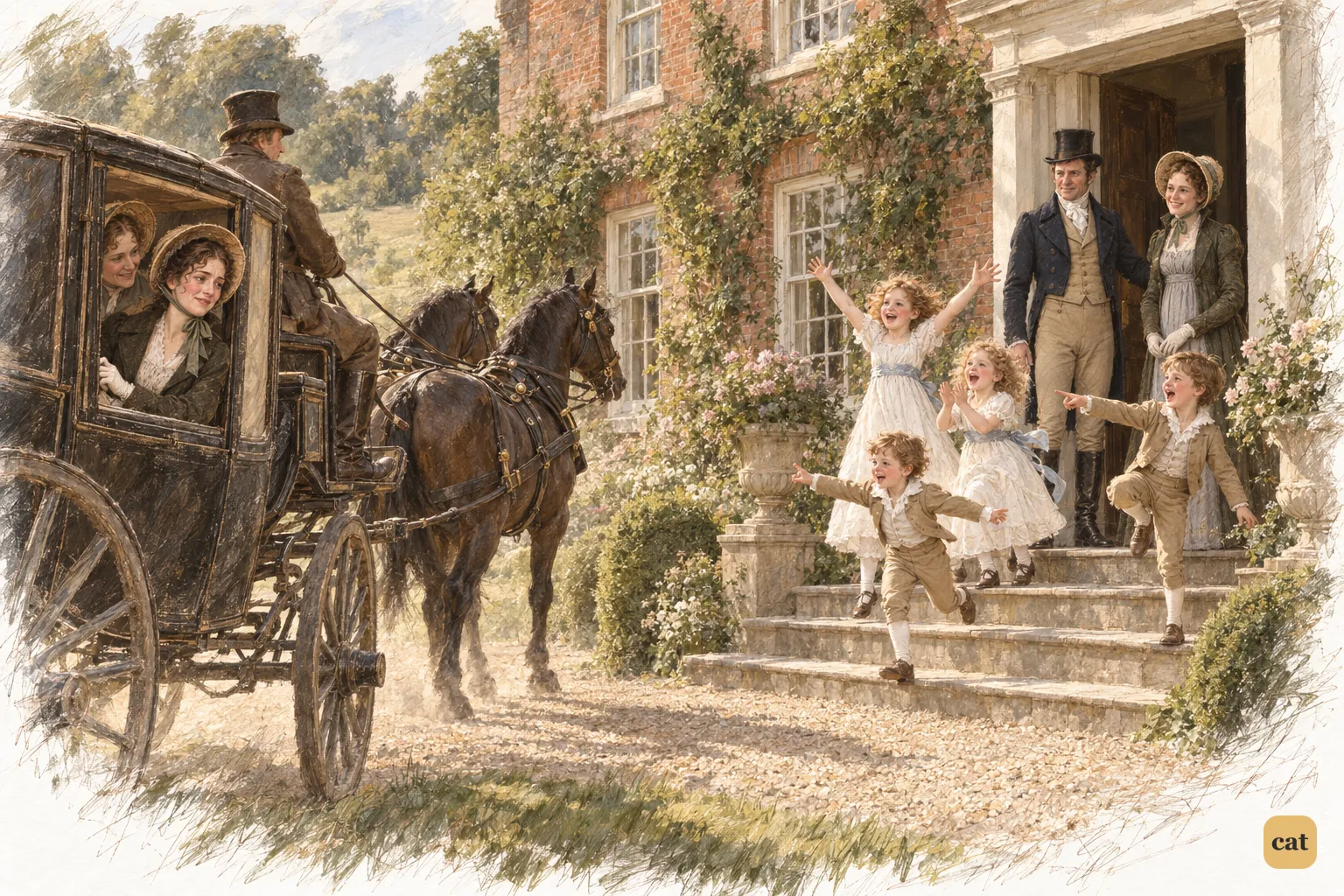
The little Gardiners, attracted by the sight of a chaise, were standing on the steps of the house, as they entered the paddock; and when the carriage drove up to the door, the joyful surprise that lighted up their faces, and displayed itself over their whole bodies, in a variety of capers and frisks, was the first pleasing earnest of their welcome.
Read from here → -
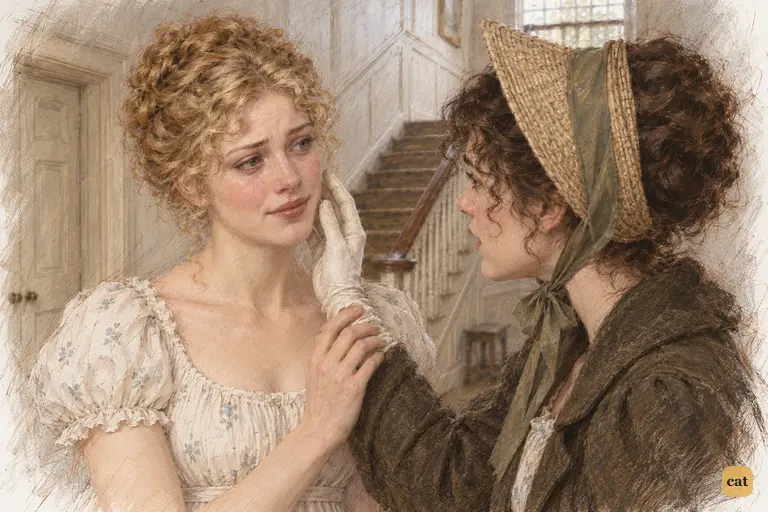
You look pale
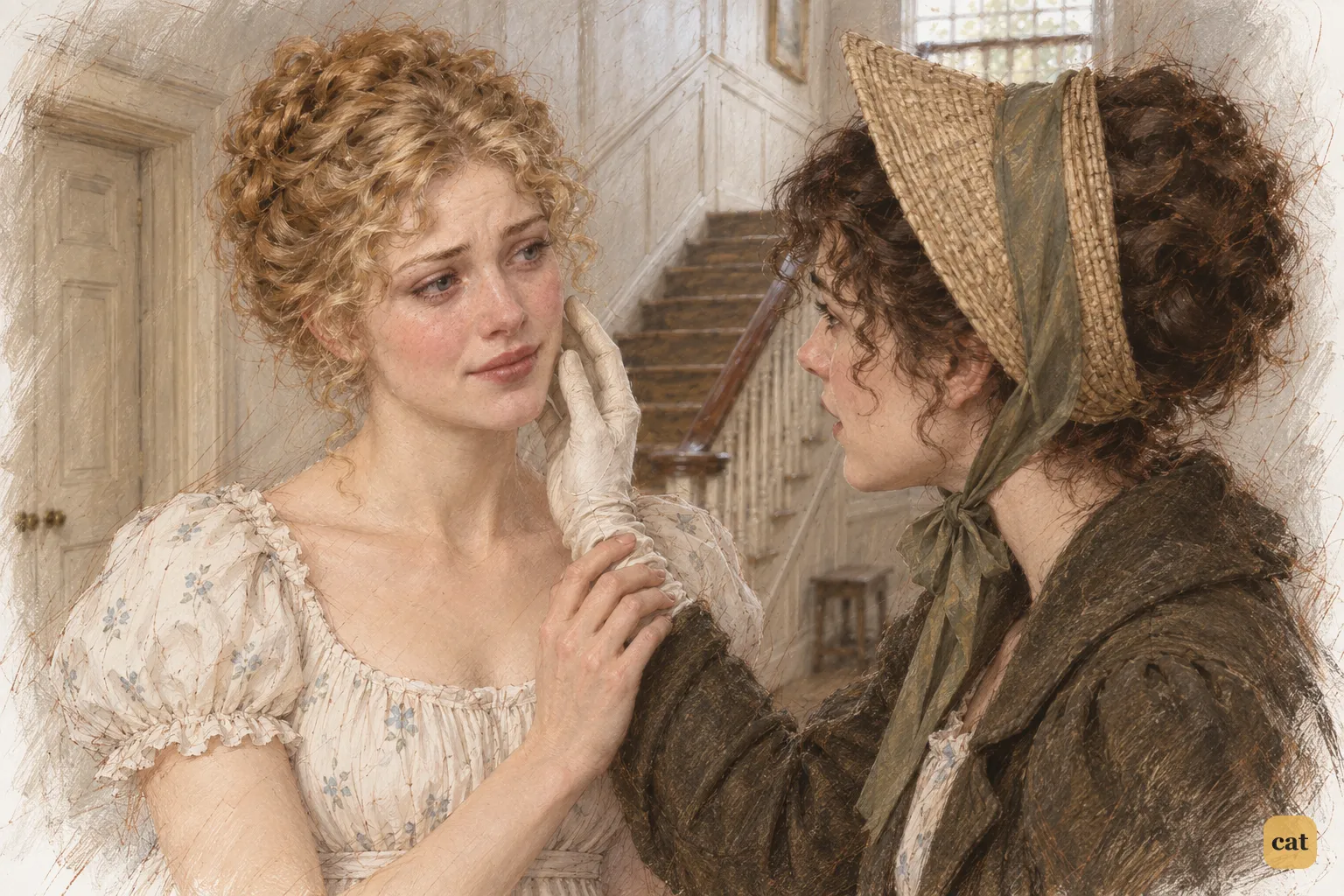
"But you—How are you?" cried Elizabeth. "You look pale. How much you must have gone through!"
Read from here → -
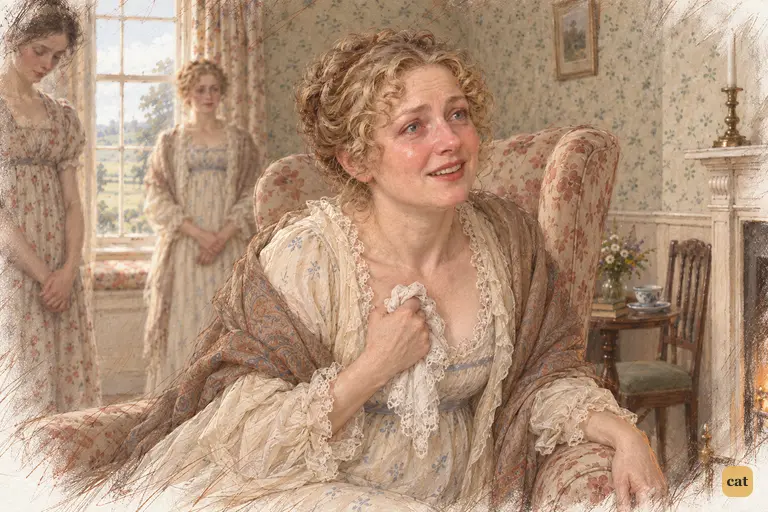
Make them marry
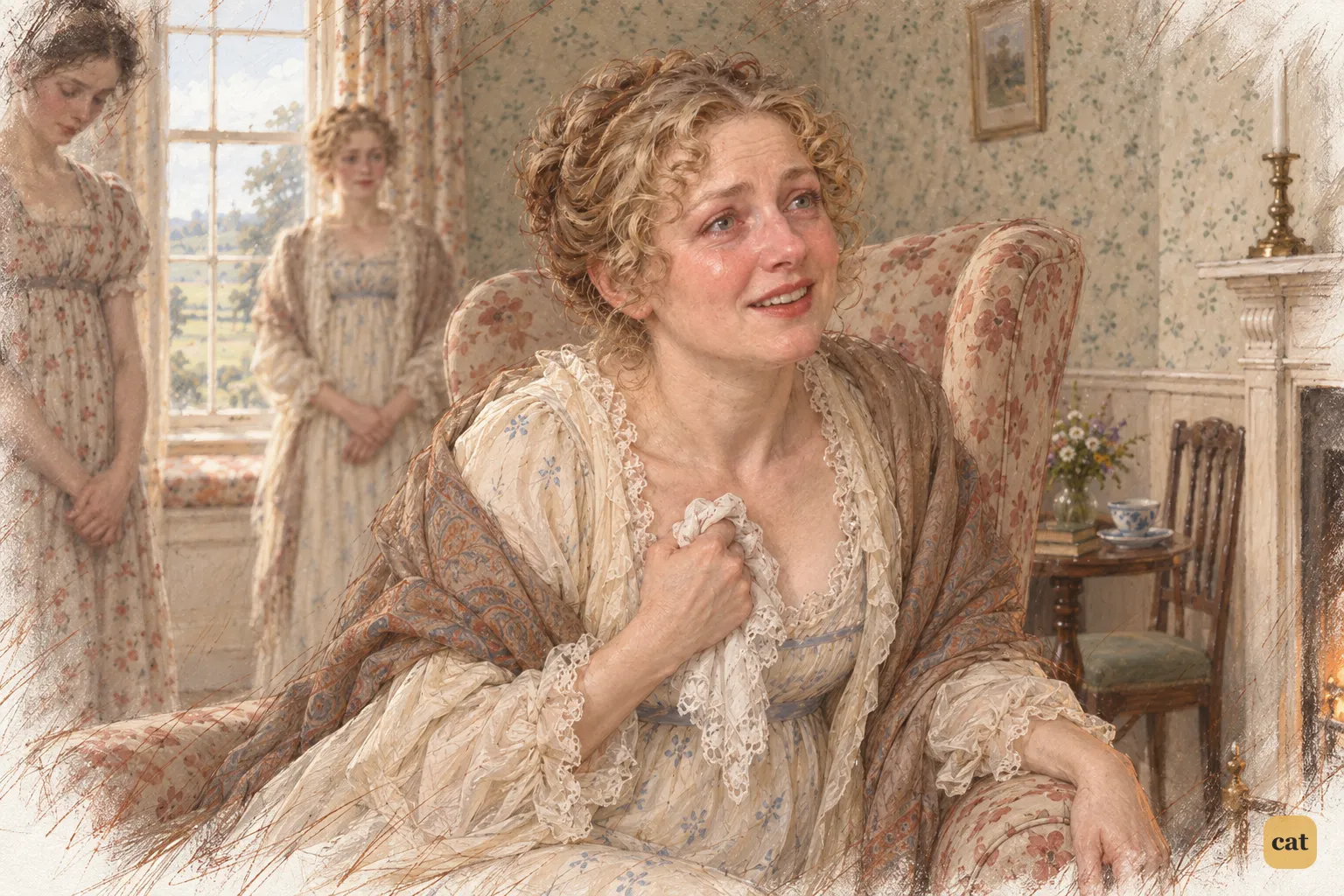
"Oh! my dear brother," replied Mrs. Bennet, "that is exactly what I could most wish for. And now do, when you get to town, find them out, wherever they may be; and if they are not married already, make them marry. And as for wedding clothes, do not let them wait for that, but tell Lydia she shall have as much money as she chuses, to buy them, after they are married. And, above all things, keep Mr. Bennet from fighting. Tell him what a dreadful state I am in,—that I am frightened out of my wits; and have such tremblings, such flutterings, all over me, such spasms in my side, and pains in my head, and such beatings at heart, that I can get no rest by night nor by day. And tell my dear Lydia, not to give any directions about her clothes, till she has seen me, for she does not know which are the best warehouses. Oh, brother, how kind you are! I know you will contrive it all."
Read from here → -
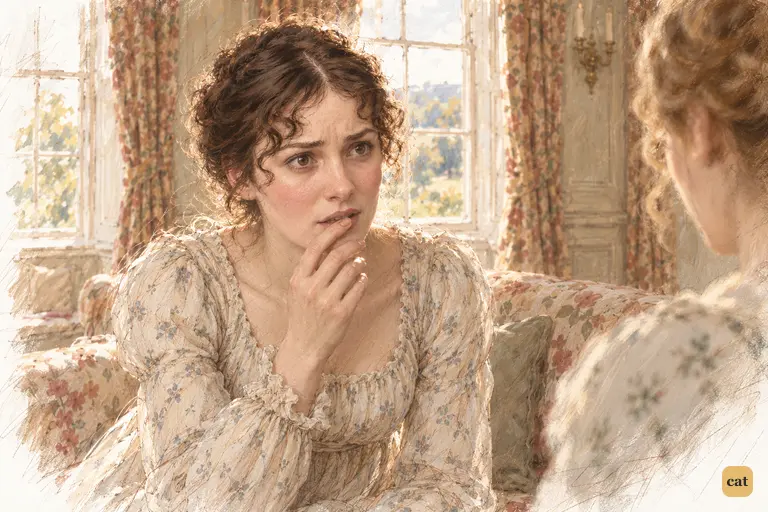
Had we been less secret
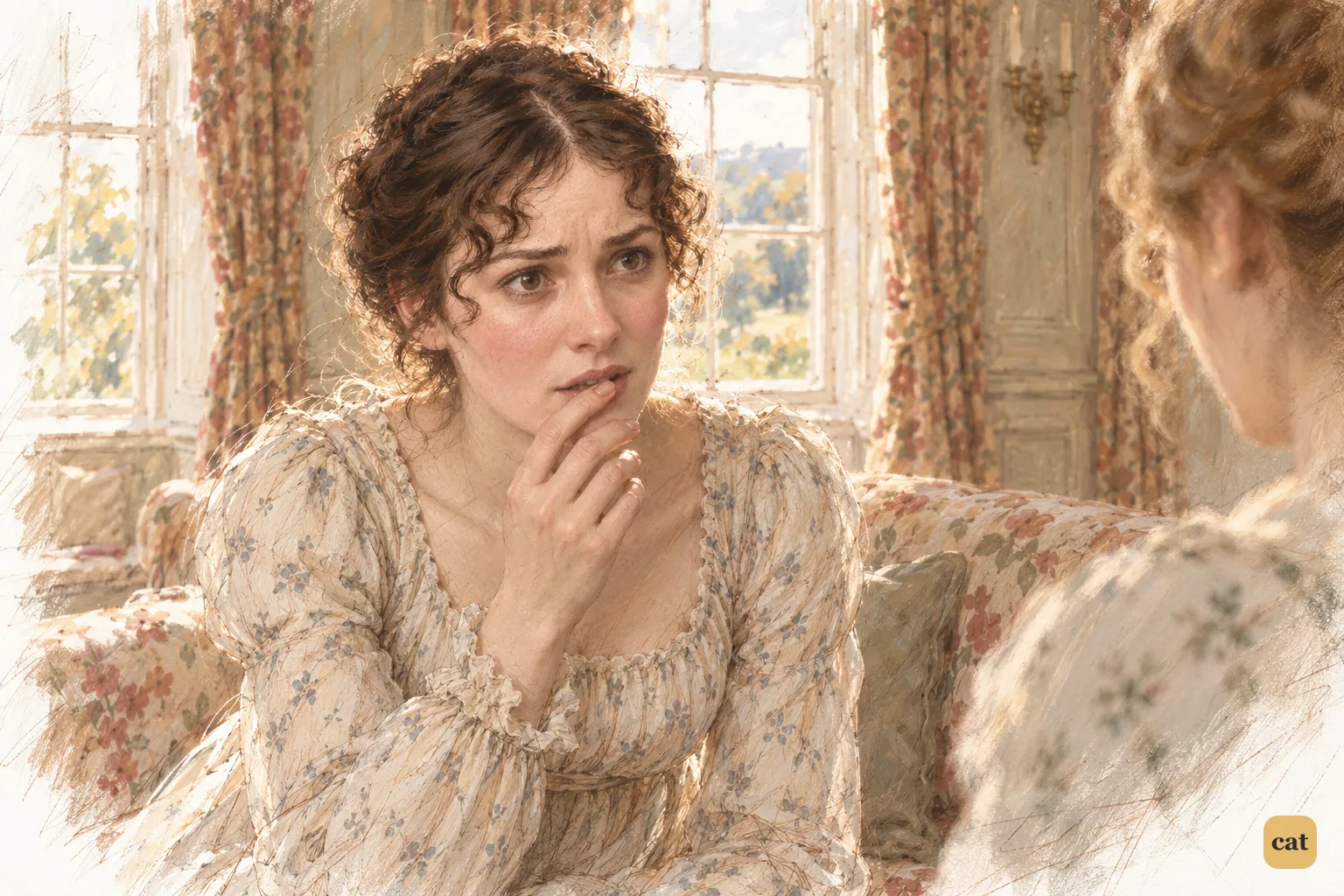
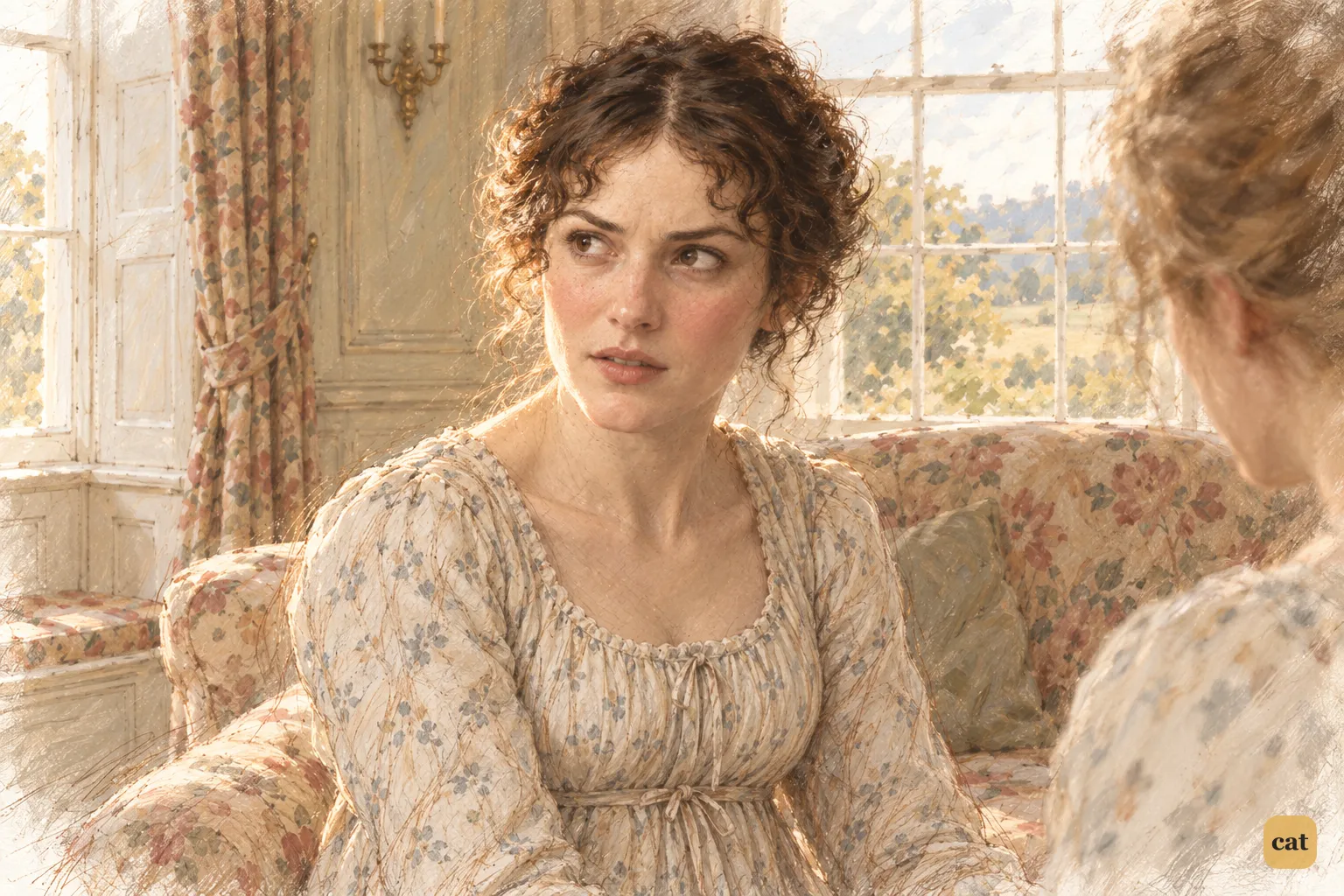
"Oh, Jane, had we been less secret, had we told what we knew of him, this could not have happened!"
Read from here → -
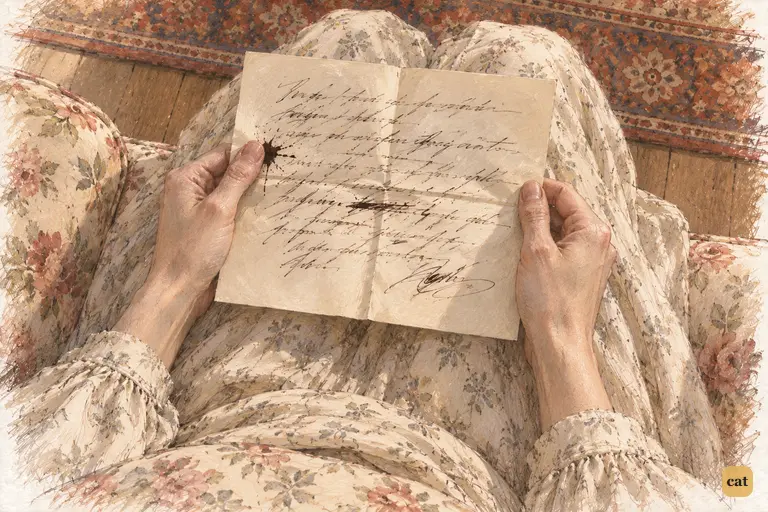
Lydia's careless hand
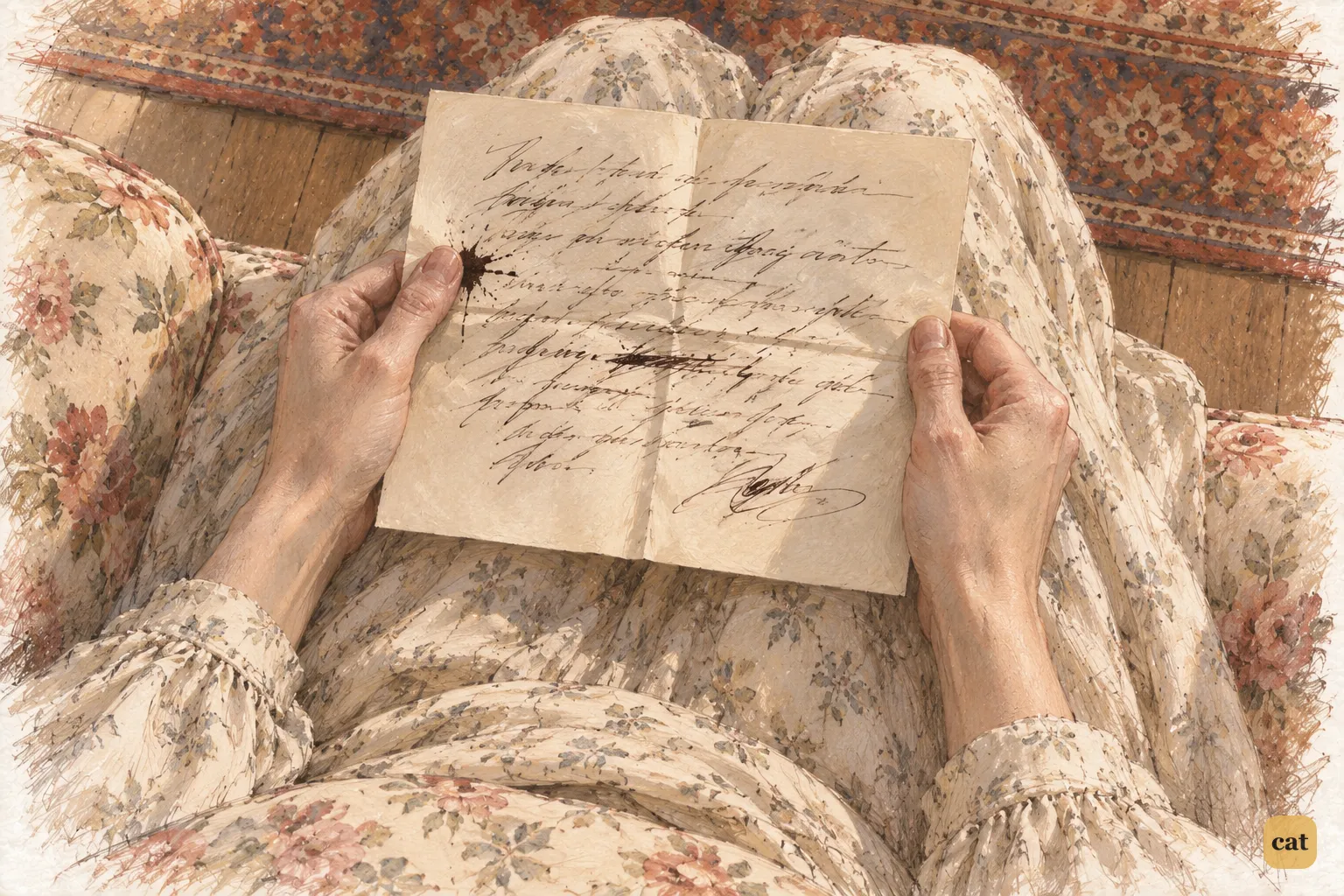
"You will laugh when you know where I am gone, and I cannot help
Read from here →
laughing myself at your surprise to-morrow morning, as soon as I am
missed. I am going to Gretna Green, and if you cannot guess with
who, I shall think you a simpleton, for there is but one man in the
world I love, and he is an angel. I should never be happy without
him, so think it no harm to be off. You need not send them word at
Longbourn of my going, if you do not like it, for it will make the
surprise the greater, when I write to them, and sign my name Lydia
Wickham. What a good joke it will be! I can hardly write for
laughing. Pray make my excuses to Pratt, for not keeping my
engagement, and dancing with him to-night. Tell him I hope he will
excuse me when he knows all, and tell him I will dance with him at
the next ball we meet, with great pleasure. I shall send for my
clothes when I get to Longbourn; but I wish you would tell Sally
to mend a great slit in my worked muslin gown, before they are
packed up. Good bye. Give my love to Colonel Forster, I hope you
will drink to our good journey. -
My poor father
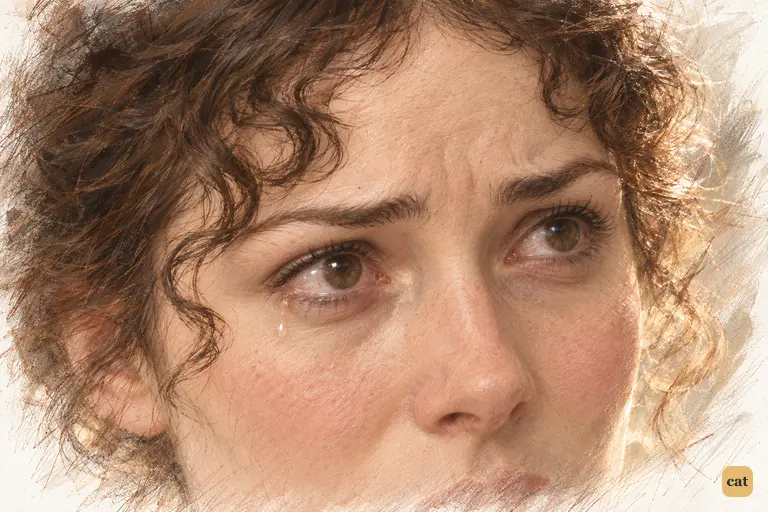
"Oh! thoughtless, thoughtless Lydia!" cried Elizabeth when she had finished it. "What a letter is this, to be written at such a moment. But at least it shews, that she was serious in the object of her journey. Whatever he might afterwards persuade her to, it was not on her side a scheme of infamy. My poor father! how he must have felt it!"
Read from here → -
Condolence, insufferable
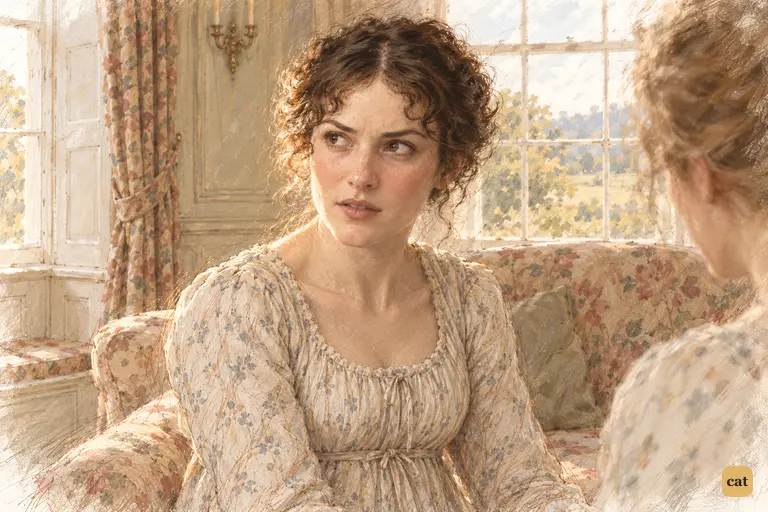
"She had better have stayed at home," cried Elizabeth; "perhaps she meant well, but, under such a misfortune as this, one cannot see too little of one's neighbours. Assistance is impossible; condolence, insufferable. Let them triumph over us at a distance, and be satisfied."
Read from here → -
Chapter 47
The Return to Longbourn
Next chapter: Waiting for the Post at Longbourn Read this chapter