-
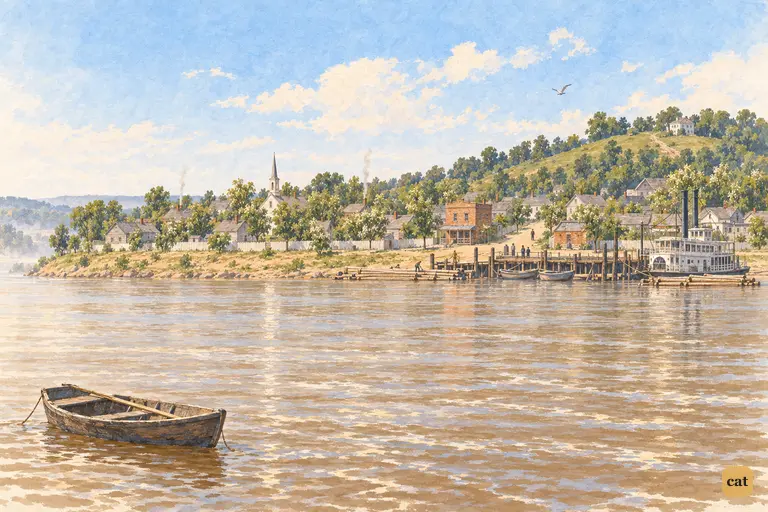
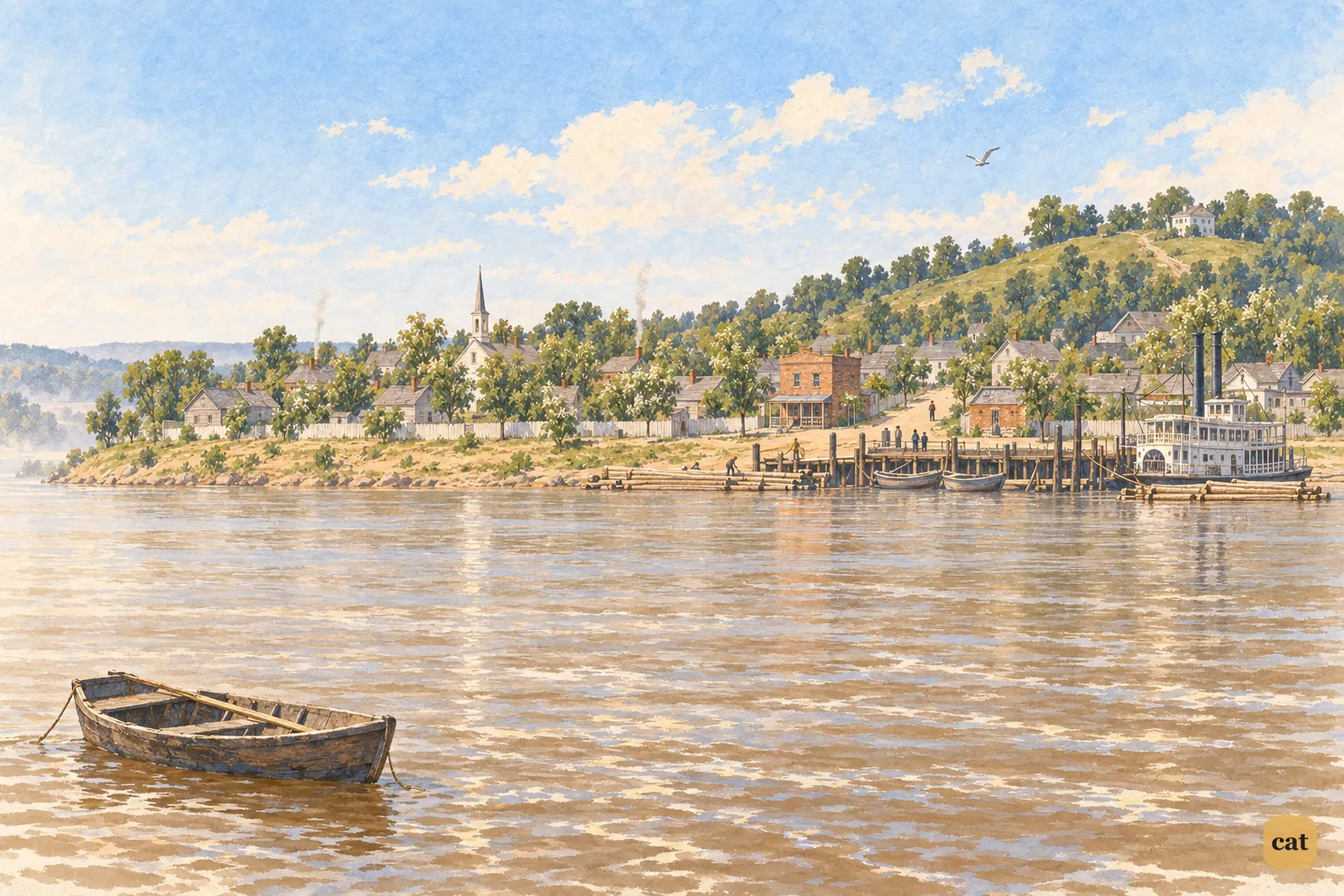
St. Petersburg by the river
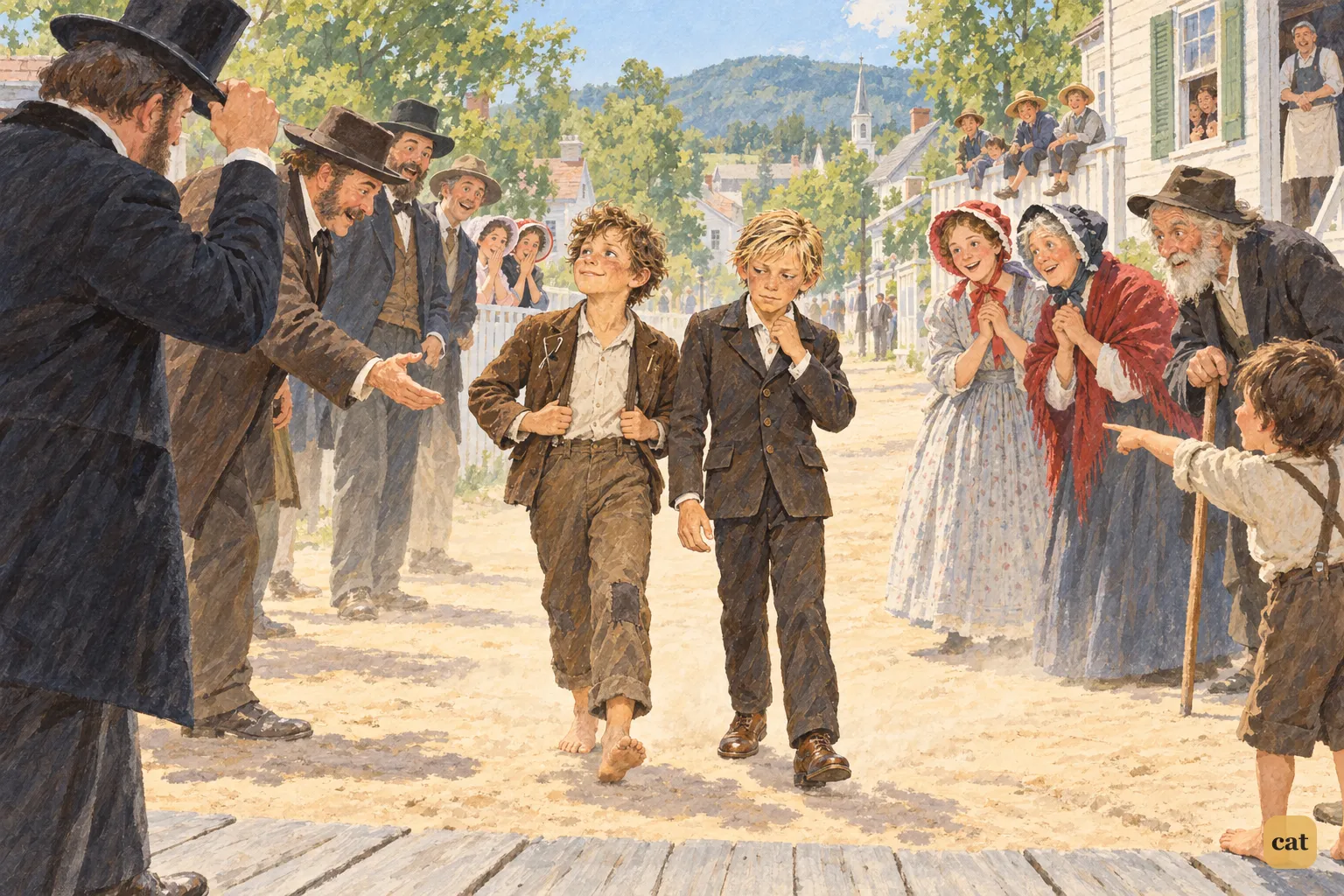
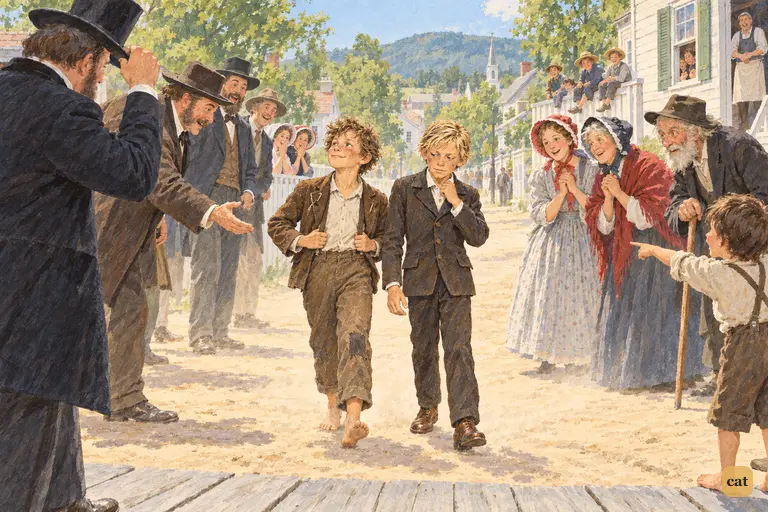
The reader may rest satisfied that Tom’s and Huck’s windfall made a mighty stir in the poor little village of St. Petersburg. So vast a sum, all in actual cash, seemed next to incredible. It was talked about, gloated over, glorified, until the reason of many of the citizens tottered under the strain of the unhealthy excitement. Every “haunted” house in St. Petersburg and the neighboring villages was dissected, plank by plank, and its foundations dug up and ransacked for hidden treasure—and not by boys, but men—pretty grave, unromantic men, too, some of them. Wherever Tom and Huck appeared they were courted, admired, stared at. The boys were not able to remember that their remarks had possessed weight before; but now their sayings were treasured and repeated; everything they did seemed somehow to be regarded as remarkable; they had evidently lost the power of doing and saying commonplace things; moreover, their past history was raked up and discovered to bear marks of conspicuous originality. The village paper published biographical sketches of the boys.
Read from here → -
Courted and stared at
The reader may rest satisfied that Tom’s and Huck’s windfall made a mighty stir in the poor little village of St. Petersburg. So vast a sum, all in actual cash, seemed next to incredible. It was talked about, gloated over, glorified, until the reason of many of the citizens tottered under the strain of the unhealthy excitement. Every “haunted” house in St. Petersburg and the neighboring villages was dissected, plank by plank, and its foundations dug up and ransacked for hidden treasure—and not by boys, but men—pretty grave, unromantic men, too, some of them. Wherever Tom and Huck appeared they were courted, admired, stared at. The boys were not able to remember that their remarks had possessed weight before; but now their sayings were treasured and repeated; everything they did seemed somehow to be regarded as remarkable; they had evidently lost the power of doing and saying commonplace things; moreover, their past history was raked up and discovered to bear marks of conspicuous originality. The village paper published biographical sketches of the boys.
Read from here → -
Tall and superb
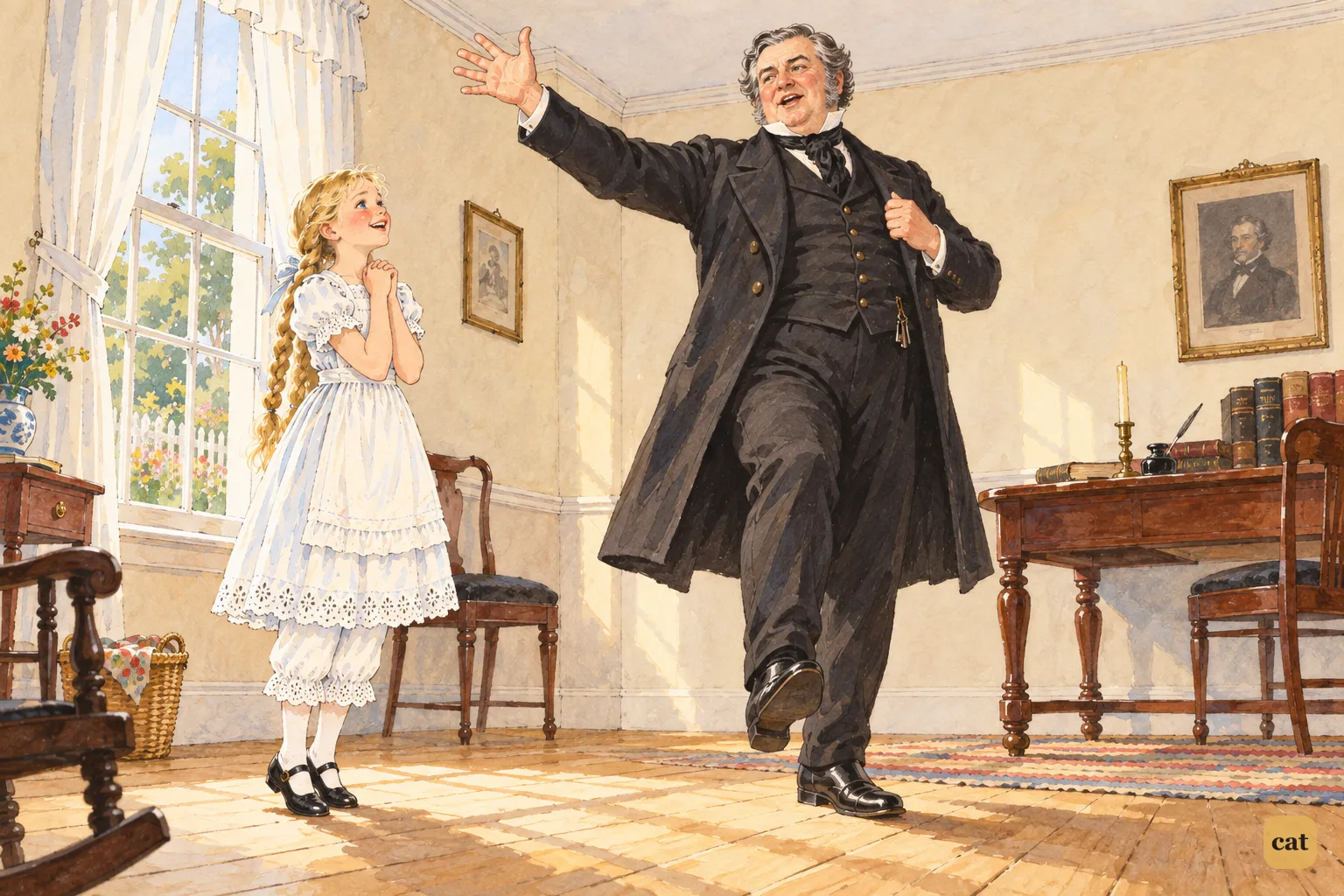
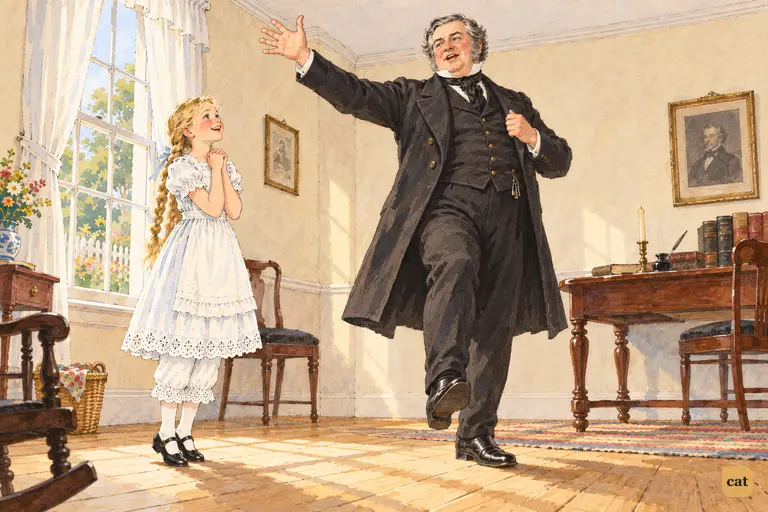
Judge Thatcher had conceived a great opinion of Tom. He said that no commonplace boy would ever have got his daughter out of the cave. When Becky told her father, in strict confidence, how Tom had taken her whipping at school, the Judge was visibly moved; and when she pleaded grace for the mighty lie which Tom had told in order to shift that whipping from her shoulders to his own, the Judge said with a fine outburst that it was a noble, a generous, a magnanimous lie—a lie that was worthy to hold up its head and march down through history breast to breast with George Washington’s lauded Truth about the hatchet! Becky thought her father had never looked so tall and so superb as when he walked the floor and stamped his foot and said that. She went straight off and told Tom about it.
Read from here → -
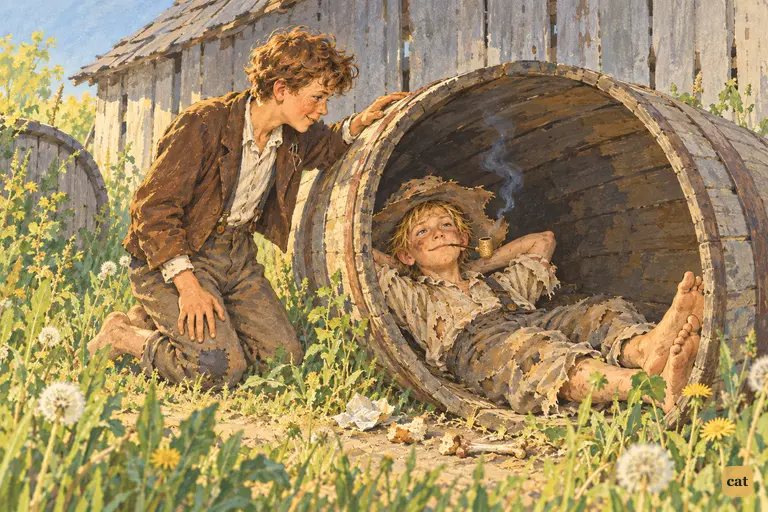
Free and happy again
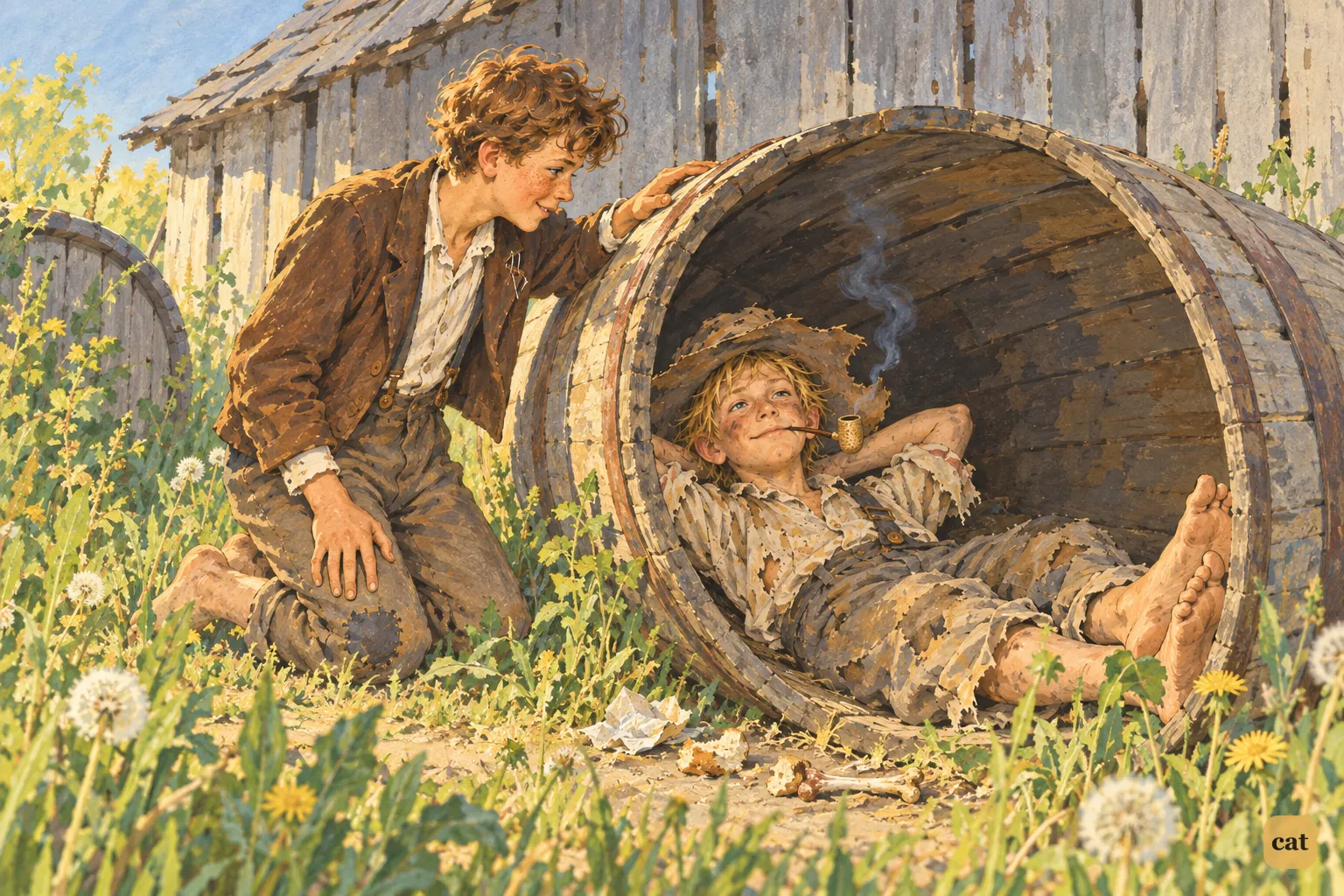
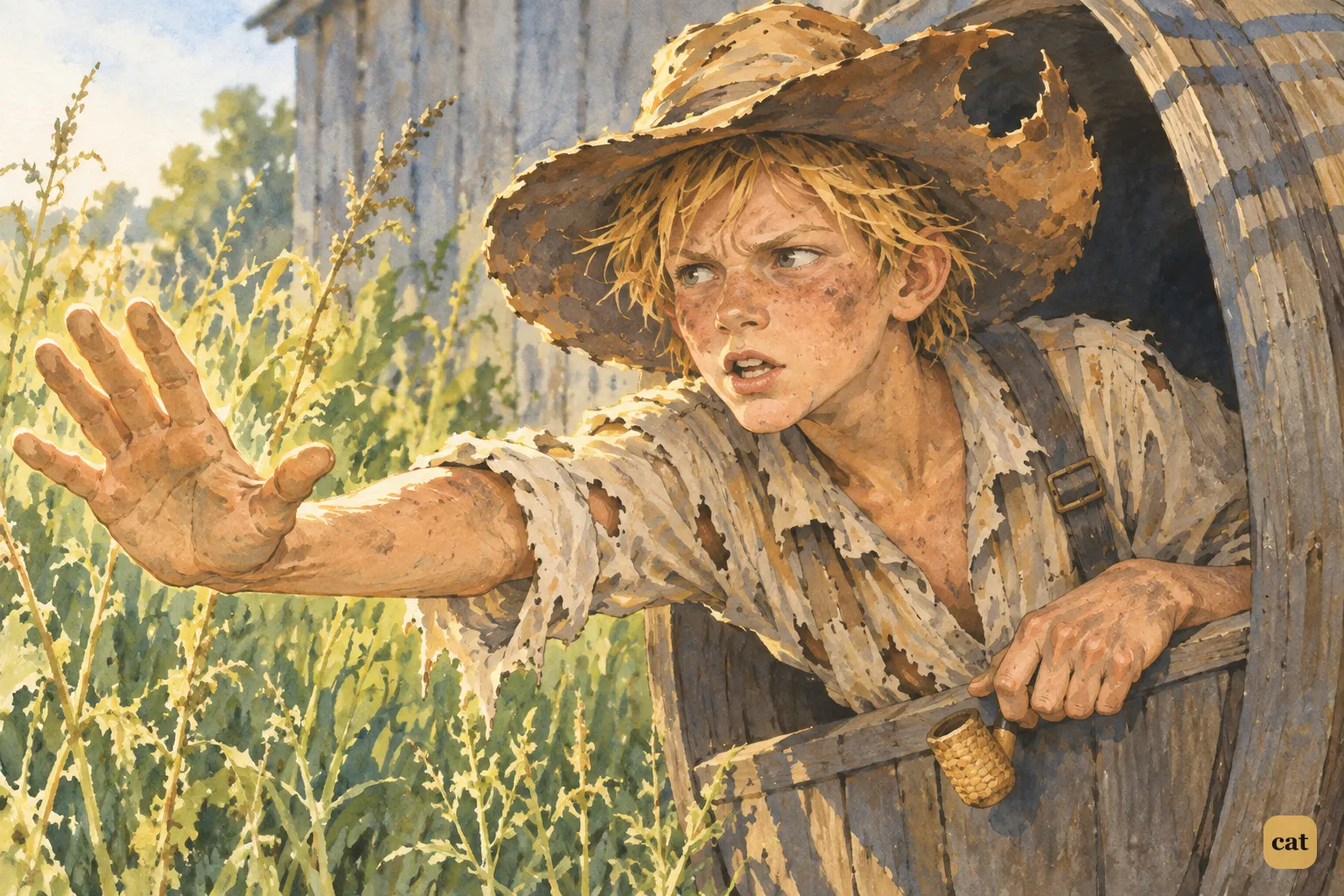
He bravely bore his miseries three weeks, and then one day turned up missing. For forty-eight hours the widow hunted for him everywhere in great distress. The public were profoundly concerned; they searched high and low, they dragged the river for his body. Early the third morning Tom Sawyer wisely went poking among some old empty hogsheads down behind the abandoned slaughter-house, and in one of them he found the refugee. Huck had slept there; he had just breakfasted upon some stolen odds and ends of food, and was lying off, now, in comfort, with his pipe. He was unkempt, uncombed, and clad in the same old ruin of rags that had made him picturesque in the days when he was free and happy. Tom routed him out, told him the trouble he had been causing, and urged him to go home. Huck’s face lost its tranquil content, and took a melancholy cast. He said:
Read from here → -

Take my sheer of it
“Tom, it don’t make no difference. I ain’t everybody, and I can’t stand it. It’s awful to be tied up so. And grub comes too easy—I don’t take no interest in vittles, that way. I got to ask to go a-fishing; I got to ask to go in a-swimming—dern’d if I hain’t got to ask to do everything. Well, I’d got to talk so nice it wasn’t no comfort—I’d got to go up in the attic and rip out awhile, every day, to git a taste in my mouth, or I’d a died, Tom. The widder wouldn’t let me smoke; she wouldn’t let me yell, she wouldn’t let me gape, nor stretch, nor scratch, before folks—” [Then with a spasm of special irritation and injury]—“And dad fetch it, she prayed all the time! I never see such a woman! I had to shove, Tom—I just had to. And besides, that school’s going to open, and I’d a had to go to it—well, I wouldn’t stand that, Tom. Looky-here, Tom, being rich ain’t what it’s cracked up to be. It’s just worry and worry, and sweat and sweat, and a-wishing you was dead all the time. Now these clothes suits me, and this bar’l suits me, and I ain’t ever going to shake ’em any more. Tom, I wouldn’t ever got into all this trouble if it hadn’t ’a’ been for that money; now you just take my sheer of it along with your’n, and gimme a ten-center sometimes—not many times, becuz I don’t give a dern for a thing ’thout it’s tollable hard to git—and you go and beg off for me with the widder.”
Read from here → -

-

I'll go back
“Well, I’ll go back to the widder for a month and tackle it and see if I can come to stand it, if you’ll let me b’long to the gang, Tom.”
Read from here → -

Bullier than pirating
“Now, that’s something like! Why, it’s a million times bullier than pirating. I’ll stick to the widder till I rot, Tom; and if I git to be a reg’lar ripper of a robber, and everybody talking ’bout it, I reckon she’ll be proud she snaked me in out of the wet.”
Read from here → -
Chapter 32
Huck flees riches, is lured back by the gang
The end · Back to the book Read this chapter