-

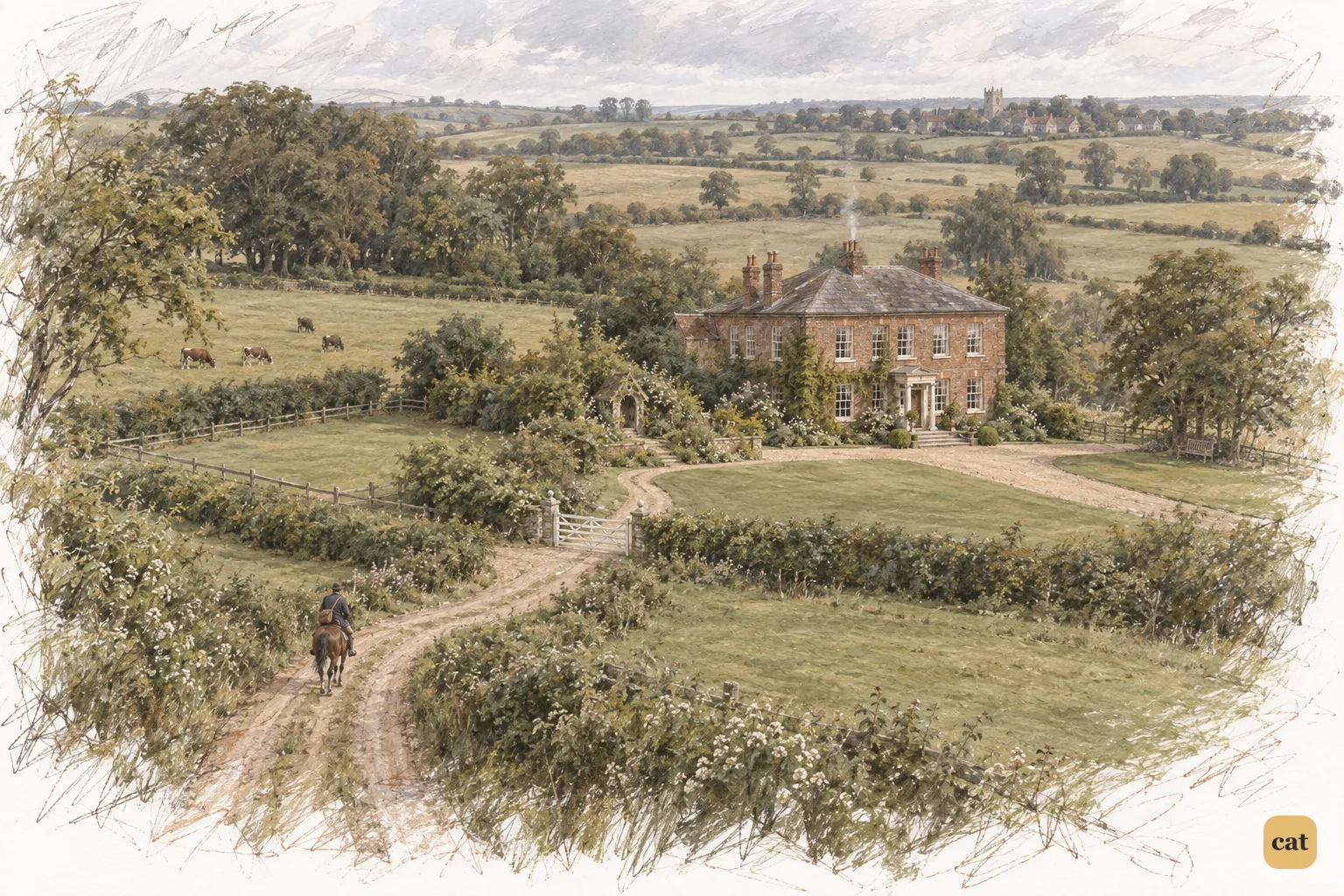
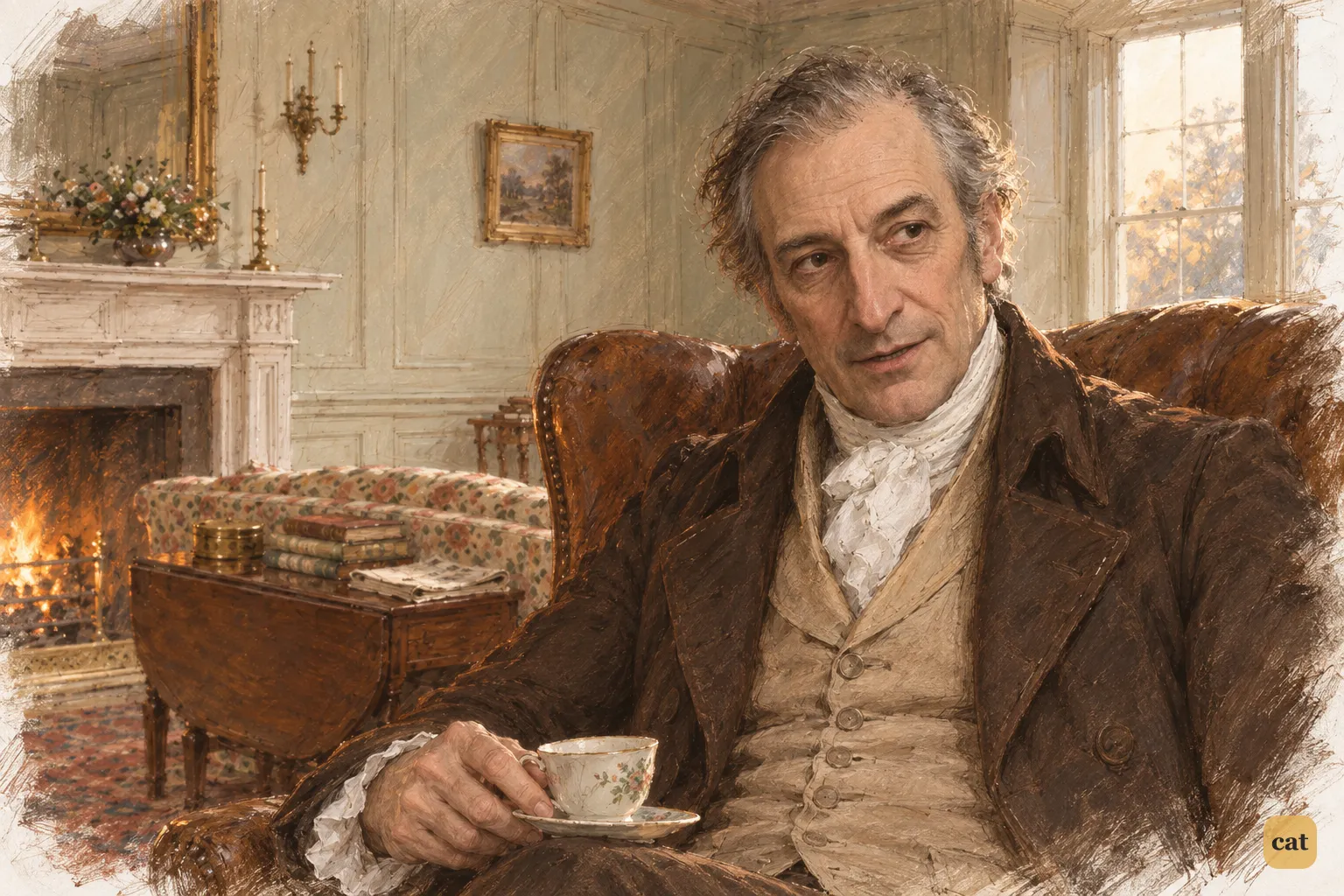
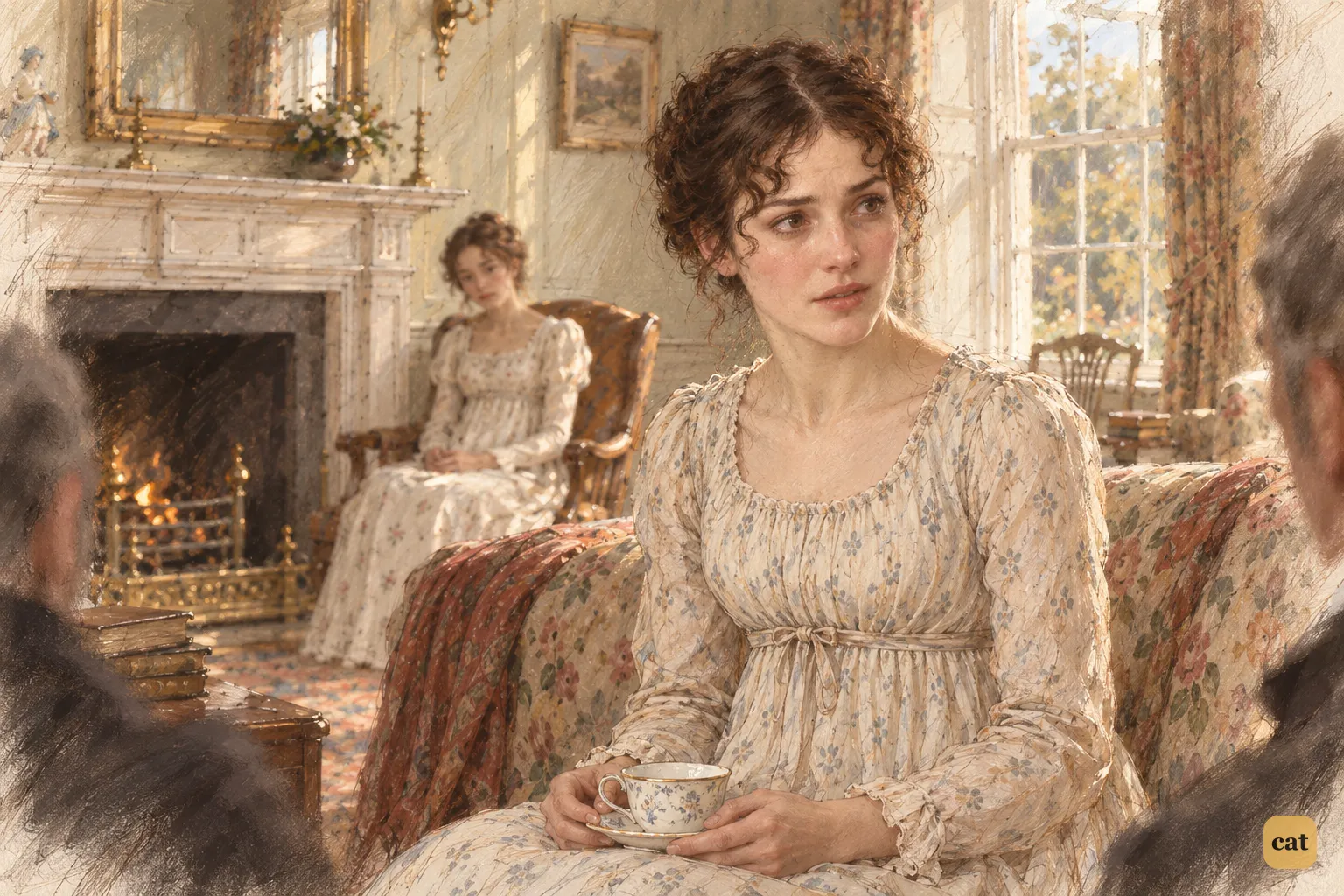
Longbourn awaiting the post
The whole party were in hopes of a letter from Mr. Bennet the next morning, but the post came in without bringing a single line from him. His family knew him to be on all common occasions, a most negligent and dilatory correspondent, but at such a time, they had hoped for exertion. They were forced to conclude, that he had no pleasing intelligence to send, but even of that they would have been glad to be certain. Mr. Gardiner had waited only for the letters before he set off.
Read from here → -
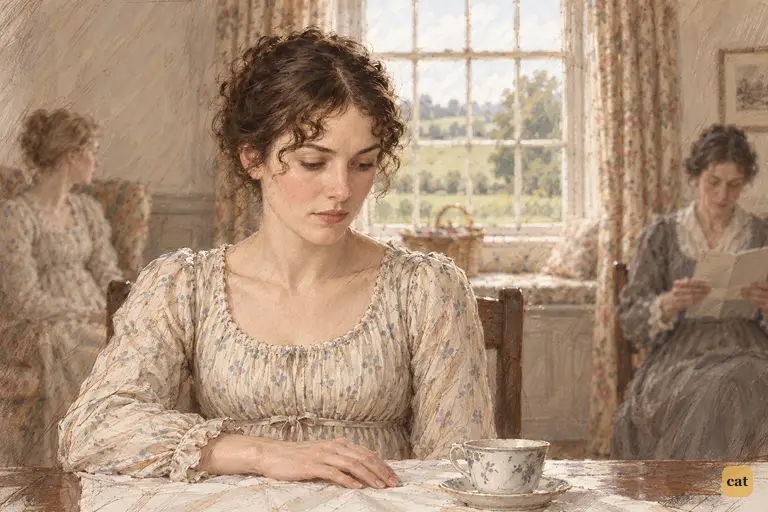
Elizabeth knows why
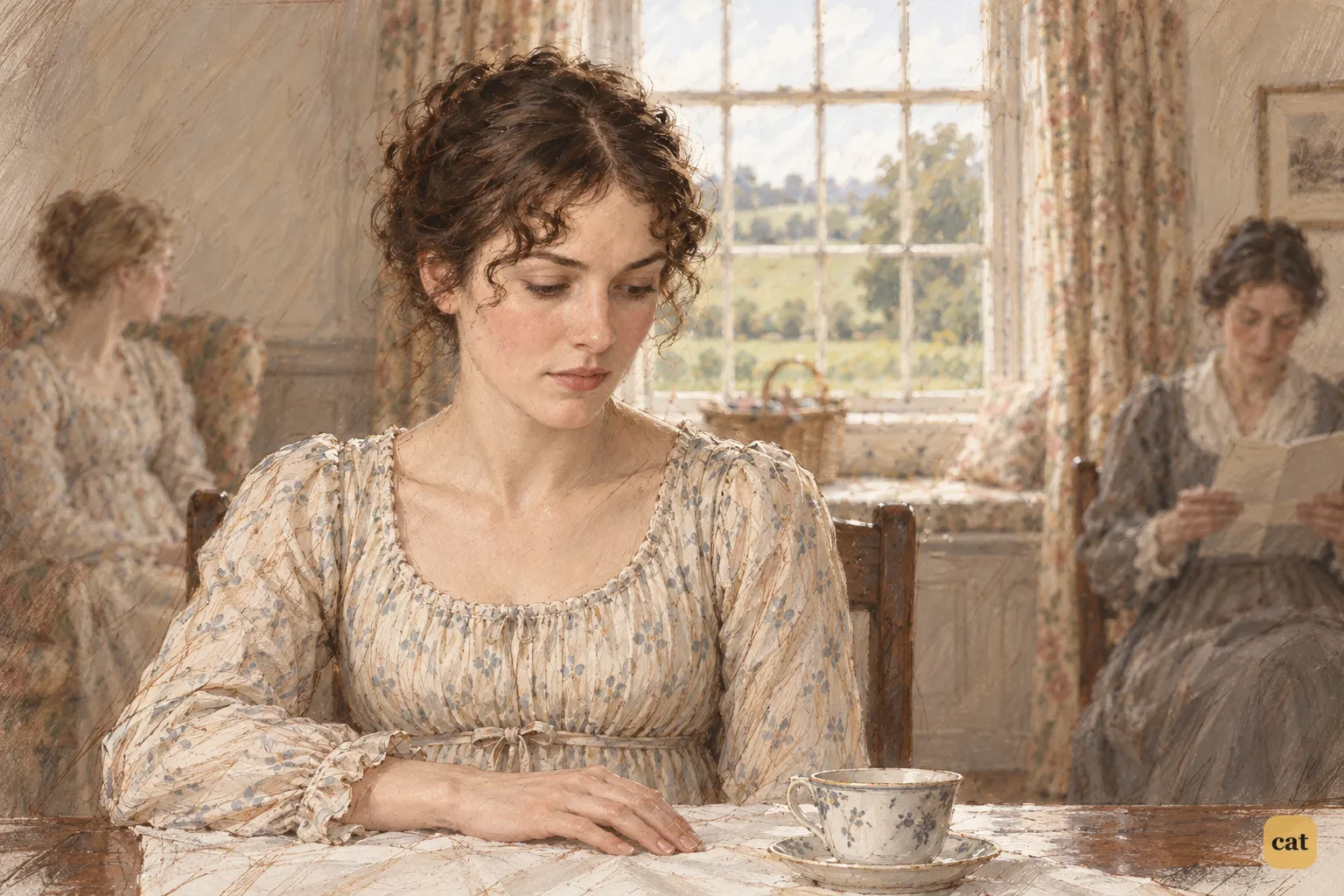
Elizabeth was at no loss to understand from whence this deference for her authority proceeded; but it was not in her power to give any information of so satisfactory a nature, as the compliment deserved.
Read from here → -
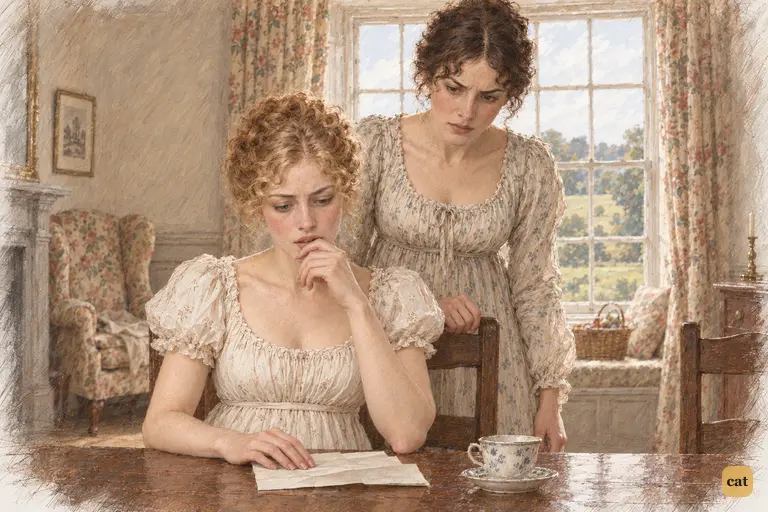
Worse than death
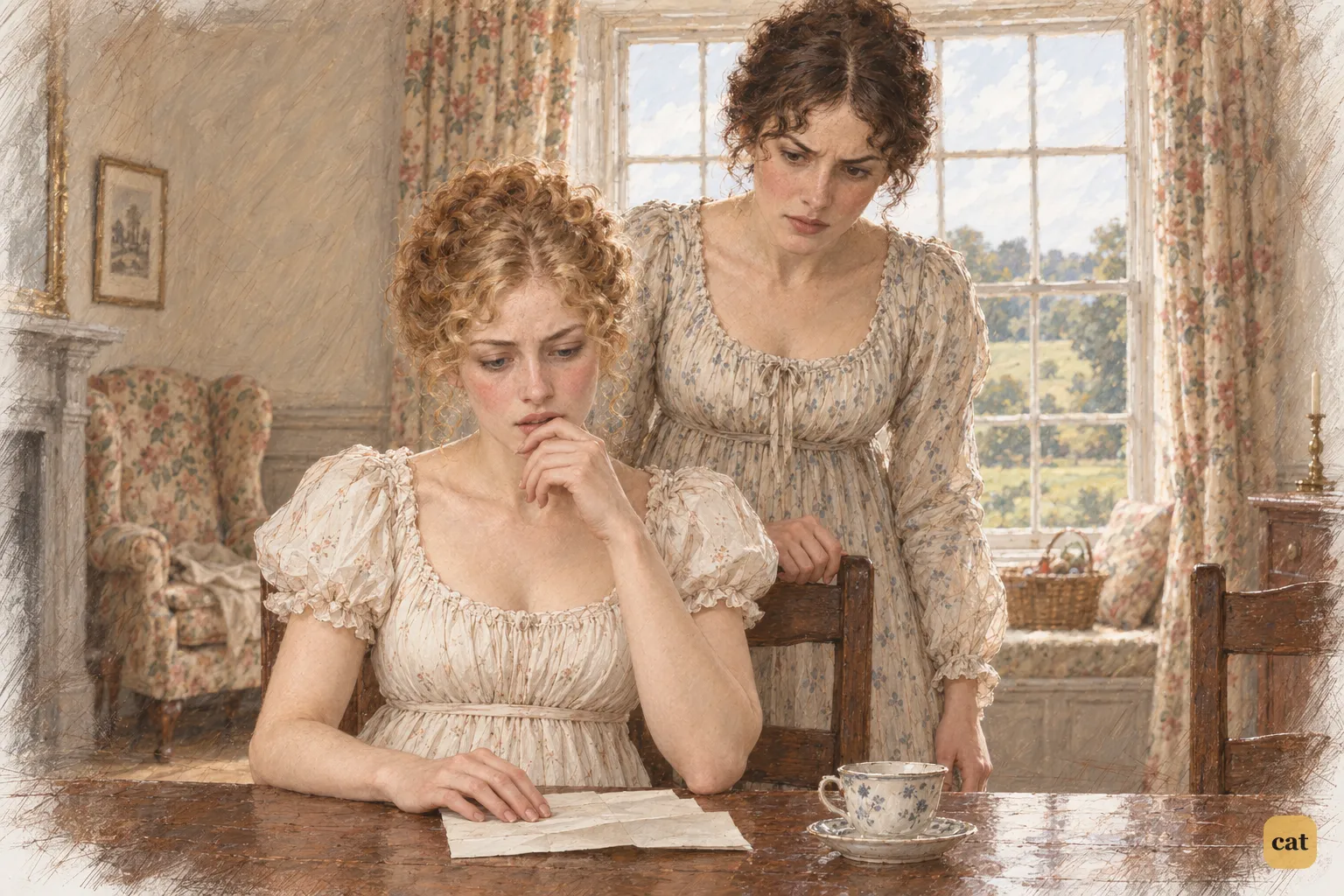
"I feel myself called upon, by our relationship, and my situation
Read from here →
in life, to condole with you on the grievous affliction you are now
suffering under, of which we were yesterday informed by a letter
from Hertfordshire. Be assured, my dear Sir, that Mrs. Collins and
myself sincerely sympathise with you, and all your respectable
family, in your present distress, which must be of the bitterest
kind, because proceeding from a cause which no time can remove. No
arguments shall be wanting on my part, that can alleviate so severe
a misfortune; or that may comfort you, under a circumstance that
must be of all others most afflicting to a parent's mind. The death
of your daughter would have been a blessing in comparison of this.
And it is the more to be lamented, because there is reason to
suppose, as my dear Charlotte informs me, that this licentiousness
of behaviour in your daughter, has proceeded from a faulty degree
of indulgence, though, at the same time, for the consolation of
yourself and Mrs. Bennet, I am inclined to think that her own
disposition must be naturally bad, or she could not be guilty of
such an enormity, at so early an age. Howsoever that may be, you
are grievously to be pitied, in which opinion I am not only joined
by Mrs. Collins, but likewise by lady Catherine and her daughter,
to whom I have related the affair. They agree with me in
apprehending that this false step in one daughter, will be
injurious to the fortunes of all the others, for who, as lady
Catherine herself condescendingly says, will connect themselves
with such a family. And this consideration leads me moreover to
reflect with augmented satisfaction on a certain event of last
November, for had it been otherwise, I must have been involved in
all your sorrow and disgrace. Let me advise you then, my dear Sir,
to console yourself as much as possible, to throw off your unworthy
child from your affection for ever, and leave her to reap the
fruits of her own heinous offence. -

Last November
"I feel myself called upon, by our relationship, and my situation
Read from here →
in life, to condole with you on the grievous affliction you are now
suffering under, of which we were yesterday informed by a letter
from Hertfordshire. Be assured, my dear Sir, that Mrs. Collins and
myself sincerely sympathise with you, and all your respectable
family, in your present distress, which must be of the bitterest
kind, because proceeding from a cause which no time can remove. No
arguments shall be wanting on my part, that can alleviate so severe
a misfortune; or that may comfort you, under a circumstance that
must be of all others most afflicting to a parent's mind. The death
of your daughter would have been a blessing in comparison of this.
And it is the more to be lamented, because there is reason to
suppose, as my dear Charlotte informs me, that this licentiousness
of behaviour in your daughter, has proceeded from a faulty degree
of indulgence, though, at the same time, for the consolation of
yourself and Mrs. Bennet, I am inclined to think that her own
disposition must be naturally bad, or she could not be guilty of
such an enormity, at so early an age. Howsoever that may be, you
are grievously to be pitied, in which opinion I am not only joined
by Mrs. Collins, but likewise by lady Catherine and her daughter,
to whom I have related the affair. They agree with me in
apprehending that this false step in one daughter, will be
injurious to the fortunes of all the others, for who, as lady
Catherine herself condescendingly says, will connect themselves
with such a family. And this consideration leads me moreover to
reflect with augmented satisfaction on a certain event of last
November, for had it been otherwise, I must have been involved in
all your sorrow and disgrace. Let me advise you then, my dear Sir,
to console yourself as much as possible, to throw off your unworthy
child from your affection for ever, and leave her to reap the
fruits of her own heinous offence. -
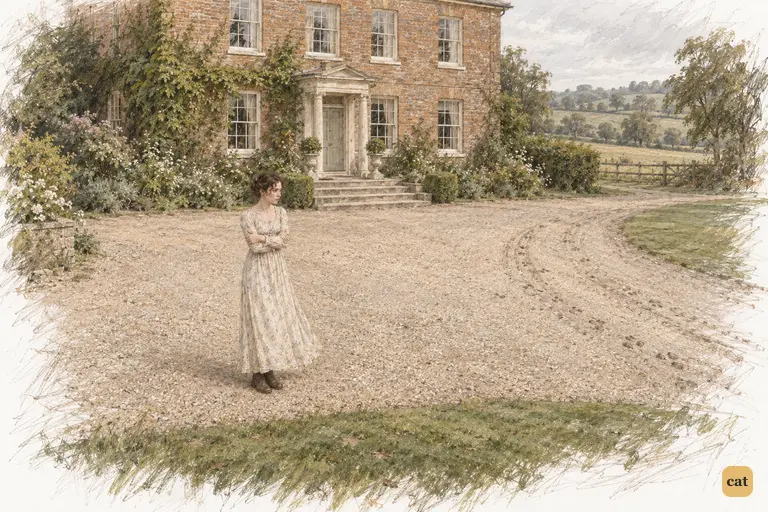
Alone on the gravel
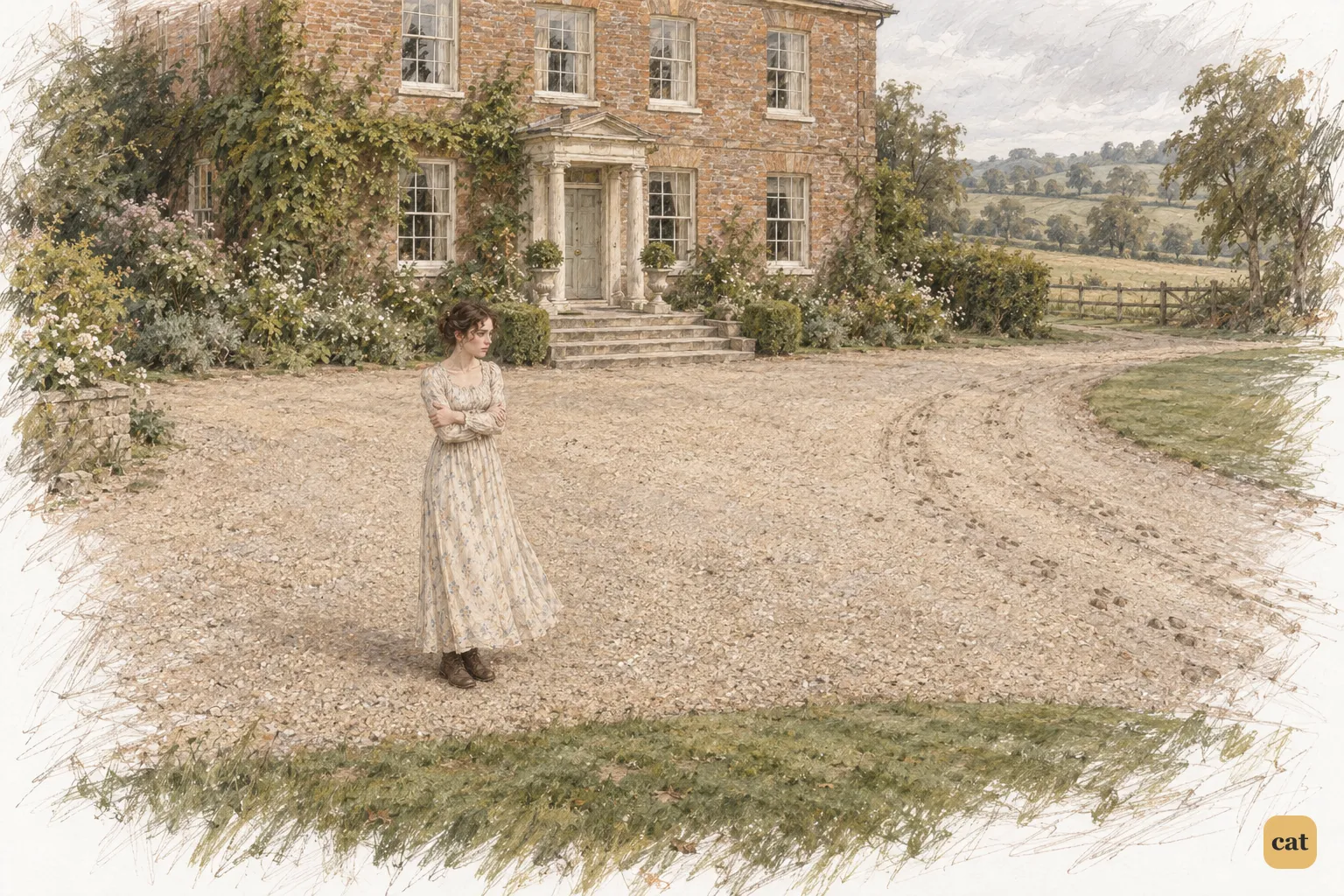
The present unhappy state of the family, rendered any other excuse for the lowness of her spirits unnecessary; nothing, therefore, could be fairly conjectured from that, though Elizabeth, who was by this time tolerably well acquainted with her own feelings, was perfectly aware, that, had she known nothing of Darcy, she could have borne the dread of Lydia's infamy somewhat better. It would have spared her, she thought, one sleepless night out of two.
Read from here → -

Philosophic composure
When Mr. Bennet arrived, he had all the appearance of his usual philosophic composure. He said as little as he had ever been in the habit of saying; made no mention of the business that had taken him away, and it was some time before his daughters had courage to speak of it.
Read from here → -
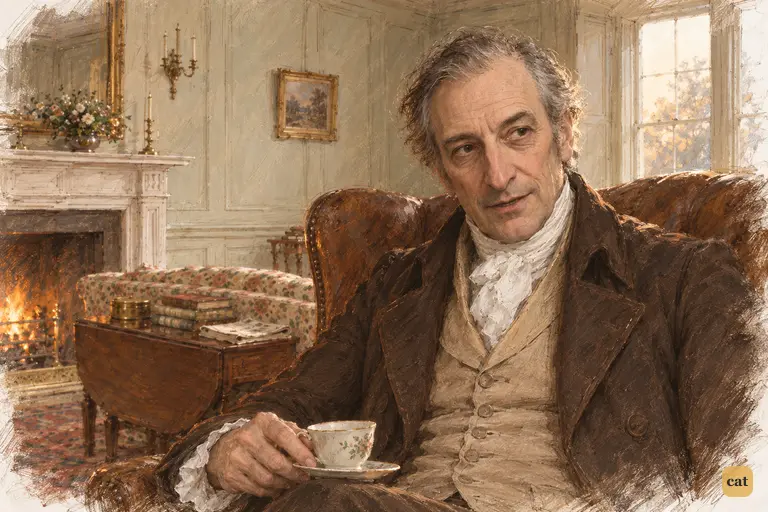
"How much I have been to blame"
"You may well warn me against such an evil. Human nature is so prone to fall into it! No, Lizzy, let me once in my life feel how much I have been to blame. I am not afraid of being overpowered by the impression. It will pass away soon enough."
Read from here → -
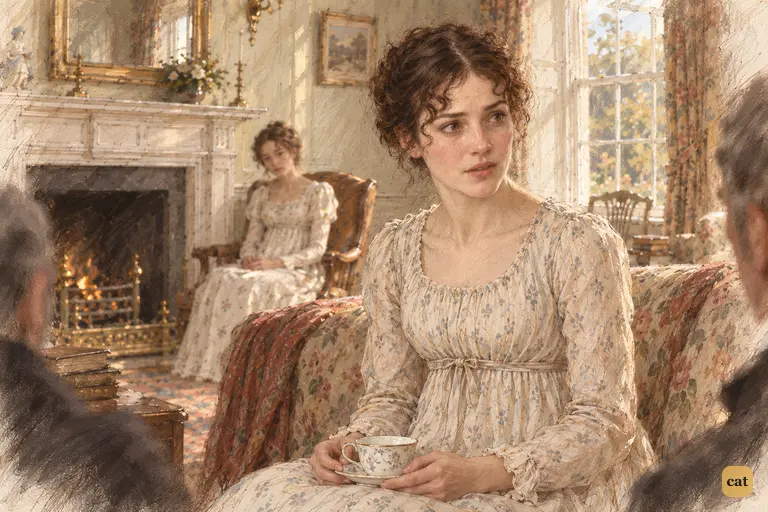
Justified last May
Then, after a short silence, he continued, "Lizzy, I bear you no ill-will for being justified in your advice to me last May, which, considering the event, shews some greatness of mind."
Read from here → -
Chapter 48
Waiting for the Post at Longbourn
Next chapter: The Express from Gracechurch-street Read this chapter